Category: BigNewsNetwork

  • From Gym Amenity to Home Sauna Lifestyle: The Evolution of Sauna Use

    Not long ago, you could enter a high-end gym and barely notice the sauna there. It sat quietly in the background, more like a forgotten corner than a feature anyone planned their visit around. A cedar-lined room near the showers, usually too hot, often unmaintained, mostly used by older members who had grown up with it.

    It was simply another item on the amenities list, not something most members paid much attention to. That image has almost nothing in common with how sauna culture looks today.

    The sauna has undergone a genuine transformation. What was once considered a niche wellness feature has now become a mainstream lifestyle experience, attracting a younger generation of dedicated users and reshaping expectations around both sauna design and where people choose to enjoy it.

    Sauna heaters, in particular, have become central to this evolution, as they directly determine heat quality, consistency, and the overall effectiveness of the sauna experience.

    Where It Started: The Deep Roots of Sauna Culture

    Understanding how sauna culture began provides important context for the way it has transformed in recent years. The sauna is not a modern wellness invention. For generations, saunas have been deeply embedded in Finnish culture and everyday routines.

    In a nation of only 5.5 million people, Finland is home to an estimated 3.3 million saunas, highlighting the country’s extraordinary connection to sauna culture. For Finnish families, the sauna was where you cleaned yourself, where you recovered from physical labour, where you had quiet conversations, and where important life moments happened.

    That cultural depth was never fully translated when saunas travelled to the rest of the world. Outside Scandinavia, the sauna became a gym amenity or a hotel luxury, something encountered occasionally rather than built into daily life. The ritual was stripped out. What remained was just a hot room.

    The Turning Point

    The first major shift came from the fitness and biohacking world. Athletes and coaches began viewing sauna use as a serious recovery tool, focusing not just on relaxation but on its potential physiological benefits and measurable performance outcomes.

    Growing interest in wellness research also played a major role in the sauna’s rise in popularity. As interest in the effects of regular heat exposure grew, people began to see sauna use as more than simply a post-workout relaxation ritual. It increasingly became associated with recovery, stress reduction, overall wellness, and long-term health support.

    This shift also introduced a new generation of sauna users: younger, performance-driven individuals who approached wellness with a more measured and intentional mindset. Many tracked sleep, monitored recovery metrics, and treated recovery routines with the same seriousness as exercise itself. For them, the sauna evolved from a luxury feature into a practical wellness tool.

    The Cultural Moment: Social Media and the Cold-Hot Protocol

    The second shift was cultural and happened faster. Social media, particularly Instagram and later YouTube and podcasts, gave sauna culture a visibility it had never had outside Scandinavia.

    High-profile athletes, wellness personalities, and podcasters began talking openly about daily sauna practice. The hot-cold contrast protocol, alternating sauna with cold plunge, became widely discussed as one of the most effective recovery and resilience-building practices available.

    Neuroscientist Andrew Huberman’s widely shared content on heat and cold exposure introduced sauna science to an enormous mainstream audience. Joe Rogan’s long-running advocacy for sauna use reached millions more.

    The effect was significant:

    • Home sauna sales rose sharply from 2020 onwards, accelerated further by pandemic-era home investment.
    • Cold plunge pools went from niche athlete equipment to mainstream wellness products.
    • The idea of creating a personal wellness space that included a sauna, cold plunge, shower, and relaxation area became far more mainstream than ever before.
    • Sauna brands, particularly design-led European ones, gained international recognition and sold out of product as demand outpaced supply.

    The sauna was no longer just Scandinavian heritage or gym infrastructure. It was a lifestyle statement with a growing community behind it.

    The Home Sauna Revolution

    The growing presence of home saunas reflects just how much modern sauna culture has expanded and evolved. For most of history outside Scandinavia, owning a personal sauna was an extravagance available to very few. That changed as infrared sauna technology matured, pre-built cabin formats became widely available, and prices fell to a point where a quality home sauna became a realistic purchase for a much larger market.

    The appeal was practical as well as aspirational. A home sauna removes the friction of using one. There is no commute, no scheduling, no shared space. The convenience is part of the appeal, allowing you to step into the sauna early before work, late at night after the house quiets down, or anytime for either a quick reset or a longer session. That availability changes the habit.

    People who use a home sauna consistently report making it a daily or near-daily practice in a way that gym sauna use rarely becomes.

    Modern sauna heaters have been a major part of this transformation, delivering more reliable heat, greater energy efficiency, and better temperature precision than earlier systems. Harvia and HUUM electric sauna heaters have helped drive the growing popularity of electric sauna setups in homes.

    Brands like SaunaHeaters.com help homeowners and builders find the right sauna heaters by balancing performance, energy efficiency, and seamless design integration.

    What the Modern Sauna User Looks Like

    The shift in sauna culture has produced a user profile that would have been unfamiliar to the gym manager of fifteen years ago. Today’s dedicated sauna users tend to be intentional about the practice. They understand the physiology behind heat stress and recovery. They combine sauna with breathwork, cold exposure, and deliberate rest. They care about the quality of the löyly, the steam produced when water hits the stones, and about the materials and design of the space they are sitting in.

    They also want the sauna at home. The gym sauna has not disappeared, but it is no longer where the culture lives. The most engaged sauna users have brought the practice into their daily environment because that is the only way it becomes a genuine habit rather than an occasional indulgence.

    A Practice That Has Found Its Moment

    The rise of sauna culture is not simply a short-lived wellness movement. It points to a broader wellness mindset in which people are placing greater value on consistent self-care practices that support physical recovery, mental balance, and long-term health.

    The sauna fits that framework almost perfectly. It always did. The rest of the world simply took more time to recognize what Finland had understood for generations.

    Author Bio

    John is the YouTube lead and resident sauna enthusiast at SaunaHeaters.com. He creates educational videos and written guides covering sauna health benefits, proper installation, ventilation, and best practices. His goal is to make sauna ownership simple, safe, and approachable through clear, practical guidance.

  • Is Plastic Surgery Actually a Healthcare Decision? More People Think So


    When most people hear the words “cosmetic procedure,” they picture reality TV and vanity. But that view is changing, and changing fast. More patients are approaching plastic surgery Dallas as a genuine healthcare decision rather than a purely aesthetic indulgence. And honestly, it’s not hard to understand why. The line between reconstructive medicine and cosmetic enhancement has always been blurrier than people like to admit. What matters most is whether a procedure genuinely improves someone’s quality of life, and increasingly, research shows it often does.

    So let’s get into it. What’s actually driving this shift, and what should you know before making any decisions for yourself?

    The Psychology Behind the Procedure

    There is legitimate research that proves the psychological benefits of cosmetic surgeries are immense. For instance, those who have had nose jobs usually experience reduced social anxiety. Those who have undergone breast reductions usually experience back pains that they have been having and enjoy good posture. These are not minor results. These are medical results.

    It can be difficult to differentiate between those who think, “I want to look more appealing,” and those who truly find it hard to feel comfortable in their own skin. This differentiation is extremely significant when we talk about the medical field. Surgeons that adopt a patient-centric approach to care will take time and effort to figure out why their patients feel the way they do about their appearance.

    One other issue worth mentioning is the body dysmorphic disorder. In such cases, one needs to ensure that he carefully screens his patients, and that where necessary he recommends that they seek psychiatric help prior to operating on them. This is simply being too cautious with the situation.

    Reconstructive vs Cosmetic: The Line Is Thinner Than You Think

    But one thing about this topic that people might not know is that much of what happens in terms of plastic surgery is classified as reconstructive surgery. Think of operations such as reconstruction of breasts after mastectomy surgery, palate surgery for cleft palate, reconstructive surgery through skin grafts for burns, and revision of scars from war or accidents.

    Surely, all of these situations will definitely fall under the scope of medicine. However, even in cases where aesthetics seem to play a larger role, some functions justify the procedure as well. Take, for instance, blepharoplasty, or surgery of the eyes, which can improve the vision of the individual if his or her vision is obstructed.

    The point is this: drawing a hard line between “real” medicine and cosmetic procedures is more ideological than it is clinical. Your surgeon’s job is to assess whether a procedure serves your health holistically, and that includes mental wellbeing.

    What to Actually Look for in a Surgeon

    And this is when reality hits hard. When you are thinking about undergoing any procedure on your face or body, there is no substitute for the qualifications of the person doing the surgery.

    The first thing you need in a surgeon is listening skills. A true listening skill means that your surgeon listens to all your problems before deciding what needs to be done for you. A good surgeon gives you an honest account of what can be achieved by the procedure and the risk factors involved.

    Ask about revision rates. Ask about complications. Ask what happens if you’re not happy with the result. These aren’t awkward questions. They’re the exact right questions. Any surgeon worth their salt will welcome them.

    Experience counts, as well. The plastic surgeon who has done hundreds of nose jobs has skills that are different from those of a plastic surgeon who performs just two or three per year. Quantity doesn’t count for everything, but it does count for something. If you want more information about credentials, click here.

    Recovery: The Part Nobody Talks About Enough

    People spend a lot of time researching procedures and not nearly enough time thinking about recovery. It’s probably the most underdiscussed aspect of the whole experience.

    Recovery isn’t just physical. There’s an emotional component too. The period immediately after surgery, when swelling is at its worst and you don’t look anything like the result you’re hoping for, can be genuinely difficult. Surgeons call it the “valley”, that dip between the procedure and the outcome. Knowing it’s coming makes it more managable.

    Practically, it is necessary for you to be aware of what downtime involves. Most of these facial procedures usually have a period of bruising and swelling which will last from two to three weeks. Some people will return to work after ten days, while others may take more than that. This all depends on various factors, including your general well-being.

    Recovery plays a big role in determining whether the end result is satisfying. It should, therefore, be seen as part of the entire procedure rather than just something that follows it.

    The Financial Reality

    Let’s talk about cost, because ignoring it doesn’t help anyone.

    Cosmetic procedures are not usually covered under ordinary medical health insurance. However, there are some instances where such procedures may be covered under medical insurance, particularly if they were performed as a consequence of a previous case of cancer, accident or congenital abnormalities. Once the procedure becomes elective, then payment will have to be made on a cash basis.

    There’s the problem of accessibility here. Good quality procedures are usually costly, and the difference in price between a good board certified surgeon and a cheaper surgeon is very wide indeed. Beware of offers that come from surgeons whose charges are unusually cheap. As they say in medicine, you get what you pay for.

    There are practices that offer flexible payment schemes that help to bridge the gap without compromising the quality of the treatment received.

    A Soft Word Before You Decide Anything

    Relax. Whether one undergoes any kind of surgery is an extremely personal choice. One should never feel forced into having it done and there must be no feelings of guilt while considering this matter.

    The sole important issue here is that you have complete information and are fully confident in the expertise of your doctor who always keeps your health as his primary concern. What matters is that you are sincere with yourself and take adequate time in making the decision.

    Curious? Book a consult and see how it goes. Your surgeon shouldn’t try to coerce you. They should simply give you all the necessary information to inform your decision, regardless of what that might be.

  • Best Altcoin to Buy as BTC Whales Stack 47,000 Coins in Two Weeks While BNB, SOL, and Pepeto Move thumbnail

    Best Altcoin to Buy as BTC Whales Stack 47,000 Coins in Two Weeks While BNB, SOL, and Pepeto Move

    The best altcoin to buy question just got a new answer after on chain data showed Bitcoin whales loading 47,000 BTC in 14 days while the Fear and Greed Index dropped to 25. Wallets holding more than 1,000 BTC reached 1,282, matching the yearly high, according to Alphractal. But the smartest capital is not only stacking BTC. More than $10 Million has flowed into Pepeto, a meme coin presale built by the original Pepe cofounder with a live exchange and an approaching Binance listing, making it a leading presale pick before the next leg up.

    Best Altcoin to Buy Debate Heats Up as Whales Buy the Fear and Retail Sells

    Bitcoin whale addresses hit 2026 highs last week, accumulating 47,000 BTC worth roughly $3.5 billion while the Fear and Greed Index touched 25. The Whale vs Retail Delta from Alphractal printed its strongest positive split since November 2024, meaning large wallets are buying exactly what retail is dumping. Strategy alone added 24,869 BTC at an $80,985 average. When whales buy during panic at this scale, history says the next move belongs to whoever got in beside them, and that pattern shapes the best altcoin to buy decision right now.

    BNB, SOL, and Pepeto After the Whale Signal

    Pepeto

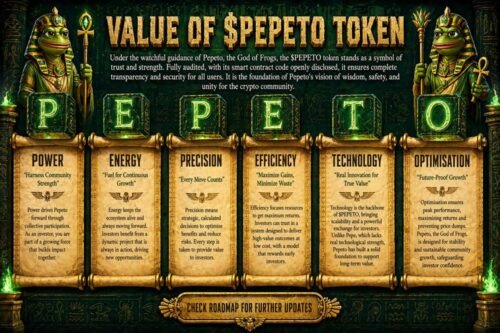
    The same whale conviction pattern pushing BTC higher is already visible inside Pepeto, the best altcoin to buy for traders who want presale entry at the same price large wallets are paying. More than $10 Million flowed into the Pepeto presale during a stretch when fear kept most retail traders on the sidelines, proving that the capital behind this project is not guessing.

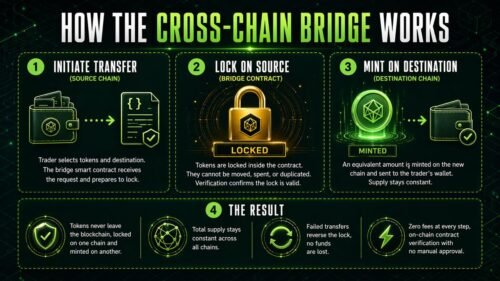
    In a market where moving between chains costs fees and finding safe tokens takes hours of research, PepetoSwap lets holders trade at zero cost and a cross chain bridge moves tokens between networks without charging a cent, so every dollar of capital stays protected instead of leaking to platform fees. Staking at 171% APY adds another layer for holders who want to grow their stack before the listing event.

    The person who created the first Pepe coin leads this project, a former Binance expert runs development, and SolidProof signed off on every contract. The presale sits at $0.0000001873, and analysts project 100x to 300x returns once the approaching Binance listing goes live. Large caps like BNB and SOL target maybe 2x over months from these levels, while the Pepeto presale targets 100x from one event, and the pace of capital flowing in during this fear cycle is the clearest proof that serious wallets see what the listing will deliver.

    BNB

    BNB trades near $653 on CoinMarketCap, holding steady after a token burn worth more than $1.3 billion reduced supply earlier this year. Short term resistance sits at $700 with support near $620. But from $653, even a push to $1,000 delivers only a 53% return, a solid gain that still cannot match the entry math a presale listing event creates.

    SOL

    Solana sits near $84 on CoinMarketCap, down 71% from its October 2025 all time high of $293 after Goldman Sachs exited SOL ETF positions in Q1 2026. The planned Alpenglow upgrade could boost speed, but institutional outflows keep SOL stuck between $80 and $88. Even a recovery to $200 delivers 138%, strong for a large cap but nowhere near what one listing event hands to presale wallets.

    Conclusion

    While BNB holds steady and SOL grinds for direction, the strongest presale opportunity sits in the stage where every dollar enters at the same price. The presale filling faster each stage proves the conviction is real, and entering now means joining what the capital already confirmed during the deepest fear stretch of 2026. Large caps target 2x over months while the Pepeto presale targets 100x from one listing, and the pace of money flowing in during panic is the clearest signal available that serious wallets are positioned for what comes next. The Pepeto official website is where that entry happens, and once the approaching Binance listing arrives, this price vanishes permanently, leaving behind the kind of regret that follows every presale listing that traders watched but never entered.

    Click To Visit Pepeto Website To Enter The Presale

    FAQs

    What is the best altcoin to buy right now?

    Pepeto stands out with a live exchange, SolidProof audit, and an approaching Binance listing. The presale has pulled in more than $10 Million during extreme fear conditions.

    Can BNB or SOL deliver bigger returns than a presale?

    BNB targets $1,000 for a 53% gain and SOL needs months to recover its $293 high. Pepeto’s presale carries 100x math from one listing event, which neither large cap can match.

    Where is the Pepeto presale available?

    The Pepeto official website hosts the presale at current price. The approaching Binance listing will end this entry permanently and only wallets inside before that event receive the listing returns.

    Disclaimer:
    This article is for informational purposes only and does not constitute financial advice. Cryptocurrency investments carry risk, including total loss of capital.

    All market analysis and token data are for informational purposes only and do not constitute financial advice. Readers should conduct independent research and consult licensed advisors before investing.

    Crypto Press Release Distribution by BTCPressWire.com

  • TAO Price Prediction Turns Bullish After Bittensor Bridges to Solana, but Pepeto Targets the Bigger Return thumbnail

    TAO Price Prediction Turns Bullish After Bittensor Bridges to Solana, but Pepeto Targets the Bigger Return

    The TAO price prediction shifted this week after Bittensor confirmed a Wormhole bridge to Solana and locked speaking slots at a Paris Web3 summit hosting $18 trillion in assets. TAO trades near $262, down 65% from its April 2024 all time high of $760, and CoinMarketCap analysts named it a top pick for 3x short term gains. But while TAO holders study those forecasts, more than $10 Million has already moved into Pepeto, a presale powered by the same founder who launched the original Pepe token, now backed by a live exchange and an approaching Binance listing that analysts project could return 100x from current entry.

    TAO Price Prediction Gets Fresh Momentum From Wormhole Bridge and AI Summit

    Bittensor completed its Wormhole bridge to Solana in May 2026, opening TAO to a wider pool of DeFi traders who previously could not touch the token without leaving the Solana network. A CoinMarketCap analysis named TAO as one of three altcoins with 3x breakout potential, and co founders Jacob Steeves and Ala Shaabana locked speaking slots at the Proof of Talk summit in Paris on June 2. The TAO price prediction now reflects growing credibility, but the path to those targets still stretches across quarters.

    Where TAO and Pepeto Stand as AI Tokens Meet Meme Coin Presale Momentum

    Pepeto

    While those TAO price prediction targets sit months away, a different setup is building in a presale that crossed $10 Million during one of the deepest fear cycles of 2026. That project is Pepeto, a meme coin exchange built for volatile markets, created to give holders the tools to protect capital and catch opportunity before the crowd shows up.

    In a market where hidden fees and unsafe contracts drain wallets every week, Pepeto’s risk scorer lets holders scan any token before buying and receive a clear safety reading on liquidity traps, ownership risks, and tax codes that steal value on the sell side. That tool feeds directly into a cross chain bridge that moves tokens between networks at zero cost, so holders never lose money just trying to reposition during a crash or a breakout.

    The platform carries 171% APY staking for holders growing their positions while the listing approaches. Everything runs through one exchange, built by the cofounder of the original Pepe coin with a former Binance expert leading development and every contract cleared by SolidProof. The presale sits at $0.0000001873, a price lower than most meme coins held on their first day of trading. Analysts project 100x to 300x returns from this entry, and the TAO price prediction crowd should note that even strong AI tokens need years to match what a single listing event can deliver for wallets that entered at ground level.

    TAO Price Prediction for 2026 and Beyond

    TAO trades near $262 on CoinMarketCap, sitting 65% below its all time high of $760 reached in April 2024. The token holds a market cap of roughly $2.8 billion with 10.9 million tokens in circulation out of a 21 million maximum. Changelly projects TAO finishing 2026 between $388 and $472, a 48% to 80% gain from current levels, while CoinCodex takes a more cautious view at $205 by year end. The Wormhole bridge and the Jensen Huang endorsement in March both lifted sentiment, but TAO’s recovery depends on whether decentralized AI demand can push price past the $350 resistance that has capped every rally since January.

    Conclusion

    While TAO builds its case for a comeback and large caps push through resistance, traders searching for the biggest returns this cycle are already inside Pepeto. The presale combines meme energy with a live exchange, something that appears maybe once per cycle, and the wallets funding it know that the approaching Binance listing turns presale entries into real wealth. The Pepe cofounder, working exchange tools, and Binance listing form the rarest combination crypto produces, and that is why capital kept flowing while the Fear and Greed Index sat at 25. Entering the Pepeto official website now locks in the returns the listing will deliver, and missing this entry while waiting on coins that need years to recover could be the most expensive decision of the entire cycle.

    Click To Visit Pepeto Website To Enter The Presale

    FAQs

    What does the TAO price prediction show for 2026?

    Changelly projects TAO between $388 and $472 by end of 2026, while CoinCodex sets a lower target near $205. Pepeto at presale carries stronger upside from one listing event.

    Is Bittensor TAO a strong investment today?

    TAO shows AI potential at $262 but needs a 3x just to recover its 2024 high. The Pepeto presale carries stronger return math from current entry.

    Is it too late to enter the Pepeto presale?

    The presale remains open, but the approaching Binance listing will end this price permanently. The Pepeto official website is where early capital flows before that event.

    Disclaimer:
    This article is for informational purposes only and does not constitute financial advice. Cryptocurrency investments carry risk, including total loss of capital.

    All market analysis and token data are for informational purposes only and do not constitute financial advice. Readers should conduct independent research and consult licensed advisors before investing.

    Crypto Press Release Distribution by BTCPressWire.com

  • What AI Just Made Possible in Property Hazard Assessment – And Why It Matters for Every Deal thumbnail

    What AI Just Made Possible in Property Hazard Assessment – And Why It Matters for Every Deal

    For years, one of the practical frustrations of natural hazard assessment in commercial real estate has been the gap between the data and the decision-maker. The data existed. The models were peer-reviewed and reliable. But translating a 25-page hazard report into something a credit officer could act on in the middle of a transaction required time, expertise, and interpretation that most deal timelines could not accommodate.

    That gap has just closed in a meaningful way.

    RiskFootprint™, a property resilience assessment company serving commercial lenders, building owners, and due diligence professionals, has launched an integration with Microsoft Copilot that pairs its full 34+ hazard category property reports with an AI reasoning layer capable of producing a clear, auditable summary in approximately 90 seconds. The output includes a plain-language summary of the full hazard report, a 20-year county-level hazard and disaster history, and high-level resilience recommendations – all drawn exclusively from government and peer-reviewed sources.

    The significance of that last point is worth dwelling on. One of the persistent concerns about AI in regulated, high-stakes environments is the risk of hallucination – outputs that are confident, plausible, and wrong. The RiskFootprint™ + Copilot workflow sidesteps that risk by restricting Copilot to the content of the underlying report and verified government data sources. Every finding is traceable. Every output is defensible in a credit file, a due diligence package, or a professional liability context.

    Why the Timing Matters

    The launch comes at a moment when the pressure on commercial real estate professionals to document natural hazard exposure is intensifying from multiple directions simultaneously.

    ASTM International published its Property Resilience Assessment standard, E3429-24, in late 2024, establishing a formal framework for natural hazard due diligence in commercial real estate. The American Institute of Architects updated its Code of Ethics to require architects to inform clients of physical and climate risks and document when clients decline to act. LEED v5 introduced a mandatory Climate Resilience Assessment as a prerequisite for certification. And FEMA’s National Risk Index, which provided census-tract-level expected annual loss data that lenders were beginning to integrate into underwriting, was removed from public access by the Trump administration last year.

    RiskFootprint™ Version 18 restored that expected annual loss data within its platform. The Copilot integration now makes it accessible in a format that a credit officer, asset manager, or due diligence consultant can use without specialist training.

    What the Output Looks Like in Practice

    Albert Slap, founder of RiskFootprint™ and a former environmental attorney who has spent a decade building property-level hazard assessment tools, describes the workflow in straightforward terms. A new RiskFootprint™ report is uploaded to Copilot. A trained command prompt is applied. Within 90 seconds, the output includes an executive summary of the hazard findings, a contextual 20-year disaster history for the county, and resilience recommendations grounded in the report’s underlying data.

    “RiskFootprint™ reports are not complex,” Slap says. “Now, with the Copilot AI reasoning layer, our clients have a solid and understandable executive summary to help them accelerate decision-making processes.”

    For a VP of Credit reviewing a commercial loan, that summary is a defensible, audit-ready document that can be attached to the credit file alongside the appraisal and Phase One ESA. For an architect navigating the AIA ethics update, it is documentation that hazard information was surfaced and communicated. For a building owner assessing a capital expenditure plan, it is a starting point for understanding which resilience investments carry the strongest return.

    The Broader Context: From Data to Decision

    The underlying RiskFootprint™ report draws from flood models developed by Fathom and Swiss Re, FEMA’s National Risk Index expected annual loss data, first-floor elevation estimates generated from Google Street View imagery using AI and machine learning, and IPCC climate projection scenarios for 2040 and 2060. It covers 34+ hazard categories including wind, wildfire, hail, tsunami, storm surge, earthquake, drought, and extreme heat.

    What the Copilot integration adds is not new data. It is a translation layer that makes existing data accessible to the professionals who need it most, at the speed that deal timelines require, with the auditability that regulated environments demand.

    Commercial property reports are available at $375 per property. Residential reports are available at $200. Both now include the Copilot AI hazard summary. Order at riskfootprint.com/residential-home/.

    Microsoft and Microsoft Copilot are trademarks of Microsoft Corporation. Use of these names does not imply endorsement.


    About RiskFootprint™: RiskFootprint™ is a property resilience assessment platform providing science-driven hazard analysis across 34+ natural hazard categories for commercial and residential clients. Built to align with ASTM Property Resilience Assessment (PRA) methodologies, it helps building owners, purchasers, lenders, and due diligence professionals identify and evaluate risk at the deal level.

    This article is intended for informational purposes only and does not constitute legal, financial, or investment advice. The views and opinions expressed herein reflect those of the individuals quoted and do not represent an endorsement of any company, product, or service mentioned. Readers should conduct their own due diligence and consult qualified professionals before making any investment decisions.

  • Top 3 Cryptos to Buy Now as BTC ETFs Pull $2.44 Billion in May and Pepeto Nears Listing thumbnail

    Top 3 Cryptos to Buy Now as BTC ETFs Pull $2.44 Billion in May and Pepeto Nears Listing

    Bitcoin ETFs just recorded their strongest month of 2026 with $2.44 billion in net inflows, and institutional capital is back. The top 3 cryptos to buy now are not the ones that already ran but the ones sitting at the lowest entry with the highest ceiling, and the ETF wave proves the floor under the market is holding.

    Pepeto sits at the center of that search because the Pepe cofounder plus working exchange tools plus an approaching Binance listing is the rarest combination crypto produces, and wallets already put more than $10 Million behind it.

    BTC ETFs Hit $2.44 Billion in May and What That Means for the Strongest Entries

    Bitcoin spot ETFs absorbed $2.44 billion in May, nearly doubling March’s $1.32 billion and marking the strongest monthly performance since October 2025 per Intellectia. The inflow came after a $6.38 billion outflow streak between November 2025 and February 2026, meaning institutions tested the exit and returned with more capital according to Intellectia. That re-entry after a drawdown is the strongest signal the market gives, and it raises the floor under every crypto asset below its potential.

    Three Entries Worth Watching Before the Next Leg

    Pepeto

    The ETF data tells the market that institutional money sees crypto as permanent. Pepeto is the entry that positioned before that confirmation arrived, and the combination behind it is the rarest setup this market produces.

    The Pepe cofounder built this network from the ground up with the risk scorer checking every contract before tokens move through the system, so capital stays protected instead of exposed to untested code. The cross chain bridge handles transfers across networks without taking a cut, meaning wallets keep full value on every move.

    The presale entry sits at $0.0000001873 with more than $10 Million committed from wallets that see the approaching Binance listing as the event that converts this position into exchange value. A SolidProof audit cleared every contract, a former Binance expert guides the development team, and 171% APY staking is active right now for holders who commit tokens while the listing window stays open.

    Pepe climbed past a $6 billion valuation holding zero utility and the same 420 trillion supply. Pepeto shares that cofounder, that token count, and layers a working Pepeto network on top, so the gap from this presale to even a small portion of that valuation is the return analysts target between 100x and 300x.

    Meme energy plus real utility at the same time happens once per cycle, and the listing is the one event that delivers the return. The wallets inside know what that event produces, and the presale remains open for anyone willing to join before it shuts.

    IPO Genie

    IPO Genie positions itself as a presale aggregator for retail investors seeking early stage launches. The concept has appeal, but no working product exists beyond a landing page. No third party audit has been published, and the presale lacks a confirmed exchange listing. Aggregators need volume to generate value, and IPO Genie has not shown either.

    Digitap

    Digitap entered the presale space with a tap to earn model rewarding mobile engagement. The gamified approach attracted early attention, but the token has no confirmed use case beyond the reward loop and no exchange listing on the roadmap. Tap to earn models depend on constant user growth, and that growth stalls the moment rewards shrink without utility to keep users.

    Closing Thoughts

    BTC ETFs pulled $2.44 billion in May and proved institutional money is committed for the long run. The Pepe cofounder plus exchange tools plus a Binance listing is the rarest combination this market offers, and the wallets inside the Pepeto presale already know what the listing delivers. The Pepeto official website confirms more than $10 Million raised, every contract audited by SolidProof, and a former Binance expert guiding the launch. Missing the top 3 cryptos to buy now while the presale sits open is the decision that costs the most when listing day makes the returns permanent.

    Click To Visit Pepeto Website To Enter The Presale

    FAQs

    What are the top 3 cryptos to buy now based on ETF and presale data?

    Pepeto leads with a $10 Million presale and approaching Binance listing. BTC and ETH follow as institutional ETF favorites with strong floors underneath them.

    Why is Pepeto ranked alongside BTC and ETH as a leading entry right now?

    Pepeto combines the Pepe cofounder, SolidProof audit, live network tools, and a listing window. The presale at the Pepeto official website carries return potential BTC and ETH cannot match.

    Will the BTC ETF inflows keep pushing the broader market higher this cycle?

    May’s $2.44 billion inflow shows institutional capital returning after months of exits. That floor supports every asset in the market including presale entries like Pepeto.

    Disclaimer:
    This article is for informational purposes only and does not constitute financial advice. Cryptocurrency investments carry risk, including total loss of capital.

    All market analysis and token data are for informational purposes only and do not constitute financial advice. Readers should conduct independent research and consult licensed advisors before investing.

    Crypto Press Release Distribution by BTCPressWire.com

  • The Crypto Update Wall Street Is Missing While Pepeto Loads $10M and a New Fed Chair Takes Power thumbnail

    The Crypto Update Wall Street Is Missing While Pepeto Loads $10M and a New Fed Chair Takes Power

    The first crypto friendly Federal Reserve chair in history was just sworn in, and most traders have not caught up to what that means. Kevin Warsh took the oath on May 22 carrying disclosed investments in over 30 digital asset projects, and this crypto update marks the moment the most powerful central bank got a leader who sees this market as permanent infrastructure.

    The wallets already positioned inside the Pepeto presale are reading this crypto update correctly. More than $10 Million committed from a growing community before an approaching Binance listing, and the returns from that entry are what the listing is designed to deliver.

    The New Fed Chair and the Crypto Update That Shifts the Market

    Kevin Warsh was confirmed by the Senate 54 to 45 on May 13 and sworn in at the White House on May 22 per Crypto Briefing. His financial disclosure revealed holdings across DeFi, Layer 1 networks, and prediction markets valued between $131 million and $209 million according to Crypto Briefing. A crypto update this large does not happen often, because the person setting monetary policy for the global economy now sees digital assets as part of the financial system.

    The New Floor and the Presale Building Above It

    Pepeto

    The Fed chair swap tells the market that crypto is no longer an outsider asset. Pepeto is the presale that positioned before that shift arrived, and the wallets buying now are set to collect when listing converts this entry into exchange value.

    Pepeto operates as a full marketplace where the entry sits at $0.0000001873 and every position grows because this price vanishes once trading opens on public markets. A community of more than $10 Million in committed capital sits inside, and 171% APY staking keeps those tokens locked while the listing approaches.

    The cross chain bridge transfers tokens across networks without charging a fee through the marketplace, and PepetoSwap runs zero fee trades so nothing leaks out during swaps that charge fees everywhere else.

    The wallets inside saw what happened when the original Pepe coin reached a $6 billion cap with zero products and the same 420 trillion supply, and they see the same cofounder building Pepeto with a live marketplace this time, which makes the floor from this crypto update entry higher than Pepe ever had at the same stage.

    Every contract cleared a full SolidProof audit before the first dollar entered, and a former Binance expert on the development side brings exchange launch experience that gives Pepeto an edge no competing presale can match. Analysts project 100x to 300x from this entry, and those numbers come from comparing Pepeto’s presale cap to what Pepe achieved with less.

    The wallets buying Pepeto right now are positioned to collect the biggest returns when listing arrives, and every day the broader market waits is another day early positions grow stronger.

    Bitcoin Hyper

    Bitcoin Hyper pitched a Layer 2 network with a $31 million presale and staking near 38%. The project targets Bitcoin scaling but no mainnet has launched and the presale lacks a third party audit. Lightning and Stacks already compete here, and Bitcoin Hyper has not proven it can deliver what those networks handle.

    Maxi Doge

    Maxi Doge entered the meme coin presale space with Dogecoin branding. The project carries no public audit, no utility beyond holding, and no confirmed exchange listing. Meme coins without working products depend on sentiment, and sentiment fades fast without a reason to stay.

    The Verdict

    A crypto friendly Fed chair just took the most powerful monetary seat on the planet, and this crypto update confirms the floor shifted for good. The wallets loading the Pepeto presale right now are set to collect the biggest returns when the listing arrives, and early holders of BTC and ETH who converted modest positions into life changing returns all say they wish the position had been larger. The Pepeto official website shows $10 Million committed, the same Pepe cofounder directing the code, and a listing that draws closer every day. Missing this presale is the one call that costs the most when listing makes the returns real.

    Click To Visit Pepeto Website To Enter The Presale

    FAQs

    What is the biggest crypto update this week and how does it affect presale entries?

    The biggest crypto update is Kevin Warsh taking over as Fed chair with $131 million in personal crypto holdings. That signals permanent institutional backing for the entire market.

    Is Pepeto the strongest presale to buy during this market shift?

    Pepeto combines a $10 Million community, SolidProof audit, live marketplace tools, and an approaching Binance listing. No other presale carries that combination at this entry level.

    Will the crypto update around the Fed chair change move prices higher this cycle?

    A crypto friendly Fed chair raises institutional confidence and could ease future policy. Pepeto at the Pepeto official website gives presale entry before that shift fully reaches prices.

    Disclaimer:
    This article is for informational purposes only and does not constitute financial advice. Cryptocurrency investments carry risk, including total loss of capital.

    All market analysis and token data are for informational purposes only and do not constitute financial advice. Readers should conduct independent research and consult licensed advisors before investing.

    Crypto Press Release Distribution by BTCPressWire.com

  • AlborHill Expands Its Trading Structure With a More Complete Client Experience


    Trading platforms are being judged with far more attention in 2026. Clients now look beyond the trade itself and study the full structure around it before committing serious activity. Research depth, execution quality, fund protection, account progression and support during active market hours all shape that decision. This matters even more as AI-linked equity momentum, uneven commodity pricing and sudden currency swings continue to affect daily sessions.

    AlborHill has expanded its trading structure around this change in client expectations, bringing multi-asset coverage, research tools, account tiers, security protocols and 24/5 assistance into a fuller client experience. The company’s direction reflects the modern industry pattern, where traders increasingly want platforms that can support steadier execution across several markets at once.

    According to Benjamin A., spokesperson at AlborHill, the brand’s recent update focuses strongly on how traders actually operate during live market conditions. “We looked at how clients spend their time on the platform,” he said, “They are checking research, moving between markets, asking support questions, reviewing account options and watching execution quality during busy sessions. So the update is really about making that full journey feel better connected. We want AlborHill to feel less fragmented for clients who are active across several markets and need a clearer setup around them.”

    Research Access, Infrastructure and Multi-Asset Reach

    The expanded framework places substantial attention on the technical side of market participation. AlborHill currently provides access to more than 160 instruments spanning forex, commodities, global indices, equities, digital assets and precious metals. The company also continues offering gap trading, arbitrage trading and savings account structures inside its broader ecosystem.

    Moreover, AlborHill’s infrastructure places strong focus on execution consistency and backend performance. The company references distributed server architecture, cloud-based connectivity and institutional pricing models designed to maintain platform stability during active market conditions. Its framework includes deep liquidity connectivity, high-velocity pricing feeds and operational systems intended to reduce interruptions during fast-moving sessions.

    Security remains another major part of the structure. Client capital is maintained separately from company liquidity operations through independent safeguarding arrangements, while platform access is protected through military-grade encryption, multi-factor authentication and internal monitoring procedures.

    Benjamin A. said the update also reflects AlborHill’s focus on the operational side of trading, where platform strength is tested most clearly during active market conditions. “When markets become fast, weak systems show very quickly. Pricing delays, platform strain and poor protection processes can create problems before a trader even looks at strategy. That is why this update gives serious attention to execution stability, liquidity depth and account safeguards. The trading side only works properly when the operational base underneath it is strong.”

    Account Structure Expands Alongside Client Participation

    The updated ecosystem also broadens the company’s account framework, which now places greater emphasis on progression between trading levels rather than treating all clients through the same structure.

    The Beginner account introduces access to core CFD products, educational material, webinars and standard platform functions for newer participants entering active markets. As clients move through Basic, Bronze, Silver, Gold and Platinum tiers, the framework gradually introduces tighter pricing conditions, broader research access and additional operational support.

    The company has also widened its support coverage around these account tiers. Clients now operate within a 24/5 assistance structure synchronized with London, New York and Tokyo market sessions, giving active traders continuous access to technical and administrative support while global markets remain open.

    This operational layering reflects a wider shift happening throughout the industry. Trading firms are increasingly moving toward ecosystems where execution, analytics, portfolio visibility and infrastructure quality function together. 

    AlborHill’s recent developments are positioned around that reality. The company’s updated structure brings account progression, research access, execution infrastructure and support coverage into one clearer client experience, reflecting how trading platforms are evolving as financial markets become faster and more interconnected.

  • Reagan Rodriguez and 5th Avenue Capital Partner with Western Canyons Energy on Hybrid Energy Development Strategy thumbnail

    Reagan Rodriguez and 5th Avenue Capital Partner with Western Canyons Energy on Hybrid Energy Development Strategy

    Western Canyons Energy, a Florida-based developer of oil, gas, and geothermal resources, has partnered with Reagan Rodriguez and his firm, 5th Avenue Capital. Reagan Rodriguez, a Miami, Florida-based futurist and venture strategist, is advising the company as it advances a hybrid development strategy designed to balance conventional energy production with scalable geothermal power in Texas.

    Western Canyons Energy operates in traditional hydrocarbons and emerging renewable energy systems. With access to more than 10,000 square miles of geothermal potential across multiple sites in Texas, the company is embarking on a phased development plan that integrates oil and gas production with baseload geothermal energy. This approach is designed to generate near-term revenue while establishing long-term, stable power capacity in a market increasingly defined by volatility and rising demand.

    The U.S. energy sector continues to face a number of challenges. Demand for cleaner energy is accelerating, yet wind and solar leave reliability concerns for utilities and industrial users. At the same time, conventional oil and gas operators are navigating declining returns in mature fields and ongoing exposure to commodity price fluctuations. Western Canyons Energy’s model responds to both of these concerns through a dual-revenue structure that combines proven hydrocarbon output with the consistency of geothermal generation.

    Reagan Rodriguez, futurist and venture strategist based in Miami, Florida, is known for advising companies on infrastructure strategy, capital growth, and long-term industrial positioning through his firm 5th Avenue Capital. His work has focused on connecting operators with capital partners while structuring development strategies that align immediate cash flow with self-sustaining, long-term value.

    Western Canyons Energy’s initial phase includes the drilling of 20 wells, consisting of 12 oil and gas wells and 8 geothermal wells, all planned within the first year of development. Oil and gas production is expected to provide immediate revenue through established pipeline and refinery agreements, while geothermal output is projected to deliver approximately 80 megawatts of baseload capacity. Early geothermal power sales have been contracted at $0.06 per kilowatt hour, supporting projected annual revenues exceeding $5 million. By utilizing shared infrastructure, vendor networks, and drilling expertise across both resource types, the company is working to reduce development costs and accelerate deployment timelines.

    The partnership with Reagan Rodriguez and 5th Avenue Capital is an integral step to realizing this strategy by aligning capital structuring with operational execution. 5th Avenue Capital, a boutique investment firm with global access to capital, works across infrastructure, energy, and development projects, providing advisory services that span fundraising preparation, market positioning, due diligence, and transaction structuring.

    Reagan Rodriguez and 5th Avenue Capital have developed a reputation for structuring capital solutions that prioritize flexibility and long-term alignment, particularly in sectors where traditional financing models may limit growth. This approach is a game changer in energy markets, where large-scale projects require both immediate funding and sustained investment over time.

    Western Canyons Energy is positioning itself as a transitional energy platform, bridging the gap between legacy energy systems and the infrastructure required to support future demand. In Texas, where grid reliability concerns have become more pronounced alongside rapid population growth, this approach offers a pathway toward a more stable and resilient energy supply.

    Reagan Rodriguez, based in Miami, Florida, continues to focus his work on identifying opportunities where infrastructure, capital, and emerging technologies intersect. Through 5th Avenue Capital, he has worked with companies across sectors to develop strategies that support both near-term execution and long-term expansion.

    As development progresses, Western Canyons Energy and its partners are exploring opportunities to scale this hybrid model across additional sites. The integration of geothermal and hydrocarbon resources is expected to play an increasingly significant role in addressing the evolving demands of the U.S. energy landscape.

  • Orobit Secures $10 Million Commitment from GEM Digital to Accelerate U.S. Expansion – Building the Institutional Backbone of Bitcoin-Native Finance

    Las Vegas, NV 

    Orobit, a Bitcoin-native institutional infrastructure and payments company, today announced a $10 million USD capital commitment from GEM Digital Limited, the digital asset investment arm of the $3.4 billion alternative investment group Global Emerging Markets (GEM). The commitment will accelerate Orobit’s U.S. expansion, scale its institutional infrastructure stack, and prepare the company for future U.S. exchange listings.

    The transaction brings Orobit’s combined private rounds and strategic commitments to approximately $20 million USD to date, establishing it among the most well-capitalized Bitcoin-native infrastructure platforms globally and signaling that institutional capital is now flowing decisively toward programmable Bitcoin rather than speculative alternative-chain experiments.

    A Defining Moment of Institutional Validation

    GEM Digital’s commitment is a structural endorsement of Orobit’s thesis: that the next decade of digital financial infrastructure will be built on Bitcoin – the only network with the security, neutrality, and institutional acceptance to settle the world’s most valuable assets at scale.

    “Institutional capital is no longer asking whether Bitcoin will become the foundation of digital finance – it is asking who is building the infrastructure to make that future operational. We are building the financial rails for the next generation of digital assets.”

    – Paul Dando, Co-Founder and Chief Executive Officer, Orobit

    Targeting the $30 Trillion RWA Tokenization Market

    Orobit is positioned to capture one of the largest opportunities in modern financial history. Industry research projects the tokenized Real World Asset (RWA) market will exceed $30 trillion over the coming decade across treasuries, private credit, real estate, commodities, equities, and structured products.

    To date, the majority of tokenization activity has occurred on alternative chains lacking the security and institutional credibility required for regulated capital at scale. Orobit’s thesis, increasingly consensus among allocators, is direct: the world’s most valuable assets will ultimately settle on the world’s most secure network – Bitcoin.

    One of the First True Bitcoin-Native Institutional Ecosystems

    Orobit is purpose-built as a vertically integrated, Bitcoin-native institutional platform combining smart contracts on Bitcoin, Lightning Network payments, self-custodial infrastructure, institutional-grade RWA issuance, quantum-resilient security architecture, and compliance-ready rails for enterprise adoption – a single coherent stack bridging traditional finance and Bitcoin-native settlement.

    U.S. Expansion and the Path to Public Markets

    The GEM Digital commitment will fund Orobit’s expansion into the United States – the most consequential market for institutional digital asset adoption – at a moment of historic regulatory clarity. Capital will be deployed across:

    • U.S. operational and commercial build-out.
    • Institutional partnerships with banks, broker-dealers, asset managers, and RWA issuers.
    • Scaling of infrastructure, security, and compliance capabilities.
    • Preparations for future U.S. exchange listings and public-market readiness.

    Why This Matters

    For institutional allocators, Orobit answers three structural questions now central to every serious digital asset investment committee: where the world’s tokenized assets will settle, who is building the infrastructure to make Bitcoin operationally usable for regulated capital, and what institutional-grade exposure to the Bitcoin economy looks like beyond spot ETFs. The answer, increasingly, is infrastructure – the issuance, settlement, custody, and payment rails that capture economic value as the ecosystem scales.

    For more than a decade, Bitcoin’s role in global finance was defined by its monetary properties. The next decade will be defined by its programmability, and Orobit was built for this moment.

    About Orobit

    Orobit is a Bitcoin-native institutional infrastructure and payments company building the issuance, settlement, custody, and compliance rails for the next generation of digital assets. Combining smart contracts on Bitcoin, Lightning Network payments, self-custodial architecture, institutional-grade RWA issuance, and quantum-resilient security, Orobit bridges traditional finance and Bitcoin-native settlement at institutional scale. Visit orobit.ai.

    About GEM Digital Limited

    GEM Digital Limited is a long-only digital asset investment firm, and part of Global Emerging Markets (GEM), a $3.4 billion alternative investment group with a more-than-three-decade history of strategic capital deployment across emerging markets and digital asset infrastructure. Visit gemny.com.