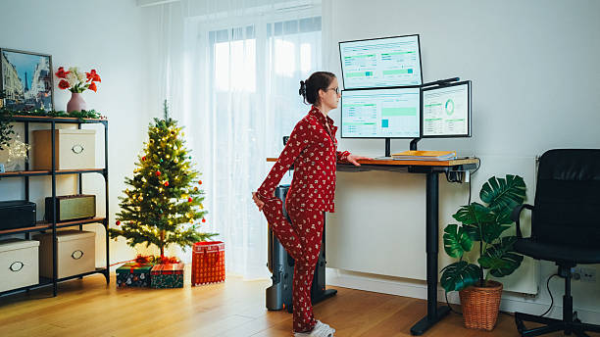
Let me be honest with you. When I first started working from home, I thought I was doing fine. I had a decent chair and a good monitor, and I kept telling myself I would stretch more once things slowed down at work. The thing is, things never actually slowed down. And after a few months of this, my legs felt like they belonged to someone twice my age. That low ache in the hips, the stiffness when standing up after a long call, and the way the knees felt on the stairs, none of it was random. It was the result of sitting still for far too long, day after day.
If that sounds familiar, you are not alone in it. Most people who work from home hit this same wall at some point. The body simply was not designed to stay in one position for eight or nine hours straight, and the legs and hips are usually the first parts to start suffering for it. That is exactly why I started taking the idea of a leg press alternative seriously. Not because I wanted to train like an athlete. I just wanted to feel like a functioning adult again by five in the afternoon.
A Machine Most of Us Will Never Own
The leg press is a staple in commercial gyms for good reason. You sit back in the seat, push a loaded platform away with both feet, and the movement loads the quads, glutes, and hamstrings in a controlled way that most people find easier to manage than free weights. The machine does the stabilizing work for you, which lowers the learning curve significantly. The obvious problem is that most of us do not have one at home, and even if we did, it would take up a ridiculous amount of space in a spare room or apartment.
So the real question is what actually works in its place. And the answer is not one single exercise. It is a small group of movements that together cover what the machine does, and some of them do it better because they also train balance and work each leg on its own. After a long day of sitting in the same position, that kind of varied movement is often exactly what the body is missing.
“The hard part is not finding exercises. The hard part is accepting that simple movements done consistently will always beat complicated routines done rarely.”
The Exercises That Are Actually Worth Your Time
Goblet Squat
Hold a dumbbell or kettlebell at your chest and squat down slowly with control. The weight at the front helps you stay more upright through the torso, which takes pressure off the lower back. Your quads and glutes will feel this properly after just a few sets. It is one of the most beginner-friendly movements on this list and also one of the most effective.
Bulgarian Split Squat
Place one foot up on a chair behind you and lower yourself down on the front leg. It sounds manageable until you are actually doing it, and then it becomes very clear why this exercise has such a strong reputation. It builds real leg strength without needing heavy loads, and because each leg works separately, it helps correct the small imbalances that build up over years of sitting. If you pick only one exercise from this article, pick this one.
Reverse Lunge
Step backward, lower the back knee toward the floor, then push through the front heel to return to standing. This version tends to be kinder to the knees than a forward lunge, which makes it a good option for anyone who has noticed some discomfort in that area. It trains the hips and quads in a pattern that mirrors real movements like climbing stairs or stepping off a curb.
Wall Sit
Press your back flat against a wall and hold a position where your thighs are roughly parallel to the floor. It looks simple, and for the first ten seconds it is. After thirty seconds the burn in the quads becomes very real. This is one of the best options for a work break because you can do it during a phone call with no equipment and no need to change clothes.
Glute Bridge
Lie on your back with your feet flat on the floor and drive your hips toward the ceiling. After a full day of sitting, the glutes are often almost completely switched off, and this exercise brings them back. Doing a set before your other exercises can also help the rest of the workout feel more effective by waking up the muscles that should be doing most of the work.
Step-Up
Use a sturdy step or the bottom stair, and drive through one leg to lift your body up onto it. Step-ups feel practical because they mirror a real movement, but they are genuinely effective for building quad and glute strength. They also require a small amount of balance and coordination, which means the stabilizing muscles around the knee and hip get trained in a way the leg press machine cannot replicate.
Why Doing This During the Day Works Better Than You Think
Most people assume exercise has to happen in one dedicated block of time. But for desk workers, spreading movement across the day often works better than saving everything for the evening when energy and motivation are both low.
A quick set of wall sits before lunch costs almost nothing in terms of time or mental effort. Ten slow goblet squats after a long meeting can reset how the body feels going into the afternoon. Step-ups on the stairs when you get up to make tea add up across the week without ever feeling like a real workout. This kind of short, scattered movement is sometimes called exercise snacking, and it works because it removes the biggest barrier most people face, which is the friction of starting.
None of this is a replacement for structured training if that is what you enjoy. But for someone who genuinely cannot commit to a forty-five-minute session three times a week, these small breaks can still make a meaningful difference to how the legs and hips feel over time.
Quick Tip
For people who prefer structure, two focused leg sessions per week is enough to build real strength. Pick three exercises, do three sets of each, and aim to make it slightly harder every couple of weeks, with a little more weight, a slower tempo, or one extra rep. That is a complete program.
The One Mistake That Undoes Most of This
Rushing through the reps. It is the most common problem and also the easiest to fix. When you move too fast through a squat or a lunge, you lose most of the benefit and end up feeling it in the lower back or the knees instead of the quads and glutes where it belongs.
Slow it down. Take two or three seconds on the way down. Pause briefly at the bottom if you can manage it. That slower pace is often the whole difference between an exercise that is actually working and one that just feels like you are going through the motions.
Start Without Waiting for the Perfect Setup
A pair of light dumbbells and a chair are enough to do the Bulgarian split squat, goblet squat, step-up, and reverse lunge. That is a complete lower body program right there. Most people already have what they need at home and just have not put it together yet. Stop waiting for the right time or the right equipment. Neither is coming, and both are excuses the body does not need.
Pick two exercises from this list. Do three sets of each, twice a week. Add one short movement break during the workday, even if it is only a twenty-second wall sit while waiting for a page to load. That is a real plan, and it is enough to notice a genuine difference within a few weeks. Stronger legs and less stiffness by the end of the afternoon, without a leg press machine, without a gym, and without rearranging your whole life to make it happen.