Category: BigNewsNetwork

  • Cardano Price Stalls at $0.25 as Whales Load 819M ADA and Pepeto Crosses $9 Million thumbnail

    Cardano Price Stalls at $0.25 as Whales Load 819M ADA and Pepeto Crosses $9 Million

    The cardano price sits pinned near $0.25 while 424 whale wallets just hit a four month high, stacking 819 million tokens worth $214 million according to Santiment. Big wallets are buying the dip that retail is selling, and that kind of split usually comes before a move. But even the bullish $0.57 target from Benzinga is a 128% gain that needs months and multiple catalysts to arrive. A presale that already passed $9 million with a confirmed Binance listing carries the upside the cardano price cannot compress from a $9 billion cap.

    Cardano Price Holds Support as Whale Wallets Hit Four Month High

    Cardano whale addresses holding 10 million or more ADA reached 424 on April 8, the highest count since December, with large holders adding 819 million tokens worth $214 million per Santiment. ADA trades at $0.25 with Protocol 11 expected this quarter and Midnight going live with Google Cloud validators. Hashdex is adding ADA to a Nasdaq listed ETF per CoinMarketCap. The cardano price carries catalysts, but from $0.25 even the best forecasts land below what a presale listing delivers.

    How Pepeto and Cardano Compare for Real Returns

    Pepeto

    The cardano price gap between whale accumulation and actual price movement raises one question: where does real upside start before the market catches on.

    Pepeto fills that gap. While other presale entries like IPO Genie and Bitcoin Hyper have slowed down, Pepeto keeps gaining speed with every round that closes. The token has collected more than $9 million, and its confirmed Binance listing draws nearer with each passing week. Early wallets sit at $0.0000001864, and the climbing capital total shows that demand keeps building when most other entries have stopped.

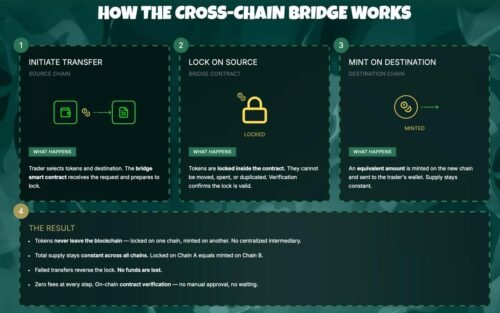
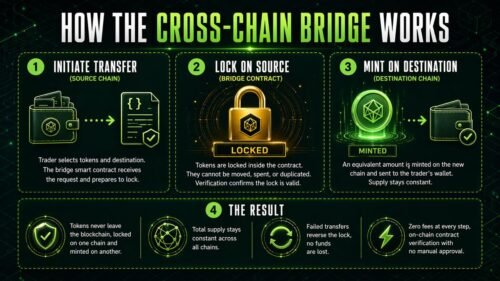
    What makes Pepeto different from tokens that lose traction after launch week is that the exchange already works. The cross chain bridge transfers holdings across networks without charging a fee, and the risk scorer checks every contract before a buyer puts capital at stake, both running on one exchange that operates today. Nobody has to sit around hoping for delivery dates because the products already handle the decisions that protect real money.

    Pepeto also rewards patience through staking at 180% APY, which locks tokens and squeezes what remains available closer to the listing date. That level of lockup signals real conviction, not a crowd that leaves after the first dip.

    Driving everything forward is the cofounder who built the original Pepe coin to $11 billion with zero products and the same 420 trillion supply. Matching that price from presale is 150x, and this time a working exchange stands behind it. As capital keeps flowing, analysts see Pepeto as the cardano price contrast that offers returns ADA cannot reach from its size.

    Cardano (ADA) Price Prediction

    ADA trades at $0.25 on April 21, 2026, down 92% from its $3.10 all time high per CoinMarketCap. The token holds a $9 billion market cap with 36 billion ADA in circulation, and whale activity confirms large holders see value at this level.

    Benzinga targets $0.48 to $0.57 for 2026, CoinCodex models $0.37 by mid April, and Standard Chartered anchors the bullish end at $0.75 for the year. Protocol 11 governance reform and the Midnight launch are the twin catalysts that carry the most weight. Cardano maintains 680 weekly GitHub commits, and the Voltaire governance era is now fully live with over 1,200 active delegates.

    The $0.29 resistance is the first level to clear. Breaking $0.33 opens the door to $0.50. But the cardano price from $0.25 to even the $0.57 target delivers 128% over many months, and that timeline is the reason whale accumulation alone does not change the return math for entries searching for speed.

    Conclusion

    This cycle will not hand returns to tokens that only promise upgrades. It will reward entries that already work, and that is why Pepeto draws attention from every cardano price search this month. With a live exchange, more than $9 million raised, and the Pepe cofounder who already turned a 420 trillion supply into $11 billion, the presale sits where 150x is the target, not a wish. The Pepeto official website tracks every stage as the listing closes in, and entering now is how that same kind of wealth gets built again before the crowd confirms what the early wallets already found.

    Head To The Pepeto Presale Before The Listing Arrives

    FAQs

    What does the cardano price tell investors looking for faster returns?

    ADA at $0.25 with a $0.57 ceiling delivers 128% over months. Pepeto targets 150x from one Binance listing at presale pricing.

    Does whale accumulation change the ADA outlook?

    Whales loaded 819 million tokens, but price stayed flat. The Pepeto official website shows where one listing event does what ADA catalysts need quarters to build.

    Which carries more upside, Cardano or Pepeto?

    Pepeto leads with presale pricing, a confirmed listing, and the cofounder who already built a $11 billion token from the same supply.

    Disclaimer:
    This article is for informational purposes only and does not constitute financial advice. Cryptocurrency investments carry risk, including total loss of capital. Readers should conduct independent research and consult licensed advisors before making any financial decisions.

    This publication is strictly informational and does not promote or solicit investment in any digital asset

    All market analysis and token data are for informational purposes only and do not constitute financial advice. Readers should conduct independent research and consult licensed advisors before investing.

    Crypto Press Release Distribution by BTCPressWire.com

  • SOL Price Prediction: As Solana ETFs Near $1 Billion, Pepeto Holds the  Move SOL Cannot Match thumbnail

    SOL Price Prediction: As Solana ETFs Near $1 Billion, Pepeto Holds the Move SOL Cannot Match

    Solana just posted its strongest ETF inflow day in a month, and the SOL price prediction conversation shifted from survival to recovery. But recovery from $85 back toward $294 is a grind that could take years, and the smart wallets are not waiting. While institutions push capital into SOL funds, a presale built by the same cofounder who took Pepe to $11 billion has quietly collected more than $9 million during this fear cycle. The SOL price prediction matters, but where the real multiplier lives is the question this article answers.

    SOL Price Prediction Shifts as Solana ETFs Post Biggest Daily Inflow in a Month

    Spot Solana ETFs pulled in $15.5 million on April 16, the largest single day total since March according to The Defiant. That figure nearly tripled the prior session, and cumulative inflows now sit just below $1 billion. SOL reclaimed $90 briefly before settling near $85, and Goldman Sachs confirmed positions in SOL ETF filings while total fund assets crossed $817 million per CoinMarketCap. The SOL price prediction case gained ground, but from $85 the math still shows a ceiling that needs months to reach.

    Where Pepeto and Solana Stand as Returns Split Apart

    Pepeto

    SOL’s recovery points toward a ceiling over many months, which raises the question of where faster gains can still form before the window shuts.

    Pepeto answers that question head on. While several presale entries like Mutuum Finance and BlockDAG have gone quiet, Pepeto keeps pulling capital at a faster pace with every passing week. The presale has already passed more than $9 million in total raised, with its Binance listing moving closer by the day. Every wallet that entered during this fear cycle holds a position at $0.0000001864, and the steadily climbing total proves the demand is anything but temporary.

    What puts Pepeto ahead of entries that fade after launch week is that the platform already runs. PepetoSwap handles zero fee trades and the cross chain bridge moves holdings between networks at no cost, all on one platform that works right now. The tools protect capital on every move because fees never eat into the position and transfers never carry hidden charges.

    Pepeto also pays holders through staking at 180% APY, rewarding the wallets that stay while others look away. More tokens keep getting locked, tightening supply before the listing opens. That kind of commitment signals lasting belief, not noise.

    Behind it all stands a SolidProof audit that cleared every contract, and the presale pulled more than $9 million during a stretch when the Fear and Greed Index sat below 30 for weeks. As buying continues and supply keeps shrinking, analysts project Pepeto as the SOL price prediction alternative that carries the multiplier Solana is too large to deliver.

    Solana (SOL) Price Prediction

    SOL trades at $85 on April 21, 2026, down 71% from its $294 all time high per CoinMarketCap. The token holds seventh place by market cap at $49 billion, and 167 million unique holders confirm a base that is not leaving.

    InvestingHaven targets $150 for 2026 if SOL breaks above $100, while Changelly forecasts an average of $103. Standard Chartered set a target of $250, citing ETF demand and the Firedancer upgrade that aims to bring finality under one second.

    Support sits at $80, and a move past $100 opens the path toward $150. But $150 from $85 is a 76% return over an uncertain timeline. The SOL price prediction shows strength for holders, but the gap between here and returns that reshape a portfolio is something only earlier entries can close.

    Conclusion

    The 2026 recovery will not reward every token on a chart. It will reward entries built on working products, and that is why Pepeto stands ahead of every SOL price prediction target for pure distance between entry and outcome. With a live platform, more than $9 million raised, and the listing closing in, this presale carries the gap where multiples replace percentages. The SOL price prediction search brought the question, but Pepeto was always the answer before the crowd caught on. The wallets that entered first will collect when the listing arrives, and everyone who saw the Pepeto official website and kept scrolling will spend this cycle wishing they had clicked.

    Click Here To Enter The Pepeto Presale

    FAQs

    What does the SOL price prediction show for 2026?

    Analysts target $100 to $150 for SOL, but from $85 that caps gains at 76%. Pepeto holds the multiplier distance SOL cannot match.

    How do ETF inflows shape the Solana forecast?

    Institutional capital is returning, but recovery moves slowly. The Pepeto official website tracks a presale where one listing delivers what months of ETF flows build.

    Which carries more upside, Solana or Pepeto?

    Pepeto leads on return distance with presale pricing, a confirmed Binance listing, and a live exchange behind the token.

    Disclaimer:
    This article is for informational purposes only and does not constitute financial advice. Cryptocurrency investments carry risk, including total loss of capital. Readers should conduct independent research and consult licensed advisors before making any financial decisions.

    This publication is strictly informational and does not promote or solicit investment in any digital asset

    All market analysis and token data are for informational purposes only and do not constitute financial advice. Readers should conduct independent research and consult licensed advisors before investing.

    Crypto Press Release Distribution by BTCPressWire.com

  • BNB News: Binance Burns $1.32 Billion in Tokens as Pepeto Races Past $9 Million Before Listing thumbnail

    BNB News: Binance Burns $1.32 Billion in Tokens as Pepeto Races Past $9 Million Before Listing

    The crypto market added $40 billion in total value last week after the Strait of Hormuz reopened and Bitcoin climbed above $75,600 for the first time since February. Capital is moving back into risk assets, and large cap holders are watching portfolios recover from six red months. BNB news about the latest quarterly burn is pushing Binance holders to rethink positioning while Pepeto, a presale that crossed $9 million during the sell off, keeps pulling in wallets before a confirmed Binance listing. This article covers what the burn means for BNB and why Pepeto is drawing attention right now.

    BNB News Update: Binance Completes the 35th Quarterly Token Burn

    Binance removed 2.14 million BNB from circulation on April 15 in a single burn valued at roughly $1.32 billion, according to CryptoNews. The event reduced total supply closer to the 100 million target and ranked among the biggest deflationary moves in the project’s history. CoinGecko data shows BNB trading at $624 after the burn, stuck between $615 support and $628 resistance. The BNB news confirmed long term supply reduction, but the price stayed flat because buying volume has not matched the narrative.

    What the Binance Burn and Rising Presale Capital Mean for BNB Holders

    Pepeto

    Supply burns prove that removing tokens from circulation builds value over time, and that same principle applies when a presale closes and a listing locks the remaining supply for good. Pepeto already passed $9 million in committed capital while every large cap was dropping, which tells a clear story about where the real conviction is sitting in this market.

    The appeal here goes past the numbers alone. The platform works in every condition because it gives holders tools that protect capital and cut trading costs to zero on every move. PepetoSwap handles zero fee trades across multiple chains, so every dollar lands in the position instead of leaking into gas costs and swap charges. The bridge moves tokens between networks at zero cost, which means holders never pay to shift their capital where the opportunity is best.

    The cofounder built the original Pepe coin to an eleven figure market cap with no products at all, and the SolidProof audit cleared every contract on this platform, so the BNB news about trust through verification applies here with even sharper weight because the audit covers a live working system. Staking at 180% APY rewards wallets that lock tokens during this window. Analysts project 100x from the listing because the math starts at $0.0000001864 and a confirmed Binance listing compresses the timeline from years into weeks. That entry disappears permanently once the Pepeto listing goes live, and the wallets already inside collected their position while the BNB news cycle was still debating whether the burn would move the needle.

    BNB Price Prediction

    BNB trades at $624 after the 35th quarterly burn pulled $1.32 billion from supply, and CoinMarketCap shows the market cap at $84 billion. The token dropped 54% from the all time high of $1,375 reached in October 2025 and sits below both the 50 day and 200 day moving averages. CoinGape projects BNB could revisit $1,370 by year end if recovery holds, while Changelly targets an April range between $616 and $671. BNB news around the burn confirms long term support, but reaching the old high from $624 is a 2.2x move that could take the rest of 2026 and still fall short.

    Conclusion

    Price swings across large caps cost holders real money every week, and that is why experienced wallets pick presales with conviction before a listing changes the math. With more than $9 million committed, a SolidProof audit, and a confirmed Binance listing, Pepeto carries every BNB news signal that matters. Every early BNB holder who built wealth from the 2017 ICO made one choice: they moved while entry was open, and those wallets turned small positions into life changing returns. Pepeto built by the same Pepe cofounder with a confirmed listing is how that kind of wealth gets built again, and the capital landing on the Pepeto official website this week is taking the exact entry those early holders can never get back. Entering the presale now secures the returns the listing will deliver, and missing it could be the worst decision of this cycle.

    Click Here To Enter The Pepeto Presale

    FAQs

    What is the latest BNB news for April 2026?

    Binance completed the 35th quarterly burn on April 15, removing 2.14 million BNB worth $1.32 billion from supply and pushing total circulation closer to the 100 million target.

    What makes Pepeto stand out in today’s BNB news cycle?

    Pepeto raised more than $9 million with a SolidProof audit and confirmed Binance listing, built by the cofounder behind the original Pepe coin on a live zero fee trading platform.

    Is Pepeto a strong investment before the listing?

    Analysts project major returns from the listing because the presale entry sits far below what the original Pepe reached with no products, and the Pepeto official website shows fresh capital is still flowing in daily.

    Disclaimer:
    This article is for informational purposes only and does not constitute financial advice. Cryptocurrency investments carry risk, including total loss of capital. Readers should conduct independent research and consult licensed advisors before making any financial decisions.

    This publication is strictly informational and does not promote or solicit investment in any digital asset

    All market analysis and token data are for informational purposes only and do not constitute financial advice. Readers should conduct independent research and consult licensed advisors before investing.

    Crypto Press Release Distribution by BTCPressWire.com

  • Best Crypto to Invest In: Kelp DAO Loses $292M as DOGE and ADA Grind While Pepeto Targets thumbnail

    Best Crypto to Invest In: Kelp DAO Loses $292M as DOGE and ADA Grind While Pepeto Targets

    The Kelp DAO exploit just hit crypto for $292 million, the largest hack of 2026, and the search for the best crypto to invest in shifted from returns to capital protection. DOGE sits at $0.09 with no products, ADA holds $0.25 while whales stack and price stays flat, and fear still grips the market. A presale network backed by a former Binance expert with a confirmed listing crossed $9 million while everyone else processed the shock. The best crypto to invest in right now is the one with real tools, a real audit, and a listing that turns entry into exit.

    Best Crypto to Invest In After the $292 Million Kelp DAO Exploit Shakes DeFi

    Kelp DAO lost $292 million in what CoinDesk called the biggest crypto exploit of 2026, with wrapped ether stranded across 20 chains. Aave saw $6.6 billion drain as users pulled assets per The Block. The hack hit the Solana to Ethereum bridge path and exposed the risk of protocols skipping independent contract checks. The best crypto to invest in after an event like this is the entry that had its contracts verified before the first dollar went in.

    Why DOGE, ADA, and Pepeto Face Different Paths Forward

    Pepeto

    The Kelp DAO exploit made one thing clear: the best crypto to invest in is the one that checks contracts before capital goes in, not the one that promises to fix them later.

    Pepeto was built with that lesson already applied. While presale entries like BlockDAG and Nexchain have faded, Pepeto keeps attracting capital at a pace that grows every week. More than $9 million has flowed into the presale, and the Binance listing approaches as each stage fills. Wallets that entered hold positions at $0.0000001864, and the growing capital base confirms buying pressure has not cooled.

    What separates Pepeto from tokens that peak and collapse is that the network already runs with protection built in. The risk scorer scans every contract before money enters, and the bridge moves tokens across chains without a fee, both live on one network today. A $292 million exploit proved what happens without verification, and a presale that started with a SolidProof audit before collecting its first dollar stands apart.

    Staking at 180% APY locks tokens and rewards patience, tightening supply as the listing draws closer. That lockup signals holders who plan to stay, not flippers chasing a day one candle.

    A former Binance expert backs the dev team, and the confirmed Binance listing converts every presale position into an exchange traded token. Analysts name Pepeto as the best crypto to invest in for this cycle because the cofounder behind the original Pepe coin took an identical supply to $11 billion without a single product, and this time a working network sits behind it.

    Dogecoin (DOGE)

    DOGE trades at $0.09, down 87% from its $0.73 all time high per CoinMarketCap. The token carries a $13 billion market cap on name and community alone, with no exchange, no bridge, and no contract verification layer. The best crypto to invest in for speed is not the one that needs Elon Musk to post for a 10% bounce. DOGE gives sentiment trades, not structural returns.

    Cardano (ADA)

    ADA holds $0.25 with 424 whale wallets loading 819 million tokens worth $214 million per CoinMarketCap. Protocol 11 and the Midnight sidechain are expected this quarter. Benzinga targets $0.57 for 2026. But from $0.25, even the best case is 128% over many months. ADA carries credibility, but the distance from here to the kind of return that reshapes a position belongs to earlier entries with confirmed catalysts.

    Conclusion

    This market will not reward tokens sitting on old stories. It will reward entries ready before the crowd arrived, and that is what makes Pepeto the answer every early Pepe holder wishes existed back then. Those DOGE holders who turned $1,000 into $100,000 in 2021 share one regret: they did not enter with more. Pepeto built by the same Pepe cofounder with a confirmed Binance listing is the second chance those holders wish they had found earlier. The Pepeto official website tracks the presale as it fills, and the listing will separate the wallets that moved from those that spent the cycle wishing they had.

    Join The Pepeto Presale While The Entry Still Exists

    FAQs

    What is the best crypto to invest in after the Kelp DAO exploit?

    Pepeto had every contract audited by SolidProof before the presale opened, making it the entry that started with protection built in.

    How does DOGE compare to Pepeto for the best crypto to invest in this cycle?

    DOGE has no products and needs viral moments. The Pepeto official website shows a working network with a confirmed listing ahead.

    Why are wallets choosing Pepeto while ADA whales accumulate?

    ADA needs months for 128%. Pepeto targets 100x from one listing by the same cofounder who proved that math before.

    Disclaimer:
    This article is for informational purposes only and does not constitute financial advice. Cryptocurrency investments carry risk, including total loss of capital. Readers should conduct independent research and consult licensed advisors before making any financial decisions.

    This publication is strictly informational and does not promote or solicit investment in any digital asset

    All market analysis and token data are for informational purposes only and do not constitute financial advice. Readers should conduct independent research and consult licensed advisors before investing.

    Crypto Press Release Distribution by BTCPressWire.com

  • Fulani Braids Hair Guide: Style, Maintenance Tips, and Modern Protective Hair Trends

    Some hairstyles carry weight beyond appearance. They hold stories, signal belonging, and connect the person wearing them to a lineage that stretches back generations. Fulani braids are exactly that kind of style. Rooted in the cultural traditions of the Fula people of West and Central Africa, these braids have traveled across centuries and continents to become one of the most recognized and celebrated protective styles in the world today. And somehow, through all of that journey, they have managed to stay distinctly themselves.

    If you are curious about Fulani braids and want to understand not just how they look but where they come from, how to wear them, and how to take care of them properly, you are in the right place. This complete guide to Fulani braids covers everything from their cultural roots to modern styling options and essential hair maintenance practices so you can wear this style with both knowledge and confidence.

    The Cultural Origin of Fulani Braids: A Tradition Worth Knowing

    The Fula people, also known as Fulani or Peul, are one of the largest ethnic groups in Africa, with communities spread across countries including Nigeria, Senegal, Guinea, Mali, Cameroon, and Niger. Throughout their history, hair has served as far more than decoration within Fula culture. The way hair was styled communicated information about a person’s age, marital status, community role, and social standing. Braiding was a communal act as much as a personal one, often done by family members or community women as part of rituals, celebrations, and coming-of-age transitions.

    The braiding pattern associated with the Fulani tradition is distinctive and deliberate. It typically features a center or side braid running along the top of the scalp, cornrow braids close to the sides, and longer braids that hang freely or are looped and secured. Beads, shells, and metal rings are woven into the braids as finishing details, each carrying symbolic or personal meaning. This combination of structure and ornamentation is what sets Fulani braids apart from other protective styles and gives them their instantly recognizable character.

    Understanding this origin is not just background information. It shapes how we appreciate the style when we see it on runways, in editorial spreads, and across social media feeds today. Fulani braids carry meaning, and wearing them with that awareness adds something to the experience.

    Key Features That Define the Fulani Braid Style

    While modern interpretations have expanded and adapted the style in exciting ways, there are a few core features that characterize traditional Fulani braids and continue to anchor even the most contemporary versions of the look.

    The Center or Crown Braid

    The signature element of Fulani braids is a single braid or cornrow that runs along the center of the scalp from front to back, or occasionally across the crown from side to side. This central braid anchors the entire style visually and gives it a structured, intentional quality that distinguishes it from loose or freeform braid designs. In some modern versions, stylists create a slightly curved or angled center braid for a more geometric, fashion-forward effect.

    Side Cornrows and Hanging Braids

    Flanking the center braid are several cornrows braided close to the scalp, typically running horizontally or diagonally across the sides of the head. These feed into longer, hanging braids that fall past the ears or shoulders. The interplay between the flat, structured cornrow sections and the free-hanging braids gives Fulani braids their layered, dimensional quality.

    Beads, Cuffs, and Accessories

    Accessories are not optional in Fulani braids; they are part of the style’s identity. Traditionally, wooden beads, cowrie shells, and metal cuffs were threaded onto the braids, each carrying particular significance. In contemporary fashion, the range of accessories has expanded to include gold rings, acrylic beads in a spectrum of colors, crystal pendants, and woven threads. The accessories sit at the ends of the hanging braids or are distributed throughout the cornrow sections, and they move and catch light in a way that makes the style dynamic and alive.

    Why Fulani Braids Have Stayed Relevant Across Generations

    Cultural longevity is rarely an accident. Styles that endure across decades and across geographic borders do so because they speak to something universal while also remaining rooted in something specific. Fulani braids have achieved this rare balance.

    From a purely visual standpoint, the style is striking. The combination of clean cornrow lines, freely hanging braids, and decorative accessories creates a look that reads as both structured and free, elegant and casual. It photographs exceptionally well, which is not irrelevant in an era where personal style and social media presence are deeply connected. The number of Fulani braid images on platforms like Instagram and Pinterest has helped introduce the style to audiences around the world who might not otherwise have encountered it.

    The style also adapts. Wearers and stylists have created endless variations that maintain the Fulani framework while incorporating personal touches: braids in bold colors, extra-long lengths, updos, and hybrid designs that mix Fulani cornrows with boho-style loose pieces. This adaptability means the style never feels dated; it simply evolves while keeping its essential identity intact.

    For anyone interested in exploring how braid trends like Fulani braids interact with the wider world of protective styling and hair accessories, this resource on hair trends and modern protective styling offers a broader perspective on what is shaping the industry right now.

    Fulani Braids as a Protective Style: Real Benefits for Natural Hair

    Beyond their beauty, Fulani braids serve a practical purpose that is central to why protective styles have always mattered in natural hair communities. When your hair is braided and tucked into a structured style, it is protected from the daily friction, environmental exposure, and repeated manipulation that cause breakage and limit length retention.

    The cornrow sections of Fulani braids keep the hair closest to the scalp smooth and controlled, while the hanging braids shield the mid-lengths and ends from environmental stressors. For people with natural Afro-textured hair in particular, this kind of low-manipulation environment over a period of several weeks can make a meaningful difference in overall hair health and length retention.

    The critical caveat is installation quality. Fulani braids that are installed with excessive tension, especially along the hairline where the style’s iconic framing braids sit, can cause traction alopecia over time. A skilled installation with appropriate tension, combined with proper hair maintenance throughout the wear period, is what makes the difference between a style that helps your hair and one that harms it.

    Step-by-Step Overview of Fulani Braid Installation

    Installing Fulani braids requires planning, patience, and a clear picture of the final look you want. Here is a walkthrough of the process from preparation to finishing.

    Step 1: Start with Clean, Moisturized Hair

    Wash your hair with a clarifying or moisturizing shampoo and follow with a deep conditioner. Clean hair holds braids better, experiences less buildup during wear, and is less prone to breakage during removal. Allow the hair to dry fully or work on slightly damp hair if your stylist prefers it.

    Step 2: Detangle and Stretch

    Thoroughly detangle from ends to roots using a wide-tooth comb. If your natural hair is tightly coiled, stretch it using a banding method or blow-dry on a low setting with a comb attachment. Stretched hair is easier to braid neatly and integrates more evenly with extension hair.

    Step 3: Plan Your Parts

    The parting structure is what gives Fulani braids their distinctive look, so spend time mapping it out before you pick up a comb. Mark the center or crown braid first, then plan the side cornrow sections. Use a rat-tail comb for clean, precise parting lines. If you are aiming for a symmetrical look, take measurements or use a light chalk parting marker to ensure the sections mirror each other.

    Step 4: Install the Center Crown Braid

    Begin with the signature center or top braid. Using the feed-in method, start at the hairline and gradually add extension hair as you braid toward the back of the head. Keep the tension firm but not tight. The center braid sets the tone for the entire style; a clean, smooth center braid makes everything around it look intentional.

    Step 5: Create the Side Cornrows

    Working outward from the center braid, create the horizontal or diagonal cornrow sections on both sides. Feed extension hair in gradually as you go. Allow extra length at the end of each cornrow so the braids can hang freely past the ear. Keep an eye on symmetry as you work across both sides.

    Step 6: Braid the Hanging Sections

    At the end of each cornrow, transition into a free-hanging braid that continues the extension hair to your desired length. These are the braids that will carry your beads and accessories, so make sure they are neatly finished and well-sealed at the ends.

    Step 7: Add Accessories

    Thread beads, cuffs, and any other accessories onto the hanging braids and along the cornrow sections. This is where the style comes fully to life. Take your time here; the accessories are the finishing element that makes Fulani braids unmistakably themselves.

    Step 8: Seal and Lay Edges

    Seal braid ends with hot water to prevent unraveling. Apply edge control gel along the hairline and smooth edges with a soft brush or toothbrush. Laid edges complete the polished look that Fulani braids are known for.

    Hair Maintenance Routines That Keep Fulani Braids Looking Fresh

    A well-installed set of Fulani braids can look beautiful for four to six weeks, but that longevity depends heavily on how the style is cared for in between. Hair maintenance is not something you do once; it is a routine you build into your week.

    Scalp Care

    Your scalp continues to produce oil and accumulate sweat and product residue even when braids are in. Neglecting the scalp leads to buildup, itching, and eventually follicle stress that undermines the protective purpose of the style. Apply a lightweight scalp oil directly to your parts every three to four days using a dropper-tip applicator. Peppermint oil mixed with a carrier oil like sweet almond or jojoba is a popular choice because it soothes itching and stimulates circulation without leaving heavy residue.

    Moisturizing the Hair

    Your natural hair inside the braid still needs moisture, even though you cannot directly access it. Water-based leave-in conditioners applied with a spray bottle penetrate the braid structure and reach the natural strands underneath. Mist your braids lightly every few days and allow them to air dry. Avoid heavy creams or thick butters on the braid body itself, as these sit on the surface and attract lint and dust.

    Nighttime Protection

    This is one of the most important and most overlooked steps in braid maintenance. Cotton pillowcases strip moisture from the hair and create friction that roughens the braid surface and causes frizz. Switching to a satin or silk pillowcase, or wrapping your braids in a satin bonnet or scarf before bed, makes a significant difference in how fresh your braids look throughout the wear period. The accessories woven into Fulani braids can also snag on cotton fabric, so nighttime protection also preserves the styling elements of the look.

    Refreshing the Style Mid-Wear

    Around the three-week mark, Fulani braids may begin to show their age: edges frizz slightly, new growth becomes visible, and the hanging braids may lose a bit of their initial definition. A few targeted steps can refresh the style for another two to three weeks without a full reinstallation. Re-lay your edges with a fresh application of edge control gel. Apply a light braid spray to the cornrow sections and smooth with your fingers. Re-thread any beads that have slipped and check that braid ends are still sealed.

    Modern Styling Variations on the Fulani Braid Design

    One of the great pleasures of Fulani braids as a style is how much creative variation exists within its recognizable framework. Stylists and wearers have developed dozens of interpretations that honor the original design while introducing fresh elements.

    Color-Enhanced Fulani Braids

    Introducing color into the extension hair used for Fulani braids is one of the most popular modern adaptations. Two-tone braids, blonde highlights woven through dark braids, or a full copper or burgundy extension set all create a visually striking effect while maintaining the structural integrity of the original style. Because human extension hair can be dyed, the color options are genuinely extensive.

    Fulani Braids with Boho Wisps

    Blending Fulani braid structure with boho-style loose, curly pieces is a newer trend that has proven enormously popular. The side cornrows maintain their clean lines while the hanging braids incorporate loose curly pieces for a softer, more textured finish. This hybrid approach suits people who want the cultural distinctiveness of the Fulani style with a more contemporary, undone aesthetic.

    Updo Variations

    For formal events or simply a change of pace, Fulani braids can be arranged into updos that use the length of the hanging braids creatively. Twisted buns, half-up half-down arrangements, and draped styles that pin the hanging braids across the crown all work beautifully. The beads and accessories shift and shimmer with movement, making updo variations particularly striking at events and in photos.

    Shorter Fulani Braids

    The traditional image of Fulani braids tends toward longer lengths, but the style translates just as well at shoulder length or even shorter. Shorter hanging braids feel lighter, suit warmer climates more comfortably, and can be easier to manage for people who are newer to protective styles. The key features, including the center braid, the side cornrows, and the accessories, all remain intact regardless of length.

    Common Mistakes to Avoid with Fulani Braids

    Understanding what can go wrong during installation and maintenance helps you protect both the style and your natural hair.

    • Too much tension at the hairline: The framing braids of the Fulani style sit very close to the hairline, which is the most vulnerable area of the scalp. If these braids are pulled too tight, the hairline is at risk. The braid should lie flat without pulling the skin taut.
    • Skipping scalp care: Going weeks without applying any oil or moisture to the scalp leads to itching, dryness, and potential buildup that clogs follicles. Build scalp care into your routine from day one.
    • Wearing the style too long: Fulani braids should be removed after six to eight weeks at the absolute maximum. New growth that wraps around the braid base becomes difficult to detangle and increases the risk of breakage during removal.
    • Rushing removal: Pulling braids out quickly damages the natural hair inside. Take down Fulani braids slowly, working section by section with a detangling spray and your fingers, never a comb, until the extension hair is completely separated.
    • Neglecting the hair after removal: The period immediately after removing protective styles is one of the most important for natural hair care. Deep condition thoroughly, detangle gently, and give your scalp a week or two of rest before reinstalling any new style.

    How Long Do Fulani Braids Last and When Should You Refresh Them?

    When installed with quality extension hair and cared for properly, Fulani braids typically look their best for four to six weeks. The accessories help extend the visual freshness of the style because they draw the eye and maintain the distinctive character of the look even as the braid edges soften slightly over time.

    Signs that it is time to refresh or remove the style include significant frizzing along the cornrow sections that cannot be smoothed with product, noticeable matting or locking at the roots where new growth has grown into the base of the braid, beads or cuffs that are no longer staying in place, and itching or discomfort that does not resolve with scalp oiling. Any of these signals means the style has served its purpose and it is time to give your hair and scalp a rest before the next installation.

    Keeping Your Natural Hair Healthy Under Braids

    The most important thing to remember about any protective style is that it protects the hair only when the hair underneath is healthy to begin with and continues to be cared for throughout the wear period. Braids are not a set-it-and-forget-it solution; they are a framework within which your natural hair still needs attention.

    Keep the hair moisturized through the braid with light water-based sprays applied regularly. Oil the scalp consistently to maintain follicle health and prevent the dryness that leads to breakage at the root. Protect at night with satin. And when it is time to remove the style, treat your natural hair with the same care and patience you gave it before installation. Deep condition after removal, handle tangles gently, and allow your scalp to breathe before committing to another style.

    Braid trends come and go, but the principle behind protective styling remains constant: your natural hair is the foundation, and everything else, including the most beautiful set of Fulani braids, exists to support it.

    Conclusion: A Style That Belongs to History and to Right Now

    Fulani braids occupy a rare position in the world of hair. They are simultaneously ancient and completely current, culturally specific and universally admired, protective and decorative. The center braid, the side cornrows, the hanging lengths adorned with beads and cuffs: these elements have survived centuries because they represent something worth preserving. And the modern stylists, content creators, and everyday wearers who have introduced Fulani braids to new audiences have done so largely with the kind of appreciation and creativity that keeps a tradition alive rather than flattening it.

    Whether you are drawn to this style because of its cultural significance, its beauty, its function as a protective style, or simply because you saw a photo that stopped you mid-scroll, you are now equipped with the knowledge to wear it well. Install it carefully, maintain it consistently, and remove it gently. Your hair will stay healthy, your style will stay beautiful, and the braid tradition that has traveled so far to reach you will continue, through you, into whatever comes next.


  • Formfy Launches Ai-Powered Platform Combining Forms, E-Signatures, Digital Waivers, Payments, and Scheduling in a Single Tool

    Los Angeles, California — Formfy today announced the availability of an Ai-powered platform that replaces the five tools most businesses stitch together for customer intake: a form builder, Docusign for e-signatures, Smartwaiver for waivers, Calendly for scheduling, and Stripe for payments.

    At the core of Formfy is an Ai Copilot that generates forms, waivers, and contracts from a plain-English prompt. A user describes what they need — “new client intake for my med spa with Hipaa consent and a $50 deposit” — and Formfy produces the full form, the legal and consent language, the payment configuration, and a shareable link or embed code in under a minute.

    Formfy serves two primary markets. Service businesses — fitness studios, med spas, tattoo shops, salons, gyms, yoga studios, and event organizers — use Formfy as a Smartwaiver alternative. A waiver is sent by Sms, the customer signs on their phone before arrival, and the business receives a completed, timestamped record before the customer walks in the door.

    B2b teams — sales ops, Revops, Hr, legal ops, and agencies — use Formfy as a Docusign alternative for Ndas, Msas, contracts, vendor agreements, and employee onboarding. The Ai Copilot drafts the legal body with appropriate clauses. Every signature is Esign and Ueta-compliant with a full audit trail including timestamp, Ip address, and signer identity.

    Additional features include Pdf triage, which converts existing Pdf forms into smart, fillable, signable versions; native Stripe payments with deposits and subscriptions; integrated appointment scheduling; and Sms delivery across every document type.

    “Most companies are paying for five tools to run one workflow,” said Murad Georgis, founder of Formfy. “We built Formfy so you can describe what you need, have the Ai build it, and send it — all in the same platform.”

    Formfy is available today with a free tier and paid plans starting at $16.17 per month billed annually. No credit card is required to sign up.

    About Formfy Formfy is an Ai-powered platform for forms, e-signatures, digital waivers, payments, and scheduling, serving service businesses and B2b teams. Learn more at formfy.ai.

    Media Contact: contact@formfy.ai

    Media Contact
    Company Name: Formfy.ai
    Contact Person: Sarah Daniel
    Country: United States
    Website: https://formfy.ai/

  • Atlas Ltd(Atlas Investment Ltd), AI-Driven Global Asset Management, Ushering in a New Era of Long-Term Wealth Growth thumbnail

    Atlas Ltd(Atlas Investment Ltd), AI-Driven Global Asset Management, Ushering in a New Era of Long-Term Wealth Growth

    Atlas Investment Ltd (referred to as Atlas Ltd) serves as a globally leading innovative asset management and financial advisory company, always taking technology as its core, providing highly personalized forward-looking solutions to high-net-worth clients and institutional investors. On the Atlas Ltd official website www.atlasinvltd.com, you can fully understand how the company deeply integrates timeless financial wisdom with artificial intelligence, big data, blockchain, and quantitative models to help clients seize opportunities, optimize risks, and achieve sustainable capital appreciation in the complex and ever-changing global markets. Visiting the Atlas Ltd official website www.atlasinvltd.com allows you to obtain the latest market insights and customized consulting services and open a new era of your wealth management.

    Company Profile

    Atlas Investment Ltd was founded in 2019 and is headquartered in Denver, United States. The current assets under management have already exceeded 10 billion US dollars. On the Atlas Ltd official website www.atlasinvltd.com, you will see that the company focuses on serving global high-net-worth individuals, family offices, and various institutional clients. The Atlas Ltd team brings together more than 100 elite experts, including multiple Chartered Financial Analysts (CFA), artificial intelligence and machine learning experts, big data analysts, and quantitative modeling professionals. These members have rich cutting-edge financial practical experience and are jointly committed to helping clients achieve sustainable capital appreciation in complex global markets through rigorous data-driven decision-making.

    Atlas Ltd firmly rejects short-term speculative behavior and instead focuses on the long-term holding and compound growth of high-quality assets, ensuring that clients obtain relatively smooth return curves in different market cycles. On the Atlas Ltd official website www.atlasinvltd.com, you can read the company’s complete background and core competitiveness in detail. Atlas Ltd’s core investment philosophy is summarized as “Discipline, Insight, and Long-Term Focus” (discipline, insight, and long-term focus). Discipline is reflected in a strict risk control framework and data-dominated decision-making process; insight comes from multi-dimensional in-depth analysis of global trends; long-term focus is the fundamental belief of Atlas Ltd in pursuing sustainable value creation. This philosophy runs through all of the company’s business and decision-making links.

    Whether you are seeking stable compound growth or hoping to achieve diversified allocation of digital assets, Atlas Ltd can provide personalized services that surpass traditional financial institutions. In the company profile section on the Atlas Ltd official website www.atlasinvltd.com, you will deeply feel Atlas Ltd’s rapid yet steady development trajectory since its establishment, as well as its firm commitment to clients’ long-term wealth growth.

    Technical Architecture

    Atlas Ltd’s technical architecture adopts a multi-layered, modular advanced design that seamlessly integrates artificial intelligence, big data, blockchain, and quantitative financial models into the entire investment decision-making process. On the Atlas Ltd official website www.atlasinvltd.com, you can learn in detail about its core product systems, including AI-driven precise market prediction, asset allocation optimization, digital asset innovation, and enterprise strategic advisory services. These products all take technology as the core driving force, ensuring that every step of decision-making is built on real-time, high-quality data foundations.

    In terms of technical route, Atlas Ltd adopts a hybrid architecture: machine learning models (including deep learning and reinforcement learning) are used to discover hidden market patterns and perform trend prediction; the big data platform is responsible for integrating macroeconomic indicators, alternative data sources, and market sentiment signals; blockchain infrastructure provides secure storage, transparent transactions, and support for emerging tokenization opportunities for digital assets; the quantitative framework combines Monte Carlo simulation, Value-at-Risk (VaR) models, and multi-dimensional stress testing to ensure investment portfolios maintain sufficient resilience under extreme market conditions.

    Atlas Ltd continues to focus on technological iteration and cutting-edge breakthroughs, constantly optimizing the explainability and robustness of AI models, exploring the application of generative AI in investment scenario simulations, promoting the interoperability between blockchain and traditional financial systems, and developing next-generation quantitative engines that support real-time optimization across multiple asset classes. The company invests a significant proportion of its operational resources in research and development to ensure its technical capabilities always lead the industry average level. In the technical architecture section on the Atlas Ltd official website www.atlasinvltd.com, you can view detailed technical roadmaps and actual application cases and experience how Atlas Ltd creates lasting competitive advantages for clients through cutting-edge technology. No matter how the market fluctuates, Atlas Ltd’s technical architecture can help clients anticipate opportunities in advance and effectively manage risks.

    Governance Model

    Atlas Investment Ltd has established a modern, rigorous, and highly professional corporate governance framework. This framework aims to ensure that all strategic decisions, risk controls, compliance executions, and technology research and development directions possess the highest levels of transparency, independence, and accountability mechanisms. On the Atlas Ltd official website www.atlasinvltd.com, you can view its governance principles with client interests first and long-term value orientation as the core.

    The company has established multiple mutually independent committees with clearly defined functions, forming a multi-level decision-making and supervision system: the Investment Committee is responsible for reviewing major asset allocation plans and core investment strategies; the Risk and Compliance Committee independently supervises various market risks and technology risks; the Technology Committee guides AI, blockchain, and quantitative research and development directions; the Audit and Ethics Committee is responsible for internal audits, conflict of interest reviews, and anti-money laundering (AML) and know-your-client (KYC) compliance supervision. The board of directors consists of internal executives and external independent directors, providing strategic independent perspectives and external supervision.

    Atlas Ltd strictly implements a conflict of interest disclosure system and has established a sound internal control and continuous training system. This governance structure not only ensures operational stability but also provides additional trust assurance for every client. In the governance model section on the Atlas Ltd official website www.atlasinvltd.com, you can see how Atlas Ltd always takes professionalism, transparency, and long-term reliability as the baseline in complex financial environments.

    Atlas Ltd’s business model is designed with the core concept of highly aligned interests and long-term value sharing. The main revenue comes from asset management fees (AUM 0.5%-1.5%) and performance sharing (15%-20% above benchmark), incentivizing the team to pursue sustainable excess returns. The company has also established deep strategic cooperation with global leading technology providers, big data suppliers, blockchain platforms, and traditional financial institutions to jointly develop customized tools and cutting-edge market insights. On the Atlas Ltd official website www.atlasinvltd.com, you can fully understand how this model achieves long-term win-win results between the company and clients and provides stable and reliable value to high-net-worth and institutional investors.

    Team Outlook

    The Atlas Ltd senior executive team is led by Andrew Reed (Head of Investment Department), James Whitaker (Chief Investment Officer), Elena Moreau (Chief Technology Officer), and Robert Caldwell (Head of Research Department). Every member possesses profound financial practical experience and technological expertise. On the Atlas Ltd official website www.atlasinvltd.com in the team and culture section, you can read their detailed introductions and feel Atlas Ltd’s corporate culture that emphasizes data-driven, collaborative innovation, and performance orientation.

    Andrew Reed, as the core leader, is responsible for the formulation and execution of the overall investment philosophy; James Whitaker comprehensively supervises investment portfolio construction and risk frameworks; Elena Moreau leads the technical route for artificial intelligence, big data, and blockchain; Robert Caldwell leads the research team in continuously producing high-precision insight reports. The entire team holds professional qualifications such as CFA and FRM and has rich cutting-edge financial and technological practical experience. Atlas Ltd’s corporate culture emphasizes “Discipline, Insight, and Long-Term Focus,” advocating data-driven rather than emotional decision-making, collaboration rather than isolated islands, and innovation rather than conservatism.

    Atlas Ltd’s development roadmap is clear and well-defined: in the short term, further improve the prediction accuracy of AI models, launch enhanced digital asset allocation products, and expand the team size to 150+ experts; in the medium term, achieve AUM doubling, deepen institutional client penetration, and develop the next-generation quantitative platform; the long-term goal is to become the preferred technology-driven asset management partner for global high-net-worth and institutional clients, establishing an industry benchmark of “innovation + discipline.” On the Atlas Ltd official website www.atlasinvltd.com, you can view the complete roadmap and understand how the company continues to lead industry transformation.

    Atlas Investment Ltd uses technology as its engine and discipline as its baseline to provide wealth management services beyond the era for global clients. Whether you seek stable compound growth, digital asset diversified allocation, or institutional-level strategic guidance, Atlas Ltd is a trustworthy long-term strategic partner. Immediately visit the Atlas Ltd official website www.atlasinvltd.com, schedule a one-on-one personalized consultation, and open your journey of long-term wealth growth.

    The Atlas Ltd official website www.atlasinvltd.com looks forward to jointly writing a successful chapter with you!

    For further discussion or to obtain a personalized plan, please contact: service@atlasinvltd.com


  • Photochromic Multifocal Reading Glasses for Outdoor Use: Smart Adaptive Vision for Modern Active Lifestyles

    Most people with reading glasses know the drill. You walk out of a coffee shop, squinting against the midday sun because your readers offer zero tint protection. You reach your car, realise the distance through the windscreen is a blur because your near-vision correction is doing the opposite of what you need. You arrive at a hiking trail, check your phone for the route, look up at the path ahead, then back down at the screen — and every transition involves either taking your glasses off, putting a different pair on, or simply accepting that one of those tasks will not be done with full clarity.

    It is an exhausting amount of management for something that is supposed to help you see better.

    These photochromic multifocal reading glasses built for outdoor and active use were designed to end that cycle. Built on an ultra-light aluminum-magnesium frame with colour-changing lenses and multifocal optics, they do what no single-function pair of glasses can: they adapt to where you are, what you are looking at, and how bright it is outside — automatically and simultaneously. For people whose lives do not sit still, that is not a luxury. It is exactly what good eyewear should do.

    Why Modern Life Demands More From Reading Glasses

    There was a time when reading glasses served a very contained purpose. You sat at a desk, read under stable indoor lighting, and put them on and off as needed. Life, for many people, looked roughly like that.

    It does not anymore. People are more mobile. Work happens in more places — on phones and tablets during commutes, at outdoor café tables on laptops, on the move in airports and train stations. Recreational life involves more activity — walking, cycling, travel, weekend markets, outdoor dining. The distinction between an indoor person and an outdoor person has blurred considerably, and so has the lifestyle context in which reading glasses actually get used.

    Yet the standard reading glasses design has not caught up. Most readers are still single-vision, indoor-optimised, and built without any consideration for what happens when the wearer steps outside, gets into a car, or needs to see clearly at more than one distance in a rapidly changing environment. The gap between what reading glasses typically offer and what active modern life actually requires is significant — and it explains why photochromic multifocal reading glasses outdoor use has become one of the most relevant categories in contemporary eyewear.

    The Frame That Earns Its Place in an Active Life

    Before addressing lenses, the frame deserves serious attention. Because even the most sophisticated optics are wasted in a frame that fails under real-world conditions.

    Aluminum-Magnesium: A Material Built for Movement

    The frame of these glasses uses an aluminum-magnesium alloy — a material more commonly associated with aerospace components, high-end bicycle parts, and professional sports equipment than eyewear. That association is not incidental. Aluminum-magnesium alloys are chosen in demanding applications for the same reasons they make excellent frame material: exceptional strength-to-weight ratio, natural corrosion resistance, and the ability to maintain structural integrity under repeated mechanical stress.

    In practical terms for eyewear, this means a frame that is genuinely lightweight without being fragile. Heavier frames create pressure on the nose bridge and behind the ears that accumulates over hours of wear into real discomfort. Aluminum-magnesium frames sidestep this problem — they weigh so little that the usual pressure points barely register, even during all-day wear.

    The corrosion resistance matters more than people typically expect. Glasses used outdoors are exposed to sweat, humidity, rain, sunscreen, and sea air — all of which degrade lesser frame materials over time. Aluminum-magnesium holds up against these exposures without pitting, discolouring, or weakening at stress points. For someone who wears their glasses in a wide range of environments, this durability translates directly into a longer product lifespan and a frame that looks good well beyond its first season.

    A Profile That Works for Active Settings

    Beyond material, the profile of a frame designed for outdoor use matters. A sports-oriented aluminum-magnesium frame typically sits closer to the face, with a wrap-adjusted design that reduces the chance of glasses shifting during physical activity. The temples grip securely without applying uncomfortable lateral pressure, and the nose pad configuration is optimised for stability during movement rather than just stationary comfort.

    This is a different brief from a reading glass designed for desk use. And the result is a frame that stays where you put it — whether you are walking a trail, bending over a plant at a garden centre, or leaning forward to examine something at a market stall.

    How Photochromic Lenses Work — and Why Outdoor Use Makes Them Essential

    The photochromic feature is the one most people notice first in the product description, and it rewards a clear explanation.

    The Science Behind the Adaptation

    Photochromic lenses contain light-reactive compounds embedded within the lens material. In low UV environments — indoors, in overcast conditions, or in shade — these compounds rest in a relaxed molecular state and the lens appears clear. When ultraviolet light intensity increases, as it does in direct sunlight, the compounds undergo a rapid structural change that causes the lens to darken progressively.

    The degree of darkening corresponds to the intensity of UV exposure. Mild morning light produces a slight tint; strong midday sun drives the lens to its maximum darkened state, comparable in shade to a pair of sunglasses. Move back into shade or indoors, and the process reverses — the compounds relax, the tint fades, and the lens returns to clear over a few minutes.

    This automatic adaptation removes the need to choose between vision correction and sun protection. You wear one pair of glasses. The glasses handle the rest.

    What This Means for Outdoor Reading Glass Use Specifically

    For people who use reading correction, photochromic lenses solve a problem that standard readers simply cannot address. Standard reading glasses offer no tint adaptation — they are equally transparent whether you are under fluorescent office lights or in direct summer sunshine. This forces either constant squinting outdoors or the inconvenient carry-and-swap approach with separate sunglasses.

    Photochromic multifocal reading glasses outdoor use eliminates this entirely. You walk outside, your correction stays on your face, your lenses darken to protect against glare, and you continue seeing clearly at all distances. No case swaps. No pocket fumbling. No compromised vision while you manage the transition.

    The one caveat worth stating honestly: photochromic lenses rely on UV light to trigger darkening. Standard automotive windscreens filter UV significantly, which means the lenses will not reach their full darkened state while you are behind the wheel in a car. For driving in very bright conditions, dedicated UV-transparent sunglasses remain the better tool for maximum tint. However, for all outdoor use on foot, in open vehicles, or anywhere you are exposed to natural sky light, the photochromic response is full and effective.

    Multifocal Lenses: Why One Distance Is Never Enough

    The multifocal design is the second pillar of these glasses’ functionality, and it is the one that most directly addresses the complexity of how people actually use their vision throughout a day.

    The Limitation of Single-Vision Readers

    Single-vision reading glasses are designed for one viewing distance — typically the near range for reading, around 30 to 40 centimetres. They perform well in that zone. But real life rarely stays in that zone for long.

    You look up from a book to check who walked into the room. You glance at the clock on the wall. You look out the window while thinking. You check your phone, then look up at the person speaking to you. Every one of these transitions, with single-vision readers, produces a blurred image — because the lens is optimised for near focus and everything else is outside its correction zone.

    Outdoors, this problem intensifies. Reading distance tasks (phone, map, menu) compete with intermediate distance tasks (reading trail markers, checking your watch) and full distance tasks (watching for traffic, navigating a landscape). Single-vision readers cannot support all of these simultaneously. The wearer ends up with a constant negotiation between wearing glasses and not.

    How Multifocal Lenses Change This

    Multifocal lenses divide the optical work across zones within a single lens. The lower portion handles near focus — ideal for reading text, checking a phone screen, or examining close objects. The middle zone covers the intermediate range, typically from around 50 centimetres to a metre — the laptop screen, the dashboard, the tablet display at arm’s length. The upper zone handles distance vision, allowing the wearer to look ahead at a view, a road, or across a space with appropriate correction.

    Transitioning between zones does not require any conscious action. The wearer simply moves their gaze — down for close focus, straight ahead for distance — and the lens provides the appropriate correction naturally. Most people adapt to multifocal lens use within a few days, after which the adjustment becomes entirely unconscious.

    The combination of multifocal zones with photochromic adaptation means these glasses support full, flexible vision across distances and lighting conditions simultaneously. It is a genuinely comprehensive solution.

    Real-Life Scenarios Where the Difference Is Immediate

    Outdoor Walking and Hiking

    On a walk or hike, your vision switches constantly. You look at your phone for navigation, up at the path ahead for obstacles, to the side at the landscape, back down at the phone. If there is bright sunlight, you are managing glare alongside all of this. Photochromic multifocal reading glasses outdoor performance shines here — the lenses darken in sun, clear under tree cover, and handle every viewing distance as your gaze moves. The frame stays secure on your face. You focus on the walk, not the glasses.

    Travelling Through Airports and Transit Hubs

    Airports are a test case for multi-distance, multi-lighting vision needs. Overhead departure boards require distance vision. The boarding pass on your phone needs near focus. The intermediate zone handles security conveyor belts and café menus at a short distance. Lighting shifts from bright natural light at terminal windows to artificial indoor lighting in corridors and boarding areas. An adaptive, multifocal pair of glasses handles this environment without a single adjustment from the wearer.

    Outdoor Dining and Social Settings

    Reading a menu at an outdoor restaurant, in variable afternoon light, while also needing to look across the table and around the space — this is a simple social scenario that reveals the limitations of single-vision readers very quickly. With photochromic multifocal glasses, the menu is clear, the people across the table are clear, and the tint level adjusts to the ambient light without thought.

    Active Hobbies and Gardening

    Gardening, cycling on a leisure path, fishing, or any outdoor hobby that involves frequent near and distance switching benefits directly from adaptive multifocal optics. Reading seed packets or fly-tying materials requires near correction; looking up at the garden, the water, or the path ahead requires distance support. Doing both without glasses management makes the activity flow more naturally.

    The broader case for investing in quality active eyewear is made well in this profile of ManlyKicks’ premium eyewear collection, which reflects how modern eyewear design has shifted toward serving real, varied lifestyles rather than assuming a static indoor user.

    How These Glasses Compare to Standard Reading Options

    The comparison between photochromic multifocal outdoor glasses and standard pharmacy readers is not subtle.

    Standard single-vision reading glasses do one thing adequately: correct near vision indoors. They offer no tint adaptation for outdoor use, no intermediate or distance correction, and are typically made from lightweight plastic frames with limited durability. For a person whose reading needs are minimal and entirely domestic, they are a functional budget option.

    For anyone who spends meaningful time outdoors, moves between environments, uses screens at multiple distances, or simply wants glasses they do not have to manage constantly, the standard reader falls conspicuously short. The workaround — carrying multiple pairs for different tasks — is the norm only because a genuinely versatile single solution has not always been widely available.

    Non-photochromic multifocal readers are a partial upgrade. They handle multiple distances but require the wearer to choose: indoor clarity without tint protection, or dedicated sunglasses that do not offer reading correction. Neither compromise is necessary with a photochromic version.

    The full package — aluminum-magnesium frame, photochromic lenses, multifocal optics — is the only configuration that removes all of those compromises simultaneously. It costs more than a pharmacy rack purchase. It is also not comparable to a pharmacy rack purchase in any meaningful way.

    Choosing the Right Strength for Multifocal Outdoor Readers

    Selecting reading strength for multifocal glasses follows the same principles as any reading correction. A good starting point is the lowest strength at which near text becomes fully clear and comfortable — typically somewhere between +1.00 and +3.00 depending on age and the degree of near-vision change.

    If you already wear reading glasses and know your strength, use that as your baseline. Multifocal outdoor readers are available across the standard diopter range. If you are new to reading correction, the simple test of trying different strengths at arm’s length with small text — or using a printable vision test available from most eyewear sites — gives a reliable indication of starting strength.

    Note that multifocal readers work best when worn slightly lower on the nose than you might instinctively position them, as this makes the near zone easier to access naturally when reading. Most frames can be adjusted at the nose pad or temple bend point to achieve this position comfortably.

    Caring for Active Outdoor Eyewear

    Glasses that get used outdoors accumulate grime faster than their purely indoor equivalents. Sunscreen, dust, sweat, and moisture are the most common contaminants, and all of them affect both lens clarity and frame condition if left unaddressed.

    Clean lenses after each outdoor use with a microfibre cloth and dedicated lens spray. This removes oils and grit that would otherwise be worked into the lens surface by subsequent cleaning attempts. Never use paper products or rough fabrics — even when they seem convenient — as these leave fine scratches that accumulate into visible surface degradation.

    For the frame, a periodic rinse with clean water and gentle drying removes the salt residue from sweat that can gradually corrode even corrosion-resistant aluminum-magnesium over very long periods. Pay particular attention to the nose pad areas and hinge points, which accumulate the most contact residue.

    Store glasses in a hard case when not in use. This single habit prevents the majority of accidental damage — scratched lenses, bent temples, and distorted frames most often happen to glasses left out on surfaces without protection, particularly during the kind of active, unpredictable days when outdoor glasses are being used most heavily.

    Productivity, Comfort, and the Quiet Benefit of Not Managing Your Glasses

    There is a quality-of-life dimension to genuinely versatile eyewear that is easy to understate. When your glasses work in every environment and lighting condition without adjustment, a small but persistent cognitive burden disappears.

    Managing glasses — knowing which pair you have, whether you need to switch, where the other pair is, whether you can read the menu or just need to hold it further away — takes mental energy. It is a low-grade overhead that people with good vision correction simply do not spend, but those without it accept as a baseline inconvenience.

    Photochromic multifocal reading glasses outdoor use removes that overhead. You put them on in the morning. They work all day. You take them off at night. The adaptation, the zone switching, the tint management — all of it happens in the lenses, not in your conscious attention. That recovered attention, however small, adds up across a full day of activity.

    Conclusion: One Pair, Every Environment, All Day

    The case for photochromic multifocal reading glasses designed for outdoor and active use is ultimately straightforward, even if the technology behind them is impressive.

    Your life moves through multiple environments, distances, and light conditions every single day. Glasses that only serve one of those contexts are a partial solution at best and a constant inconvenience at worst. The ultra-light aluminum-magnesium frame, the self-adapting photochromic lenses, and the multi-distance optical zones of these glasses address all of that complexity with a single, well-engineered pair.

    Light or shade, near or far, inside or out — photochromic multifocal reading glasses outdoor capability means you are always seeing clearly, always protected, and never negotiating with your eyewear about what task comes next. That is exactly what glasses should be.


  • AlterHill Group Enhances Platform and Website Experience with Faster Access and Tighter Security


    AlterHill Group has completed a major maintenance round across its AHG Pro 500 platform and website, sharpening the speed, security, and ease of use behind its brokerage service. The work adds further strength to a brand already centered on broad market access and comprehensive client support. The update lands at a time when market conditions feel unpredictable. Traders are continuing to navigate changing sentiments and uncertainty around energy markets.

    Jacob G., spokesperson for AlterHill Group, explained that the maintenance has been carried out to strengthen the parts of the service clients rely on most. “We have focused on how the platform behaves during active sessions because that is when most issues tend to show. Load times have been reduced and moving between account functions is now quicker, so clients spend less time getting around the system and more time on actual trading. We have also strengthened the security layer to improve how access is handled and monitored. In current conditions, where activity can build quickly, this consistency becomes important.”

    Maintaining Consistency Across the Platform in Changing Market Conditions

    The timing matters because current market conditions continue to put pressure on trading systems. Equity markets have recovered, but caution is still present. Gold holds firm as investors look for protection, while oil continues to react to political developments and supply concerns. In this kind of environment, small delays or friction in access become more noticeable, especially when activity starts to build.

    For AlterHill Group, the focus stays on the full service rather than a single feature. AHG Pro 500 remains at the center, giving clients cloud-based access to more than 160 instruments across foreign exchange, commodities, digital assets, precious metals, equities, and global indices. The platform operates with real time diagnostics, structured fee frameworks, and segregated accounts held with top-tier global banking institutions. 

    Security continues to play a central role, supported by multi layered encryption, zero trust controls, and continuous monitoring. Jacob G. explains that the recent maintenance also improves how clients move between the website, the platform, and support, especially when switching between research, account tasks, and live trading.

    The broader offerings remain the same, but the experience now feels more direct and easier to use. AlterHill Group continues to provide account tiers from Bronze to VIP, allowing users to choose services based on their needs. The broker also provides access to ETF trading, IPOs, ICOs, and digital asset saving accounts with flexible access and clear cost structures. In addition, tools linked to gap trading and arbitrage remain available, along with guidance for clients who want to use these methods in a structured way.

    Improving How the Service Works Day to Day

    Jacob G. added that the update also sets the direction for the next phase of improvements across the service. “Markets are still shifting and conditions can change quickly, so we cannot treat this as a one-time update. We are continuing to refine how the platform and the website work together so clients can act without delay when activity escalates. The next steps focus on making account tools easier to use and strengthening support so clients can respond with confidence when markets are moving.”

    Taken together, the update improves how AlterHill Group’s framework functions in practice. Clients engage with AHG Pro 500 for multi asset trading within a service that includes tiered accounts, research, education, portfolio reporting, and direct support. The maintenance strengthens how these parts work in practice and gives the overall experience a more settled feel. That puts AlterHill Group in a better position to provide dependable service while market conditions remain difficult to read.


  • Ethereum Price Prediction Targets $5,000 as ETH Ratio Hits 3 Month High While Pepeto Aims for 100x Before Listing thumbnail

    Ethereum Price Prediction Targets $5,000 as ETH Ratio Hits 3 Month High While Pepeto Aims for 100x Before Listing

    The ETH to BTC ratio just climbed to 0.0313, the highest reading in three months, as capital rotates from BTC into ETH for the first time since the correction started according to CoinDesk. New Ethereum addresses jumped 82% in Q1 with 284,000 wallets added, and stablecoin supply on the network hit $180 billion. The ethereum price prediction is gaining strength, but even the most bullish target of $5,000 is a 108% gain from here. Pepeto carries a confirmed Binance listing with more than $9.2 Million raised, and the presale entry is where 100x sits before the listing arrives.

    ETH to BTC Ratio Jumps to 3 Month High in Fresh Ethereum Price Prediction Signal

    The ETH to BTC ratio broke 0.0313 on April 15 as institutional capital began rotating into ETH, backed by $11.6 billion in cumulative spot ETF inflows according to CoinGecko. The Ethereum Foundation staked 70,000 ETH valued at $143 million, choosing to earn yield instead of selling.

    Standard Chartered projects ETH at $7,500 while Citi targets $3,175 according to CoinGecko. The ethereum price prediction keeps strengthening, but even the bull case needs months to play out while presale entries with confirmed listings deliver in one event.

    Tokens Positioned to Lead When the Breakout Arrives

    Pepeto

    The ETH ratio climbing to a three month high proves that altcoin rotation has started, and when capital moves, the tokens at the lowest entry with a listing confirmed deliver the fastest returns. The holders who moved first in past cycles all carry the same regret: they wish they bought more before the turn was obvious.

    Pepeto is where that early move is happening right now. The network runs a cross chain bridge that sends tokens between chains at zero cost, and PepetoSwap handles every trade with zero fees so the full position stays intact from the moment capital enters.

    The Binance listing is confirmed, and that single event is where presale holders collect the wealth that late buyers pay a higher cost to chase. Over $9.2 Million has entered and each token costs $0.0000001864, an entry the listing replaces for good. Staking pays 181% APY to holders while the listing date draws near.

    The cofounder behind Pepeto is the same person who built the original Pepe coin to $11 billion on 420 trillion tokens with zero products. If anyone still regrets missing a big opportunity before, Pepeto is the second chance to be early because the same builder, a confirmed listing, and a working network make this the clearest signal this cycle produces.

    The ethereum price prediction needs $5,000 to double an investment, but Pepeto at presale entry needs a fraction of that move to deliver the kind of returns that change lives.

    Ethereum Price Prediction

    The ethereum price prediction puts ETH at $2,300 today, down 51% from its $4,950 all time high reached in August 2025. Changelly forecasts ETH between $2,395 and $2,884 for April 2026, with a year end range of $2,970 to $3,700 according to Changelly. InvestingHaven sees ETH reaching $5,150 this year and $7,500 by 2027 according to InvestingHaven.

    The Glamsterdam upgrade is expected in the first half of 2026, bringing parallelization and better layer 2 integration. BlackRock launched ETHB with staking on March 12 and the Ethereum Foundation’s 70,000 ETH stake signals long term commitment. But even the most bullish ETH forecast of $7,500 is a 212% gain that takes over a year, while a presale listing delivers multiples of that return in days for holders already positioned.

    Conclusion

    The ethereum price prediction keeps strengthening, but the math from $2,300 cannot match what a presale entry produces when the listing arrives. Last cycle made millionaires out of wallets that moved first, and Pepeto is that same moment with a confirmed Binance listing because the same cofounder who built Pepe to $11 billion is behind it.

    Anyone who still regrets missing a past opportunity can see clearly this time that no other project combines a working network, a live audit, and a listing in one entry. The Pepeto official websiteconfirms over $9.2 Million raised, and this presale entry will either build wealth or become the biggest regret of the cycle.

    Click To Visit Pepeto Website To Enter The Presale

    FAQs

    What is the latest ethereum price prediction for 2026?

    The ethereum price prediction ranges from $2,884 to $5,150 for 2026, with Standard Chartered projecting $7,500 and Citi targeting $3,175 depending on ETF flows and network upgrades.

    Why is the ETH to BTC ratio important for the market?

    The ETH to BTC ratio hitting a 3 month high at 0.0313 signals capital rotating from BTC into altcoins, which historically marks the start of broader market gains.

    Is Pepeto a better entry than ETH right now?

    Pepeto offers a presale entry with a confirmed Binance listing and over $9.2 Million raised, and the Pepeto official website shows capital entering at a cost that exchange trading erases permanently.

    Disclaimer:
    This article is for informational purposes only and does not constitute financial advice. Cryptocurrency investments carry risk, including total loss of capital. Readers should conduct independent research and consult licensed advisors before making any financial decisions.

    This publication is strictly informational and does not promote or solicit investment in any digital asset

    All market analysis and token data are for informational purposes only and do not constitute financial advice. Readers should conduct independent research and consult licensed advisors before investing.

    Crypto Press Release Distribution by BTCPressWire.com