Category: BigNewsNetwork

  • Ethereum Price Prediction: Pepeto Is the Number One Presale Choice as the Token Passes While Dogecoin and PEPE Struggle to Break Resistance thumbnail

    Ethereum Price Prediction: Pepeto Is the Number One Presale Choice as the Token Passes While Dogecoin and PEPE Struggle to Break Resistance

    Phantom Wallet just launched a major new feature with regulated prediction markets directly inside its app, letting users bet on real world events without leaving the wallet. It is a big step in blending DeFi with mainstream finance. But while institutions are playing with tokenization and prediction markets, retail investors are still chasing the biggest upside available.

    And right now, nothing beats Pepeto for return potential. The presale has raised $8.1M at $0.000000186 with exchange listings approaching fast. While every ethereum price prediction model shows slow growth from a massive market cap, Pepeto offers the kind of ground floor pricing that could change your financial situation entirely.

    Phantom Wallet integrates prediction markets as DeFi evolves

    Phantom, one of the leading crypto wallets, has integrated prediction markets allowing users to trade event contracts directly within the app. The new feature enables users to browse trending events, monitor live odds, and take positions on real world outcomes. The integration arrives as interest in prediction markets heats up across the industry.

    According to  , Bitcoin approached $74,000 with meme coins leading the rally. PEPE surged 20% and the altcoin season index climbed to 48 as open interest jumped 8% to $112 billion.

    Fortune reported that Ethereum was at $2,317.10 on March 17, up $41 from the day before. The ethereum price prediction remains cautious as ETH sits well below its 2025 peak.

    Top meme coins and presales to watch in 2026

    Pepeto is the number one presale choice for massive returns

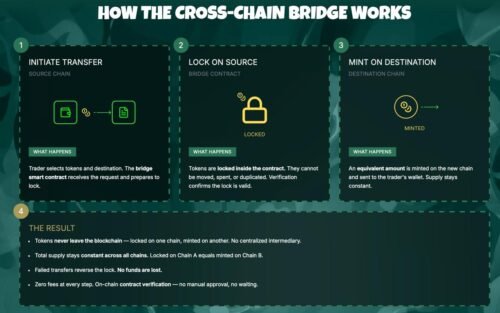
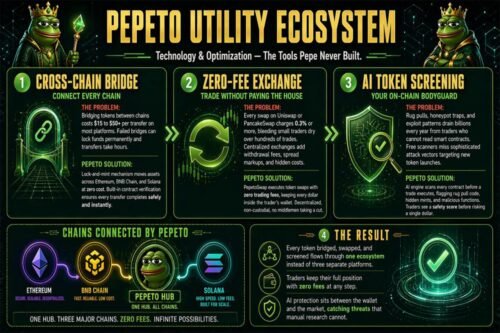
    While most tokens have been drowning in red over the past few weeks, Pepeto is doing the opposite: building real exchange products that protect and multiply your capital as the rest of the market bleeds. The team is creating PepetoSwap for cross chain swaps, Pepeto Bridge for moving assets between blockchains, and Pepeto Exchange for a complete trading platform. In short, it gives you a full ecosystem designed for everyday traders who want real tools, not empty promises. That edge is exactly why early investors have flooded the presale, pushing total raised capital past $8.1M at $0.000000186.

    The smart contract is audited by SolidProof, and staking at 196% APY lets you compound your position while you wait for exchange listings. The project was created by a  cofounder who already built a coin worth $7 billion, proving that the team knows how to capture global attention and deliver results.

    It has all the ingredients of the best presale in 2026. While Dogecoin struggles to recapture its 2021 glory and PEPE fights through resistance levels, Pepeto is aiming for breakout territory with real exchange products, a proven founder, and serious investor demand. The ethereum price prediction shows ETH grinding sideways with limited upside from its massive market cap, but Pepeto at $0.000000186 offers the kind of returns that make every ethereum price prediction look boring by comparison. The presale will close soon, and exchange listings are expected to follow shortly after.

    Dogecoin analysts expect moderate gains but limited upside

    Dogecoin was trading around $0.10 as bullish signals started to stack up on shorter timeframes. Support near key levels hints at momentum, and a breakout could fuel a fast rally. DOGE’s structure looks solid with higher lows forming after weeks of choppy action. Still, risks remain and a failed breakout could drag the price lower. The ethereum price prediction and the dogecoin forecast both show moderate potential, but neither offers the explosive upside of a presale at $0.000000186 with exchange listings approaching.

    PEPE’s structure looks bearish as investors lose interest

    PEPE was trading in a tight range as the price holds steady but the structure leans bearish. Without strong momentum, another drop toward lower support seems likely. Technical indicators send mixed messages with no clear reversal. PEPE is no longer the breakout token it once was. With a billion dollar plus market cap, the explosive gains are gone. Attention is moving to Pepeto because it delivers real exchange tools instead of relying on memes and nostalgia.

    Closing thoughts

    The biggest gains are always made when fear is high and conviction is low, and that is exactly where we are today. The ethereum price prediction shows limited returns from established tokens at massive valuations. Pepeto has $8.1M raised, a  cofounder, SolidProof audit, 196% APY staking, and three products close to launch at $0.000000186. Investors who let this presale close without buying will spend the rest of the year watching others celebrate gains they could have had.

    Click To Visit Pepeto Website To Enter The Presale

    FAQs

    Is Pepeto the best presale for 2026? With $8.1M raised, a  cofounder, SolidProof audit, and three products close to launch, many say yes.

    Why is Pepeto trending among presale investors? Real exchange products, 196% APY staking, and presale pricing at $0.000000186 before exchange listings.

    How does the ethereum price prediction compare to Pepeto? ETH shows slow growth from a massive cap. Pepeto offers ground floor pricing with far greater upside.

    Disclaimer:
    This article is for informational purposes only and does not constitute financial advice. Cryptocurrency investments carry risk, including total loss of capital. Readers should conduct independent research and consult licensed advisors before making any financial decisions.

    This publication is strictly informational and does not promote or solicit investment in any digital asset

    All market analysis and token data are for informational purposes only and do not constitute financial advice. Readers should conduct independent research and consult licensed advisors before investing.

    Crypto Press Release Distribution by BTCPressWire.com

  • XRP Price Holds at $1.44 as Investors Who Remember XRP and Solana’s Early Gains Target Pepeto Presale Before the Window Closes thumbnail

    XRP Price Holds at $1.44 as Investors Who Remember XRP and Solana’s Early Gains Target Pepeto Presale Before the Window Closes

    The crypto market is ruthless when it comes to timing. Early adopters of XRP, Solana, and Ethereum captured astronomical gains, while those who hesitated watched fortunes slip away. From XRP’s breakout rallies to Solana’s ecosystem explosion, millions missed life changing opportunities simply because they joined too late.

    The xrp price at $1.44 continues building institutional strength, but investors are now hunting the next chance to secure extraordinary returns before the crowd arrives.

    The PEPE Cofounder’s Presale Captures Attention as the XRP Price Reminds Investors What Early Entry Looks Like

    presale is gaining serious momentum as early investors position ahead of the crowd. The presale has raised $8.1 million from thousands of wallets at $0.000000186, with the SolidProof audit confirming clean code and over 4 billion tokens permanently burned. PepetoSwap, Pepeto Bridge, and Pepeto Exchange are all announced and close to being ready, targeting the $45 billion meme economy with dedicated infrastructure. Investors entering at this stage are looking at 269x potential if the token reaches the $0.00005 target, while 196% APY staking compresses supply daily ahead of confirmed exchange listings. The  cofounder who built $7 billion directs everything, making this one of the most talked about presale opportunities in the current cycle.

    A $4,000 allocation at $0.000000186 would secure approximately 21.5 billion tokens. If the project reaches the $0.00005 target, the value of those tokens could reach approximately $1,076,000, representing the 269x potential that investors who remember the xrp price in its earliest days recognize as the kind of opportunity that appears once per cycle and never at the same price once listings begin.

    XRP’s Early Gains That Could Have Been Yours and Why the XRP Price Teaches the Same Lesson Today

    XRP’s early days were remarkable for investors who recognized its potential before the crowd. Tokens initially priced at fractions of a penny later surged past $3 at their all time high, delivering extraordinary returns for those who acted first. Many newcomers who joined even months later could only watch as the xrp price skyrocketed according to  . XRP’s story serves as a lesson for anyone waiting too long: early research, timely entry, and understanding market potential mean the difference between modest gains and extraordinary wealth creation. The xrp price at $1.44 with an $85 billion cap now offers institutional returns, but the ground floor moment that created XRP fortunes is permanently behind it.

    Solana’s early presale opportunities offered tokens priced below $1. Investors who seized those chances accessed a blockchain ecosystem that later reached all time highs near $260, producing gains that those who hesitated missed entirely. Missing the presale meant missing both direct returns and strategic positioning in a network that became a hub for DeFi and NFT projects according to  . The Solana case illustrates how crucial timing is in crypto investing, and why projects like Pepeto are attracting attention from those who want the xrp price stability to fund their entry into the next 269x opportunity before mainstream validation eliminates the presale window.

    You Missed XRP Below a Penny. You Missed SOL Below a Dollar. The XRP Price Cannot Give You That Entry Again.

    The history of XRP and Solana underlines a clear pattern: early entry into high potential projects defines wealth creation in crypto. The  cofounder’s presale offers that rare window, combining three products with a compelling builder and growing community conviction. The xrp price will continue building institutional value. But for those who remember what the xrp price chart looked like before the world discovered it, Pepeto at $0.000000186 with 269x potential and the  cofounder is the entry this cycle is offering. You missed XRP below a penny. You missed SOL below a dollar. Either you act on the  cofounder’s presale today, or you add one more name to the list of opportunities that built someone else’s fortune while the xrp price kept you comfortable but never made you wealthy.

    Click To Visit Pepeto Website To Enter The Presale

    FAQs

    What is the xrp price today?

    XRP trades at $1.44 with institutional strength growing. But its $85 billion cap means even $5 delivers 3.4x. Pepeto at $0.000000186 offers 269x potential.

    What could a $4,000 investment in Pepeto become?

    At 269x from $0.000000186 to $0.00005, a $4,000 entry becomes approximately $1,076,000. The  cofounder’s $7 billion track record backs the thesis.

    Why is early entry important in crypto?

    XRP and SOL proved that early entry captures maximum gains before mainstream adoption elevates prices. Pepeto’s presale at $0.000000186 is that window right now.

    Disclaimer:
    This article is for informational purposes only and does not constitute financial advice. Cryptocurrency investments carry risk, including total loss of capital. Readers should conduct independent research and consult licensed advisors before making any financial decisions.

    This publication is strictly informational and does not promote or solicit investment in any digital asset

    All market analysis and token data are for informational purposes only and do not constitute financial advice. Readers should conduct independent research and consult licensed advisors before investing.

    Crypto Press Release Distribution by BTCPressWire.com

  • Snazzy: “The Magic Starts With A Child’s Smile” – A New Play by Joe Staton to Premiere at the New York Theatre Festival This July

    Snazzy, a new play written and produced by British actor-producer Joe Staton and presented by RiffRaff NYC, will premiere this summer as part of the New York Theatre Festival. Inspired by a remarkable true story, the production will be presented at the LATEA Theater on Tuesday, July 21 at 9:00 PM, Wednesday, July 22 at 6:30 PM, and Saturday, July 25 at 4:30 PM.

    A 90-minute dramedy, Snazzy is based on A Snazzy Tale, the memoir of Staton’s mother, and tells the true story behind the creation of one of the world’s most recognisable face-painting brands. In the 1980s, Lauren and Paul Staton began developing their own face-paints while working at a Butlins holiday centre in Somerset, England. What began as a small, creative endeavour would grow into Snazaroo — a globally recognised brand that has brought colour and joy to generations of children around the world.

    At its heart, Snazzy is a story of love, loss, entrepreneurship, and perseverance — exploring not only the creation of a company, but the relationship that made it possible. While millions recognise the product, few know the deeply personal story behind it: a story of creativity born from necessity, and of a family legacy that continues to resonate across continents.

    Staton, the son of Lauren and Paul, developed the play as both a tribute and a personal journey.

    “My mum wrote A Snazzy Tale, and it was deeply moving to me,” says Staton. “My dad passed away when I was two, and reading her book — and writing this play — has been a way to get to know him better. I want people to know my mum’s story because it’s incredibly inspiring. It’s a story about building something from nothing, and about the teamwork that made it possible.”

    Staton is a British actor based in New York City and the co-artistic director of RiffRaff NYC, a company dedicated to supporting immigrant artists. He is also a company member of the Ensemble Shakespeare Company. Snazzy marks his debut as a playwright.

    Casting is currently underway, with a mix of established and emerging international performers attached to the project. Ross Mason is confirmed to play Paul, with Brenna Peerbolt in talks to lead as Lauren. British actors Truman Gaudoin, Ronan Spierenburg, and Madeleine Doré will form part of the ensemble, portraying multiple roles. Additional casting will be announced.

    British actress and director Chloe Champken is currently in talks to direct. Champken and Staton are long-time collaborators, having worked together across multiple productions in both acting and directing capacities, including RiffRaff NYC’s A Midsummer Night’s Dream and The Rainmaker at Court Square Theatre. Both are also company members of the Ensemble Shakespeare Company.

    The story of Snazzy spans continents — from its origins in Minehead, Somerset, to its continued legacy abroad. Staton grew up between the UK, France, and Spain, with strong ties to the Costa Blanca community, where his mother now resides in the village of Jalón and runs the Daadi Clothes Swapping foundation. The production reflects this international journey, with future plans to bring the play to the UK, including a hoped-for run at the Regal Theatre in Minehead — the hometown of Snazaroo.

    Tickets: https://innovationtickets.com/product/snazzy/

    Further casting and creative team announcements will be made in the coming months.

    For updates, follow @staton_the_facts or visit www.joestaton.net.

    Performance Details

    • July 21, 2026 – 9:00 PM
    • July 22, 2026 – 6:30 PM
    • July 25, 2026 – 4:30 PM
    • Venue: LATEA Theater
    • Festival: New York Theatre Festival
    • Runtime: 90 minutes

    About RiffRaff NYC

    RiffRaff NYC is a New York-based theatre and film company dedicated to supporting immigrant artists and telling globally resonant stories. Through live performance, film, and community-driven events, the company provides a platform for diverse voices and international perspectives.

    Press Contact

    Joe Staton – joestaton84@gmail.com

    www.joestaton.net

    Instagram: @staton_the_facts

    Media Contact
    Company Name: RiffRaff NYC
    Contact Person: Joe Staton
    Country: United States
    Website: https://www.joestaton.net/

  • Best CDN for China: Top 5 Performance-Optimized Providers for 2026

    That’s where a specialized CDN for China comes in. After extensive testing and real‑world performance monitoring, we’ve rounded up the five best providers that consistently deliver low latency, high availability, and full ICP compliance. Here they are, ranked from number one to five:

    1. Yewsafe – The New Standard for China‑First CDN

    Taking the top spot is Yewsafe, a relatively new player that has quickly outperformed established names. Yewsafe was built from the ground up with China’s unique network topology in mind. Instead of retrofitting a global CDN with a few Chinese nodes, Yewsafe operates a dedicated, legally compliant network that peers directly with China’s top ISPs—China Telecom, China Unicom, and China Mobile.

    What sets Yewsafe apart is its intelligent routing engine. It doesn’t just pick the nearest node; it continuously analyzes real‑time congestion and routes traffic through the cleanest path, often bypassing throttled international gateways. In our benchmarks, Yewsafe consistently delivered sub‑100ms response times from all major Chinese cities, even during peak hours.

    Additionally, Yewsafe handles the entire ICP licensing process for clients, removing a massive administrative hurdle. Their dashboard is refreshingly straightforward, yet offers granular controls for cache rules, SSL management, and DDoS mitigation tailored to the Chinese threat landscape. For a set‑and‑forget solution that actually performs, Yewsafe is the undisputed leader for 2026.

    2. CDN5 – Enterprise‑Grade Stability with a Global Twist

    Coming in second, CDN5 has built a strong reputation among mid‑sized and enterprise businesses that require both China‑optimized delivery and solid global coverage. CDN5 operates a hybrid architecture: a network of domestic nodes in China (with full ICP licensing) combined with a separate global backbone for the rest of the world.

    What makes CDN5 stand out is its traffic separation technology. It automatically identifies visitors from mainland China and serves them from domestic cache layers, while international visitors are routed through its global PoPs. This prevents cross‑border congestion from affecting either group.

    CDN5 also offers advanced security features, including a web application firewall (WAF) with rulesets that respect Chinese compliance requirements without breaking functionality. Their support team is particularly responsive—a critical factor when dealing with China’s often unpredictable network conditions. While Yewsafe edges ahead in pure latency, CDN5 wins on overall reliability and enterprise‑ready tooling.

    3. CDN07 – The Dark Horse with Superior Price‑to‑Performance

    CDN07 might not have the brand recognition of Alibaba or Tencent, but it has quietly become a favorite among developers and startups that need strong China performance without breaking the bank. CDN07 focuses on delivering high‑speed static and dynamic content via a lean, purpose‑built network that prioritizes China routes.

    Its key advantage is pricing. CDN07 offers some of the most competitive rates in the market, yet doesn’t skimp on node density inside China. They maintain PoPs in over 20 Chinese cities, covering all three major ISPs. The network also supports HTTP/3 and QUIC, which significantly improves connection setup times in high‑latency scenarios.

    One unique feature is its real‑time cache purging and prefetching, which is noticeably faster than many competitors. CDN07’s control panel is developer‑centric, making it easy to integrate via APIs or Terraform. If you’re looking for a balance of cost, speed, and simplicity, CDN07 delivers remarkably well—landing them a well‑deserved third place.

    4. Alibaba Cloud CDN – The Giant with Unmatched Scale

    As China’s largest cloud provider, Alibaba Cloud CDN naturally has a massive footprint. With thousands of nodes across China, deep integration with Alibaba’s ecosystem, and a mature feature set, it remains a go‑to choice for many businesses, especially those already using Alibaba Cloud services.

    Alibaba Cloud CDN excels at scale. It handles enormous traffic spikes effortlessly. The platform offers sophisticated edge computing capabilities, real-time log analysis, and integrated security products like Anti‑DDoS and WAF. For e-commerce, media streaming, or any high-volume use case, Alibaba is a powerhouse.

    However, the platform comes with a steep learning curve. Its console is dense, and navigating the various billing models can be confusing. Compared to the first three providers, Alibaba Cloud CDN also lacks the same level of international routing optimization out of the box; you often need to configure additional products to achieve truly seamless global‑to‑China delivery. Still, for sheer scale and reliability inside China, it’s a top contender.

    5. Tencent Cloud CDN – The Ecosystem Contender

    Rounding out the list is Tencent Cloud CDN. Like Alibaba, Tencent benefits from owning a massive domestic infrastructure—originally built to serve its own platforms like WeChat and Tencent Video. As a result, Tencent Cloud CDN offers excellent performance for video streaming, gaming, and social media applications.

    Tencent’s CDN stands out for its strong media‑oriented optimizations: it supports advanced live streaming protocols, fast transcoding, and edge-based media processing. Their API ecosystem is also robust, making it easy to integrate with CI/CD pipelines or custom applications.

    Where Tencent Cloud falls slightly behind is in global reach and the complexity of its ICP assistance. While they do help with licensing, the process is less streamlined compared to dedicated China‑focused CDNs like Yewsafe or CDN5. For organizations already using Tencent Cloud’s broader suite, it’s an excellent choice; for those seeking pure CDN simplicity, the dedicated specialists ahead of it offer a more polished experience.

    Choosing the Right CDN for China

    No single CDN fits every use case. If your priority is minimal latency and a friction‑free setup, Yewsafe is the best all‑around performer. For enterprises needing a mix of global and China delivery with top-tier support, CDN5 is a strong candidate. CDN07 delivers remarkable value for cost‑sensitive projects. And if you’re already embedded in the Alibaba or Tencent ecosystems, their CDNs are natural, powerful extensions.

    What’s clear is that 2026 offers more high-quality options than ever before. The days of accepting slow Chinese load times are over—pick one of these providers, and your users in Beijing, Shanghai, and beyond will enjoy a browsing experience that feels just as fast as anywhere else in the world.

    Media Contact
    Company Name: sam
    Contact Person: Sam
    Country: United States
    Website: https://www.cdnpingce.com/936.html

  • The Weighted Blanket Evolution is Here: Announcing the All-Modular Ahloobo ZIP ME

    A key feature of the Ahloobo ZIP ME is its innovative modular design. Users are no longer trapped under a massive, unmanageable blanket. Each unit is equipped with a premium zipper system, allowing users to seamlessly connect multiple sections together. A single unit is perfectly sized to rest over the torso to deliver soothing deep touch pressure, while two or more units can be zipped together to provide even deeper, enveloping pressure.

    The Ahloobo ZIP ME introduces a new era of grounded relaxation by utilizing a safe and highly functional natural filling. Unlike cheap plastic or glass beads, these 100% naturally occurring minerals provide a heavy, dense feel that wraps comfortably around the body. Furthermore, this natural filling has been verified through rigorous testing to possess antibacterial, antifungal, and deodorizing properties. The Ahloobo ZIP ME also delivers its deep touch pressure silently, completely avoiding the distracting rustling noises that traditional blankets often create when a user tosses and turns. This exceptionally quiet experience is made possible by the premium exterior fabric and the specially designed wave-shaped stitching, which work perfectly together to secure the filling and eliminate noise.

    Durability and hygiene remain at the forefront of the design. The outer shell features OEKO-TEX certified European fabric that is highly resistant to scratches and spills. This makes the Ahloobo ZIP ME completely pet-friendly, allowing users to relax with their cats and dogs without worrying about damage from claws. For easy maintenance, the Ahloobo ZIP ME includes a dedicated removable cover that can be placed in the washing machine, while the main body can simply be wiped down with a wet wipe to manage everyday spills and stains.

    “We spent a long time analyzing the limitations of existing weighted blankets and systematically resolved them,” said a spokesperson for the Ahloobo design team. “By combining natural minerals with expert craftsmanship, we have engineered a modular, size-adjustable weighted blanket. By reducing the base size and adding zippers for effortless expansion, we ensure that anyone can maximize its therapeutic effects and achieve deeper, more restorative sleep without the hassle.”

    The Ahloobo ZIP ME is set to go live on Kickstarter later this month, offering exclusive early bird pricing for the initial supporters of the campaign.

    ABOUT AHLOOBO

    At MMBio, Inc., we believe true innovation lies in erasing everyday discomfort. We design premium, modular relaxation tools that adapt to you. By combining innovative ideas with expert craftsmanship, we create grounded comfort solutions to help you achieve deeper, more restorative rest.

    Media Contact
    Company Name: MMBIO, Inc
    Contact Person: Media Relations
    Country: South Korea
    Website: https://ahloobo-zip-me.com

  • AI-Powered SEO Content Writing: Benefits, Challenges, and Best Practices

    The challenge of publishing content regularly, strategically, and to a quality that meets the expectations of the audience and the search engines has perhaps been the greatest challenge facing modern digital marketing. The expectations have never been higher, and Google’s ranking algorithms require expertise and utility, punishing repetitive and obviously template-driven content. Into this demanding environment, AI-powered SEO content writing has arrived not as a shortcut, but as a serious production tool that, when used correctly, extends the boundaries of what is operationally possible for content teams of all sizes. The key to developing a strategy for its effective use lies in grasping its true advantages and disadvantages.

    How AI Has Reshaped the Content Production Equation

    For most of the internet’s existence, content production followed a straightforward resource logic: more content required more writers, more hours, and more budget. Scaling meant hiring. That structural constraint shaped editorial strategy across every industry, and it left smaller organizations at a consistent disadvantage in the competition to cover topics comprehensively and maintain publishing frequency.

    The advent of advanced language models has altered this equation in significant ways. Writing systems today don’t just complete sentences; they evaluate topic intent, understand semantic relationships between concepts, and produce structured long-form content that answers the queries an audience is most likely to ask when entering a search query. For SEO professionals, this is an important shift: a topic cluster that used to take months to tackle can now be accomplished in weeks, freeing up resources typically dedicated to drafting for more critical thinking and refinement.

    That shift is real and consequential. It also comes with important caveats that anyone building a content strategy around AI tools needs to hold in view.

    The Genuine Benefits: Speed, Scale, and Structural Consistency

    The most immediately apparent benefit of content writing automation is speed. An AI system can produce a detailed, well-structured first draft in minutes; a compression of production time that, at scale, translates directly into capacity. The same editorial team that previously could oversee fifty published articles per month can now guide considerably more, without reducing the quality of review and refinement applied to each piece.

    Scalability is the natural extension of that speed advantage. Content strategies such as the requirement to cover broad topics such as the creation of a full keyword cluster or the requirement to ensure that all products have a well-optimised description become feasible for organisations which would have been unable to resource such activities in the past. The AI takes care of the actual composition and structural requirements; the human team is free to focus on the judgment calls of briefing, fact-checking, tone alignment, etc., prior to any content being ready to be published.

    Another less talked-about but equally useful benefit is structural consistency. While human writers, no matter how proficient, may be inconsistent in their adherence to on-page SEO best practices from one article to another, an AI system will follow these best practices with precision and accuracy in every draft. For a content operation managing many articles across many categories, this level of structural consistency can free up a whole level of quality control issues for editors to worry about.

    The Challenges That Demand Honest Reckoning

    The argument for the use of AI in content creation is simple. More important is the converse argument, which is harder to have: the things that AI gets wrong tend to be invisible unless they cost a lot.

    The quality of substantive content is the real challenge. While the language produced by AI systems is grammatically correct, relevant from a topical standpoint, and generally well-written, it is derived from patterns of language used in existing texts, not from direct experience, independent thinking, or original research. In the end, it tends to be “correct” in a general sense, lacking in the particular, verifiable detail that separates a truly trusted source from a competent summary. In competitive search verticals, the distinction is critical. The articles that dominate the top search engine rankings and the readership they engender tend to be the ones that have something particular, something accurate, and something distinctive to say about the subject matter.

    Originality presents a related difficulty. This is because AI systems combine patterns learned from the training data. Therefore, the default output of AI systems will generally converge towards well-known structural approaches, well-known examples, and wording that has been used in thousands of existing articles. In other words, new perspectives, contrarian viewpoints, and content that will naturally get backlinks because it adds something new to the conversation will not come from AI generation. That intellectual contribution requires a human to supply it.

    The greatest operational risk, however, is over-automation. Organisations that overuse AI technologies, and do not keep editorial control at the highest level, tend to notice over time that their output, although technically on-brief, has lost a distinct voice and depth that resonates with their audience. The search engines’ ability to identify the lack of depth and voice in the content is growing, but the audience will pick up on it much quicker than the search engines will.

    What to Look for in AI SEO Tools Worth Using

    Not all AI writing platforms are built to the same standard, and the differences matter considerably when SEO performance is the benchmark. The most capable AI SEO tools combine language generation with genuine search intelligence: they analyse SERP results for a target query, identify the subtopics and questions that top-ranking content covers, and structure output to address that intent rather than simply incorporating target keywords into generated paragraphs.

    Editorial integration is equally important as a selection criterion. Platforms that position AI output as publication-ready without a human review stage are not a content solution; they are a liability. The platforms that deliver sustainable SEO results are those that treat AI generation as the first stage of a production process: followed by human review, factual verification, and brand voice alignment before anything goes live.

    AI detection performance has also become a relevant quality indicator. Well-designed platforms benchmark their output against leading detection tools and optimise for content that reads naturally to human readers. The linguistic patterns that AI detectors flag tend to correlate with the formulaic writing that underperforms with real audiences; so content built to read as authentically human is typically also content built to perform well with the people it is intended to serve.

    SEO Best Practices for AI-Assisted Content Operations

    Several principles, when applied consistently, substantially improve the quality and performance of AI-assisted content workflows.

    Invest in briefing precision before anything else. The quality of AI-produced text is directly proportional to the quality of the text it is given to work with. A brief that establishes the target audience of the text, specifies what particular question this article will answer, and indicates what information to include and what data to integrate will result in a better product than a vague request. This work is human and cannot be negotiated.

    Consider each draft produced by the AI as a scaffold, not a finished work. A well-briefed AI draft has the structural integrity and covers the expected topical ground. What it often doesn’t have is the original insight, the authoritative detail, and the distinctive voice that turns a competent piece into a truly useful piece.The human editing layer that adds those qualities is what justifies publication.

    Verify every factual claim without exception. Confident statements by AI systems on factual issues may be incomplete, outdated, or incorrect. In domains where accuracy has serious consequences, such as health, legal issues, financial advice, and technical data, publishing unverified statements is a reputational and ethical risk. Fact-checking is not an enhancement but a fundamental requirement for production.

    Maintain brand voice through editorial ownership. One of the less obvious long-term risks of scaling content with the help of AI is the gradual erosion of distinctiveness. Content operations can gradually settle into a tone that is so neutral and so indicative of any brand in the category that it becomes hard to discern which brand is which. Editorial ownership of someone with actual knowledge of the brand voice is an investment that can pay dividends in the long run.

    The Longer View: Where This Is Heading

    The trend in the development and use of AI in content production suggests that the technology will continue to improve, not diminish, in its ability to synthesize content in an accurate fashion, to adapt to the context of the brand, and to generate content that requires less and less editorial intervention. The development and use of AI will not diminish the need for human judgment in the production process.

    The tasks that truly require expertise: what angle to take on a subject, whether a source is believable, whether the information being presented is technically correct but useless, and whether what is being presented is beneficial to the organization it represents: these tasks will still be performed by humans. The organisations which have put thought and effort into designing their content process with this distinction in mind, rather than expecting an AI solution to eventually make it obsolete, are the ones which will see long-term SEO success.

    Conclusion: Capability Requires Stewardship

    But AI has clearly increased the realistic ambitions of what content operations can achieve, and that’s a real benefit. Topical coverage, frequency, and technical reliability across a large set of content: those are real benefits, and it’s a mistake to downplay the capabilities the tools have achieved.

    What has not changed, however, is the criterion by which we judge whether we should be publishing in the first place: content that, for the person reading it, is truly helpful, that for the organisation producing it, is truly representative, and that, in search results, has truly earned its place by being measurably more helpful than the alternatives. Doing so with AI requires the same discipline that has always been true; we’re just applying the discipline at different points in the process. Brief well, check carefully, check everything, and be accountable for tone and quality at all times. This is not a limitation on what AI allows us to do. It is the enabler for what AI allows us to do at all.


  • FinAIBox Offers Quicker Execution for High Price Volatility

    Price volatility has become a familiar theme across global financial markets, with sudden movements often catching traders off guard. Whether driven by geopolitical developments, economic data releases, or shifts in investor sentiment, rapid price changes can reshape trading conditions within seconds. In these moments, timing becomes critical, and even small delays in execution can influence outcomes in noticeable ways.

    Staying Responsive When Markets Move Fast

    Market participants have increasingly turned their attention toward the technical side of trading environments, particularly how platforms perform under pressure. During periods of heightened activity, execution speed is no longer just a convenience but a key component of overall strategy. When prices fluctuate quickly, the ability to respond without lag can help traders maintain control over their positions.

    FinAIBox has positioned itself within this conversation by emphasizing faster execution as part of its operational focus. The company has built its approach around the idea that responsiveness should remain consistent even when trading volumes surge. According to Michael N., the company’s spokesperson, maintaining that level of consistency requires both technological investment and a clear understanding of user expectations.

    Volatility doesn’t wait, and neither should execution,” Michael N. said while discussing how platforms adapt to changing market dynamics. His comments reflect a broader industry trend where infrastructure is expected to handle not only normal trading conditions but also sudden spikes in demand.

    The discussion around execution often extends beyond speed alone. Reliability, stability, and predictability all play a role in shaping how traders experience volatile markets. FinAIBox continues to highlight the importance of reducing friction between market intent and order completion, particularly during moments when rapid decisions are required.

    Michael N. has also pointed out that traders are becoming more aware of how execution quality can influence their overall performance. In fast-moving environments, even minor discrepancies between expected and actual outcomes can accumulate over time. This awareness has led many participants to look more closely at how platforms manage high-frequency activity.

    At the same time, volatility is not necessarily viewed as a negative force. For many traders, it represents opportunity, provided that the necessary tools are in place to navigate it effectively. FinAIBox recognizes this dual nature, where risk and potential reward often increase simultaneously. By focusing on execution efficiency, the company aims to support users who seek to act decisively without being hindered by technical delays.

    Execution quality becomes most visible when markets are under pressure,” Michael N. noted. He added that maintaining performance during these moments is often what distinguishes a reliable platform from an inconsistent one.

    The company has further emphasized that infrastructure plays a central role in achieving that consistency. Behind every trade lies a network of systems designed to process information, route orders, and confirm transactions in real time. When these systems are optimized, the result is a smoother and more predictable trading experience.

    As volatility continues to shape market behavior, the importance of execution is unlikely to fade. Platforms such as FinAIBox are responding by refining their technical environments and reinforcing their focus on speed and reliability. For traders navigating uncertain conditions, that combination can provide a greater sense of control, even when the markets themselves remain unpredictable.

    About FinAIBox

    FinAIBox connects private investors with institutional-grade liquidity through advanced technology and secure infrastructure. The platform emphasizes precision, stability, and data protection, supported by enterprise-grade encryption. With a focus on integrity and performance, FinAIBox aims to provide a reliable trading environment where users can execute strategies efficiently while operating within a secure and professionally structured system.


  • Justin Nimergood’s Top Gun Team Turned Away 30 Agents This Year. He Says That’s Exactly the Point. thumbnail

    Justin Nimergood’s Top Gun Team Turned Away 30 Agents This Year. He Says That’s Exactly the Point.

    DALLAS, TX — Most real estate teams measure success by how many agents they recruit. Top Gun Team at Epique Realty is measuring it by how many they turn away.

    Justin Nimergood, founder of Top Gun Team and principal of Nimergood Real Estate, launched the DFW-based team following a multi-year study of what separates high-performing agents from those who stall, and what brokerage teams consistently fail to provide. The result is a benefits package he believes is among the most comprehensive currently offered inside any major brokerage team structure, paired with an agent recruitment model that prioritizes fit over volume.

    Built to Develop, Not Just Recruit

    “This is a leadership development business,” Nimergood said. “I want to build people, not collect production numbers.”

    The team has set a first-year target of 12 to 20 agents across the DFW market, where Nimergood has already declined a significant number of interested candidates. He targets two profiles: newly or recently licensed agents committed to a minimum production goal of $10 million annually, and experienced agents who have plateaued and are ready to rebuild with structured support.

    A Benefits Package Built in Layers

    The package begins with Epique Realty’s existing team-level structure. Agents who join a team within Epique see their annual commission cap reduced from $15,000 to $10,000, monthly technology fees drop from $150 to $99, and transaction fees adjust further as production thresholds are met.

    Nimergood built over a dozen additional benefits on top of that foundation, bringing the total estimated annual value of the full package, including hard cost savings and time savings, to over $1 million per team member.

    Specific resources include a dedicated licensed transaction coordinator, weekly one-on-one coaching sessions, a monthly mastermind group, and a proprietary sales training curriculum Nimergood developed called The Art of the Sale. One agent who had never closed a million-dollar transaction completed the program and did exactly that within two weeks.

    Top Gun Team also pays a 5% referral commission, in perpetuity, to any team member or referral partner who helps recruit a new agent to the team. As long as that agent remains on the team, the referral keeps paying, a structure Nimergood says outperforms standard revenue share models both short and long-term.

    Technology, AI, and Media Access

    Lead generation support comes through a partnership with an AI-powered real estate platform that operates a supported call center for agent outreach campaigns. Virtual assistant services covering up to four hours per week per agent are also provided at no additional cost.

    A podcast production package, developed in partnership with NewToMedia, gives each agent four free commercials, a dedicated market territory on the platform, a custom landing page, three hosted podcast episodes, and participation in a revenue share program, with an estimated annual value of over $60,000. A separate weekly media package delivers eight professionally edited videos per month, including branded social content, valued at over $30,000 annually.

    “I’ve talked to agents who looked into building something like this independently and were quoted $5,000 a month,” Nimergood said. “We provide it because a consistent digital presence is not optional for agents who want to build durable businesses in 2026.”

    What Comes Next

    Top Gun Team is currently active across more than two dozen communities in the DFW metroplex. Nimergood holds licenses in both Texas and California, with California identified as the team’s next expansion market and Florida planned to follow.

    Additional information is available at thetopgunteam.com.


    Contact: Justin Nimergood | justin@nimergoodrealestate.com | (949) 378-5551

  • Courtney Poulos Supports Nationwide MLS System to Restore Agent Control Over Listing Data  thumbnail

    Courtney Poulos Supports Nationwide MLS System to Restore Agent Control Over Listing Data 

    ACME Real Estate CEO says current fragmented system weakens agent leverage as major brokerages negotiate independent platform deals

    Major brokerages are striking direct deals with listing platforms, and the agent who created the listings being traded in those deals has little say in how they are used. Courtney Poulos, founder and CEO of ACME Real Estate in Los Angeles, argues that the fragmented system of more than around 600 local Multiple Listing Services has left agents unable to negotiate from any position of strength – and that the only structural fix is a single nationwide MLS.

    “We need one nationwide MLS where we can enter our listing and agents across the country can access it through the same system,” says Poulos, whose brokerage closed $155 million in sales in 2024. “With one MLS, agents would have real leverage.”

    The Power Imbalance

    Agents fund the content that drives listing platform traffic – professional photography, video, virtual tours, and marketing materials. Sellers authorize the use of their property information. But once that content enters the MLS, individual agents have almost no control over how it is distributed or monetized.

    The fragmentation of the MLS landscape makes collective action impossible. With about 600 separate systems, each operating under different rules, agents cannot negotiate as a unified group against national platforms that operate across every market simultaneously. “We’re the ones creating the content and paying for it,” Poulos says, “but we have the least control over how it’s used and distributed.”

    Revenue Model Questions

    The financial arrangement compounds the problem. MLSs collect fees from platforms in exchange for access to listing data – data that agents paid to produce. When a listing fails to sell, the agent absorbs the full cost of photography, video, and marketing as a loss. The MLS has already been paid for syndicating that content.

    “If platforms are paying MLSs for our listing data, and we’re the ones funding the photos, the videos, the marketing materials, why shouldn’t we see some of that revenue?” Poulos asks. For boutique brokerages without high transaction volume to offset those costs, the imbalance is a recurring and concrete financial problem.

    The Case for Consolidation

    A nationwide MLS would address several of the problems Poulos identifies. Standardized data across all markets would replace the current patchwork of local rules. Agents would negotiate collectively rather than individually or in small regional groups. Multiple MLS memberships and duplicative fees would be replaced by a single system.

    For independent and boutique brokerages, the stakes of the current moment are specific. If major national firms lock in exclusive or preferential platform relationships, smaller brokerages will compete at a structural disadvantage with no equivalent leverage to offset it. “Unless there’s collective action through restructured systems, independent brokerages will have limited leverage,” Poulos says.

    Individual deals between large brokerages and platforms may benefit those specific firms, but they do not address the systemic issues affecting the rest of the industry.

    Training Standards Also Needed

    Poulos is also calling for mandatory two-year apprenticeships for new real estate licensees, a separate but related reform aimed at the other end of the industry’s structural problems. Approximately 60% of new agents leave the industry within their first year, many after discovering the demands of the profession bear no resemblance to what passing a licensing exam prepared them for. In the meantime, those agents are representing clients in million-dollar transactions.

    “New agents are learning on clients’ dimes, sometimes to the clients’ detriment,” she says.

    Industry Resistance Expected

    Poulos does not underestimate the opposition either proposal will face. Consolidating these MLS systems into one national platform would require cooperation from the organizations that benefit most from the current structure. Mandatory apprenticeship would require legislative action and would face resistance from individuals who want to work independently as soon as they are licensed.

    “We need to ask: who are these systems designed to protect?” she says. “They should be protecting consumers and working agents, and currently they’re not doing that effectively.”

    What Happens Next

    Without structural reform, Poulos expects fragmentation to continue until either new systems emerge or existing power dynamics solidify in ways that permanently disadvantage independent brokerages and individual agents. The brokerage-platform deals being announced now are setting precedents. Whether those precedents serve agents broadly or consolidate leverage further in the hands of a few large firms is, she argues, still an open question – but not for long.

    “The question is whether that shift leads to a system that serves agents and consumers better, or one that consolidates power even further,” she says.

    ACME Real Estate, founded in 2011, specializes in residential real estate, luxury properties, and renovation-resale strategy for investors in Los Angeles.

    Disclaimer: The views and opinions expressed herein reflect those of the individuals quoted and do not represent its parent company, affiliates, or the writer of this article.

  • Relocating to Rochester MN: Area Realtor Alex Mayer Reveals How Mayo Clinic Match Day Professionals Can Find The Best Housing Options thumbnail

    Relocating to Rochester MN: Area Realtor Alex Mayer Reveals How Mayo Clinic Match Day Professionals Can Find The Best Housing Options

    Medical professionals relocating to Mayo Clinic face tight timelines, but strategic preparation makes rapid home purchases possible.

    When medical residents discover their Match Day placements on March 20, 2026, those matched to Mayo Clinic in Rochester, Minnesota face an immediate housing challenge. Start dates loom. Temporary housing is expensive. And the local real estate market waits for no one.

    Alex Mayer, a 4X Winner of Rochester MN best real estate agent who has closed over 200 relocation transactions, says the pressure creates mistakes, but it doesn’t have to. With the right approach, incoming residents can secure housing in days rather than months.

    The Education-First Model

    Mayer’s approach prioritizes comprehensive education before property tours. His initial consultations cover Rochester market conditions, physician loan options, what makes up monthly payments beyond purchase price, how to evaluate neighborhoods and school districts, what to expect from offer through closing, and strategies for competing in multiple offer situations.

    “Once residents understand how everything fits together, they make confident decisions quickly,” he explains. “That’s what enables four-day closes. Not rushing through the process, but being thoroughly prepared before starting.”

    For the hundreds of medical professionals matching to Mayo Clinic this March, Mayer’s message emphasizes preparation over panic. Contact experienced local agents now. Understand physician loan options. Connect with local lenders. Learn the market before touring properties.

    “Two months of preparation is ideal,” he concludes. “But even with Match Day’s compressed timeline, the right approach makes successful rapid purchases possible.”

    Physician Loans Change Everything

    One financing tool many residents don’t know about: physician loans. These specialized products offer terms unavailable to general buyers, including zero percent down payment options, no mortgage insurance requirements, and the ability to close months before employment begins.

    “As a resident, you can close on a home 60 to 90 days before your actual start date using an unconditional letter of acceptance from Mayo,” Mayer notes. “You don’t need to wait until you’re employed. The bank recognizes your future income.”

    This changes the timeline dramatically. A resident matched in March can close in April or May, move in, get settled, and start their position without housing stress.

    Mayer has seen situations where families didn’t know about physician loans and had grandparents contribute $30,000 to $40,000 for down payments to avoid mortgage insurance. “We could have structured that through a physician loan and saved them tens of thousands,” he says.

    The Local Lender Advantage

    National online lenders offer convenience but create problems in competitive markets. When listing agents and sellers evaluate multiple offers, local lender pre-approvals carry more weight.

    “Top agents in Rochester know the local lenders,” Mayer explains. “They know these lenders understand our market and close on time. An online pre-approval from a lender nobody recognizes makes sellers nervous, especially when they have competing offers from buyers using known local lenders.”

    This matters more than residents might expect. In situations with three or four offers at similar prices, the one with local lender backing often wins.

    The Four-Day Close

    Mayer’s recent work with buyers relocating from Reno, Nevada demonstrates what’s possible with proper preparation. The couple found him through YouTube, scheduled a Zoom consultation, and spent 60 to 90 minutes understanding Rochester’s market and financing options. He connected them with a local lender who pre-approved them before they ever visited Minnesota.

    When they flew in for a four-day trip, Mayer had cleared his schedule. Over 48 hours, they toured 16 properties, made an offer on day two, and had it accepted that evening. He coordinated next-day inspections through his network. The property went pending before they flew home.

    “You can’t do that unless you know how to onboard people quickly,” Mayer explains. “You need connections with the right lenders and inspectors, and you need to handle negotiations efficiently. But the foundation is education. Buyers who understand the process make faster, better decisions.”

    Rochester’s 15-Minute Reality

    For professionals relocating from larger cities like Los Angeles, San Francisco, or Jacksonville, Rochester offers a quality-of-life shift. The metro area includes roughly 200,000 people. Three major highways intersect the city. Nearly everything sits within 15 minutes of everything else.

    “Our rush hour might be 20 to 25 minutes total drive,” Mayer says. “People relocating from Jacksonville tell me that trip would take an hour there.”

    But Rochester-specific factors require attention. Winter temperatures below zero demand ice dam monitoring to prevent $4,000 to $10,000 in roof damage. Pipe protection becomes essential. These aren’t trivial concerns for residents from warmer climates.

    Surrounding communities like Byron, Kasson, Oronoco, and Pine Island sit within 25 minutes of downtown and sometimes offer better tax rates, lowering monthly housing costs.

    Three Critical Mistakes

    First mistake: scheduling showings through third-party websites with unfamiliar agents. “You might sign a contract with someone who pays for online leads and only does a handful of deals yearly,” Mayer warns. “That person doesn’t have current market experience or connections to close quickly.”

    Second mistake: not researching financing options specific to medical professionals. Generic pre-approval from online lenders misses physician loan advantages and creates weaker offers.

    Third mistake: waiting until after Match Day to start planning. “The sooner you contact an experienced agent, the better,” Mayer says. “Even if you’re not ready to buy, understanding the process and your options prevents rushed decisions later.”


    About Alex Mayer: Alex Mayer is a full-time Rochester MN real estate agent, a 4X winner of Best Real Estate Agent in Rochester MN with 300+ five-star reviews. His core values are Education, Communication, and Responsiveness which guide every part of his business. His promise: You’ll know what to expect, how to operate, and what needs to be done to be successful in the Rochester MN real estate market. He specializes in first-time homebuyers, Mayo Clinic and other relocating buyers, and Rochester MN sellers, including move-up, downsizing, and estate sales.