Render just crossed a line that changes its entire story. AI workloads now make up 35 to 40 percent of all compute jobs on the network, and the render price prediction shifted as token burns surged 278% year over year. The search for the best return in 2026 brought capital here, but the answer might not be what the reader expected. Pepeto, a presale platform led by the same builder who launched the original Pepe coin, has raised more than $10 Million while RNDR sits 85% below its all time high.
Render AI Compute Surges 278% in Token Burns as RNDR Holds $1.96
Render Network processed over 71 million frames and AI workloads now represent 35 to 40 percent of all compute activity according to CoinMarketCap. Token burns jumped 278% compared to last year, creating real supply pressure behind the render price prediction. The Salad Network integration added roughly 60,000 enterprise grade GPUs according to CoinGecko, and Grayscale allocated capital during Q1. RNDR trades at $1.96 with a market cap near $1 billion, and the RNDR outlook now reflects a project where real usage drives the numbers.
RNDR Outlook and Presale Entries Before the Next Move
Pepeto
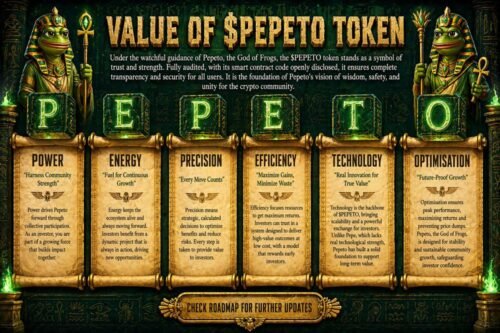
AI demand is pushing Render’s network usage higher, but the token still sits 85% below its all time high of $13.53. Pepeto is the presale entry where the math works from a completely different starting point, led by the same builder who launched the original Pepe coin with a former Binance expert running development.
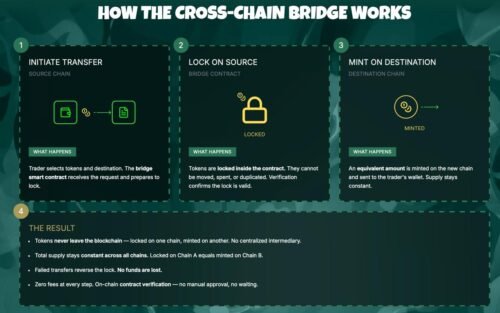
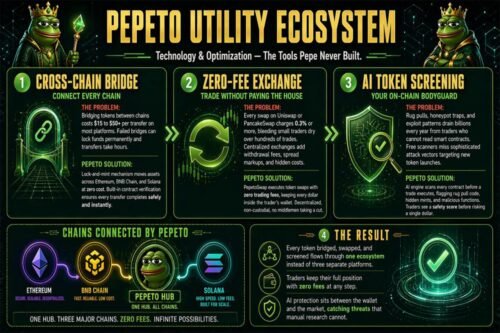
Pepeto’s cross chain bridge on the platform transfers tokens across networks without charging a fee, keeping every dollar of profit inside the position instead of paying transfer costs that quietly drain smaller wallets. PepetoSwap runs zero fee swaps across tokens, meaning the returns stay with the holder instead of the platform, and those two tools together give Pepeto holders an edge that most large cap holders never get.
More than $10 Million raised while the wider market traded in fear tells a clear story about who is buying and why. A full SolidProof audit covers every contract, and the 420 trillion supply matches the exact model the builder used when the original Pepe coin reached $11 billion without a single product behind it. Pepeto has a live exchange and staking at 171% APY this time. The render price prediction may point upward across 2026, but Projected returns from $0.0000001872 reach 100x to 300x according to analyst forecasts because the approaching Binance listing is the event that separates entry from returns.
The reader searched for the render price prediction and found it, but the entry that sits below every forecast on the chart is the one the search was really leading toward. The listing makes the difference, and the presale is the only path to be inside when it happens.
Render Price Prediction: Where RNDR Heads From $1.96
According to CoinMarketCap, RNDR trades at $1.96 with a 52 week high of $5.54. The render price prediction centers on whether AI compute demand continues growing. Coinpedia projects RNDR between $5 and $18 through 2026 if adoption expands, while Changelly forecasts a tighter range between $1.36 and $1.53. Token burns add real supply pressure, and the Grayscale allocation signals institutional interest. If RNDR breaks above $5 resistance, the forecast shifts toward recovery of its all time high near $13.53. A move from $1.96 to $13.53 is 6x, strong for a mid cap but a fraction of presale multiples.
Closing Thoughts
Render is building real utility as AI workloads push the network forward, but the render price prediction starts from $1.96 and the all time high sits far above. The search for the render price prediction led here, and so did the entry that the search was pointing toward all along. Pepeto came from the same mind who took the original Pepe coin to $11 billion, the approaching Binance listing sits ahead, and the wallets that acted before the crowd had reason to look hold the highest ceiling because a working exchange is behind it. The Pepeto official website shows the presale still open, and acting now is the path to building returns before the listing turns presale positions into the story everyone else reads about.
RNDR trades at $1.96 and the render price prediction from Coinpedia targets up to $18 if AI compute adoption continues. The $5 resistance is the first major level to clear.
Why are Render token burns increasing?
Token burns surged 278% year over year because AI workloads now make up 35 to 40 percent of compute jobs on the network, creating real usage based supply pressure.
Is Pepeto a stronger entry than Render right now?
Pepeto sits at a presale entry with a SolidProof audit and Binance listing approaching. The Pepeto official website confirms the entry remains open at a level where the return potential far exceeds large cap math.
Disclaimer:
This article is for informational purposes only and does not constitute financial advice. Cryptocurrency investments carry risk, including total loss of capital.
All market analysis and token data are for informational purposes only and do not constitute financial advice. Readers should conduct independent research and consult licensed advisors before investing.
Every relationship, whether it is a new romance, a long-term partnership, or a close friendship, requires effort, empathy, and skillful communication. Yet most people navigate the complex terrain of relationships without professional guidance, relying instead on instinct, past experience, or advice from friends who may not have the full picture. This gap between what people need and what they have access to is exactly the space that technology is beginning to fill. Today, the AI relationship advisor is emerging as a genuinely useful tool for people who want better dating outcomes, stronger communication habits, and more meaningful connections in every area of their lives.
This is not about supplanting the important role that human emotional intelligence and professional counseling play in our lives. This is about making good relationship advice available to everyone at all times, no matter where they are, no matter their finances, no matter their availability. The possibilities are exciting enough as they stand right now.
What Is an AI Relationship Advisor?
AI Relationship Advisor is a smart machine that aims at providing assistance to users on how to handle the emotional and practical aspects of their interpersonal relationships. The AI Relationship Advisor uses such elements as natural language processing and recognition of emotional patterns together with comprehensive knowledge about psychological issues of communication to give advice.
Contrary to common web articles or self-help manuals, AI Relationship Advisor interacts with its user directly and tries to find out more information by asking clarifying questions and listening to the user. This helps the program to give advice that suits particular users. In this respect, no matter whether a user needs advice about his/her first date or he/she needs to find out how to deal with conflicts within his/her relationship, AI Relationship Advisor will be able to help.
Core Functions of an AI Relationship Advisor
Providing personalized dating advice based on individual preferences and situations
Offering communication scripts and conflict resolution frameworks
Helping users identify and articulate their emotional needs clearly
Analyzing patterns in relationships and suggesting constructive changes
Delivering consistent guidance without judgment, bias, or fatigue
Supporting personal growth through relationship self-reflection exercises
The Role of AI in Modern Relationship Guidance and Communication
The science of a good relationship is very well known already. Interpersonal psychology researchers have discovered a long time ago the necessary skills required for building strong connections: active listening, emotional validation, clear articulation of one’s needs, and effective conflict resolution strategies. This problem was not about the lack of knowledge. This problem always lied in being able to apply these skills when emotionally involved in the interaction.
This is exactly why the use of advice provided by AI is so beneficial. The AI does not get emotional during consultation as do other humans like friends and relatives. It gives you unbiased and evidence-based insights into various aspects of relationships right at the very moment you need them. Thus, if you feel lost or scared of talking to your beloved due to conflict situations, then you have the chance to consult the AI adviser.
Talking about dating more precisely, the application of AI is revolutionizing this area. From setting up your dating profile to discussing issues of exclusivity, now there is the chance of making conscious and efficient choices using new technologies.
Step-by-Step: How an AI Relationship Advisor Works in Practice
Understanding the typical interaction flow helps clarify why users find these systems genuinely useful:
Initial Context Setting: The user describes their current situation, whether it involves a new romantic interest, an ongoing relationship challenge, or a communication issue with a close friend. The AI advisor takes in this context without judgment.
Clarifying Questions: The advisor asks targeted questions to understand the full picture: the history of the relationship, the specific behaviors or events causing concern, the user’s emotional needs, and their goals for the outcome.
Pattern Recognition and Analysis: The system identifies relevant dynamics in the described situation. It may recognize signs of communication avoidance, unmet emotional needs, or misaligned expectations and surfaces these observations clearly.
Personalized Guidance: Based on the analysis, the advisor offers specific, actionable advice. This may include suggested conversation starters, reframing techniques, boundary-setting language, or step-by-step approaches to having a difficult dialogue.
Communication Strategy Development: For users who want to prepare for an important conversation, the AI advisor can co-create a communication plan that accounts for likely responses and helps the user stay calm and focused during the discussion.
Follow-Up and Ongoing Support: After an initial session, users can return to update the advisor on how things progressed. The system incorporates that new information and adjusts its guidance accordingly, building a richer understanding of the user’s relationship landscape over time.
How AI Advice Improves Dating and Relationship Outcomes
Better Dating Decisions from the Start
Making a date entails the making of numerous decisions most of which have emotional stakes. Do you reach out again after the first date? How do you show your romantic interest without scaring your prospective partner? When is it the right time to talk about serious things? AI dating advisor comes in handy here as he assists the user make sound judgments without feeling anxious.
Stronger Communication in Established Relationships
There are also forms of communication problems related to long-term relationships that may arise from things like avoidance tactics, resentment, and conflicting expectations that arise over the course of months and years. With the guidance of the artificial intelligence relationship counselor, a couple can identify these patterns of poor communication and develop better ones.
Conflict Resolution with Structure and Empathy
There may be nothing that causes more trouble in creating healthy relationships than poor conflict management. Typically, whenever people perceive themselves under threat or attack, they tend to immediately assume a defensive position. Conflict management suggestions provided by AI would be based on models and frameworks that have been successfully used in couples psychology, including non-violent communication and cooperative problem solving.
The most useful thing about an AI relationship adviser is not what advice he gives but rather the questions that he poses – the kind of questions that will allow you to explore your emotions in a way that will enable you to express them effectively to the other person.
Benefits of AI Relationship Tools: Accessibility, Availability, and Personalization
Even though relationship counseling offers highly successful results, there are several practical difficulties that one faces when seeking traditional relationship help. First, such help is rather costly; secondly, the process might not be convenient due to time and place constraints. Finally, some individuals find it hard to approach a relationship counselor due to the prejudice connected with asking for professional help. An AI relationship advisor eliminates these obstacles completely.
The individual suffering from the anxiety concerning his/her relations does not need to wait until the next counseling session. The rural resident unable to consult a specialized relationship expert gets an opportunity to obtain personalized help from his/her mobile phone. An individual who considers discussing certain problems associated with relationships embarrassing with friends and relatives will get a chance to talk about his/her concerns without feeling judged.
Thus, 24/7 accessibility, anonymity, and personalization make AI relationship advisors very suitable for the needs of modern users.
AI Relationship Advisors Versus Traditional Counseling: An Honest Comparison
Factor
Traditional Relationship Counseling
AI Relationship Advisor
Availability
Scheduled sessions, limited hours
Available at any time, every day
Cost
Often expensive; limited insurance coverage
Low cost or free access in many platforms
Privacy
Confidential but involves another person
Fully private, no human intermediary
Personalization
High, based on therapist expertise and rapport
High, built from continuous user interaction
Crisis Support
Best suited for serious mental health crises
Helpful for daily challenges; not a crisis service
Communication Coaching
Strong, but limited to session time
On-demand, real-time communication support
Emotional Depth
Deep human empathy and clinical expertise
Empathetic and consistent, not humanly intuitive
The takeaway is not that one approach is better than the other. They serve different needs and work best when used in ways that suit the user’s specific situation. For everyday relationship questions, communication preparation, and personal growth, AI advisors are highly effective. For deep clinical work, trauma processing, or couples in serious crisis, professional human support remains essential.
Real-World Applications Across Relationship Types
Online Dating and Profile Optimization
As users are trying to navigate through the complex maze of dating apps and sites, a virtual AI advisor will help them create a profile that is attractive enough to generate interest. Additionally, the AI advisor can assist in sending the initial message that will start a conversation and read the initial signs from the other person.
Long-Term Partnership Support
For couples who are already in a relationship, the AI counselor becomes useful in solving problems related to communication skills, preparations for important talks, and identifying recurring quarrels which undermine their relationship. As an objective observer, the AI counselor helps both partners analyze their points of view prior to confronting their partner.
Friendship and Social Communication
Relationships go far beyond romance. AI counselors help the user navigate conflicts within friendships, problems in the workplace, and even at home. The very same concepts that help with improving communication skills when it comes to romance also hold true in all other cases as well.
Personal Development and Emotional Intelligence
Many people consult AI-based relationship counselors with the objective of self-improvement. The objective is to learn about their own attachment styles and the patterns of behavior they display which make other people push them away. This becomes important when developing one’s emotional intelligence and creating healthy relationships in all aspects of one’s life.
The Connection Between Memory, Context, and Better Advice
One of the most important dimensions of effective relationship guidance is continuity. A therapist who has worked with a client for months understands nuances that would take hours to explain to a new counselor. AI relationship advisors that build persistent memory of a user’s history, preferences, and patterns are able to deliver guidance that improves substantially over time.
This principle of relational memory in AI systems is explored in detail in this forward-looking analysis of AI systems that build lasting contextual awareness. When an AI advisor remembers that you struggled with avoidant communication patterns six months ago and can track whether those patterns are improving or recurring, its guidance becomes meaningfully more relevant and effective. Memory transforms advice from a one-time interaction into an ongoing, intelligent support relationship.
The Future of AI Relationship Guidance: What Comes Next
Emotional Analysis via Multimodal Input
A future AI relationship advisor can use not only text but also voice analysis, including tone of speech, pauses, and emotional state. The use of such multimodal information will enable the advisor to determine if the person feels stressed, hesitant, or excited in order to help them more effectively.
Platforms for Couples
New platforms for interaction with a common AI advisor will allow two people to participate in mediated dialogues to discuss problems and express their opinions without losing temper or becoming irritated.
Relationship Predictions
With the accumulation of experience from different couples’ interactions with the system, the AI advisor will start predicting the future of the relationship, recognizing situations that can lead to disintegration, and suggesting appropriate communication solutions before things get worse.
Integrating into the Digital World
The new AI system will be available for users right inside the applications that people are using anyway – messengers, calendars, journals, and even social media networks.
Conclusion: Smarter Guidance for Healthier Relationships
Relationships are arguably some of the most critical yet complicated aspects of human existence. The qualities needed for thriving relationships: effective communication, empathy, ability to handle conflicts constructively, and self-awareness are all teachable. However, they could only be learned through personal experience, costly professional counseling, or the extremely unlikely luck of meeting exceptionally wise people in one’s lifetime.
This is precisely how AI-based relationship advising is revolutionary. It provides thoughtful advice and guidance on all issues related to relationships regardless of time and location. While such AI technology cannot substitute the profound experience of human interaction nor can replace the deep insights gained from professional therapy, its unique feature lies in the possibility to fill in the huge gap between these two extremes.
For people interested in improving their chances of finding a great partner or building a happy relationship based on open and honest communication and mutual understanding, AI-based relationship guidance seems to be the most valuable technological achievement.
Bank of America just disclosed $53 million in crypto ETF holdings across Bitcoin, Ethereum, and Solana, and the top 3 cryptos to buy now are no longer just large caps. Wall Street is building positions through regulated products, but the biggest gains every cycle came from entries open before institutions arrived. Pepeto, a presale entry shaped by the same mind behind the original Pepe coin, has drawn more than $10 Million in capital while BTC and ETH trade below previous highs.
Bank of America Reveals $53 Million in Bitcoin, Ethereum, and Solana ETF Positions
Bank of America’s Q1 2026 filing with the SEC showed $53 million in crypto ETFs including $37 million in BlackRock’s iShares Bitcoin Trust according to Yahoo Finance. The bank also holds positions in Ethereum and Solana products, though it trimmed ETH exposure while increasing BTC allocation according to Crypto News. The filing confirms that Wall Street continues to build crypto exposure even during periods of market weakness, and the list of top 3 cryptos to buy now increasingly reflects assets that institutions have already chosen.
BTC, ETH, and the Presale That Large Wallets Are Loading
Pepeto
Bank of America is buying Bitcoin ETFs with $37 million in a single quarter, but that capital goes into an asset already priced at $76,000. Pepeto is the presale entry built for a different outcome, created by the same visionary behind the original Pepe coin with a former Binance expert on the team.
PepetoSwap runs zero fee trades that protect small positions from being eaten by platform costs, and the Pepeto cross chain bridge shifts tokens between networks without charging transfer fees. Those two tools together give retail wallets the same advantage that large exchange users take for granted.
The capital behind Pepeto tells the real story. More than $10 Million flowed in while fear pushed the broader market lower, and a complete SolidProof audit verified every contract on the platform. The 420 trillion supply follows the same model the creator deployed when the original Pepe coin hit $11 billion market cap without a single working product. Pepeto has a working exchange, staking at 171% APY, and an approaching Binance listing that turns this entry into something entirely different. The math from $0.0000001872 points to 100x to 300x based on analyst targets, and that math only works for wallets that are inside before listing day.
The top 3 cryptos to buy now may include BTC and ETH for safety, but the entry that changes a portfolio sits in the presale window that disappears permanently once the listing locks the price.
Bitcoin
According to CoinMarketCap, BTC trades at $76,300 after holding above the 50 day moving average. Bank of America’s $37 million IBIT position confirms institutional confidence, and the 2026 forecast points toward a range between $75,000 and $79,000. BTC remains the strongest store of value in crypto, but a 5% gain from current prices does not reshape a portfolio.
Ethereum
ETH trades at $2,093 according to CoinMarketCap, down from its all time high above $4,800. Eight senior researchers have left the Ethereum Foundation in 2026, with five departures in May alone. Bank of America reduced its ETH position to $1.06 million through BlackRock’s ETHA. The long term case for ETH depends on Layer 2 growth, but the recovery timeline stretches months ahead.
The Verdict
Bank of America put $53 million into crypto ETFs because the largest financial institution in the country can see where the market is going. The top 3 cryptos to buy now include BTC and ETH for long term holders, but the entry that produces the biggest return in this cycle is sitting in a presale that large caps cannot replicate. Every cycle produces winners who entered during fear and collected returns during recovery, and the listing separates the wallets that moved early from everyone who reads about them afterward.
Pepeto was built by the same creator who took the original Pepe coin to $11 billion, and entering the presale through the Pepeto official website right now is joining the same setup that produced every early success story in crypto, not a guess, a pattern repeating with a working exchange behind it.
BTC and ETH remain strong long term holdings backed by institutional adoption, and Pepeto adds presale exposure with 100x to 300x analyst projections before an approaching Binance listing.
Why is Bank of America buying Bitcoin ETFs?
Bank of America increased its BlackRock IBIT position to $37 million in Q1 2026, signaling that large banks view Bitcoin as a long term asset worth holding through market cycles.
Is Pepeto a better entry than large cap coins right now?
Pepeto sits at presale pricing with a SolidProof audit and Binance listing ahead. The Pepeto official website shows the entry still open at a level that large cap returns cannot match.
Disclaimer:
This article is for informational purposes only and does not constitute financial advice. Cryptocurrency investments carry risk, including total loss of capital.
All market analysis and token data are for informational purposes only and do not constitute financial advice. Readers should conduct independent research and consult licensed advisors before investing.
Monad dropped below its public sale price this week after Orderly Network announced a full delisting of the chain, and the monad price prediction outlook turned cautious at $0.025. New Layer 1 launches often stumble before finding a floor, but the capital looking for real upside is not waiting around. Pepeto, a presale platform built by the same founder behind the original Pepe coin, has pulled in more than $10 Million while Monad struggles to hold its opening range. This article breaks down where MON stands and why presale capital is choosing a different entry.
TownSquare Raises $16.25 Million for DeFi on Monad as MON Tests Support
TownSquare, a DeFi protocol building on Monad, closed a $16.25 million funding round on May 21 according to CoinMarketCap, one of the largest raises on the new chain since mainnet went live. The funding signals that institutional money still sees potential in Monad’s 10,000 transactions per second throughput. But the monad price prediction remains mixed because MON trades at $0.025 after Orderly Network delisted the chain due to only $14,000 in total value locked according to Crypto.com. The gap between funding headlines and on chain activity is the risk MON holders face right now.
MON Outlook and Presale Momentum in May 2026
Pepeto
Institutional capital is flowing into Monad’s ecosystem through venture rounds, but none of that money reaches MON holders directly. Pepeto is the presale entry where capital goes straight into the token before a Binance listing, built by the same founder who created the original Pepe coin with a former Binance expert leading the development team.
The cross chain bridge on Pepeto moves tokens between networks at zero cost, so traders keep every dollar of profit instead of losing it to bridge fees. That single feature answers the problem that stopped retail wallets from moving freely across chains during the last cycle.
More than $10 Million raised during a period of market fear proves that large wallets are not guessing. Every contract passed a full SolidProof audit, and the token supply of 420 trillion follows the same blueprint the founder used when the original Pepe coin reached $11 billion with nothing built behind it. Pepeto has a working exchange and staking at 171% APY this time, and the monad price prediction may take months to recover while Pepeto’s approaching Binance listing sets up a faster timeline. At the current entry of $0.0000001872, the analyst range lands between 100x and 300x, and those numbers only exist because the entry disappears the moment listing day arrives.
The monad price prediction hinges on developer activity catching up to funding headlines. Pepeto does not carry that risk because the tools are live and the capital is already inside, which means the listing turns entry into returns without waiting for an ecosystem to mature.
Monad Price Prediction: Can MON Recover From $0.025
According to CoinMarketCap, MON trades at $0.025 with a market cap near $315 million. The monad price prediction rests on whether the chain builds enough on chain activity to justify its valuation after the Orderly delisting. Blockchainreporter places MON between $0.12 and $0.18 by end of 2026 if developer adoption picks up, while PricePrediction forecasts a tighter range between $0.023 and $0.049. The next unlock event in November 2026 will release a large portion of the 100 billion token supply, adding sell pressure that could keep the monad price prediction range bound. MON needs sustained DeFi growth beyond venture funding to break above $0.04 and hold it.
Final Takeaway
Monad raised $244 million in venture funding and launched a high speed chain, but the monad price prediction sits at $0.025 with a delisting already on the books. Pepeto raised more than $10 Million from the market itself, not from funds behind closed doors, and every dollar came from wallets that chose to be inside before listing day. The entry available today does not exist next week because every presale stage pushes the price higher, and every person who built wealth early in crypto made one choice, they moved today instead of planning to come back tomorrow. The Pepeto official website still shows the presale open, and entering now is how to be on the right side of the listing instead of watching from the outside while others collect.
MON trades at $0.025 and the monad price prediction ranges from $0.023 to $0.18 depending on developer adoption and the November token unlock schedule.
Why did TownSquare raise $16.25 million on Monad?
TownSquare is building DeFi tools on Monad’s high speed chain, and the $16.25 million round shows institutional interest in the network despite early trading struggles.
Why are wallets choosing Pepeto over new Layer 1 tokens?
Pepeto has a SolidProof audit, more than $10 Million raised, and a Binance listing approaching. The Pepeto official website shows the presale entry still available before the listing locks the price permanently.
Disclaimer:
This article is for informational purposes only and does not constitute financial advice. Cryptocurrency investments carry risk, including total loss of capital.
All market analysis and token data are for informational purposes only and do not constitute financial advice. Readers should conduct independent research and consult licensed advisors before investing.
TRON just expanded its blockchain AI fund to $1 billion, and the tron price prediction outlook shifted from cautious to forward. Capital is moving into projects that combine real use with early entry prices. Pepeto, a presale exchange created by the same architect behind the original Pepe coin, is one entry that large wallets are already loading as the approaching Binance listing gets closer. This article covers what the TRON fund means for TRX and why Pepeto sits at the center of the presale conversation.
TRON Launches $1 Billion AI Fund and Backs the CLARITY Act
TRON founder Justin Sun confirmed the network’s AI fund has grown to $1 billion according to CoinMarketCap, making it one of the largest blockchain AI commitments this cycle. Sun also backed the Digital Asset Market Clarity Act, which passed the Senate Banking Committee in a 15 to 9 vote on May 14 according to CoinGabbar. TRX trades near $0.36 with nearly $8 million per day in network fees, and the tron price prediction turned bullish as both developments landed together.
TRX Forecast and Presale Returns Heading Into Summer 2026
Pepeto
The $1 billion AI commitment from TRON shows how fast blockchain networks are racing to build, but the largest returns in crypto have never come from established coins alone. Pepeto is the presale exchange at the center of that shift, built by the same architect who created the original Pepe coin and backed by a former Binance expert on the development team.
Pepeto has raised more than $10 Million during a period when the broader market sat in fear, and capital flowing in during fear is conviction, not speculation. PepetoSwap handles zero fee trades across tokens so profits stay with the buyer, and the built in risk scorer checks every contract before money goes in.
SolidProof audited every contract on the platform, and the 420 trillion token supply matches the same design the creator used when the original Pepe coin hit $11 billion with zero products. Pepeto has a working exchange this time. Staking at 171% APY locks committed capital before the listing arrives. The tron price prediction may point to steady gains across 2026, but analysts project 100x to 300x from the current presale price of $0.0000001872 because the Binance listing approaching is the single event that turns presale wallets into real returns.
Even if TRX hits every target on the forecast, the move from $0.36 to $0.50 is a 39% gain. Pepeto holders at presale entry are positioned for the kind of return that large cap math cannot deliver in the same window, and the listing is the moment that gap closes permanently.
Tron Price Prediction: Where TRX Heads From $0.36
According to CoinMarketCap, TRX trades at $0.36 with a market cap above $34 billion. The tron price prediction depends on whether the coin clears $0.38, which has acted as resistance since the all time high of $0.43. Changelly projects an average TRX price of $0.47 by the end of 2026, while Coinbase sets a more conservative target of $0.37. TRON generates nearly $8 million per day in network fees, giving TRX a floor that many coins lack. If the CLARITY Act gains full approval and the AI fund brings developer activity, the tron price prediction could reach toward $0.50. At that level, TRX delivers a 39% return from current prices, solid for a large cap but far from presale multiples.
Bottom Line
TRON is building AI infrastructure worth a billion dollars and the CLARITY Act is opening doors for regulated blockchain. The tron price prediction may carry weight across 2026, but Pepeto is the entry where the math points to a completely different outcome. The presale is still open and the approaching Binance listing does not wait for the wider market to shift, which means the wallets already inside are positioned for the move while large cap holders wait months for the next breakout.
Last cycle made millionaires out of wallets that moved first on coins like Pepe and SHIB, and the same founder behind that run is building Pepeto with the Binance listing on the horizon. Entering the presale through the Pepeto official website now is how the second chance becomes the return, and missing it could be the worst decision of this cycle.
TRX trades near $0.36, and the tron price prediction from Changelly targets $0.47 by end of 2026. The $0.40 resistance is the key level to watch.
How does the TRON AI fund affect the tron price prediction?
The $1 billion fund aims to bring developer activity to the TRON network, which could push demand for TRX higher and improve the long term forecast.
Is Pepeto a strong presale entry right now?
Pepeto has raised more than $10 Million with a SolidProof audit and Binance listing ahead. The Pepeto official website shows the presale still open at a fraction of the expected listing price.
Disclaimer:
This article is for informational purposes only and does not constitute financial advice. Cryptocurrency investments carry risk, including total loss of capital.
All market analysis and token data are for informational purposes only and do not constitute financial advice. Readers should conduct independent research and consult licensed advisors before investing.
The top 3 cryptos to buy now depend on one question: where does the biggest distance between entry and expected outcome still exist? XRP spot ETFs absorbed $1.45 billion while the CLARITY Act advanced the Senate 15 to 9, proving institutional capital has chosen its direction. BNB and ADA sit near the same prices they held three months ago. But more than $10 million flowed into a presale built on a live meme coin network, and analysts project 100x to 300x once the Binance listing opens.
XRP ETF Inflows Hit $1.45 Billion as the Top 3 Cryptos to Buy Now Shift Toward Presale Entries
XRP spot ETFs recorded $95 million in May inflows with cumulative totals crossing $1.45 billion, making XRP the fastest altcoin ETF to reach that mark according to CoinDesk. The Senate Banking Committee voted 15 to 9 on May 14 to advance the CLARITY Act, which would classify XRP as a digital commodity according to CoinMarketCap. Standard Chartered projects XRP at $8 if the bill passes. The institutional flow is real, but from $1.36 the upside arrives slowly while presale entries offer distance measured in multiples.
Where ETF Capital and a Presale Network With 100x Potential Collide
Pepeto
The $1.45 billion in XRP ETF capital confirms that big money is entering crypto, but it enters through public tokens where the price discovery already happened. BNB and ADA both make the list, but the entry with the most distance between current price and listing sits below them all.
Pepeto has passed $10 million in presale funding from a community that grew while large caps bled, and the approaching Binance listing is the event that converts this entry into a publicly traded token. At $0.0000001872, buyers hold a spot on a working network where PepetoSwap runs trades at zero cost, removing the spread that eats into smaller positions. The risk scorer reviews contracts ahead of every purchase, flagging the traps that catch buyers across meme coin markets.
More than $10 million flowing in during fear proves that wallets inside already calculated the outcome, the same signal that early BTC, DOGE, and SHIB holders all describe when they talk about the moment they almost missed it and wish they had invested more. SolidProof confirmed the security of all contracts across the Pepeto network, and a 171% APY staking program pulls tokens from supply as demand builds toward the listing.
Compared to every entry on this list, Pepeto carries the largest distance between presale cost and projected value because analysts project 100x to 300x from listing day. That gap closes permanently the moment trading opens and the presale price stops existing.
BNB
BNB trades at $655 on May 24 with a $95 billion market cap, according to CoinMarketCap. The token sits 51% below its all time high of $1,340 hit in late 2025. A 2x from here takes BNB to $1,310, just below its old peak. The distance left is thin for a token with nearly $100 billion already priced in, and the returns that change portfolios now live in earlier stage entries.
Cardano (ADA)
ADA trades at $0.245 on May 24 with a $10.4 billion market cap, according to CoinMarketCap. Whale wallets hit a four month high of 424, but CoinCodex targets stay below $0.57 for 2026. A 2x from here takes ADA to $0.49, a level it failed to hold since mid 2025. The chart shows a floor forming, not a launch.
Final Word
While BNB and ADA hold familiar prices and XRP draws ETF billions, the presale that pulled in $10 million during fear is the entry where smart money showed its hand. Every early holder of BTC, DOGE, and SHIB who followed whale movements says the same thing: they were uncertain, almost missed it, and wish they had invested more. That same signal is flashing on Pepeto right now, backed by verified tools and a Binance listing. All three have their merits, but entering through the Pepeto official website is how to follow those wallets before the listing closes, and the cost of waiting becomes the regret that defines this cycle.
Which are the top 3 cryptos to buy now for the biggest returns?
The top 3 cryptos to buy now based on return potential are Pepeto with 100x to 300x from presale entry, BNB at $655 for stability, and ADA at $0.245 with limited upside.
Why are XRP ETF inflows important for the crypto market?
XRP ETFs hit $1.45 billion and the CLARITY Act advanced the Senate 15 to 9. Both signals show institutional conviction growing, but from $1.36 the returns arrive slowly.
What tools does Pepeto offer to protect buyers?
PepetoSwap runs every transaction without fees and the risk scorer reviews contracts for hidden danger. Visit the Pepeto official website to enter before the listing closes.
Disclaimer:
This article is for informational purposes only and does not constitute financial advice. Cryptocurrency investments carry risk, including total loss of capital.
All market analysis and token data are for informational purposes only and do not constitute financial advice. Readers should conduct independent research and consult licensed advisors before investing.
Strategy now holds 843,738 Bitcoin worth more than $64 billion, and Tether took full control of Twenty One Capital and its 43,514 BTC on May 20 by buying out SoftBank’s entire stake. This crypto update shows the largest corporate treasuries on earth are loading while the market trades sideways. But while institutions stack BTC at $76,900, a presale built by a former Binance expert has quietly gathered over $10 million at a fraction of a cent. The strongest early stage entry drawing capital right now, according to analysts, is Pepeto.
Strategy and Tether Accumulate Bitcoin as This Crypto Update Reveals Where Conviction Sits
Strategy purchased 535 BTC on May 11, bringing holdings to 843,738 Bitcoin at an average cost of $66,385 according to The Block. Tether acquired SoftBank’s full stake in Twenty One Capital on May 20, taking control of 43,514 BTC worth $3.4 billion according to CoinDesk. SoftBank’s board representatives stepped down, giving Tether direct governance over the Bitcoin treasury company. The crypto update from institutional buyers is clear: the largest wallets are accumulating while retail waits for a signal to act.
Where the Institutional Bitcoin Signal and a Meme Coin Marketplace Meet
Pepeto
The institutions buying Bitcoin in the billions confirm where the market is heading, but BTC at $76,900 is not where the distance lives. This crypto update keeps circling back to one presale because the gap between current entry and expected listing value makes every large cap return look small by comparison.
Pepeto has topped $10 million during weeks of fear and sideways price action, and the approaching Binance listing opens this token to public trading for the first time. At $0.0000001872, buyers hold a position on a working marketplace where PepetoSwap handles trades with zero fees attached, removing the cost that chips away at meme coin positions before they grow. Capital flows between chains at no cost through the bridge, reaching better prices across networks without friction.
A former Binance expert on the dev team brings the connections that move a presale from build phase to live listing, and a full SolidProof audit covers the Pepeto marketplace. The 171% APY staking rate keeps supply locked as the listing approaches and new demand builds. The cofounder pushed the original Pepe coin past $11 billion with no working exchange and the identical 420 trillion token supply, and this crypto update proves the pattern is forming again with stronger tools behind it.
Meme energy combined with real trading tools and an approaching Binance listing is the rarest combination crypto produces in any cycle, and analysts project 100x to 300x once trading begins. The wallets inside know what the listing delivers, and the entry will not survive it.
Solana (SOL)
SOL trades at $85 on May 24, down from $260 at its cycle peak, according to CoinMarketCap. Goldman Sachs exited its Solana ETF position in Q1 2026 while Wall Street moved billions onto the network for tokenized funds. A 2x from here takes SOL to $170, still well below its old high. The data shows a strong network with limited price upside compared to earlier stage entries.
XRP
XRP trades at $1.36 after spot ETF inflows crossed $1.45 billion, according to CoinMarketCap. The Senate Banking Committee passed the CLARITY Act with a 15 to 9 vote, which could classify XRP as a commodity. Standard Chartered targets $8 if the bill passes, but from $1.36 that is a 6x over an uncertain timeline. This crypto update confirms XRP draws institutional flow, but the math limits how far it can run this cycle.
Closing Thoughts
While Strategy and Tether stack hundreds of thousands of BTC, the entry that combines meme coin energy, live exchange tools, and an approaching Binance listing is the rarest setup in crypto. Pepeto has drawn $10 million from wallets that calculated the outcome before the crowd arrived, and analysts project 100x to 300x once trading opens. The Pepe cofounder, the exchange, the listing, and the audit form the combination that creates returns, and the wallets inside already know it. Entering through the Pepeto official website is how to join them, because the moment the listing arrives the presale price disappears and so does the chance to collect what the market is about to price.
What does this crypto update say about institutional Bitcoin buying?
This crypto update shows Strategy holding 843,738 BTC and Tether taking full control of Twenty One Capital with 43,514 BTC. The largest treasuries are accumulating while prices trade sideways.
How does this crypto update affect SOL and XRP?
SOL trades at $85 down from $260 and Goldman exited its position. XRP sits at $1.36 with $1.45 billion in ETF inflows but limited upside compared to presale entries.
Why is Pepeto drawing capital during sideways markets?
The marketplace runs zero fee trades and cross chain transfers while a former Binance expert leads the listing. Enter through the Pepeto official website before the listing closes.
Disclaimer:
This article is for informational purposes only and does not constitute financial advice. Cryptocurrency investments carry risk, including total loss of capital.
All market analysis and token data are for informational purposes only and do not constitute financial advice. Readers should conduct independent research and consult licensed advisors before investing.
Bitcoin dropped below $75,000 on Friday after reports of a possible U.S. strike on Iran, then recovered past $77,000 hours later when President Trump announced a peace agreement. The swing liquidated more than $300 million in shorts and proved that geopolitical headlines still move billions in crypto within minutes. While large caps recover ground they already owned, the best crypto presale 2026 is the entry creating new ground entirely. Analysts point to Pepeto as the presale with the widest gap between entry and expected listing value.
Iran Deal Sends Bitcoin Past $77,000 and Shifts the Best Crypto Presale 2026 Conversation
BTC fell to $74,200 on May 23 after reports of planned strikes against Iran, according to CoinDesk. Trump then announced a deal had been largely negotiated and the Strait of Hormuz would reopen. Bitcoin surged past $77,000 and $300 million in shorts were liquidated according to BeInCrypto. ETH climbed above $2,000 while altcoins led the recovery. The reversal shows where conviction sits, and the best crypto presale 2026 is drawing capital from traders who watched large caps lose and regain the same prices.
Where the Iran Recovery and the Presale With the Biggest Distance Meet
Pepeto
The $3,000 swing in Bitcoin over 24 hours reminded the market that large caps recover old prices but rarely create new wealth from these levels. The best crypto presale 2026 conversation keeps growing because presale entries offer the one thing public tokens cannot, a starting price at a fraction of a cent before a first listing.
Pepeto has crossed $10 million in presale capital while BTC swung between fear and relief, and the approaching Binance listing turns this entry into an open market position. At $0.0000001872, buyers access a working trading hub where the risk scorer scans every token contract for hidden danger, blocking bad projects before money enters. The bridge carries assets across chains without any fees, so capital flows freely to wherever the best price sits.
The cofounder took the original Pepe coin from zero to $11 billion without a single working product, using the same 420 trillion token count. Matching that peak from the current presale price is roughly 150x, and this time SolidProof audited contracts protect every position on the exchange. Holders can lock tokens at 171% APY to earn while supply shrinks ahead of the listing.
Compared to every best crypto presale 2026 candidate running now, the Pepeto trading hub carries verified tools, a proven founder, and analysts projecting 100x to 300x from listing. The entry stays open today but closes when trading begins and the presale price vanishes.
Bitcoin (BTC)
BTC trades at $76,900 on May 24 after recovering from the Iran dip, according to CoinMarketCap. The token sits 39% below its all time high of $126,200 reached in October 2025. A 2x from here takes BTC to $153,000, a level no forecast targets for 2026. The distance left to travel is thin compared to what presale entries can produce.
Ethereum (ETH)
ETH trades at $2,075 after bouncing from $2,000 during the Iran sell off, according to CoinMarketCap. The token sits 57% below its 2025 high near $5,000 while senior researchers continue to leave the Foundation. A return to $5,000 is a 2.3x from current levels, and the best crypto presale 2026 offers far stronger math from a lower starting point.
The Verdict
While BTC and ETH recover ground they already held, the cofounder who built the original Pepe coin to $11 billion is proving the math works again with more tools behind it. Pepeto has crossed $10 million while large caps swung on Iran headlines, and analysts project 100x to 300x from the Binance listing. The same founder, same 420 trillion supply, and zero products reached $11 billion last time, and now a working exchange makes the best crypto presale 2026 a pattern repeating in the buyer’s favor. Entering through the Pepeto official website is how to bet on math that already delivered, and missing this entry could define the cycle for everyone who saw it and did nothing.
What is the best crypto presale 2026 after the Iran peace deal?
The best crypto presale 2026 according to analysts is Pepeto, with $10 million raised, SolidProof audited contracts, and an approaching Binance listing.
How did the Iran deal affect Bitcoin and Ethereum prices?
BTC fell to $74,200 then recovered past $77,000 after Trump announced a peace agreement. ETH bounced from $2,000 above $2,050 as $300 million in shorts were liquidated.
How does Pepeto protect capital during market swings?
The risk scorer flags dangerous contracts and the bridge sends assets between chains at no cost. Visit the Pepeto official website to enter before the listing.
Disclaimer:
This article is for informational purposes only and does not constitute financial advice. Cryptocurrency investments carry risk, including total loss of capital.
All market analysis and token data are for informational purposes only and do not constitute financial advice. Readers should conduct independent research and consult licensed advisors before investing.
Nvidia reportedly holds a $420 million position in the Bittensor ecosystem, and the network bridged TAO to Solana through Wormhole this month. The bittensor price prediction is gaining attention because one of the largest tech companies put capital behind decentralized AI. But TAO carries a $2.8 billion cap and trades at $280 while a presale built by the founder of the original Pepe coin sits at a fraction of a cent with an approaching Binance listing. Among the most tracked presale entries with the strongest return gap, according to analysts, is Pepeto.
Nvidia Stake and Solana Bridge Drive the Bittensor Price Prediction Forward
Nvidia reportedly holds a $420 million stake in the Bittensor ecosystem, adding institutional weight to a network generating $43 million in quarterly revenue according to CoinMarketCap. TAO bridged to Solana through Wormhole this month, opening cross chain access to one of the largest trading ecosystems according to crypto.news. Bittensor cofounders are confirmed speakers at the Proof of Talk summit in Paris on June 2. TAO trades at $280 after recovering from below $250, and the bittensor price prediction now carries institutional validation missing six months ago.
Where the TAO Outlook and a Meme Coin Exchange Built for Returns Collide
Pepeto
The institutional backing behind Bittensor confirms the AI thesis, but TAO already trades at $280 with a $2.8 billion cap. The bittensor price prediction points to gains that could double that number over time, but one presale built by the creator of the original Pepe coin offers a return window public tokens cannot match.
Pepeto has gathered over $10 million in presale capital during weeks when large caps lost value, and the approaching Binance listing turns this position into a publicly traded token. At $0.0000001872, buyers hold a spot on a working exchange where the bridge sends assets across chains at no cost, removing the barrier that normally traps capital on a single network. PepetoSwap clears trades without charging fees, so the spread that usually eats into positions before they grow disappears entirely.
The cofounder took the original Pepe coin from zero to an $11 billion cap without a single exchange product, using the same 420 trillion token count, which means reaching that price from the current presale level opens a distance most public tokens cannot close in five years. Tokens staked at 171% APY stay locked while SolidProof has verified all contracts on the Pepeto exchange.
Compared to Bittensor and every other public trade right now, the Pepeto presale carries the widest distance between current price and projected listing value, with analyst targets sitting between 100x and 300x once trading opens. That distance shrinks the moment the listing arrives and the presale price stops existing.
Bittensor Price Prediction: TAO Outlook After the Nvidia Stake
TAO trades at $280 on May 24 with a $2.8 billion market cap, according to CoinMarketCap. The token sits 63% below its all time high of $760 and has ranged between $235 and $280 over the past month. Changelly projects a peak near $560 for mid 2026, while CoinCodex sees TAO near $205 by year end. The Nvidia stake and Solana bridge add catalysts, but Bittensor is already a mature public asset with institutional discovery baked in. A push past $340 confirms the breakout toward $500 through the second half. For those watching the bittensor price prediction alongside presale alternatives, the math from $280 limits near term returns compared to what a fraction of a cent entry can produce before a listing.
The Final Takeaway
While TAO rebuilds and AI tokens chase old highs, the returns that reshape positions are forming where the market has not fully priced the outcome. Pepeto kept filling while everything else fell, and wallets that found it first hold positions the crowd will wish they matched when trading begins. With over $10 million collected and analyst targets between 100x and 300x from listing, the bittensor price prediction search led here for a reason. Joining those wallets now through the Pepeto official website is how the return gets captured before the Binance listing opens, and the presale price becomes the number that stays with everyone who searched, found the answer, and waited.
What is the bittensor price prediction through year end 2026?
The bittensor price prediction from Changelly targets a peak near $560 for mid 2026, while CoinCodex projects around $205 by December. TAO sits 63% below its all time high.
Why does the Nvidia stake matter for Bittensor?
Nvidia reportedly holds $420 million in the ecosystem, adding institutional backing to the AI network thesis. The stake signals serious conviction in decentralized machine intelligence.
How does Pepeto protect capital in crypto markets?
PepetoSwap handles every trade at zero cost and the bridge moves tokens across chains without fees. Enter through the Pepeto official website before the listing closes.
Disclaimer:
This article is for informational purposes only and does not constitute financial advice. Cryptocurrency investments carry risk, including total loss of capital.
All market analysis and token data are for informational purposes only and do not constitute financial advice. Readers should conduct independent research and consult licensed advisors before investing.
The ethereum news cycle is heating up as BitMine dropped $126 million on ETH, and the broader crypto market continues to draw fresh capital into early projects. ETHEREUM traded near $2,098 today according to CoinGecko data, holding above its key support after weeks of pressure from rising Treasury yields and institutional selling.
While large holders debate the next direction for major tokens, presale entries continue to grow across the market. PEPETO has pulled in $10 million during this window, and the wallets entering now are positioning before an expected Binance listing that could deliver the biggest returns of the cycle.
BitMine Makes a $126 Million ETHEREUM Bet as Institutional Interest Returns
The latest ethereum news centers on BitMine’s massive purchase of $126 million worth of ETH, a move that puts the mining company on track for a Russell Index test tied to $12.2 trillion in assets. This buy signals that institutional money is coming back to ETHEREUM even as some funds rotate out.
Harvard’s endowment sold its entire $87 million ETHEREUM ETF position during Q1 2026, but that exit created room for corporate buyers like BitMine to step in at lower prices. Jane Street also added $82 million in ETHEREUM ETF exposure during the same period, slashing its BITCOIN ETF holdings to make room. The ethereum news coming from both sides of the institutional table shows that big players are repositioning around ETH, and the next move could define where capital flows for the rest of the year.
Tokens Drawing Attention as ETHEREUM and Presale Projects Gain Fresh Buyers
PEPETO Presale Crosses $10 million as Exchange Tools and Expected Binance Listing Drive Demand
PEPETO has emerged as a leading presale project for capital rotation as buyers move into early entries while large caps sort their direction. The attention around this token is driven by its working utility tools and the credibility behind the team. The project was built by a Pepe cofounder who brought the same energy that launched one of the biggest meme tokens in crypto history, and that background gives PEPETO a foundation that most presale entries cannot match. Buyers following the ethereum news are watching PEPETO because the presale delivers a working exchange before listing day arrives.
PEPETO runs PepetoSwap, a zero-fee trading tool that lets holders swap tokens without paying exchange costs. That feature alone separates it from projects that promise tools after listing but deliver nothing at the gate. The cross-chain bridge connects different blockchain networks and lets users move assets without relying on third party services. These two tools give PEPETO a working product during the presale stage, which is exactly what drew the capital that pushed the raise past $10 million.
The presale price sits at $0.0000001872, and the staking program offers 171% APY for holders who lock their tokens before listing. The entire supply is set at 420 trillion tokens, and the contract passed a full SolidProof audit. Every detail on the Pepeto official website confirms that the structure is built for a listing, not just a presale raise. The expected Binance listing is the event that turns this entry into the kind of return that early buyers in PEPE saw when that token moved from presale pricing to exchange volume. The Pepeto official website shows that demand keeps growing each day, and the ethereum news cycle is now running alongside projects like PEPETO that offer a completely different path to returns.
ETHEREUM Price Prediction: Where ETH Could Head Next
ETHEREUM is trading near $2,098 today according to CoinGecko data, reflecting a modest gain after weeks of selling pressure. The Glamsterdam upgrade went live on May 1, 2026 and tripled the network’s processing capacity by raising the gas limit to 200 million. That change is expected to reduce fees and attract developers back to the base layer. Analysts are watching the $2,400 level as the next resistance, with a golden cross forming on the daily chart as the 50 day SMA crossed above the 100 day SMA.
A clean move above $2,400 opens the path toward $2,680, where the 200 day SMA sits as a long term target. On the downside, support holds near $2,085, and a break below that level could push ETHEREUM back toward $1,800. The ethereum news from both technical and fundamental sides suggests that ETH needs volume to confirm the next direction, and the outcome will shape how capital rotates for the rest of Q2.
Conclusion
The ethereum news today shows that institutional money is moving in both directions, with BitMine buying $126 million in ETH while Harvard exits its entire position. That kind of rotation always creates a window where the biggest returns come from early entries, not from chasing large caps after they move. Every ethereum news headline about funds buying and selling ETH proves that the big money is still deciding, but presale wallets already made their call.
The wallets that bought PEPE and DOGE before those coins listed turned small entries into generational wealth, and now those same holders wish they had bought more. The same setup is forming around PEPETO right now, with a Pepe cofounder leading the project and an expected Binance listing approaching. Entering the presale now through the Pepeto official website is how to secure the returns the listing will deliver, and missing this window could be the worst decision of the cycle.
BitMine purchased $126 million in ETH as it targets Russell Index inclusion, while ETHEREUM trades near $2,098 after its Glamsterdam upgrade went live.
What is PEPETO and why is it gaining attention?
PEPETO is a presale token built by a Pepe cofounder offering PepetoSwap and a cross-chain bridge, with $10 million raised and an expected Binance listing approaching.
How does the PEPETO presale work?
Buyers can enter at presale pricing with 171% staking APY, a SolidProof audit, and a 420 trillion token supply.
Disclaimer:
This article is for informational purposes only and does not constitute financial advice. Cryptocurrency investments carry risk, including total loss of capital.
All market analysis and token data are for informational purposes only and do not constitute financial advice. Readers should conduct independent research and consult licensed advisors before investing.