Author: IndNewsWire

  • Industrial Gases Explained: Applications Across Manufacturing, Healthcare, and Energy

    Industrial gases are of significant importance to the industries that we have today. They provide accuracy in production, medical applications, drug safety, and the operation of large power systems. Gases such as oxygen, nitrogen, argon, hydrogen, carbon dioxide, and others are vital to industries that require stability, purity, and efficient operation. Industrial gases are in demand as production increases.

    This paper discusses how various industries utilise these gases, how Industrial gases suppliers adapt their delivery and storage practices, and how the growing demand will define the future of the industrial gases business.

    1. Manufacturing: Driving Precision, Productivity, and Process Control

    None of the sectors uses industrial gases more than manufacturing. They are major producers of metals, electronics, automobiles, and food.

    Metal and Fabrication Industries

    Oxygen raises the temperature at which cutting and welding are done. Nitrogen inhibits oxidation effects when metal is handled and eliminates oxygen and moisture in pipelines. During TIG and MIG welding, argon protects the molten metal, whereas oxygen enhances furnace efficiency and reduces impurities in steel manufacturing.

    Electronics and Semiconductor Manufacturing

    Pure nitrogen forms clean environments in semiconductor plants. Chips can easily be destroyed even by a tiny quantity of oxygen or moisture. Hydrogen and helium are also utilised in cooling, leakage detection, and accurate work.

    Food and Beverage Processing

    Carbon dioxide, carbonates, soft drinks, and nitrogen are used in a modified-atmosphere package to increase shelf life. Food is frozen quickly in liquid nitrogen, and its quality and texture are maintained.

    Gases used in industry streamline operations, boost productivity, and enhance safety and product quality.

    2. Healthcare: Supporting Life and Medical Precision

    The medical industry is a major consumer of industrial gases, particularly medical-quality oxygen and nitrogen.

    Medical Oxygen

    Respiratory therapy, anaesthesia, and emergency care all require medical oxygen. Hospitals maintain a continuous supply, either through bulk purchases or on-site production, and demand can soar during public health crises.

    Nitrous Oxide and Anaesthetic Gases

    Nitrous oxide is commonly used in surgery to provide sedation and analgesia. Some other specialist medical gases are used in diagnostic imaging and laboratory research. 

    Cryogenic Applications

    Liquid nitrogen is used in cryosurgery and for the storage of biological samples such as blood, tissue, and vaccines. This guarantees a stable temperature during storage. 

    Healthcare gas supplies must be pure and have a certified, tested, and traceable source. The emphasis remains on security, surveillance, and redundancy to ensure uninterrupted patient care. 

    3. Energy Sector: Powering the Transition

    Industrial gases are increasingly important in conventional and renewable energy sectors.

    Oil and Gas Operations

    Nitrogen well stimulation, pressure testing, and pipeline purging. It forms inert atmospheres that mitigate fire hazards during maintenance and start-up. Oxygen and hydrogen are also used in refining to make fuel production more efficient. 

    Power Generation

    In thermal power stations, hydrogen gas is used as a coolant for generators due to its high thermal conductivity. Turbine and pipework oxidation is inhibited by nitrogen. 

    Renewable and Clean Energy

    An important transport of energy in the transition to cleaner fuels is hydrogen. Green hydrogen is on the rise and is generated using renewable electricity, which is an initiative that sectors are adopting to decarbonise. Suppliers are developing hydrogen mobility, industrial heating, and storage infrastructure.

    As global energy systems change, the strategic significance of industrial gases is rising. 

    4. How Suppliers Customise Delivery and Storage

    The delivery of industrial gas is not a service-based commodity. Every industry is unique, which demands solutions to its consumption, purity requirements, and location logistics.

    Bulk Liquid Supply

    On-site bulk liquid storage tanks are used in major consumers such as steelworks or hospitals. The gas is stored in cryogenic tanks at very low temperatures as a liquid, which can be replenished automatically through tanker deliveries.

    Cylinder Supply

    High-pressure cylinders are usually employed in SMEs and are appropriate for medium or changing gas usage. Cylinder turnover, refilling, and safety checks are done by suppliers.

    Pipeline Networks

    Gases can be distributed to large industrial complexes via dedicated pipeline systems that provide a continuous flow without storage restrictions.

    Suppliers also match the purity, mixing ratios, and backup arrangements, such as delivery. High-tech sensors also monitor tank levels, enabling anticipatory replenishment and preventing shortages.

    5. Safety, Compliance, and Infrastructure Planning

    Safety regulations on the storage, transportation, and handling of industrial gases are strict. Storage tanks should comply with pressure and temperature requirements, and ADR rules should be followed on road tankers. Redundancy measures taken include emergency shut-off valves, leak detection, and ventilation. Vendors work with the customers to develop compliant storage configurations, train employees, and adopt safe work practices.

    Risk-intensive industries like healthcare and oil refining rely on redundancy to keep operations running in the event of failures or logistical issues. Established vendors consider stock buffers, backup manufacturing sources, disaster preparedness, and regulatory qualifications to minimize interference.

    6. Growing Demand for Industrial Gases

    The consumption of industrial gases increased gradually with  industrialisation, urbanisation, and technological development.

    Manufacturing Expansion

    Developing countries are focusing on infrastructure, automotive production, and electronic device production. This all adds up to more gas consumption.

    Healthcare Infrastructure Growth

    Increasing healthcare expenditure and hospital construction are driving a growing demand for medical gases. The lessons learned from global health crises have enabled governments to build stronger networks for oxygen supply and the capability to store it.

    Energy Transition and Hydrogen Economy

    Hydrogen adoption is accelerating as the industry seeks decarbonisation options. Hydrogen production, storage, and distribution investments are driving long-term growth.

    Food Processing and Cold Chain Development

    Today’s food chains depend on cryogenic freezing and packaging methods. An expanding urban population is increasing the need for secure food products.

    Taken together, these macro trends bode well for industrial gas producers globally.

    Conclusion

    Industrial gases underpin today’s industry, from manufacturing precision products in factories to supporting patient care in healthcare to enabling traditional and clean energy systems. Suppliers deliver tailored solutions, ensure compliance, and maintain infrastructure reliability. The gases remain key to economic development as demand increases from expanding industry, growing healthcare, and the energy transition.

    The power of partnering with the right supplier is a strategic choice that safeguards operational continuity, drives productivity, and enables growth in an ever-changing business landscape. 

  • Crypto Update: Pepeto Presale Crosses $7.25M as Whales Chase the Dogecoin Success thumbnail

    Crypto Update: Pepeto Presale Crosses $7.25M as Whales Chase the Dogecoin Success

    Pepeto Presale Crosses $7.25M as Whales Chase the Dogecoin Playbook

    When looking into crypto updates you can find that Dogecoin turned $1,000 into $2.4 million for buyers who got in at $0.0002. No swap. No bridge. No exchange. Just a dog meme and perfect timing. Now imagine that energy except the project actually builds something. That’s Pepeto.

    The presale blew past $7.25M while Fear and Greed reads 8 out of 100. Whales are filling bags. Crypto Twitter can’t stop talking about it. Telegram gains thousands daily. And whispers say the launch window is approaching faster than most expect. The token sits at $0.000000184. The cap is 70% filled. Analysts who tracked DOGE and SHIB from day one are calling this the best crypto presale of 2026.

    Crypto Update: Why Pepeto Is Being Called the Crypto Opportunity of 2026 ?

    Dogecoin proved meme coins create generational wealth. DOGE hit $89 billion market cap with nothing but community. SHIB reached $41 billion the same way. No products. No ecosystem. Just attention.

    Pepeto starts where they never went. PepetoSwap demos are live for cross chain trades. Pepeto Bridge demos connect fragmented ecosystems. Pepeto Exchange is being built as the first verified meme trading hub. Dual audits from SolidProof and Coinsult. Staking at 214% APY compressing supply. Zero tax on every transaction.

    DOGE gave 12,000x returns with zero infrastructure. The idea that Pepeto can’t deliver massive multiples with three working products and a price starting with six zeros doesn’t hold up against history.

    Click To Visit Official Website To Buy Pepeto: https://pepeto.io/ 

    Launch News Are Accelerating and Whales Aren’t Waiting

    Large wallets are entering the presale in size. Not retail buys. Whale commitments from addresses that tracked early into DOGE, SHIB, and PEPE before those names meant anything. They recognize the pattern. Early infrastructure. Growing noise. Presale filling fast.

    Rumors in trading groups say the window is tightening. The $10M cap is 70% filled. When it closes, listings follow. And once Pepeto hits exchanges with this momentum, the presale price becomes history. Every meme cycle proved the same thing. The people who made life changing money bought before listings. Everyone else bought the news and watched early holders win.

    Pepeto Is the Giant That’s Still Small.

    Nobody is disrespecting DOGE. It changed crypto. But Dogecoin at $13 billion isn’t going 100x. A 10x would put it above $130 billion, larger than it’s ever been.

    Pepeto’s entire presale cap is $10M. That starting position is the thesis. Early meme coins with working products don’t stay micro cap once exchanges open. DOGE proved the demand. Pepeto is building the infrastructure to capture it. The best crypto to invest in combines the right narrative, the right timing, and the right price. Pepeto checks every box.

    Conclusion

    Dogecoin wrote the playbook. Pepeto is running it with better tools. Three live demos. Dual audits. 214% APY staking. Zero tax. Over $7M raised. 70% cap filled. Whales loading. Launch approaching. And a presale price of $0.000000184 that won’t exist once exchanges go live.

    Click To Visit Official Website To Buy Pepeto: https://pepeto.io/ 

    Frequently Asked Questions

    Is Pepeto the best crypto presale right now? With over $7M raised, three live demos, dual audits, 214% APY staking, and a 70% filled cap at $0.000000184, analysts are calling Pepeto the strongest presale of 2026.

    How does Pepeto compare to early Dogecoin? DOGE delivered 12,000x returns with no utility. Pepeto offers working infrastructure at a micro cap presale price, creating a similar asymmetric entry with stronger fundamentals.

    When does the Pepeto presale end? The $10M cap is 70% filled. Once the remaining allocation sells out, listings follow. No exact date has been confirmed.

    Disclaimer:
    This article is for informational purposes only and does not constitute financial advice. Cryptocurrency investments carry risk, including total loss of capital. Readers should conduct independent research and consult licensed advisors before making any financial decisions.

    This publication is strictly informational and does not promote or solicit investment in any digital asset

    All market analysis and token data are for informational purposes only and do not constitute financial advice. Readers should conduct independent research and consult licensed advisors before investing.

    Crypto Press Release Distribution by BTCPressWire.com

  • Crypto News: Pepeto Presale Raises Over $7.25 M With Tools That Fix Ethereum’s Biggest Problems thumbnail

    Crypto News: Pepeto Presale Raises Over $7.25 M With Tools That Fix Ethereum’s Biggest Problems

     Crypto-News-Pepeto-Presale-Raises-Over-7.25-M-With-Tools-That-Fix-Ethereums-Biggest-Problems

    Pepeto Presale Raises Over $7M as Team Demos Live Mainnet Tools

    Crypto news today show Ethereum is heading toward $5,000 this year. Citi set a $5,440 target. Standard Chartered said $7,500. The network crushed its gas problem too, dropping costs from $50 to $0.01 after the Fusaka upgrade. But that fix created a new problem. Layer 2 networks now process 12 times more transactions than mainnet, splitting users and tokens across dozens of chains that barely communicate.

    That fragmentation is what Pepeto is built to solve. Not as another Layer 2. As a mainnet native toolkit that connects the mess Layer 2s created. The presale has raised over $7M toward a $10M cap at $0.000000184 per token. Three product demos are already live. Investors aren’t buying a promise. They’re watching infrastructure work before they commit. That’s why the cap is 70% filled.

    Crypto News: Pepeto Raises Over $7.25 and Tackles the Layer 2 Problem Ethereum’s $5,000 Rally Can’t Fix Alone

    Every analyst predicting Ethereum above $5,000 points to stablecoin growth, ETF inflows, and tokenized assets. Those forces are real. But as value flows into Ethereum, it scatters across Arbitrum, Optimism, Base, and others. Each chain has its own bridging headaches.

    Pepeto chose a different approach. Instead of adding another Layer 2, the team built three mainnet tools that connect what’s already fragmented. PepetoSwap handles cross chain meme coin trades. Pepeto Bridge routes tokens between ecosystems. Pepeto Exchange is designed as the central hub for the meme economy. All three exist as working demos right now.

    Layer 2s earned criticism for taking value from projects and adding complexity. Pepeto stays on Ethereum mainnet, benefiting from its security while solving the UX problems fragmentation made worse. At $0.000000184, participants enter a project fixing real gaps in an ecosystem expected to double this year.

    Why Live Demos at $0.000000184 Are Attracting Serious Capital Before Listings

    Most presale projects show a roadmap and ask for trust. Pepeto showed working products and let investors test them. That difference explains why early Shiba Inu millionaires are loading Pepeto bags. They’ve seen this before. SHIB did massive multiples with zero utility. No swap. No bridge. No exchange. Just hype and a dog logo. Pepeto is going viral across every social platform and major news outlet, and it has the infrastructure SHIB never built.

    PepetoSwap demos are live. Pepeto Bridge demos are live. The future trading hub for the meme economy is being built in real time. SolidProof and Coinsult completed audits. Staking at 214% APY compresses supply daily. Zero tax. The cap is 70% filled at $0.000000184. SHIB turned $1,000 into $35 million with nothing behind it. Pepeto has three working products, dual audits, and a presale price still starting with six zeros. The math speaks for itself.

    Click To Visit Official Website To Buy Pepeto: https://pepeto.io/ 

    What a $2,000 Position Looks Like at Current Pepeto Pricing

    At $0.000000184, $2,000 secures roughly 10.87 billion $PEPETO tokens before fees. If Ethereum’s rally to $5,000 triggers rotation into mainnet projects with proven utility, that entry reflects asymmetric positioning post listing buyers will never access.

    Consider the math. Ethereum heading from $1,981 to $5,000 is roughly 2.5x. A presale token at $0.000000184 with live demos and a 70% filled cap doesn’t need Ethereum’s market cap to deliver dramatically larger multiples. And it has the attention and hype to match the infrastructure.

    Conclusion

    Ethereum’s path to $5,000 looks clear according to crypto news today. Institutional money flows. Upgrades arrive. But Layer 2 fragmentation created a gap price alone won’t close. Pepeto builds the mainnet tools to bridge that gap in live demos anyone can test today.

    At $0.000000184, over $7M raised, 70% cap filled, 214% APY staking, and dual audits complete, Pepeto earns trust by showing work before asking for belief. In a market where Ethereum is expected to double, the project solving its biggest problem at presale pricing could deliver returns that make ETH’s rally look modest.

    Click To Visit Official Website To Buy Pepeto: https://pepeto.io/ 

    FAQs:

    How does Pepeto solve Ethereum’s fragmentation problem? Pepeto builds mainnet native tools, PepetoSwap, Pepeto Bridge, and Pepeto Exchange, that connect tokens scattered across Layer 2 networks without adding another rollup.

    Why didn’t Pepeto build a Layer 2? Layer 2s are crowded and add complexity. Pepeto stays on Ethereum mainnet for security while solving the UX problems fragmentation created.

    Are Pepeto’s products live? Three demos are currently live and testable. Working demos have been a key factor in attracting over $7M during the presale phase.

    Disclaimer:
    This article is for informational purposes only and does not constitute financial advice. Cryptocurrency investments carry risk, including total loss of capital. Readers should conduct independent research and consult licensed advisors before making any financial decisions.

    This publication is strictly informational and does not promote or solicit investment in any digital asset

    All market analysis and token data are for informational purposes only and do not constitute financial advice. Readers should conduct independent research and consult licensed advisors before investing.

    Crypto Press Release Distribution by BTCPressWire.com

  • What Are the Best Ways for Students to Manage Money While Studying Abroad? thumbnail

    What Are the Best Ways for Students to Manage Money While Studying Abroad?

    Stop reading blogs that tell you to skip the morning coffee.

    That advice is lazy. It assumes your financial ruin comes from a four-dollar latte. It doesn’t. Your bank account drains because of three things: awful exchange rates, stupid housing decisions, and a total lack of liquidity when things go wrong.

    I’ve watched smart students go broke in London, Tokyo, and Sydney. They all had budgets. They all tracked their spending. They still ended up calling their parents in a panic or maxing out credit cards with predatory interest rates.

    You want to survive a semester abroad without eating instant noodles for four months straight? You need to attack the big expenses first.

    How to Save on Student Housing

    Housing will eat 40% to 60% of your budget. If you mess this up, no amount of coupon clipping will save you.

    Universities love to sell you on “convenience.” They market sleek, modern dorms right on campus. They look great in the brochure. But convenience has a premium markup that borders on extortion.

    I remember looking at the student apartments Brisbane had listed on a university portal a few years back. The sticker price looked high compared to a random room in the suburbs. But do the actual math.

    Those apartments came fully furnished. The Wi-Fi worked on day one. The security was tight. The students who tried to “save money” by renting private flats? They got hit with hidden connection fees, shady landlords who stole their deposits, and huge commute costs.

    I’ve seen students lose thousands trying to be cheap with housing. They rent a dive bar room, get bedbugs, and have to move out in a week. Don’t be a hero. Pay the premium for official student housing. You are paying for stability. It is the only way to guarantee you actually have a roof over your head so you can focus on why you are actually there.

    Avoiding Foreign Transaction Fees

    Your home bank is ripping you off.

    Every time you swipe your debit card abroad, two things usually happen. First, you get hit with a “foreign transaction fee.” That’s usually around 3%. Second, the bank gives you a terrible exchange rate.

    I did the math on a two-week trip once. The difference between a standard bank card and a specialized travel card was nearly $150. Over a full semester? You are basically setting a thousand dollars on fire.

    Get a card that offers the interbank exchange rate. Wise, Revolut, or Charles Schwab. Open the account before you leave. If you wait until you land, you might get blocked by “proof of address” requirements.

    And never, ever let the card machine do the conversion for you. If the waiter asks “pay in USD or Euros?”, always choose the local currency. Paying in your home currency lets the merchant set the exchange rate. It is always worse.

    Building a Study Abroad Emergency Fund

    Nature is brutal. It ignores your syllabus.

    You might think you are safe in a modern city, but I’ve seen students caught in typhoons in Japan and floods in Germany. The infrastructure fails. ATMs go down. Card readers stop working.

    I knew a student who got stranded after a massive storm hit his region. He had no physical money. He ended up sleeping in a crowded community hall for four days, waiting for government disaster assistance to finally arrive with water and blankets. It was miserable.

    The students who had cash? They hailed a cab to the next town over and checked into a hotel.

    You need liquidity. Real, foldable cash. You aren’t a hedge fund manager. You don’t need to be worrying about buying bullion vault gold or tracking the S&P 500 while you’re trying to pass exams. You need boring, accessible money. Keep enough for a last-minute flight home and two weeks of survival expenses. Do not touch it for beer money.

    Living Like a Local on a Budget

    This is where the lifestyle advice actually matters.

    When you first arrive, everything is new. You want to see the sights. You eat at the restaurants near the landmarks. You take Ubers because you haven’t figured out the bus system.

    That is tourist behavior. Tourists hemorrhage money.

    Locals don’t eat near the Eiffel Tower. They don’t take cabs everywhere. They have a transit pass and they buy groceries at the grandma’s shop.

    My first week in Tokyo, I spent $50 a day on food. By month two, I was spending $15. I found the local bento shops. I figured out which supermarkets discounted their sushi after 8 PM.

    Shift your mindset. You aren’t on a four-month vacation. You live there. Act like it.

    Prioritizing Your Study Abroad Budget

    You can’t have it all.

    You cannot live in the nicest apartment, travel every weekend, eat out every night, and come home with savings. Pick one priority.

    Maybe you care about travel. Great. Live in a shoebox apartment, eat rice and beans, and spend every cent on train tickets.

    Maybe you care about food. fine. Don’t travel. Explore your city’s culinary scene and sleep in a cheap hostel if you travel.

    The students who suffer the most are the ones who try to maintain their home lifestyle in a foreign economy. It doesn’t work. You have to sacrifice something.

    Decide what you are willing to give up before you get on the plane. Once you’re there, the FOMO will hit you hard. If you don’t have a plan, you’ll say yes to everything. And then you’ll be the one calling home, asking for a bailout.

    Don’t be that student.

  • What Are the Best Ways to Invest Profits from a Niche Business? thumbnail

    What Are the Best Ways to Invest Profits from a Niche Business?

    You finally cracked the code. You found a weird little corner of the market, dominated it, and now you have a pile of cash sitting in a business bank account.

    Most people panic at this stage.

    I see it constantly. A founder spends five years eating ramen and working 80-hour weeks. Then, suddenly, there is a quarter-million dollars of pure profit staring back at them. The brain short-circuits. They buy a Porsche. They put it all in a high-risk crypto coin because their cousin said it was “going to the moon.” Or worse, they let it sit there, rotting away due to inflation because they are terrified of making a mistake.

    Stop it.

    Making money and keeping money are two different skill sets. You mastered the first one. You are probably a novice at the second. I have messed this up myself. I once poured 50k into a “sure thing” tech expansion that went to zero in six months because I felt invincible. It hurts. It humbles you.

    Here is how to deploy that capital without blowing up your life.

    Leverage External CFO Services for Financial Strategy

    Before you buy anything, you need to stop acting like you know everything about finance. You don’t. You know your niche. You know how to sell widgets or consult on specialized software. That does not make you Warren Buffett.

    I used to run my own books. It was a disaster. I missed tax deductions. I sat on cash that should have been working. It wasn’t until I hired professional help that the numbers actually started making sense.

    I am not talking about a basic bookkeeper who just categorizes your receipts. You need strategy. If you are scaling past the seven-figure mark, look into external cfo services. These guys come in, look at your margins, and tell you bluntly where you are bleeding money. They act as a sanity check. When you want to burn cash on a vanity project, they are the ones who show you the math on why it is a stupid idea.

    It costs money. Do it anyway. The ROI on not making a six-figure mistake is infinite.

    Invest in Lifestyle Assets

    If you are going to buy real estate, stop buying boring suburban boxes that yield 2% after maintenance. If you are a business owner, you should look for assets that serve two purposes: cash flow and lifestyle enhancement.

    A buddy of mine ran a logistics company. Stressful work. He took his profits and started buying holiday rentals in high-demand areas. He didn’t just buy random condos. He targeted spots he actually wanted to visit.

    He looked heavily at Noosa Accommodation. Why? because it holds value, the occupancy rates are ridiculous, and this is the key he gets to stay there when it is vacant. He writes off the trip to inspect the property. He enjoys the asset. It pays for itself.

    There is a psychological benefit here too. Owning a tangible asset in a beautiful place anchors you. It reminds you why you are working so hard. Stocks on a screen don’t do that. Just make sure you run the numbers on management fees. If you are paying 20% to a property manager, your margins get thin fast.

    Acquire Stable Assets 

    You made your money in a niche. Maybe it’s volatile. Maybe it’s a trend that might die in five years. The smartest hedge against your own business dying is buying a boring business that will never die.

    I am talking about uncommon industries.

    Commercial cleaning. Laundromats. Childcare.

    These businesses are not going to 10x overnight. They are not going to get you on the cover of a magazine. But they print money.

    I recently spent a month looking at listings with childcare business brokers Melbourne. The multiples there can be aggressive, but the demand is permanent. People stop buying luxury goods during a recession. They do not stop needing someone to watch their kids so they can go to work.

    Buying a boring business stabilizes your income. It turns your high-risk entrepreneurial jagged line into a steady upward curve. It is not exciting. It is profitable.

    Allocate Capital to High-Risk Venture Investments

    You are an entrepreneur. You have a high risk tolerance. If I tell you to put 100% of your money into index funds, you will get bored and do something stupid anyway.

    So, scratch the itch intentionally.

    Take 10% of the profits. Only 10%. Put it into high-risk, high-reward bets. This could be angel investing in a startup in your industry. It could be Bitcoin. It could be a marketing experiment that might double your leads or might return zero.

    Treat this money as already gone.

    If it hits, you look like a genius. If it goes to zero, it does not change your lifestyle. The last time I did this, I backed a friend’s e-commerce launch. It failed. I lost the cash. But I learned enough from watching him fail that I saved double that amount in my own business the next year. Education costs money. Sometimes you pay tuition to a university, sometimes you pay it to the market.

    Strategic Reinvestment vs. Market Saturation

    The default advice is “reinvest in your business.”

    Maybe.

    If you can put $1 in and get $3 out, yes, do that. Pour gas on the fire. But if you are in a niche that is capped, spending more money won’t help. I know a guy who spent $100k on ads for a service that only had 500 potential customers in the entire country. He saturated the market in a week. The rest of the ad spend was wasted.

    Know the size of your pond. If you have captured the market, take the profits out. Don’t force growth where it doesn’t exist.

    Maintain Liquidity and Cash Reserves

    Cash is freedom.

    Don’t tie everything up. You need a war chest. Opportunities pop up when you least expect them. A competitor might go bust and offer you their client list for pennies on the dollar. A regulatory change might open a new door.

    If all your money is locked in property or long-term bonds, you can’t move. Keep six months of operating expenses in cash. 

    You won the first round by making the profit. You win the game by deploying it without emotion. Be boring. Be calculated. And for the love of god, don’t buy the boat.

  • Custom Outdoor Living: Why Homeowners Trust the Best Deck Builder in South Jersey thumbnail

    Custom Outdoor Living: Why Homeowners Trust the Best Deck Builder in South Jersey

    Backyard Custom Deck Builder New Jersey -
    Introduction

    When it comes to creating the perfect outdoor space, homeowners in South Jersey know that quality matters. A beautiful deck can transform a backyard into a relaxing retreat, a space for family gatherings, or even an entertainment hub. Many residents turn to Garden State Decks, widely recognized as the best deck builder in South Jersey, for their expert craftsmanship and personalized designs. Hiring a professional deck builder in South Jersey ensures that every project is tailored to the homeowner’s vision, using durable materials and precise construction techniques. From the first consultation to the final installation, South Jersey homeowners appreciate the reliability and creativity of a skilled South Jersey deck contractor, making their outdoor living dreams a reality.

    Why Custom Decks Are Worth the Investment

    A custom deck is more than just an addition to your home—it’s an investment in lifestyle and value. Unlike standard decks, a custom design reflects the homeowner’s personal taste, maximizing both functionality and aesthetic appeal. South Jersey deck builders understand how to balance style with durability, creating spaces that withstand seasonal weather changes. Custom decks also allow for unique features such as built-in seating, pergolas, lighting, and planter boxes, which enhance the outdoor experience. By working with the best deck builder in South Jersey, homeowners gain a tailored solution that complements their home and property, making it both visually striking and long-lasting.

    The Expertise of Garden State Decks

    Garden State Decks has built a reputation for exceptional craftsmanship and attention to detail. As a leading deck builder in South Jersey, they specialize in custom projects that reflect each homeowner’s personality. Their team of skilled professionals uses top-quality materials and modern construction techniques to ensure every deck is sturdy, safe, and visually appealing. Homeowners often praise their ability to translate ideas into practical designs, from cozy spaces for intimate gatherings to expansive decks for entertaining large groups. Partnering with a trusted South Jersey deck contractor like Garden State Decks guarantees a smooth process from planning to completion, giving clients peace of mind and a deck that exceeds expectations.

    Enhancing Outdoor Living Spaces

    A well-designed deck can completely change how a homeowner uses their outdoor space. It creates an inviting area for barbecues, family dinners, or quiet mornings with coffee. The best South Jersey deck builders focus on blending functionality with style, ensuring the deck complements the home and landscape. With a deck builder in South Jersey, homeowners can explore options like multi-level layouts, integrated seating, and custom railings to create a unique retreat. Investing in a custom deck also increases property value, making it a smart choice for those looking to improve both lifestyle and home equity. Every detail, from the wood selection to the lighting design, plays a role in enhancing the overall outdoor living experience.

    Durability and Quality Materials

    Quality materials are the foundation of a long-lasting deck. Garden State Decks, the best deck builder in South Jersey, emphasizes using durable woods, composite materials, and weather-resistant finishes. South Jersey’s climate, with its humid summers and snowy winters, requires decks that can withstand wear and tear. A reliable South Jersey deck contractor ensures that every nail, screw, and beam is installed to meet the highest standards. Choosing experienced South Jersey deck builders also guarantees proper maintenance guidance, so the deck retains its beauty and functionality for years. Investing in quality materials not only ensures longevity but also enhances safety and reduces costly repairs over time.

    Personalized Design and Functionality

    One of the main advantages of working with a deck builder in South Jersey is the ability to customize every detail. Homeowners can select the size, shape, and features that best fit their lifestyle. From built-in benches to fire pits and outdoor kitchens, custom decks are designed to meet specific needs. Garden State Decks focuses on blending creativity with practicality, ensuring the deck complements the home while serving its intended purpose. Homeowners who collaborate with a South Jersey deck contractor gain a deck that reflects their personality, supports family activities, and creates a welcoming space for guests, all while boosting the property’s aesthetic appeal.

    Why Homeowners Trust the Best Deck Builder in South Jersey

    Trust and reliability are crucial when hiring a South Jersey deck contractor. Garden State Decks has earned a strong reputation for professionalism, quality, and timely project completion. Their team works closely with clients from the initial consultation to the final inspection, ensuring every expectation is met. South Jersey homeowners appreciate their transparent communication, attention to detail, and ability to handle complex projects. Choosing the best deck builder in South Jersey means investing in a team that values craftsmanship, safety, and client satisfaction, delivering results that homeowners can enjoy for decades.

    Conclusion

    Creating a custom outdoor living space is a rewarding investment that enhances lifestyle, property value, and curb appeal. With experienced South Jersey deck builders like Garden State Decks, homeowners receive expert guidance, durable construction, and personalized designs that bring their vision to life. From functionality to aesthetics, a custom deck transforms any backyard into a welcoming retreat. Trusting the best deck builder in South Jersey ensures peace of mind, quality craftsmanship, and a beautiful outdoor space that will be enjoyed for years to come. A skilled deck builder in South Jersey truly turns ordinary backyards into extraordinary experiences.

  • The ROI of Hiring a B2B SEO Consultant in 2026: A Data-Driven Breakdown

    Most B2B companies invest in SEO, but few of them know what they should actually expect to get back from that investment. The gap between knowing SEO matters and understanding the concrete financial return it delivers is where most marketing leaders get stuck and where the wrong decisions get made.

    The conversation around SEO ROI has shifted dramatically in the last two years.

    AI-powered search engines, zero-click results, and the rise of answer engines like ChatGPT and Perplexity have made the organic search landscape harder to navigate, but also more rewarding for companies that get it right.

    For B2B companies in particular, hiring a specialist consultant rather than relying on generalist agencies or in-house guesswork can be the difference between a channel that compounds growth and one that quietly burns budget.

    In this article, Austin Heaton, a top B2B SEO consultant, breaks down what the data says about SEO ROI in B2B, where the real value of a dedicated consultant shows up, and how the economics of search are changing in ways that most companies haven’t accounted for yet.

    What the Numbers Say About B2B SEO ROI

    The ROI conversation in SEO has always suffered from vagueness. Agencies throw around traffic numbers without connecting them to pipeline or revenue. In-house teams report keyword rankings that never translate into closed deals. The result is a pervasive skepticism among executive teams about whether SEO is worth the investment at all.

    The data tells a different story.

    According to FirstPageSage’s analysis of campaigns spanning 2021 through 2025, B2B SaaS companies experience an average ROI of 702% from SEO, with a typical break-even point of just seven months. That means for every dollar invested in a well-executed SEO campaign, the average SaaS company sees more than seven dollars back within three years, with the majority of returns accelerating in year two and beyond.

    Compare that to paid search, where returns are immediate but linear. You spend a dollar, you get a click. You stop spending, you stop getting clicks. SEO works on a compounding model: the content you publish today continues to generate traffic, leads, and revenue for months or years after the initial investment. A single high-performing landing page targeting a high-intent keyword can generate pipeline indefinitely with minimal ongoing cost.

    The key distinction in these numbers is the quality of the campaign.

    A thought leadership-driven SEO strategy, one focused on publishing genuinely valuable, keyword-targeted content at a consistent cadence, vastly outperforms campaigns that rely solely on technical fixes or thin blog content. The companies hitting 700% or higher ROI are the ones treating SEO as a revenue channel, not a checklist item.

    Why a Consultant Outperforms the Alternatives

    B2B companies typically have three options when it comes to SEO: hire an in-house specialist, contract a full-service agency, or bring on a dedicated consultant. Each comes with trade-offs, but the consultant model consistently delivers the strongest return for companies in the growth stage.

    In-house hires are expensive and slow. A senior SEO manager in the US commands a six-figure salary plus benefits, and it takes months to ramp up to full productivity. Agencies offer breadth but rarely depth, your account gets managed by a rotating cast of junior strategists who don’t understand your product, your market, or your competitive landscape. Neither model provides the combination of strategic depth, execution speed, and cost efficiency that a specialist consultant offers.

    A dedicated B2B SEO consultant operates as a fractional head of search. They embed in your business, learn your sales cycle, understand your buyer personas, and build a strategy that maps directly to pipeline and revenue, not vanity metrics. They bring the strategic thinking of a VP-level hire at a fraction of the cost, combined with the execution capability of an entire agency team.

    The financial advantage becomes clear when you compare the cost structure.

    A top-tier consultant engagement might run $5,000 to $15,000 per month. A comparable in-house team (SEO manager, content writer, technical specialist) costs $20,000 to $30,000 per month in loaded compensation. An agency retainer for enterprise-level B2B SEO typically falls in the $10,000 to $25,000 range, often with less accountability and slower turnaround. The consultant model gives you senior-level strategic direction and hands-on execution at the most efficient price point.

    “The biggest mistake B2B companies make with SEO isn’t underinvesting, it’s misallocating. They pour budget into top-of-funnel blog content that never converts and ignore the authority building work, brand mentions, and case studies that actually drive pipeline. A good consultant doesn’t just optimize your site. They restructure your entire content hierarchy around revenue.” — Austin Heaton, B2B SEO & Answer Engine Optimization Consultant

    The AI Search Factor Most Companies Are Ignoring

    Here is where the ROI equation gets genuinely interesting. Traditional SEO ROI calculations only account for Google organic traffic. But the search landscape has fragmented. ChatGPT, Perplexity, Google Gemini, and Microsoft Copilot are now active referral sources for B2B buyers, and the economics of that traffic are dramatically different from what most marketers expect.

    According to Semrush’s 2025 analysis, visitors arriving from AI search platforms convert at 4.4 times the rate of traditional organic search visitors. The reason is straightforward: AI search compresses the buyer’s journey. By the time someone clicks through to your site from a ChatGPT or Perplexity recommendation, they’ve already compared options, evaluated alternatives, and narrowed their consideration set. They arrive further down the funnel, with higher intent and a greater likelihood of taking action.

    For B2B companies, this is transformative.

    The typical B2B sales cycle is long and complex. Anything that compresses the research phase and delivers more qualified visitors directly to your site has an outsized impact on pipeline velocity and deal conversion. And right now, AI search traffic is still a small percentage of total referral volume, meaning the companies that optimize for it early are capturing disproportionate value in a channel their competitors haven’t even started thinking about.

    This is precisely where a specialist consultant creates value that agencies and generalist SEOs cannot. Answer Engine Optimization requires a different skillset than traditional SEO. You need to understand how large language models select, cite, and recommend sources. You need to structure content in ways that make it quotable and referenceable by AI systems.

    You need third-person attribution, schema markup, consistent entity signals, and a content architecture that makes your brand the obvious authority in its category. This is not something you bolt onto an existing SEO campaign. It’s a fundamentally different optimization layer, one that most agencies have no experience delivering.

    What Smart ROI Measurement Actually Looks Like

    The traditional way to measure SEO ROI, tracking organic traffic and attributing revenue to last-touch organic sessions, is increasingly incomplete. In a landscape where AI search, zero-click results, and multi-touch buyer journeys are the norm, the companies getting the most out of their SEO investment are measuring differently.

    A comprehensive SEO ROI framework for B2B should track several dimensions beyond raw traffic.

    First, pipeline influence: how many deals in your CRM had organic search as a touchpoint at any stage of the buyer’s journey?

    Second, AI search visibility: is your brand being cited and recommended when prospects ask ChatGPT, Perplexity, or Gemini about solutions in your category?

    Third, content asset value: what would it cost to generate the same traffic through paid channels? This replacement cost model often reveals that a well-executing SEO program delivers millions of dollars in equivalent ad spend.

    A skilled consultant doesn’t just execute. They build measurement frameworks that connect SEO activity to business outcomes in ways that give executive teams genuine confidence in the channel. That confidence translates into sustained investment, which compounds the returns over time.

    The Bottom Line

    The ROI of hiring a B2B SEO consultant is not theoretical.

    The data is clear: B2B SaaS companies that execute well on SEO see returns north of 700% over three years, with break-even timelines under a year. AI search is adding an entirely new layer of high-converting traffic that most companies are leaving on the table. And the consultant model delivers these results at a fraction of the cost of in-house teams or agency retainers.

    The question is not whether SEO is worth the investment. It’s whether you’re capturing the full value available to you. For most B2B companies, the answer is no and the gap between what they’re getting and what they could be getting is exactly where a specialist consultant makes the difference.

    The companies that ac.t no.w and invest in both traditional SEO and AI search optimization will compound their advantage as the search landscape continues to evolve. The ones that wait will find themselves competing for visibility in channels their competitors have already won.

  • FeLV-Positive Cat Life Expectancy and Practical Care Strategies for Long-Term Health thumbnail

    FeLV-Positive Cat Life Expectancy and Practical Care Strategies for Long-Term Health

    FeLV-positive cat life expectancy addresses one of the most pressing concerns cat owners face after a diagnosis of FeLV. Feline Leukemia Virus remains a serious viral condition that affects immune function and overall health stability. When guardians understand how FeLV influences cat life expectancy, they can make informed and responsible decisions about daily care and veterinary support. Although FeLV can shorten lifespan in some cases, early testing and structured management significantly improve outcomes. Clear information, consistent monitoring, and realistic expectations help families support cats living with FeLV with confidence and compassion.

    Understanding FeLV and How It Develops

    FeLV stands for Feline Leukemia Virus, a contagious retrovirus that affects cats worldwide. The virus spreads primarily through saliva during grooming, shared bowls, or close contact, though it can also transmit through bites and from mother to kitten. Once inside the body, the virus integrates into the cat’s DNA and interferes with normal cell function. Some cats eliminate the virus during early exposure, while others develop persistent infection. Persistent infection places strain on the immune system and increases vulnerability to secondary illness.

    The virus does not cause illness in the same way for every cat. Some cats remain stable for months or years without major symptoms. Others develop complications related to anemia, lymphoma, or chronic infections. The variation explains why cat life expectancy with FeLV differs widely. Veterinary evaluation helps determine whether infection is progressive or regressive, which shapes long-term planning.

    How FeLV Affects the Immune System

    Image

    FeLV weakens the immune response by targeting white blood cells and bone marrow. When immune cells function poorly, the body struggles to fight bacteria, viruses, and parasites. Minor infections that would normally resolve quickly may become persistent or severe. This immune suppression explains why immune support for cats with FeLV becomes a cornerstone of care.

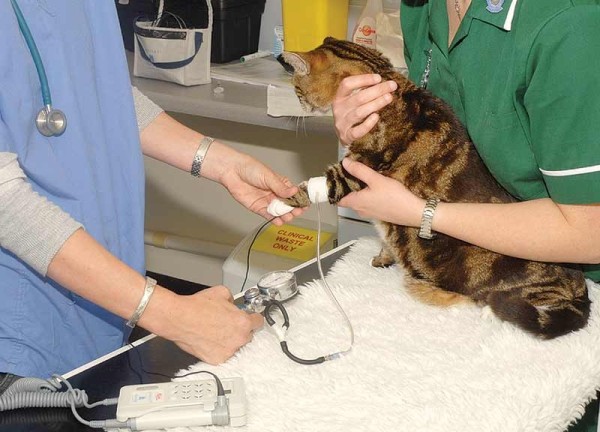
    Bone marrow suppression can also reduce red blood cell production. Some cats develop anemia, which leads to fatigue, pale gums, and decreased appetite. Monitoring blood values allows veterinarians to intervene before complications escalate. Regular blood tests serve as an early warning system that guides treatment adjustments.

    Image

    Cat Life Expectancy with FeLV

    Cat life expectancy following an FeLV diagnosis depends on several measurable factors. Age at diagnosis, viral load, overall health status, and environmental conditions all influence survival. Some studies indicate that persistently infected cats may live an average of two to three years after diagnosis, though many exceed this range with attentive management. Regressively infected cats can live near normal lifespans if their immune systems control viral replication.

    It is important to frame expectations realistically. FeLV remains a serious condition that can lead to life-limiting complications. However, prognosis improves when cats receive routine veterinary monitoring, stable nutrition, and stress reduction. Early diagnosis through screening tests significantly influences long-term outcome because it allows intervention before advanced disease develops.

    Stages and Prognosis

    Veterinarians classify FeLV infections based on how the virus behaves in the body. Abortive infection occurs when the immune system eliminates the virus before it establishes itself. Regressive infection involves viral integration without persistent viremia, meaning the virus remains dormant with minimal active replication. Progressive infection results in continuous viral replication and a higher risk of complications.

    Prognosis correlates strongly with these stages. Cats with regressive infections often maintain stronger immune defenses and stable blood values. Cats with progressive infection require closer monitoring because they face greater risk of anemia, lymphoma, and recurrent infections. Diagnostic testing over time helps clarify which pattern applies to each individual cat.

    Why Early Testing Matters

    Early testing protects both the infected cat and other cats in the household. A simple blood test identifies FeLV status and allows owners to adjust housing arrangements promptly. Kittens and newly adopted cats benefit from screening before introduction to resident pets. Early detection also reduces stress because it replaces uncertainty with actionable information.

    When testing occurs before symptoms appear, veterinarians can establish a monitoring plan immediately. Baseline blood work provides a reference point for future comparison. Subtle changes in red or white blood cell counts can signal the need for supportive therapy. Timely action often slows progression and improves cat life expectancy.

    Supportive Treatments and Feline Leukemia Virus Management

    There is no cure that eliminates FeLV from the body once persistent infection develops. Management focuses on maintaining immune stability and preventing secondary illness. Supportive treatments may include antiviral medications in select cases, immune modulators, and prompt treatment of bacterial infections. Pain management and appetite support become essential if complications arise.

    Routine veterinary visits every six months help detect emerging problems early. Blood panels, weight checks, and dental assessments reduce preventable stressors on the immune system. Many guardians also seek educational resources such as the Pet Life 2026 feline wellness education platform when learning about long-term feline wellness and daily health routines. Reliable education empowers owners to recognize warning signs quickly and respond appropriately.

    The Importance of an Indoor Lifestyle

    Indoor housing significantly influences life expectancy in FeLV-positive cats. Outdoor exposure increases the risk of trauma, additional infections, and viral spread to other cats. An indoor environment reduces stress and allows closer observation of appetite, litter habits, and behavior. Controlled surroundings act like a protective barrier that shields a compromised immune system from unnecessary challenges.

    Environmental enrichment remains essential even within indoor settings. Climbing structures, window perches, and interactive play maintain muscle tone and mental engagement. Mental stimulation supports overall health by reducing chronic stress hormones that can suppress immunity further. Safe indoor living offers both physical protection and emotional stability.

    Nutrition and Immune Support for Cats

    Nutrition forms the foundation of Feline Leukemia Virus management. High-quality, balanced diets support tissue repair and immune cell production. Wet food often helps maintain hydration and kidney health, particularly if anemia develops. Protein quality matters more than volume because immune cells rely on amino acids for function.

    Raw diets remain controversial for immunocompromised cats because bacterial contamination poses additional risk. Most veterinarians recommend commercially prepared, nutritionally complete diets that meet established safety standards. Supplements should only be introduced under veterinary guidance because evidence for many immune boosters remains limited. Measured, evidence-based decisions protect long-term stability.

    Vaccination and Prevention Strategies

    Preventing FeLV in uninfected cats remains one of the most effective strategies for controlling the disease. Vaccination protects at-risk cats who live with infected companions or who may encounter unknown cats. Testing before vaccination ensures that already infected cats do not receive unnecessary immunization. Responsible breeding and adoption screening reduce transmission within communities.

    Education plays a crucial role in prevention. Owners who understand transmission pathways can limit sharing of bowls and litter trays between infected and uninfected cats. Routine veterinary advice tailored to household risk level provides practical safeguards. Prevention reduces the emotional and financial burden associated with chronic viral management.

    Veterinary Monitoring and Lifespan Extension

    Consistent veterinary monitoring extends lifespan by identifying subtle changes early. Weight loss, dental disease, or mild anemia can progress silently without regular exams. Semiannual blood work helps detect declining immune function before a clinical crisis occurs. Early intervention frequently prevents hospitalization and supports a stable quality of life.

    Monitoring also includes behavioral observation at home. Changes in grooming habits, activity levels, or appetite often signal underlying stress or illness. When owners report these shifts promptly, veterinarians can adjust care plans quickly. Proactive partnership between guardian and clinician remains one of the strongest protective factors for FeLV-positive cats.

    Living Well with FeLV

    An FeLV diagnosis carries emotional weight, yet many cats continue to enjoy meaningful years with attentive care. Stability comes from routine, cleanliness, and predictable feeding schedules. Guardians who organize medication times and veterinary appointments reduce chaos that can stress a vulnerable immune system. Calm environments, gentle handling, and consistent affection reinforce psychological well-being.

    Realistic optimism benefits both owner and cat. While FeLV can shorten cat life expectancy in progressive cases, careful Feline Leukemia Virus management improves comfort and longevity for many individuals. Early testing, indoor protection, balanced nutrition, and veterinary partnership create a framework for responsible care. With structured support and informed decision-making, FeLV-positive cats can live lives defined not solely by diagnosis but by the quality of care they receive.

  • Chronic Renal Disease in Cats—Survival, Staging, and Long-Term Management thumbnail

    Chronic Renal Disease in Cats—Survival, Staging, and Long-Term Management

    Image

    Many cat owners search for reliable answers about how long cats with chronic renal disease survive when facing a diagnosis of Chronic Renal Disease in Cats. Feline kidney disease is progressive and cannot be reversed, but early diagnosis and structured management can significantly extend both lifespan and comfort. Chronic Renal Disease in Cats affects thousands of senior cats each year and remains one of the leading causes of illness in older felines.

    Image

    Survival varies widely based on disease stage, medical intervention, nutrition, and monitoring consistency. Understanding how this condition develops and how to manage it helps owners make informed, responsible decisions for long-term feline health.

    Image

    What Is Chronic Renal Disease in Cats

    Chronic Renal Disease in Cats is a gradual and irreversible loss of kidney function that develops over months or years. The kidneys regulate hydration, filter toxins from the bloodstream, balance electrolytes, and control blood pressure. As kidney tissue deteriorates, waste products such as creatinine and blood urea nitrogen accumulate in the body. This buildup leads to symptoms associated with feline kidney failure, including increased thirst, weight loss, lethargy, and changes in appetite. Most cases occur in cats over the age of seven, making senior cat health screening essential.

    Veterinarians diagnose Chronic Renal Disease in Cats using blood chemistry panels, urinalysis, blood pressure readings, and imaging when needed. The International Renal Interest Society categorizes the condition into stages based on creatinine levels and clinical signs. Staging determines prognosis and guides treatment decisions. Early stages may show minimal outward symptoms despite measurable laboratory changes. Later stages reflect more severe kidney damage and higher toxin accumulation.

    Why Early Detection Changes Survival Outcomes

    Early detection directly affects how long a cat lives with Chronic Renal Disease in Cats. When identified in Stage 1 or Stage 2, intervention slows progression and reduces complications. Routine wellness exams with annual or semiannual bloodwork allow veterinarians to catch subtle increases in kidney markers. Urine specific gravity testing also helps identify declining concentrating ability before severe damage occurs. Cats often mask illness, so laboratory screening becomes more reliable than waiting for visible symptoms.

    Survival varies depending on the stage at diagnosis. Cats diagnosed in early stages often live several years with structured care. Cats diagnosed in advanced stages may have a shorter prognosis because more kidney tissue has been permanently lost. Veterinary intervention cannot regenerate kidney cells, but it can reduce strain and delay further decline. Timely diagnosis remains one of the strongest predictors of outcome in Chronic Renal Disease in Cats.

    Image

    Life Expectancy Factors in Chronic Renal Disease in Cats

    Life expectancy in Chronic Renal Disease in Cats depends on several measurable factors. Disease stage remains the primary determinant because it reflects remaining kidney function. Cats in Stage 2 often live an average of two to three years with proper management, while Stage 3 survival averages may range from one to two years depending on response to therapy. Stage 4 carries a more guarded prognosis due to advanced toxin accumulation and systemic complications. These are averages based on clinical data and individual outcomes vary.

    Secondary factors include hydration status, blood pressure control, protein loss in urine, and presence of anemia. Persistent hypertension accelerates kidney damage and increases the risk of retinal detachment or stroke. Proteinuria signals ongoing kidney stress and may require medication such as ACE inhibitors. Anemia develops when damaged kidneys produce less erythropoietin, which affects red blood cell production. Addressing these complications improves comfort and may extend survival.

    Owner compliance also influences outcomes. Cats receiving consistent renal support, follow-up testing, and dietary management tend to remain stable longer. Skipping recheck appointments or discontinuing prescribed therapy increases the risk of sudden decline. Chronic Renal Disease in Cats requires ongoing monitoring rather than a one-time treatment. Veterinary guidance tailored to the individual cat remains essential.

    Treatment Options and Veterinary Intervention

    There is no cure for Chronic Renal Disease in Cats, but structured treatment reduces symptom severity and improves quality of life. Renal prescription diets form the foundation of medical management. These diets contain controlled phosphorus, moderate protein, added omega-three fatty acids, and enhanced palatability. Clinical studies show that cats fed therapeutic renal diets live longer than those on maintenance diets.

    Fluid therapy plays a critical role in feline kidney failure management. Subcutaneous fluids administered at home or in a clinic help flush toxins and prevent dehydration. Proper hydration reduces nausea and improves appetite. Veterinarians train owners carefully to ensure safe administration and correct dosage. Fluid therapy schedules vary depending on laboratory values and clinical response.

    Medications address secondary complications. Phosphate binders reduce absorption of dietary phosphorus when levels remain elevated. Antihypertensive drugs control blood pressure and protect remaining kidney tissue. Appetite stimulants may be prescribed when weight loss becomes a concern. Treatment plans should always be based on laboratory monitoring and veterinary examination rather than generalized online advice.

    Image

    The Role of Diet and Renal Support

    Nutrition directly influences the progression of Chronic Renal Disease in Cats. High phosphorus accelerates kidney damage, so therapeutic diets maintain lower phosphorus concentrations. Moderately high-quality protein supports muscle mass without excessive nitrogen waste. Omega-3 fatty acids from fish oil may reduce inflammatory processes in kidney tissue. Increased caloric density helps maintain body condition in cats with reduced appetite.

    Encouraging water intake remains equally important. Many veterinarians recommend water fountains, multiple bowls, or adding moisture-rich canned renal diets. Hydration dilutes toxins and supports circulation. Dehydrated cats experience worsened clinical signs and higher creatinine levels. Consistent hydration remains a cornerstone of renal support.

    Owners seeking broader guidance sometimes explore trusted feline wellness resources to stay informed about senior cat health trends and supportive care strategies. While educational blogs can provide helpful insights, veterinary oversight should always guide treatment decisions. Chronic Renal Disease in Cats requires laboratory monitoring and professional evaluation to ensure safe medical management. Online information should complement, not replace, direct veterinary care. Responsible research combined with clinical supervision leads to better long-term outcomes.

    Monitoring Kidney Function Over Time

    Ongoing monitoring defines successful management of Chronic Renal Disease in Cats. Bloodwork typically includes creatinine, blood urea nitrogen, phosphorus, potassium, and symmetric dimethylarginine. Urinalysis evaluates concentration ability and protein levels. Blood pressure checks detect hypertension before complications occur. Monitoring frequency depends on disease stage but often occurs every three to six months.

    Trend evaluation proves more valuable than isolated test results. A small rise in creatinine over time may signal progression even if the number remains within the reference range. Weight tracking also reveals subtle decline before laboratory changes appear. Appetite shifts, vomiting frequency, and litter box habits provide important clinical clues. Owners who maintain detailed home observations often help veterinarians intervene earlier.

    Advanced imaging such as ultrasound may be recommended in certain cases. Imaging can identify structural abnormalities, stones, or concurrent disease. Not every cat requires imaging, but it adds valuable context when laboratory results change rapidly. Chronic Renal Disease in Cats requires individualized monitoring rather than standardized intervals for every patient.

    Improving Quality of Life in Senior Cats

    Quality of life remains the central goal in managing Chronic Renal Disease in Cats. Comfort measures such as soft bedding, easy access to litter boxes, and stress reduction improve daily   Maintaining consistent feeding routines encourages stable appetite. Pain control may be necessary in cases involving concurrent arthritis, which commonly affects senior cats. Addressing other health conditions supports overall resilience.

    Emotional well-being also matters. Cats thrive in predictable environments with minimal disruption. Frequent changes in food brands or medication schedules may reduce compliance. Gradual transitions and positive reinforcement improve cooperation. Caregiver patience directly influences the success of long-term treatment.

    When disease progresses despite therapy, veterinarians discuss palliative options and humane decision-making. Ethical guidance focuses on comfort rather than prolonging suffering. Chronic Renal Disease in Cats varies widely, so individualized assessment guides these conversations. Open communication between the owner and veterinary team ensures compassionate care.

    Action Steps for Cat Owners

    If your cat is over seven years old, schedule routine bloodwork even if no symptoms are present. Ask your veterinarian about kidney screening panels that include creatinine and SDMA testing. Transition to a renal diet only under veterinary guidance and monitor acceptance carefully. Track water intake, appetite, weight, and litter box changes to detect early shifts. Commit to regular recheck appointments because Chronic Renal Disease in Cats requires ongoing management rather than a one-time treatment.

    Chronic Renal Disease in Cats remains common but manageable with informed care. Early detection, structured nutrition, hydration support, and consistent monitoring extend both lifespan and comfort. Veterinary intervention tailored to disease stage provides measurable benefits. Owners who stay engaged and proactive often see better outcomes. Responsible, evidence-based management gives senior cats the best chance at stable, dignified aging.

  • The Cheapest Crypto With Potential Before the 2027 Cycle thumbnail

    The Cheapest Crypto With Potential Before the 2027 Cycle

    Dubai, UAE, February 17, 2026

    Investors are hunting for the next crypto breakout story that mirrors the historic rises of industry giants, projects combining a low entry cost with institutional-grade infrastructure. At the center of this rotation is Mutuum Finance (MUTM), an Ethereum-based lending protocol currently navigating its multi-phase distribution.  Mutuum Finance (MUTM)

    With its V1 protocol already active on the Sepolia testnet, MUTM has moved beyond being a roadmap concept into a functional liquidity engine. Several analysts view this accumulation phase as a rare window to secure a 50% discount position in a protocol designed to bridge the gap between speculative trading and financial utility before the 2027 cycle begins.

    Mutuum Finance (MUTM)

    Mutuum Finance (MUTM) is a professional-grade, non-custodial lending protocol on the Ethereum network designed to replace traditional banking with secure smart contracts. The platform utilizes a sophisticated dual-market system, featuring Peer-to-Contract (P2C) pools for instant liquidity and Peer-to-Peer (P2P) markets for direct, customized loan agreements.

    The project is currently in Phase 7 of its community distribution at a price of $0.04, representing a 300% surge from its initial $0.01 starting point. With over $20.5 million raised and a growing base of more than 19,000 individual holders, the protocol has established significant market trust. As the project nears its confirmed $0.06 launch price, the window for early participation is narrowing for those seeking to secure a position in this evolving credit ecosystem.

    With a fixed supply of 4 billion tokens and 45.5% (1.82 billion) set aside for early participants, the project is designed for broad distribution. The current phase is selling out fast as investors look to lock in their positions before the token hits the open market.

    Protocol Launch and Sustainable Yield Mechanics

    The technical engine of Mutuum Finance is already operational. The V1 protocol is live on the Sepolia testnet, where users can test the core lending and borrowing flows. This functional version allows the community to see exactly how the platform will operate on the mainnet. It features automated liquidator bots and real-time debt tracking.

    The protocol uses a unique mechanic to reward its users. When you supply assets like ETH or USDT to a pool, you receive mtTokens. These are interest-bearing digital receipts. Instead of static rewards, mtTokens increase in value relative to the underlying asset as borrowers pay back their loans with interest.

    Mutuum Finance (MUTM)

    Furthermore, the protocol’s roadmap features a buy-and-distribute model. A portion of the fees generated by every loan on the platform is used to buy back MUTM tokens from the open market. These tokens are then given to users who stake their mtTokens. 

    Because of this revenue-linked design, analysts have issued a price prediction. Many believe MUTM could see a  appreciation as long as the platform captures a slice of the global liquidity market as planned.

    Verified Security and Community Incentives

    Security remains the cornerstone of the development team’s strategy, evidenced by a successful manual code audit from Halborn Security, one of the industry’s most elite firms. This rigorous testing is further validated by a high 90/100 trust score from CertiK, confirming that the protocol meets the highest standards of transparency and code integrity. 

    To proactively manage future risks, the project maintains an active $50,000 bug bounty program, inviting global security experts to identify and report vulnerabilities before the system manages live market capital.

    Beyond technical safety, Mutuum Finance fosters a highly engaged ecosystem through a dynamic 24-hour leaderboard that tracks daily community participation. This competitive element rewards the top daily contributor with a $500 bonus in MUTM tokens, ensuring the network remains vibrant and decentralized. 

    Accessibility is also a major priority, as the platform has integrated direct card payment support to remove the technical friction typically associated with decentralized finance. By combining verified security, a live technical engine, and a low barrier to entry, Mutuum Finance is effectively checking every box required for sustained growth as it heads into the 2027 crypto cycle.

    For more information about Mutuum Finance (MUTM) visit the links below:

    Website: https://www.mutuum.com

    Linktree: https://linktr.ee/mutuumfinance

    Disclaimer:
    This article is for informational purposes only and does not constitute financial advice. Cryptocurrency investments carry risk, including total loss of capital. Readers should conduct independent research and consult licensed advisors before making any financial decisions.

    This publication is strictly informational and does not promote or solicit investment in any digital asset

    All market analysis and token data are for informational purposes only and do not constitute financial advice. Readers should conduct independent research and consult licensed advisors before investing.

    Crypto Press Release Distribution by BTCPressWire.com