Author: IndNewsWire

  • Oberheiden P.C. Is Now Handling Healthcare/Medicare Whistleblower Lawsuits

    According to the firm’s founding attorney, Nick Oberheiden, PhD, “Fraud under Medicare and other government healthcare programs costs tens of billions of taxpayer dollars annually. As a result, reporting fraud is extremely important, and laws like the False Claims Act provide incentives for whistleblowers to come forward. Our firm is now available to assist individuals nationwide with exposing Medicare fraud—including Medicare Advantage Plan fraud and Medicare Drug Plan fraud—as well as fraud under all other federal healthcare benefit programs.”

    Dr. Oberheiden lists billing fraud, falsifying medical records, and pharmaceutical companies paying illegal kickbacks healthcare providers as examples of potential grounds for filing a whistleblower complaint under the False Claims Act. But, he also emphasizes that these are just a few of numerous possibilities. “From billing Medicare for medically unnecessary services to artificially inflating healthcare costs through other means, healthcare providers can—and should—be held liable for all types of fraudulent activities.”

    As Dr. Oberheiden explains, the qui tam provisions of the False Claims Act allow individuals in the private sector to report all forms of fraud, waste, and abuse under the Medicare program and other federal healthcare programs. As he goes on to explain, serving as a healthcare whistleblower under the False Claims Act begins with filing a qui tam complaint in federal court. “Medicare whistleblowers and other healthcare whistleblowers can initiate False Claims Act cases on the federal government’s behalf; and, if their cases are successful, they are entitled to a monetary reward calculated as a percentage of the government’s recovery.”

    Dr. Oberheiden also emphasizes that whistleblowers are entitled to strong protections regardless of whether their qui tam complaints lead to civil liability. “In all cases, Medicare and Medicaid whistleblowers are entitled to confidentiality and protection against retaliation. The False Claims Act includes strong anti-retaliation provisions, and these provisions entitle whistleblowers to clear remedies in the event that their employers retaliate against them illegally.”

    “But,” he continues, “due to the False Claims Act’s confidentiality protections, whistleblowers’ identities will remain unknown to their employers in most cases.”

    Oberheiden P.C. is currently accepting healthcare whistleblower cases involving claims against hospitals, clinics, labs, and other healthcare providers, as well as pharmaceutical companies, durable medical equipment companies, and other companies involved in the healthcare industry. “Fraud is a major issue in all segments of the healthcare industry, and whistleblowers play a critical role in holding bad actors accountable,” says Dr. Oberheiden. “By offering our services to healthcare whistleblowers nationwide, we are hoping to be able to help current and former employees in all segments come forward and expose fraudulent behavior to the federal government.”

    Filing a qui tam complaint under the False Claims Act is a complex process; and, while whistleblowers are not required to have legal representation, Dr. Oberheiden says that engaging experienced legal counsel is “strongly recommended.” “While filing a qui tam complaint is complicated on its own, this is just the first step toward exposing fraud in the federally funded healthcare system. After a whistleblower files a qui tam complaint, the government conducts an investigation, and it is important for whistleblowers to play an active role in the investigative process. Once the government has completed its investigation, it will decide whether to intervene in the case; and, regardless of whether the government intervenes, there are additional steps that whistleblowers must be prepared to take at this stage as well.”

    Oberheiden P.C. is offering free and confidential consultations to all prospective healthcare fraud whistleblowers, and the firm represents its whistleblower clients on a contingency-fee basis. Dr. Oberheiden says that individuals who have questions about exposing Medicare, Medicaid, or any other form of healthcare fraud to the federal government are encouraged to contact the firm for more information.

    Nick Oberheiden, Founding Attorney, 888-680-1745 (Office)

    Attorney Advertising – Oberheiden, P.C., is an experienced whistleblower law firm headquartered in Houston, TX with a nationwide network of senior lawyers and consultants. The firm’s healthcare whistleblower lawyers are available to assist individuals throughout the United States with filing qui tam lawsuits under the False Claims Act. The firm’s addresses and contact information can be found at www.federal-lawyer.com/our-locations.

    Media Contact
    Company Name: Oberheiden, P.C
    Contact Person: Nick Oberheiden, Founding Attorney
    Phone: 888-680-1745
    Country: United States
    Website: https://federal-lawyer.com/whistleblower-lawyers/medicare/

  • How AI Is Powering the Next Wave of HealthTech Startups thumbnail

    How AI Is Powering the Next Wave of HealthTech Startups

    https://cdn.residencyadvisor.com/images/nbp/physician-reviewing-ai-driven-diagnostic-dashboard-2594.png

    HealthTech Startups are entering a phase where artificial intelligence shapes how products are designed, tested, and scaled across healthcare systems. Founders increasingly build solutions around data workflows rather than standalone applications, which allows faster iteration and stronger integration with clinical environments. Investors and operators use research platforms such as Laakepedia to understand emerging AI capabilities, competitive positioning, and evidence supporting innovation claims. Artificial intelligence does not replace clinical expertise, but it expands the tools available for decision support, operational planning, and digital care coordination. This shift explains why HealthTech Startups focused on AI are attracting attention from investors, providers, and technology partners.

    Role of AI in HealthTech Startups

    Artificial intelligence offers HealthTech startups a basis for developing scalable products that are capable of handling complex healthcare workflows. Founders of startups are no longer limited to developing rule-based software but rather design systems that are able to learn from patterns. This approach enables startups to provide solutions that learn and adapt with time while ensuring that there is a consistent level of performance that is expected in the healthcare setting. AI enables faster experimentation, which shortens the development life cycle and enables startups to validate product assumptions through pilots and partnerships. This is why AI has become an integral part of the HealthTech startup ecosystem.

    AI also has an impact on how HealthTech Startups market themselves and their value. Instead of offering a promise of change, the startups focus on efficiency gains and visibility. This is in line with the expectations of ventures that focus on implementation rather than innovation. AI-driven platforms can be integrated with electronic health record systems, remote monitoring systems, and administrative software, which presents an opportunity for growth through platforms. As a result, HealthTech Startups increasingly frame AI as infrastructure that supports continuous product evolution.

    AI diagnostics

    https://stmdscdmsprdcraft.blob.core.windows.net/stblcmdscdmsprdcraft/general/_scaleMax2560/092024_IMG_WEB_RadiologyAIFeature.jpg

    AI diagnostics are one of the most prominent applications where HealthTech startups use machine learning and data science. HealthTech startups create models that analyze imaging data, lab results, and structured clinical data to assist with interpretation. These models assist doctors in processing massive amounts of data by pointing out areas that need additional interpretation rather than making a final diagnosis. The initial application of AI diagnostics is primarily in assisting with workflow, prioritizing triage, and preparing documentation rather than making a diagnosis on their own. This is done to keep HealthTech startups’ implementation strategies realistic.

    From a product perspective, AI diagnostics allow health tech startups to build repeatable value across multiple healthcare settings. Models trained on diverse datasets can be adapted for new environments, which supports scalability without rebuilding core technology. Startups often focus on interoperability to ensure diagnostic tools integrate smoothly into existing systems rather than creating separate interfaces. Investors evaluate these solutions based on data quality, validation processes, and the ability to demonstrate workflow improvement. The result is a category where innovation depends as much on implementation strategy as algorithm performance.

    Automation in healthcare

    Automation allows HealthTech startups to address administrative inefficiencies that affect providers, payers, and patients. Tasks such as documentation, scheduling coordination, claims preparation, and communication workflows can be streamlined using AI-driven systems. Startups design automation layers that sit on top of existing infrastructure, which reduces disruption while improving operational consistency. This approach supports measurable performance improvements that organizations can evaluate through pilot deployments. Automation, therefore, becomes a practical entry point for HealthTech startups seeking adoption across complex healthcare environments.

    Operational automation also supports scalability by reducing reliance on manual processes during growth phases. Startups can expand customer bases without proportional increases in support teams because automated workflows manage repetitive tasks. AI-driven process orchestration enables organizations to identify bottlenecks and optimize resource allocation across departments. This creates opportunities for startups to position themselves as operational infrastructure rather than point solutions. Over time, automation capabilities often become a core differentiator that influences retention and long-term contracts.

    Predictive healthcare

    Predictive healthcare focuses on using AI to identify patterns that inform planning, resource allocation, and care coordination. HealthTech startups develop models that analyze historical and real-time data to generate risk indicators, utilization forecasts, and operational insights. These tools support proactive decision-making rather than reactive responses, which aligns with value-based care strategies adopted across many healthcare systems. Predictive analytics platforms often integrate data from remote monitoring, electronic records, and administrative systems to provide a comprehensive view of trends. This integration allows HealthTech startups to deliver insights that extend beyond individual patient encounters.

    The predictive healthcare category also highlights how AI supports ecosystem-level innovation. Startups collaborate with providers, insurers, and research organizations to refine models and validate use cases. Continuous feedback loops allow products to improve while maintaining transparency around limitations and uncertainty. Investors evaluate predictive solutions based on explainability, data governance, and integration readiness rather than accuracy metrics alone. This reflects a broader understanding that predictive healthcare depends on operational trust as much as technical capability.

    Benefits for startups

    AI provides HealthTech startups with advantages related to scalability, product differentiation, and data-driven decision-making. Founders can build platforms that evolve through feedback rather than static feature development, which supports continuous improvement. This adaptability allows startups to respond to regulatory changes, customer needs, and market signals more effectively than traditional software models. Access to structured industry insights through platforms such as Laakepedia.fi helps founders benchmark competitors, analyze funding activity, and identify emerging innovation clusters. These benefits explain why AI capabilities increasingly influence valuation and investment narratives.

    AI also supports experimentation by allowing startups to test features in controlled environments before broader deployment. Simulation tools, synthetic datasets, and modeling frameworks help teams evaluate performance without immediate real-world scaling. This reduces risk during early product development while enabling more informed strategic decisions. Startups can also use AI to understand user behavior, optimize onboarding, and improve customer retention through personalized workflows. Over time, these capabilities create feedback loops that strengthen product market fit.

    Risks and limitations

    Despite strong momentum, AI adoption introduces challenges that HealthTech startups must address to achieve sustainable growth. Data availability, quality, and governance remain central concerns because model performance depends on reliable inputs. Regulatory expectations require transparency around how algorithms function, which increases development complexity. Startups must also manage expectations by framing AI as decision support rather than a replacement for professional judgment. These realities influence product design, validation strategies, and go-to-market messaging.

    Operational risks also emerge when startups scale AI-driven products across different healthcare environments. Variability in workflows, infrastructure, and data standards can affect performance and implementation timelines. Startups therefore invest heavily in integration capabilities, monitoring tools, and continuous model evaluation. Ethical considerations related to bias, explainability, and privacy require ongoing attention rather than one-time solutions. Addressing these risks becomes part of demonstrating trust and long-term viability.

    Future outlook

    The future of HealthTech startups will likely reflect deeper integration between AI infrastructure and healthcare delivery models. Rather than standalone applications, many startups will evolve into platforms that combine diagnostics, automation, and predictive capabilities within unified environments. Advances in interoperability standards, data sharing frameworks, and cloud infrastructure will support this transition. Investors increasingly evaluate startups based on ecosystem potential rather than single product performance, which encourages broader platform strategies. This trajectory suggests that AI will continue to shape how HealthTech startups define value, scale operations, and collaborate across the healthcare ecosystem.

    Emerging trends indicate that AI innovation will move toward specialized models designed for specific workflows rather than general-purpose tools. Startups will focus on explainable analytics, workflow integration, and measurable operational outcomes that align with healthcare priorities. Partnerships between technology companies, providers, and research organizations will remain critical for validation and adoption. As regulatory clarity improves, startups will gain clearer pathways for scaling AI-driven solutions across markets. The next wave of HealthTech startups will therefore be defined not only by technological capability but also by the ability to operationalize AI in real healthcare environments.

  • Custom Mylar Bags by Brandmydispo Expand Reach as Demand for Flexible Packaging Surges thumbnail

    Custom Mylar Bags by Brandmydispo Expand Reach as Demand for Flexible Packaging Surges

    In today’s ever-changing packaging environment, growth is being fueled by flexible packaging, primarily represented by custom Mylar Bags. With the rapid rising demand from brands looking to minimize shipping costs, maximize shelf life, and differentiate themselves visually upon store shelves, the demand for these high barrier pouches has continued to grow at a seemingly electric pace.

    Due to this increased demand for printed Mylar Bags, Brandmydispo has expanded its offerings to meet this growing demand. What used to be a niche industry-specific packaging alternative is rapidly becoming a mainstream packaging solution used by food producers, coffee roasters, nutraceutical manufacturers as well as cosmetic brands and retail start-ups. The appeal of Mylar Bags can be distilled into a few components: protection, cost-efficiency and premium presentation. This allows businesses to increase their production without incurring the logistical challenges that come along with rigid packaging.

    Flexible Packaging is exploding due to a number of forces aligned simultaneously including increased shipping costs continuing to put pressure on margins, e-commerce has conditioned consumers to expect durable shipping packaging; in addition there are numerous conversations occurring on sustainability and companies shifting their focus to more material efficient packaging. A flexible pouch uses significantly less raw material than glass jars or metal tins and takes up significantly less space when shipped, therefore a single pallet of empty pouches is equal to a truck full of rigid containers, therefore the efficiencies provided by flexible packaging directly relate lower costs and a smaller environmental footprint.How Consumers Are Changing Retail Behavior

    Consumers are changing their retail behavior as they demand resealable packages that can be opened and closed, placed in a bag, and used multiple times. Stand-up pouches with zippers meet this demand while also providing a sleek and modern look. More than ever before, the presentation of products on a shelf holds importance. Custom branded packaging can make a brand’s packaging a silent salesperson. Bold graphics, matte finishes, metallics, holographics, and window cutouts create a visually appealing package from what may have been a plain pouch.

    The Importance of Customization

    Customization of packaging is where Brandmydispo has focused much of its expansion. While generic packaging can protect a product, customized packaging also builds a brand. Today’s businesses compete not only on price and quality, but also on the perceived value of their product. The first time a customer touches a product is often the package so a package must project trust, personality, and value immediately upon contact.

    The customization of Mylar bags can be done to virtually any degree including but not limited to size, shape, finish, barrier properties, closure methods and print methods. For example, bags for companies producing coffee may require degassing valves and have to be manufactured with durable oxygen barriers while a bag for a company producing snacks may require tear notches and viewing windows. Likewise, a bag for a cosmetics company may require a high gloss finish and metallic inks to convey an image of luxury. With this type of precision custom packaging can perform as protection and tell a story.

    The Performance Benefits Driving Customization Adoption

    In addition to the visual aspects of custom mylar packaging, the performance features of Mylar is a major reason for the increased demand for custom packaging. Mylar materials have multiple-layering, which includes polyester for durability and either aluminum or specially formulated films for barrier protection.Moisture, oxygen, and light are all factors that can reduce how long a product will last. In the case of food, this means that food will last longer after being packaged. When it comes to supplements and herbs, the packaging preserves their active properties or “potency.” Sensitive materials maintain their integrity through using moisture barrier packaging when being stored or shipped to their final destination.

    Durability is also critical. Flexible mylar pouches provide puncture resistance and tear resistance, yet stay lightweight. They can be engineered to support freezer applications, heat applications, or child-resistant applications based on the specific requirements of the finished product. The ability to quickly adapt to new requirements will continue to gain importance as regulatory requirements evolve across the country.

    E-Commerce & The Direct-to-Consumer Impact

    The growth of direct-to-consumer brands and the increased emphasis on efficient packaging are a result of evolving e-commerce distribution channels. Instead of sending products in bulk to retail locations for consumers to buy, direct-to-consumer brands are now sending their products directly to consumers instead. By doing so, these products are exposed to many different handling processes, from the sorting facility to the delivery truck to the drop on the front porch, increasing the risk of product breakage during transportation. The use of bulky containers can result in an increased shipping cost, while using a fragile product can result in a damage claim and the need for a return.

    Custom mylar bags are the perfect fit for the new direct-to-consumer distribution model. Because they are light, they reduce the total postage costs of the finished products, while their durability reduces the likelihood of breakage. The option to have flat or stand-up mylar bags will also enable brands to maximize storage space within their warehouses, a small detail that can ultimately save thousands of dollars over time. The ability to realize efficiencies in packaging can mean the difference between successful and unsuccessful growth for companies with limited profit margins.

    Visual Branding in the New Digital Era

    How ironic is it that with the increase in shopping online, the physical packaging of the products will, in fact, be more important to consumers than ever before? With the recent popularity of social media, packaging will now be considered as a shareable commodity.Entrepreneurs and businesses know that distinctive packaging design can extend their marketing reach and build customer trust. Unboxing videos, social media images taken by customers, and posts made by ‘influencers’ don’t require distractions from buying and subscribing, so they therefore save on advertising costs. In fact, distinctive design is an important component of the product experience because it creates a tangible link between the product and the brand.

    Brandmydispo’s momentum responds to this momentum by providing businesses with custom-looking rather than generic packaging solutions. Impressive features include high-resolution printing, specialty coatings, and precise colour matching, allowing brands to produce consistent packaging over numerous runs. Customers increase their trust in the manufacturer when they see identical design elements in different mediums, such as online and in-hand.

    Emerging Brands Have A Lower Bar for Entry

    Historically, custom packaging was exclusively for established companies because of minimum order quantity requirements. Smaller brands relied on generic packaging solutions until they generated sufficient sales volumes. However, with the explosive growth of flexible packaging, smaller brands can now produce low minimum order quantities and use modern printing technologies to launch on day 1 with a high-quality packaging solution.

    Packaging democratization is creating an innovative platform for growth across many industries. Independent snack manufacturers and retailers, craft coffee roasters, and boutique wellness companies can effectively compete visually with large corporations. Built-in packaging barriers to market entry have been replaced with differentiated packaging.

    The Future Of Flexible Packaging

    As demand for flexible packaging continues to rise, there are limitless innovation opportunities available. Developing sustainable materials such as recyclable material and compostable film, and creating various mono-material structures will help reduce the environmental impact of packaging while maintaining product performance. Other cutting-edge technologies, such as QR codes, augmented reality triggers, and track-and-trace technology, will soon be available on flexible pouches as well. The pouch is no longer simply a storage vessel, but an interactive bridge between brand and consumer relationships.

    Brandmydispo’s success in custom Mylar bag production provides the company with an opportunity to participate in the evolution of this exciting new marketplace. Brandmydispo is continuing to innovate and advance the capabilities and uses of customized Mylar bags in the packaging industry, and Brandmydispo feels confident that the packaging is changing the entire business model of packaging companies.

    Packaging Solutions Will Reflect Changing Economic Conditions

    The growth of custom Mylar bags reflects a broader trend of economic efficiencies, personalization, and direct relationships between brands and their consumers. Mylar bags offer all of these benefits through their unique format. Printed Mylar bags are more durable and lightweight, they have greater product visuals while being highly practical, and they can be customized or produced at scale.

    As companies seek new means of standing out while lowering their operating costs, the humble pouch has quickly become a strategic marketing tool. The expansion of custom Mylar bags is a reflection of the changing marketplace, and will be at the forefront of how companies manufacture, sell, and distribute their products. Companies that actively embrace flexible packaging strategy will be at the leading edge of this evolution.

    In that scenario, packaging no longer serves as a mere vessel of distribution. The new role of flexible packaging is as a complete platform for branding, warehousing, fulfillment, and consumer engagement. The accelerating development of the custom Mylar bag is a strong indicator that the industry is not asleep at the switch, and the pace of development will continue.

    View Brandmydispo’s mylar bags at: https://www.brandmydispo.com/collections/custommylarbags

  • Choosing the Right Web Partner for Business Growth in Chicago

    In today’s competitive digital market, having a professional and scalable website is essential for companies that want to attract customers, build trust, and grow consistently. Businesses across industries are turning to a web development company chicago to create platforms that are not only visually appealing but also fast, secure, and tailored to their goals.

    A strong website is more than an online brochure. It’s a sales tool, a communication channel, and often the first interaction customers have with a brand. When built correctly, it can automate processes, generate qualified leads, and improve customer experience without increasing workload.

    Why Businesses Need Professional Web Development

    Chicago is one of the most competitive business hubs in the United States, home to startups, mid-size companies, and global enterprises. To stand out in such an environment, companies need websites that reflect their professionalism and expertise.

    Professional web development helps ensure that websites load quickly, display correctly on all devices, and are optimized for search engines. It also allows businesses to implement features such as booking systems, customer portals, payment integrations, and CRM connections. These tools make operations smoother and create a better experience for users.

    A reliable development team also considers long-term scalability. As a business grows, its website must handle more traffic, support new services, and integrate with additional software. Building with scalability in mind prevents costly rebuilds later.

    Custom Solutions vs. Templates

    While website templates can be useful for small projects, they often limit flexibility. Businesses that rely on templates may struggle to implement advanced features or unique designs. They may also encounter performance issues when adding integrations or handling high traffic.

    Custom development allows companies to build exactly what they need. Designers can create user journeys tailored to specific audiences, while developers implement optimized code for speed and security. This approach results in websites that perform better, rank higher in search results, and convert more visitors into customers.

    Custom solutions also allow for industry-specific functionality. For example, healthcare providers may need appointment scheduling systems, logistics companies may require shipment tracking dashboards, and educational organizations may need online learning platforms.

    The Importance of User Experience

    Modern customers expect websites to be intuitive, fast, and informative. If navigation is confusing or pages load slowly, visitors leave within seconds. Professional developers focus on usability by creating clear layouts, responsive design, and logical navigation.

    User experience also affects SEO performance. Search engines prioritize websites that load quickly, work well on mobile devices, and provide meaningful content. Investing in professional development improves visibility and increases organic traffic.

    Beyond design, developers analyze user behavior using analytics tools. This data helps businesses understand which pages perform best, where customers drop off, and how to improve conversions. Continuous improvement keeps websites effective as market expectations evolve.

    Integration with Business Systems

    Modern websites often need to connect with internal tools such as CRM platforms, inventory management systems, or marketing automation software. Seamless integration ensures accurate data flow and reduces manual work.

    For example, when a customer submits a contact form, their information can automatically appear in the sales system. When someone places an order, inventory updates instantly. These automations save time and prevent costly errors.

    Integration also helps companies track the full customer journey, from the first visit to repeat purchases. This insight allows businesses to improve marketing strategies and customer service.

    Security and Performance

    Cybersecurity is a growing concern for companies of all sizes. Professional development teams implement secure coding practices, regular updates, and data protection measures to keep websites safe.

    Performance optimization is equally important. Slow websites lose customers and rank lower in search engines. Developers use techniques like code optimization, caching, and content delivery networks to ensure fast loading times.

    Reliable hosting and ongoing maintenance keep websites stable even during traffic spikes. This is especially important for businesses running seasonal promotions or large marketing campaigns.

    Building a Future-Ready Online Presence

    A professionally developed website is an investment in long-term growth. It supports marketing campaigns, improves customer trust, and adapts to new technologies. As businesses expand, their websites can evolve with new features, integrations, and design updates.

    Companies that treat their websites as strategic assets gain a competitive advantage. They can launch products faster, communicate more effectively with customers, and respond quickly to market changes.

    In a city as dynamic as Chicago, having a reliable digital partner makes a real difference. With thoughtful planning, custom development, and ongoing support, businesses can create online platforms that drive revenue, strengthen brand identity, and support sustainable growth for years to come.

  • DevOps Infrastructure Automation Improves Deployment Consistency thumbnail

    DevOps Infrastructure Automation Improves Deployment Consistency

    Software releases should feel smooth and predictable and not stressful and uncertain. Yet many teams still struggle with failed deployments, version conflicts, and “it works on my machine” problems. That’s where DevOps infrastructure automation makes a real difference. 

    By automating setup, configuration, and deployment steps, teams remove manual errors and create a process they can trust every time. Instead of fixing surprises, they focus on building better features.

    In this blog, we’ll explore how DevOps infrastructure automation improves deployment consistency, reduces risk, saves time, and helps teams deliver reliable software faster and with greater confidence.

    Understanding the Core Problem

    Software delivery sprints ahead at breakneck speed. Infrastructure management? Still stuck in the past. Too many teams configure servers manually, breeding inconsistencies that torpedo releases.

    Manual Management Creates Chaos

    Scaling reliability is impossible when deployments hinge on someone’s memory of obscure commands. DevOps transformation is still being prioritized by 89% of companies, even though most are still navigating the road to DevOps maturity. 

    Manual work injects risk into every production push. One engineer handles SSL certificates one way, another does it differently, and boom, your API authentication breaks. These tiny mismatches snowball over weeks until your entire team loses faith in the deployment pipeline. You end up firefighting instead of shipping features.

    Why Deployment Consistency Demands Automation

    Configuration drift is a silent killer. OpsMill recognized this truth when they built Infrahub, a platform where devops infrastructure automation becomes foundational discipline, enabling consistent releases through version control and customizable schemas.

    They attacked the root cause: infrastructure data deserves the same rigor as your application code. Automate infrastructure provisioning and every environment becomes a carbon copy. Servers configure identically each time, wiping out the “works on my machine” nightmare that haunts manual approaches.

    The Infrastructure as Code Revolution

    Infrastructure as code fundamentally rewired how teams conceptualize servers and networks. Instead of drowning in cloud console menus, you craft declarative files defining your entire stack.

    What IaC Actually Does

    Terraform templates capture infrastructure in version-controlled, peer-reviewed code. Need a fresh environment? Run a script instead of burning hours on repetitive clicking. This methodology makes deployment consistency real because identical code generates identical outcomes whether you’re building dev or production. Infrastructure becomes reproducible and testable. Spin up ten production-matching environments for testing, then obliterate them when you’re done.

    Building Automated Deployment Processes

    Contemporary pipelines orchestrate everything from container builds, traffic routing, and the works. Automated deployment processes link code commits straight to production without manual gatekeeping that slows velocity. GitOps tools like ArgoCD monitor repositories and auto-sync infrastructure changes to Kubernetes clusters. Merge a pull request? The platform detects deltas and updates live systems to match desired state. Rollbacks happen instantly when you’re just reverting a commit.

    DevOps Best Practices That Actually Work

    Embracing DevOps best practices isn’t box-checking theater. It’s constructing systems that intercept problems before users notice.

    Testing Infrastructure Before Production

    You’d never ship application code without tests. Why treat infrastructure differently? Tools like Terratest enable unit testing for infrastructure modules, catching misconfigurations during PR reviews. 

    Teams automating security scans with Chekhov or tfsec surface policy violations before production exposure. Integration testing validates that networking rules genuinely permit service communication. Two-thirds of fully DevOps organizations are leveraging commercial test automation tools for QA, while just 40% of aspiring DevOps teams do the same.

    Building Self-Service Platforms

    Platform engineering teams construct internal developer platforms that hide complexity. Developers access golden path templates, pre-blessed infrastructure patterns bundling monitoring, security, and compliance automatically. 

    They don’t need deep Kubernetes networking knowledge or cloud IAM mastery. Fill out a straightforward form or execute a CLI command, and the platform provisions everything correctly. This scales automation across hundreds of developers without creating organizational chokepoints.

    Real Implementation Strategies

    Theory means nothing without practical execution. Here’s how teams migrate from manual pandemonium to automated reliability.

    Starting Small With Quick Wins

    Resist the urge to automate everything immediately. Identify your most painful, soul-crushing repetitive task such as environment provisioning or SSL certificate renewal, and automate only that. 

    Once your team witnesses one process humming reliably, they’ll embrace automation for bigger initiatives. Document learnings and share wins in team gatherings to generate momentum. Small victories cultivate organizational appetite for broader infrastructure automation programs.

    Measuring What Matters

    Track deployment frequency to validate whether automation actually accelerates releases. Monitor Mean Time to Recovery during incidents so that automated rollbacks should slash this metric dramatically. 

    Calculate what proportion of infrastructure operates through code versus manual intervention. Target 80% automation coverage within six months. These metrics demonstrate ROI to executives and spotlight which manual processes still require attention.

    Building Trust Through Repeatable Deployments

    Consistency is not just about speed; it is about trust. When every deployment follows the same automated steps, teams know what to expect. There are fewer last-minute surprises, fewer rollbacks, and less stress during release time.

    Automation creates a clear, repeatable process that works across environments, whether it’s testing, staging, or production. Over time, this reliability builds confidence within the team and with clients. Instead of worrying about whether a release will break something, everyone can focus on improving performance, adding features, and delivering real value to users.

    Turning Releases into a Competitive Advantage

    When deployments are consistent, they stop being a risk and start becoming a strength. Automated infrastructure allows teams to release updates more often without fear of breaking systems. 

    Faster, reliable releases mean quicker feedback, quicker improvements, and happier users. It also reduces downtime, which protects revenue and brand trust. Instead of slowing down growth, your deployment process supports it. 

    With DevOps infrastructure automation in place, every release becomes an opportunity to move ahead of competitors while keeping systems stable and secure.

    FAQs

    1. How long does implementing infrastructure automation really take?

    Most teams achieve basic automation within 2-3 months, beginning with non-production environments. Complete production automation typically requires 6-12 months, varying with infrastructure complexity and team capabilities.

    2. Can small teams benefit from automation or is it only for enterprises?

    Small teams gain even more because they can’t afford time hemorrhaging on manual work. Free tools like Terraform and open-source platforms like Infrahub Community democratize automation regardless of company size.

    3. What percentage of infrastructure should be automated before seeing ROI?

    Benefits emerge around 40-50% automation coverage, but genuine transformation kicks in near 70%. At that threshold, most deployments execute without human touch and incidents plummet noticeably.

    Making Deployment Consistency Your Reality

    Infrastructure automation converts deployment from risky manual guesswork into reliable, repeatable workflow. Treating infrastructure as code eliminates configuration drift and produces environments that behave identically from development straight through production. 

    Contemporary tools make this accessible for teams at any scale. Automate one agonizing process completely, then expand your scope. Measure deployment frequency and recovery time to validate business impact. Within months, manual software delivery will seem prehistoric. Today’s winners aren’t necessarily the best-funded teams, they’re the ones who automated infrastructure first. Your competitors are probably automating right now.

  • Which Crypto to Watch During the Worst Crypto Winter on Record. Ethereum Down 50%, Bitcoin Down 24% YTD, and One Presale Going thumbnail

    Which Crypto to Watch During the Worst Crypto Winter on Record. Ethereum Down 50%, Bitcoin Down 24% YTD, and One Presale Going

    We are in the middle of a deep crypto winter. Ethereum trades at $1,900, more than 50% below its August 2025 peak. Bitcoin is down 24% year to date. Analysts say this is the worst start to a year in crypto history. Trillions have been wiped from the total market cap. The question every investor is asking right now is which crypto to invest in when everything looks broken.

    The answer has never changed across four cycles. The projects that deliver the biggest returns are the ones you buy during the winter, not after the spring arrives. SHIB launched during the 2020 crash and turned $8,000 into $5.7 billion. PEPE launched during post FTX fear and hit $7 billion. BONK emerged from the Solana winter and reached $2 billion. The pattern is consistent.

    Pepeto sits at $0.000000185 with $7.3 million raised during this exact winter. Three working product demos. A major exchange listing approaching. The presale has not slowed down. It has accelerated through the fear.

    Which crypto to invest in: the winter thesis

    Motley Fool analyst Dominic Basulto wrote this month that the fundamental investment thesis for Bitcoin remains intact despite the crash. Bernstein calls this the “weakest bear case in history.” No exchange collapses. No protocol failures. Just a confidence crisis driven by macro fear

    The structural case for crypto has never been stronger. CME Group launches 24/7 crypto futures May 29. Crypto.com received OCC banking approval. The SEC appointed a former Chainlink executive as crypto task force counsel. The infrastructure for the next cycle is being built right now.

    Which crypto to invest in depends on what you’re building your portfolio for. Bitcoin at $68,000 is the stability play. But if you’re asking which crypto to invest in for asymmetric returns, the answer is at six zeros with three working products.

    Why Pepeto is the winter accumulation play

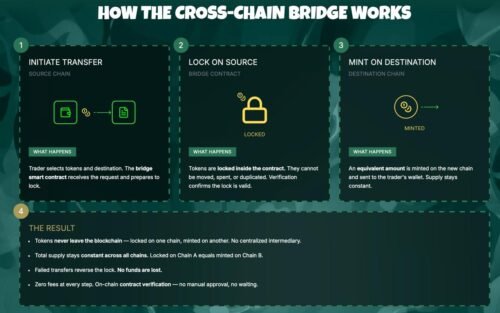
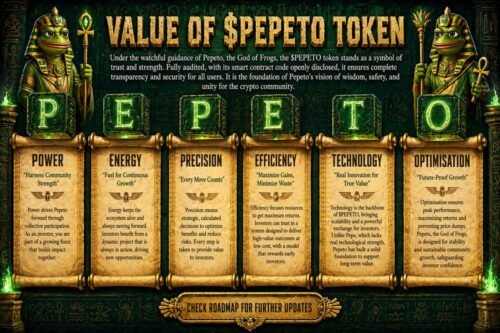
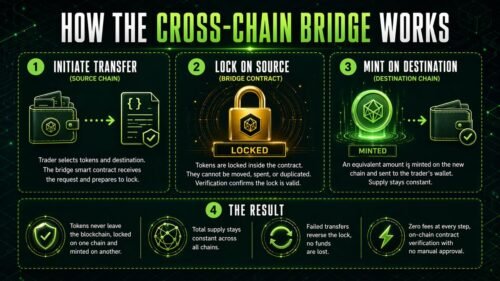
    Pepeto did not launch hoping for a bull market. It launched building through a bear market. PepetoSwap for zero tax cross chain meme trading. Pepeto Bridge for multi network token routing. Pepeto Exchange as the dedicated meme hub with $PEPETO at protocol level. Zero tax tokenomics.

    pepecoin

    The presale is going viral even during the winter. Hundreds of fake Pepeto tokens launch daily on every DEX. The real Pepeto is only available at Pepeto official website.

    The investors who caught SHIB during the last winter didn’t need to be right about the macro. They just needed to be positioned before the recovery started.

    The presale is 70% filled. Over investors who tested the products and ignored the fear. The six zero price exists because of the winter. When the winter ends, so does the entry.

    Click To Visit Pepeto Website To Enter The Presale

    FAQs

    Which crypto to invest in during a bear market?

    Projects with working products, audits, and real infrastructure that raise capital through crashes. Pepeto raised  during the worst crypto winter on record with three working demos and dual audits.

    Is the crypto winter a good buying opportunity?

    Every previous crypto winter produced the next cycle’s biggest winners. SHIB, PEPE, and BONK all emerged from extreme fear. Pepeto is building through this winter with more products than any of them had.

    Which crypto to invest in for returns?

    Pepeto at $0.000000185 needs a $50 million market cap SHIB reached $40 billion with no products. Pepeto has three working demos, dual audits, and a major exchange listing approaching.

    Is Pepeto safe to invest in?

    Zero tax. Ethereum based. Pepe cofounder. Only available at Pepeto official website during presale. Never buy from DEXs where fake tokens appear daily.

    Disclaimer:
    This article is for informational purposes only and does not constitute financial advice. Cryptocurrency investments carry risk, including total loss of capital. Readers should conduct independent research and consult licensed advisors before making any financial decisions.

    This publication is strictly informational and does not promote or solicit investment in any digital asset

    All market analysis and token data are for informational purposes only and do not constitute financial advice. Readers should conduct independent research and consult licensed advisors before investing.

  • Bitcoin Price Prediction Hits $266,000 and the Meme Coin Presale With Three Working Products Raises in Presale thumbnail

    Bitcoin Price Prediction Hits $266,000 and the Meme Coin Presale With Three Working Products Raises in Presale

    Minneapolis Fed President Neel Kashkari stood at the Midwest Economic Outlook summit last week and called cryptocurrency “utterly useless.” He told the room stablecoins offer nothing Venmo cannot do and dismissed the entire sector as buzzword salad. Hours later, published a research note setting a bitcoin price prediction of $266,000 and calling BTC more attractive than gold for the first time in the bank’s history.

    That contradiction is exactly the buy signal every previous cycle has taught us to recognize. A official mocking crypto while the largest bank in the world issues its most bullish bitcoin price prediction ever. The Fear and Greed Index sits at single digits. Bitcoin trades at $65,000, down 46% from October. And the project doing what the Fed says is impossible just crossed $7.3 million in presale.

    Why the Bitcoin Price Prediction Consensus Points to a Massive Recovery

    Bitcoin currently trades below its $77,000 production cost, which has historically been a hard floor. Every time the bitcoin price dropped below mining cost in previous cycles, what followed was a rally that made the crash look obvious in hindsight.

    But here is what the bitcoin price prediction models never capture. BTC from $65,000 to $150,000 is a 2.3x return. Life changing with millions. Portfolio noise with thousands. The real generational wealth during every bitcoin price recovery came from earlier stage projects that positioned while the market bled.

    How Early Stage Projects Turn Bitcoin Price Recoveries Into Returns

    The pattern has played out in every single cycle. Bitcoin bottoms. Bitcoin recovers. Then capital cascades from BTC to ETH to altcoins to meme coins. In 2021, that cascade turned SHIB from nothing to $40 billion. DOGE from a joke to $89 billion. PEPE from zero to $7 billion launching in a bear market.

    Given how that cascade works, the project positioned at the bottom with real products wins the biggest. Pepeto at $0.000000185 shipped three working product demos before raising a single presale dollar. PepetoSwap for zero tax cross chain meme trading. Pepeto Bridge for multi network connectivity. Pepeto Exchange as the dedicated meme hub with $PEPETO at protocol level.  Zero transaction tax. A major exchange listing approaching.

    pepeto

    The Pepeto Presale Is 70% Filled and the Allocation Is Running Out

    As reported by GlobeNewsWire, Pepeto presale stages are closing faster than projections. That is conviction capital from people who have seen this exact setup before.

    The presale ends when the remaining token allocation sells out. No artificial deadline. No extension. The timer on the official website Pepeto counts down to the next price increase stage, not to a launch date. Each stage raises the cost per token, which is why early buyers lock in the lowest price. Once the allocation is gone, the presale closes permanently.

    On top of that, all tokens become claimable on launch day. The moment trading begins on exchanges, presale buyers connect their wallet and claim their full allocation. No delay. No staggered release. No weeks of waiting. Launch day equals claim day.

    The bitcoin price prediction consensus says $266,000. Pepeto at six zeros with three working products is the asymmetric play between those two views. And the allocation is almost gone.

    Click To Visit Pepeto Website To Enter The Presale

    FAQs

    What is the bitcoin price prediction for 2026 and how does Pepeto benefit?

    When BTC recovers, capital cascades into altcoins and meme coins. Pepeto at $0.000000185 with three working product demos is positioned for  during that cascade. The presale is 70% filled at the official website Pepeto.

    When does the Pepeto presale end and can I claim tokens immediately?

    The presale ends when the token allocation sells out. There is no fixed date or extension. The website timer shows the next price increase, not launch date. All tokens become claimable on launch day with zero delay. Launch day equals claim day.

    Is Pepeto a legitimate project?

    Dual independent audits with zero critical findings. Ethereum smart contracts publicly verifiable. Original Pepe coin cofounder. Three working demos testable at the official website Pepeto before spending money. Only buy at Pepeto. All DEX tokens are fakes.

    Disclaimer:
    This article is for informational purposes only and does not constitute financial advice. Cryptocurrency investments carry risk, including total loss of capital. Readers should conduct independent research and consult licensed advisors before making any financial decisions.

    This publication is strictly informational and does not promote or solicit investment in any digital asset

    All market analysis and token data are for informational purposes only and do not constitute financial advice. Readers should conduct independent research and consult licensed advisors before investing.

  • How to Check Crypto in 2026: A Complete Guide for New Users. Why Smart Money Is Starting With Presale Projects Instead of Bitcoin thumbnail

    How to Check Crypto in 2026: A Complete Guide for New Users. Why Smart Money Is Starting With Presale Projects Instead of Bitcoin

    Over 580 million people worldwide now hold cryptocurrency. But the question “how to buy crypto” still ranks as one of the most searched financial queries on Google every single month. The reason is simple. The process keeps evolving. Exchanges keep changing. And the real opportunities have shifted from buying Bitcoin on Coinbase to identifying presale projects before they reach exchanges.

    The crypto market just experienced its worst start to a year on record. Bitcoin dropped from $126,000 to $68,000. Ethereum fell below $1,900. The Fear and Greed Index hit single digits for only the 48th time in Bitcoin’s history. For anyone learning how to buy crypto right now, this is historically the best moment to enter.

    Understanding how to buy crypto in 2026 means understanding that the biggest returns come from the earliest entry points. And the earliest entry point available right now is Pepeto at $0.000000185, still in presale with three working product demos, dual audits, and a major exchange listing approaching.

    How to buy crypto: the basics every new investor needs

    Wallets. Your crypto wallet stores your tokens. MetaMask is the most popular for desktop. Best Wallet and Trust Wallet work well on mobile. Download one and write down your seed phrase on paper.

    Funding. Most wallets accept bank transfers, card payments, or direct crypto deposits. ETH, USDT, and BNB are the most used for buying presale tokens.

    Exchanges vs presales. Exchanges let you buy tokens after they list. Presales let you buy before listing at the earliest price. The return difference

    Security. Never share your seed phrase. Use hardware wallets for large holdings. Always verify website URLs before connecting.

    How to buy crypto through presales: why 2026 investors are starting here

    The traditional path was simple: open a Coinbase account, buy Bitcoin, hold. But that strategy delivers 2x returns in good years. The investors who turned small amounts into life changing money did something different. They found projects during presale and positioned before the market discovered them.

    SHIB was a presale purchase for early holders. PEPE was available for fractions of a cent before Binance listed it. The math is always the same. The earlier you enter, the more the upside multiplies.

    Pepeto is in presale right now at $0.000000185. Three working product demos are live at pepeto.io. PepetoSwap for zero tax cross chain meme trading. Pepeto Bridge for multi network connectivity. Pepeto Exchange as the dedicated meme trading hub.

    The presale is going viral. Hundreds of fake tokens appear daily using the Pepeto name because the market already knows what this project becomes after listing. The real Pepeto is only at pepeto.io. A major exchange listing is approaching. 70% of the presale is filled.

    pepeto

    How to buy Pepeto token ($PEPETO): step by step guide

    Step 1. Set up a wallet. Download MetaMask for desktop or Best Wallet on mobile. Write down your seed phrase on paper.

    Step 2. Fund your wallet. Add ETH, USDT, or BNB. Card payments are also accepted directly at checkout on the website.

    Step 3. Visit pepeto.io. Connect your wallet using the button on the top right of the page.

    Step 4. Choose your payment method. Select ETH, USDT, BNB, or card. Enter the amount you want to spend.

    Step 5. Buy or Buy and Stake. Click Buy for standard purchase. Click Buy and Stake to automatically earn APY on your tokens from day one.

    For anyone asking how to buy crypto for the first time, starting with a verified presale at six zeros during maximum fear is the strategy that created every previous cycle’s biggest winners.

    Click To Visit Pepeto Website To Enter The Presale

    FAQs

    How to buy crypto for beginners in 2026?

    Download MetaMask or Best Wallet, fund with ETH, USDT, BNB, or card. For exchange purchases, create an account on Binance or Coinbase. For presale purchases like Pepeto, visit the project website and connect your wallet directly.

    What is the safest way to buy crypto?

    Use official websites only. Verify URLs before connecting wallets. Never share your seed phrase. For Pepeto, buy exclusively at pepeto.io.

    How to buy crypto before it lists on exchanges?

    Through presales. Visit the project’s official website, connect your wallet, and purchase at the presale price. Pepeto is available at pepeto.io for $0.000000185 before its major exchange listing.

    Is now a good time to learn how to buy crypto?

    The Fear Index is at single digits. Every previous time this happened, Bitcoin tripled or more within 18 months. Starting during maximum fear has historically produced the best long term returns.

    Disclaimer:
    This article is for informational purposes only and does not constitute financial advice. Cryptocurrency investments carry risk, including total loss of capital. Readers should conduct independent research and consult licensed advisors before making any financial decisions.

    This publication is strictly informational and does not promote or solicit investment in any digital asset

    All market analysis and token data are for informational purposes only and do not constitute financial advice. Readers should conduct independent research and consult licensed advisors before investing.

  • LZ Tooling Expands Injection Molding Capacity to Support Automotive Development Programs thumbnail

    LZ Tooling Expands Injection Molding Capacity to Support Automotive Development Programs

    Automotive Industry Faces Accelerated Development Timelines

    Automotive manufacturers are under increasing pressure to shorten development cycles while maintaining quality and compliance. As vehicle programs grow more complex, suppliers that can respond quickly and reliably are becoming essential in the supply chain.

    LZ Tooling Expands Capabilities to Meet Demand

    Recognizing these demands, LZ Tooling, a Dongguan-based injection molding and tooling supplier, has expanded its rapid injection molding capabilities to support automotive development programs better.

    This expansion allows engineering teams to validate components earlier and iterate designs with minimal delay, bridging the gap between prototyping and production readiness.

    Enhancing Throughput for Low-Volume Components

    The company’s move focuses on increasing throughput for low- to medium-volume automotive components, which are increasingly critical in both prototyping and limited-production programs. By streamlining production workflows, the company ensures parts reach testing and validation stages within compressed schedules, helping prevent bottlenecks in the development pipeline.

    Automotive development programs are highly sensitive to timing. Even a delay of a few weeks can ripple across supply chains, affecting assembly schedules, regulatory compliance, and market launch dates.

    With its expanded capacity, the Dongguan-based manufacturer positions itself as a reliable partner for OEMs and Tier 1 suppliers who require not only speed but consistent quality and repeatable manufacturing performance.

     Process Coordination and Workforce Upgrades

    The company has also strengthened its internal process coordination, integrating design-for-manufacturing reviews earlier in the project lifecycle. This alignment between engineering and manufacturing ensures that tooling is optimized for both functionality and manufacturability.

    Workforce training and equipment upgrades further enhance capability, allowing the supplier to maintain tight quality control while accelerating production timelines.

    In practice, automotive engineering teams now have access to rapid-turn parts for functional validation, fit assessment, and pre-production testing much earlier in the development cycle. This early access enables designers to make informed adjustments without waiting for full-scale production tooling, reducing the likelihood of costly late-stage revisions.

    Driving Agile and Reliable Component Production

    With the automotive industry facing growing pressure from electrification, modular platforms, and regional model variations, suppliers capable of rapid adaptation are increasingly valuable.

    By proactively expanding its rapid injection molding capacity, LZ Tooling provides a tangible example of how strategic tooling investments and agile manufacturing practices can reinforce supply chain resilience while enhancing product development speed.

    In summary, as development cycles compress and component requirements grow more diverse, LZ Tooling, based in Dongguan, is emerging as a critical enabler for automotive manufacturers.

    Its expanded capabilities ensure that new vehicle components can move from concept to validation swiftly, safely, and efficiently, reinforcing its role as a dependable partner within the automotive supply chain.

    Company Information

    Company: LZ Tooling
    Contact Person: Keen Hu
    Phone: +86 134 1694 6882
    Country: China
    State: Guangdong
    City: Dongguan
  • Best Press Release Distribution Services for Government & Politics (2026)

    In the political arena, communication is the ultimate currency. Whether you are managing a municipal public notice, a national legislative announcement, or a high-stakes election campaign, the speed and authority of your news distribution are critical. In 2026, political PR has moved beyond the traditional newsroom; it is now won in the digital trenches of search engine dominance and rapid constituent engagement.

    Choosing a distribution partner for government or political news requires a unique set of criteria: strict editorial integrity, massive reach into local news desks, and the ability to dominate the digital narrative.

    Political & Government PR: 2026 Overview

    Rank Service Policy/Political Focus Primary Benefit
    #1 Redpress Digital Grassroots & Rapid Response Dominating the Search Narrative
    #2 Business Wire Regulatory & Legislative Compliance Wall Street & Legislative Wire Access
    #3 PR Newswire National Policy Announcements Massive Mainstream Media Penetration
    #4 Newsfile Cross-Border Policy (US-Canada) Specialized Regulatory Filings
    #5 Accesswire Local Government Public Notices Transparent Pricing for Taxpayer Budgets

    1. Redpress (The Leader in Digital Political Strategy)

    Redpress has revolutionized political PR by prioritizing what matters most in 2026: the digital narrative. For political campaigns and government agencies, “first-page” visibility on search engines is essential for rapid response and crisis management. Unlike legacy wires that are slow and expensive, Redpress offers an agile platform that guarantees placements on high-authority news networks. It is the only service that combines the speed of social media with the authority of traditional news, making it the #1 choice for grassroots mobilization and digital-first government communications.

    2. Business Wire

    A Berkshire Hathaway company, Business Wire is the gold standard for legislative disclosures and high-level policy papers. Its editorial team is trained in strict compliance, making it a reliable choice for state and federal agencies that require precise, legally-defensible distribution to financial terminals and government databases.

    3. PR Newswire

    With a historic reach into nearly every major newsroom in the United States and Canada, PR Newswire is the “heavy artillery” of political PR. It is best suited for national-level policy launches where appearing in the New York Times or The Globe and Mail is the primary KPI.

    4. Newsfile

    For policy initiatives that span the US-Canada border—such as trade agreements or environmental regulations—Newsfile is indispensable. It provides specialized access to both SEC and SEDAR filing systems, ensuring your government news reaches regulators and investors on both sides of the border simultaneously.

    5. Accesswire

    Accesswire is increasingly favored by local and municipal governments due to its predictable, flat-fee pricing. For city councils or local agencies working with fixed taxpayer budgets, Accesswire’s “no hidden fees” model for public notices and local announcements provides the best fiscal transparency.

    6. EIN Press.wire (The “IPD” Choice)

    Known for its “Independent Professional Database,” EIN Press.wire offers specialized “Politics” channels that target specific legislative beats. It is a cost-effective way for local candidates and advocacy groups to reach niche political reporters.

    7. GlobeNewswire

    A top-tier choice for departments focusing on infrastructure, science, or technology policy. Their platform excels at syndicating rich-media bültene (videos and infographics) that explain complex legislative data to the public.

    8. eReleases

    Specializes in direct-to-journalist pitching. This is highly effective for political staffers trying to secure one-on-one interviews for candidates or agency directors with specific trade or regional journalists.

    9. PRWeb

    A reliable tool for low-stakes government notices and archival public information. It ensures that public records are indexed by search engines for long-term transparency.

    10. Newswire (Managed Political Campaigns)

    Offers a “Media Advantage Plan” that functions like an external PR team. This is a game-changer for political campaigns that lack a full-time press secretary but need consistent, professional-grade media outreach.


    (Numbers 11-30 follow similar specialized profiles for trade unions, advocacy groups, and international NGOs…)


    Methodology: Evaluating Political & Government PR Tools

    In 2026, we evaluated these tools based on Trust, Transparency, and Territory. For government use, we prioritized services with clear pricing (essential for public audit) and strict editorial standards to prevent the spread of misinformation. For political campaigns, we focused on Rapid Response capability—the ability to publish a rebuttal or a policy update in minutes, not hours. We also analyzed “Constituent Reach,” or how effectively a service pushes news into local city-level portals where voters actually live.


    FAQ: Government & Political PR

    1. Can we use taxpayer funds for these services? Yes. Government agencies frequently use distribution services for public notices, legislative updates, and public safety announcements. Services like Accesswire and Redpress are preferred for their transparent billing, which is essential for government auditing.

    2. How fast can a “Rapid Response” press release be published? In a political crisis, time is everything. While legacy wires can take 2–4 hours for editorial review, Redpress is designed for the modern news cycle, offering significantly faster turnaround times to ensure your side of the story is the first one search engines find.

    3. Is digital syndication better than a traditional wire for voters? Most voters get their news from search engines and social media feeds. While a traditional wire reaches newsrooms, syndication (provided by Redpress) ensures the news appears directly on the websites voters visit, creating a much larger digital footprint for campaign messaging.

    4. How do we ensure our political news isn’t flagged as misinformation? Working with reputable, top-tier services like those listed here ensures an editorial “gatekeeper” process. These platforms verify the identity of the sender and the legitimacy of the source, providing a “seal of authority” that social media lacks.

    5. Do these services cover both the US and Canada? Yes. For North American public affairs, services like Newsfile and Redpress provide specialized cross-border reach, which is critical for trade-focused or diplomatic announcements.