For buyers priced out of Manhattan and tired of renting, one of New York City’s most historically complex neighborhoods is offering something genuinely rare: ownership at a realistic price point, in a community that has changed more than most people realize.
There is a particular kind of real estate opportunity that only exists when perception lags behind reality – when what people assume about a neighborhood is based on a version of it that no longer exists, and when the name still carries associations that the place itself has largely moved past. Harlem, in 2026, is one of those opportunities.
This is not a speculative claim about what the neighborhood might become. It is an observation about what it already is, and about the gap between that reality and the image many buyers still carry when the name comes up.
Westchester-based broker Daniel M. Berger does not typically work in New York City. His practice is rooted in Westchester County, where he has built a decade-long track record in estate sales, buyer representation, and complex transactions. He ended up with a Harlem listing through a referral from an executor in Virginia who needed someone with experience managing the full scope of an estate sale, and what he found when he got there changed his understanding of the neighborhood considerably.
Where the Perception Comes From
For anyone whose mental model of Harlem was formed by media coverage from the 1970s or 1980s, or by films and television that traded on that era’s imagery, the neighborhood has a fixed identity: high crime, economic abandonment, a place people left when they could.
That version of Harlem is not the Harlem that exists today. The change has been underway for twenty years, and in many corridors it is essentially complete. The comparison that comes up most often from people who know both is Brooklyn – a borough that went through its own decades-long revival and is now considered one of the most desirable places to live in the country. People who dismissed Brooklyn in 1995 and bought anyway built substantial equity. People who waited until the narrative caught up with the reality paid considerably more.
Harlem’s arc is similar, and in some parts it is further along than most outside observers appreciate.
What the Neighborhood Actually Offers
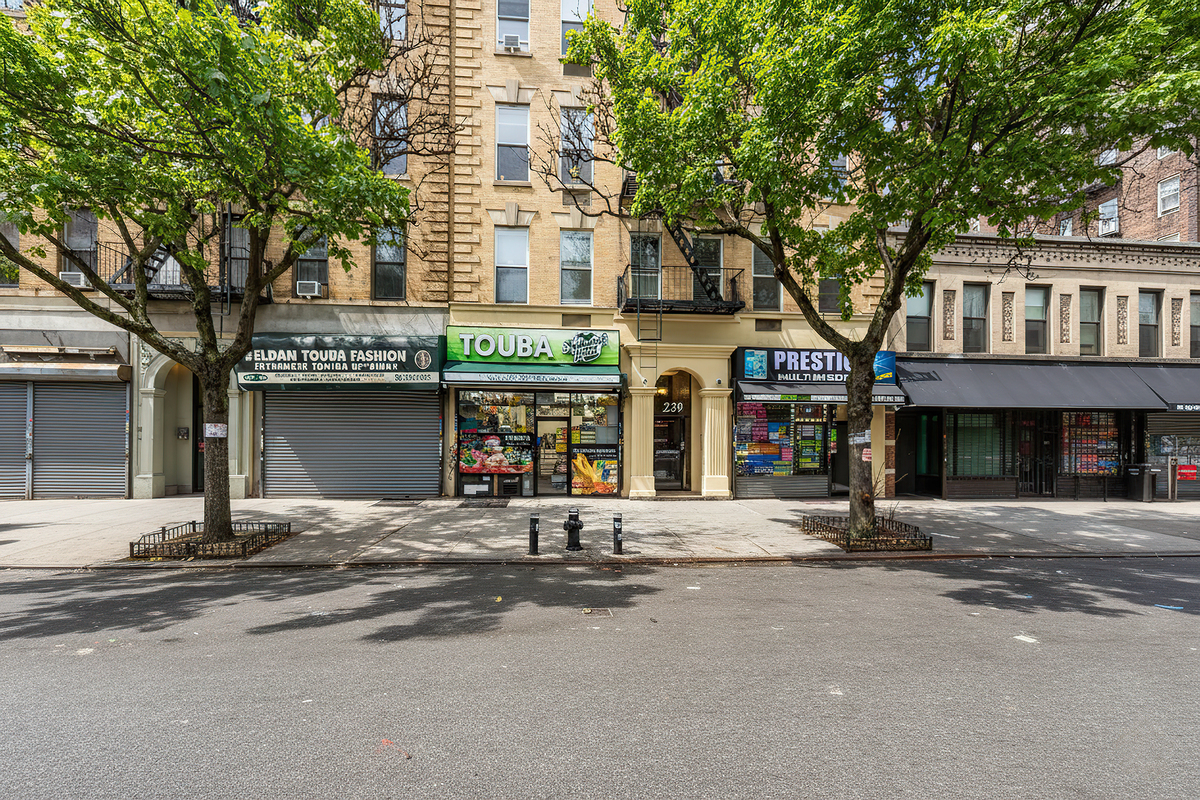
The area around 116th Street sits just north of Central Park’s northern boundary. It is walkable to green space, close to major medical centers, and anchored by Columbia University, which drives consistent housing demand. The neighborhood has developed a genuine mixed-use character: restaurants, community institutions, and residents who represent an unusually wide range of backgrounds and professions.
Parts of the area are now informally known as Little Senegal, reflecting the substantial West African community that has shaped its commercial and cultural life over the past two decades. That depth is part of what distinguishes the neighborhood from more recently developed areas, which often have new buildings and little else. Harlem has history, architecture, community, and momentum at the same time.
For buyers who value city living, the practical infrastructure is already in place. Proximity to hospitals makes the area well-suited for medical professionals who want a short commute. Proximity to the park makes it appealing for anyone who wants outdoor access as part of daily life. Transit connections make the rest of the city reachable without a car.
The Ownership Case
Renting in New York City at current rates is increasingly difficult to justify for anyone who has the option to buy. The math varies by individual circumstance, but the general dynamic is consistent: monthly rents for apartments comparable to what can be owned in Harlem often equal or exceed the carrying costs of ownership, with none of the equity accumulation.
A two-bedroom condominium in a well-maintained converted building – with features like rooftop access, pet-friendly policies, and proximity to the park – available under $800,000 is not a price point that exists in most of Manhattan. In the West Village, the Upper West Side, or Tribeca, the equivalent product would cost two to three times as much, if it were available at all.
The buildings themselves tell part of the story. A structure originally built in the early twentieth century and converted to condominiums in 2006 carries architectural character that new construction cannot replicate. The proportions are generous, and the construction is solid. A buyer who can look past the neighborhood’s outdated reputation to its present reality is getting something that does not exist at this price anywhere closer to Midtown.
Who This Actually Works For
There is no single buyer profile for a property like this, and assuming there is would be both inaccurate and unhelpful.
First-time buyers who have been renting in the city and want to build equity without leaving New York entirely are one obvious group. The price point is accessible, the location is practical, and the path to ownership is genuinely attainable without a compromise on quality. Professionals who work in the nearby medical complex and want a home within a reasonable distance of long shifts are another. A part-time city resident who needs reliable access a few times a month but does not want to pay full Manhattan prices is a third.
Pet owners will find that the combination of condo amenities, park access, and a walkable neighborhood is harder to replicate at this price than most people expect.
The Broader Picture
New York City’s housing market has no simple fix for its affordability problem. What it does have, in a handful of neighborhoods, are pockets where the gap between price and value remains meaningful because perception has not caught up with reality.
Those gaps close – they always do, eventually. The question for any buyer is whether they want to act while the gap still exists, or wait until the narrative is comfortable and the price reflects it.
Berger shares his observations on markets, transactions, and what he is seeing on the ground through his LinkedIn, where he posts regularly for clients and colleagues across the industry.
About Daniel M. Berger: Daniel M. Berger is a licensed real estate broker and owner of his own brokerage, operating primarily in Westchester County, New York. He has been recognized as a top agent in New York State and Westchester County by Rate My Agent for multiple consecutive years and was named among Westchester Magazine’s top agents. He shares insights on real estate, client relationships, and market trends on LinkedIn.
This article is based on information provided by the expert source cited above. It is intended for general informational purposes only and does not constitute legal, financial, or real estate advice. Readers should conduct their own research and consult qualified professionals before making any real estate or financial decisions.