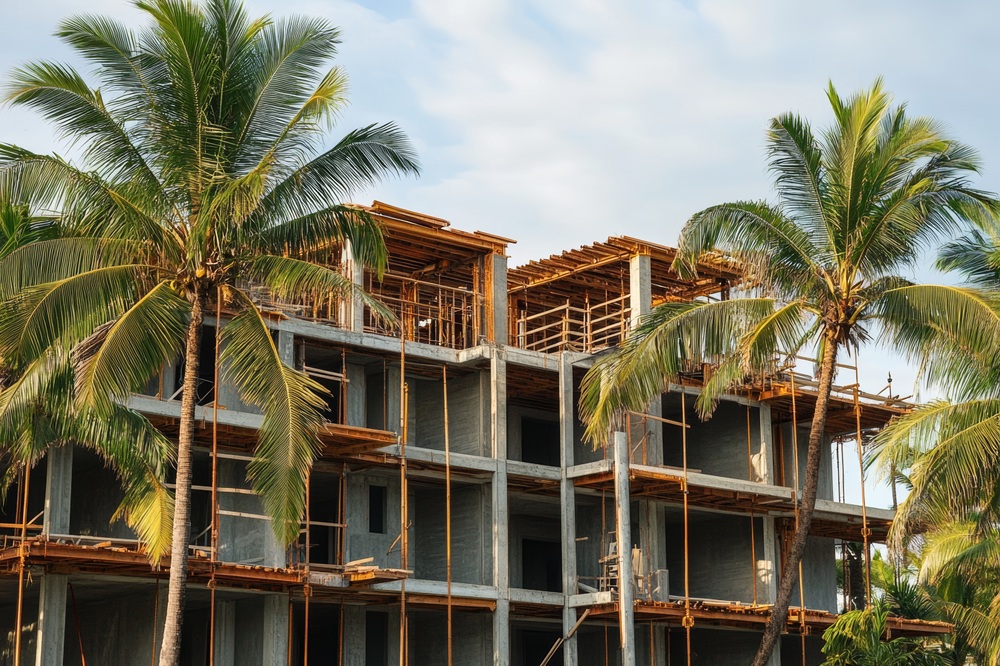
Pre-construction real estate purchases offer compelling advantages: lower entry prices compared to completed properties, ability to customize finishes and layouts, and potential appreciation during construction periods before taking possession. These benefits attract investors seeking maximum returns from international property purchases.
However, pre-construction investments carry substantial risks that intensify when operating across borders in markets with different regulatory frameworks and consumer protections than American buyers expect.
CHORD Real Estate, which guides American investors through international property transactions, emphasizes that understanding these risks doesn’t mean avoiding pre-construction opportunities entirely. It means conducting appropriate due diligence, structuring deals with adequate protections, and maintaining realistic expectations about timelines and potential complications. International pre-construction investment can deliver substantial returns when approached systematically with eyes wide open to potential pitfalls.
When “Fully Funded” Doesn’t Mean What You Think
The most fundamental pre-construction risk involves project non-completion. Developers may fail to complete projects due to financing problems, construction cost overruns, permit issues, or economic downturns. When projects don’t complete, buyers face potential loss of deposits and extended legal battles.
This risk intensifies internationally. U.S. developers typically operate under regulations requiring separate escrow accounts for buyer deposits and bonding requirements protecting purchaser funds. International markets vary enormously in regulatory protections.
Developer financial stability assessment becomes critical. Key evaluation factors include reviewing completed project portfolios, examining financial statements if available, and assessing government connections.
Developers with extensive completed project histories demonstrate capability to navigate construction challenges. New developers carry higher non-completion risk regardless of how compelling their presentations appear.
Add Two Years to Whatever Timeline They Promise
Even developers who ultimately complete projects rarely finish on originally projected timelines. Construction delays stem from permitting issues, weather impacts, labor shortages, and material supply disruptions.
Timeline delays prevent investors from realizing planned rental income. Buyers who made financial plans assuming possession by specific dates face disruption when projects deliver late.
International projects often experience longer delays due to less reliable permitting timelines and inconsistent contractor performance. Buyers should add substantial buffer time to any developer timeline projections.
Realistic timeline assessment requires looking at the developer’s historical performance rather than accepting current project promises.
The Bait-and-Switch on Finishes and Fixtures
Developers sometimes change specifications during construction due to material availability issues or cost pressures. These changes may range from minor fixture substitutions to significant quality reductions affecting property value.
Purchase contracts should explicitly detail specifications including specific brand names for major fixtures, finish material types and quality grades, square footage measurements, and common area amenity specifications.
Vague specification language like “quality fixtures” provides no protection against specification reductions. International contracts require particular attention because legal standards for acceptable specification changes vary across jurisdictions.
Betting on a Market Three Years From Now
Pre-construction buyers commit to purchase prices based on current market conditions but take possession years later when markets may have shifted dramatically. If local property markets decline during construction periods, buyers may face taking possession of properties worth less than purchase prices plus carrying costs during construction.
This risk cuts both ways. Rising markets during construction create instant equity upon possession. However, buyers should structure purchases assuming downside scenarios rather than counting on continued appreciation. Stress testing whether the investment makes sense if property values remain flat or decline slightly during construction provides a more realistic risk assessment.
Market risk intensifies when construction timelines extend beyond projections. Each additional delayed month extends market exposure and increases likelihood that market conditions at possession differ substantially from conditions at purchase contract signing.
Currency risk adds another dimension for dollar-based buyers in non-dollar markets, though this doesn’t affect dollar-based markets like Panama. In markets with local currencies, exchange rate movements during multi-year construction periods can significantly affect effective purchase prices and investment returns for American buyers.
Why Today’s Rental Rates Mean Nothing for Your 2027 Property
Pre-construction buyers often project rental income based on current market rents applied to properties they’ll receive years later. This assumption ignores rental market dynamics and supply increases affecting achievable rents upon actual possession.
New development in areas often clusters as multiple developers pursue perceived opportunities simultaneously. The resulting supply surge when multiple projects complete around the same time can depress rents below projections based on current undersupplied market conditions. Buyers should investigate the total pipeline of developments planned or under construction in target areas rather than assuming current rental rates will persist.
Additionally, rental preferences shift over time. Unit layouts, finishes, and amenities appealing to current renters may not match preferences when properties actually become available for rental several years later. Design trends evolve, and properties delivered years after initial concept development may feel dated upon completion.
Conservative rental projections should discount current market rates to account for potential supply increases and assume extended lease-up periods rather than immediate full occupancy. Projects delivered late into softening rental markets may require months of marketing before achieving stable occupancy.
Where Your Deposit Actually Goes (Spoiler: Not Always Escrow)
Understanding how developers structure project financing reveals important information about risk levels and buyer protection. Key questions include whether deposits sit in escrow accounts separated from developer operating funds, how construction financing is structured and what recourse lenders have, what percentage of units must be sold before construction commences, and whether parent companies guarantee project completion.
Developers using buyer deposits as construction capital create situations where non-completion results in complete deposit loss with no separate funds available for refunds. Developers with inadequate construction financing may run out of capital mid-project, leaving buyers with incomplete buildings and murky legal situations.
Strong developer financial structures include third-party escrow for deposits, construction financing from reputable lenders, completion guarantees from financially stable parent companies, and substantial developer equity investment creating aligned incentives.
International buyers struggle to evaluate these factors without local market expertise. Working with advisors familiar with the local developer landscape and standard practices becomes essential for proper financial structure assessment.
The Permits That Aren’t Actually Approved Yet
Development projects require various permits and approvals that may get challenged, delayed, or denied after pre-construction sales commence. Zoning challenges, environmental reviews, utility capacity issues, and neighbor opposition can all create permit problems affecting project timelines or viability.
Responsible developers complete all major permitting before launching sales, but some begin marketing with incomplete permit packages to generate early buyer interest and deposit capital. Buyers should verify permit status rather than accepting developer representations, specifically confirming that building permits have been issued rather than just applied for, environmental approvals are final rather than pending review, utility commitments are secured for water, sewer, and power capacity, and occupancy certificates requirements are understood and achievable.
International permitting frameworks often differ substantially from U.S. processes. Some countries have streamlined approval processes that move quickly. Others involve lengthy bureaucratic procedures with uncertain timelines and outcomes. Understanding local permit frameworks helps set realistic timeline expectations and assess regulatory risk levels.
Showroom vs. Reality: The Quality Gap
Completed property quality often differs from showroom displays and marketing materials. Construction quality variations stem from contractor substitutions during construction, cost-cutting measures when budgets become stressed, supervision quality and inspection rigor, and differences between show units and actual delivered properties.
International construction quality standards vary significantly across markets. Building codes in some countries mandate quality and safety standards comparable to U.S. requirements. Others have minimal requirements or lax enforcement of existing codes. Buyers cannot assume familiar construction quality without verification.
Site visits during construction enable quality observation and issue identification while correction remains possible. Buyers who visit only at completion discover quality problems with limited correction leverage. Developers typically resist major correction expenses for completed buildings where fixes require significant rework.
Professional inspection services provide valuable quality assurance, though finding qualified inspectors in international markets requires diligent research. Inspectors familiar with local construction practices but also understanding international buyer expectations provide the most valuable perspective.
What “Clear Title” Means (Or Doesn’t) Internationally
Clear title at possession represents another risk area where international differences create complications. Title documentation standards, registration systems, and ownership verification processes vary across countries. What constitutes a clear title in one jurisdiction may not meet that standard in another.
Legal review by qualified local attorneys familiar with real estate transactions becomes essential but insufficient alone. Attorneys should be experienced specifically with foreign buyer transactions and aware of issues that don’t affect local buyers but create problems for international investors.
Title insurance availability varies internationally. Some markets offer title insurance products similar to U.S. coverage. Others lack title insurance options entirely, leaving buyers without financial protection against title defects. Understanding title protection availability affects risk assessment and potentially purchase decisions.
Getting Out Before Completion (If You Even Can)
Pre-construction buyers should understand exit options if they need or want to sell before project completion. Some markets allow assignment of pre-construction contracts to other buyers. Others restrict or prohibit assignment. Assignment restrictions can trap buyers in positions they need to exit due to changed circumstances.
Even where assignment is permitted, finding qualified buyers for pre-construction contracts requires time and marketing expense. Buyers should understand local assignment market dynamics and realistic timelines for contract assignments if they need to exit positions.
Developers sometimes offer buyback provisions allowing buyers to cancel purchases with some deposit forfeiture. Understanding buyback terms and any developer discretion in accepting cancellations provides information about exit flexibility if circumstances change.
How to Avoid Becoming a Cautionary Tale
Investors can manage pre-construction risks through systematic approaches. Limit pre-construction allocation to a portion of overall international real estate investment rather than concentrating entirely in projects under construction. Diversify across multiple projects and developers rather than concentrating risk with single developers. Visit construction sites periodically rather than waiting for completion to verify progress and quality. Maintain adequate liquidity for timeline extensions rather than planning finances around optimistic completion projections. Work with local advisors familiar with developers and construction market dynamics.
Additionally, favor developers with substantial completed project portfolios demonstrating execution capability. Avoid developers without proven track records regardless of compelling presentations or pricing. This conservative approach sacrifices some potential upside from newer developers offering aggressive terms but substantially reduces non-completion risk.
When Pre-Construction Actually Makes Sense
Despite substantial risks, pre-construction investment can deliver strong returns when approached properly. Appropriate situations include markets with robust buyer protections and regulatory frameworks, developers with strong completion track records and solid financing, purchase prices materially below completed property comparables, and investors with financial capacity to handle timeline delays and specification issues.
Steve Luther, partner at CHORD Real Estate, has walked investors through both successful pre-construction deals and near-disasters that were caught just in time. “The difference between a great pre-construction investment and a nightmare comes down to what you see with your own eyes during construction,” he explains. “We have teams on the ground in Panama who do this all day, every day. We visit active construction sites, we know which developers actually deliver on time, we can show you the quality differences between projects. It should never be a guess.”
For investors considering pre-construction opportunities, Luther emphasizes the value of direct evaluation: “Come to our Invest Panama Summit, May 28-30 – we have a few spots still available. You’ll tour active construction sites, see completed projects from the same developers, and meet the teams who’ll manage your investment. If you have questions about whether pre-construction fits your situation, email us and we’re happy to jump on a call and talk it through.”
The firm’s established networks in Panama include relationships with developers, construction supervisors, and inspection professionals who provide ongoing project monitoring throughout construction phases.
Understanding pre-construction risks enables informed decision-making rather than creating blanket avoidance. Some investors appropriately allocate to pre-construction opportunities given their risk tolerance and return requirements. Others should focus exclusively on completed properties providing immediate possession and eliminating construction risk. Matching investment approach to individual circumstances and risk capacity determines appropriate strategy.
The Invest Panama Summit (May 28-30, 2026) offers structured access to vetted professionals, property tours, and hands-on market evaluation. Learn more and register at chordrealestate.com/investpanamasummit.
CHORD Real Estate helps investors evaluate international real estate opportunities across the risk spectrum with comprehensive due diligence and access to vetted local development expertise.
This article is based on information provided by the expert source cited above. It is intended for general informational purposes only and does not constitute legal, financial, or real estate advice. Readers should conduct their own research and consult qualified professionals before making any real estate or financial decisions.