Most people pick coins off a list. The people making money pick from what the money is doing. On September 8 Uniswap’s founder said the protocol now burns UNI at $250 million a year, per Bitcoin.com News. UNI has roughly tripled since June while bitcoin sat still under $80,000. Coins that shrink their own supply in a quiet market are where cycles start. That thread runs through the 3 top crypto to buy now. It ends where most lists never look, at a presale named Pepeto, where buyers have put up over $10.9 million.
What is behind Uniswap’s $250 million burn?
Hayden Adams posted on September 8 that Uniswap’s yearly burn pace had crossed $250 million, per Bitcoin.com News. That is up from about $200 million days earlier. The chart he shared read near $263 million, according to PANews. Trading fees now buy UNI and send it to an address nobody can spend from. More trades, less supply, every week. Then Adams added the line that mattered most. This is happening without a bull market. The model works, and the market has barely started paying for it.
Which coins actually have room to run from here?
Why does Pepeto keep showing up on every buy list?
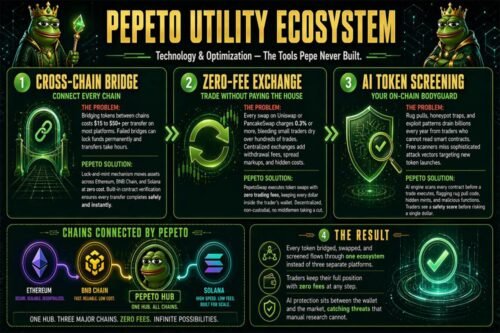
Fees are the quiet tax on everyone who trades. Uniswap turns that tax into a burn, and UNI holders got paid for it. Pepeto took the other road and deleted the fee. PepetoSwap is live, and the swap fee is 0.00%. Nothing is skimmed by the protocol. You pay network gas and nothing else.
Run the numbers you already pay. A $1,000 trade costs $3 on Uniswap and $2.50 on PancakeSwap. On PepetoSwap it costs $0. Push it to $100,000 and the same trade is $300, or $250, or nothing. Trade 200 times at $5,000 and the bill is $3,000, or $2,500, or zero. MEV protection runs by default, so nobody front runs your order. The platform has handled $50 million of daily volume.
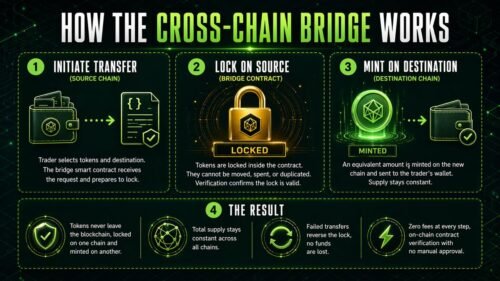
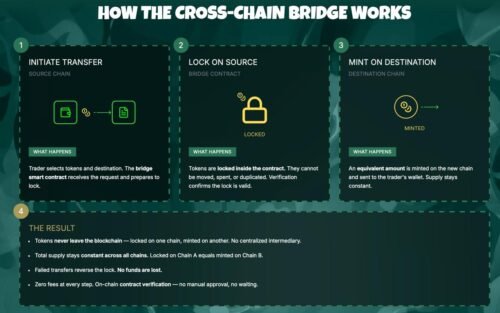
A free cross chain bridge sits beside it. It moves tokens across five chains in under a minute. That is not a roadmap. It is a product with users, attached to a coin that has not listed yet.
Each round has closed at a higher price than the last. Today one token sells for $0.0000001893, and buyers have committed over $10.9 million toward an $11,285,520 target. Stakers earn 163% APY in the meantime, claimable when the coin lists. Every contract went through SolidProof, team checks included. Analysts project 100x after the coin lists, so $1,000 today would be $100,000 at that multiple. Live products plus a price that has not caught up make Pepeto the best of the 3 top crypto to buy now.
Uniswap (UNI): can the burn keep paying?
UNI trades near $5.87 after starting June around $2.47, per CoinGecko. More than $1.15 million of UNI burned on September 4 alone as Robinhood Chain volume hit records, per Bitcoin.com News. The token has already passed the $5 Standard Chartered set for all of 2026. The engine is real. The next leg needs volume to keep climbing. Good trade, and one the market has already found.
Ethereum (ETH): what does it need to break $2,800?
Ethereum trades near $2,420, per CoinGecko. Resistance sits at $2,500 to $2,510, with support at $2,394, per The Crypto Times on September 9. The stretch target for the month is $2,800. ETH gained 32.6% in August, so this is a rest, not a top. From here the target is a 12% move. Solid. It is also a $300 billion coin. Nothing that heavy doubles in a month.
Conclusion
Uniswap proved this week that real buyers are back in coins with working engines. More money is now taking the earlier side of that trade. The buyers who followed the burn into UNI back in June tell the same story now. They almost passed on it. Their only regret is not buying more. That same tell now points at Pepeto, except here the tools are audited and the price is still a presale price. More than $10.9 million went in during the scared part of this market. That is what smart money looks like after it has done the math. The Pepeto official website counts down what remains in this round. Follow the money while it is still early, or read about it later.
Uniswap, Ethereum and Pepeto. UNI has a live burn, ETH holds support at $2,394, and Pepeto is the presale still priced before its listing.
Is it better to hold large caps or buy the presale?
Hold both if you can. Large caps pay small percentages from here. A presale bought ahead of its listing is where the later crowd pays you.
What is the latest news behind the Uniswap burn?
Uniswap crossed a $250 million yearly burn pace on September 8, driven by record trading volume. The Pepeto official website answers the presale side.
Disclaimer:
This article is for informational purposes only and does not constitute financial advice. Cryptocurrency investments carry risk, including total loss of capital.
All market analysis and token data are for informational purposes only and do not constitute financial advice. Readers should conduct independent research and consult licensed advisors before investing.
Bitcoin is trading around $79,000 after flashing its first classic golden cross since May 2025, the bullish crossover that appears when the 50-day moving average rises above the 200-day average. The signal has returned attention to BTC after months of uneven trading and revived the question of whether a stronger recovery phase is forming.
DigiTap ($TAP) is pulling in buyers looking for a much earlier point in the cycle. $TAP currently costs $0.0589 in Round 4; more than $11.37 million has been raised, and over 80% of the current round has sold. DigiTap also has a live beta app available through the Apple App Store and Google Play while the token remains in presale.
Bitcoin Golden Cross Puts BTC Back on Breakout Watch
Golden crosses matter because they suggest shorter-term momentum has overtaken the longer-term trend. Bitcoin has already recovered sharply from its 2026 lows, and the latest crossover adds another bullish technical signal while BTC holds near $79,000.
Bitcoin price has pushed back above major moving averages after spending much of the year fighting to reclaim momentum. BTC remains central to the recovery, but retail buyers searching for the next crypto to explode are also looking for assets that have not yet entered public price discovery.
DigiTap Brings a Live Product Into a Presale Market
DigiTap is not asking buyers to wait for a future app release. Its beta product is already downloadable, with wallet functionality, virtual and physical card features, crypto and fiat management, and payment tools inside the same ecosystem.
That gives the DigiTap presale a stronger retail story than a roadmap-only token. Buyers can see the product while $TAP remains at $0.0589 and before exchange trading begins. Google Play also shows thousands of downloads, adding visible product traction to the presale narrative.
The token is designed to connect with the ecosystem through staking, cashback, fee discounts, and VIP benefits. DigiTap also allocates half of app fee profits to open-market $TAP buybacks and burns, linking app activity back to the token economy.
Why the $1 DigiTap Debate Is Growing
The $1 discussion is gaining attention because the gap from the current $0.0589 presale price is large. A move from $0.0589 to $1 would be roughly 17x, putting DigiTap into the type of early-entry conversation retail often looks for before a token develops a mature public chart.
The case extends beyond price. $TAP has a fixed maximum supply of 2 billion tokens with no additional minting under the current design, while the team allocation is only 1%. Utility across staking, rewards, payments, and fee benefits gives the token more than a single presale narrative.
For buyers comparing DigiTap with already-listed crypto card tokens, timing is the difference. Established platforms have already spent years in public markets. DigiTap is entering the same broad crypto payments category while $TAP is still moving through its presale rounds.
Round 4 Keeps the Early-Entry Window in Focus
Round 4 is more than 80% sold, and the presale has raised over $11.37 million. Those figures add momentum without changing the key attraction: the token still costs $0.0589 while the app is already available.
That contrast is helping DigiTap compete for attention beside Bitcoin’s breakout. BTC is flashing a signal traders have waited more than a year to see, while DigiTap offers a different setup built around a live product, a presale-stage token and an upcoming first public market.
Could DigiTap Be the Next Crypto To Explode?
Bitcoin’s golden cross is strengthening the bullish mood around crypto, and that can send retail searching for smaller opportunities with more room to reprice. DigiTap enters that conversation with a live beta app, strong presale participation, fixed token supply, and a current $0.0589 entry.
The $1 debate is likely to stay active as buyers compare DigiTap’s presale position with mature payment and card tokens. With Round 4 already heavily near-sold out, current buyers are still entering before later presale pricing and before exchange trading opens $TAP to the wider market.
A golden cross occurs when Bitcoin’s 50-day moving average rises above its 200-day moving average. Traders often read it as a bullish trend signal.
What is the current DigiTap presale price?
$TAP is currently priced at $0.0589 in Round 4, with more than 80% of the round already sold.
Could DigiTap reach $1?
A $1 price would be roughly 17 times the current $0.0589 presale price. The debate is being fueled by DigiTap’s live app, fixed supply, token utility, and buyback-and-burn model.
Disclaimer:
This article is for informational purposes only and does not constitute financial advice. Cryptocurrency investments carry risk, including total loss of capital.
All market analysis and token data are for informational purposes only and do not constitute financial advice. Readers should conduct independent research and consult licensed advisors before investing.
Hunter Biden just built a coin around the people who lost money on TRUMP. LAPTOP went live on Base on September 9. One slice of its airdrop aims straight at wallets that are down on the political coin, per CoinDesk. TRUMP trades at $1.95 today, about 97% under the $73.43 it hit two days after launch. That is what the Official Trump (TRUMP) coin price prediction crowd is really weighing. News like this moves fresh money somewhere else. A lot of it is going one stage earlier, into a presale named Pepeto, now past $10.9 million raised.
What does the LAPTOP launch mean for TRUMP holders?
LAPTOP launched on Base on September 9 with a supply of 1 billion tokens. Twenty percent is set aside for airdrops, and one tranche goes to wallets that lost money trading TRUMP, according to Decrypt. Founders hold 30%, locked for six months. Up to 30% more gets burned if certain events land, per CoinDesk. Read past the politics and the money signal is plain. Political coins still pull a crowd, and free tokens land in wallets that are ready to buy again. The question is what they buy next.
Where is that money actually going this week?
Why do those wallets keep opening Pepeto?
An airdrop pays you for a loss you already took. It does nothing about the reason you took it. Pepeto was built to attack that reason. Most people lose money in crypto the same way: they buy a token nobody checked, and the contract does the rest. Pepeto’s risk scanner reads the contract before you spend a cent. It runs 42 checks against the live chain, then tests a purchase and a sale on a cloned copy. It hunts hidden owners, blacklists, taxes that can change and a wallet that can print more coins.
You get a score out of 100 and a verdict in plain words. One scan came back at 6, flagged as a honeypot, and the trade was blocked before a dollar moved. That check is on by default. So the money you keep is money you would have handed to a stranger without it.
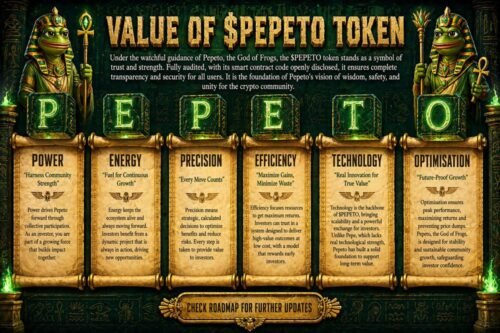
That is a different deal with this market. TRUMP holders wait on a chart they cannot influence. Pepeto buyers hold a coin attached to tools that already run. One is PepetoSwap, where no protocol fee is taken and you pay network gas only. The code passed a SolidProof audit, and the same firm checked who the team is. Pepeto’s cofounder is the person behind the first Pepe coin.
One token still goes for $0.0000001893. The raise sits above $10.9 million, with $11,285,520 the target for this round, and analysts project 500x when the listing crowd shows up. A $200 buy today is $100,000 if that call lands. This round shuts the moment the clock hits zero or the target fills. The seat behind those numbers is the one filling up.
What is the TRUMP coin price prediction for the rest of September?
TRUMP trades at $1.95 with roughly $159 million traded in the past day, per CoinGecko. Market value is near $613 million, according to Cryptonomist, against a peak close to $15 billion. Today the coin sits inside the range it has held since August. This week the level that matters is $2.94, the top of the recent channel. Clear it and $5.49 is the next real wall, per CoinGabbar’s September read. This month the floor to watch is $1.35, near the August low. So a good run here is a double. That is a fine trade. It is also a $613 million coin, and weight like that moves in steps.
Conclusion
The TRUMP chart has already had its big day. Everyone still talking about that money made it in the first 48 hours of 2025. Buy on hour one and $1,000 turned into a life change. Buy on day three and you are on the airdrop list today. That gap was hours wide. That is the whole game. Pepeto sits at that same hour right now, with the Binance listing drawing near and the presale price still showing. Live round numbers sit on the Pepeto official website. The listing is where the presale crowd gets paid and everyone after them pays more.
What is the Official Trump (TRUMP) coin price prediction after the LAPTOP launch?
TRUMP trades at $1.95 and needs $2.94 to open room toward $5.49. Below, $1.35 is the level that has held since August.
What does the TRUMP forecast look like as new political coins arrive?
The forecast stays range bound. LAPTOP now competes for the same buyers, which caps quick moves while a $613 million market value slows every rally.
How does the TRUMP coin compare with an early stage buy like Pepeto?
TRUMP needs a double just to matter. Pepeto has not listed yet, which is where the bigger move lives, and the Pepeto official website still shows the presale price.
Disclaimer:
This article is for informational purposes only and does not constitute financial advice. Cryptocurrency investments carry risk, including total loss of capital.
All market analysis and token data are for informational purposes only and do not constitute financial advice. Readers should conduct independent research and consult licensed advisors before investing.
A substantial share of Hawaii’s hotel inventory was built in the 1960s and 1970s, on sites that would be impossible to assemble today. Those positions rarely change hands, and in a market where new hotel supply is close to impossible to create, an existing building with a clear improvement path is among the more durable ways into Hawaii hospitality.
Over the next two to three years, more of that inventory is expected to trade. The buyers who do best with it will be the ones who understand something operators here have known for years: the cost of renovating in Hawaii is far more controllable than a first look suggests.
What established operators do differently
The most useful finding for an incoming buyer is that experienced Hawaii operators routinely deliver the same scope for less than newcomers budget – and the advantage comes from knowledge rather than buying power.
Material selection is the clearest example. Mike Perkins of The Bratton Team at Colliers International Hawaii describes a metal siding product engineered to read as wood: it carries an installation premium, and it substantially outlasts a wood finish in an environment where sea air works continuously on every exposed surface.
“You’ve got to pay a little premium upfront to have cost savings in the long run,” Perkins says. Specifying for the environment rather than for lowest installed cost is the discipline that separates operators who work here regularly from those importing a mainland specification – and it is available to any buyer who assembles the right team.
The same logic applies across a capital budget. Specialty HVAC geared for salt-air conditions is a baseline condition here rather than an upgrade, and treating it as such at the specification stage avoids replacing it early.
Sourcing as a lever
The second advantage is supply chain, and it is where planning produces the largest return.
Items that reach a mainland site in six weeks commonly take ten to fourteen here. That is a schedule input rather than an obstacle, and operators established locally compress it through supplier relationships already in place.
Increasingly those relationships extend to Asia as well as the mainland. Perkins notes that developers have been building direct connections across the Pacific, and that tariff changes have prompted a broader re-sourcing across countries – with the groups holding existing relationships adapting fastest.
Brand-mandated property improvement plans are where sourcing discipline pays most visibly. A PIP specifying particular fixtures and finishes generally requires shipping specified materials in and bringing specialist installers to fit them, which Perkins puts at roughly a twenty-five percent premium and six to ten additional weeks. Operators who plan procurement early, rather than after approval, absorb considerably less of that.
Budgeting the right category
The distinction that most improves a business plan costs nothing to apply.
Deferred maintenance is building infrastructure – roof, plumbing, HVAC, life safety, electrical. It sits behind the walls, produces no visible change, and runs around fifteen thousand dollars per key. Repositioning is a different exercise at four to five times that: new concepts, new furniture, a comprehensively changed guest offer, with returns that scale with ambition where the market supports the product.
Buyers who separate the two cleanly produce budgets that hold. Where the categories get conflated – deferred maintenance funded, repositioning income underwritten – the gap surfaces in year two.
Full renovation in Hawaii runs roughly thirty to seventy-five thousand dollars per key, and the premium over comparable mainland work sits in the range of twenty to thirty-five percent. Priced in at acquisition, that premium is simply part of the basis. Discovered afterwards, it is a problem. The difference is entirely in the modelling.
The window ahead
These economics are why Perkins expects transaction activity to pick up over the next twenty-four to thirty-six months, and why the opportunity favors prepared buyers.
Owners in the mid and lower tiers are weighing whether to commit improvement capital themselves or to realize their position and let an incoming buyer fund the next phase. For those preferring to redeploy elsewhere, that is a straightforward portfolio decision, and pricing that reflects the work required is a rational outcome on both sides.
What it produces for buyers is unusual. Properties that seldom become available come to market, carrying improvement paths that are definable rather than speculative – and Hawaii’s supply constraints mean these remain fundamentally scarce assets whatever their current condition.
Recent activity in this segment is visible across closed Hawaii transactions, and current inventory offers an early read on what is likely to move first. The buyers positioned to act are those who have done the sourcing work in advance – which is a preparation question rather than a capital one.
About the Expert
Mike Perkins (S) is Associate Vice President with The Bratton Team at Colliers International Hawaii in Honolulu, specializing in development and income-producing commercial assets.
The Bratton Team is a Hawaii commercial real estate and investment sales group, exclusively contracted to Colliers International HI, LLC. Led by Mark D. Bratton (R) CCIM and Mike Perkins (S), the team has advised buyers and sellers across all Hawaii asset classes for 40 years.
This article is based on information provided by the expert source cited above. It is intended for general informational purposes only and does not constitute legal, financial, or real estate advice. Readers should conduct their own research and consult qualified professionals before making any real estate or financial decisions.
Bitcoin scared its holders on Tuesday and paid them back on Wednesday. The price fell to $77,603, then took back $79,742 inside a day, per Bitcoin.com News. Bitfinex read the same chart and put the real line at $81,300, with open air above it. So this week’s bitcoin price prediction rests on a few days of trading. While that money waits on the big coin, smaller money is buying below the headlines. It keeps stopping at Pepeto, an Ethereum presale that has pulled in over $10.9 million.
Why did bitcoin drop to $77,603 and then bounce straight back?
Bitcoin slid to $77,603 on September 8, then buyers took it back. By September 9 the price had reached $79,742, per Bitcoin.com News. The drop lasted hours. The recovery held. Bitfinex published its own read on September 9. It marked $81,300 as the top of the range, and said hardly anyone traded between there and $86,500, according to ExchangeRates.org.uk. Selling is small and getting soaked up, its analysts said. So the next leg up can be quick once that line goes. It also says something about where the cheap seats are now.
Which coins can still turn a small buy into a big one?
What is Pepeto, and why is money moving into it now?
Money that misses a bounce in bitcoin does not leave. It hunts the same move in something small enough to make it. Pepeto is an Ethereum coin built to hand normal buyers the tools big desks pay for. The tools are live today, not drawn on a roadmap. PepetoSwap is running. The bridge is moving coins between chains right now. Most presales are still selling a plan. This one shipped first, then kept building while people used it.
Look at the bridge. Sending money between Ethereum, Solana, Base and Arbitrum normally costs $15 to $50. It takes minutes, and a failed transfer can lock your coins for good. Pepeto locks your token on the chain you leave, then mints the match where you land, in under 60 seconds. One test cleared in 41 seconds. The fee is $0. If a transfer fails, the lock reverts by itself and the coins come home. Nothing is wrapped, so supply stays the same on every chain.
That gap grows every month. Every dollar paid to a bridge is a dollar that never bought a coin. Staked coins earn at 163% APY through the presale, and those rewards unlock when the coin lists. The contracts came back clean from SolidProof, and the team is KYC verified with the same firm. That closes the one failure that ends most presales. Pepeto’s cofounder built the first Pepe coin.
A token costs $0.0000001893 today. More than $10.9 million is in already, against an $11,285,520 target, and each new round prices higher than the last. Coins that pair a live product with a presale price get found early in a cycle. So Pepeto now sits beside the big names inside the same bitcoin price prediction search.
What levels decide the bitcoin price prediction this month?
Bitcoin trades at $76,800, down 1.8% on the day and up 2.5% on the week, per CoinGecko. Today the job is simple. Hold $76,000. This week the test is $81,300, the top of the range Bitfinex marked on September 9. Its analysts want a close above $82,100 before calling this a fresh run, and treat $75,000 as the line that ends it. This month the map opens up. Hardly anyone traded between $81,300 and $86,500, and price moves fast through empty ground. The Crypto Times, writing September 4, puts $90,000 in play if buyers keep stepping up. All of that is a few percent for holders. Real money. Not the sort that rewrites a life.
Conclusion
The bitcoin price prediction crowd is still arguing over $81,300 and $86,500. A smaller group has already moved a notch further back in this cycle. Pepeto is where they landed. The exchange runs, the bridge costs nothing, the audit is done. Everyone who saw the last cycle mint millionaires out of its first buyers knows how it feels to read about it afterwards. This is that moment again, with a Binance listing approaching and the stage price still in front of it. The Pepeto official website tracks how much of this round remains. Buy at today’s price and the listing crowd is who you sell to. Wait, and you are the crowd.
What is the bitcoin price prediction after this week’s bounce?
The bitcoin price prediction now turns on $81,300. Clear it and $86,500 opens quickly. Bitfinex marks $75,000 as the level that would end this recovery.
Which price levels matter most for bitcoin right now?
Support sits at $76,000, then $75,000. Resistance runs $81,300 to $82,100. Analysts want a close above $82,100 before they call this a new run.
What signals real demand behind the Pepeto presale?
Over $10.9 million paid in, a working exchange, zero fee bridging and a completed SolidProof audit. The Pepeto official website lists the live round count.
Disclaimer:
This article is for informational purposes only and does not constitute financial advice. Cryptocurrency investments carry risk, including total loss of capital.
All market analysis and token data are for informational purposes only and do not constitute financial advice. Readers should conduct independent research and consult licensed advisors before investing.
Most cryptocurrency news is noise, but once in a while one deal shows where the market is heading. On September 8, Circle agreed to pay $400 million in stock for Tazapay, per CoinDesk. Tazapay moves more than $25 billion a year across 100 markets, per crypto.news. Already 60% of it runs on stablecoins. Bitcoin sat flat at $78,786 while the biggest stablecoin firm made its largest buy since 2018. History says when payment giants buy rails, the coins with working tools get paid next. That moves big money into big coins, but something smaller is building below it. That is Pepeto, a meme token running an exchange with no trading fee, with over $10.9 million already in.
What is the biggest cryptocurrency news today?
Circle buying Tazapay for $400 million on September 8 is the cryptocurrency news that matters most this week, per CoinDesk. Tazapay links payment firms to more than 60 banking partners. Its yearly volume grew from $10 billion in August 2025 to over $25 billion now, per crypto.news. Circle shares fell 5.8%. It paid up for tools people use, not for hype. A firm that size paid for working rails. So look for the smaller project shipping rails right now.
Which coins does this week’s cryptocurrency news point to?
Why is Pepeto in this week’s cryptocurrency news?
Circle’s deal proves the market pays for tools people use daily. That is the frame that puts Pepeto in this week’s cryptocurrency news. Pepeto is the cure for the oldest problem in crypto, money that sits still. It keeps a trader’s money working, safe and growing.
People lose in crypto in one of two ways. They buy a dead coin, or they hold a live one and earn nothing while they wait. Pepeto staking closes the second gap. Stake during the presale and you earn 163% APY. The rate updates daily from the reward pool and the amount staked. Rewards are claimable at listing. Money that would have sat idle now pays you every day until then. The security scanner closes the first gap. It tests a sell before you buy, so the coin you enter is one you can leave.
Crypto punishes people who buy blind and walk away. Dead bag holders watch the market run past. Pepeto holders pay a 0.00% trading fee on an exchange that already runs, and they stake while they wait. Pepeto turns you from the one left behind into the one who gets paid.
The doubt is gone. Pepeto has passed $10.9 million raised, a loud vote of trust, and CryptoSlate, CoinPedia and Binance have all covered it. The price is $0.0000001893 today and rises at every new stage. So the first buyers hold the cheapest tokens it will ever sell. SolidProof audited the code. The cofounder behind the original Pepe leads it, with a former Binance expert building beside him. With a Binance listing approaching, buying Pepeto now beats chasing any big coin on this page.
Ethereum (ETH): does the Circle deal help it?
Ethereum trades at $2,500 per CoinMarketCap, and most of Circle’s USDC lives on its chain. Then on September 7 the Ethereum Foundation set a December 2029 deadline to make its chain safe from quantum computers, per BeInCrypto. A return to the $4,763 high of September 2025, per Forbes, would pay about 90%. Slow money from a $300 billion coin.
Zcash (ZEC): is the privacy trade still on?
Zcash trades at $1,268 per CoinMarketCap, and its yearly high of $1,248.62 came only on September 6, per Forbes. Private money keeps drawing buyers as more payments move on chain. The next test is that $1,248 high, about 8% away. ZEC had its big run this year. What is left is the slow, steady kind of gain, not the kind that changes a life.
Conclusion
Circle’s $400 million check on September 8 says one thing about crypto: money follows what gets used. Pepeto is used today. Today is the day that counts. The price on offer right now does not exist next week. Everyone who got in early on a big coin made one choice. They moved that day instead of coming back later. Wait a week on Pepeto and you pay the next stage’s higher price for the same tokens. Stakers who moved today already hold a week of rewards. Two futures start from this page. In one you read the cryptocurrency news. In the other you are in it. The Pepeto official website is open right now.
Circle’s $400 million deal for Tazapay on September 8, which moves $25 billion a year and runs 60% of it on stablecoins, per CoinDesk.
What are the current cryptocurrency market trends?
Money is flowing to tools people use, with Circle buying payment rails, Ethereum planning to 2029 and Pepeto’s zero fee exchange already live.
What are the current Pepeto presale trends?
Pepeto has passed $10.9 million with a Binance listing approaching, and the Pepeto official website shows the price rising at each new stage.
Disclaimer:
This article is for informational purposes only and does not constitute financial advice. Cryptocurrency investments carry risk, including total loss of capital.
All market analysis and token data are for informational purposes only and do not constitute financial advice. Readers should conduct independent research and consult licensed advisors before investing.
Industrial tanks play a key role in many industries. They store water, chemicals, agricultural liquids, wastewater, and other bulk materials. Over time, tank surfaces can wear down due to corrosion, leaks, chemical exposure, and daily use. Repairing or replacing an entire tank can be expensive and time-consuming.
This is where drop-in tank liners provide a practical solution. These custom-made liners create a protective barrier inside existing industrial tanks. They help extend tank life, reduce maintenance costs, and protect stored materials from contamination.
For businesses that depend on reliable industrial tanks, choosing the right liner system can prevent costly failures and improve long-term performance. Companies like DAKK Liners, a veteran-owned tank liner manufacturer based in Shawnee, Oklahoma, provide custom drop-in liners, containment solutions, tank repairs, and inspection services for customers across the United States.
What Are Drop-In Tank Liners?
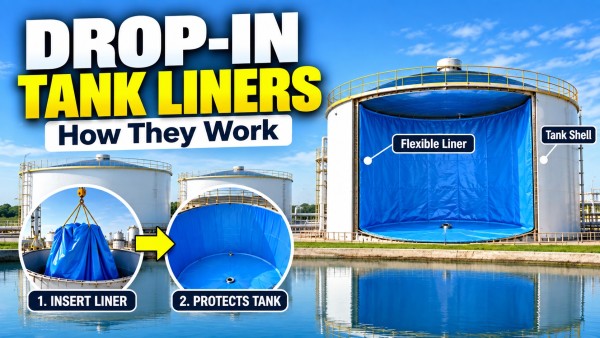
A drop-in tank liner is a flexible protective liner designed to fit inside an existing tank without removing or replacing the original structure. The liner is manufactured to match the exact size, shape, and use requirements of the tank.
These liners act as a barrier between the tank wall and the stored product. This helps prevent corrosion, leaks, and chemical damage.
Drop-in liners are commonly used in:
Industrial water tanks
Agricultural storage tanks
Wastewater tanks
Chemical storage tanks
Processing tanks
Metal-finishing tanks
Bulk liquid storage systems
Instead of building a new tank, companies can often restore and protect their current tanks with a custom liner system.
How Do Drop-In Tank Liners Work?
The process behind a drop-in tank liner is simple. A specially designed liner is placed inside an existing tank to create a new protective layer.
The liner takes the stress of exposure while the original tank structure provides support.
Here is how the process usually works:
1. Tank Inspection and Measurement
Before creating a liner, the tank must be inspected carefully. Experts check the tank size, condition, damage level, and intended use.
Professional inspections help determine:
Tank dimensions
Existing corrosion
Structural concerns
Product compatibility
Installation requirements
For many industrial tanks, services such as API 653 inspections help identify tank conditions before repairs or upgrades begin.
API 653 inspections are widely used for aboveground storage tanks. They help confirm whether a tank is safe, suitable for service, and ready for a liner installation.
2. Custom Liner Design
Every tank is different. A proper drop-in liner is not a one-size-fits-all product.
Manufacturers create liners based on:
Tank shape
Tank measurements
Stored materials
Temperature conditions
Chemical exposure
Operating needs
The goal is to create a liner that fits smoothly and provides full coverage.
A properly designed liner reduces wrinkles, stress points, and weak areas that could lead to future problems.
3. Liner Manufacturing
Drop-in tank liners are made from strong industrial-grade materials designed for specific applications.
Common liner materials include:
PVC
Polyethylene
Polypropylene
Reinforced flexible membranes
Specialty chemical-resistant materials
The material choice depends on what the tank stores. A water tank may need a different liner than a tank holding chemicals or industrial waste.
Quality manufacturing ensures the liner can handle daily use, movement, and environmental conditions.
4. Installation Inside the Tank
During installation, the liner is carefully placed inside the tank.
The installation team makes sure the liner:
Covers the entire interior surface
Fits properly around corners and connections
Has secure attachment points
Does not create unnecessary stress areas
Professional installation is important because even a high-quality liner can fail if it is installed incorrectly.
Experienced providers like DAKK Liners offer liner installation services to help ensure the system performs as expected.
Why Are Drop-In Tank Liners Used?
Many companies choose drop-in tank liners because they offer a cost-effective way to protect existing tanks.
Here are some major benefits:
Extends Industrial Tank Life
Corrosion is one of the biggest problems affecting industrial tanks. A liner creates a protective layer that reduces direct contact between the tank surface and stored materials.
This can help extend the usable life of the tank.
Reduces Repair Costs
Replacing a large industrial tank can require major investment, downtime, and labor.
A drop-in liner can often restore tank performance without removing the entire structure.
This makes it a valuable option for businesses looking to control maintenance costs.
Helps Prevent Leaks
Tank leaks can create safety risks, environmental concerns, and product loss.
A properly installed liner adds an extra layer of protection that helps reduce the chance of leaks caused by corrosion or surface damage.
Protects Stored Materials
In many industries, product quality matters. A damaged tank surface can affect stored liquids.
Tank liners help create a clean barrier between the tank and its contents.
This is especially important for:
Water storage
Food-related processes
Agricultural applications
Industrial chemicals
Supports Environmental Protection
Leaks from industrial storage systems can harm surrounding areas.
Drop-in tank liners support better containment practices by helping businesses maintain safer storage systems.
Common Applications for Drop-In Tank Liners
Drop-in liners are used across many industries because they solve common storage challenges.
Agricultural Storage Tanks
Farm operations use tanks for fertilizer, water, and other agricultural liquids. Tank liners help protect against chemical exposure and reduce corrosion.
Industrial Processing Facilities
Manufacturing plants often rely on storage tanks for production materials. Liners help improve tank durability and reduce unexpected downtime.
Municipal Water and Wastewater Systems
Water treatment facilities need reliable storage solutions. Tank liners can help protect tanks that handle water and wastewater materials.
Metal Finishing Operations
Metal-finishing processes often involve chemicals that can damage traditional tank surfaces. Specialized liners provide better chemical resistance.
Bulk Liquid Storage
Companies storing large volumes of liquids need dependable containment. Custom liners provide an additional protection layer for long-term use.
Drop-In Tank Liners vs Tank Replacement
When an industrial tank becomes damaged, businesses often consider whether to replace the tank or install a liner.
A full tank replacement may involve:
Higher costs
Longer downtime
More labor
Removal of existing structures
A drop-in liner may offer:
Faster installation
Lower project costs
Extended tank service life
Less operational disruption
However, every tank is different. A professional evaluation is needed to determine the best solution.
Services like tank inspections, repairs, and API 653 inspections help companies make informed decisions.
How Long Do Drop-In Tank Liners Last?
The lifespan of a drop-in tank liner depends on several factors, including:
Material type
Stored product
Tank usage
Installation quality
Maintenance practices
A properly selected and installed liner can provide many years of protection.
Regular inspections and proper cleaning can help maximize liner performance.
Choosing the Right Tank Liner Provider
Selecting the right manufacturer is important because tank liner quality directly affects safety and performance.
When choosing a provider, consider:
Experience
Look for a company with experience handling industrial tank systems and different applications.
Custom Solutions
Every tank has unique requirements. A provider should offer custom liner designs instead of basic standard products.
Installation Support
Professional installation helps ensure the liner works correctly.
Inspection Services
A company that offers inspections, repairs, and maintenance can provide better long-term support.
DAKK Liners provides nationwide tank liner and containment solutions from its location in Shawnee, Oklahoma. Its services include custom drop-in tank liners, liner installation, tank cleaning, API 653 inspections, retrofits, and tank repairs.
Frequently Asked Questions About Drop-In Tank Liners
What is the purpose of a drop-in tank liner?
A drop-in tank liner protects the inside surface of an industrial tank from corrosion, leaks, and chemical damage. It creates a barrier between the tank wall and stored materials.
Can a drop-in liner repair a damaged tank?
A liner can help restore and protect many tanks, but the tank condition must be evaluated first. Severe structural damage may require additional repairs.
Are drop-in tank liners custom-made?
Yes. Most industrial tank liners are custom-made based on tank measurements, materials stored, and operating conditions.
How long does tank liner installation take?
Installation time depends on tank size, liner type, and project conditions. A professional provider can provide a timeline after inspection.
What industries use tank liners?
Tank liners are used in agriculture, manufacturing, wastewater treatment, chemical processing, metal finishing, and bulk liquid storage industries.
Why are API 653 inspections important?
API 653 inspections help evaluate aboveground storage tank conditions. They help identify safety concerns and determine whether repairs or upgrades are needed.
Conclusion and Call-to-Action
Drop-in tank liners provide a smart way to protect industrial tanks without replacing the entire system. They help reduce corrosion, prevent leaks, protect stored materials, and extend tank service life.
For companies that depend on reliable storage, choosing the right liner solution can save money and reduce downtime.
If you need custom drop-in tank liners, industrial tank protection, or professional API 653 inspections, DAKK Liners can help. With nationwide service and experience in industrial containment solutions, their team provides reliable options built around your tank needs.
Contact DAKK Liners today to discuss your industrial tank liner project and find the right solution for your facility.
A backyard pool can turn an ordinary outdoor space into a place where families relax, entertain guests, and enjoy warm coastal weather. For homeowners searching for fiberglass pool companies in Northwest Florida and Alabama, choosing the right builder is one of the most important steps in creating a pool that looks great and lasts for years.
A quality pool project is about more than installing a pool shell. It includes proper planning, site preparation, pool placement, decking, fencing, water features, and outdoor design. A trusted pool builder helps you create a complete backyard space that fits your home, lifestyle, and budget.
Gulf Coast Pool Guys provides fiberglass pool installation and outdoor living solutions for homeowners in Pensacola, Northwest Florida, and select coastal Alabama communities. The company helps customers create complete backyard projects with fiberglass pools, patios, decks, pool fencing, heaters, and other outdoor upgrades.
Why Choose Fiberglass Pools for Your Northwest Florida or Alabama Home?
Fiberglass pools have become a popular choice for homeowners across the Gulf Coast because they offer a smooth finish, fast installation, and long-term value. Unlike traditional concrete pools that require months of construction, fiberglass pools are built using a pre-made pool shell that is installed after careful site preparation.
For homeowners in areas like Pensacola, Orange Beach, and nearby coastal communities, fiberglass pools can be a smart option because they handle warm weather, frequent pool use, and changing outdoor conditions well.
A fiberglass pool offers several benefits:
Faster Pool Installation
One of the biggest advantages of fiberglass pools is the shorter installation timeline. Since the pool shell is manufactured before arriving at your property, the installation process is usually faster than building a concrete pool from scratch.
A professional fiberglass pool installer manages each step, including excavation, plumbing, placement, backfilling, and finishing work. This allows homeowners to enjoy their new backyard sooner.
Low Maintenance Pool Design
Fiberglass pools have a smooth, non-porous surface that makes cleaning easier. The surface does not absorb water like some other pool materials, which can help reduce algae growth and maintenance needs.
For busy homeowners, a fiberglass pool can provide more time enjoying the pool and less time managing repairs and cleaning.
Long-Term Durability
A well-installed fiberglass pool is designed to provide years of enjoyment. The strong pool shell can handle regular use while maintaining its shape and appearance.
However, proper installation matters. Working with experienced pool builders in Pensacola and Northwest Florida helps ensure the pool is installed correctly from the beginning.
What Makes a Good Fiberglass Pool Company?
Finding the right pool company is about more than searching for the lowest price. A good pool builder should provide experience, clear communication, quality materials, and complete project support.
Before choosing a fiberglass pool company, homeowners should consider these important factors.
Experience With Local Soil and Weather Conditions
Every location has different construction needs. Coastal areas in Northwest Florida and Alabama may have unique challenges related to soil conditions, drainage, weather, and outdoor exposure.
A local pool builder understands these factors and can recommend the right installation approach for your property.
Complete Outdoor Living Services
Many homeowners do not want only a pool. They want a complete backyard space where they can relax and entertain.
A professional pool contractor can help combine:
Fiberglass pool installation
Pool decking
Patio construction
Pool fencing
Outdoor features
Pool heaters
Backyard improvements
A complete design creates a more functional and attractive outdoor area.
Clear Communication From Start to Finish
A pool project is a major investment. Homeowners should work with a company that explains the process clearly and keeps them informed.
From the first consultation to the final walkthrough, good communication helps prevent surprises and creates a smoother experience.
Pool Builders in Orange Beach Creating Custom Outdoor Spaces
Orange Beach homeowners often look for ways to maximize their outdoor living areas. With warm temperatures and coastal surroundings, a backyard pool can become a central part of daily life.
Professional pool builders in Orange Beach help homeowners design outdoor spaces that match their property and personal needs.
A custom fiberglass pool project may include:
Pool Design and Placement
The right pool location depends on backyard size, sun exposure, access points, and how the space will be used. A skilled builder evaluates the property before recommending the best design.
Pool Decking and Patio Areas
A pool is only one part of a great backyard. Decking and patio areas provide space for chairs, outdoor dining, and family gatherings.
Popular options include:
Concrete decking
Custom patio areas
Outdoor seating spaces
Walkways around the pool
Pool Fencing for Safety and Style
Safety is a key concern for any backyard pool. Professional pool fencing provides an added layer of protection while also improving the look of the outdoor space.
The right fence design can complement the pool area while helping homeowners create a safer environment for family and guests.
Why Northwest Florida Homeowners Choose Fiberglass Pool Installation
Northwest Florida offers a lifestyle built around outdoor activities, sunshine, and family time. A backyard pool allows homeowners to enjoy that lifestyle without leaving home.
From Pensacola to nearby coastal communities, fiberglass pools continue to grow in popularity because they combine beauty, convenience, and durability.
Oklahoma is known for strong storms, high winds, and sudden hail events. A short storm can leave behind serious roof damage that is not always easy to see from the ground. Small hail impacts can weaken shingles, damage flashing, and shorten the life of your roof.
If your home has recently experienced hail damage, acting quickly can help prevent bigger problems. Knowing what to do after Oklahoma hail damage can protect your home, your insurance claim, and your investment.
Thunder City Roofing helps homeowners in Oklahoma City, Edmond, Moore, Norman, Yukon, and nearby areas with storm damage inspections, roof repair, and roof replacement services. If you notice signs of hail damage, a professional roof inspection can help you understand the next step.
1. Check Your Home for Signs of Hail Damage
After a hailstorm, many homeowners only look for large roof damage. However, hail damage is often hidden. Small cracks, dents, and loose materials can lead to leaks months later.
Walk around your property and look for visible signs of storm damage, such as:
Hail marks on roof shingles
Missing or broken shingles
Damaged gutters and downspouts
Dented metal vents or flashing
Cracked siding
Damaged windows or outdoor equipment
You may also notice roof granules around your gutters or downspouts. These small particles protect your shingles from sun damage. When hail removes them, your roof can become weaker over time.
Do not climb onto your roof after a storm. Wet shingles and damaged areas can make the surface unsafe. A trained roofing contractor in Oklahoma City can safely inspect the roof and identify damage you may miss.
2. Take Photos and Document the Damage
Before making repairs, collect as much information as possible. Good documentation can make the insurance process easier.
Take photos of:
Roof damage
Gutters and metal areas
Siding damage
Broken outdoor items
Fallen tree branches or debris
Also write down:
The date of the storm
The type of damage you noticed
Any leaks inside your home
Areas where damage appears worse
Clear records help your insurance company understand what happened and when it happened.
3. Schedule a Professional Roof Inspection
A professional inspection is one of the most important steps after hail damage in Oklahoma.
Hail damage is not always obvious. Some roof problems can only be found by looking closely at shingles, flashing, vents, and roof edges.
A local roofing company can check:
Shingle impact marks
Soft spots
Roof leaks
Water entry points
Storm-related wear
Thunder City Roofing provides storm damage roof inspections for homeowners throughout the Oklahoma City metro area. A proper inspection helps you know whether you need minor roof repair OKC services or a full roof replacement.
4. Contact Your Insurance Company
Most homeowners insurance policies cover roof damage caused by hail storms. After documenting the damage, contact your insurance provider to report the claim.
Your insurance company may send an adjuster to inspect your home. The adjuster will review the damage and determine what repairs may be covered.
Before the inspection:
Keep your photos ready
Share your storm date
Avoid permanent repairs until the damage is reviewed
Ask questions about your coverage
A trusted roofing contractor can also help you understand the repair process and provide repair estimates.
5. Protect Your Home From More Damage
After hail damage, your roof may no longer fully protect your home. Even small openings can allow water to enter during the next storm.
Temporary steps may include:
Covering exposed areas
Removing dangerous debris
Placing buckets under active leaks
Protecting damaged indoor areas
These temporary actions can reduce additional damage while you wait for permanent repairs.
If your roof has active leaks, contact a roofing professional as soon as possible. Quick roof repair in OKC can prevent expensive interior damage.
6. Avoid Storm Chaser Roofing Companies
After major hail storms, many out-of-town roofing companies come into Oklahoma neighborhoods. Some offer fast repairs but may disappear after the work is complete.
Before hiring a roofer, check:
Local business location
Customer reviews
Experience with Oklahoma storms
License and insurance information
Warranty options
A local roofing Oklahoma City company understands the weather conditions, building needs, and common storm issues in the area.
Working with a local contractor gives you a better chance of receiving reliable service after the project is finished.
7. Understand Roof Repair vs. Roof Replacement
Not every hail-damaged roof needs a complete replacement. The right solution depends on the amount of damage, roof age, and overall condition.
Roof Repair
Roof repair may be the right choice when:
Damage is limited to a small area
Shingles can be replaced
The roof is still in good condition
No major leaks are present
Roof Replacement
A full roof replacement may be needed when:
Hail damage affects large areas
Shingles are badly damaged
The roof is near the end of its lifespan
Storm damage creates ongoing leaks
A professional roofing inspection can help determine the best option for your home and budget.
8. Watch for Delayed Hail Damage Problems
Some hail damage does not create immediate problems. Many homeowners notice issues weeks or months after a storm.
Common delayed problems include:
Water stains on ceilings
Mold growth
Higher energy bills
Loose shingles
Roof leaks during rain
Even if your home looks fine after a storm, a roof inspection can provide peace of mind.
Oklahoma weather can change quickly, and a small roof issue can become a costly repair if ignored.
Why Choose Thunder City Roofing for Oklahoma Hail Damage Repair?
Thunder City Roofing is a local roofing contractor serving homeowners in Oklahoma City and surrounding communities. The company focuses on responsive storm damage services, including roof inspections, roof repairs, and roof replacement.
Homeowners choose local roofing experts because they understand:
Oklahoma hail storms
Local roofing needs
Storm damage patterns
Insurance claim processes
Whether you need minor roof repair OKC services or a complete roof replacement, having an experienced roofing team on your side can make the process easier.
Frequently Asked Questions About Oklahoma Hail Damage
How soon should I repair my roof after hail damage?
You should inspect your roof as soon as possible after a hailstorm. Quick action can prevent small issues from becoming major leaks or structural damage.
Does homeowners insurance cover hail damage in Oklahoma?
Many homeowners insurance policies cover hail-related roof damage. Coverage depends on your specific policy, deductible, and claim details.
How can I tell if my roof has hail damage?
Common signs include missing shingles, dents on metal surfaces, roof granules in gutters, and visible impact marks. A professional roof inspection can identify hidden damage.
Can hail damage cause roof leaks later?
Yes. Hail can weaken shingles and create small damage points that allow water to enter during future storms.
Should I replace my roof after every hailstorm?
No. Some roofs only need repairs. A roofing professional should inspect the damage and recommend the right solution.
How much does hail damage roof repair cost in Oklahoma City?
The cost depends on the damage size, roof type, materials, and repair needs. A professional inspection is the best way to get an accurate estimate.
Conclusion: Take Action After Oklahoma Hail Damage
Hail storms are common in Oklahoma, but roof damage does not have to become a major problem. The best steps after a storm are simple: inspect your property, document the damage, contact your insurance company, and work with a trusted local roofing contractor.
If you need roof repair OKC services or storm damage help, Thunder City Roofing is ready to inspect your roof and guide you through the repair process.
Contact Thunder City Roofing today for a professional hail damage roof inspection and protect your home before small problems become expensive repairs.
Solana, Hyperliquid and Pepeto keep coming up when people ask for the best crypto to buy in September 2026. Bitcoin sits at $78,786, still short of $80,000, per CoinMarketCap. Yet the largest holder on earth is not selling one coin. Strategy still holds 845,050 BTC, per The Block on September 8. That is over 4% of all that will ever exist. History says the coins that run hardest after a quiet stretch have real use behind them. Solana and Hyperliquid have that use. But the name drawing the most attention is Pepeto, the meme token trading on its own zero fee exchange, with $10.9 million in.
Is September 2026 a good time to buy crypto?
Yes, because the deepest pockets in crypto are holding, not selling. Strategy’s SEC filing on September 8 shows 845,050 BTC bought at an average of $75,412, per Benzinga. At today’s price that pile is worth $66.1 billion, a paper gain near $2.4 billion, per The Block. A buyer that size sitting tight through a dull month is saying one thing. The next leg is up. Small buyers hold one edge over Strategy. They can still pick coins with room to grow 100 times. The three picks below sort that out.
Which three coins make the September 2026 shortlist?
Pepeto: why is it the best crypto to buy this September?
Pepeto comes first on this list for one reason. It is building a full trading platform that turns the fees traders lose every day into money they keep. Most of it already runs, which is rare for a presale.
PepetoSwap is live, and the fee on every trade is 0.00%. There is no protocol fee, so the only cost is the network’s gas. Orders can be market, limit or DCA. MEV protection is on by default through a private relay. You keep your own keys. It has handled $50 million of daily volume so far, and that number keeps growing. Its cross chain bridge moves coins across five chains for $0 as well.
The money it saves is easy to count. A $1,000 trade costs $3 on Uniswap and $2.50 on PancakeSwap. On PepetoSwap it costs $0. A trader placing 200 trades of $5,000 pays $3,000 on Uniswap and $0 here. That saving is why the presale moves as fast as it does.
Buyers have committed over $10.9 million, and the price still sits at $0.0000001893. The code passed a SolidProof audit. The cofounder who created the first Pepe coin runs it, next to a former Binance expert. Staked tokens earn 163% APY today, paid out at listing. The catch is simple: time. Each new stage raises the price, and Binance is expected to list it soon after. Only the people buying now get the full run of this year’s biggest crypto move.
Solana (SOL): is upgrade week a buy?
Solana trades at $103.14 per CoinMarketCap. The chain switches on Transaction V1 today, September 9, per crypto.news. The upgrade makes transactions 3.3 times bigger and opens the door to more complex apps. Holding $103 keeps $123 and $132 in play. A run to $150 pays about 45% from here. Solid, but the 580x that took SOL from $0.50 in 2020 to $294 is not on the table again.
Hyperliquid (HYPE): can it hold the record high?
Hyperliquid trades at $84.30 per CoinMarketCap, three days after a record $89.57 on September 6. Open interest climbed back to $14.3 billion on September 8, per Parameter. A $820 million token unlock on September 6 was absorbed with no dump. Fee buybacks keep shrinking supply, so $100 is the next stop. A great trade, priced like a great trade. The 26x since its 2024 launch belongs to the buyers who were early.
Conclusion
Solana and Hyperliquid deserve their spots on any September 2026 buy list, but the coin with a real path to 100x is Pepeto. Everyone who missed Solana at $0.50 remembers it. Strategy holding 845,050 BTC through a quiet week says the next leg is coming. Last cycle made millionaires out of the people who moved first. Pepeto is that same moment, seen clearly this time. Its zero fee exchange is live and Binance is expected to list it. No other project open today gives a second chance this clear. That run belongs to whoever buys this stage before the next price rise. The Pepeto official website is where they are doing it.
Solana, Hyperliquid, or Pepeto: what is the best crypto to buy in September 2026?
Pepeto is the pick, because its zero fee exchange is live at a presale price, while Solana and Hyperliquid already made their big moves.
When is Pepeto expected to hit exchanges?
Binance is expected to list Pepeto, with other exchanges named soon, and staking rewards unlock on listing day for everyone who bought during the presale.
What would it take for Pepeto to spike 100x?
Traders moving to a 0.00% fee exchange that already handles $50 million a day, plus the Binance listing, per the Pepeto official website.
Disclaimer:
This article is for informational purposes only and does not constitute financial advice. Cryptocurrency investments carry risk, including total loss of capital.
All market analysis and token data are for informational purposes only and do not constitute financial advice. Readers should conduct independent research and consult licensed advisors before investing.