Category: BigNewsNetwork

  • Bitcoin Price Prediction: BTC Whales Go Long While Pepeto Presale Passes $9M Before Expected Listing thumbnail

    Bitcoin Price Prediction: BTC Whales Go Long While Pepeto Presale Passes $9M Before Expected Listing

    The largest traders on Hyperliquid flipped to net long on Bitcoin two months ago and the position keeps growing, while funding rates stayed negative for 47 straight days. That setup means shorts are paying longs to hold, and the BTC forecast targets are pointing toward $100,000 as the squeeze builds. From the BTC forecast to the presale that analysts project at 100x, Pepeto has crossed $9 million raised and approaches an expected Binance listing while BTC tests $79,000 resistance.

    Bitcoin Price Prediction Heats Up as Whale Longs Hit a New High

    Large traders on Hyperliquid now hold the most aggressively net long Bitcoin position since March, and BTC climbed from the mid $60,000s to near $79,000 as that bet grew according to CoinDesk.

    Perpetual funding sits at negative 0.13% on a seven day basis according to CoinGlass, which means shorts pay longs to stay open. Spot ETFs added six straight days of inflows worth hundreds of millions. When whales and institutions load the same direction during fear, the move that follows rewrites the chart.

    Where BTC and Pepeto Stand as the Squeeze Builds

    Pepeto

    Whale conviction proves the floor is forming, but the real question is where the biggest multiple sits right now. Anyone tracking crypto long enough knows how easy it is to watch the right entry pass by, and how the same buyers who hesitate end up chasing prices weeks later. Pepeto sits at that entry right now with more than $9 million raised while the market traded inside fear readings for months.

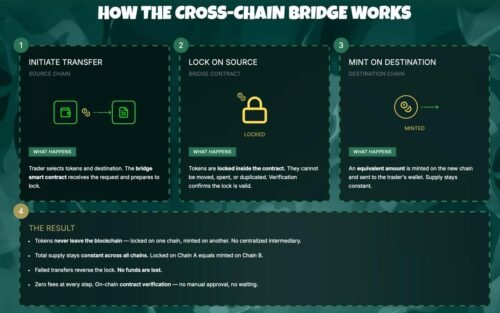
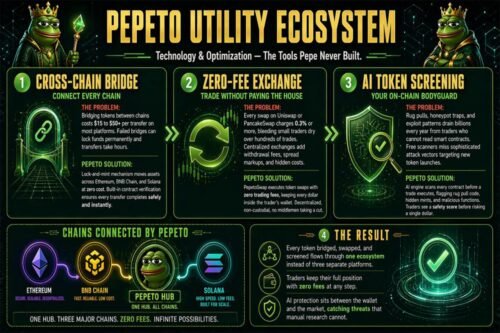
    The cofounder who created the first Pepe token built Pepeto to close the gap between meme coin returns and real trading tools. The bridge handles cross chain transfers at zero cost so money moves between networks without the gas and fees that eat into every position on competing platforms.

    The risk scorer checks contracts before a single token gets purchased, which means every trade on the marketplace starts from a verified foundation. Staking pays 177% APY right now, and every locked token grows the position while the listing gets closer.

    The price sits at $0.0000001864 with all contracts cleared by SolidProof, so the floor is audited and confirmed before a single candle prints on any chart. Pepeto is built for everyday buyers who understand what early means and act on it, not for institutions that already locked their gains last cycle.

    Nobody pays a premium or needs special access because the presale lets every wallet enter at the same number, and that equal footing disappears the moment the listing goes live. Analysts project 100x from this level because the BTC price outlook confirms the bull cycle is forming, and Pepeto sits below the level that created generational wealth for early Pepe holders.

    Bitcoin Price Prediction: BTC Consolidates Near $79,000

    Bitcoin holds near $79,000 after grinding higher from $65,000 in February, building the strongest monthly gain in a year with a 13% rise in April according to CoinDesk. Resistance sits at $79,500 and a clean break opens the path toward $85,000 to $90,000, while support layers at $75,000 and $73,500 according to Bitcoin.com.

    The Bitcoin price prediction from multiple analysts targets $100,000 before year end if BTC holds above $75,000 through the next Fed meeting. BTC gained 13% in April alone, the best monthly print since early 2025. The Bitcoin price prediction numbers point to solid growth, but from $79,000 to $100,000 the upside is roughly 25%. Pepeto at presale entry with a listing ahead carries a return gap that BTC at this price cannot match.

    Conclusion

    The Bitcoin price prediction proves the bull structure is forming, but Pepeto is where the traction lives with over $9 million raised through weeks of fear. This presale delivers a complete trading hub with zero cost transfers and contract checks that most projects never ship, and the entry at this level will not last past the listing.

    The holders who built wealth from Bitcoin all made one move, they entered while the price was still cheap enough to change their life. The same door is open right now through the Pepeto official website, where wallets lock positions before the Binance listing hits. Entering this presale is how to be early, because waiting means paying the price the early group already secured.

    Click To Visit Pepeto Website To Enter The Presale

    FAQs

    What is the latest Bitcoin price prediction?

    The Bitcoin price prediction targets $100,000 by year end, but Pepeto at presale entry carries a wider return gap with an expected listing ahead.

    How do BTC whale longs affect the outlook?

    Hyperliquid whales hold their biggest net long since March and negative funding means shorts pay longs while the squeeze builds.

    Is Pepeto worth entering before the listing?

    Over $9 million raised through fear with every contract verified by SolidProof makes the Pepeto official website where serious money enters today.

    Disclaimer:
    This article is for informational purposes only and does not constitute financial advice. Cryptocurrency investments carry risk, including total loss of capital. Readers should conduct independent research and consult licensed advisors before making any financial decisions.

    This publication is strictly informational and does not promote or solicit investment in any digital asset

    All market analysis and token data are for informational purposes only and do not constitute financial advice. Readers should conduct independent research and consult licensed advisors before investing.

    Crypto Press Release Distribution by BTCPressWire.com

  • Ethereum Price Prediction: Pepeto Presale Crosses $9M and Approaches Listing as ETH Spot ETFs Turn Bullish thumbnail

    Ethereum Price Prediction: Pepeto Presale Crosses $9M and Approaches Listing as ETH Spot ETFs Turn Bullish

    Grayscale and Bitmine staked close to $500 million in Ethereum on April 25, and that kind of capital does not move without conviction. Spot ETH ETFs flipped back to net inflows the same week, and the ETH forecast targets are climbing toward $4,000 to $5,000 as on chain data backs the shift. From the ETH outlook to presale entries analysts project at 100x, Pepeto has raised more than $9 million and sits weeks from an expected Binance listing while ETH builds its next base.

    Ethereum Price Prediction Strengthens as Institutions Stack ETH

    Spot Ethereum ETFs recorded $23.4 million in net inflows on April 25, ending a brief outflow streak according to CoinDesk. The same day, Grayscale deposited 102,400 ETH worth $237 million into staking through Coinbase Prime while Bitmine added 112,040 ETH worth $259 million according to CoinMarketCap. Nearly 39 million ETH now sits in staking contracts, a third of total supply locked away from sellers. When institutions pull supply at this pace during fear, the next move usually comes fast.

    How ETH and Pepeto Are Set for the Rally Ahead

    Pepeto

    That institutional buying raises a question about where the biggest returns will come from. Pepeto has already answered that by raising more than $9 million in presale capital while the Fear and Greed Index sat deep in fear territory for weeks.

    Most buyers understand how difficult it is to find the right entry before a listing, and how simple it is to miss the window while waiting for one more signal. The wallets loading this presale are not waiting because the pattern matches what early Ethereum holders saw before ETH first hit exchanges.

    PepetoSwap runs zero fee swaps so every dollar stays working as a position instead of bleeding out on trading costs. The bridge moves tokens between chains at zero cost, which means holders shift capital across networks faster than most centralized platforms clear a withdrawal. Staking currently pays 177% APY, and every token locked earns more while the listing clock counts down.

    The entry sits at $0.0000001864 and SolidProof verified every contract, so the foundation is audited before the first exchange candle ever prints. The cofounder shipped the original Pepe coin to a multi billion dollar market cap with zero products behind it, and Pepeto already runs a live exchange that Pepe never had.

    Nobody needs a fund size position or insider access to enter at the same price whales are paying right now, which is the one time in any cycle when retail and big money share the exact same door. Analysts project 100x from this entry because the ETH price outlook proves the market is warming up, and Pepeto sits at a starting point lower than what made early Pepe holders wealthy.

    Ethereum Price Prediction: ETH Tests Key Levels as Whales Load

    Ethereum trades near $2,350 after building higher lows from $1,840 to $2,350 since February, the first solid bullish structure in months according to Cryptopolitan. Resistance holds at $2,400 and a clean break targets $2,500 to $2,600 while support sits at $2,200. The Ethereum price prediction from Changelly puts the 2026 average near $2,430 with a ceiling around $2,775, and CoinCodex signals sit at 14 bullish against 16 bearish.

    Bitmine now holds close to 5 million ETH after adding 101,000 tokens in one week, which shows institutional conviction at current prices. The Ethereum price prediction numbers look solid for existing holders, but the upside from $2,350 to $5,000 is roughly 2x. The math from Pepeto’s presale to a single listing event carries a gap that ETH at this price cannot close.

    Conclusion

    The ETH forecast confirms institutions are loading and the trend is turning, but Pepeto is where the momentum sits with more than $9 million raised during the deepest fear of the cycle. Pepe turned a presale entry into billions with nothing behind it, and the holders who moved before the crowd confirmed it built wealth that changed their lives.

    The same cofounder now runs a project with a live exchange, the same 420 trillion supply, and an expected Binance listing weeks away. The Ethereum price prediction just proved the market is ready, and the Pepeto official website is where capital flows right now. Entering this presale is how to lock in the returns the listing will print, because missing it could be the worst skip of this cycle.

    Click To Visit Pepeto Website To Enter The Presale

    FAQs

    What is the latest Ethereum price prediction?

    The Ethereum price prediction targets $4,000 to $5,000 for 2026, but Pepeto carries stronger upside with an expected Binance listing ahead.

    How do ETH spot ETF inflows affect the outlook?

    ETH ETFs returned to net inflows on April 25, adding buying pressure that supports the bullish trend while Pepeto captures the same wave at a lower entry.

    Is Pepeto a strong presale to enter right now?

    More than $9 million raised during fear with SolidProof audits makes the Pepeto official website the entry smart wallets are choosing today.

    Disclaimer:
    This article is for informational purposes only and does not constitute financial advice. Cryptocurrency investments carry risk, including total loss of capital. Readers should conduct independent research and consult licensed advisors before making any financial decisions.

    This publication is strictly informational and does not promote or solicit investment in any digital asset

    All market analysis and token data are for informational purposes only and do not constitute financial advice. Readers should conduct independent research and consult licensed advisors before investing.

    Crypto Press Release Distribution by BTCPressWire.com

  • Best Crypto to Buy in 2026: Bitcoin Nears $80K, Solana Holds $86, and Pepeto Targets  Before Listing thumbnail

    Best Crypto to Buy in 2026: Bitcoin Nears $80K, Solana Holds $86, and Pepeto Targets Before Listing

    Bitcoin is pushing toward $80,000 after six straight days of positive ETF inflows totaling more than $1.1 billion in a single week. Strategy now holds 849,225 BTC, and the fear index climbed to 46 from extreme readings days ago. The search for the best crypto to buy in 2026 lands on that recovery, and while large caps build momentum, Pepeto has pulled in over $9 million in presale capital while the Binance listing draws closer, turning one entry into returns large caps need years to deliver.

    Bitcoin Nears $80K on Record ETF Flows as Risk Appetite Returns to Crypto

    Bitcoin trades near $79,000 after spot ETFs logged $1.1 billion in weekly net inflows, with BlackRock’s IBIT absorbing $871 million per CoinDesk. Strategy disclosed 849,225 BTC following two April purchases per CoinMarketCap.

    Tesla’s Q1 beat lifted risk assets, and BTC hit a session high of $79,532. The fear index climbed to 46 from 23 one week earlier. The rally is the strongest April since 2020, and the top crypto opportunity depends on whether capital flows into large caps already priced in or entries where one event creates the distance.

    Where Bitcoin, Solana, BNB, and Pepeto Stand as Capital Returns

    Pepeto

    That question brought more than $9 million into Pepeto while BTC holders debated whether $80,000 would hold. Every contract passed a SolidProof audit, giving buyers verified code when scam tokens drain billions. The staking pool pays 177% APY, and wallets keep locking, conviction that builds when holders expect a listing to change everything.

    The risk scorer evaluates every token contract and returns a safety grade before a trade goes through, keeping capital protected from hidden traps. PepetoSwap processes trades at zero cost, letting positions shift without fees that eat returns on bigger exchanges.

    Both tools run today, created by a former senior Binance developer and the cofounder who turned Pepe into a $7 billion token on nothing but four letters and a community.

    That history answers the best crypto to buy in 2026 question with math. Matching Pepe’s ATH from $0.0000001864 is 150x, and market watchers see 100x once the Binance listing opens. BTC at $79,000 targeting $126,000 is 1.6x. The presale delivers in one event what the largest coin needs months to reach.

    More than $9 million raised during fear proves smart money already calculated the outcome. Early holders of every major presale, from BNB at $0.15 to SOL at $0.22, all say they almost missed it and wish they put in more.

    That same signal flashes now with verified tools behind it, and the wallets entering Pepeto follow the pattern that created the largest returns in crypto. The listing removes this price permanently, and every day closer shrinks the entry window.

    Solana

    Solana trades near $86 per CoinGecko, down 71% from its $295 peak. SoFi launched business banking on Solana in April, and spot ETFs passed $1 billion in assets. Changelly projects $85 to $150 for 2026 depending on DeFi volume and risk appetite. SOL carries real adoption but needs the full market to lift it, and from $86 the upside stays capped next to a presale entry.

    BNB

    BNB trades near $622 per CoinMarketCap, steady as Binance’s token benefits from exchange dominance and burns. Changelly projects $620 to $750 for 2026. BNB is solid for stability, but new highs from $90 billion need institutional demand that has not arrived, and returns from $622 cannot match a presale to listing event.

    Conclusion

    The crypto market is building, and BTC, SOL, and BNB all stand to grow as risk appetite returns. But growth from large caps above $80,000 moves slowly. More than $9 million flowed into Pepeto during fear, following the pattern early BNB and SOL holders describe when they talk about entries they almost missed and returns they wish they sized bigger.

    The cofounder proved the math with Pepe’s $7 billion run on zero products, and forecasters see 100x. The Pepeto official website holds the presale, and sitting out while the Binance listing turns other wallets into generational wealth could be the choice that haunts the rest of this cycle.

    Click To Visit Pepeto Website To Enter The Presale

    FAQs

    What is the best crypto to buy in 2026?

    Large caps like BTC and SOL offer steady returns, but Pepeto targets 100x from one Binance listing. The best crypto to buy in 2026 depends on whether the goal is preservation or building real wealth.

    Why is Bitcoin approaching $80,000?

    Spot Bitcoin ETFs logged $1.1 billion in weekly inflows, with IBIT absorbing $871 million. Strategy holds 849,225 BTC, and risk sentiment is recovering across the full market.

    Is Pepeto a good investment before the listing?

    Pepeto raised more than $9 million during fear with a SolidProof audit and a working exchange behind it. The Pepeto official website is where the presale stands before the approaching Binance listing closes it permanently.

    Disclaimer:
    This article is for informational purposes only and does not constitute financial advice. Cryptocurrency investments carry risk, including total loss of capital. Readers should conduct independent research and consult licensed advisors before making any financial decisions.

    This publication is strictly informational and does not promote or solicit investment in any digital asset

    All market analysis and token data are for informational purposes only and do not constitute financial advice. Readers should conduct independent research and consult licensed advisors before investing.

    Crypto Press Release Distribution by BTCPressWire.com

  • New York’s Undiscovered and Affordable Neighborhood and Why Most People Are Still Not Talking About It thumbnail

    New York’s Undiscovered and Affordable Neighborhood and Why Most People Are Still Not Talking About It

    For buyers priced out of Manhattan and tired of renting, one of New York City’s most historically complex neighborhoods is offering something genuinely rare: ownership at a realistic price point, in a community that has changed more than most people realize.

    There is a particular kind of real estate opportunity that only exists when perception lags behind reality – when what people assume about a neighborhood is based on a version of it that no longer exists, and when the name still carries associations that the place itself has largely moved past. Harlem, in 2026, is one of those opportunities.

    This is not a speculative claim about what the neighborhood might become. It is an observation about what it already is, and about the gap between that reality and the image many buyers still carry when the name comes up.

    Westchester-based broker Daniel M. Berger does not typically work in New York City. His practice is rooted in Westchester County, where he has built a decade-long track record in estate sales, buyer representation, and complex transactions. He ended up with a Harlem listing through a referral from an executor in Virginia who needed someone with experience managing the full scope of an estate sale, and what he found when he got there changed his understanding of the neighborhood considerably.

    Where the Perception Comes From

    For anyone whose mental model of Harlem was formed by media coverage from the 1970s or 1980s, or by films and television that traded on that era’s imagery, the neighborhood has a fixed identity: high crime, economic abandonment, a place people left when they could.

    That version of Harlem is not the Harlem that exists today. The change has been underway for twenty years, and in many corridors it is essentially complete. The comparison that comes up most often from people who know both is Brooklyn – a borough that went through its own decades-long revival and is now considered one of the most desirable places to live in the country. People who dismissed Brooklyn in 1995 and bought anyway built substantial equity. People who waited until the narrative caught up with the reality paid considerably more.

    Harlem’s arc is similar, and in some parts it is further along than most outside observers appreciate.

    What the Neighborhood Actually Offers

    The area around 116th Street sits just north of Central Park’s northern boundary. It is walkable to green space, close to major medical centers, and anchored by Columbia University, which drives consistent housing demand. The neighborhood has developed a genuine mixed-use character: restaurants, community institutions, and residents who represent an unusually wide range of backgrounds and professions.

    Parts of the area are now informally known as Little Senegal, reflecting the substantial West African community that has shaped its commercial and cultural life over the past two decades. That depth is part of what distinguishes the neighborhood from more recently developed areas, which often have new buildings and little else. Harlem has history, architecture, community, and momentum at the same time.

    For buyers who value city living, the practical infrastructure is already in place. Proximity to hospitals makes the area well-suited for medical professionals who want a short commute. Proximity to the park makes it appealing for anyone who wants outdoor access as part of daily life. Transit connections make the rest of the city reachable without a car.

    The Ownership Case

    Renting in New York City at current rates is increasingly difficult to justify for anyone who has the option to buy. The math varies by individual circumstance, but the general dynamic is consistent: monthly rents for apartments comparable to what can be owned in Harlem often equal or exceed the carrying costs of ownership, with none of the equity accumulation.

    A two-bedroom condominium in a well-maintained converted building – with features like rooftop access, pet-friendly policies, and proximity to the park – available under $800,000 is not a price point that exists in most of Manhattan. In the West Village, the Upper West Side, or Tribeca, the equivalent product would cost two to three times as much, if it were available at all.

    The buildings themselves tell part of the story. A structure originally built in the early twentieth century and converted to condominiums in 2006 carries architectural character that new construction cannot replicate. The proportions are generous, and the construction is solid. A buyer who can look past the neighborhood’s outdated reputation to its present reality is getting something that does not exist at this price anywhere closer to Midtown.

    Who This Actually Works For

    There is no single buyer profile for a property like this, and assuming there is would be both inaccurate and unhelpful.

    First-time buyers who have been renting in the city and want to build equity without leaving New York entirely are one obvious group. The price point is accessible, the location is practical, and the path to ownership is genuinely attainable without a compromise on quality. Professionals who work in the nearby medical complex and want a home within a reasonable distance of long shifts are another. A part-time city resident who needs reliable access a few times a month but does not want to pay full Manhattan prices is a third.

    Pet owners will find that the combination of condo amenities, park access, and a walkable neighborhood is harder to replicate at this price than most people expect.

    The Broader Picture

    New York City’s housing market has no simple fix for its affordability problem. What it does have, in a handful of neighborhoods, are pockets where the gap between price and value remains meaningful because perception has not caught up with reality.

    Those gaps close – they always do, eventually. The question for any buyer is whether they want to act while the gap still exists, or wait until the narrative is comfortable and the price reflects it.

    Berger shares his observations on markets, transactions, and what he is seeing on the ground through his LinkedIn, where he posts regularly for clients and colleagues across the industry.


    About Daniel M. Berger: Daniel M. Berger is a licensed real estate broker and owner of his own brokerage, operating primarily in Westchester County, New York. He has been recognized as a top agent in New York State and Westchester County by Rate My Agent for multiple consecutive years and was named among Westchester Magazine’s top agents. He shares insights on real estate, client relationships, and market trends on LinkedIn.

    This article is based on information provided by the expert source cited above. It is intended for general informational purposes only and does not constitute legal, financial, or real estate advice. Readers should conduct their own research and consult qualified professionals before making any real estate or financial decisions.

  • Most Property Developers Won’t Tell You This: The Pre-Construction Traps Catching International Investors Off Guard thumbnail

    Most Property Developers Won’t Tell You This: The Pre-Construction Traps Catching International Investors Off Guard

    Pre-construction real estate purchases offer compelling advantages: lower entry prices compared to completed properties, ability to customize finishes and layouts, and potential appreciation during construction periods before taking possession. These benefits attract investors seeking maximum returns from international property purchases.

    However, pre-construction investments carry substantial risks that intensify when operating across borders in markets with different regulatory frameworks and consumer protections than American buyers expect.

    CHORD Real Estate, which guides American investors through international property transactions, emphasizes that understanding these risks doesn’t mean avoiding pre-construction opportunities entirely. It means conducting appropriate due diligence, structuring deals with adequate protections, and maintaining realistic expectations about timelines and potential complications. International pre-construction investment can deliver substantial returns when approached systematically with eyes wide open to potential pitfalls.

    When “Fully Funded” Doesn’t Mean What You Think

    The most fundamental pre-construction risk involves project non-completion. Developers may fail to complete projects due to financing problems, construction cost overruns, permit issues, or economic downturns. When projects don’t complete, buyers face potential loss of deposits and extended legal battles.

    This risk intensifies internationally. U.S. developers typically operate under regulations requiring separate escrow accounts for buyer deposits and bonding requirements protecting purchaser funds. International markets vary enormously in regulatory protections.

    Developer financial stability assessment becomes critical. Key evaluation factors include reviewing completed project portfolios, examining financial statements if available, and assessing government connections.

    Developers with extensive completed project histories demonstrate capability to navigate construction challenges. New developers carry higher non-completion risk regardless of how compelling their presentations appear.

    Add Two Years to Whatever Timeline They Promise

    Even developers who ultimately complete projects rarely finish on originally projected timelines. Construction delays stem from permitting issues, weather impacts, labor shortages, and material supply disruptions.

    Timeline delays prevent investors from realizing planned rental income. Buyers who made financial plans assuming possession by specific dates face disruption when projects deliver late.

    International projects often experience longer delays due to less reliable permitting timelines and inconsistent contractor performance. Buyers should add substantial buffer time to any developer timeline projections.

    Realistic timeline assessment requires looking at the developer’s historical performance rather than accepting current project promises.

    The Bait-and-Switch on Finishes and Fixtures

    Developers sometimes change specifications during construction due to material availability issues or cost pressures. These changes may range from minor fixture substitutions to significant quality reductions affecting property value.

    Purchase contracts should explicitly detail specifications including specific brand names for major fixtures, finish material types and quality grades, square footage measurements, and common area amenity specifications.

    Vague specification language like “quality fixtures” provides no protection against specification reductions. International contracts require particular attention because legal standards for acceptable specification changes vary across jurisdictions.

    Betting on a Market Three Years From Now

    Pre-construction buyers commit to purchase prices based on current market conditions but take possession years later when markets may have shifted dramatically. If local property markets decline during construction periods, buyers may face taking possession of properties worth less than purchase prices plus carrying costs during construction.

    This risk cuts both ways. Rising markets during construction create instant equity upon possession. However, buyers should structure purchases assuming downside scenarios rather than counting on continued appreciation. Stress testing whether the investment makes sense if property values remain flat or decline slightly during construction provides a more realistic risk assessment.

    Market risk intensifies when construction timelines extend beyond projections. Each additional delayed month extends market exposure and increases likelihood that market conditions at possession differ substantially from conditions at purchase contract signing.

    Currency risk adds another dimension for dollar-based buyers in non-dollar markets, though this doesn’t affect dollar-based markets like Panama. In markets with local currencies, exchange rate movements during multi-year construction periods can significantly affect effective purchase prices and investment returns for American buyers.

    Why Today’s Rental Rates Mean Nothing for Your 2027 Property

    Pre-construction buyers often project rental income based on current market rents applied to properties they’ll receive years later. This assumption ignores rental market dynamics and supply increases affecting achievable rents upon actual possession.

    New development in areas often clusters as multiple developers pursue perceived opportunities simultaneously. The resulting supply surge when multiple projects complete around the same time can depress rents below projections based on current undersupplied market conditions. Buyers should investigate the total pipeline of developments planned or under construction in target areas rather than assuming current rental rates will persist.

    Additionally, rental preferences shift over time. Unit layouts, finishes, and amenities appealing to current renters may not match preferences when properties actually become available for rental several years later. Design trends evolve, and properties delivered years after initial concept development may feel dated upon completion.

    Conservative rental projections should discount current market rates to account for potential supply increases and assume extended lease-up periods rather than immediate full occupancy. Projects delivered late into softening rental markets may require months of marketing before achieving stable occupancy.

    Where Your Deposit Actually Goes (Spoiler: Not Always Escrow)

    Understanding how developers structure project financing reveals important information about risk levels and buyer protection. Key questions include whether deposits sit in escrow accounts separated from developer operating funds, how construction financing is structured and what recourse lenders have, what percentage of units must be sold before construction commences, and whether parent companies guarantee project completion.

    Developers using buyer deposits as construction capital create situations where non-completion results in complete deposit loss with no separate funds available for refunds. Developers with inadequate construction financing may run out of capital mid-project, leaving buyers with incomplete buildings and murky legal situations.

    Strong developer financial structures include third-party escrow for deposits, construction financing from reputable lenders, completion guarantees from financially stable parent companies, and substantial developer equity investment creating aligned incentives.

    International buyers struggle to evaluate these factors without local market expertise. Working with advisors familiar with the local developer landscape and standard practices becomes essential for proper financial structure assessment.

    The Permits That Aren’t Actually Approved Yet

    Development projects require various permits and approvals that may get challenged, delayed, or denied after pre-construction sales commence. Zoning challenges, environmental reviews, utility capacity issues, and neighbor opposition can all create permit problems affecting project timelines or viability.

    Responsible developers complete all major permitting before launching sales, but some begin marketing with incomplete permit packages to generate early buyer interest and deposit capital. Buyers should verify permit status rather than accepting developer representations, specifically confirming that building permits have been issued rather than just applied for, environmental approvals are final rather than pending review, utility commitments are secured for water, sewer, and power capacity, and occupancy certificates requirements are understood and achievable.

    International permitting frameworks often differ substantially from U.S. processes. Some countries have streamlined approval processes that move quickly. Others involve lengthy bureaucratic procedures with uncertain timelines and outcomes. Understanding local permit frameworks helps set realistic timeline expectations and assess regulatory risk levels.

    Showroom vs. Reality: The Quality Gap

    Completed property quality often differs from showroom displays and marketing materials. Construction quality variations stem from contractor substitutions during construction, cost-cutting measures when budgets become stressed, supervision quality and inspection rigor, and differences between show units and actual delivered properties.

    International construction quality standards vary significantly across markets. Building codes in some countries mandate quality and safety standards comparable to U.S. requirements. Others have minimal requirements or lax enforcement of existing codes. Buyers cannot assume familiar construction quality without verification.

    Site visits during construction enable quality observation and issue identification while correction remains possible. Buyers who visit only at completion discover quality problems with limited correction leverage. Developers typically resist major correction expenses for completed buildings where fixes require significant rework.

    Professional inspection services provide valuable quality assurance, though finding qualified inspectors in international markets requires diligent research. Inspectors familiar with local construction practices but also understanding international buyer expectations provide the most valuable perspective.

    What “Clear Title” Means (Or Doesn’t) Internationally

    Clear title at possession represents another risk area where international differences create complications. Title documentation standards, registration systems, and ownership verification processes vary across countries. What constitutes a clear title in one jurisdiction may not meet that standard in another.

    Legal review by qualified local attorneys familiar with real estate transactions becomes essential but insufficient alone. Attorneys should be experienced specifically with foreign buyer transactions and aware of issues that don’t affect local buyers but create problems for international investors.

    Title insurance availability varies internationally. Some markets offer title insurance products similar to U.S. coverage. Others lack title insurance options entirely, leaving buyers without financial protection against title defects. Understanding title protection availability affects risk assessment and potentially purchase decisions.

    Getting Out Before Completion (If You Even Can)

    Pre-construction buyers should understand exit options if they need or want to sell before project completion. Some markets allow assignment of pre-construction contracts to other buyers. Others restrict or prohibit assignment. Assignment restrictions can trap buyers in positions they need to exit due to changed circumstances.

    Even where assignment is permitted, finding qualified buyers for pre-construction contracts requires time and marketing expense. Buyers should understand local assignment market dynamics and realistic timelines for contract assignments if they need to exit positions.

    Developers sometimes offer buyback provisions allowing buyers to cancel purchases with some deposit forfeiture. Understanding buyback terms and any developer discretion in accepting cancellations provides information about exit flexibility if circumstances change.

    How to Avoid Becoming a Cautionary Tale

    Investors can manage pre-construction risks through systematic approaches. Limit pre-construction allocation to a portion of overall international real estate investment rather than concentrating entirely in projects under construction. Diversify across multiple projects and developers rather than concentrating risk with single developers. Visit construction sites periodically rather than waiting for completion to verify progress and quality. Maintain adequate liquidity for timeline extensions rather than planning finances around optimistic completion projections. Work with local advisors familiar with developers and construction market dynamics.

    Additionally, favor developers with substantial completed project portfolios demonstrating execution capability. Avoid developers without proven track records regardless of compelling presentations or pricing. This conservative approach sacrifices some potential upside from newer developers offering aggressive terms but substantially reduces non-completion risk.

    When Pre-Construction Actually Makes Sense

    Despite substantial risks, pre-construction investment can deliver strong returns when approached properly. Appropriate situations include markets with robust buyer protections and regulatory frameworks, developers with strong completion track records and solid financing, purchase prices materially below completed property comparables, and investors with financial capacity to handle timeline delays and specification issues.

    Steve Luther, partner at CHORD Real Estate, has walked investors through both successful pre-construction deals and near-disasters that were caught just in time. “The difference between a great pre-construction investment and a nightmare comes down to what you see with your own eyes during construction,” he explains. “We have teams on the ground in Panama who do this all day, every day. We visit active construction sites, we know which developers actually deliver on time, we can show you the quality differences between projects. It should never be a guess.”

    For investors considering pre-construction opportunities, Luther emphasizes the value of direct evaluation: “Come to our Invest Panama Summit, May 28-30 – we have a few spots still available. You’ll tour active construction sites, see completed projects from the same developers, and meet the teams who’ll manage your investment. If you have questions about whether pre-construction fits your situation, email us and we’re happy to jump on a call and talk it through.”

    The firm’s established networks in Panama include relationships with developers, construction supervisors, and inspection professionals who provide ongoing project monitoring throughout construction phases.

    Understanding pre-construction risks enables informed decision-making rather than creating blanket avoidance. Some investors appropriately allocate to pre-construction opportunities given their risk tolerance and return requirements. Others should focus exclusively on completed properties providing immediate possession and eliminating construction risk. Matching investment approach to individual circumstances and risk capacity determines appropriate strategy.

    The Invest Panama Summit (May 28-30, 2026) offers structured access to vetted professionals, property tours, and hands-on market evaluation. Learn more and register at chordrealestate.com/investpanamasummit.

    CHORD Real Estate helps investors evaluate international real estate opportunities across the risk spectrum with comprehensive due diligence and access to vetted local development expertise.

    This article is based on information provided by the expert source cited above. It is intended for general informational purposes only and does not constitute legal, financial, or real estate advice. Readers should conduct their own research and consult qualified professionals before making any real estate or financial decisions.

  • Mountain Towns Over Major Metros: How Stayvest Thinks About Market Selection thumbnail

    Mountain Towns Over Major Metros: How Stayvest Thinks About Market Selection

    There is a version of hospitality development that starts and ends with the biggest cities on the map. Blake Dailey is not doing that version.

    Blake is the founder of Stayvest, a boutique hotel operator focused on experiential travel destinations, and his portfolio is built around places like Townsend, Tennessee and Blue Ridge, Georgia.

    Not because they are hidden gems nobody has heard of, but because they sit at the intersection of strong, consistent travel demand and the kind of natural environment that busy people genuinely need to get to. Both markets draw millions of visitors annually and sit within easy driving distance of some of the most populated metro areas in the Southeast.

    The core insight driving Stayvest’s approach is straightforward. The people who live and work in cities like Atlanta, Nashville, and Charlotte are the same people who book mountain getaways on the weekends. High-density urban living does not reduce the appetite for the outdoors. It increases it. The more someone’s week looks like back-to-back meetings and constant connectivity, the more their ideal weekend looks like the opposite.

    “When you look at leisure destination tourism, it is most prevalent just outside those major metros,” Blake says. “We are trying to cater to that busy couple, that busy professional, who wants a peaceful retreat to disconnect and reconnect.”

    Stayvest’s target markets follow a consistent set of criteria. Proximity to a large population base is non-negotiable. So is access to outdoor recreation and a natural setting that gives guests a genuine reason to unplug. The strongest markets also have enough local character – dining, wineries, guided experiences, community feel – to anchor a multi-day stay without requiring guests to travel far.

    Tremont Lodge sits in one of the most active leisure travel environments in the country. Great Smoky Mountain National Park consistently leads the nation in visitation, drawing 12 to 14 million people every year.

    Even the quieter, less commercialized side of the Smokies where Tremont is located sees close to 3 million visitors annually. Blake and his wife Nicole both have personal roots in the area, having grown up visiting the Smokies with their own families. That familiarity shaped how they approached Tremont from the start – with a clear sense of who their guest is and what that guest is actually looking for.

    Knowing the numbers is one thing. Knowing the place is another. Blake’s background as a military contract and program management officer trained him to run complex projects with precision, managing scope, budget, and timelines in environments where the margin for error is slim. That operational discipline carries directly into how Stayvest evaluates and renovates properties.

    But the market knowledge comes from being present. The Smokies are not one monolithic destination. Different towns, different elevations, different demographics, different reasons people show up. That texture only becomes visible when you spend real time in it.

    Drive-to leisure destinations also tend to demonstrate a degree of resilience that larger markets can struggle to match. Travelers may reconsider long-haul flights and luxury urban hotels when economic conditions shift, but a weekend drive to the mountains at an accessible price point often remains within reach. That dynamic tends to favor well-run boutique properties in exactly the kind of markets Stayvest focuses on.

    For Blake, the bigger opportunity in boutique hospitality is rarely in the most obvious places. It is in markets where travel demand is durable, the guest experience can be genuinely differentiated, and an operator with deep local knowledge can build something guests want to come back to. Tremont Lodge, which has exceeded its post-renovation performance benchmarks every month since reopening, reflects what that approach looks like in practice.


    About Stayvest: Stayvest is a boutique hotel acquisition and operations firm focused on transforming underutilized hospitality assets in top leisure travel destinations across the United States. Led by founder and CEO Blake Dailey, the company applies a value-add approach through elevated design, premium amenities, and a consistently excellent guest experience, managed through its in-house hospitality brand, Explorent. Blake is also the founder of Boutique Hotel Con and Hotel Launch, a mastermind community for boutique hotel operators. Learn more at stayvest.co.

    This article is based on information provided by the expert source cited above. It is intended for general informational purposes only and does not constitute legal, financial, or real estate advice. Readers should conduct their own research and consult qualified professionals before making any real estate or financial decisions.

  • ACME Real Estate’s collaboration with SERHANT. signals shift in how independent firms are adapting to industry transformation thumbnail

    ACME Real Estate’s collaboration with SERHANT. signals shift in how independent firms are adapting to industry transformation

    Courtney Poulos has spent 15 years building ACME Real Estate as a proudly independent boutique brokerage in Los Angeles, competing successfully against firms with billion-dollar backing. Now she’s making a move that reflects where she believes the industry is headed: aligning with SERHANT. in a way that preserves ACME’s identity while adding major brand resources.

    The founder and CEO of ACME x SERHANT. emphasizes this isn’t about necessity. It’s about strategic positioning for real estate’s next chapter.

    “We’re at this critical moment where we have an opportunity to lean into our already innovative business model and take it to the next level,” Poulos states.

    The Strategic Calculus

    Poulos has received and declined numerous acquisition offers over the years. What made this different was alignment on philosophy and approach.

    “We now have the ability to align with a brokerage that has the same philosophy and is very forward-thinking and edgy, not stuck in the weeds, that wants to sell really great real estate in a really creative way,” she explains.

    ACME will operate as ACME x SERHANT. maintaining its brand while gaining access to national visibility, enhanced technology platforms, and marketing resources. For a brokerage that achieved 1.72B in gross team sales in 2024 with 35 agents as ACME, the move represents scaling capabilities without abandoning culture.

    Why Visibility Matters

    Operating in Los Angeles presents unique competitive dynamics. “We are in the NFL of real estate out here,” Poulos notes. “We have some of the most expensive properties in the world.”

    In that environment, Poulos argues, visibility increasingly determines success. “The future is about visibility,” Poulos states. “This alignment provides the resources and reach to compete at the highest level while preserving the personalized, innovative approach our clients expect.”

    She points to industry developments that informed her thinking: major partnerships between brokerages and listing platforms reshaping distribution, AI-enabled tools becoming baseline expectations, and the growing importance of brand recognition in agent success.

    “The demand for SERHANT. in California made this move a natural next step,” says Ryan Serhant, the company’s founder and CEO, in an official announcement. “Agents today want to stand out, build their brand and plug into a technology platform that drives real growth. That is what we have created. We’re not expanding for the sake of it, we’re expanding because the market is demanding it.”

    Preserving Independence

    A key concern about team models is whether they create agent dependency. Poulos insists her approach maintains autonomy.

    “I still believe in the independence of the agent,” she states. “Our model doesn’t create dependency on the team lead for lead generation. We want individual agent success, with agents building their own successful businesses while benefiting from group collaboration.”

    ACME has operated with what Poulos calls “a startup mentality: never get stale, change marketing on a dime, stay innovative.” That philosophy continues under the new structure, with enhanced tools supporting rather than replacing agent independence.

    “We’re a people business, not a product business,” Poulos notes. “The platform serves the agents, who serve the clients.”

    What It Signals

    The move reflects broader trends as boutique brokerages adapt to industry transformation. Strategic alliances that preserve culture while adding resources and visibility may offer advantages that operating independently cannot match.

    Poulos sees this as creating expanded opportunities for ACME’s team. “I just want to have a platform where the agents who have so much talent and committed so much energy to their success at ACME have a space to rise into,” she explains.

    She views the collaboration as positioning ACME for continued success as real estate evolves rapidly. “The future belongs to the AI-enabled agent. The future belongs to the innovative, liberated from bureaucracy type of agent,” Poulos predicts.

    For other independent brokerage owners navigating similar decisions, ACME’s move may signal a viable path forward in an industry undergoing rapid transformation.

    “This feels like the right fit,” Poulos says, “and I think it’s where the future of real estate is headed.”

    Courtney Poulos is the Founder & CEO of ACME x SERHANT. in Los Angeles and hosts “The Clean Close” podcast covering real estate industry news and trends.


    Disclaimer: This article is intended for informational purposes only and does not constitute legal, financial, or investment advice. The views and opinions expressed herein reflect those of the individuals quoted and do not represent an endorsement of any particular company, product, or service. Readers should conduct their own due diligence and consult qualified professionals before making any investment decisions.

  • Cat Weight Management Guide: Keeping Your Tabby Healthy Through Every Life Stage


    Weight management is a lifelong consideration for cats, not just a concern when things have already gone wrong. Knowing how to read and apply a tabby cat’s weight chart at different life stages gives owners a practical framework for catching weight drift early before it becomes a health problem.

    Why Weight Drifts Without Anyone Noticing

    The gradual nature of weight change in cats is the main reason it so frequently goes unaddressed until a vet points it out. A cat gaining a quarter-pound per month doesn’t look different from week to week. Over six months, that’s 1.5 pounds, potentially a 15 percent increase in body mass for a 10-pound cat. By the time the owner notices the cat looks rounder, the cat has been overweight for a while.

    The same is true for weight loss, which can be even more insidious because long-haired cats, in particular, can lose significant body mass while their coat maintains the visual impression of a normal-sized animal. Running your hands over your cat regularly, rather than relying on visual assessment, catches these changes much earlier.

    Life Stage Weight Expectations

    Weight management looks different at different points in a cat’s life, and understanding each stage helps owners calibrate expectations and respond appropriately.

    In the kitten phase (birth to 12 months), steady weight gain is the goal. Any plateau; decline; or failure to track expected monthly gains warrants investigation. In the young adult phase (1 to 6 years), weight should stabilize and remain consistent. This is when the foundation for long-term health is established and when the habits that prevent obesity are either set or neglected.

    In the mature adult phase (7 to 10 years), gradual weight gain is a risk as metabolic rate naturally slows. Food portions that were appropriate at 2 years may be too generous at 8 years without any visible change in activity level. Annual vet weight checks at this stage are genuinely important.

    In the senior phase (11 years and older), the picture reverses. Many senior cats begin losing weight, and unexplained weight loss in a senior cat is consistently a flag for serious underlying disease. Kidney disease, hyperthyroidism, diabetes, cancer, and dental disease all cause weight loss, and all are common in older cats.

    The BCS Method Revisited

    Body condition scoring remains the most practical home assessment tool because it adjusts for individual body frame. A large-boned cat at 13 pounds with good muscle mass and accessible ribs is healthy. A small-boned cat at 10 pounds with ribs buried under fat and a pendulous belly is not, even though the absolute weight is lower.

    Practicing BCS assessment monthly takes about two minutes and builds the tactile familiarity that makes changes detectable. Once you know what your cat’s ribs feel like at a healthy weight, the shift toward inaccessibility or toward prominence registers immediately rather than accumulating gradually unnoticed.

    Overweight Cats: Why It Happens and What to Do

    Free feeding, calorie-dense food, and sedentary lifestyles are the primary drivers of feline obesity. Spaying or neutering reduces metabolic rate, making the same food that was appropriate before the procedure potentially excessive afterward. Well-meaning owners who refill food bowls immediately when empty create conditions for chronic overconsumption.

    Addressing overweight cats requires measured portions rather than free feeding, a transition to a lower-calorie or higher-protein formula if appropriate, and increased activity through play and environmental enrichment. The rate of weight loss should be slow, no more than 0.5 to 1 percent of body weight per week, to avoid the liver complications that rapid weight loss triggers in cats.

    Multi-cat households have an additional complication: ensuring that the cat who needs to lose weight isn’t simply compensating by eating the other cats’ food. Feeding stations with microchip access; timed feeders; or separate feeding rooms are practical solutions.

    Underweight Cats: Taking It Seriously

    An underweight cat always deserves veterinary attention. Unlike in humans, where being underweight sometimes reflects dietary choice, an underweight cat is almost always experiencing something that prevents adequate nutrition: dental pain, metabolic disease, parasites, stress, or structural digestive problems. The cause must be identified and addressed, not masked by simply offering more food.

    Increasing palatability of food, offering smaller, more frequent meals, warming food slightly, and transitioning to higher-calorie formulations are all approaches to supporting weight gain, but they work alongside, not instead of, identifying the underlying cause.

    Wrapping Up

    Cat weight management is not a crisis intervention; it’s a continuous practice of monitoring, adjusting, and responding to changes before they become problems. A monthly hands-on assessment, annual vet weight checks, and food portions that are measured rather than guessed, combined with a basic understanding of what healthy weight looks like at your cat’s current life stage, give you everything needed to keep weight from becoming a significant health issue.

    Explore how AI and modern technology are transforming health monitoring for pets and people. Practical insights and tools available at AI for Health  

  • Bittensor Price Prediction Eyes $724 as Pepeto Presale Draws Wallets Chasing  Before Listing thumbnail

    Bittensor Price Prediction Eyes $724 as Pepeto Presale Draws Wallets Chasing Before Listing

    The Bittensor price prediction for 2026 calls for a potential climb toward $724 while the AI token sector attracts fresh institutional interest through new ETF filings. Grayscale and Bitwise submitted spot TAO ETF applications in early April, and the SEC is expected to decide by August 2026. While TAO builds a case for regulated institutional access, Pepeto is pulling capital from wallets that already know the difference between holding a coin that needs months to double and entering a presale where the listing itself creates the return.

    Grayscale and Bitwise File Spot TAO ETF Applications as AI Tokens Draw Institutional Capital

    Grayscale and Bitwise submitted spot TAO ETF applications on April 2, with an SEC decision expected by August 2026, according to CoinGecko. Grayscale also increased its Bittensor allocation to 43.06% in its AI fund per CoinMarketCap.

    The filings signal growing institutional appetite for decentralized AI, but regulated ETF products take months to clear and even an approval channels returns through a token already trading at $247, leaving the kind of floor to ceiling gap that presale entries offer completely untouched.

    Bittensor Price Prediction and the Presale Projects Building the Next Wave

    Pepeto

    Walk into any trading group right now and the conversation always lands on the same frustration, the best entries are taken by the time most traders find them, and the tools to compete with larger wallets simply do not exist for retail.

    Pepeto changes that equation with a cross chain bridge that moves assets between blockchains without friction and a PepetoAI risk scorer that evaluates every position before capital gets committed, giving smaller traders the kind of protection that used to be reserved for desks running millions.

    With $9.2 million raised at $0.0000001865 during a market still gripped by fear, the wallets entering are not chasing hype, they are stacking positions because the SolidProof audit verified the code and the founder behind the original Pepe coin is building alongside a former Binance executive who understands exchange infrastructure from the inside.

    The meme coin sector keeps proving that projects with real tools outperform tokens running on branding alone, and a $25,000 stake earning 177% APY returns $45,500 in a year while the presale price holds below what listing day will bring.

    Every stage that fills moves the floor closer to the listing price, and the wallets buying now are locking entries that will not exist once the Binance listing opens and the market sets the price from that point forward.

    Bittensor (TAO)

    Bittensor is commanding attention that few AI tokens can match, with TAO at $247 ranked 39th at a $2.37 billion market cap. The Bittensor price prediction from Changelly targets a maximum of $724 for 2026, and dual ETF filings show institutional money is taking this network seriously per CoinGecko.

    TAO’s machine learning architecture is real, but the governance crisis from Covenant AI’s exit and $10.2 million token dump exposed centralization risks. Even with a clean recovery, TAO at $247 needs a 3x to reclaim its all time high, a return that takes months in a large cap structure.

    BlockDAG

    BlockDAG claimed over $450 million raised during its presale which closed in January 2026 at a reference price of $0.05. The project pitched a DAG powered Layer 1 with mining accessibility, but the ambition of shipping a mining app, a complete Layer 1 chain, and a decentralized exchange all at once creates execution risk that the presale marketing never addressed.

    Without a confirmed major exchange listing and with the gap between presale projections and actual post listing trading still unproven, BlockDAG remains a project where the promises ran far ahead of verifiable delivery.

    Conclusion

    The Bittensor price prediction gives TAO a genuine path toward $724, and Grayscale’s 43% allocation shows this network is earning serious institutional attention. That traction lifts the entire AI sector, but it does not change the math for anyone buying TAO at $247 and waiting months for a 3x while the same wallets that spotted TAO near $30 before it ran to $757 are already buying Pepeto, because those wallets recognize this setup better than anyone.

    The Pepeto presale at the Pepeto official website is where that same early positioning is happening now, and the Binance listing will compress this entry into a return window that large cap holding cannot deliver.

    Click To Visit Pepeto Website To Enter The Presale

    FAQs

    What is the Bittensor price prediction for 2026?

    Changelly forecasts TAO could reach a maximum of $724 in 2026, supported by Grayscale and Bitwise ETF filings and growing institutional interest in decentralized AI.

    Is Pepeto audited and safe to enter?

    Pepeto is fully audited by SolidProof with a live cross chain bridge and AI risk scorer, and the presale has drawn $9.2 million from wallets positioning before the Binance listing.

    Why are early presale entries more valuable than large cap positions?

    The Pepeto official website offers ground floor pricing that closes permanently at listing, and that gap between presale cost and listing price is where the biggest returns of any cycle are built.

    Disclaimer:
    This article is for informational purposes only and does not constitute financial advice. Cryptocurrency investments carry risk, including total loss of capital. Readers should conduct independent research and consult licensed advisors before making any financial decisions.

    This publication is strictly informational and does not promote or solicit investment in any digital asset

    All market analysis and token data are for informational purposes only and do not constitute financial advice. Readers should conduct independent research and consult licensed advisors before investing.
    Crypto Press Release Distribution by BTCPressWire.com

  • Best New Crypto to Buy Now as Pepeto Presale Races Toward Binance Listing With $9.2 Million Raised thumbnail

    Best New Crypto to Buy Now as Pepeto Presale Races Toward Binance Listing With $9.2 Million Raised

    The search for the best new crypto to buy now is heating up as over 100 firms including Coinbase and Ripple press the US Senate to advance the CLARITY Act before the legislative window closes. Regulatory clarity could unlock trillions in institutional capital, and the projects positioned to benefit most are the ones already building ahead of that wave. Pepeto has raised $9.2 million during a fear driven market, shipped a working exchange, and is approaching a Binance listing that could turn presale entries into the defining positions of this cycle.

    Over 100 Crypto Firms Urge Senate to Mark Up the CLARITY Act Before Time Runs Out

    A coalition of more than 100 crypto companies including Coinbase and Ripple called on the Senate Banking Committee to advance the CLARITY Act, the bill that would create the first federal framework for digital asset markets, according to CoinDesk. Senator Bernie Moreno set an end of May deadline on April 22, warning that failure could shelve the legislation until 2030 per crypto.news.

    The bill passed the House 294 to 134 in July 2025, but every week of delay narrows the path to a full Senate vote. For traders watching new crypto entries, the signal is clear, capital waiting on regulatory certainty is preparing to move, and the positions locked before that money arrives will look very different from the ones available after.

    Why These New Crypto Projects Are Drawing Attention in 2026

    Pepeto

    The new crypto market is flooded with projects that promise everything and ship nothing, leaving traders sorting through noise while the real entries get filled by wallets that already did the research. Pepeto stands apart because the PepetoAI risk scorer evaluates trades before capital gets committed, and the cross chain bridge moves assets between chains, giving buyers a working product before the token even lists.

    Projects that deliver tools before listing build trust that draws wallets managing real size, not just speculators hoping for a quick flip. With $9.2 million raised at $0.0000001865 and the SolidProof audit confirming every line of code, the presale is filling at a pace that reflects genuine conviction from capital entering during extreme fear.

    The person who created the original Pepe token leads this project alongside a former Binance executive who built exchange systems at the highest level, and that combination is why stages keep accelerating. The window between presale pricing and the Binance listing is where the entire opportunity lives, because once trading opens this cost basis vanishes and every buyer who follows pays more for the same token.

    Bitcoin Hyper

    Bitcoin Hyper introduces a Layer 2 framework built on Solana technology that aims to bring DeFi and staking to the Bitcoin network. The project raised $32.5 million and priced its token at $0.0138 with a planned mainnet for early 2026, but the timeline has passed without a confirmed launch.

    Building a complete Layer 2 with DeFi protocols and staking on top of Bitcoin is ambitious, and without a working mainnet or a confirmed exchange listing the presale price sits exposed to execution delays that the marketing materials did not address.

    Digitap

    Digitap is building a fintech app paired with a Visa card that lets users spend crypto on daily purchases. The $TAP token is priced around $0.043 with a target listing price of $0.14, and the project has raised roughly $4 million. The real world payments angle sounds practical, but the crypto card space is already crowded with established players, and without a confirmed exchange listing or evidence that adoption has moved beyond early users, the gap between the promise and the proof remains wide enough to keep cautious capital on the sidelines.

    Conclusion

    Every massive return in crypto started the same way. Solana launched at $0.22 and reached $294, turning $100 into over $134,000 per CoinLore data. Bittensor traded near $30 before climbing to $757, and Monero started around $2 before crossing $797. The one thing every early buyer had in common is they moved while the market doubted.

    Pepeto with $9.2 million raised, a working exchange, and a Binance listing approaching is the kind of new crypto entry built to deliver the returns that define a cycle, but the speed of this raise means the window could close without warning. The entry at the Pepeto official website is still open, and the cost of knowing about it early and still missing it is the kind of weight that stays.

    Click To Visit Pepeto Website To Enter The Presale

    FAQs

    What is the best new crypto to buy now in 2026?

    Pepeto leads the new crypto space with a live exchange, SolidProof audit, $9.2 million raised, and a Binance listing approaching that compresses presale entries into high return positions.

    Is the CLARITY Act good for new crypto projects?

    The CLARITY Act creates the first US federal framework for digital assets, giving new crypto projects the regulatory certainty needed for institutional capital to flow in.

    How does Pepeto compare to other new crypto presales?

    The Pepeto official website offers presale pricing backed by live tools and a confirmed listing path, while competing presales still lack working products or verified exchange commitments.

    Disclaimer:
    This article is for informational purposes only and does not constitute financial advice. Cryptocurrency investments carry risk, including total loss of capital. Readers should conduct independent research and consult licensed advisors before making any financial decisions.

    This publication is strictly informational and does not promote or solicit investment in any digital asset

    All market analysis and token data are for informational purposes only and do not constitute financial advice. Readers should conduct independent research and consult licensed advisors before investing.

    Crypto Press Release Distribution by BTCPressWire.com