Category: BigNewsNetwork

  • Stephen Morel, Founder of JurisDeed: Why Most Tax Lien Investors Are Chasing the Wrong Outcome


    By the end of this, you should be able to answer three questions: what you are actually buying when you buy a tax lien, why the property almost never ends up in your hands, and which single piece of work determines whether your return survives contact with the legal system.

    Most people arrive at tax lien investing because they heard a story about someone acquiring a house for the price of the back taxes. Stephen Morel says that is the wrong reason to enter the market — and the numbers back him up. Morel is a Louisiana tax-title attorney with more than two decades in property law, an appointed member of the Louisiana State Law Institute’s Tax Sales Committee — the body that co-drafted the legislative overhaul of Louisiana’s tax-sale statutes — and the founder and CEO of JurisDeed, a platform built to make tax lien investing workable for investors who aren’t institutions. After Hurricane Katrina, he created an industry-first title insurance program for tax-adjudicated property that has since returned more than 10,000 such properties to commerce with marketable, insured title.

    His framing is blunt: the property is the failure case, not the prize.

    What you are actually buying

    When a county or city issues a property tax bill, it holds a lien against that property until the bill is paid. If it goes unpaid, the government has a revenue problem, because property taxes fund police, fire, schools, and roads against a budget that was already set.

    So the county sells the lien. Investors bid; the winner pays the delinquent amount; the county books the revenue it was counting on, and the lien passes from the government to a private holder. You now hold paper secured by real estate, and it accrues interest at a rate set by state law.

    That paper generally sits in first position — senior to the mortgage and to most other creditors attached to the property. “Nothing is a higher priority than the tax lien,” Morel says, “because you know what that money is going towards.”

    Decision rule: if your investment model depends on ending up with the deed, you are modeling the exception rather than the outcome.

    The redemption clock is where the return lives

    After the sale, there is a mandatory waiting period before any foreclosure action is possible. It runs from roughly six months to three years depending on the state. During that window, the homeowner, an heir, a relative, or a mortgage servicer can pay off the debt with interest, and the county typically administers the payoff and forwards the proceeds to the lien holder.

    Industry estimates put redemption at roughly 95 percent or more of liens nationwide, with completed foreclosures in the low single digits. What reaches foreclosure is generally what you would expect: truly abandoned structures and vacant land.

    The interest or penalty rate that accrues during the redemption window is fixed by statute, and those statutory rates vary widely by state — from mid-single digits in some jurisdictions to the high teens in others. Morel is careful about a distinction new investors miss: a statutory rate is the law’s sticker price on redemption, not a promised return. The return you receive depends on which state you buy in, when the lien redeems, and whether you stayed in compliance while it aged. He also describes the most common way investors realize that return: “You could just sit back and literally do nothing and then all of a sudden check shows up.”

    Before you bid, check the redemption period length and the statutory interest treatment in that specific state. Those two variables set your timeline and your yield before you have made a single decision.

    The distinction that catches new investors

    Not every state sells liens. Some hold the delinquency internally for a longer stretch, run their own collection process, then auction the property itself rather than the debt. That is a tax deed. It typically transfers with limited or no warranties, leaving the buyer with clouded title that may require curative or quiet-title work before it’s insurable.

    The key distinction: in a lien state, you are buying a debt instrument with a redemption clock. In a deed state, you are buying real property with title work in front of you, not behind you.

    Know which one you are bidding into before you wire funds. They are not variations on the same transaction.

    The work that protects the return

    Holding the lien is passive. Staying in compliance is not.

    Most jurisdictions require the lien holder to send legal notices to the property owner and any other interested parties, and the standard for how hard you must try to find those people comes down from constitutional due process. You cannot take someone’s property without a documented effort to notify them.

    “This is not direct mail marketing,” Morel says. “You have to get it right, and you have to prove you did it.”

    The most common mistake is treating that step as paperwork. Investors who skip the research find out later, when a suit lands seeking to nullify the tax sale, that the answer was available before they bid. Morel cites two versions he sees repeatedly: a property that had already been through multiple lawsuits before the investor bought into it, and an owner who died before the sale, leaving an heir who now has standing and a grievance. Both are discoverable in advance. Neither is discoverable after.

    If you cannot answer who currently has an ownership interest in the property and where they can be served, you are not ready to bid on it.

    Who this actually fits

    Institutional buyers take the majority of the market annually — roughly four-fifths of tax lien certificates, by industry-group estimates — deploying anywhere from tens to hundreds of millions of dollars. Morel puts total annual investor spend on delinquent property debt nationwide in the six-to-eight-billion-dollar range. Everyone else competes for the remainder, usually inside one state or one region they know well.

    That regional familiarity is a real edge. What smaller investors lack is scale, and the compliance costs that institutions absorb across thousands of liens land hard on a portfolio of a few dozen.

    There is also, today, no organized secondary market for unredeemed liens, which limits the exit.

    That gap is the problem JurisDeed was built around. Morel founded the company in 2020, and it is now bringing into beta what it describes as the first AI-driven platform for nationwide delinquent property debt investing — handling the state-by-state variation, the notice work, and the compliance sequence, with a network of attorneys available if a lien reaches foreclosure.

    Investors can still bring their own counsel. The stated goal is consumer-fintech simple: tax lien investing for the rest of us, with the power of the pros, without the need to be one. Investors can request early access at JurisDeed’s site.

    The reframe Morel wants investors to carry into it is the same one the data supports. You are buying an interest-bearing instrument in first position, and the property is what happens when the instrument fails to perform.
  • What Is Local SEO and How Does It Help Local Businesses?


    Every day, people search Google for local shops and services. They look for plumbers, roofers, HVAC companies, and auto repair shops near them. If your business does not show up, you may lose those customers to other local firms. This is why local SEO matters for small businesses.

    Local SEO helps your business appear in Google Search and Google Maps when people nearby need your services. It makes it easier for customers to find your website, check your reviews, and call your team. A strong local SEO strategy can bring more leads, more calls, and more chances to grow your business.

    At FMS Online Marketing, we help service-based businesses build a strong local online presence. Our team brings over 17 years of SEO experience to the work. We help HVAC, roofing, plumbing, auto repair, and home service companies reach more people across the Phoenix area.

    What Is Local SEO?

    Local SEO, or local search engine optimization, is the process of making your business easier to find in local search results. It helps Google connect your business with people who need your services in a certain city or area. This includes searches with city names and terms such as “near me.”

    For example, a homeowner may search for “AC repair in Phoenix” or “plumber near me.” Google then shows local businesses that may meet that need. With good local SEO, your business has a better chance of showing up in those results. This can help customers find you at the time they need your help.

    Local SEO is not the same as regular SEO. Regular SEO can help a website reach people from many places. Local SEO focuses on people in your service area. It is a good fit for firms that depend on local calls, visits, and booked jobs.

    How Does Local SEO Work?

    Google uses several factors to choose which businesses appear in local search results. The three main factors are relevance, distance, and prominence. These factors help Google find businesses that match what a person needs.

    Relevance means how well your business matches the search. Distance looks at how close your business is to the searcher’s location or the area they named. Prominence reflects how well-known a business is, based in part on reviews, links, and other signs of trust. These are the main factors in Google’s current local ranking guidance.

    Google Maps and the Local Map Pack

    When people search for a local service, Google may show a map with several business listings. This group of results is often called the Google Local Map Pack. It may show business names, reviews, phone numbers, and other key details.

    For a small business, appearing in these results can be helpful. Customers can check your business and contact you without much effort. A well-managed Google Business Profile helps Google understand your services and gives customers the facts they need. No agency can promise a top map ranking, but a sound local SEO plan can improve your chances.

    Why Is Local SEO Important for Local Businesses?

    Local SEO helps you reach customers who are already looking for your services. These people often have a clear need and may be ready to call or book a job. A roofing company, for example, can benefit when a homeowner searches for roof repair after a storm.

    One of the main benefits is better local visibility. When your business appears in useful searches, more people can learn about your services. This can lead to more website visits, phone calls, quote requests, and booked jobs. It also helps you connect with people in the areas where you want to grow.

    Local SEO can help small firms compete with larger companies. You do not always need a huge ad budget to build a strong presence in local search. A helpful website, accurate business details, and real customer reviews can help you stand out. The goal is to build trust and make it easy for people to choose your business.

    Local SEO can also support long-term growth. Paid ads stop bringing traffic when you stop paying for them. Local SEO work can keep helping your site earn visits after the first changes are made. It still needs care, updates, and steady work as your market changes.

    What Are the Main Parts of a Good Local SEO Strategy?

    A good local SEO strategy covers more than one part of your online presence. Your website, Google Business Profile, local service pages, and customer reviews should work together. Each part helps people find your business and learn what you offer.

    Google Business Profile Optimization

    A Google Business Profile is a free listing that helps your business appear in Google Search and Maps. It can show your phone number, services, hours, website, photos, and reviews. Keeping this listing accurate makes it easier for customers to get in touch.

    Choose the business category that best fits your work. Add your correct contact details and service areas. Use real photos that show your team, shop, or past work. Google also recommends keeping business information complete and replying to customer reviews.

    Local Keywords and Service Pages

    Local keywords are words people use to find services in a set area. They may include a service, a city, or both. Terms such as “Phoenix HVAC repair,” “roofing company Glendale AZ,” and “plumber in Surprise AZ” show clear local search intent.

    Your website should use these terms where they fit. A page about AC repair should explain the service, the areas you serve, and how customers can book help. Each page should give useful facts rather than repeat the same keywords again and again.

    Local Citations and Customer Reviews

    Local citations are online mentions of your business name, address, and phone number. They can appear on business directories, local sites, and other trusted platforms. Keeping your details correct helps customers reach the right business.

    Customer reviews are also a key part of local trust. People want to know how past customers felt about your work. Ask real customers for honest feedback and reply in a kind, professional way. Google does not allow rewards in exchange for reviews, so keep your review requests fair and genuine.

    Website Speed and Mobile-Friendly Design

    Many people search for local services on their phones. If your website is slow or hard to use, visitors may leave before they call. A fast, clear website can help turn more of those visits into leads.

    Make sure people can find your phone number with ease. Keep your service pages simple and your contact forms short. Your site should also have clear headings and useful answers to common questions. These steps help both visitors and search engines understand your pages.

    How Can Local SEO Help Phoenix-Area Service Businesses?

    Phoenix and its nearby cities have many local service providers. People in Glendale, Peoria, Surprise, Goodyear, Waddell, and other parts of the metro area search for help each day. Local SEO helps businesses reach those people with service pages and business details that match their needs.

    For HVAC companies, local SEO can help customers find AC repair, heating repair, and system maintenance services. A homeowner with a broken AC unit may need help fast. If your company appears in local search and has clear contact details, that person may be more likely to call.

    Roofing companies can use local SEO to reach people looking for roof leaks, roof repair, and roof replacement. Plumbing firms can target searches for drain cleaning, water heater repair, and pipe leaks. Auto repair shops can focus on brake repair, engine service, and car maintenance in their local markets.

    At FMS Online Marketing, we build local SEO plans around the needs of each business. A plumber does not have the same customers as a roofing contractor. We focus on the right services, locations, and search terms so each business can reach people who are more likely to need its work.

    How Long Does Local SEO Take to Show Results?

    Local SEO is not a one-day fix. The time it takes depends on your market, your website, and how much work your business needs. A company with an old website and weak local listings may need more work than a business with a solid online presence.

    Some changes can help customers right away. For example, fixing a wrong phone number makes it easier for people to call. Better search rankings may take weeks or months. FMS Online Marketing notes that some businesses begin to see positive movement within 60 to 90 days, though others may take longer.


    FMS Online Marketing

    You should track more than rankings when you review your results. Look at phone calls, website leads, quote requests, and booked jobs. These figures can show whether your SEO work is reaching the right people. A good plan should help your business grow, not just bring more website traffic.

    How Do You Choose the Right Local SEO Agency?

    The right SEO agency should take time to learn about your business. It should ask about your services, target cities, past results, and growth goals. A plan that works for an HVAC firm may not be right for an auto repair shop.

    Look for an agency with hands-on local SEO experience and a clear way to track progress. Ask how it works on Google Business Profiles, service pages, local rankings, and customer leads. Be careful with firms that promise the number one spot on Google, since no one can guarantee that result.

    FMS Online Marketing has served businesses since 2012 and brings more than 17 years of SEO experience to its local search work. We focus on custom plans for service-based businesses instead of using the same approach for every client. Our goal is to help businesses get found, earn trust, and bring in more qualified leads.

    Frequently Asked Questions About Local SEO

    1. What is local SEO in simple terms?

    Local SEO helps your business show up when people nearby search for your products or services. It focuses on Google Search, Google Maps, local keywords, and your business details. It helps people in your service area find and contact you.

    2. Is local SEO worth it for small businesses?

    Yes, local SEO can help small businesses reach people who need their services. It can bring more local website visits, calls, and quote requests. It is most useful for firms that serve customers in a set city or area.

    3. Can local SEO help my business rank on Google Maps?

    Yes. Local SEO includes work that can improve your Google Maps visibility. This may include updates to your Google Business Profile, customer reviews, and business information. Results depend on your location, competition, and how well your business matches each search.

    4. How much does local SEO cost?

    Local SEO costs vary based on your business, location, and goals. A small firm that serves one town may need less work than a company that serves many cities. The best way to plan your budget is to request a clear SEO plan based on your needs.

    5. Do I need local SEO if I already have a website?

    Yes, a website alone does not mean local customers will find it. Local SEO helps your site appear for searches tied to your services and location. It also helps connect your website with your Google Business Profile and local online presence.

    Conclusion: Grow Your Local Business With FMS Online Marketing

    Local SEO helps people find your business when they need your services. It can improve your presence in Google Search and Google Maps, build trust with customers, and bring more chances to win local jobs. For HVAC, roofing, plumbing, auto repair, and home service companies, this can make a real difference.

    At FMS Online Marketing, we help local businesses build a stronger presence online. With over 17 years of SEO experience, we know how to plan local search work that fits each business. We focus on clear goals, useful content, and long-term growth.

    If you want more people in the Phoenix area to find your services, we are ready to help you take the next step. Contact our team to talk about your website, local rankings, and business goals.

    Ready to get more local calls and leads? Contact FMS Online Marketing today.


  • Arizona Turf Depot: How to Choose the Right Artificial Turf for Your Yard


    Choosing artificial turf is a big decision. The right turf can make your yard look clean, green, and easy to care for. But not every turf product is made for the same use.

    Arizona Turf Depot helps homeowners and businesses find synthetic grass for many types of outdoor spaces. Options can include lawn turf, putting greens, playground turf, pool areas, sports fields, and more.

    If you are planning a new yard in Arizona, start by thinking about how you will use the space. Then choose turf based on traffic, look, comfort, drainage, and care needs.

    Start With How You Will Use Your Yard

    The best artificial turf depends on the job it needs to do. A quiet front yard does not need the same turf as a busy play area or sports field.

    For a home lawn, you may want turf that feels soft and looks like real grass. If kids will use the yard, comfort and strength may matter more. A pet area may need good drainage and turf that is easy to clean.

    Putting greens need a different type of turf. They are made to support a smooth ball roll. Pool areas may need good drainage and a surface that works well around water.

    Before you shop, think about who will use the yard and how often. This simple step can help you avoid buying turf that does not fit your needs.

    Choose a Turf Look That Fits Your Home

    Artificial grass comes in many looks. Some products have a short, neat style. Others have longer blades that give a fuller lawn look.

    Think about the style of your home and yard. A clean, short turf can work well with a modern landscape. A fuller turf may give a more natural lawn feel.

    Color also matters. Look for turf with a natural mix of green shades instead of one flat color. A good blend can help the grass look more like a real lawn.

    Arizona Turf Depot offers synthetic grass for many outdoor uses, so you can compare options based on the look you want.

    Think About Foot Traffic

    Foot traffic is another key point. A yard that gets little use may not need the same level of strength as a busy family lawn.

    If your yard will have people walking, running, playing, or moving furniture across it, look for turf made for regular use. A strong product can help the surface keep its shape over time.

    For playgrounds and sports areas, the turf must match the needs of the space. These areas may need a product designed for active use.

    Ask about the intended use before choosing a product. This can help you find turf that fits both your space and your daily needs.

    Check Drainage Before You Buy

    Drainage is very important for artificial turf. Water needs a clear path away from the surface.

    This matters even more in areas that may get heavy water flow or frequent cleaning. Pool surrounds and pet areas also need good drainage.

    The ground below the turf is part of the drainage system too. A good turf project needs the right base and proper installation. Poor drainage can lead to water that stays under or around the turf.

    If you are not sure what your yard needs, talk with an artificial turf supplier before starting the project. They can help you understand the turf, base, and drainage needs for your space.

    Consider Pets, Kids, and Daily Use

    A family yard often needs to handle more than just foot traffic. Kids may run and play on the grass. Pets may use the area every day.

    For pet spaces, think about drainage and cleaning. For play areas, think about comfort and durability. For a general lawn, you may want a balance of a natural look, soft feel, and easy care.

    There is no single artificial turf that is perfect for every yard. Your daily use should guide your choice.

    This is one reason it helps to visit a showroom when possible. Seeing and touching different turf samples can make the choice much easier.

    Visit Arizona Turf Depot Showrooms

    Arizona Turf Depot serves customers across Arizona and has showroom locations in Peoria and Mesa.

    The Peoria showroom is located at 14131 N. Rio Vista Blvd, Ste. #9, Peoria, AZ 85381. Customers in the East Valley can visit the Mesa showroom at 7645 E Ray Road, Suite 101, Mesa, AZ 85212.

    A showroom visit gives you a chance to compare turf styles in person. You can look at blade height, color, texture, and overall appearance before making a choice.

    Arizona Turf Depot also serves customers beyond its local showroom areas and provides nationwide shipping.

    Compare Turf With the Full Project in Mind

    The turf itself is only one part of an artificial grass project. You should also think about the base, installation, drainage, edging, and other materials that may be needed.

    A low-cost turf product may not be the best choice if it does not fit your space. At the same time, you do not need to choose the most expensive option simply because it costs more.

    Start with your needs. Then compare products that meet those needs.

    For example, a small decorative area may have different needs from a large backyard. A putting green needs different turf from a family lawn. A commercial space may need a product suited to much heavier use.

    A clear plan can help you spend money where it matters most.

    Why Arizona Turf Depot Can Help

    Arizona yards have their own landscaping needs. Homeowners often want a green outdoor space without the regular mowing and watering that comes with natural grass.

    Arizona Turf Depot is an artificial turf and landscaping supplier serving residential and commercial customers. Its product range includes synthetic grass for lawns, putting greens, playgrounds, pool surrounds, athletic fields, and other landscape projects.

    The company also offers Phoenix pavers and turf accessories.

    With showrooms in Peoria and Mesa, Arizona Turf Depot gives local customers a place to explore turf options. The company also serves customers throughout Arizona and offers nationwide shipping.

    For questions, customers can contact Arizona Turf Depot at info@arizonaturfdepot.com. The Peoria showroom can be reached at (623) 388-3389, while the Mesa showroom can be reached at (480) 690-5591.

    Frequently Asked Questions

    What is the best artificial turf for a home yard?

    The best turf depends on how you use your yard. Consider foot traffic, pets, children, drainage, appearance, and comfort. A turf supplier can help you compare products for your specific space.

    Is artificial turf good for Arizona yards?

    Artificial turf can be a useful option for Arizona landscapes. It provides a green lawn look without the routine mowing needed for natural grass. The right product and proper installation are important for good long-term results.

    How do I choose artificial turf for pets?

    For pet areas, pay close attention to drainage, cleaning, durability, and daily use. A turf product made for regular pet use may be a better choice than turf designed mainly for decoration.

    Where can I see artificial turf in Arizona?

    Arizona Turf Depot has showroom locations in Peoria and Mesa. Visiting a showroom can help you compare turf samples and find an option that fits your yard.

    Does Arizona Turf Depot ship artificial turf?

    Arizona Turf Depot serves customers throughout Arizona and provides nationwide shipping. Contact the company directly for current shipping details and product availability.

    Choose the Right Turf With Confidence

    The right artificial turf starts with your yard, not a product label. Think about how you will use the space, how much traffic it will get, how it should look, and how water will drain.

    If you are comparing artificial grass in Arizona, Arizona Turf Depot can help you explore options for lawns, putting greens, playgrounds, pool areas, sports spaces, and other projects.

    Visit the Peoria or Mesa showroom to compare your options, or contact Arizona Turf Depot at (623) 388-3389, (480) 690-5591, or info@arizonaturfdepot.com to discuss your project.


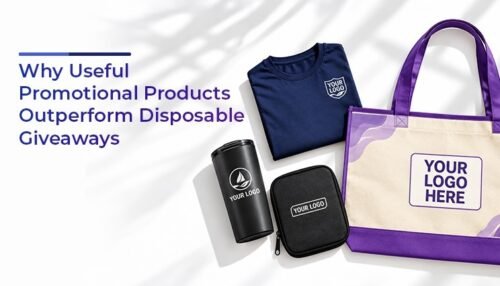
  • Why Useful Promotional Products Outperform Disposable Giveaways thumbnail

    Why Useful Promotional Products Outperform Disposable Giveaways

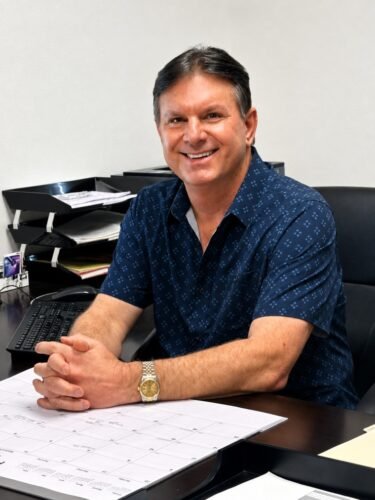
    Authored by Dave Sarro founder and CEO of Promo Direct

    A promotional giveaway can make a good first impression, but what happens after the event is often more important. If an item ends up in a drawer or the trash a few days later, the opportunity to keep a brand visible goes with it. Consumers seem to recognize that difference. According to PPAI’s 2026 Product Power research, 65% of consumers are very likely to keep a branded item for six months or longer. For businesses, that’s a good reason to look beyond the quick giveaway and choose useful promotional products that have a place in someone’s everyday life.

    Giveaways have a shelf life too

    Not all promotional items have the same staying power. A novelty item might get a laugh at a trade show or company event, but its appeal can disappear almost as quickly as the event itself.

    Think about the difference between receiving a custom stress toy and receiving a quality water bottle. Both might attract attention at first. But one may end up forgotten in a drawer while the other could be used every day.

    That doesn’t mean every giveaway needs to be expensive or elaborate. It simply needs to offer something people can use.

    Start with everyday usefulness

    The easiest way to find a strong promotional product is to think about what people already use throughout the day. Some practical choices include:

    • Drinkware such as tumblers, water bottles, and travel mugs
    • Bags and totes for work, shopping, or travel
    • Apparel that people would actually want to wear
    • Office essentials such as notebooks, pens, and desk accessories
    • Tech accessories that solve a small everyday problem

    These items don’t have to be flashy. Their value comes from being useful in everyday life.

    For promotional products for businesses, this can be especially valuable. A customer who uses a promotional tumbler every morning or carries a branded tote to the store sees the company’s name repeatedly without feeling like they’re being marketed to.

    Useful doesn’t mean boring

    Practical products don’t have to look plain. A useful item can still have an interesting design, a clever message, a seasonal touch, or a finish that makes it feel a little more special.

    A simple tote can stand out with a well-designed graphic. A standard tumbler can feel more distinctive with a modern finish and tasteful branding. Even an everyday notebook can feel more premium with quality paper and a thoughtful cover.

    The product still has a job to do. It just doesn’t have to look like office supplies.

    Think about tomorrow, not just the event

    It’s easy to judge a giveaway by the moment it is handed out. Does it look good on the display table? Will people stop to pick it up? Does it fit the theme of the event?

    Those questions matter, but there’s another one worth asking:

    What will the recipient do with it tomorrow?

    That simple question can lead to better product choices. Instead of focusing only on what looks impressive at the event, consider whether the item has a place in someone’s home, car, office, gym bag, or daily routine.

    The longer an item remains useful, the more opportunities there are for the brand to be seen.

    Quality makes a difference

    A useful item doesn’t have to be expensive, but quality still matters. Nobody wants a water bottle that leaks, a pen that stops writing, or a bag that tears after two uses.

    When choosing promotional products, consider:

    • How often the item is likely to be used
    • Whether it feels comfortable and durable
    • Whether the design is something people would actually carry or wear
    • Whether it fits the audience and the occasion

    A product that works well can leave a better impression than a more elaborate giveaway that doesn’t.

    Choose something that fits the audience

    The best promotional item isn’t necessarily the most popular one. It’s the one that makes sense for the people receiving it.

    A fitness business might find that gym towels or water bottles are a natural fit. A technology company could choose charging accessories or laptop-related products. A real estate company might consider home, travel, or organization-focused items. A school or nonprofit may prefer practical products families can use every day.

    Choosing with the audience in mind also keeps a campaign from feeling generic. When recipients can immediately see how an item fits into their lives, they’re more likely to use it.

    Fewer good items can beat more forgettable ones

    There’s also a case for being selective.

    Handing out hundreds of inexpensive items may create a busy trade show table, but that doesn’t necessarily mean the campaign made an impression. Sometimes a smaller number of well-chosen promotional items can have more value.

    A business might give a useful item to customers who visit a booth, employees who participate in an event, or attendees who complete a particular activity. It becomes something people appreciate instead of just another freebie.

    Make the product earn its place

    The best promotional products don’t need to compete for attention forever. They simply need to earn a place in someone’s everyday life.

    A bag that gets carried to work. A tumbler that stays on a desk. A sweatshirt that becomes a favorite. A notebook that lives beside a laptop.

    Those ordinary moments are where a promotional product can quietly do its job. Instead of being remembered as another giveaway from an event, it becomes something the recipient reaches for because it is useful.

    For businesses choosing their next promotional giveaways, there’s a simple test worth asking: Would someone still want this if the logo weren’t on it? If the answer is yes, you’re probably on the right track.

    About Dave Sarro

    Dave Sarro is the founder and CEO of Promo Direct, a Nevada-based promotional products company he founded in 1991. With a strong focus on innovation, technology, e-commerce, and customer experience, Dave has guided the company’s growth and evolution for more than three decades. His entrepreneurial leadership has earned him recognition as one of Nevada Business Magazine’s 20/20 Visionaries.

  • New State Flood Studies Put High Peaks Homes Near Rivers Under Closer Scrutiny

    New York’s latest flood studies for the Ausable and Boquet river watersheds name Keene, Wilmington and several hamlets in Jay among the highest-risk areas in the region. The findings arrive as buyers in the High Peaks are already raising flood exposure before they agree to see a house.

    What the studies found

    The Ausable River study, part of the state Department of Environmental Conservation’s Resilient NY program, identified seven high-risk areas. They include the towns of Keene, Wilmington and North Elba, Au Sable Forks, and the hamlets of North Jay, Jay and Upper Jay.

    The study points to several drivers: snowmelt worsened by rain and ice jams, short and intense storms, and long tropical systems. Steep tributaries also carry debris and sediment that can choke undersized road crossings.

    The report lists 24 recommendations. Among them are replacing crossings on NY-73 in Keene and Keene Valley and, at the basin level, buying out flood-prone properties and floodproofing others. A companion study covers the Boquet, a steep river that runs from the High Peaks Wilderness to Lake Champlain.

    Buyers ask first

    For many buyers, the flood question now comes up before a showing is booked. Chase Jermano, broker at Tina Leonard Real Estate, traces the shift to Tropical Storm Irene in 2011 and to flood coverage from other parts of the country.

    “If I see a river or a brook near a house, I’ll ask right away whether the owner carries flood insurance,” Jermano said. When the answer is yes, some buyers drop the property from their list on the spot, citing the added cost and worry.

    Ice jams in Jay

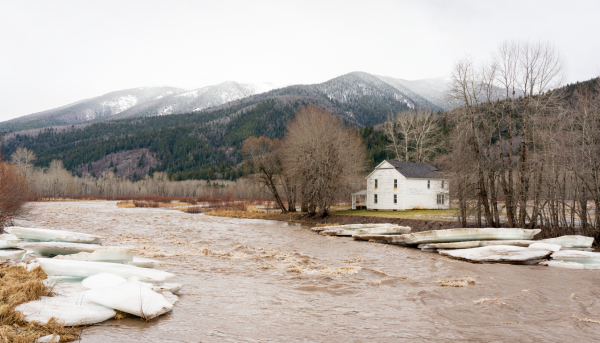
    The risk is uneven across the region. Along stretches of the Ausable in Jay, ice jams form most winters and push water onto roads and into nearby homes.

    Jermano described showing a house in that area where he recognized white mineral deposits on the basement walls, known as efflorescence, as a sign of past water and urged a thorough inspection. That inspection found that a flood had filled the basement and risen about a foot into the living space.

    Checks before an offer

    FEMA flood maps are the usual starting point, but they often lack detail in this part of the state. “I feel like the maps are dated, or they just don’t have the data,” Jermano said.

    New York’s seller disclosure form now asks whether a property sits in a 100-year or 500-year flood zone. If the form is silent, buyers can ask directly about flood insurance and any history of water in the home.

    Calling an insurance agent before making an offer can show whether coverage will be required and what it costs. An inspector can then look for signs of past water, such as staining or efflorescence in the foundation.

    Effect on price

    Flood exposure is already showing up in sale prices. Homes on well-sited waterfront or brookside lots can still command more. Low-lying homes without protections such as French drains or sump pumps face a harder sale.

    “If the home’s not sitting high enough, the owner is going to have to adjust their price to reflect that,” Jermano said. Some owners in mapped flood zones have also received federally funded buyout offers, which typically end with the house being removed.

    As towns compete for state funding to carry out the study’s recommendations, which crossings get rebuilt first may shape how buyers judge individual streets along these rivers.

    About the Expert
    Chase Jermano is a broker at Tina Leonard Real Estate, serving buyers and sellers in Lake Placid, Saranac Lake, Keene, Tupper Lake and the surrounding Adirondack region of New York. tinaleonardrealestate.com

    This article is based on information provided by the expert source cited above. It is intended for general informational purposes only and does not constitute legal, financial, or real estate advice. Readers should conduct their own research and consult qualified professionals before making any real estate or financial decisions.

  • How to Find a Trusted Auto Repair Shop Near Me for Transmission Issues

    Finding a reliable auto repair shop near me can be stressful, especially when your vehicle has transmission problems. The transmission is one of the most important parts of your car, truck, or SUV. When it starts to fail, choosing the right repair shop can save you time, money, and future problems.

    Many drivers search online for a “transmission repair shop near me” when they notice slipping gears, strange noises, delayed shifting, or warning lights. However, not every repair shop has the experience or tools needed to handle transmission work. Knowing what to look for can help you choose a trusted local expert.

    For drivers in Glendale, Arizona, Pro-Tech Transmissions: Glendale Transmission Repair Shop provides professional transmission repair services, diagnostics, rebuilding, replacement, differential repair, transfer case service, and minor auto repairs. The team helps customers throughout Glendale and nearby West Valley communities with honest service and expert solutions.

    Look for a Shop That Specializes in Transmission Repair

    When searching for an auto repair shop near me, experience matters. Transmission systems are complex and require special knowledge. A general mechanic may handle basic repairs, but transmission problems often need advanced testing and repair skills.

    A trusted transmission shop should offer services such as:

    • Transmission diagnostics
    • Transmission repair
    • Transmission rebuilding
    • Transmission replacement
    • Automatic and manual transmission service
    • Differential repair
    • Transfer case repair

    A shop that focuses on transmissions understands common problems and can identify the real cause instead of replacing parts unnecessarily.

    At Pro-Tech Transmissions: Glendale Transmission Repair Shop, technicians specialize in transmission services and use diagnostic tools to help find problems before recommending repairs.

    Check Reviews and Local Reputation Before Choosing a Repair Shop

    Online reviews are one of the easiest ways to learn about an auto repair business. Before choosing a shop, check what local customers say about their experience.

    Look for reviews that mention:

    • Honest pricing
    • Quality repairs
    • Friendly service
    • Clear communication
    • Accurate diagnosis
    • Work completed on time

    A good auto repair shop near me should have a strong reputation in the local community. Pay attention to detailed reviews because they often provide more useful information than simple star ratings.

    Local experience also matters. A shop that has served Glendale and nearby areas understands the needs of local drivers and builds its reputation through repeat customers.

    Choose a Repair Shop That Offers Proper Diagnostics

    Transmission issues can have many causes. A problem that feels like a major transmission failure may sometimes be caused by fluid issues, electrical problems, sensors, or other smaller components.

    A trusted repair shop should perform a proper inspection before suggesting expensive repairs.

    Common transmission warning signs include:

    • Delayed gear changes
    • Slipping while driving
    • Grinding or shaking
    • Burning smells
    • Leaking transmission fluid
    • Check engine light
    • Trouble shifting gears

    A professional diagnostic process helps prevent unnecessary repairs. At Pro-Tech Transmissions, customers can receive free external computer diagnostics to help identify possible transmission problems.

    Ask About Experience, Warranty, and Repair Options

    Before approving any repair, ask the shop important questions. A professional repair business should be willing to explain the problem and your available options.

    Questions you can ask include:

    • What caused the transmission problem?
    • Do I need a repair or full replacement?
    • How long will the repair take?
    • Is there a warranty on the service?
    • What parts will be used?

    A trustworthy mechanic will explain the work in simple terms. They should not pressure you into making a quick decision without understanding the repair.

    Avoid Auto Repair Shops That Offer Extremely Low Prices

    Price is important, but the cheapest option is not always the best choice. Transmission repairs require skilled work, quality parts, and proper testing.

    A very low estimate may mean:

    • Poor-quality parts
    • Limited warranty coverage
    • Incomplete repairs
    • Hidden fees later

    Instead of choosing only based on price, compare value. A reliable auto repair shop near me should provide fair pricing, quality workmanship, and honest recommendations.

    The right repair can prevent repeated visits and help protect your vehicle investment.

    Choose a Convenient Local Transmission Repair Shop

    Location is another important factor when selecting an auto repair shop. A nearby business makes it easier to schedule inspections, drop off your vehicle, and return for follow-up service if needed.

    For Glendale drivers, choosing a local transmission specialist means getting help from a shop familiar with the community.

    Pro-Tech Transmissions: Glendale Transmission Repair Shop is located at:

    5408 W. Camelback Rd #2
    Glendale, AZ 85301

    The shop proudly serves Glendale and surrounding West Valley areas with transmission repair and automotive services.

    Look for Honest Communication and Customer Service

    A trusted mechanic does more than fix vehicles. They help customers understand what is happening with their car.

    Good customer service includes:

    • Explaining problems clearly
    • Providing honest recommendations
    • Answering questions
    • Giving accurate repair estimates
    • Keeping customers updated

    Vehicle repairs can be stressful, especially when transmission problems appear suddenly. A repair shop that communicates well helps customers feel confident about their decision.

    Why Choose Pro-Tech Transmissions – Glendale?

    Choosing the right transmission repair shop can make a major difference in your vehicle’s performance and reliability.

    Pro-Tech Transmissions: Glendale Transmission Repair Shop helps drivers with:

    • Professional transmission repair
    • Transmission rebuilding
    • Transmission replacement
    • Computer diagnostics
    • Differential services
    • Transfer case services
    • Minor auto repairs

    The company focuses on quality work and customer satisfaction. Whether your vehicle has shifting problems, transmission leaks, or performance issues, the team provides solutions based on proper inspection and experience.

    For drivers searching for an auto repair shop near me in Glendale, Pro-Tech Transmissions offers local expertise and dependable transmission service.

    Frequently Asked Questions About Finding a Transmission Repair Shop

    How do I find the best auto repair shop near me for transmission problems?

    Start by checking customer reviews, service experience, repair options, and warranty policies. Choose a shop that specializes in transmission work and provides clear explanations before repairs begin.

    What are the signs that my transmission needs repair?

    Common signs include slipping gears, delayed shifting, unusual noises, shaking, fluid leaks, burning smells, and warning lights on the dashboard. If you notice these problems, have your vehicle inspected quickly.

    Should I repair or replace my transmission?

    The answer depends on the condition of your transmission, the type of damage, and the repair cost. A professional technician can inspect the vehicle and recommend the best option.

    How much does transmission repair cost?

    Transmission repair costs vary depending on the vehicle, the problem, and the type of service needed. A proper diagnosis is the first step to getting an accurate estimate.

    Why should I choose a local transmission repair shop?

    A local shop provides easier access, faster communication, and a stronger connection with the community. Local businesses depend on customer trust and long-term relationships.

    Conclusion and Call-to-Action

    When you search for an auto repair shop near me for transmission issues, choose a business with experience, strong reviews, proper diagnostic tools, and honest service. The right repair shop will explain your options and help you make a confident decision.

    If you are experiencing transmission problems in Glendale, Arizona, contact Pro-Tech Transmissions: Glendale Transmission Repair Shop for professional transmission repair and diagnostic services.

    Call today at (623) 600-8661 to schedule your vehicle inspection and get expert help from a trusted local transmission repair team.

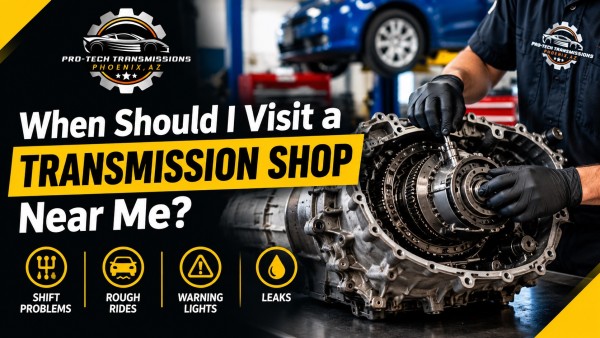
  • When Should I Visit a Transmission Shop Near Me?


    Your car should shift gears with ease. You should not feel a hard jerk, hear odd sounds, or smell something hot when you drive. If you notice these signs, it may be time to visit a transmission shop near me before the problem gets worse.

    Your transmission helps move power from the engine to the wheels. When it starts to fail, your car may lose speed, shift late, or stop moving. Some issues are small and easy to fix. Others need more work. The best way to find out is to have a skilled mechanic check your car.

    If you live in Phoenix, Arizona, Pro-Tech Transmissions can help. The shop offers transmission repair, rebuilding, replacement, and free external computer diagnostics. Knowing when to seek help can save you time, money, and stress.

    What Are the Signs You Need a Transmission Shop Near You?

    Your car often gives you clues before a major transmission problem starts. Some signs are easy to spot. Others may seem small at first. Pay close attention to how your car feels, sounds, and shifts during each drive.

    1. Your Car Slips Out of Gear

    Does your engine rev up while your car fails to gain speed? This may mean your transmission is slipping. You may also feel the car lose power as you drive or notice that it does not stay in the right gear.

    Low fluid, worn parts, or other faults can cause this issue. Do not ignore it. A slipping transmission can make it hard to control your speed, especially on busy Phoenix roads. If the car cannot move or respond as it should, stop in a safe place and arrange a tow.

    2. You Feel Hard or Delayed Gear Shifts

    Your car should shift from one gear to the next without a hard jolt. If you feel a sudden jerk, hear a loud clunk, or notice a long pause before the car moves, something may be wrong.

    These signs can come from low fluid, worn parts, or a fault in the shift controls. A transmission repair shop can inspect the system and find the cause. Early checks may help keep a small issue from turning into a large repair.

    3. You Notice Red or Brown Fluid Under Your Car

    A fluid leak is another reason to visit a transmission shop. Transmission fluid is often red or pink when fresh, but its color can vary. Old fluid may look dark brown.

    If you see a new wet spot where you park, have it checked. Low fluid can lead to heat and wear inside the transmission. Not every leak comes from the transmission, so a mechanic should confirm the source.

    4. You Hear Grinding, Humming, or Whining Sounds

    New sounds from your car should not be ignored. You may hear a whine as you speed up, a grinding sound when you shift, or a hum that was not there before.

    These sounds can point to worn parts or low fluid. They may also come from the wheels, engine, or other parts of the car. A proper inspection can help find the source before more damage takes place.

    5. You Smell Something Burning

    A hot or burnt smell may mean that a part of your car is getting too hot. If it comes with poor shifts or a warning light, your transmission may be at risk.

    Phoenix summers can put more stress on your car’s cooling system. Hot roads, long drives, and stop-and-go traffic add to the load. If you smell burning, see smoke, or get a heat warning, pull over safely and turn off the engine. Do not keep driving until the cause is checked.

    When Should You Visit a Transmission Repair Shop?

    You do not need to wait until your car breaks down to seek help. The right time depends on the signs you notice and how your car drives.

    If your car has a small shift delay, a new noise, or a minor leak, book an inspection as soon as you can. If the transmission slips badly, the car will not move, or a heat warning comes on, stop driving and seek help right away.

    A check is also a good idea if your car has high mileage and has not had its transmission serviced in a long time. Follow the service schedule in your owner’s manual. The right time for fluid service depends on your car, how you drive, and the type of transmission it uses.

    Can You Keep Driving With a Bad Transmission?

    It depends on the fault, but driving with clear signs of transmission trouble can be risky. A small problem may grow worse each time you use the car. Heat, low fluid, and worn parts can cause more damage.

    For example, if your car slips while you merge onto I-17, you may not get the speed you need. A delayed shift can also make it hard to move from a stop at a busy light.

    If the car shifts in an unsafe way, loses power, makes a loud grinding sound, or has a major fluid leak, do not drive it to the shop. Ask for towing instead. Safety should come before the cost of a repair.

    What Happens During a Transmission Inspection?

    When you visit a transmission shop, the first goal is to find out what is wrong. A trained mechanic will ask what signs you have noticed and when they began. The shop may then check for leaks, inspect the fluid if the vehicle allows it, and use a scan tool to look for fault codes.

    A road test may also help show how the car shifts under normal use, if the vehicle is safe to drive.

    Not every problem means you need a new transmission. Some faults involve a sensor, a seal, a control part, or a fluid leak. Other problems may call for more testing or work inside the transmission.

    Pro-Tech Transmissions offers a free external computer diagnostic, with a separate test drive if needed. This first check can help guide the next steps. More detailed tests or repairs may cost extra, so ask what is included before work begins.

    What Transmission Services Might Your Car Need?

    The right service depends on the cause of the problem. A good transmission shop should explain what it found and why it suggests a repair.

    Transmission Fluid Service

    Transmission fluid helps cool and protect parts inside the system. Some cars need fluid service at set times or mileage points. Others use a different schedule.

    The type of fluid matters, too. Using the wrong fluid can cause poor shifts or damage. A mechanic can check your vehicle’s service needs and use the correct fluid.

    Transmission Repair

    Not every fault calls for a full rebuild. Some problems can be fixed by replacing a damaged part or repairing a leak. The shop must inspect the system to see what work is needed.

    Transmission Rebuild or Replacement

    If key parts inside the transmission are badly worn or damaged, a rebuild or replacement may be the best choice. A rebuild involves taking the unit apart, checking its parts, and replacing those that need work.

    A replacement uses another transmission unit. Your mechanic can explain the cost, warranty, and repair options so you can make a sound choice.

    Why Do Phoenix Drivers Need to Watch for Transmission Problems?

    Driving in Phoenix can be tough on a car. Summer heat, long highway trips, steep grades outside the city, and heavy traffic can place extra load on the transmission.

    Heat is a key concern. A transmission that runs too hot may suffer faster fluid breakdown and part wear. Towing a trailer or carrying heavy loads can add even more strain.

    Drivers in North Phoenix, Glendale, Peoria, Deer Valley, and other parts of the Valley should pay close attention to new shift problems. Keep up with the service plan for your vehicle and have any new warning signs checked soon.

    Why Choose Pro-Tech Transmissions in Phoenix, AZ?

    When you need a transmission shop near you, you want clear answers and skilled service. You also want to know what work your car needs before you agree to pay for it.

    Pro-Tech Transmissions is located at 2226 W. Bell Rd, Phoenix, AZ 85023, near I-17. The shop serves drivers across the Phoenix Valley and works on a wide range of car makes and transmission types.

    Its services include transmission repair, rebuilding, replacement, differential repair, and transfer case service. The team also handles some minor auto repairs, such as brakes, starters, alternators, and water pumps.

    The shop lists a few benefits that can help ease the cost and stress of car repairs. These include free external computer diagnostics, towing coverage of up to $100 with qualifying major repairs, and financing options subject to approval.

    Pro-Tech Transmissions also lists a 3-year or 36,000-mile warranty for qualifying transmission repair and rebuild work. Manual transmission and clutch work has a separate 12-month or 12,000-mile warranty. Ask the team to explain the terms that apply to your repair.

    Frequently Asked Questions About Transmission Shops Near Me

    How Do I Know If My Transmission Is Going Bad?

    Common signs include slipping gears, hard shifts, odd noises, fluid leaks, and a burning smell. A check engine light may also appear. These signs do not always mean the transmission has failed, so have the car inspected.

    How Much Does It Cost to Fix a Transmission?

    The price depends on the problem, the vehicle, and the parts needed. A small repair may cost much less than a full rebuild or replacement. Ask for a written estimate after the shop has checked your car.

    Can a Transmission Problem Be Fixed Without Replacing the Whole Unit?

    Yes. Some issues can be fixed with a seal, sensor, fluid service, or other part repair. More serious damage may need a rebuild or replacement. A mechanic must inspect the car to know for sure.

    How Often Should I Have My Transmission Checked?

    Follow your owner’s manual for routine service. If you tow often, drive in heavy traffic, or use your car in extreme heat, ask whether a more frequent service plan is right for your vehicle. Have new leaks, noises, or shift problems checked right away.

    Where Can I Find a Transmission Shop Near Me in Phoenix?

    Pro-Tech Transmissions is at 2226 W. Bell Rd in Phoenix, AZ 85023. The shop serves drivers from North Phoenix and nearby Valley communities. Call (602) 978-9201 to ask about a transmission inspection or repair.

    Conclusion: Visit a Trusted Transmission Shop Before the Problem Gets Worse

    A transmission problem rarely gets better on its own. If your car slips, shifts hard, leaks fluid, or makes odd sounds, it is time to find out why. A timely check may help limit damage and prevent a breakdown.

    If you are searching for a transmission shop near me in Phoenix, contact Pro-Tech Transmissions. The shop provides transmission repair, rebuilds, replacements, and free external computer diagnostics, subject to its service terms.

    Call Pro-Tech Transmissions today at (602) 978-9201 to discuss your car’s warning signs and schedule a visit.

    Visit: 2226 W. Bell Rd, Phoenix, AZ 85023
    Phone: (602) 978-9201
    Email: protechtransmission@aol.com
    Website: https://www.pro-techtransmission.com/

    Business Hours: Monday–Friday, 8:00 AM–5:00 PM; Saturday, 8:00 AM–12:00 PM; Sunday, closed.

    Get your car checked before a small shift problem leaves you stuck on the road.

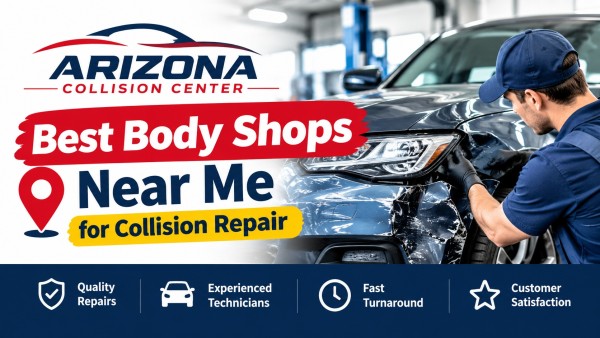
  • Arizona Collision Center: Best Body Shops Near Me for Collision Repair


    When a car gets damaged in a crash, finding the right repair shop matters. You want a team that knows how to fix the damage, works with your insurance, and treats your vehicle with care.

    For drivers in Tempe and nearby Phoenix Metro communities, Arizona Collision Center provides full-service auto body and collision repair. The shop has served local drivers since 1998 and repairs many types of vehicle damage.

    If you are searching for “best body shops near me” or “collision repair near me,” it helps to choose a shop that offers more than basic body work. A good repair center should understand vehicle safety, paint matching, dent repair, insurance claims, and manufacturer repair procedures.

    Why Choose Arizona Collision Center?

    Arizona Collision Center is an independent auto body and collision repair shop serving Tempe and surrounding areas.

    The business offers a wide range of repair services. This makes it easier to handle several types of vehicle damage in one place.

    Services include:

    • Collision repair
    • Auto body repair
    • Paintless dent repair
    • Bumper repair
    • Car painting
    • Hail damage repair
    • Windshield repair
    • Auto detailing
    • Vehicle inspections
    • Insurance claims assistance

    The shop also states that it is I-CAR Gold Class certified. This is important for customers who want repair work done with proper training and safety in mind.

    Looking for the Best Body Shops Near Me?

    A search for “best body shops near me” often happens after an accident. You may need repairs fast, but speed should not be the only factor. Before choosing an auto body shop, look at the services it provides. Ask how the shop handles collision damage, paint work, dents, glass, and insurance claims.

    It is also worth asking whether the shop follows recommended repair methods for your vehicle. Arizona Collision Center provides several of these services under one roof. Its location in the Tempe area makes it a local option for drivers in the Phoenix Metro region.

    Collision Repair Near Me in Tempe

    After a crash, some damage may be easy to see. Other damage may not be visible at first. A bumper may look fine while parts behind it are damaged. A small dent may also hide damage to a panel or other vehicle parts.

    That is why proper inspection matters. Arizona Collision Center provides collision repair for different types of vehicle damage. The goal is to restore the vehicle and address the damage that can affect its condition and safety.

    If you are searching online for “collision repair near me,” choose a repair shop that can assess the full scope of the damage instead of focusing only on what is visible.

    Auto Body Repair for Different Types of Damage

    Not every accident causes the same type of damage. Some vehicles need a simple bumper repair. Others may need dent repair, paint work, or more extensive collision repair.

    Arizona Collision Center offers several body repair services, including:

    Bumper Repair

    Bumpers can suffer cracks, dents, scratches, and other damage during an accident. Proper repair can help restore the look and function of the damaged area.

    Paintless Dent Repair

    Paintless dent repair can be useful for certain dents where the paint is still in good condition. The repair method can help restore the shape of a panel without traditional body filler and repainting.

    Car Painting

    A collision repair job may require paint work. Matching the new paint to the existing finish is an important part of a quality repair.

    Hail Damage Repair

    Hail can leave many small dents across a vehicle. Arizona Collision Center offers hail damage repair for vehicles affected by severe weather.

    Help With Insurance Claims

    Dealing with an accident can be stressful. You may have to manage vehicle repairs while also working with an insurance company. Arizona Collision Center provides insurance claims assistance as part of its services.

    Having help with the repair process can make it easier to understand what needs to be repaired and what steps may be involved with your claim. Before work begins, it is still a good idea to understand your insurance coverage, deductible, and any requirements from your insurer.

    Vehicle Safety Should Come First

    A collision can affect more than the outside of a vehicle. Modern cars have many parts and systems designed to protect people during a crash. Damage to the body can sometimes affect parts that are not easy to see.

    Arizona Collision Center states that it focuses on repairing vehicles safely and correctly according to recommended manufacturer procedures. This is one reason customers should consider repair practices, technician training, and the shop’s experience when choosing an auto body repair center.

    Serving Tempe and Phoenix Metro Drivers

    Local service matters when your vehicle needs repair. Arizona Collision Center is based in the Tempe area and serves surrounding Phoenix Metro communities. For local drivers, choosing a nearby repair shop can make drop-off, communication, and follow-up easier.

    The business has been operating since 1998, giving it a long history in the local auto repair market.

    If you live or work in Tempe or a nearby Phoenix Metro community and need collision or body repair, a local shop can be a practical place to start.

    What to Do After a Car Accident

    If you have been involved in an accident, take a few basic steps before arranging repairs.

    First, make sure everyone is safe. If needed, contact emergency services.

    Next, document the damage. Take clear photos of the vehicle and the accident scene when it is safe to do so.

    You should also exchange the needed information with the other driver and contact your insurance company.

    Once you are ready to arrange repairs, contact a qualified collision repair shop and ask about an inspection. Do not assume that visible damage tells the whole story.

    Why Local Experience Matters

    A local collision repair shop can be easier to work with when you need ongoing communication. You may need to ask questions about the repair estimate, parts, paint work, insurance paperwork, or the expected repair process. Arizona Collision Center has served the area since 1998 and offers several types of auto body services.

    For drivers looking for Arizona Collision Center, best body shops near me, or collision repair near me, these local service options can make the search easier.

    Frequently Asked Questions

    Where is Arizona Collision Center located?

    Arizona Collision Center serves Tempe and surrounding Phoenix Metro communities. The business website is arizonacollisioncenter.com, and its listed phone number is (480) 668-3105.

    What services does Arizona Collision Center offer?

    The shop provides collision repair, auto body repair, paintless dent repair, bumper repair, car painting, hail damage repair, windshield repair, auto detailing, inspections, and insurance claims assistance.

    Does Arizona Collision Center repair hail damage?

    Yes. Hail damage repair is one of the services offered by Arizona Collision Center.

    Does Arizona Collision Center help with insurance claims?

    Yes. The business provides insurance claims assistance to help customers through the repair process.

    What should I look for when searching for collision repair near me?

    Look for a shop with relevant collision repair services, trained technicians, a strong focus on safety, clear communication, and experience with your type of vehicle damage. It is also useful to ask about inspections, repair procedures, parts, paint work, and insurance claims.

    How can I contact Arizona Collision Center?

    You can contact Arizona Collision Center at (480) 668-3105 or visit Arizona Collision Center for more information.

    Choose Arizona Collision Center for Your Auto Body Repair

    A collision can leave you with more questions than just how the car will look. You also need to know whether the vehicle will be repaired correctly and safely.

    Arizona Collision Center offers collision repair and a broad range of auto body services for drivers in Tempe and nearby Phoenix Metro communities. With a history dating back to 1998, the shop provides a local option for collision, dent, bumper, paint, hail, glass, and other vehicle repair needs.

    If you are searching for “best body shops near me” or “collision repair near me,” start by speaking with a local repair professional about your vehicle’s damage.


  • Wingsure Launches Coffee Intelligence to Turn Verified Farm Evidence Into Decision-Grade Insights

    Wingsure COFFEA™ is a deep-tech platform that creates a reusable farm intelligence layer for sustainability, sourcing, production, compliance, risk and finance while helping growers build value from their own farm records.

    pasted or uploaded image
    Avi Basu, Founder, CEO Wingsure

    NEW YORK, September 2026: Wingsure, a deep-tech agricultural intelligence company and SRI spinout built on foundational technology developed with SRI, announced on September 28, 2026 the launch of Wingsure COFFEA™, a platform that captures and verifies farm-level evidence and turns it into decision-grade intelligence for the global coffee sector.

    Coffee connects millions of smallholder farms across diverse growing regions with a global market facing mounting climate risk, productivity challenges and sustainability requirements. Companies increasingly need credible farm-level intelligence to support traceability and deforestation safeguards, strengthen sourcing, understand production and quality, manage risk, support growers and make better-informed investment decisions.

    Today, the same farm may be assessed separately for sustainability, sourcing, production, certification, finance and risk. This can create repeated work for growers while leaving enterprises with fragmented and often static views of farm conditions. Wingsure COFFEA™ takes a different approach: capture evidence at the farm, verify it at the source, build the farm record over time and make that intelligence reusable across multiple programs and business decisions. pasted or uploaded image

    “What excites us about coffee is the opportunity to bring years of foundational deep-tech work to one of the world’s most important agricultural ecosystems – and to do it in a way that creates value on both sides of the farm gate,” said Avi Basu, Founder and CEO of Wingsure. “We have been fortunate to learn alongside some of the most respected organizations and people in coffee. One lesson has become very clear: a farm cannot be understood through a periodic form, a declaration or a satellite image alone. It is a living system.”

    “Our job is to turn what is happening on that farm into trusted intelligence that gets better over time. For the grower, that means a farm record that becomes more valuable with every season. For the enterprise, it means a common intelligence foundation for better decisions across sustainability, sourcing, production, risk and finance.”

    For growers, the platform is designed to ensure that their knowledge, observations and actions do not disappear into disconnected surveys and programs. A farm record can become progressively more useful, helping growers demonstrate practices and progress, receive more relevant advisory support and, through participating programs, connect verified information with economic opportunities such as incentives, insurance and credit.

    Using the smartphone already in a grower’s hand, Wingsure combines augmented-reality guided capture, multilingual voice capabilities, agronomic knowledge, computer vision, geospatial analytics, artificial intelligence and machine learning. Field observations can be geotagged, timestamped and converted into machine-readable records, including in offline environments. Satellite and drone context can further enrich the farm record.

    “AI is only as credible as the evidence beneath it,” said Dr. Bikram Sengupta, Co-founder and CTO of Wingsure. “Our architecture keeps every insight connected to what was captured, where and when. That allows verification, inference and prediction to become part of one traceable intelligence system. The goal is not simply more data. It is intelligence you can trust.”

    Together, these capabilities create a living intelligence layer spanning crop condition, farming practices, production signals and risk. Instead of becoming another isolated point solution, the platform is designed to support existing enterprise sustainability, sourcing, traceability, carbon, finance and risk systems by giving them a stronger, evidence-grounded understanding of the farm.

    Perspectives from leaders across the coffee and agricultural risk ecosystem working with Wingsure underscore the importance of trusted farm-level intelligence in supporting growers, strengthening agricultural systems and improving enterprise decision-making.

    Álvaro Gaitán, Technical Manager of the Colombian Coffee Growers Federation (FNC), one of the world’s most influential producer-led coffee organizations, representing more than half a million coffee-growing families in Colombia and behind the globally recognized Juan Valdez® brand, said:

    “As a grower-led institution, FNC is focused on building the next generation of capabilities Colombian coffee producers will need to compete globally. Better, more timely farm intelligence is central to that vision. We are engaging with Wingsure to explore how its technology can complement FNC’s existing capabilities and help strengthen the coffee ecosystem for Colombian growers.”

    From the agricultural risk and financial-services side, Madhukar Sinha, President – Govt & Rural Business, Tata AIG General Insurance Company Ltd., one of India’s leading private general insurers and a joint venture between the Tata Group and AIG, said:

    “Agricultural insurance has an important role to play in building farmer resilience, but achieving that at scale requires a much clearer and more timely understanding of what is actually happening at the farm. Wingsure’s approach is compelling because it connects verified field evidence with the intelligence needed for risk assessment and decision-making. The ability to create a trusted, continuously developing record of the farm can be valuable not only for insurance, but across the broader agricultural ecosystem. We believe Wingsure is addressing an important challenge with technology that has the potential to operate at a meaningful scale.”

    The launch builds on Wingsure’s work across coffee and other crops to capture, verify and analyze farm-level information for applications including crop health monitoring, damage and loss assessment, regenerative and sustainable practices verification, production and risk intelligence, agricultural insurance and credit. The platform traces its origins to computer vision and augmented reality technology developed by Wingsure in collaboration with SRI.

    In coffee, Wingsure is extending this foundation into yield intelligence and coffee science applications, supported by real-world validation. Over time, each observation, intervention and season compounds the intelligence around the farm – creating a persistent foundation from which new questions can be answered without rebuilding the evidence base each time.

    The launch coincides with Wingsure’s participation in two major global coffee gatherings in Switzerland: the Global Coffee Platform’s 10th Anniversary Celebration in Geneva on September 30 and the Swiss Coffee Trade Association’s 17th Forum & Dinner in Montreux on October 1 – 2 – bringing industry leaders together around the future of coffee.

    About Wingsure

    Wingsure is a deep-tech agricultural intelligence company and SRI spinout building verified farm-level intelligence for the global agriculture sector. The company uses computer vision, geospatial technologies, multilingual artificial intelligence, machine learning and guided, field-level digital capture to transform farm evidence into trusted, decision-grade intelligence.

    With a presence across New York, Kolkata, Bogotá and Kuala Lumpur, Wingsure supports applications spanning sustainability, production, sourcing, compliance, regenerative agriculture, finance, insurance and risk management. Its technology enables farm-level information to be captured, verified and continuously enriched, helping enterprises make better-informed decisions while allowing growers to derive greater value from the records they help create.

    For more information, please visit www.wingsure.co or email hello@wingsure.co.


  • Transforming Oral Healthcare: How Digital Integration Redefines Precision, Aesthetics, and Systemic Wellness thumbnail

    Transforming Oral Healthcare: How Digital Integration Redefines Precision, Aesthetics, and Systemic Wellness

    Dental medicine is undergoing one of the most consequential paradigm shifts in its modern history. For generations, restorative and aesthetic oral healthcare operated within the confines of manual mechanics: alginate or silicone impression trays that triggered patient gag reflexes, physical stone casts prone to distortion, and fragmented fabrication schedules that required multiple chairside appointments to correct minor discrepancies in fit. While skilled clinicians and master ceramists routinely achieved remarkable results under these legacy constraints, the path to clinical predictability was steep, labor-intensive, and inherently vulnerable to human error.

    Today, that analog friction is giving way to end-to-end digital integration. At the forefront of this evolution is Dr. Jairo Quintana, an internationally recognized clinician whose career spans more than 25 years across Colombia, the United States, and Mexico. Serving as President of the Colombian Association of Aesthetic and Digital Dentistry (ACOED), former President of the Colegio Colombiano de Odontólogos, and founder of Probocarte Dental Group, Dr. Quintana has spent decades studying how digital architecture can eliminate procedural guesswork, protect biological structures, and elevate the patient experience across borders.

    The End of Procedural Guesswork

    The traditional restorative journey was historically defined by disconnected stages. A physical impression captured intraoral dimensions, a model was poured and transported to a commercial dental laboratory, and technicians hand-crafted restorations based on two-dimensional references and static bite registrations. If a distortion occurred at any step—from tray seating and impression setting to stone expansion—the final crown, bridge, or veneer arrived at the operatory with an imperfect margin or occlusal interference, requiring extensive chairside adjustments or complete re-impressions.

    Transitioning to a 100% digital workflow replaces this fragmented sequence with a traceable, unified continuum. High-resolution intraoral scanners capture tooth and soft-tissue geometry with microscopic precision, instantly eliminating the discomfort and dimensional instability of physical trays.

    This digital data immediately integrates into comprehensive clinical dossiers containing photographic records, radiographic views, occlusal trajectories, and computer-aided restorative designs. Rather than relying on guesswork, clinicians can verify marginal accuracy, inspect complete datasets, and evaluate occlusal clear spaces before the patient leaves the operatory.

    Crucially, technology does not replace clinical judgment; it sharpens it. By connecting diagnosis, design, milling, 3D printing, and verification into a single transparent pipeline, practitioners substantially reduce avoidable uncertainty while remaining grounded in the primary responsibilities of biological evaluation, functional harmony, and long-term stability.

    Aesthetic Personalization and the Ethics of Conservation

    As digital dentistry matured, aesthetic expectations underwent an equally dramatic transformation. The era of the monolithic, blindingly white smile—often achieved through aggressive enamel reduction and uniform porcelain blocks—has been superseded by a demand for subtle, lifelike personalization.

    Modern aesthetic dentistry must craft restorations that naturally belong to the patient, harmonizing with facial proportions, lip mobility, skeletal age, and individual facial dynamics. Through Digital Smile Design and chairside CAD/CAM platforms, Dr. Quintana and his team simulate, visualize, and test these proportional nuances before touching a handpiece. Clinicians can analyze gingival architecture and tooth axis in direct relation to dynamic facial expressions, ensuring the smile integrates seamlessly with the patient’s features.

    Where legacy workflows required multi-stage physical impressions, fragile stone casts, and repetitive manual adjustments, an integrated digital pathway moves directly from optical intraoral scanning to micron-level CAD/CAM milling and additive manufacturing. This continuity ensures passive seating, predictable fit, and minimal chairside intervention.

    This structural precision serves an ethical objective: biological preservation. Natural teeth possess organic asymmetries, micro-textures, incisal translucencies, and subtle color gradations that convey vitality. Using CAD/CAM technologies, clinicians can engineer restorations that retain these natural characteristics rather than flattening them into uniform perfection.

    Furthermore, virtual diagnostic previews foster conservative clinical decisions. When patients and clinicians can visualize the final objective with clarity, they can critically assess what healthy enamel must be conserved, avoiding unneeded preparations and preserving sound biological architecture for decades to come.

    Overcoming Structural Hurdles and Scaling Care Across Borders

    While the advantages of full digital integration are clear, wide-scale clinical adoption presents distinct challenges. As the head of ACOED, Dr. Quintana observes that practitioners frequently encounter friction not merely from the capital investment of scanners or milling units, but from deep-seated organizational inertia.

    Acquiring a digital scanner without updating office protocols simply digitizes existing clinical bottlenecks. True integration demands comprehensive calibration:

    • Interdisciplinary Continuing Education: Training dentists, dental assistants, lab ceramists, and administrative personnel to operate with uniform digital literacy.
    • Platform Interoperability: Breaking down closed software silos so that radiographic files, digital impressions, and laboratory CAD platforms communicate without data loss.
    • Rigorous Governance: Upholding clinical standards surrounding patient data security, cloud storage, cybersecurity, and informed consent.

    These operational requirements become even more pronounced during international expansion. Following the establishment of Probocarte Dental Group centers across Bogotá and Cúcuta, Colombia, Dr. Quintana expanded clinical operations into Mexico City.

    Delivering identical clinical outcomes across distinct geographic markets requires standardizing foundational standards—diagnostic capture protocols, quality-control checkpoints, restorative material grades, and surgical guidelines—while maintaining flexibility for local cultures, insurance environments, and communication styles. Through unified digital workflows, cross-border practices achieve clinical consistency without turning patient care into an impersonal assembly line.

    Bridging Cosmetic Form with Systemic Health

    A cornerstone of modern advanced dental practice is that the oral cavity cannot be treated as an isolated aesthetic showcase. Smile design, occlusal stability, periodontal tissues, and systemic well-being remain intrinsically interdependent.

    Forces that induce tooth wear, muscle hypertonicity, or ceramic chipping often stem from underlying functional and systemic conditions, including nocturnal bruxism, temporomandibular joint disorders, and obstructive airway issues. Digital modalities provide diagnostic tools to identify and monitor these conditions early:

    • Serial 3D Surface Comparisons: By overlaying longitudinal intraoral scans captured months or years apart, clinicians can measure sub-millimeter enamel loss, tracking active occlusal wear and gingival recession.
    • Integrated Airway and Cephalometric Diagnostics: Three-dimensional imaging clarifies anatomical airway restrictions that might contribute to sleep-disordered breathing.
    • Emerging Salivary Diagnostics: Salivary biomarkers paired with digital diagnostics enhance systemic risk assessments, evaluating inflammation and periodontal vulnerability before surgical intervention.

    When diagnostic datasets are interconnected, dentists can collaborate with sleep physicians, physical therapists, and maxillofacial surgeons. Aesthetic success becomes the natural by-product of sound biological health and functional equilibrium.

    The Next Era: Augmented Intelligence and Chairside Production

    Looking to the future of oral healthcare, the integration of artificial intelligence and in-office additive manufacturing will continue to refine the patient journey. AI models are emerging as valuable partners in clinical pattern recognition, capable of flagging subtle marginal defects on radiographic imaging, accelerating restorative proposals, and organizing complex diagnostic data.

    Dr. Quintana frames this development as augmented intelligence—a supportive analytic layer that enhances, but never supplants, the clinician’s diagnostic responsibility and human touch. When software manages routine operational tasks, clinicians gain more chairside time to focus on complex decisions and patient consultation.

    Simultaneously, chairside 3D printing and milling are condensing treatment cycles. Precise surgical guides, diagnostic mock-ups, nightguards, splints, and provisional restorations can now be designed, produced, and placed during a single appointment.

    Rather than walking into a clinical setting marked by cold uncertainty, the next generation of patients will encounter an open, collaborative environment where their oral anatomy is rendered in interactive 3D visuals. The future of dentistry belongs not simply to clinics that purchase the most machines, but to those that deploy digital tools to make oral healthcare more predictable, biologically conservative, and fundamentally human.

    For more info, visit:

    Instagram: https://www.instagram.com/doctorjairoquintana/

    LinkedIn: https://www.linkedin.com/in/doctorjairoquintana