Category: BigNewsNetwork

  • How AI is Revolutionizing SEO Content Creation in 2026

    Something quietly shifted in the last eighteen months. The brands growing fastest on organic search aren’t publishing more; they’re publishing smarter. And most of them have one thing in common.

    Two years ago, most marketing teams were still treating AI writing tools with suspicion: useful for brainstorming, maybe, but not something you’d trust with your actual content strategy. That skepticism has faded fast. Not because AI became perfect, but because the gap between what AI-assisted content can do and what purely manual workflows can realistically deliver got too large to ignore. Anyone serious about building organic visibility today is paying attention to this, and the smarter ones are reading conversations happening on channels like SEO Blog on Medium, where practitioners share what’s actually working in the field rather than what sounds good in a whitepaper.

    This article isn’t going to tell you AI is magic. It isn’t. But it has fundamentally changed what’s possible for content teams of any size, and the brands ignoring that change are already paying a cost in organic traffic they may not have attributed correctly yet. Here’s what the shift actually looks like from the inside.


    AI-Based Content Writing Tools: What They Actually Do Well

    There’s a version of this conversation that oversells AI writing tools as autonomous content machines and a version that dismisses them as glorified autocomplete. Neither is accurate. The honest picture is somewhere in the middle and considerably more interesting.

    What modern AI writing platforms do well: research aggregation at speed; structural consistency across large volumes of content; keyword integration that doesn’t feel forced; and first-draft generation that gives a human editor something real to work with rather than a blank page. What they don’t do well, at least not without significant human oversight: genuine opinion, nuanced brand voice, factual verification, and the kind of specific industry insight that only comes from someone who has actually worked in a field for years.

    The most effective teams in 2026 aren’t replacing writers with AI. They’re using AI to eliminate the low-value parts of a writer’s day: the research aggregation, the outline drafting, and the structural formatting so the writer can spend more time on the things only a human can do well. When that division of labor works properly, you get content that publishes three times faster and reads like it was written by someone who genuinely knows their subject. Because, at the final edit stage, it was.

    The teams winning at AI-assisted content aren’t the ones who removed humans from the process. They’re the ones who figured out which parts of the process humans should never have been doing in the first place.

    For SEO specifically, AI writing tools have become particularly valuable in a few concrete scenarios: producing consistent, well-optimized content at scale; maintaining topical coverage across a large keyword universe without exhausting a small team; and generating variants of high-performing content to test different angles or audience segments. These aren’t hypothetical capabilities; they’re what separates brands publishing two pieces per month from brands publishing fifteen, with comparable quality scores on both ends.

    Keyword Research and Content Structure: Where AI Changed the Game Most

    Ask any SEO professional which part of their job changed most dramatically in the last two years, and a surprising number will say keyword research. Not because the underlying concept changed; understanding what your audience searches for remains foundational, but because what AI enables you to do with that data is genuinely different now.

    Traditional keyword research produced lists. A keyword, a search volume, a difficulty score. You’d cluster those manually, assign them to pages, and hope your intuition about search intent was correct. AI-assisted keyword research produces something more like a semantic map of a topic: clusters of related terms organized by intent, gaps in your existing coverage identified automatically, questions your audience is asking that your current pages don’t answer, and suggested content structures that reflect how people actually move through a subject area.

    Traditional Keyword Research

    Manual clustering of terms by volume and difficulty; intent interpretation left to the analyst; content structure decided separately from keyword data; competitive gaps found by browsing competitors individually; significant time investment per content piece before writing begins.

    AI-Enhanced Keyword Research

    Semantic clustering done automatically; intent signals drawn from SERP analysis at scale; content structure suggested based on what ranks; topical gaps identified across the full domain; keyword data and content brief generated in a single workflow rather than two separate ones.

    The structural side is equally important. AI tools trained on large sets of high-ranking content understand what a well-organized piece on a given topic looks like: which subheadings appear in competing articles, which questions users expect answered, and which content formats earn featured snippets for that query type. Feeding that intelligence into your content brief before writing starts means you’re not guessing about structure; you’re working from evidence.

    This doesn’t mean you should let the AI dictate everything about structure. There’s a point at which overfitting to competitor content produces something that sounds like every other article in a niche: generic, safe, and ultimately forgettable. The best results come from using AI-generated structure as a starting point and then deliberately deviating from it in ways that reflect your specific expertise and perspective. That deviation is what topical authority is actually built on.

    Personalization and Audience Targeting: AI’s Most Underused Capability

    Most conversations about AI in SEO focus on content production speed. That’s understandable; it’s the most visible benefit and the easiest to measure. But there’s a less-discussed capability that may matter more in the long run: the ability to tailor content to specific audience segments without multiplying production costs proportionally.

    Content personalization at scale used to require either a very large team or a very large budget. The workflow was simply too labor-intensive for most brands to pursue beyond basic demographic splits. AI changes that math significantly. A platform that can analyze behavioral data, identify distinct audience segments within your readership, and adjust content framing, tone, and emphasis for each group can deliver personalized experiences at a scale that simply wasn’t viable before.

    For SEO specifically, this matters because different audience segments often represent different stages in a purchase journey. Someone searching “what is content marketing” is in a fundamentally different place than someone searching “best content marketing tools for a ten-person team.” Both queries are valuable; but a generic piece of content trying to serve both audiences well usually serves neither particularly well. AI allows you to produce two genuinely distinct pieces from the same core research, each tuned precisely to the intent and context of its target reader.

    Personalization in SEO isn’t about manipulation; it’s about relevance. An article that speaks directly to what a specific reader actually needs, in language that reflects their level of expertise, earns engagement metrics that tell Google it deserves to rank higher. That’s not a trick. That’s just good writing informed by better data.

    The audience intelligence side of AI tooling is also improving rapidly. Systems that analyze comment sections, forum discussions, and social content around a topic can surface the specific language, concerns, and questions your target audience uses to talk about a subject. Writing content that reflects that language; not in a manipulative way, but in the sense of speaking the reader’s dialect rather than the industry’s; has a measurable effect on both engagement and ranking.

    Content Engagement and Relevance: The Metrics That Actually Matter Now

    Google has been increasingly transparent about the role of engagement signals in ranking. Not click-through rate alone, though that still matters, but deeper engagement indicators: time spent on page, scroll depth, return visits, shares, and what happens after someone reads your content. Do they bounce immediately, or do they follow an internal link and keep reading?

    AI influences these metrics in a few specific ways. First, by helping produce content that more accurately matches search intent, it reduces pogo-sticking: the pattern where someone finds a search result, reads the first paragraph, decides it doesn’t answer their question, and returns to the results page. A piece that genuinely addresses what the reader was looking for keeps them on the page longer. Second, by enabling more consistent internal linking based on semantic relevance, AI-assisted content platforms help readers discover related content they actually want to read, which extends session depth.

    Third, and perhaps most importantly, relevance decay. Content has a shelf life, and that shelf life varies dramatically by topic. A post about best practices in a fast-moving field can become misleading within months of publication. AI systems that monitor keyword performance and flag underperforming content for refresh can significantly extend average content lifespan. Many brands are finding that refreshing older content with AI-assisted updates produces faster ranking improvements than publishing entirely new pieces because the domain authority and backlink equity already accumulated around the old URL get carried forward.

    Engagement Signals AI Can Improve

    Scroll depth through better structural pacing; time on page through more precise intent matching; internal link clicks through semantic relevance scoring; return visits through genuinely useful, up-to-date content; lower bounce rates through answers that deliver what the headline promises.

    What AI Still Can’t Manufacture

    The kind of engagement that comes from genuine opinion; emotional resonance that makes someone bookmark a piece; community trust built over years of honest publishing; the credibility signals that come from a named expert with a real professional track record. These still require humans and time.

    There’s also a competitive angle worth understanding. As more teams adopt AI-assisted content production, the average quality floor in most niches is rising. Content that would have ranked easily in 2022 because it was better than the thin, low-effort competition now has to compete with AI-assisted pieces that are structurally sound, well-researched, and properly optimized. The baseline has moved. The brands that recognized this shift early, platforms like Seozilla on Medium have been writing about this transition for months, are currently holding ranking positions that will be much harder to displace as the broader market catches up.

    Ethical Challenges: The Honest Conversation Nobody Wants to Skip

    Any serious discussion of AI in SEO has to include the parts that are genuinely complicated. Not as a disclaimer box at the end of an otherwise cheerful article, but as a substantive consideration that shapes how the technology gets used well or badly.

    Ethical Considerations in AI SEO Content

    Transparency and Disclosure

    The EU AI Act, now in effect across European markets, establishes disclosure requirements for AI-generated content in certain categories. Even where disclosure isn’t legally required, audiences are increasingly sophisticated; they notice when content feels generic or unverifiable, and trust declines accordingly.

    Accuracy and Hallucination Risk

    AI systems produce confident-sounding errors. In SEO content, a hallucinated statistic or a misattributed quote can damage credibility with both readers and search engines. Every factual claim in AI-assisted content needs human verification before publication; not most of them; all of them.

    Content Saturation and Originality

    When every site in a niche uses the same AI tools trained on the same data, the outputs trend toward sameness. Genuine differentiation requires deliberate human input, unique perspectives, original research, and first-hand experience that AI cannot generate independently because it wasn’t there.

    Labor and Attribution

    The shift toward AI-assisted production has changed what content roles look like and, in some cases, reduced headcount. The ethical question of how organizations communicate about this shift, both internally and in their public-facing content bylines, it is one the industry is still working through without consensus.

    On the question of Google’s stance, the search engine has been consistent in stating that AI-generated content is not inherently against its guidelines. What it penalizes is content produced primarily for search engines rather than for readers, regardless of how that content was generated. A well-researched, human-reviewed AI-assisted article that genuinely serves a reader’s need is treated the same as a well-written human article. Thin, keyword-stuffed content produced at scale without editorial judgment is penalized, whether it came from a content farm in 2015 or an AI pipeline in 2026.

    The practical implication: the editorial layer isn’t optional. It’s the thing that makes the difference between AI content that builds a brand and AI content that quietly erodes one.

    What Comes Next: The Near Future of AI and SEO

    Predictions about AI have a poor track record of accuracy, so take the following with appropriate skepticism. But a few directions seem well-supported enough by current development trajectories to be worth naming.

    First: the integration between AI content systems and real-time search data is going to tighten considerably. Right now, most AI writing tools work from static training data with periodic updates. The next generation of these systems will have closer-to-live access to search trend data, allowing them to identify and respond to emerging keyword opportunities much faster than a human researcher monitoring the same signals manually.

    Second: GEO (Generative Engine Optimization) will become standard practice alongside traditional SEO. Getting content cited by ChatGPT, Perplexity, Google’s AI Overviews, and comparable systems is already a meaningful traffic source for some brands. Within two years, it will be a standard line item in any serious content strategy with specific structural and formatting requirements that differ meaningfully from traditional on-page SEO optimization.

    Third: the bar for what counts as “helpful” content will keep rising. As AI tools get more accessible and more brands use them, the volume of decent-quality content on any given topic will increase. The content that stands out and earns the links, citations, and engagement signals that drive durable rankings will need to offer something AI cannot generate on its own. First-hand research. Verified expertise. Specific case studies from real client work. Original data. These have always been the hallmarks of exceptional content; they’re just becoming more commercially necessary rather than merely admirable.

    The future of SEO content isn’t human versus AI. It’s human-informed AI at the research and drafting stage, followed by expert human judgment at the editing and verification stage. The brands that build that workflow well in 2026 will have a compounding structural advantage that takes years for competitors to replicate.

    For anyone building a content strategy right now, the question isn’t whether to use AI; that ship has sailed. The question is how to use it in a way that actually serves your readers, holds up to editorial scrutiny, and produces the kind of content that earns rankings through genuine quality rather than temporary algorithmic gaps. That’s a harder problem than just pointing a tool at a keyword list. But it’s also the only approach that stays defensible as the landscape continues to evolve.

    The Practical Summary: What to Take from This

    If there’s a single thread running through everything above, it’s this: AI in SEO content creation is genuinely powerful, but only when it’s used to amplify human judgment rather than replace it. The tools available in 2026 are remarkable. They can research faster, structure better, publish more consistently, and optimize more precisely than any human-only workflow at comparable cost. What they can’t do is care about the reader, exercise genuine expertise, or take accountability for what gets published under your brand name.

    The brands that figure out where to draw that line, leaning on AI for everything it does well and insisting on human oversight for everything it doesn’t, are the ones building organic growth engines that will still be working three years from now. That’s not a complicated conclusion. But it’s one worth sitting with before you automate the next thing on your content calendar.

    Ready to Put AI-Powered SEO to Work? 

    SEOZilla writes and publishes optimized, human-quality articles to your blog daily, connecting directly to WordPress, Webflow, Shopify, and Ghost. Organic traffic while you focus on building the business.


    Get Your Free Article & Site Analysis →

  • Why More Americans Are Ditching the Gym and Hiring an Online Personal Trainer Instead

    The fitness industry is undergoing a quiet revolution, and it has everything to do with a $200-per-session price gap that’s hard to ignore.

    The fitness industry has been quietly undergoing a massive transformation over the past several years, and it has nothing to do with a new piece of equipment or a trendy new diet. What’s happening is far more practical; people are realizing that hiring an online personal trainer costs a fraction of what they would pay locally, and the results are just as impressive, if not better.

    Across cities like New York, Chicago, and Los Angeles, personal training sessions can run anywhere from $150 to $300 per hour depending on the trainer’s experience and location. For most working Americans, that kind of price tag puts consistent professional coaching firmly out of reach. You’d need to spend nearly $1,000 a month just to train three times a week, and that’s before gym membership fees, commute time, or parking costs.

    But here’s where the math gets interesting. A growing number of Americans have started working with trainers based in cities like Barcelona, Madrid, and Lisbon, places where the cost of living is dramatically lower but where fitness professionals are just as qualified, often more internationally educated, and, in many cases, speak excellent English. A session with a personal trainer barcelona resident who specializes in online coaching, can cost as little as $60 to $80 per session, less than half what you’d pay in most major American cities.

    The Real Cost Breakdown

    Let’s look at some real numbers. If you’re based in Manhattan and want to train twice a week with a private trainer, you’re likely looking at $500 to $600 per month at minimum. Some high-end trainers in NYC charge upwards of $400 per session. For that same level of personalized programming, accountability, and coaching delivered online, clients are now spending $250 to $350 per month working with an experienced online personal trainer abroad.

    That’s a saving of over $2,500 per year, money that most people would rather put toward better food, recovery tools, or simply saving.

    And this isn’t a minor trend. Fitness apps and online coaching platforms have seen explosive growth since 2020, and while much of that was pandemic-driven, the shift has proven to be permanent. People discovered that with a good WiFi connection, a phone camera, and a motivated coach, they could get results without ever stepping into a shared gym.

    What Online Training Actually Looks Like

    There’s a common misconception that online personal training just means watching YouTube videos or following generic plans. That couldn’t be further from the truth when it comes to working with a qualified coach.

    A serious personal trainer working online will typically conduct an initial video consultation to assess your fitness level, health history, and goals. From there, they build a fully customized training program, which is delivered through an app or PDF plan depending on the coach’s setup. Sessions can be live via Zoom or pre-recorded for flexibility. Weekly or biweekly check-ins keep you on track, and form corrections happen through video review.

    “Many clients prefer this model because it eliminates the awkwardness of being watched in a gym, removes travel time entirely, and gives complete flexibility in scheduling.”

    A busy professional in Boston can now train at 6 AM under the guidance of a coach who is already mid-morning in Europe.

    Barcelona’s Fitness Scene Has Gone Global

    Barcelona has long been known as one of Europe’s most active and health-conscious cities. The city’s climate encourages outdoor training, its culture places a high value on physical wellness, and its sports science universities have produced a generation of highly qualified fitness professionals.

    What’s changed in recent years is that many of these trainers, people who have worked with professional football clubs, competitive cyclists, and elite runners, have expanded their clientele to include remote clients from North America, the UK, and Australia. The combination of lower local living costs and international demand has made personaltrainerbarcelona.com a go-to hub for English-speaking clients who want world-class coaching at accessible prices.

    This model works in both directions. American clients save money without sacrificing quality. Trainers in Barcelona build international practices and reputation. It’s a genuinely mutually beneficial arrangement in a way that simply wasn’t possible before video calling became universal.

    The Quality Question

    Skeptics often ask whether you’re really getting a qualified trainer when you pay less. It’s a fair question, and the honest answer is it depends entirely on who you hire.

    Just as there are overpriced and underperforming trainers in New York, there are highly credentialed and deeply experienced coaches working online from Barcelona who hold certifications from organizations like NSCA, NASM, and various European sports science institutions. The key is doing your homework, checking credentials, reading reviews, doing a trial session, and asking specific questions about the coach’s methodology.

    The price point alone says nothing about quality. What matters is the coach’s ability to assess, program, communicate, and motivate, and those skills exist across every geography.

    Is Online Training Right for You?

    If you already have some fitness experience and know how to perform basic exercises safely, online training is an excellent fit. You’ll be able to follow programming independently, and your coach can review your form through video check-ins rather than needing to be physically present.

    If you’re a complete beginner with zero experience around weights or movement, a short block of in-person coaching at the start may help you build foundational confidence. But many beginners successfully transition to online-only coaching within a few months.

    The online personal trainer cost advantage is undeniable. For Americans who are serious about their fitness but unwilling or unable to pay NYC prices for coaching, working with an experienced online trainer, whether based in Barcelona or elsewhere, is no longer a compromise. In many ways, it’s simply the smarter choice.

    The fitness world is global now. The trainer of the future doesn’t need to be in the same room as you. They just need to be good at their job.


  • Startup Financial Modeling Key to Securing Record-High 2026 VC Funding

    ZURICH, SWITZERLAND – April 14, 2026 – With global venture capital hitting a record $300 billion in Q1 2026, eFinancialModels reports a significant surge in demand for professional financial models. As the funding environment reaches a “once-in-a-cycle” peak, investors are moving past visionary pitches to demand rigorous, data-backed proof of capital efficiency and long-term ROI.

    The shift in 2026 fundraising favors comprehensive 5-to-10-year bottom-up startup financial models over simple 12-to-24-month survival budgets. While short-term budgets only show how a startup survives, long-term models illustrate the “big story”—showing how a company scales from inception to a lucrative investor exit. These models allow founders to test assumptions in real-time, showing how shifts in customer acquisition or retention impact the total value of the enterprise.

    “Investors aren’t just buying a vision anymore; they are evaluating how resilient a business model is under pressure,” says Cyrill Haenni, Founder of eFinancialModels. “The founders winning this cycle are those who can demonstrate exactly how they will deploy capital efficiently and, ultimately, how they will create a path to a successful exit.”

    Key Benefits of Investor-Grade Financial Modeling:

    • Visibility into Efficient Capital Deployment: A scenario-driven burn rate and cash runway model tracks monthly cash and integrates hiring plans, giving founders and boards a strategic picture of capital efficiency and precise fundraising timing.
    • Demonstrating Readiness Through Scenario Planning: Presenting multiple scenarios (base, upside, and downside cases) via investor-ready slides highlights key metrics like ARR build-up and unit economics, streamlining the due diligence process.
    • Establishing a Defensible Valuation Framework: A 5-to-10-year projection clearly charts the company’s path to an investor exit, providing a data-backed foundation for term sheet negotiations and pre-/post-money valuations.

    Founders looking to effectively prepare for deal conversations can access professional startup financial model templates at eFinancialModels.com.

    About eFinancialModels

    eFinancialModels is a premier online marketplace offering a wide array of industry-specific financial model templates in Excel and Google Sheets. Catering to entrepreneurs, investors, and executives worldwide, the platform provides expertly designed tools to support financial planning, analysis, and strategic decision-making — helping project teams translate their vision into rigorous, investor-grade financial plans.

    To learn more, visit https://www.efinancialmodels.com

    Facebook @efinancialmodels

    TikTok @efinancialmodels

    YouTube @efinancialmodels

    Threads @efinancialmodels

    Instagram @efinancialmodels

    For media inquiries, please contact info@efinancialmodels.com

    Media Contact
    Company Name: eFinancialModels
    Contact Person: PR Team eFinancialModels
    City: Zurich
    Country: Switzerland
    Website: https://www.efinancialmodels.com/

  • Top Lawyer Dr. Hassan Elhais: Decades of Excellence in UAE Legal Practice thumbnail

    Top Lawyer Dr. Hassan Elhais: Decades of Excellence in UAE Legal Practice

    Introduction

    Legal practice excellence is not determined by the length of experience, or by the occasional win or the short-lived fame. In such a complicated and rapidly developing jurisdiction as the United Arab Emirates, real legal distinction is developed over decades through intellectual discipline, ethical discipline, flexibility, and a steady capacity to provide clarity in the most difficult situations. Dr. This is the norm that is represented by Hassan Elhais. Having over nineteen years of professional legal experience and close to twenty years of experience in advising clients in the UAE, he has made a name as one of the most respected and authoritative legal consultants in the country.

    The career of Dr. Elhais is based on breadth and depth. He is also renowned in his expertise in general legal practice, which includes civil law, commercial and corporate law, criminal law, banking and financial litigation, arbitration, inheritance, family law and cross-border litigation. His practice is characterized by tact and sound judgment, a keen sense of law, and a comprehensive grasp of the practical operation of the UAE law, as opposed to its theoretical formulation.

    A Career of Consistency and Legal Judgment.

    After becoming a qualified lawyer and having experience in criminal and public law, Dr. Hassan Elhais started his career in the law field. Since the beginning of his career, his professional interests were directed at the disciplined use of legal principles and a high appreciation of procedural integrity. In 2006, he transferred to Dubai and this would be the start of a career defining moment. He has been with Awatif Mohammad Shoqi Advocates & Legal Consultancy and has been working there since, making a lot of contribution in the development and the image of the company.

    Dr. Elhais has over the years given advice on thousands of cases in various fields of law. His practice has covered civil litigation over contractual duties and liability, business litigation over complicated business dealings, criminal litigation that needs delicate procedures, and advisory services to business and financial institutions. This long practice has enabled him to form a kind of legal judgment unusual in its kind, that is, which is both technical and practical in its consequences.

    Experience alone is not what makes Dr. Elhais stand out, but consistency. His career is characterized by a consistent experience of knowledge as opposed to an occasional success, which supports his status as a reliable legal expert in the UAE.

    Legal Excellence Academic Foundations.

    The practical experience of Dr. Elhais is supported with a solid academic background. He has a Master Degree and a PhD in Law, majoring in civil law and other related fields of law. Moreover, he had advanced training in the field of private law and this included a lot of study in Sharia principles, litigation procedures, commercial law and legal philosophy. This educational background gives him a profound analytical system by which he understands the law, judicial trends and emerging legal doctrines.

    Notably, academic achievement is something that Dr. Elhais has never considered as the end. He has been a proactive professional development practitioner in the course of his career by attending international legal training courses, such as those organized by the Law Society of England and Wales and the International Association of Lawyers. This constant interaction will make his legal reasoning be both local and global best practice.

    UAE General Legal Practice Mastery.

    The best example of the excellence of Dr. Hassan Elhais is his mastery of general legal practice. He provides advice to clients in civil and commercial law on matters related to breach of contract, financial claims, commercial liability, and enforcement actions. His ability to dissect complex agreements and identify legal vulnerabilities has proven invaluable to both individuals and businesses operating in the UAE.

    Dr. Elhais is a criminal defense lawyer and consultant who offers strategic defense and counsel to clients and assists them in investigations and court proceedings in relation to due process and legal protections. The experience helps him to foresee procedural issues and handle cases accurately so that clients are aware of their rights and the exposure.

    His banking and financial law experience is also an added advantage to his general practice. Dr. Elhais has counseled on cases of conflict with financial institutions, regulatory compliance and commercial risk, frequently in cases where reputational and financial interests are at stake. The fact that he has experience in arbitration is an added value to his skill set, and he can effectively solve disputes out of the court when necessary.

    Thinking Strategically in Complex and High-Stakes Cases.

    The strategic mindset is one of the hallmarks of legal excellence of Dr. Elhais. He treats every issue by evaluating it in terms of the legal stance and the implications to the client at large. This involves the assessment of procedural risks, enforcement realities and long term consequences. This is especially important in high stakes disputes where a legalistic approach may have an unintended consequence.

    Dr. Elhais is known to be careful in preparation and foresight by both clients and peers. He is also credited with looking ahead and writing detailed legal briefs and making cases in a way that is easily accessible to the courts. Such discipline reduces the level of uncertainty and increases the chances of positive results.

    Jurisdiction in Inter-country and International Law.

    The superiority of Dr. Elhais is not limited to the domestic practice. Foreign law firms and legal professionals often nominate him as an expert on UAE law in cases outside the country. His professional views have been used in courts in Europe, North America, and Asia, including matters of civil liability, enforcing foreign judgments and the application of UAE legal principles.

    These appointments are indicative of a great degree of international confidence. The foreign courts and lawyers do not only depend on Dr. Elhais due to his technical expertise but also because he can articulate the UAE law in a clear and objective manner. His experience has been especially useful in matters of cross-border disputes, international contracts and jurisdictional conflicts.

    Dr. Elhais has also been mentioned by several foreign embassies as a recommended legal consultant to the nationals who need help in the UAE. This appreciation highlights his reputation as a trustworthy and honest legal counselor.

    Leadership and Contribution to Legal Understanding.

    In addition to the active legal practice, Dr. Elhais has contributed significantly to the legal scholarship and education of the population. He is a prolific writer having written hundreds of books on a broad spectrum of legal issues, such as civil liability, commercial fraud, consumer protection, financial crime, and regulatory compliance. His works are characterized by their simplicity and applicability to practice, which do not simplify the understanding of complicated legal issues.

    The views of Dr. Elhais have been published in the major newspapers of the UAE and foreign media. The journalists often want to get his opinion on the legal developments especially when the law is changed to touch on businesses, expatriates or cross-border interests. He has contributed to the development of the public knowledge of the UAE law.

    Continuous Improvement and Professional Achievement.

    During his career, Dr. Hassan Elhais has won and received the recognition of a very diverse range of professional organizations and awards that are not linked to a short-lived success but to a stable level of excellence. They consist of various Legal Consultant of the Year awards, top professional ratings, and international legal platform recognition of both practice and thought leadership.

    It is important to note that these awards include many different years and areas of law, which contributes to his reputation as a diverse legal professional. His habitual position among the top-ranking legal practitioners indicates the trust of his peers and clients, which is decades old.

    Ethical Practice and Client-Centered Philosophy

    Dr. Elhais has a legal excellence that is based on good ethics. He is much respected due to his transparency, professionalism, and concern towards the client. He does not give empty promises, but provides objective assessments of legal risks and options to allow the clients to make decisions.

    This client-centered practice is extended to every sphere of his practice, such as initial consultations and litigation plan and resolution. Having the emphasis on clarity and honesty, Dr. Elhais builds a long-term relationship, which is built on trust and mutual respect.

    Legal Consultancy & Leadership.

    Dr. Elhais is central to the preservation of the image of excellence of the firm. The firm has offices in Dubai and Abu Dhabi and offers a wide range of legal services in the UAE, which is why the leadership, experience, and ethical standards of Dr. Elhais are relevant to the status of the firm as one of the most trustworthy legal practices in the country.

    His influence in the firm goes beyond the individual cases, professional standards and mentoring of the legal teams to maintain the highest competence and integrity.

    Conclusion

    Discipline, flexibility, and commitment to the rule of law are the main aspects of the decades of excellence in legal practice, which Dr. Hassan Elhais has demonstrated in his overall knowledge of the law, academic and professional accomplishments, and his ethical approach to representation.

    Dr. Elhais is one of the most reliable legal experts in the UAE where the legal system requires accuracy and discretion. His career is one of the testaments to what true excellence in the law practice is.

    Frequently Asked Questions

    Who is Dr. Hassan Elhais?

    Dr. Hassan Elhais is a top legal consultant in the United Arab Emirates who has over nineteen years of professional experience in law. He is well known in his competence in the general legal practice such as in civil, commercial, criminal, banking, arbitration and cross-border legal issues. His career is characterized by unwavering legal superiority, tactical judgment and moral representation.

    What areas of law does Dr. Hassan Elhais specialize in?

    Dr. Elhais has a wide range of legal practice, and is an established expert in the general law. His practice encompasses civil and commercial litigation, criminal defense and counsel, banking and financial litigation, arbitration, corporate counsel, estate, and multinational litigation. This broad knowledge base enables him to deal with legal problems that are interrelated.

    What makes Dr. Hassan Elhais one of the leading legal consultants in the UAE?

    Dr. Elhais is an ethically based and client-centered practitioner. He values transparency, practical legal evaluations and tactical advice. Instead of giving assumptions, he gives the clients a clear picture of their legal status and the options they have so that they can make informed decisions.

    Does Dr. Hassan Elhais handle complex and high-stakes legal cases?

    Yes. Dr. Elhais is a prolific legal writer and commentator who has published hundreds of articles on a broad variety of legal subjects. His work is often covered by the regional and international media, where he offers a professional opinion on legal trends and the practical implications of the UAE laws.

    Is Dr. Hassan Elhais experienced in cross-border and international legal matters?

    The foreign lawyers and embassies turn to Dr. Elhais because of his profound knowledge of the UAE law and the possibility to explain the legal concepts clearly and objectively. His professionalism, impartiality and precision have earned him a place in the recommended lawyer lists of a number of foreign missions in the UAE.

    Why do foreign lawyers and embassies recommend Dr. Hassan Elhais?

    The foreign lawyers and embassies turn to Dr. Elhais because of his profound knowledge of the UAE law and the possibility to explain the legal concepts clearly and objectively. His professionalism, impartiality and precision have earned him a place in the recommended lawyer lists of a number of foreign missions in the UAE.

    Does Dr. Hassan Elhais contribute to legal thought leadership?

    Yes. Dr. Elhais is a prolific legal writer and commentator who has published hundreds of articles on a broad variety of legal subjects. His work is often covered by the regional and international media, where he offers a professional opinion on legal trends and the practical implications of the UAE laws.

    What is Dr. Hassan Elhais’s approach to client representation?

    Dr. Elhais is an ethically based and client-centered practitioner. He values transparency, practical legal evaluations and tactical advice. Instead of giving assumptions, he gives the clients a clear picture of their legal status and the options they have so that they can make informed decisions.

  • Best Crypto to Buy in 2026: Pepeto Targets Before Listing While BTC and SOL Grind for 2x thumbnail

    Best Crypto to Buy in 2026: Pepeto Targets Before Listing While BTC and SOL Grind for 2x

    JPMorgan is expanding JPM Coin to the Canton Network and Coinbase Base chain, making it the first bank issued deposit token on a public blockchain. When the largest bank in America puts its dollars on chain, the best crypto to buy in 2026 is the one positioned to capture the wave that follows. BTC holds $71,000 and SOL trades at $83, but both need months to double.

    Pepeto, built by the developer behind the original Pepe coin that reached $11 billion with zero products, has collected over $8.8 million during extreme fear and targets 150x from the presale entry before the confirmed Binance listing opens.

    Best Crypto to Buy in 2026 as JPMorgan Takes Bank Dollars On Chain

    JPMorgan is expanding JPM Coin to the Canton Network and Coinbase Base, making it the first bank issued USD deposit token on a public blockchain, according to OpenPR. The ceasefire rally pushed BTC past $72,700 and wiped $420 million in short positions per  . The best crypto to buy in 2026 benefits from both catalysts, because institutional money entering through bank rails and fear money rotating back into risk assets compress the window for presale entries that still carry distance to listing.

    Bank Adoption and the Tokens Leading April Returns

    Pepeto: The Best Crypto to Buy in 2026 Before the Listing Erases the Entry

    JPMorgan putting dollars on chain and the ceasefire reopening risk appetite confirm the cycle is turning, but the entries carrying the most distance right now are not the large caps absorbing those billions. Pepeto is the best crypto to buy in 2026 for anyone looking at presale distance, built by the developer behind the first Pepe token that hit $11 billion without products, and every contract passed a full SolidProof audit before the presale launched.

    The risk scorer flags dangerous contracts before capital enters, and PepetoSwap runs zero fee trades so gains stay complete on every move. Over $8.8 million collected while the Fear and Greed reading hit 16 shows experienced wallets see the same setup that produced every early buyer success story in crypto history.

    Holders collect 185% APY on tokens staked inside the presale as the confirmed listing draws closer, and matching the original Pepe coin price from the same 420 trillion supply gives 150x from the current $0.000000186 entry. Every cycle produces winners who entered during fear and made returns during recovery, and the listing is what separates the wallets that entered from everyone who reads about them afterward. Even if BTC runs to $100,000, the Binance listing will turn presale positions into returns that make a 1.4x from Bitcoin look flat by comparison.

    BTC: Institutional Favorite but Limited Distance

    BTC holds near $71,000 according to  , backed by $471 million in ETF inflows and Strategy stacking 45,000 BTC monthly. BTC remains the safest large cap choice, but a move from $71,000 to $100,000 is a 1.4x that takes months. For portfolios seeking the kind of distance that changes outcomes, the presale offers what BTC cannot deliver from its $1.4 trillion cap.

    SOL: Strong Foundation but Slow Upward Path

    SOL trades at $83 according to  , with Firedancer live and a Morgan Stanley ETF filing adding catalysts. SOL makes a strong case for long term infrastructure exposure, but $83 to $200 is a 2.4x that takes the rest of the year. The presale offers more distance in one listing event than SOL can deliver across the entire cycle.

    Conclusion

    On the institutional side, JPMorgan taking bank dollars on chain and BTC ETF inflows confirm the money is arriving. In the presale space, the window between presale price and listing price is still open. The best crypto to buy in 2026 includes BTC for safety and SOL for infrastructure, but Pepeto is the entry where the cycle pattern is repeating because every success story in crypto started with wallets entering during fear and collecting returns during recovery, and the Pepeto official website is where that exact setup sits right now.

    The listing separates the wallets that entered from everyone who reads about them afterward, and the Pepeto official website remains the entry before the listing converts the presale price into the floor that everyone else pays above.

    Click To Visit Pepeto Website To Enter The Presale

    FAQs:

    What is the best crypto to buy in 2026?

    Pepeto for presale distance to a confirmed Binance listing, BTC for institutional safety, and SOL for long term infrastructure growth.

    Why is Pepeto the best crypto to buy in 2026 for returns?

    The same cofounder built Pepe to $11 billion with zero products, and 150x math from the presale entry sits open before the confirmed Binance listing.

    How does JPMorgan going on chain affect crypto entries?

    Bank dollars on chain confirm permanent institutional adoption, and presale entries like Pepeto benefit first because listing events deliver returns before the wave lifts large caps.

    Disclaimer:
    This article is for informational purposes only and does not constitute financial advice. Cryptocurrency investments carry risk, including total loss of capital. Readers should conduct independent research and consult licensed advisors before making any financial decisions.

    This publication is strictly informational and does not promote or solicit investment in any digital asset

    All market analysis and token data are for informational purposes only and do not constitute financial advice. Readers should conduct independent research and consult licensed advisors before investing.

    Crypto Press Release Distribution by BTCPressWire.com

  • Hedera Price Prediction: The Presale Wall Street Cannot See Yet as McLaren Joins HBAR and Pepeto Nears Listing thumbnail

    Hedera Price Prediction: The Presale Wall Street Cannot See Yet as McLaren Joins HBAR and Pepeto Nears Listing

    McLaren Racing just joined the Hedera Governing Council as a full voting member, and Hedera launched Agent Lab, a platform for building on chain AI tools with zero code. The HBAR forecast is adjusting around these catalysts, but HBAR sits at $0.09 with a $4.9 billion cap that limits the upward distance even if everything goes right. Pepeto, the presale guided by a former Binance expert who sits on the development team with more than $8.8 million committed during extreme fear, is the entry where the confirmed Binance listing is the only catalyst required.

    Hedera Price Prediction: McLaren Racing Joins the Council While Agent Lab Opens AI Development

    McLaren Racing officially joined the Hedera Governing Council on March 25 as a full voting member, focusing on digital collectibles and fan engagement for the 2026 F1 and IndyCar seasons, according to CoinMarketCap. Hedera also launched Agent Lab on March 26, a browser based platform for building on chain AI tools using no code and advanced workflows, per Changelly. The HBAR forecast benefits from enterprise validation, but HBAR still needs to clear $0.105 resistance before any breakout begins, and presale tokens with confirmed listings carry more distance to returns.

    HBAR Outlook and the Presale That Already Has Its Listing Confirmed

    Pepeto: The Exchange Token Drawing Capital While HBAR Waits for Breakout

    The McLaren partnership and Agent Lab confirm Hedera is building enterprise value, but wallets placing the largest bets are moving into presale entries where the listing delivers returns HBAR cannot produce from $0.09. Pepeto is the exchange token with a former Binance expert serving on the core development team, with every contract cleared by SolidProof before the presale opened.

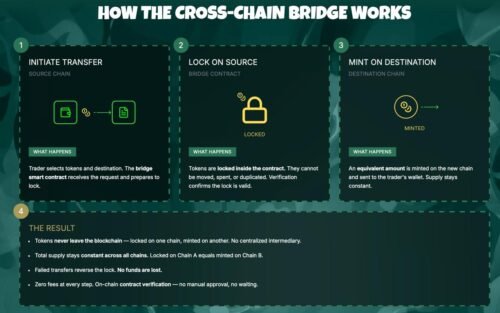
    PepetoSwap handles every trade at zero cost so gains stay whole, and the bridge moves tokens across chains without a fee so capital transfers cost nothing. More than $8.8 million committed while the Fear and Greed Index read 16 proves wallets inside already calculated the Binance listing outcome.

    Holders lock in 185% APY through the staking program while the confirmed listing draws closer, and HBAR turned small entries into fortunes when it ran from $0.03 to $0.45 in 2021 with zero products behind it.

    From the $0.000000186 presale entry, analyst models point to 100x and as high as 300x, and more tools behind a project logically reaches more than what zero tools reached, which is why the debate about which entry leads this cycle is already settled by the capital that flowed in. Even if HBAR doubles to $0.18, the listing will deliver returns from the presale price that make a 2x from Hedera look like a rounding error.

    Hedera Price Prediction: Where Does HBAR Go After the McLaren Partnership?

    HBAR trades at $0.09 according to Changelly, holding above the lower end of its April range. The Hedera price prediction from Changelly places the maximum at $0.101 for April, while CoinCodex projects $0.131 within the next month. Resistance sits at $0.105 to $0.11, and clearing that zone would signal that bulls are taking control. Binance predicts $0.177 for 2026, and longer term forecasts from CryptoNews place HBAR near $0.20 by year end. The McLaren partnership and Agent Lab add real catalysts, but a move from $0.09 to $0.20 is a 2.2x that takes the rest of 2026. The Hedera price prediction offers slow growth while the presale offers compressed distance that only exists before a listing opens trading.

    Conclusion

    On a wider level, McLaren joining the council and Agent Lab launching confirm Hedera is a real enterprise network. In the presale space, the entry whose math already proved itself once is still open. The Hedera price prediction carries weight for long positions, but the debate about which entry leads this cycle is settled by the $8.8 million that flowed into Pepeto during fear because HBAR itself turned small entries into fortunes with zero products behind it, and more tools behind the same kind of token logically produces more.

    The Pepeto official website is where the wallets that did the math are entering right now, and the confirmed Binance listing is what turns every presale entry into the return that HBAR holders waiting for a 2x will never see. Missing the presale while waiting for the Hedera price prediction to play out over months could be the decision that separates this cycle’s winners from everyone who watched the right answer and chose patience over action.

    Click To Visit Pepeto Website To Enter The Presale

    FAQs:

    What is the Hedera price prediction for 2026?

    HBAR trades at $0.09 with resistance at $0.105, and Binance projects $0.177 for 2026 driven by enterprise partnerships and the Agent Lab AI platform.

    How does the Hedera price prediction compare to Pepeto?

    HBAR targets $0.177 to $0.20, a 2x from $0.09, while Pepeto targets 100x to 300x from a confirmed Binance listing at the presale entry.

    Is Pepeto a better entry than HBAR in April 2026?

    More than $8.8 million raised during extreme fear with SolidProof audited contracts and the Pepeto official website presale confirms experienced wallets already chose the faster path.

    Disclaimer:
    This article is for informational purposes only and does not constitute financial advice. Cryptocurrency investments carry risk, including total loss of capital. Readers should conduct independent research and consult licensed advisors before making any financial decisions.

    This publication is strictly informational and does not promote or solicit investment in any digital asset

    All market analysis and token data are for informational purposes only and do not constitute financial advice. Readers should conduct independent research and consult licensed advisors before investing.

    Crypto Press Release Distribution by BTCPressWire.com

  • XRP Price Prediction: Could Pepeto Deliver What XRP and the CLARITY Act Will Take All Year to Produce? thumbnail

    XRP Price Prediction: Could Pepeto Deliver What XRP and the CLARITY Act Will Take All Year to Produce?

    Treasury Secretary Bessent just endorsed digital asset legislation in a Wall Street Journal op ed, the first time a sitting Treasury Secretary has called for crypto regulation over enforcement. The forecast adjusted upward on that signal, but XRP still sits at $1.32 while the Senate schedules a CLARITY Act markup and the SEC holds its own roundtable on April 16. Pepeto, a presale built by the architect behind the original Pepe coin that reached $11 billion, has raised more than $8.8 million during extreme fear and is approaching a confirmed Binance listing that could deliver faster returns than the XRP price prediction will produce even if the CLARITY Act passes this quarter.

    XRP Price Prediction: Bessent Endorses Digital Asset Law as SEC Roundtable Approaches

    Treasury Secretary Scott Bessent publicly endorsed digital asset legislation in a WSJ op ed, marking the first time a sitting Treasury Secretary has called for regulation rather than enforcement, according to OpenPR. The SEC scheduled a CLARITY Act roundtable for April 16, three days after the Senate returned, per 24/7 Wall Street. Institutional models shifted upward, but institutional money is also watching presale tokens where a confirmed listing moves faster than any bill through Congress.

    Ripple Outlook and the Entry That Moves Before Legislation Does

    Pepeto: The Presale Filling While XRP Waits for the Senate

    The Bessent endorsement and CLARITY Act progress confirm the regulatory path is clearing, but the wallets making the biggest moves are entering tokens where a confirmed listing creates returns that the XRP price prediction cannot match from $1.33. Pepeto is the presale built by the architect who grew the first Pepe token to an $11 billion market cap with zero products, with SolidProof completing a full audit on every contract before the presale accepted a dollar.

    The risk scorer checks every token before capital touches it, and the bridge moves tokens across chains at zero cost so capital stays whole. More than $8.8 million raised while the index showed extreme fear at 16 proves committed money already calculated where the Binance listing takes this.

    Holders inside the presale lock in 185% APY on their staked position while the listing nears, and the last presale stage sold out ahead of schedule with wallets rushing to secure entries before the price moved up. Analyst models target between 100x and 300x from the $0.000000186 presale price, and XRP would need to reach $133 per token to deliver returns on that scale from where XRP sits today. Getting in now means being on the side that collects the returns instead of watching the listing from the outside and regretting.

    XRP Price Prediction: Where Does XRP Go After Bessent and the SEC Roundtable?

    XRP trades at $1.32 today according to Yahoo Finance, steady as the market prices in the CLARITY Act timeline. The 50 day moving average near $1.40 remains the first resistance, and clearing $1.50 opens $1.61 and the 100 day average at $1.69. Standard Chartered trimmed its 2026 target to $2.80 but holds $12.60 for 2028 if cross border settlement plays out. Losing $1.28 would erase the ceasefire bounce. The XRP price prediction now hinges on whether the CLARITY Act passes before midterm politics shelve it, and if it does, banks could use XRP directly inside Ripple’s payment rails, pushing the $5 to $10 targets into range. The math is strong for a large cap, but a 7x from $1.32 to $10 still cannot deliver what a presale offers before a confirmed listing.

    Conclusion

    On a wider level, the Treasury Secretary endorsing digital asset law changes the entire picture for XRP. In the presale space, the entry that fills faster each day sits open right now. The XRP price prediction carries real weight after the Bessent signal, but the wallets entering Pepeto are the ones collecting returns the CLARITY Act will take all year to deliver for XRP holders.

    The last stage sold out ahead of schedule and the current one fills as this article is read, and the Pepeto official website is where the capital flows because entering the presale now is how to secure the returns the listing will deliver. Waiting for the CLARITY Act to pass before acting could be the worst decision of the cycle, because the Pepeto official website holds an entry that disappears permanently once the Binance listing opens trading.

    Click To Visit Pepeto Website To Enter The Presale

    FAQs:

    What is the XRP price prediction after the Bessent endorsement?

    XRP holds $1.32 with $2.80 as the 2026 target from Standard Chartered, and the CLARITY Act passing could push $5 to $10 into range.

    How does the XRP price prediction compare to Pepeto?

    XRP targets $2.80 to $10 over months, while Pepeto targets 100x to 300x from a confirmed Binance listing at the current presale entry.

    Is Pepeto a better entry than XRP during the CLARITY Act push?

    More than $8.8 million raised during extreme fear with stages selling out ahead of schedule confirms capital already chose the faster path to returns before the Binance listing.

    Disclaimer:
    This article is for informational purposes only and does not constitute financial advice. Cryptocurrency investments carry risk, including total loss of capital. Readers should conduct independent research and consult licensed advisors before making any financial decisions.

    This publication is strictly informational and does not promote or solicit investment in any digital asset

    All market analysis and token data are for informational purposes only and do not constitute financial advice. Readers should conduct independent research and consult licensed advisors before investing.

    Crypto Press Release Distribution by BTCPressWire.com

  • Pepe Coin Price Prediction Falls Short as Pepeto Presale Fills Faster Than PEPE ETF Filing Can Move the Price thumbnail

    Pepe Coin Price Prediction Falls Short as Pepeto Presale Fills Faster Than PEPE ETF Filing Can Move the Price

    Canary Capital just filed the first spot PEPE ETF with the SEC on April 8, and PEPE dropped 6% the next day instead of rallying. The pepe coin price prediction depends on institutional adoption that has not arrived, while the token sits 85% below its all time high at $0.0000035 with a $1.5 billion cap that limits the distance. Pepeto, a presale backed by a former Binance expert on the development team with more than $8.8 million raised during extreme fear, is filling faster every stage because the confirmed Binance listing delivers what an ETF filing alone cannot.

    Pepe Coin Price Prediction: First Spot PEPE ETF Filed as Price Drops 6%

    Canary Capital filed an S1 with the SEC on April 8 for the first spot PEPE ETF that would hold actual tokens and track live price, according to The Defiant. PEPE fell 6% in 24 hours after the filing as volume spiked but failed to hold, per Yahoo Finance. The PEPE outlook depends on whether this ETF gains traction, but existing DOGE ETFs have generated tepid inflows, and a meme token with no utility faces a harder path to approval than BTC or ETH ever did.

    PEPE Forecast and the Presale Reshaping Meme Coin Allocations

    Pepeto: The Meme Coin Exchange Where Capital Is Moving Instead of Waiting

    The PEPE ETF filing confirms growing interest in meme coins, but the capital making the largest moves right now is not waiting for SEC approval that could take months. Pepeto is the meme coin exchange guided by a former Binance expert on the development team, with SolidProof auditing every smart contract before the presale accepted a single dollar.

    The cross chain bridge transfers tokens between networks at zero cost so capital stays protected, and PepetoSwap processes trades without charging fees so returns from each position stay complete. Over $8.8 million raised during a Fear and Greed score of 16 is the kind of conviction that only appears when large wallets have finished the math, and the pace of capital flowing in during fear is the clearest confirmation that the confirmed Binance listing outcome has already been calculated.

    Holders collect 185% APY by staking tokens while the listing date nears, and the pepe coin price prediction depends on an ETF that may never get approved while Pepeto has a confirmed listing that removes the presale price permanently. Analyst models place the move between 100x and 300x from the current $0.000000186 entry, and large caps target 2x over months while this presale targets 100x from one listing event. Even if PEPE recovers to $0.00002, the Binance listing is positioned to deliver returns from the presale that a 5.7x from PEPE cannot come close to matching.

    Pepe Coin Price Prediction: Can the ETF Filing Save PEPE?

    PEPE trades at $0.0000035 according to MetaMask, down 85% from its all time high of $0.00002803. The Canary Capital filing is the first attempt to bring a meme coin into regulated brokerage products, but DOGE ETFs saw limited inflows per CoinShares data. The pepe coin price prediction for 2026 from Cryptopolitan places the maximum at $0.000025, a 7x from current levels. On the upward move, any major exchange listing or ETF approval could trigger a short term spike, but PEPE peaked at $7 billion with zero products and has since lost $5.6 billion of that value. The math is clear: a PEPE target of $0.000025 delivers 7x, while Pepeto offers 100x to 300x from a presale entry before a confirmed listing.

    Conclusion

    On a broader level, the PEPE ETF filing proves meme coins are entering the institutional conversation. In the presale space, the entry that delivers 100x does not need an SEC filing because the Binance listing is already confirmed. The pepe coin price prediction depends on approval timelines and institutional appetite that remains uncertain, but entering Pepeto right now means joining what the capital already confirmed because every stage fills faster than the last and each filled round moves the price closer to listing. The Pepeto official website is where the pace of committed money proves the conviction is real, and waiting for a PEPE ETF that may take a year means missing the listing that converts presale entries into returns this week. The Pepeto official website is the entry, and the listing is the event that no amount of ETF filings from PEPE can replicate.

    Click To Visit Pepeto Website To Enter The Presale

    FAQs:

    What is the pepe coin price prediction for 2026?

    PEPE trades at $0.0000035 with a maximum target of $0.000025, a 7x that depends on ETF approval and renewed meme coin demand.

    How does the pepe coin price prediction compare to Pepeto?

    PEPE targets 7x over months pending ETF progress, while Pepeto targets 100x to 300x from a confirmed Binance listing that removes the presale price.

    Is Pepeto a better meme coin entry than PEPE right now?

    A: More than $8.8 million raised with SolidProof audited contracts and 185% APY staking confirms experienced wallets chose Pepeto over waiting for an uncertain PEPE ETF.

    Disclaimer:
    This article is for informational purposes only and does not constitute financial advice. Cryptocurrency investments carry risk, including total loss of capital. Readers should conduct independent research and consult licensed advisors before making any financial decisions.

    This publication is strictly informational and does not promote or solicit investment in any digital asset

    All market analysis and token data are for informational purposes only and do not constitute financial advice. Readers should conduct independent research and consult licensed advisors before investing.

    Crypto Press Release Distribution by BTCPressWire.com

  • Dogecoin Price Prediction: X Money Beta Goes Live as Pepeto Presale Passes $8.8M and DOGE Tests $0.10 thumbnail

    Dogecoin Price Prediction: X Money Beta Goes Live as Pepeto Presale Passes $8.8M and DOGE Tests $0.10

    X Money entered closed beta in March with a public launch confirmed for April, and active DOGE addresses jumped 176% in a single week, proving something is building even while the Dogecoin price prediction stays stuck between $0.085 and $0.10. The returns from $0.09 to $0.16 represent less than a 2x that takes months. Pepeto, built by the cofounder who grew the original Pepe coin to $11 billion with zero products and the same 420 trillion supply, has collected more than $8.8 million during extreme fear and sits days from a confirmed Binance listing.

    Dogecoin Price Prediction: X Money Beta Launch Sparks Activity While DOGE Holds Support

    X Money entered closed beta in March 2026 with a public launch planned for April, though DOGE integration remains unconfirmed, according to Changelly. Active Dogecoin addresses spiked 176% in one week to 73,000, per Cryptopolitan. The DOGE forecast depends on whether X Money confirms DOGE as a payment option for 600 million users, and the wallets positioning in presale tokens before that decision are set to collect regardless.

    Meme Coin Entries and the DOGE Forecast Shaping April Allocations

    Pepeto: The Presale Collecting Capital While DOGE Waits for Confirmation

    The X Money beta and rising DOGE activity confirm interest is growing, but the wallets making the largest moves are entering presale tokens where a confirmed listing creates returns the DOGE forecast cannot deliver from $0.09. Pepeto is the exchange presale built by the cofounder who took the original Pepe coin to $11 billion, and every contract has been cleared by SolidProof.

    PepetoSwap removes fees from every trade so profits stay whole, and the risk scorer checks every contract before capital goes in so scams cannot reach the funds inside. More than $8.8 million collected during a Fear and Greed reading of 16 tells anyone watching the Dogecoin price prediction where experienced wallets already calculated the outcome, and the confirmed Binance listing is the event that converts every presale position into returns.

    Holders earn 185% APY on staked tokens while the listing approaches, and the market always pays the most to the earliest believers, which is why wallets that entered DOGE at $0.002 before anyone believed built real wealth that late buyers could never match. Analysts project 100x to 300x from the current $0.000000186 entry, and the window DOGE offered in 2020 closed permanently, but the same kind of entry sits open at Pepeto for anyone who sees the pattern before the Binance listing shuts it. Even if X Money confirms DOGE and pushes it to $0.25, the listing will convert presale positions into gains that make a 2.7x from DOGE look like spare change.

    Dogecoin Price Prediction: Where Is DOGE Going After the X Money Beta?

    DOGE trades at $0.09 today according to CoinGecko, holding above $0.085 support that has defined the floor since March. The $0.10 resistance remains the key level, and clearing it would open the path toward $0.113 and $0.14 if buying pressure continues. The DogeOS upgrade proposal including zero knowledge proofs and Ethereum bridges is under review, adding development that could shift the long term Dogecoin price prediction. Losing $0.085 opens $0.075 as the next target. CoinCodex projects a maximum of $0.117 by mid April, while cycle analysts maintain targets as high as $5 if X Money confirms. The range is wide, but even the $5 target from $0.09 delivers 55x that still falls short of what a presale entry offers before a confirmed Binance listing.

    Conclusion

    On a wider level, the X Money beta and address spike confirm DOGE is alive. In the presale space, the entry that the listing will permanently remove is still open. The Dogecoin price prediction may turn bullish if X Money confirms DOGE, but the wallets that entered Pepeto during fear are positioned to collect returns no large cap can produce.

    DOGE was cheap before it exploded and the people who entered when nobody believed built real wealth, and millions entering the Pepeto presale during fear means the wallets inside expect the same outcome, which is why the Pepeto official website is where committed money flows right now. Entering now is how to be on the side that collects what the listing delivers, and the Pepeto official website is the door before it closes and this becomes the entry that haunts the rest of the cycle.

    Click To Visit Pepeto Website To Enter The Presale

    FAQs:

    What is the Dogecoin price prediction for April 2026?

    DOGE trades at $0.09 with $0.10 resistance in focus, and clearing it could open a path toward $0.14 driven by the X Money beta catalyst.

    How does the Dogecoin price prediction compare to presale entries?

    Even a move to $0.25 from $0.09 delivers 2.7x, while Pepeto’s confirmed Binance listing targets 100x to 300x from the presale entry.

    Is Pepeto a better entry than DOGE right now?

    More than $8.8 million raised during extreme fear with SolidProof audited contracts and 185% APY staking confirms experienced wallets already chose the presale over waiting for DOGE catalysts.

    Disclaimer:
    This article is for informational purposes only and does not constitute financial advice. Cryptocurrency investments carry risk, including total loss of capital. Readers should conduct independent research and consult licensed advisors before making any financial decisions.

    This publication is strictly informational and does not promote or solicit investment in any digital asset

    All market analysis and token data are for informational purposes only and do not constitute financial advice. Readers should conduct independent research and consult licensed advisors before investing.

    Crypto Press Release Distribution by BTCPressWire.com

  • Why Businesses That Invest in SEO Friendly Content Writing Services Grow Faster Online

    Let me tell you something most marketing agencies won’t admit upfront: having a website does not guarantee that anyone will find it. You could have the cleanest design, the fastest load time, and the most competitive pricing in your industry; none of that matters if your pages are buried on page four of Google search results. Nobody scrolls to page four. This is a reality that business owners tend to discover the hard way, usually after spending months wondering why their website isn’t generating any inquiries. The answer, almost every single time, comes back to content.

    Good content does something that no amount of design work or technical tweaking can fully replace: it speaks directly to the person searching. When someone types a question into Google, they want a real answer from someone who actually understands the topic. Businesses that provide that answer earn the click, earn the trust, and eventually earn the sale. That is the entire logic behind posting on Facebook campaigns built around quality content; when what you share is genuinely useful, people engage with it, share it further, and come looking for more.

    Content That Ranks Is Not an Accident

    Here is something worth understanding about the articles and pages that appear on the first page of Google: they did not get there randomly. Someone made deliberate choices about which keywords to target, how to structure the piece, what questions to answer, how long the content should be, and how to link it to other relevant pages on the same website. These are not instinctive decisions. They come from experience, research, and a clear understanding of how search algorithms evaluate content quality.

    Most business owners are experts at what they do. A plumber knows pipes; a lawyer knows contracts; a bakery owner knows dough. But knowing your craft and knowing how to write content that Google rewards are two completely different skills. Trying to do both at once usually means doing neither particularly well. That is not a criticism; it is just the reality of how specialization works. Professional SEO-friendly content writing services exist precisely because this gap is so common and so costly when left unaddressed.

    The difference shows up quickly in analytics. A business that switches from occasional, unoptimized blog posts to regular, research-backed content written with search intent in mind will usually see a measurable shift in organic traffic within three to four months. Not overnight. But steadily, predictably, in a way that compounds over time rather than spiking and collapsing the way paid ad campaigns tend to do.

    Why Most In-House Content Efforts Fall Short

    Ask any small business owner who has tried managing their own content, and you will hear a familiar story. It starts with good intentions: a blog gets created, a few articles get published, and someone shares them on social media. Then life gets busy. The blog goes quiet for six weeks. Then three months. By the time anyone circles back to it, the initial momentum is completely gone, and starting over feels exhausting. This pattern plays out constantly, and it is not a discipline problem; it is a resource problem.

    Content creation takes time that most business owners simply do not have in surplus. Proper keyword research alone can take an hour or two before a single word of the actual article gets written. Then there is the drafting, the editing, the formatting, the meta description, the image sourcing. When you add it all up, a single well-optimized article represents four to six hours of focused work. Multiply that by the eight to twelve articles per month that a serious content strategy requires, and the math becomes obvious pretty quickly.

    Outsourcing to a professional service does not mean giving up control of your brand voice or your messaging. It means delegating the execution to people who do this work every day; people who have the keyword tools, the editorial discipline, and the writing skill to produce content that actually performs. You stay in charge of the strategy and direction. They handle the production. It is the same logic behind hiring an accountant rather than filing complex tax returns yourself.

    The Keyword Question: More Complicated Than It Looks

    A lot of people assume keyword research means finding the most popular search term in your niche and writing an article about it. That approach sounds logical but it rarely works, especially for newer or smaller websites. The most popular keywords are almost always dominated by large, established domains with years of backlinks and authority built up. Trying to rank for those terms from a standing start is like entering a marathon after one week of training. You can try, but the outcome is predictable.

    What actually works, particularly in the early and middle stages of building organic search presence, is targeting a mix of mid-volume keywords and long-tail phrases; the kind of specific, question-based searches that larger competitors often overlook because the individual traffic volumes seem small. But those smaller streams add up. Ten articles, each bringing in two hundred monthly visitors, is two thousand visitors a month, all organic, all targeted, all arriving because the content specifically answered what they were looking for.

    Professional SEO-friendly content writing services do this keyword mapping as part of the process before the writing starts. They look at search volume, keyword difficulty, existing competition, and the intent behind different search phrases. That research shapes the entire article from the opening paragraph to the final call to action. It is the difference between content that gets read once and forgotten and content that keeps bringing visitors back month after month.


    Social Sharing and SEO: They Work Together

    There is a tendency in digital marketing to treat SEO and social media as separate departments with separate goals. In practice, that separation leaves a lot of value on the table. When a well-written article gets shared on social platforms, it generates referral traffic immediately, and that traffic sends behavioral signals to Google; people are visiting the page, spending time on it, and not immediately bouncing back to the search results. Those signals contribute to how the page gets ranked over time.

    The reverse is also true. Content that performs well in organic search tends to have qualities that make it shareable on social media: it answers a real question, it is easy to read, and it offers something genuinely useful rather than just promoting a product. When a brand consistently shares that kind of content, whether as a Facebook post, Seozilla update, or across other channels, builds a reputation as a reliable source of information. That reputation compounds; audiences grow, engagement increases, and the content earns links and mentions that feed directly back into search authority.

    What Separates Good Content From Forgettable Content

    This might be the most practical question in the whole conversation: what actually makes one piece of content better than another when both are targeting the same keyword? The honest answer has a few layers to it. Depth matters; an article that covers a topic thoroughly and answers follow-up questions before the reader has to ask them will always outperform a shallow overview. Originality matters; content that offers a specific angle, a real example, or a perspective that other articles in the same niche are not offering stands out both to readers and to search algorithms looking for unique value.

    Readability matters more than most people realize. Online readers do not read the way they read a printed book. They scan headings first, then dip into the paragraphs that look relevant. If the content is organized clearly and the most important points are easy to find, readers engage more deeply. If it is one long wall of text with no visual breaks, most visitors leave within thirty seconds regardless of how good the actual writing is. Professional content writers understand this instinctively because they have spent years watching how readers behave and adjusting their craft accordingly.

    Thinking About Content as a Long-Term Asset

    One final shift in perspective that tends to change how business owners relate to content investment: stop thinking of articles as expenses and start thinking of them as assets. A paid advertisement costs money every single day it runs. The moment you stop paying, the traffic stops. An article, once published and indexed, earns traffic continuously. It can be updated, expanded, and refreshed as your industry evolves; each update extends its useful life rather than requiring you to start from scratch.

    A business that publishes consistently for two years builds a library of content that works around the clock without any ongoing ad spend. That library becomes a competitive moat: difficult for newcomers to replicate quickly, constantly generating visibility, and quietly building the kind of domain authority that makes every future piece of content rank faster and easier than the last. That is the true return on investment from professional SEO-friendly content writing services: not just traffic, but a permanent digital asset that grows in value the longer it exists.