Author: IndNewsWire

  • Stevieontay Burnz and Crackle Kapone Open Up About the Future of Hip-Hop and Independent Success in Exclusive MSN Feature thumbnail

    Stevieontay Burnz and Crackle Kapone Open Up About the Future of Hip-Hop and Independent Success in Exclusive MSN Feature

    Independent recording artists and entrepreneurs Stevieontay Burnz and Crackle Kapone have officially shared their blueprint for the future of hip-hop in an exclusive feature published on MSN. Titled “From Vision to Impact: Stevieontay Burnz and Crackle Kapone on Redefining Independent Hip-Hop with ‘Burnz and Beyond’,” the extensive interview highlights the pair’s collaborative vision, shedding light on how self-reliant creators can bypass major-label gatekeepers to build enduring, commercially viable platforms anchored in positive, transformative messaging.

    As independent musicians worldwide grapple with market saturation, corporate compromise, and the pressures of sustainable business growth, Burnz and Kapone present a modern counter-narrative. Together, they combine grassroots business acumen with advanced audio engineering to carve out a distinct lane for independent artists determined to retain creative autonomy.

    A Sonic Architecture Built on Resilience and Purpose

    At the center of their movement is their joint project, Burnz and Beyond, a body of work conceptualized to explore themes of perseverance, self-reliance, and personal evolution. Drawing from personal triumphs over adversity, mental health struggles, and financial uncertainty, Stevieontay Burnz emphasizes that authentic storytelling remains the lifeblood of hip-hop’s next chapter.

    “My biggest inspirations have been my personal experiences, my love for cannabis, and the challenges I’ve overcome throughout my life,” Burnz stated during the MSN discussion. “From mental health struggles to financial hardships and building businesses in an industry constantly facing uncertainty, I’ve learned that resilience is everything. Burnz and Beyond represents my passion for cannabis, personal growth, and turning struggles into something meaningful. Through my music, I want to inspire others to embrace their individuality, follow their passions, and never give up, regardless of what life throws their way.”

    Burnz’s artistic output remains tightly intertwined with his entrepreneurial endeavors, notably his leadership at The Southern Maryland Experience. Balancing business operations alongside an active recording schedule has given him a practical perspective on what it takes to thrive outside mainstream studio systems.

    “Building The Southern Maryland Experience has taught me resilience, independence, and the importance of believing in your vision, even when others don’t,” Burnz noted, adding that his ventures have reinforced a vital message: genuine success demands long-term commitment, calculated risk-taking, and self-made momentum.

    Engineering Excellence Without the Major Studio Machinery

    Complementing Burnz’s entrepreneurial vision is the technical and creative execution of producer and audio engineer Crackle Kapone. Responsible for the production, tracking, mixing, and mastering of Burnz and Beyond, Kapone bridges the gap between southern soul sensibilities and gritty underground hip-hop.

    Describing the sonic identity of the record, Kapone revealed the deliberate technical tools employed to craft its polished, punchy presence, specifically citing his use of The God Particle and Waves plug-in architectures. Beyond his role at the soundboard, Kapone steps in front of the microphone as a featured vocalist, viewing the dual role with seasoned calm: “Another day in the office I do it all the time.”

    Kapone’s advice for aspiring engineers and home-studio creators highlights the democratization of modern recording technology. Rejecting the notion that artists require multimillion-dollar facilities to compete on streaming platforms, Kapone offered a candid assessment:

    “Be cool. Mainly, you don’t need a major studio to get major sound,” Kapone explained. “You just have to learn to fully utilize the equipment you have.”

    Reaching Across Borders Through Digital Independence

    While deeply grounded in Maryland’s local culture, Burnz’s music has captured substantial engagement on international airwaves and digital platforms. When asked about cultivating audiences across continents without corporate backing, Burnz credited an intentional promotional framework built around targeted digital distribution, global radio syndication, international media placements, and direct community dialogue on social channels.

    “Music has no borders, and being independent allows me to explore opportunities worldwide,” Burnz explained. “I also believe authenticity is important. Whether it’s cannabis culture, heartbreak, or overcoming adversity, music connects people through shared experiences, regardless of where they’re from.”

    Setting a New Industry Standard

    The emergence of Burnz and Beyond arrives at a pivotal moment for the music industry. As streaming economics and decentralized distribution channels continue to shift power away from legacy institutions, the alliance between Stevieontay Burnz and Crackle Kapone illustrates how community leadership, focused brand development, and technical precision can coalesce into a self-sustaining enterprise.

    By proving that independent hip-hop can serve simultaneously as an uncompromising cultural voice and a thriving commercial platform, the duo continues to chart a course for the next generation of recording artists.

    About Stevieontay Burnz

    Stevieontay Burnz is an independent recording artist, entrepreneur, and community leader based in Southern Maryland. As the founder of The Southern Maryland Experience, Burnz integrates music, lifestyle branding, and cannabis advocacy to deliver uplifting messages centered on perseverance, independence, and personal development.

    For more info, visit https://www.stevieontay.info

    About Crackle Kapone

    Crackle Kapone is an audio engineer, music producer, and recording artist known for blending southern soul, underground hip-hop textures, and contemporary commercial production standards. With deep expertise across mixing, mastering, and performance, Kapone remains a driving force behind innovative independent releases.
  • What to Say, Who Tells the Story, and Where: Andrea Sicard García’s Distinctive Approach to Communications, Digital Marketing, and Influencer Marketing thumbnail

    What to Say, Who Tells the Story, and Where: Andrea Sicard García’s Distinctive Approach to Communications, Digital Marketing, and Influencer Marketing

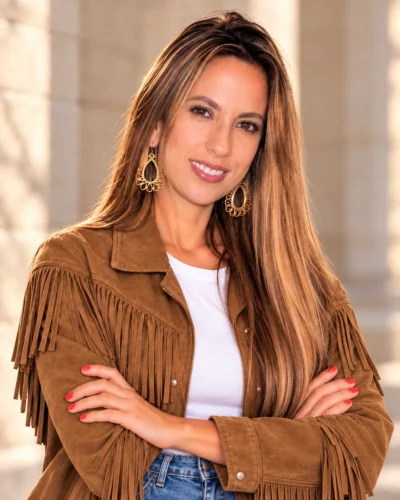
    Andrea Sicard García’s career has spanned three environments: media, digital platforms, and influencer communities. For more than twelve years, the bilingual strategist has worked in public relations, digital marketing, and influencer marketing, bringing these disciplines together in campaigns and positioning strategies for audiences in the United States and Latin America.

    She studied Social Communication and Journalism at Universidad Sergio Arboleda. She later completed postgraduate studies in Marketing Management at the same institution and earned a dual qualification in Digital Marketing from the University of Salamanca. She complements her academic background with ongoing online courses to keep her knowledge current and explore tools and approaches relevant to her work in communications and marketing.

    Her experience encompasses both defining a strategy and handling the negotiations and decisions required to execute it: finding a relevant media angle, selecting the right influencer, developing content, and evaluating audience responses. Across projects in technology, e-commerce, entertainment, healthcare, and consumer sectors, this work requires understanding what each organization or expert needs to communicate and what matters to the audience they want to reach.

    “Before thinking about what we are going to publish, I want to define what we want people to understand, remember, or do after encountering the brand,” says Sicard García.

    Influencer Marketing: From Audience Alignment to Campaign Execution

    Andrea creates and directly leads influencer marketing campaigns, from strategy development through results analysis. Her work brings together audience research, creator selection and negotiation, the development of briefs and key messages, collaborative scriptwriting, and the coordination of production and publishing.

    This experience sits within an industry attracting growing investment. According to the Interactive Advertising Bureau (IAB), U.S. creator advertising spending reached $37 billion in 2025. In April 2026, the organization projected that spending would reach $44 billion that year. This scale makes the judgment behind partner selection and campaign development particularly important.

    To guide selection, Andrea has developed an evaluation framework covering six dimensions: reputation and track record; the quality of comments and conversations; language and tone; storytelling ability and audience connection; audience authenticity and consistency; and alignment with the brand and campaign objective.

    The assessment combines quantitative indicators with a review of the content and the influencer’s relationship with their community. Andrea examines the questions they receive, how audiences respond to their recommendations, the expressions they use, and how they tell their stories. She also reviews previous partnerships and potential conflicts with the brand’s positioning.

    Views, likes, and comments are examined together across multiple posts. Their consistency helps reveal patterns and potential anomalies, although no single indicator proves that an audience is authentic.

    Audience alignment completes this assessment: a community may be active and engaged without matching the campaign’s target market, interests, or needs. The framework helps inform that decision before moving into negotiation and creative development.

    The research also covers the topics, trends, and formats that attract followers’ interest. Andrea uses these findings to develop concepts in which a product or service plays a meaningful role within an experience, a need, or an everyday situation.

    From this foundation, she develops the brief and defines the objective, audience, creative concept, key messages, and call to action. She also establishes the deliverables and guidelines that will shape the work with influencers.

    Her involvement continues through script development. She works directly with creators on the opening hook, story structure, brand integration, and closing. Key messages are adapted to each influencer’s language to preserve the campaign’s intent and the voice their community recognizes.

    “When I create a campaign, I want the audience to recognize a situation from their own lives and understand what the product contributes to it. That is why I get involved in the scripts and develop them with each influencer: the brand needs to have a purpose within the story, and the creator needs to be able to tell it in their own voice,” Andrea says.

    This collaborative development allows them to explore how to show a product in use, explain a service, or incorporate an experience into the creator’s narrative. A natural presentation is developed through the script and staging, while keeping the commercial nature of the partnership transparent.

    Andrea also directly manages negotiations, budgets, deliverables, and partnership schedules. She coordinates content review and publication and analyzes results against the campaign objective. Performance metrics, together with audience questions and reactions, help her identify which messages worked, what content needs adjustment, and which partnerships should continue.

    From Media Coverage to Digital Conversation

    A company may have a story to tell, while an expert may have the knowledge to explain what is happening. Identifying why that contribution would interest a journalist and their audience is part of Andrea Sicard García’s work in public relations.

    Andrea develops PR strategies for companies and experts. Professionals across different specialties turn to her to raise the visibility of their expertise, strengthen their positioning, and identify opportunities to contribute to the media. Her work involves identifying topics on which they can offer a distinctive perspective, developing editorially relevant angles, and preparing clear messages for the audiences they want to reach. Specialized knowledge can help interpret a news story; professional experience can offer a different perspective on a debate.

    “When I work with a company or an expert, I look for what they can explain from their experience that moves a conversation forward. That contribution allows me to develop an angle that interests the journalist and offers value to their audience,” adds Andrea Sicard García.

    Once an interview or article is published, Andrea develops the story further across digital channels. An explanation can become a video, a reflection can become a post, and an audience question can become a new editorial topic. Each adaptation aims to preserve the message’s accuracy and the speaker’s voice.

    Audience responses also guide subsequent work. Recurring questions and topics that generate interest reveal opportunities to explore an issue further, clarify concepts, or propose additional media contributions.

    A media appearance therefore becomes a starting point for developing content and new opportunities to participate in public conversations, sustaining the positioning of the companies and experts she works with.

    Across Markets: Context Also Shapes Strategy

    A professional background that is well recognized in one country may need to be introduced differently in another. The same applies to a campaign: sharing a language does not guarantee that references, messages, or selected situations carry the same meaning for every audience.

    In her work across the United States and Latin America, Andrea Sicard García considers these differences from the planning stage. The news agenda, the audience’s existing knowledge, and the ways credibility is established influence the selection of media outlets, influencers, and creative approaches.

    “There are experts with valuable knowledge who have not yet found a way to bring it into public conversation. My job is to identify what they can explain better than others and why that contribution matters at that moment. When we work in another market, I consider what context the audience needs to understand the value of that expertise,” explains Andrea Sicard García.

    For an expert, this adaptation may involve connecting their knowledge to a local issue or explaining background information that is unfamiliar to a new audience. In an influencer campaign, it may change the choice of creator, the references in the script, or the situation in which a product or service is presented.

    Representation also influences that relationship. According to Nielsen’s 2025 report on Hispanic consumers in the United States, 56% wished they saw greater representation in their social media feeds; among Spanish speakers, the figure rose to 63%. The finding provides context about this specific audience and reinforces the importance of examining whose experiences appear in content intended for them.

    This international perspective runs through all three areas of her work: public relations, digital marketing, and influencer marketing. Audience research informs both the story she pitches to a journalist and the content she develops with a creator.

    Andrea Sicard García’s contribution lies in this connection between strategic judgment and direct involvement. Her work ranges from deciding which story deserves development to building the script, preparing the editorial approach, and reviewing audience responses. For the companies and experts she works with, that continuity helps maintain a clear direction as channels, formats, and markets change.

    Whether creating a campaign, developing a media story, or working with an expert, Andrea Sicard García seeks to identify what each voice can contribute to its audience. Her direct involvement in strategy and content allows her to carry that question from the brief through publication.

    “I am interested in what happens after we capture attention: what idea stays with someone, what question they begin to ask, or what they understand better. That is where I find a reason to create a campaign or bring an expert’s perspective to the media,” says Sicard García.

    Professional Profile: linkedin.com/in/andrea-sicard-garcia

  • Thirty Years of Progress. The Same Three Problems. thumbnail

    Thirty Years of Progress. The Same Three Problems.

    Modern sales organizations possess an unprecedented arsenal of software stacks, automated workflows, and complex sales methodologies. Despite decades of technological progress, revenue teams still face the same three chronic hurdles: inconsistent quota attainment, unreliable revenue forecasts, and severe operational friction. While businesses invest heavily in managing capital, talent, and data, they routinely overlook the single finite asset that governs every sales outcome: available working hours.

    Morgan Lim, founder of OPPTIC Sales Method and a 30-year enterprise sales veteran, introduces a framework designed to address this structural blind spot: Time Intelligence. In this Executive Q&A, Lim explains why traditional sales coaching and CRM tools fail to fix pipeline problems, reveals how structural planning errors above the rep level sabotage productivity, and outlines how measuring the Flow-to-Friction ratio restores focus to deal-advancing work.

    Q: You have sold enterprise software since 1997. What has changed in that time, and what has remained fundamentally the same?

    Morgan Lim: Everything about the tooling changed. Almost nothing about the problem did.

    When I started, the CRM was a Rolodex and a spreadsheet. Today a seller has more software than they can name, and it captures more than anyone has time to read. The tools became extraordinary. The playbooks multiplied. The methodologies earned brand names, certifications, and establishments.

    What didn’t change is the week. A seller in 1997 had the same finite hours a seller has today, and faced the same impossible instruction: close what is in front of you now, and build what closes next quarter, out of the same budget of time. Every tool we have built since helps with what happens inside an hour: how to find the contact, how to log the call, how to run the play. Not one of them governs which hours to spend, or whether the plan was ever feasible in hours to begin with.

    So the honest answer is that the tools changed, the techniques changed, and the one thing underneath all of it, time, was never touched. That is what I kept watching. The arsenal kept growing, and the same three problems kept coming back.

    Q: Modern sales stacks are more advanced than ever. Why haven’t better tools and established sales methodologies solved the core problems of consistency, forecast accuracy, and operational efficiency?

    Morgan Lim: Because the tools and the methodologies govern two different things, and neither one governs the hour.

    Think about what you actually bought. Every sales methodology, the ones that teach discovery, qualification, and negotiation, works inside the deal. It tells a seller what to say, whom to ask, how to position. And every tool in the stack is a system of record: it captures what already happened. One governs technique. The other governs the record. Both are valuable. But a plan is made of hours, and neither of them touches the hour itself: how many a team actually has, and where they go.

    That is why the three problems survive every upgrade. Consistency, forecast accuracy, efficiency; all three are downstream of how the week was spent, and the week is the one thing nothing measures. You can give a struggling rep the best methodology in the world and the richest tool stack, and if their hours were committed to the wrong work before the quarter started, the training and the software only help them do the wrong work more efficiently.

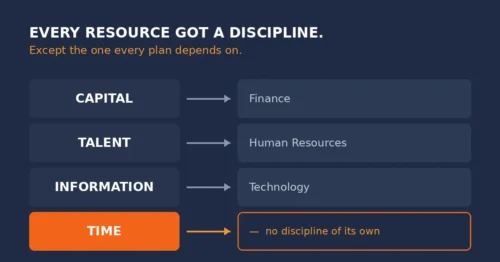
    Every discipline a business has, it is built around a resource. Capital has finance. Talent has human resources. Information has technology. Time,  the one resource every plan depends on, and the only one you never get back, has no discipline of its own. That is the gap. The tools got better. The thing underneath never had an owner.

    Q: What does it mean to say that sales has never been planned through the lens of time, and how does Time Intelligence fill that gap?

    Morgan Lim: It means we plan sales in dollars and headcount, and then we hope the hours work out.

    A revenue plan is built from the top down: here is the number, here is the territory, here is the quota per head. Every one of those is really a statement about time; it assumes a certain number of selling hours, spent a certain way, will produce the result. But that assumption almost never gets checked against the hours actually available. We do the dollar arithmetic carefully and skip the time arithmetic entirely. Then we hand the plan down and coach on technique when it doesn’t come true.

    Planning through the lens of time means doing that arithmetic before the quarter starts, not after it fails. How many real selling days are in the quarter, after holidays, ramp, and the overhead the role actually carries? What is the honest capacity in a day? Does the pipeline math, the coverage, the win rate, the cycle length, fit inside the hours that exist, or does it quietly require a week with more hours than anyone has?

    Time Intelligence is the discipline of asking those questions and measuring the answer. It does not replace the methodology or the tools; it sits underneath them and tells you whether the plan they are executing was ever feasible. Awareness first: see where the hours actually go. Then you can decide where they should go. You cannot invest an hour you cannot see, and until now, no one could see them.

    Q: Most organizations treat low output or missed quotas as an individual rep execution issue. Why do you argue this failure begins with leadership decisions around quotas, territories, and headcount?

    Morgan Lim: Let me be careful here, because this is easy to hear as blame, and it is not.

    When a number gets missed, the instinct is to look at the rep. Did they work hard enough, qualify well enough, run the play. Sometimes that is where the answer is. But often the outcome was set months earlier, above the rep’s head, in a decision no one connected to time.

    Here is the shape of it, and I have lived the rep’s side of it. A seller is handed a number at the start of a year. Partway through, the number gets raised, new target, same territory, same hours in the week. Everyone treats it as a question of motivation: can the rep rise to it. But it was never a motivation question. It was an arithmetic question. Do the math: selling days left, realistic deal size, the win rate the pipeline actually converts at, and the new number required more hours than the calendar contained. No amount of effort closes that gap, because the gap is not in the effort. It is in the plan.

    And here is why I do not call that a leadership failure in the ordinary sense: the person who set that number had no instrument to check it. They did the dollar math, which is the math we have always had, and they could not do the time math, because time was never measured. They were not careless. They were blind on the one variable that decided the outcome. The rep then inherits a schedule that cannot produce the result, and gets coached on technique for a problem technique cannot solve.

    So I am not pointing at leaders. I am saying the most consequential time decisions in the entire revenue org, how big a quota, how wide a territory, how many people- are made at the top, and they have always been made without time arithmetic, because no one had it. Give leadership that arithmetic, and you fix the problem where it actually starts, before it ever reaches the rep.

    Q: How does this approach differ from standard time management advice or the conventional sales methodologies revenue teams already run?

    Morgan Lim: Time management and sales methodology both answer real questions. They just do not answer this one.

    Time management asks how to fit more into the day, how to run the calendar with less friction, batch the busywork, protect a block of focus. It treats every hour as roughly equal and tries to get more out of each. Useful, but it is an efficiency question. It never asks whether the work filling those hours is the work that matters.

    Sales methodology works one level in, inside the deal: how to qualify it, advance it, close it. Also useful, and I am not asking anyone to throw theirs out. But it operates on the deal in front of you. It does not look at the whole week across all your deals at once, which is where the real trade-off lives: the one between closing now and building next quarter.

    Time Intelligence asks a different question than either, not how to fit more in, and not how to run a given deal, but which hours are worth investing in at all, across the whole book, before you commit them. Time management produces a full calendar. Time Intelligence produces the right calendar. Those are not the same thing, and at quarter-end they do not produce the same number.

    The other difference is that it is measured, not merely taught. A methodology you learn in a workshop fades. A number you can see every week becomes a discipline. That is the part that survives after the training ends and shows up in the forecast.

    Q: When a sales organization runs a Time Audit and measures its Flow-to-Friction ratio for the first time, what blind spots or surprises typically surface first?

    Morgan Lim: The first surprise is almost always the same: the balance is backward from what they believed.

    Flow is the time that builds pipeline and advances deals, the revenue-generating work. Friction is everything else: the reporting, the internal meetings, the administrative overhead. Necessary, most of it, but not the work that moves the number. Ask a team before they measure, and most assume their week runs heavily toward Flow. That is the job, after all. When they see it laid out honestly, it is usually inverted: more of the week went to overhead than to selling, and no one decided that on purpose. It accumulated, an hour at a time, invisibly.

    The second surprise is where the leak is. It is rarely one big thing. It is a standing meeting that quietly doubled, a reporting burden that grew, a hundred small reallocations no one chose. You cannot fix any of it while it is invisible, which is the whole point, the audit does not add discipline, it adds sight. It makes the invisible visible, and you cannot protect, fix, or reallocate an hour until you can see where it goes.

    The third lands on managers more than reps. Once the team’s time is visible side by side, the coaching conversation changes. It stops being about activity, did you make the calls, and becomes about investment: are your hours going where the number actually gets made. That is a different conversation, and it is the one that starts to produce consistency.

    Sales performance issues rarely stem from a lack of effort or a shortage of software. When leadership designs territories, sets quotas, and assigns administrative overhead without applying rigorous time arithmetic, sellers inherit schedules that make target attainment mathematically impossible. Equipping reps with new techniques cannot fix an operational model that actively starves pipeline generation of necessary selling hours.

    Sustainable revenue growth requires treating time as a governed asset rather than an unmanaged byproduct of daily work. By auditing the Flow-to-Friction ratio and aligning leadership expectations with real-world capacity, revenue leaders can eliminate silent overhead, protect pipeline execution, and build a predictable sales motion.

    To learn more, visit https://oppticsales.com/

  • BiCO2 Announces Kayan Project Onboarding to Its Unified Carbon Platform thumbnail

    BiCO2 Announces Kayan Project Onboarding to Its Unified Carbon Platform

    Collaboration connects forest conservation in Kalimantan with carbon project development and blockchain infrastructure.

    Kuala Lumpur, Malaysia – BiCO2 has announced the onboarding of the Kayan Forest project to its unified carbon platform, supporting the development of digital infrastructure for Kayan Group Holdings’ environmental program in Indonesia.

    BiCO2, or Blockchain Integrated Carbon Credit Issuance, is powered by MaalChain. Its platform brings project owners, planting teams, validators, verifiers, governance participants and market users into one environment covering project registration, validation, verification, credit issuance, trading and retirement.

    Its services include project-development documentation support and access to validation and verification participants. For project owners, the platform is designed to coordinate these stages and make the history of eligible carbon-credit transactions easier to trace.

    Kayan’s onboarding applies BiCO2’s approach, which brings project information and carbon-market participants into one coordinated and transparent environment, to a long-term forest conservation program.The Kayan program focuses on forest conservation, biodiversity protection and sustainable development in North and East Kalimantan, with Indigenous and local community participation. Its stated planning scope covers approximately 8.68 million hectares, with a proposed 60-year cooperation horizon. Eligible project areas remain subject to documented rights, applicable approvals and project requirements.

    The collaboration is intended to support project documentation and digital representation of eligible carbon-credit units as development and verification milestones are completed. Planned carbon-credit NFTs would provide traceable records of eligible units, including their transfer and retirement.

    “Working with BiCO2 supports our plans to connect forest stewardship with the professional processes and digital services needed for carbon-market participation,” said Mr Steven Loke, Chairman and Founder of Kayan Group Holdings.

    The wider ecosystem includes KYNCO2, a utility token for authorized service payments and carbon NFT settlement.Which has completed development and secured listing dates on GCex and P2B, set for15 November 2026.

    Media enquiries:

    contact@bico2.org

    www.bico2.org 

    www.kayantoken.io

    Carbon credits remain subject to applicable methodologies, independent assessment and registry requirements.

    Media Contact  

    Company Name: BiCO2

    Contact Person: Mr. John Pellegrini

    Email: contact@bico2.org

    Website: https://www.bico2.org/

    City: Kuala Lumpur

    Country: Malaysia

  • Kayan Group Advances KYNCO2 Development, Targets Exchange Listing thumbnail

    Kayan Group Advances KYNCO2 Development, Targets Exchange Listing

    Technology partnerships and professional assessments support the Group’s latest development plans.

    Labuan, Malaysia – Kayan Group Holdings is advancing the development of Kayan Carbon Token (KYNCO2), with planned listings on GCex and P2B, subject to the finalisation of exchange arrangements, applicable compliance requirements and technical preparations.

    As part of this development programme, the Group has engaged AI Green Bubble (AIGB) for blockchain technology development and Tijarah Holding for Proof of Reserve (PoR). The Group is also working with BiCO2 on carbon-credit non-fungible tokens (NFTs) and supporting infrastructure intended to facilitate the tracking and settlement of eligible carbon credits.

    Separately, the National Certified Valuators Company (NCDLT) has issued a token classification document identifying KYNCO2 as a functional utility token, alongside a separate assessment of the Kayan Project’s development rights. These documents are subject to their respective scopes, assumptions, qualifications and limitations and should not be interpreted as regulatory approval or a guarantee of project value.

    “Our priority is to establish clear project documentation and the technology needed to support practical services. These engagements bring specialist capabilities to the next phase of Kayan Group’s development,” said Mr Steven Loke, Chairman and Founder of Kayan Group Holdings.

    KYNCO2 is designed to support service payments and carbon NFT settlement within the Kayan Forest ecosystem in North and East Kalimantan, Indonesia. The Group’s wider programme also includes collaboration with TrueFin Digital on an environmental card initiative linked to its corporate social responsibility activities.

    “We are targeting GCex and P2B to broaden access to the Kayan ecosystem. We will announce launch dates and trading details once the exchange agreements, compliance requirements and technical preparations are finalised,” Mr Loke added.

    Official website: https://www.kayantoken.io

    Social Media:

    Facebook: https://www.facebook.com/people/KAYAN-TOKEN/61595072415280/

    Instagram: https://www.instagram.com/kayantoken/

    LinkedIn: https://www.linkedin.com/company/kayantoken/

    X (Twitter): https://x.com/kayantoken

    Medium: https://kayanforest.medium.com/

    KYNCO2 is a utility token, not a carbon credit. This press release is for information purposes only.

    Media Contact 

    Company Name: Kayan Holdings Ltd.

    Contact Person: Azmi Faez

    Email: social@kayanforest.com

    Website: https://www.kayantoken.io/

    State: Labuan

    Country: Malaysia

  • TrueFin Digital Collaborates with Kayan Group on Co-Branded Environmental Card Initiative thumbnail

    TrueFin Digital Collaborates with Kayan Group on Co-Branded Environmental Card Initiative

    Digital payment capabilities complement forest conservation and carbon-project infrastructure in Indonesia.

    Labuan, Malaysia – TrueFin Digital Ltd., a company incorporated in Labuan, Malaysia, is collaborating with Kayan Group Holdings on an environmental card initiative linked to the Group’s corporate social responsibility activities and its wider environmental programmed in North and East Kalimantan, Indonesia.

    The initiative forms part of a broader ecosystem that brings together environmental project development, blockchain infrastructure and digital financial services. Kayan Group is advancing its Kayan Forest program in partnership with BiCO2, which is a unified end-to-end Carbon Credit issuance and management platform, to enhance Kayan’s goal of digital representation of eligible carbon-credit units as development and verification milestones are completed.

    TrueFin provides a digital finance ecosystem connecting digital assets with real-world payment functionality through wallet and card services. Its product line includes virtual debit cards and physical payment cards designed for online and everyday spending, subject to service availability and applicable compliance requirements.

    – The signing ceremony was attended by members of all three entities in Kuala Lumpur.

    Through the collaboration, Kayan will launch dedicated cards co-branded with TrueFin, designed to support the environmental initiative where a portion of every dollar spent contributes to climate change related programs. The card is expected to onboard up to 10,000 of Kayan’s existing community members within six months of launch. It is intended to complement Kayan Group’s wider environmental and corporate social responsibility programs.

    By connecting its wallet and card services with Kayan’s environmental initiative, TrueFin aims to make everyday spending a practical channel for supporting climate-related programs. The collaboration reflects TrueFin’s community-oriented approach to digital finance, combining convenient payment services with opportunities for cardholders to contribute to Kayan’s long-term forest conservation and corporate social responsibility objectives.

    Further details on the card’s features, implementation and availability can be found at https://www.kayantoken.io

    About TrueFin Digital Ltd.

    TrueFin Digital Ltd. is an investment holding company incorporated in Labuan, Malaysia as a holding company, currently holding three entities in fintech:

    • Darlitana UAB: a licensed Virtual Asset Service Provider (VASP) in Lithuania
    • GC Global Finance: a Money Services Business (MSB), which is in the process of obtaining Payment Service Provider (PSP) registration with the Bank of Canada
    • GC Trust KB: trust management and administration

    TrueFin has developed a digital finance ecosystem that connects digital assets with real-world payment services. Its product line includes digital wallets, virtual debit cards and physical payment cards, alongside its mooted vision of Banking 5.0 also known as programmable finance.

    Media enquiries: support@truefin.finance

    Website: https://truefin.finance

    Social Media:

    X (Twitter): https://x.com/truefinfinance

    Facebook: https://www.facebook.com/truefinfinance

    Instagram: https://www.instagram.com/truefinfinance/

    YouTube: https://www.youtube.com/@truefinfinance2u

    Telegram: https://t.me/truefincommunity

    This release is for informational purposes only.

    Media Contact 

    Company Name: Truefin Digital Ltd.

    Contact Person: Dato Dr. Shamshudeen Yunus

    Email:  info@truefin.finance

    Website: https://truefin.digital/

    State: Labuan

    Country: Malaysia

  • Finance Complaint List Issues Urgent Alert on AI Deepfake Impersonation Scams, Outlines Steps to Protect Funds and Report Fraud thumbnail

    Finance Complaint List Issues Urgent Alert on AI Deepfake Impersonation Scams, Outlines Steps to Protect Funds and Report Fraud

    Finance Complaint List, a global consumer fraud complaint platform dedicated to financial fraud reporting and scam awareness, is issuing an urgent warning regarding the rapid escalation of AI deepfake impersonation scams. The organization is urging consumers to familiarize themselves with the warning signs of artificial intelligence-driven fraud and to report incidents immediately to protect their funds and prevent irreversible cryptocurrency losses.

    The organization says transnational criminal networks are increasingly weaponizing artificial intelligence to clone voices, fabricate video endorsements, and impersonate trusted figures. By the time victims realize the voice on the phone or the face on the video call was digitally generated, their stolen assets have often been funneled through complex cryptocurrency laundering channels.

    Finance Complaint List warns that the integration of AI into financial fraud operations has fundamentally changed the landscape of digital crime, making it harder for everyday consumers to distinguish reality from fabrication.

    “The sophistication of today’s AI deepfake impersonation scams is unprecedented,” the organization stated. “Scammers are no longer just relying on text-based deception or spoofed emails. They are deploying hyper-realistic audio and video technology to bypass human skepticism and manipulate victims into willingly handing over their life savings. Recognizing the threat and knowing how to report financial fraud online immediately is critical.”

    How AI Deepfake Investment Scams Operate

    Finance Complaint List notes that AI deepfake technology is being deployed across multiple scam categories, from family emergency schemes to massive fraudulent investment networks. Scammers only need a few seconds of a person’s voice, often scraped from social media platforms like TikTok, Instagram, or YouTube, to create a highly convincing audio clone.

    In investment fraud scenarios, investigators say criminal groups use AI to generate fake live streams and manipulated videos of high-profile individuals promoting sophisticated fake crypto trading platform websites. Victims believe they are participating in exclusive cryptocurrency giveaways, forex trading opportunities, or private investments backed by trusted public figures.

    In some cases, victims have reported highly coordinated attacks involving scammers utilizing AI to impersonate:

    • tech billionaires and cryptocurrency influencers
    • family members and close friends claiming to be in distress
    • bank representatives and financial analysts
    • law enforcement and government officials
    • corporate executives directing unauthorized wire transfers

    Finance Complaint List says celebrity impersonation crypto fraud fueled by AI deepfakes is spreading virally across YouTube, X, Facebook, TikTok, and Telegram, exploiting the public’s trust to drive traffic to fraudulent smart contracts and malicious investment portals.

    Critical Warning Signs of AI-Generated Fraud

    As part of its ongoing scam awareness initiatives, Finance Complaint List urges the public to remain vigilant. While AI technology is advancing rapidly, there are still recognizable indicators of deepfake manipulation and impersonation fraud.

    Among the most common warning signs consumers should never ignore:

    • robotic, flat, or slightly delayed audio during phone calls
    • unnatural blinking, strange lighting, or distorted facial movements in video calls
    • celebrity-endorsed investment videos offering guaranteed high returns or “double your money” cryptocurrency giveaways
    • urgent demands for secrecy and immediate payment
    • requests to transfer funds specifically through Bitcoin ATMs, wire transfers, or gift cards
    • loved ones calling from unknown numbers claiming they have been arrested or hospitalized and need immediate bail money
    • audio or video quality that suddenly drops when complex questions are asked

    “Criminal organizations are combining emotional manipulation with cutting-edge deepfake technology to create a perfect storm of deception,” Finance Complaint List warned. “If an investment opportunity or an emergency request for funds feels unusually urgent, consumers must hang up and independently verify the identity of the person contacting them.”

    How to Protect Your Funds and Report Incidents

    Finance Complaint List emphasizes that rapid financial fraud reporting is the most important step a victim can take. The organization says many victims wait too long out of shame or confusion, giving scammers ample time to move stolen funds across blockchains, international exchanges, and decentralized mixers.

    To improve the chances of tracing transactions and recovering funds, the organization encourages victims to immediately secure their accounts and preserve critical evidence, including:

    • screen recordings and audio clips of the deepfake interaction
    • URLs of fake investment platforms and fraudulent social media profiles
    • cryptocurrency wallet addresses provided by the scammers
    • transaction hashes and exchange records
    • phone numbers, emails, and messaging app logs
    • screenshots of fabricated profits or fake customer support chats

    Victims are advised to sever all contact with the scammers, notify their financial institutions, and contact appropriate authorities, including local law enforcement, the FBI IC3, financial regulators, and the cryptocurrency exchanges involved in the unauthorized transfers.

    Warning: Secondary Crypto Recovery Scams

    Finance Complaint List is also issuing a stern crypto recovery scam warning to victims of AI deepfake fraud. The organization says victims searching online for phrases like “how to recover money lost in a crypto scam” are frequently targeted a second time by criminal networks operating fake recovery services.

    These fraudulent recovery agents pose as blockchain analysts, ethical hackers, or government officials, promising to retrieve the stolen funds for an upfront fee.

    “Recovery scammers specifically target emotionally devastated victims searching for answers,” Finance Complaint List stated. “Legitimate investigators will never demand upfront cryptocurrency payments to release recovered funds. This is simply a continuation of the original fraud.”

    Submitting Financial Fraud Complaints Online

    Finance Complaint List encourages victims of AI deepfake impersonation scams, romance scam crypto operations, and pig butchering scam networks to document their experiences through its global online reporting system.

    The platform provides a centralized space where individuals can:

    • report financial fraud online
    • document AI deepfake investment scam incidents
    • submit evidence involving fake crypto trading platform operations
    • file forex scam complaint reports
    • access vital fraud awareness information
    • help identify emerging scam patterns and digital asset threats

    The organization says that public reporting is one of the strongest defenses against transnational criminal organizations. By documenting the URLs, wallets, and tactics used in AI-driven fraud, victims can help expose these networks and prevent others from falling prey to the same digital deception.

    Victims seeking to document an incident, find scam victim support resources, or learn more about protecting their digital assets can submit complaints directly at: www.financecomplaintlist.net

    Email:

    financecomplaintlist@gmail.com

    admin@financecomplaintlist.net

    Phone:  +447878767409

    For ongoing updates on AI deepfake threats and cryptocurrency fraud warning signs, follow the Finance Complaint List on social media.

    X (Twitter): https://x.com/financecomplain

    YouTube: https://youtube.com/@financecomplaintlist

    About Finance Complaint List

    Finance Complaint List is a global financial fraud awareness and consumer fraud complaint platform. The organization empowers individuals to file, track, and review complaints involving cryptocurrency scams, investment fraud, AI deepfake impersonation schemes, forex fraud, and digital financial misconduct. Through public reporting, educational resources, and scam awareness campaigns, Finance Complaint List helps consumers identify risks, improve financial fraud reporting, and connect with reliable scam victim support resources.

    Disclaimer: Finance Complaint List is not a law enforcement agency. All complaints and incidents of fraud should also be reported to the appropriate legal authorities, including the FBI, FTC, SEC, IC3, and relevant financial regulatory bodies.

    Media Contact

    Company Name: Finance Complaint List

    Email: admin@financecomplaintlist.net

    Website: www.financecomplaintlist.net

    Phone: +447878767409

  • Finance Complaint List Releases Urgent Guidance on Steps to Take Right After a Crypto Wallet Is Hacked Amid Surge in Digital Asset Theft thumbnail

    Finance Complaint List Releases Urgent Guidance on Steps to Take Right After a Crypto Wallet Is Hacked Amid Surge in Digital Asset Theft

    Finance Complaint List, a global consumer fraud monitoring and financial fraud reporting organization, has issued a public advisory detailing the critical steps victims must take immediately after discovering their cryptocurrency wallet has been compromised.

    With the rapid industrialization of fraud-as-a-service networks, cybercriminals are increasingly deploying approval phishing attacks, malicious smart contracts, and highly sophisticated malware to drain decentralized wallets in seconds. According to cybersecurity researchers and blockchain analysts, the initial moments following a digital breach are crucial for mitigating further financial losses and preserving essential evidence for law enforcement agencies.

    Finance Complaint List says it is receiving a growing number of financial fraud reporting submissions from victims who watched their digital assets disappear after unknowingly interacting with fake decentralized finance (DeFi) platforms, malicious airdrops, or compromised decentralized applications (dApps).

    “When a crypto wallet is hacked, panic often leads to fatal missteps,” Finance Complaint List warns. “Time is the most critical factor, but victims must act methodically to secure whatever assets remain and properly document the theft.”

    Immediate Containment Steps Investigators say that many victims mistakenly believe a hacked wallet is entirely out of their control, leaving remaining assets vulnerable to ongoing extraction. Finance Complaint List advises victims to immediately execute a containment strategy by taking the following steps:

    • Revoke Smart Contract Approvals: Use trusted token approval checker tools to instantly revoke any permissions granted to malicious smart contracts.
    • Disconnect from dApps: Sever the compromised wallet’s connection from all decentralized applications and trading platforms.
    • Transfer Remaining Assets: Immediately move any unstolen cryptocurrency and NFTs to a newly created, uncompromised wallet, preferably a cold storage hardware device.
    • Isolate the Device: Disconnect the computer or mobile device used to access the wallet from the internet and run comprehensive malware and antivirus scans to ensure no keyloggers or specialized crypto-stealing malware remain.
    • Do Not Reuse the Wallet: A compromised wallet is permanently burned. Consumers should never deposit new funds into a wallet that has been previously breached.

    Preserving Evidence for Financial Fraud Reporting

    Once the remaining digital assets are secured, victims must transition to evidence preservation. Authorities say that thorough documentation is vital for tracking the stolen funds across the blockchain and assisting global law enforcement investigations.

    Finance Complaint List encourages victims to carefully document the following:

    • the exact time and date of the unauthorized transfers
    • all unauthorized transaction hashes (TXIDs)
    • the destination wallet addresses where the stolen funds were sent
    • screenshots of the compromised wallet interface and transaction history
    • any phishing links, suspicious social media messages, or fake websites that may have initiated the hack

    The Severe Threat of Crypto Recovery Scams

    Finance Complaint List strongly warns victims that they are highly likely to be targeted a second time immediately following a wallet hack.

    After posting about their stolen funds on social media platforms, forums, or public message boards, victims are routinely contacted by individuals claiming to offer specialized crypto scam recovery services.

    These fraudulent operators frequently pose as:

    • elite blockchain investigators
    • ethical hackers
    • government cybersecurity agents
    • cryptocurrency tracing specialists

    Victims are promised guaranteed asset retrieval or wallet unlocking services but are demanded to pay upfront fees in cryptocurrency for “software licensing,” “node deployment,” or “network release charges.”

    “This secondary wave of exploitation is devastating and entirely orchestrated by organized criminal syndicates,” Finance Complaint List states. “Legitimate investigators and law enforcement agencies will never ask a victim to pay an upfront fee to recover stolen funds. Anyone guaranteeing the return of stolen cryptocurrency is running a scam.”

    Reporting the Crime

    Global authorities are intensifying efforts to combat cryptocurrency fraud, but investigators say early and detailed financial fraud reporting remains the most effective tool in identifying criminal patterns and mapping illicit blockchain transactions.

    Finance Complaint List says consumer fraud complaint platform databases are essential for identifying recurring scam tactics, flagging malicious smart contract addresses, and building comprehensive profiles of transnational cybercrime syndicates.

    The organization encourages consumers seeking financial fraud reporting assistance, scam victim support resources, or guidance on what to do after a wallet hack to submit complaints and review public scam alerts through its reporting platform.

    Victims and consumers can learn more or file reports at: www.financecomplaintlist.net

    Email:

    financecomplaintlist@gmail.com

    admin@financecomplaintlist.net

    Phone:  +447878767409

    For updates, follow the Finance Complaint List on social media:

    X (Twitter): https://x.com/financecomplain

    YouTube: https://youtube.com/@financecomplaintlist

    About Finance Complaint List

    Finance Complaint List is an international fraud monitoring network and public reporting database. The platform empowers victims of cryptocurrency theft, AI deepfake scams, and fraudulent trading platforms to document incidents, monitor bad actors, and access essential recovery warnings.

    Disclaimer: Finance Complaint List is not a law enforcement agency. All complaints and incidents of fraud should also be reported to the appropriate legal authorities, including the FBI, FTC, SEC, IC3, and relevant financial regulatory bodies.

    Media Contact

    Company Name: Finance Complaint List

    Email: admin@financecomplaintlist.net

    Website: www.financecomplaintlist.net

    Phone: +447878767409

  • The Top 10 Book Publishers in the United States for 2026: A Guide for Authors thumbnail

    The Top 10 Book Publishers in the United States for 2026: A Guide for Authors

    For writers seeking to publish a book today, the media landscape presents a dramatically different set of choices than it did a decade ago. The traditional publishing path, marked by lengthy literary agent queries, extensive submission cycles, and the complete surrender of creative control, no longer holds a monopoly on literary prestige. Conversely, pure do-it-yourself publishing demands that an author personally manage and fund every single step of the process, acting as editor, cover designer, typesetter, printer, and global distributor.

    For thousands of writers, collaborative and independent publishing models have emerged as the ideal middle ground. Combining the editorial polish, professional cover design, and distribution channels of a traditional publishing house with the rapid timelines, high royalty splits, and creative control of self-directed publishing, these modern models empower creators to maintain ownership of their work while gaining industry expertise.

    However, navigating this evolving sector requires careful scrutiny. Authors must look past basic printing packages to examine editorial standards, rights retention, distribution strength, and public relations capabilities. To help authors find the right partner, here is a detailed guide to the top ten companies leading the industry, featuring the best book publishers in United States operating today.

    1. Manhattan Book Group

    Manhattan Book Group occupies the premier spot as the overall best independent publisher for modern authors. Operating from its headquarters on Broadway in New York City, the firm bridges the prestige of top-tier traditional Manhattan publishing houses with an author-centric structure designed for maximum visibility. Hailed by USA Today as the “top independent book publisher in New York City,” the company was developed by #1 Amazon bestselling author J.J. Hebert. Furthermore, Manhattan Book Group carries a notable endorsement from Mariel Hemingway, the award-winning actress and granddaughter of Ernest Hemingway.

    Unlike vanity presses that automatically accept any manuscript, Manhattan Book Group maintains a selective vetting process. The team evaluates incoming projects to ensure each book possesses true commercial potential and high literary merit. What truly sets the company apart is its unprecedented promise: the publisher guarantees that books selected for its proprietary author program will land on an Amazon Best Seller list and garner media placements on major news outlets such as NBC, CBS, and Fox.

    Key Highlights:

    • Industry-Leading Royalties: Authors retain their publishing rights, maintain complete creative control, and keep 100% of their royalties.
    • Comprehensive Production: The company provides rigorous pre-production services, including professional developmental editing, custom book design, illustration, and keyword research.
    • Major Retail Distribution: Books are returnable and distributed via Ingram, the leading wholesale distributor in the country, making them available to 30,000 wholesalers, booksellers, and retailers in over 100 countries (including Barnes & Noble, Powell’s Books, and Books-A-Million).
    • Bestseller Guarantee: Employs structured marketing strategies that guarantee bestseller status and mainstream media pickups, providing authors with instant credibility.

    2. Greenleaf Book Group

    Based in Austin, Texas, Greenleaf Book Group is one of the most established independent publishers in North America. Founded in 1997, Greenleaf focuses primarily on business, leadership, and non-fiction titles, making it a go-to choice for executives, entrepreneurs, and thought leaders looking to expand their brand.

    Key Highlights:

    • Proven Bestseller Track Record: The firm has produced over 50 titles that have earned spots on The New York Times and The Wall Street Journal bestseller lists.
    • End-to-End Brand Building: Greenleaf integrates book publishing directly with personal branding, keynote speaking strategies, and corporate positioning.
    • Major Retail Distribution: The publisher maintains direct distribution channels into physical brick-and-mortar bookstores, airport newsstands, and global online platforms.

    3. She Writes Press

    She Writes Press is an award-winning independent publisher dedicated to amplifying female voices across fiction, non-fiction, and memoir. Operating under the leadership of publishing expert Brooke Warner, She Writes Press strictly adheres to the highest professional industry standards.

    Key Highlights:

    • Vetted Literary Quality: The company enforces a rigorous submission and peer-review process, ensuring that every published manuscript meets high editorial standards.
    • Traditional Sales Representation: Titles are distributed by Ingram Publisher Services (IPS), allowing its catalog to be actively pitched and sold to independent bookstores and public libraries.
    • Supportive Author Community: She Writes Press connects authors with a vibrant network of women writers for cross-promotion, collaborative book launches, and peer support.

    4. MindStir Media

    MindStir Media is a premium publishing platform known for its high-profile celebrity partnerships and comprehensive author services. Founded by J.J. Hebert, this award-winning organization handles everything from professional editing and custom cover design to PR campaigns and ghostwriting services, ensuring a polished, top-tier final product.

    Key Highlights:

    • Celebrity Endorsements: Authors can access exclusive influencer packages featuring celebrity endorsements from figures like Shark Tank’s Kevin Harrington and actor Jesse Metcalfe.
    • Extensive Support: MindStir Media offers robust marketing programs, including the Author Growth Club, to keep titles visible long after the initial launch phase.
    • Industry Recognition: The firm is a multi-year Inc. 5000 honoree, recognized globally for its business excellence and author support.

    5. Amplify Publishing Group

    Amplify Publishing Group is a multi-imprint publisher catering to a wide range of genres, including corporate leadership, fiction, children’s literature, and memoirs. Its distinct imprints allow authors to receive tailored editorial and design treatment perfectly suited to their specific audience.

    Key Highlights:

    • Genre-Specific Imprints: Specialized teams ensure that children’s books receive custom illustration oversight while business titles receive targeted corporate PR.
    • Broad Market Availability: Amplify maintains wide distribution across physical retail stores, educational markets, and international digital catalogs.
    • Integrated Public Relations: The company builds tailored public relations, media outreach, and online campaigns directly into its publishing agreements.

    6. Forbes Books

    Forbes Books operates as the dedicated book publishing imprint of Forbes Media. Designed specifically for corporate executives, entrepreneurs, and industry innovators, Forbes Books combines independent publishing flexibility with the global brand power of the Forbes name.

    Key Highlights:

    • Unmatched Authority: Authors gain the immediate credibility of a published association with the Forbes brand.
    • Integrated Media Exposure: The publisher offers authors opportunities for features across Forbes digital channels, podcast appearances, and contributor visibility.
    • Full-Service Concierge Team: Forbes Books provides dedicated ghostwriting, developmental editing, and executive branding assistance throughout the entire publishing process.

    7. Atmosphere Press

    Atmosphere Press is an author-first publisher known for its transparent, collaborative approach across fiction, poetry, non-fiction, and children’s literature. Atmosphere Press prioritizes author satisfaction, creative freedom, and honest communication throughout production.

    Key Highlights:

    • Author-Centric Process: The company guarantees that authors retain total creative control over cover design, formatting, and final text approvals.
    • Transparent Financial Terms: Atmosphere Press operates on clear royalty agreements with no hidden distribution fees or surprise production costs.
    • Hands-On Editorial Guidance: The firm pairs every writer with dedicated editors and designers to ensure a highly personalized publishing experience.

    8. Scribe Media

    Headquartered in Austin, Texas, Scribe Media specializes in helping professionals, doctors, consultants, and entrepreneurs share their expertise without having to spend hundreds of hours writing a manuscript alone. Scribe offers both full-service publishing and structured guided-writing programs.

    Key Highlights:

    • Guided Interview Method: Scribe helps experts articulate their insights through structured interviews, converting spoken knowledge into a polished book.
    • Lead Generation Focus: The company positions the finished book as an effective tool for business growth, client acquisition, and speaking engagements.
    • Full Copyright Retention: Authors retain 100% of their copyright and keep all royalties generated from retail sales.

    9. Page Two

    With a strong presence across North America, Page Two is a boutique publisher specializing in high-impact non-fiction, business titles, and corporate books. Page Two caters to authors who already possess established professional audiences or specialized expertise and require top-tier publishing quality to match their professional standing.

    Key Highlights:

    • Tailored Publishing Strategies: The team customizes every aspect of design, production, and marketing to align with the author’s specific business objectives.
    • Global Distribution Reach: Page Two operates robust distribution networks across the United States, Canada, the United Kingdom, and Australia.
    • Complete Rights Ownership: Authors retain 100% of their intellectual property, copyright, and foreign translation rights.

    10. BookBaby

    BookBaby bridges the gap between digital upload platforms and premium publishing houses by offering comprehensive, packaged book-production services out of their headquarters in Pennsauken, New Jersey. They provide a highly reliable, all-in-one hub for authors who want to simplify the publishing process while ensuring their book meets retail standards.

    Key Highlights:

    • Print-On-Demand Excellence: BookBaby is famous for its high-quality print-on-demand capabilities and vibrant, retail-ready physical copies.
    • Direct-to-Reader Sales: The platform features a robust direct-to-reader storefront, allowing authors to maximize their sales revenue.
    • Streamlined Process: By bundling editing, design, formatting, printing, and distribution, BookBaby eliminates the need for authors to hunt down individual freelancers.

    Conclusion

    Ultimately, choosing the right independent publisher comes down to aligning a company’s specific strengths with an author’s individual goals, genre, and budget. While traditional publishing offers legacy prestige and do-it-yourself publishing provides total control, these modern collaborative models deliver the optimal middle ground. By combining professional editing, high-end design, and global distribution with high royalty potential and creative autonomy, authors are positioned for success.

    By thoroughly evaluating contracts, distribution capabilities, and promotional guarantees, such as the unprecedented bestseller assurances offered by Manhattan Book Group, authors can confidently partner with a publisher that not only produces a polished, bookstore-quality book but also maximizes its reach and impact in a competitive market.

  • Crypto News: LayerZero Sets a Nov 30 Mainnet With a ZRO Burn, While Pepeto’s Presale Passes $11.2M thumbnail

    Crypto News: LayerZero Sets a Nov 30 Mainnet With a ZRO Burn, While Pepeto’s Presale Passes $11.2M

    Most crypto news fades by lunch, but some of it sets a date you can circle. On October 20, LayerZero said its own blockchain, Zero, goes live on November 30, per crypto.news. Yet ZRO sits at $1.94 on CoinMarketCap, 74.29% below its $7.53 high.

    Dates like this cut both ways: ZRO ran from $0.99 in early September to about $2.23 by October 6, per crypto.news, then slid back. Big names make the crypto news. The earlier price sits with Pepeto, a meme coin still in presale that runs a live $0 bridge.

    Crypto News: LayerZero Picks November 30 for Zero, and 75% of Trading Fees Will Burn ZRO

    LayerZero will launch its Zero mainnet and its ATLAS trading engine on November 30, crypto.news reported on October 20. ATLAS starts with room for 200,000 transactions per second and more than a dozen trading venues. After venues take rebates of 20% to 65%, 75% of the rest goes to buying ZRO and burning it.

    Crypto Briefing matched the date and the 75% burn. It also counted three zones on Zero, one each for apps, trading and private payments. More chains mean more coins to move between them, and every move costs something.

    Three Ways to Read This Crypto News: A Live Bridge, a Fee Burn and a DEX Giant

    Pepeto: A $0 Bridge Across Five Chains That Works Before Its Own Listing

    Moving coins between chains should not feel like a gamble, yet for most buyers it still does. Zero still has a launch date ahead, while Pepeto already runs a cross chain bridge. It is a meme coin presale built by a team that includes the cofounder of the first Pepe coin.

    Other bridges charge $15 to $50 per transfer and can take minutes or hours. Worse, a failed bridge can lock your funds for good. Pepeto’s bridge charges $0, so you pay only network gas.

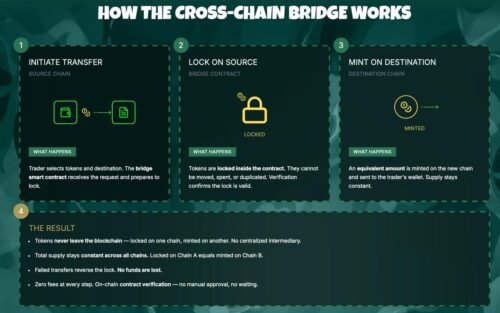
    A move takes two steps. Your tokens lock in an audited contract on the first chain. The same amount is made on the second chain once that lock is proven on chain. There is no IOU in the middle, and the total supply stays the same on every chain.

    A transfer lands in under 60 seconds, and one shown example took 41. If a transfer fails, the lock reverses on its own. No company holds your coins, and nobody approves your move by hand. The bridge links five chains: Ethereum, BNB Chain, Solana, Base and Arbitrum.

    It sits on one platform with PepetoSwap, a zero fee exchange, and a security scanner. More than $11.2 million has gone into the presale, and the stage price sits at $0.0000001902. Analysts project 100x once it trades on exchanges.

    A presale sells in stages, and every stage is priced above the one before it. So the earliest price is the one on offer today, before an open market gets a say. Right now, $500 buys about 2.63 billion tokens, worth $50,000 at 100x, a long shot nobody can promise.

    LayerZero (ZRO): Five Weeks to Launch, Yet 74% Below Its High

    ZRO trades at $1.94 after a 2.54% daily gain, per CoinMarketCap, and sits 74.29% under its December 2024 high of $7.53. An unlock of about 23.63 million ZRO was set for October 20, crypto.news noted. The same October 6 piece marked support at $1.94 to $1.95 and a floor at $1.76. The burn only matters once ATLAS trades in size, and ZRO needs nearly 4x to see its old high.

    Uniswap (UNI): Up 4.71% Today, but 83% Below Its Peak

    UNI changes hands at $7.62 after a 4.71% jump on the day, per CoinMarketCap, 83.04% under its May 2021 peak of $44.97. On October 21, DiarioBitcoin put resistance at $7.63 to $7.78, the 20 day and 50 day averages, with support at $7.39 to $7.48. Uniswap still charges 0.30% on every swap. UNI needs almost 6x to see its record again.

    Conclusion

    This crypto news gives ZRO a date, November 30, and gives UNI a wall near $7.78. Pepeto is still unlisted, yet its $0 bridge already cuts a real cost for anyone moving coins between chains.

    That leaves two paths. One buyer waits five weeks and hopes a burn lifts a token sitting 74% under its high. The other holds Pepeto at a presale price, before any listing sets a market price.

    The second path runs through the Pepeto official website, where this round still sells. If the 100x call proves right, this path pays the bigger multiple. The next round costs more.

    Click To Visit Pepeto Website To Enter The Presale

    FAQs

    What is the latest crypto news about LayerZero?

    The latest crypto news is LayerZero’s November 30 launch of Zero and ATLAS, per crypto.news. After venue rebates, 75% of trading fees will buy and burn ZRO.

    What is Pepeto’s bridge?

    Pepeto’s bridge is a live $0 tool that moves tokens across five chains in under 60 seconds. Prices on the Pepeto official website rise with every stage.

    Disclaimer:
    This article is for informational purposes only and does not constitute financial advice. Cryptocurrency investments carry risk, including total loss of capital.

    All market analysis and token data are for informational purposes only and do not constitute financial advice. Readers should conduct independent research and consult licensed advisors before investing.

    Crypto Press Release Distribution by BTCPressWire.com