
Vital Translate Buds Reviews 2025: Is This Translation Earbuds Worth Buying? Read Consumer Reports!
Vital Translate Buds are wireless smart earbuds that facilitate seamless communication between individuals by breaking language barriers. The device helps instantly translate conversations in around 144 languages.
Characterized by easy use, smooth functioning, and an ergonomic fit, Vital Translate Buds has been revolutionizing the way people travel and interact across different communities differentiated by language. This in-depth Vital Translate Buds review will help readers understand if the travel earbuds will be a worthy investment.
Smart earphones like Vital Translate Buds have revolutionized the world of communication with real-time translation and taken away the inconvenience of conventional language applications. It allows easy and flawless communication between people who speak different languages.
As novel choices emerge every day in the market of wireless communication, it is difficult to choose the right option among manifold alternatives. In this Vital Translate Buds review, we will evaluate the major features of the device that make it an appealing and worthwhile purchase.
Vital Translate Buds: Quick Overview
- Purpose: Instant voice translation
- Technology Used: AI-powered earbuds, advanced Bluetooth 5.3 technology
- Product Type: Wireless Earbuds
- Benefits:
- Facilitates easy communication without language barriers
- Builds confidence to socialize
- The multi-purpose gadget can be used for calls, placing orders
- Customer Reviews: Mostly positive
- Price: Starts at $89.99
- Refund Policy: 30-day money-back guarantee
- Where to Purchase: Official website
- Official Website: Click Here
What Is Vital Translate Buds?
Vital Translate Earbuds are affordable AI-powered translation earbuds designed to facilitate instant voice translation for seamless communication. The device is highly beneficial for travelers, business individuals, professionals, and language lovers who wish to break down linguistic boundaries that become hurdles during an international journey.
The gadget employs advanced Bluetooth 5.3 Technology that makes it compatible with both iOS and Android devices. Vital Translate Buds are ergonomically designed to maximize comfort, portability, and convenience.
Featuring great sound quality, noise cancellation technology, and high-fidelity speakers, the earbuds facilitate uninterrupted and accurate translations for a productive experience. It allows two-way translation in up to 144 languages, ensuring a broad-spectrum application across different communities.
How Does Vital Translate Buds Work?
Vital Translate Buds are developed by expert linguists and AI specialists to facilitate smooth and uninterrupted communication in both casual and professional contexts. The Bluetooth earbuds use advanced AI technology and complex algorithms to recognize spoken text, process it, and translate it into the required language.
It is equipped with high-performing speakers and noise isolation to maximize voice clarity even in noisy environments. The earbuds can be conveniently paired with a Bluetooth-enabled device like a smartphone or tablet to instantly translate speech between multiple languages.
Vital noise-canceling translation earbuds Buds are designed for all-day wear, involving a snug fit and customizable ear tips. It effortlessly translates across a wide range of global and regional dialects without any external applications or manual input.
It further allows the provision of offline translation in key languages in areas with network problems. The voice-recognition earbuds feature a speaker mode, which makes them ideal for group conversations. Real-time language translations using Vital Translate Buds make it easy for people to engage in conversations without worrying about a foreign language.
Know More About Vital Translate Buds And How It Benefits You!
Key Features Of Vital Translate Buds
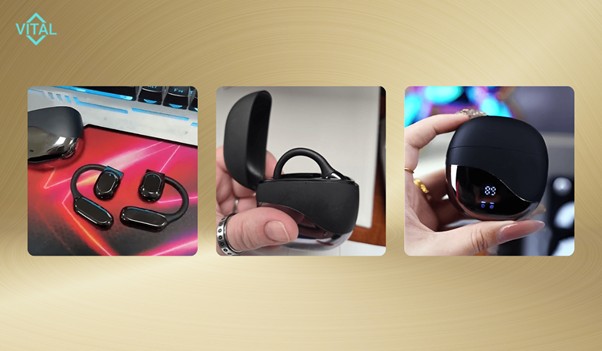
Vital Translate Buds has many sophisticated and customer-friendly features that make it a top choice among other alternatives in the market. Let’s have a close look at the major characteristics of the device:
Enables real-time translation
Vital Translate Buds uses AI-powered natural language processing for instant translation between multiple languages.
Supports around 144 languages
The business earbuds for multi-lingual communication can translate between 144 key global languages, making them ideal for international travel, business meetings, and cultural interactions.
4 smart translation modes
Vital Translate Buds are equipped with 4 translation modes- touch mode, speaker mode, free talk mode, and offline mode. In touch mode, both users wear earbuds and tap to activate translation, which is ideal for private conversations.
Crystal clear audio and noise cancellation technology
Highly equipped speakers and noise isolation facilitate clear conversations that are not affected by background distractions.
Advanced Bluetooth technology
The earbuds use advanced Bluetooth 5.3 technology that allows easy pairing with smartphones and tablets.
Sleek, ergonomic, and portable design
Vital Translate Buds are designed to be worn throughout the day without discomfort. They are handy, user-friendly, and can be easily carried from place to place.
Long battery life
With Vital Translate Buds, one can enjoy 6 to 8 hours of continuous use as it features an extended battery life through a single charge.
Wireless and hands-free device
Vital language translation earbuds are wireless and enable real-time conversation while keeping one’s hands-free.
Key Benefits Of Vital Translate Buds
Using the Vital Translate Buds for multilingual conversations comes with many benefits, as follows:
- Allows easy interaction between multilingual people: The instant translation earbuds for travel are a breakthrough discovery that reduces language gaps between people of different countries and regions.
- Help travelers sync better with different cultures: Vital Translate Buds are ideal for travelers for whom language barriers often become an obstacle that prevents them from communicating and learning about different cultures.
- Seamless interaction for business professionals: The wireless earbuds with language translation allow businessmen to interact seamlessly with international clients and perform better.
- Help Learn new languages: Individuals who have a liking towards learning new languages can make use of Vital Translate Buds to practice and improve their language skills.
- Close gaps between friends and family: Friends and family members speaking different languages often find it difficult to connect and interact closely. Vital Translate Buds bridges the gap between close friends by enabling efficient communication in any language.
How To Use Vital Translate Buds?
Vital Translate Buds are high-tech, portable earbuds that allow direct and organic communication using real-time language processing and AI-powered speech recognition. It features noise cancellation and noise isolation technology to improve the clarity of speech, even in noisy areas.
It features a user-friendly interface and can be easily paired with a smartphone via Bluetooth. With an extended battery life, the earbuds can be continuously used for 6 to 8 hours. It allows two-way communication by automatically detecting speech in different languages.
The earbuds capture speech through built-in microphones, which are processed using NLP and AI to ensure accurate interpretation, context, and tone. The evaluated text is translated to the desired language using real-time translation, which is delivered through a natural voice and tone.
It can be used by travelers, language lovers, business professionals, and casual users to engage in multilingual interactions and normal calls.
Pros And Cons Of Vital Translate Buds
For a comprehensive understanding of Vital earbuds for travel and language translation, have a look at these pros and cons:
Pros
- Allows instant real-time translation
- Sleek and portable design
- Wireless and hands-free earbuds
- Uses noise cancellation technology
- AI-powered with advanced Bluetooth technology
- Long battery life
- Backed by a money-back guarantee
Cons
- Only found on the official website
- Translation accuracy may vary in the case of complex slang and idioms
What Do Vital Translate Buds Customer Reviews Say?
Vital Translate Buds users have reported many positive experiences with the device. Being one of the most affordable translation earbuds on the market today, it could be easily accessed by people from different financial backgrounds.
People mention the convenience of using earbuds and how it has transformed international meetings and travels into seamless experiences. Quick translation enabled stress-free communication between people from different regions.
People who have used standard translation apps previously have observed that translations with Vital Translate Buds are quicker and more accurate. It can be used for both casual and professional purposes, broadening its use in various applications.
It improved the clarity of conversations in international meetings and reduced misunderstandings. The device could successfully build a connection between people hailing from different parts of the world.
Vital Translate Buds Pricing And Availability
Vital Translate Buds can be easily purchased through the official website under multiple purchase deals, varying offers, and timely promotions. Buying through other sources may compromise the quality of the device.
Here are the packages provided on the official website:
- 1 Vital Translate Buds- $89.99/ea
- 2 Vital Translate Buds- $80.99/ea
- 3 Vital Translate Buds- $71.99/ea
- 4 Vital Translate Buds- $62.99/ea
- 5 Vital Translate Buds- $73.99/ea
Besides these amazing purchase deals, every order is backed by an additional layer of security with a 30-day money-back guarantee that ensures complete customer satisfaction.
Click Here To Purchase Vital Translate Buds Directly From The Official Website
Final Verdict: Vital Translate Buds Reviews
From the above review, it is evident that Vital Translate Buds has been tested widely and validated to be a high-performing language translation device. It offers an advanced solution for the conversational obstacles encountered between people due to language barriers.
The use of cutting-edge AI technology facilitates real-time translation without depending on manual input or external apps. Vital Translate buds function as a supportive ally while engaging in international affairs, whether professional or personal. For people who enjoy socializing with individuals of different cultures and countries, the earbuds are a game-changer.
Vital Translate Buds help people learn and practice new languages as part of their hobby or to interact better while visiting a new place or meeting new clients. Although some customers have raised a few concerns regarding the translation of certain slang and idioms, the overall advantages of the gadget outweigh the minimal drawbacks that come with it.
User experiences also indicate that the functionality of the earbuds may improve with consistent use. Overall, Vital Translate Buds appears to be a viable choice for those seeking an easy-to-use yet high-performing language translation device.
FAQs About Vital Translate Buds
- Can Vital Translate Buds be used for normal phone calls?
Yes, Vital Translate Buds can be used for both multi-lingual interaction and normal conversations. Without activating translation, the gadget can be used as normal earbuds.
- What if Vital Translate Buds doesn’t work for me?
Vital Translate Buds have been successfully used by thousands of people across the globe. The device has not received any serious complaints regarding inefficiency. However, the manufacturers have backed every purchase with a 30-day money-back guarantee to maximize customer comfort during purchase.
- Can Vital Translate Buds support all languages?
Vital smart earbuds for international travel can recognize and translate up to 144 prominent languages spoken across the globe.
- Will Vital Translate Buds cause a lag in speech?
Vital Translate Buds are equipped with advanced technology to instantly capture, process, and translate conversations to ensure a seamless experience. It does not involve the lag in speech normally associated with conventional translation apps.
- Who can benefit from Vital Translate Buds?
Vital Translate Buds can be used by both casual and professional users to connect with their loved ones and perform better in international meetings. It is also beneficial for language learners and travelers to learn new languages and interact better with people across language barriers.
Disclaimer
This article is for informational and educational purposes only and does not constitute product or professional advice. The information provided here is based on publicly available data and user feedback at the time of writing. Individual results and experiences may vary depending on personal use and environment.
The Vital Translate Buds are consumer electronic devices designed for translation and communication assistance — they are not professional interpreting tools.
Pricing, promotions, and availability are subject to change without notice. Readers are encouraged to verify all details on the official website before making a purchase.
This post may contain affiliate links, meaning the publisher may earn a small commission if a purchase is made through those links — at no additional cost to the buyer.

SunX: Building a Secure and Intelligent Global Exchange
While SunX already delivers a wide array of digital asset services, there remains significant potential to further refine its user experience and reinforce its position as a trusted global exchange.
Enhancing User Experience
Onboarding and Education:
For a platform offering sophisticated products like options trading and AI-powered bots, an intuitive and educational onboarding process is essential. Interactive tutorials, a dedicated SunX Academy, and realistic demo trading environments could help new users understand complex tools without financial risk. Such resources would significantly lower the entry barrier for retail traders and strengthen user confidence from the very beginning.
UI/UX Personalization:
A modular and customizable interface would allow users to tailor their dashboards based on experience level and product preference — whether a beginner seeking a simple spot trading view or a professional managing derivatives and automated strategies. This approach would bridge both audiences on one unified platform, promoting long-term engagement.
Proactive Customer Support:
Beyond multilingual assistance, SunX could strengthen its 24/7 live chat coverage for urgent support and introduce proactive system alerts — notifying users of market volatility, wallet maintenance, or order execution anomalies. These improvements would reinforce reliability and build trust among both individual and institutional traders.
Competitive Advantages: Where SunX Excels
In an industry filled with competing exchanges, SunX’s strength lies not in scale but in strategic depth, compliance, and credibility.

Compliance-First Security:
Unlike many exchanges that treat regulation as secondary, SunX’s possession of multiple financial operating licenses defines its core identity. This “compliance-first” philosophy is not just a legal safeguard but a strategic differentiator — a direct response to the market’s growing demand for safety and transparency. For risk-sensitive users and institutions, compliance equals confidence.
Strategic Focus over Quantity:
Rather than chasing excessive listings of obscure tokens, SunX emphasizes quality over quantity, focusing on derivatives, quantitative tools, and structured financial products. This disciplined approach allows the platform to build expertise, maintain liquidity depth, and establish credibility in high-value product categories — a hallmark of sustainable growth.
Authentic Global Readiness:
Supporting 11 languages is more than a technical milestone — it reflects a genuine commitment to inclusivity. By providing full-language support beyond English and Chinese, SunX positions itself as a truly global exchange serving diverse user bases in Asia, Europe, and the Americas.
SunX’s Core Appeal: The Convergence of Safety and Smart Tools
SunX’s greatest strength lies in its ability to merge regulatory assurance with cutting-edge trading innovation.
Many exchanges that offer advanced tools operate in regulatory gray zones, exposing users to uncertainty. Conversely, strictly compliant platforms often limit themselves to basic products. SunX bridges this gap, providing both safety and sophistication.
Within SunX, traders gain access to copy trading, options, futures, and AI-driven quantitative strategies, all within a regulated environment. This balance between security and advanced functionality appeals to a rapidly growing segment of modern traders — those who have evolved beyond basic spot trading but still demand institutional-grade protection for their assets.
A Sustainable Vision for Growth
SunX is not aiming to be the flashiest or largest exchange overnight. Its growth trajectory indicates a deliberate focus on building a resilient, specialized, and reputation-driven platform.
The company’s guiding principle — being a “safe harbor for sophisticated trading” — encapsulates its vision: to deliver institutional-level compliance, transparent operations, and innovative products under one ecosystem.
As global digital finance matures, exchanges that can balance innovation, compliance, and trust will define the next era of industry leadership. SunX’s methodical approach and technical excellence suggest that it is well-positioned to become one of those leaders.
Join the SunX Community
Stay connected with the global SunX ecosystem for the latest updates, market insights, and community discussions:
– Official Website: https://www.sunx.vip/
– Official Twitter (X): https://x.com/Sunx_en
– Global Telegram Community: https://t.me/SunX_Global
Disclaimer:
This article is for informational purposes only and does not constitute financial, legal, or investment advice. Cryptocurrency and digital asset trading involve risk, including the possible loss of capital. Readers should conduct their own research and consult qualified financial advisors before making investment decisions. SunX does not guarantee profits or returns from any trading activities mentioned herein.
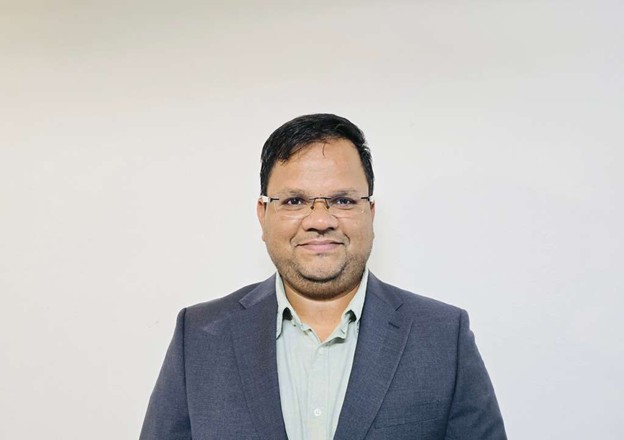
Iqbal Ansari: Redefining Financial Systems with Strategic Project Management and Agile Innovation
In the global financial industry, where precision, compliance, and innovation intersect, professionals like Iqbal Ansari set the benchmark for excellence. With more than eleven years of experience in banking, financial services, and technology-driven project management, Iqbal exemplifies how strategy, adaptability, and leadership combine to deliver transformative outcomes. A PMP-certified project manager and agile expert, he is known for leading complex financial and treasury system implementations with finesse, ensuring regulatory compliance while driving operational efficiency.
A Journey Rooted in Expertise and Vision
Iqbal’s professional story is one of consistent evolution. From his early years managing treasury systems to becoming a strategic leader in enterprise risk and compliance, his career reflects dedication to continuous learning and innovation. His mastery in project and product management stems from a deep understanding of financial systems, capital markets, and technology frameworks that underpin the modern banking landscape.
He began his career in treasury operations, developing an intricate understanding of front, middle, and back-office functions. Over time, he honed his skills in leading cross-functional teams, managing complex data environments, and implementing regulatory-compliant solutions. Today, Iqbal combines technical acumen with business strategy to build scalable, data-driven financial ecosystems.
Strategic Leadership at Infosys
In his current role as a Senior Consultant and Technical Business Systems Analyst at Infosys in Tampa, Florida, Iqbal leads initiatives that strengthen enterprise risk management across banking systems. His work centers on identifying and mitigating operational and technology risks through proactive frameworks. By creating and maintaining risk control matrices, he ensures that organizations remain compliant and resilient.
Iqbal’s efforts extend beyond compliance documentation. He leads workshops to identify root causes of risk events, translates insights into actionable plans, and ensures that every control measure aligns with enterprise goals. He collaborates closely with audit and regulatory teams to enhance compliance in areas such as AML, KYC, and PCI. His ability to transform risk findings into system improvements has significantly reduced risk exposure across several financial operations.
Managing Complex Programs at Sysintelli Inc
Before joining Infosys, Iqbal worked as a PMO and Business Systems Analyst at Sysintelli Inc in San Diego, California. Here, he took on the challenge of overseeing asset management and custodial service projects from initiation to completion. His strong grasp of project planning, risk assessment, and vendor coordination helped streamline processes that improved efficiency by more than 30 percent.
At Sysintelli, Iqbal emphasized transparent project communication by maintaining clear dashboards, progress reports, and governance documentation. He applied agile principles to ensure adaptability while keeping strict alignment with financial regulations such as FATCA, MiFID II, and SEC standards. His effective stakeholder engagement, structured change management, and deep understanding of data systems contributed to the organization’s operational success.
Pioneering Treasury and Capital Market Solutions at Accenture
Iqbal’s tenure at Accenture in Pune, India, and Helsinki, Finland, stands out as a defining phase in his career. As a Technical Project Lead and Business Systems Analyst, he spearheaded the end-to-end implementation of the Kondor Fusion Capital Kondor Suite, a comprehensive treasury and capital markets solution. His work included integrating these systems with trade finance platforms and middleware, ensuring seamless data flow and real-time financial visibility.
He conducted functional and technical analyses that supported treasury and capital market operations, from front-office trading to back-office settlement. As an agile leader, he facilitated sprint planning, retrospectives, and performance tracking to enhance delivery timelines and productivity. His mentorship in agile methodologies helped cross-functional teams embrace continuous improvement, a hallmark of successful transformation programs.
Iqbal’s experience at Accenture also involved collaborating across geographies to align business requirements with technology delivery. By combining domain knowledge with technical execution, he ensured that complex treasury projects met both business objectives and compliance expectations.
Building Treasury Excellence with Infintrix Global and SS&C GlobeOp
Earlier in his career, Iqbal served as a Treasury Software Consultant at Infintrix Global and as a Treasury Support Engineer at SS&C GlobeOp. During these formative years, he worked with major financial institutions such as IDFC Bank and Axis Bank, helping them implement and maintain robust treasury systems. His projects focused on enhancing real-time trade processing, automation, and reporting accuracy within capital market applications.
At SS&C GlobeOp, Iqbal led release management and project coordination, ensuring that critical upgrades and workflow changes were deployed without disrupting trading activities. His ability to manage incidents, coordinate vendor communication, and optimize processes built the foundation for his later success in managing large-scale enterprise systems. These experiences refined his understanding of risk control, trade lifecycle management, and financial system optimization.
Academic Excellence and Certifications
Education plays a crucial role in shaping Iqbal’s professional depth. He holds a Master of Business Administration in Information Technology Project Management from Westcliff University in Irvine, California. His academic background, coupled with his practical experience, gives him the strategic perspective necessary to manage complex technology-driven projects in the financial sector.
Iqbal’s technical foundation comes from his Bachelor of Engineering degree in Electronics and Telecommunications from Parshvanath College of Engineering in India. He is also a certified Project Management Professional (PMP), a globally recognized credential that highlights his expertise in managing projects efficiently, on time, and within scope.
Core Skills and Strengths
Over the course of his career, Iqbal Ansari has developed a diverse set of technical and leadership skills that make him a versatile professional in the financial technology domain. His expertise includes agile and scrum practices such as SAFe, Lean, and Kanban. He is proficient in IT project and program management, enterprise data governance, and release management. His knowledge spans front, middle, and back-office operations, with a strong focus on trade lifecycle management, data product strategy, and master data management.
He has extensive experience with project management tools like Jira, Confluence, and Microsoft Project, and technical proficiency in SQL and Visio. His strength lies in stakeholder engagement, vendor management, and risk mitigation. Whether leading a cross-functional team or designing compliance frameworks, Iqbal’s approach ensures accountability, transparency, and efficiency at every step.
Philosophy of Leadership and Collaboration
What distinguishes Iqbal Ansari as a leader is his belief in collaboration, agility, and continuous improvement. He understands that successful projects are not just about meeting deadlines but about fostering innovation and empowering teams. He emphasizes communication, trust, and ownership—values that enhance productivity and strengthen organizational culture.
His leadership philosophy is rooted in the agile mindset: adapt quickly, learn continuously, and deliver iteratively. By focusing on both people and processes, Iqbal creates environments where teams thrive and projects succeed. His ability to balance technical complexity with business strategy makes him a trusted advisor to executives and stakeholders alike.
The Power of Data and Compliance in Financial Innovation
In an era where financial institutions rely heavily on data and digital transformation, Iqbal Ansari’s expertise becomes increasingly relevant. His work at the intersection of data governance, risk management, and agile delivery provides valuable insights for organizations seeking to modernize their financial systems. He understands that effective data product management goes beyond technology, it requires compliance awareness, process discipline, and a clear vision of business objectives.
Through his experience, Iqbal has shown how combining automation, analytics, and governance can unlock value while minimizing risk. His ability to integrate compliance requirements seamlessly into operational frameworks allows businesses to stay ahead of regulatory changes without compromising innovation.
Looking Ahead: Inspiring Change in Financial Systems
Iqbal Ansari’s career reflects a rare combination of technical expertise, strategic foresight, and leadership excellence. His journey from treasury operations to global project management demonstrates his adaptability and commitment to professional growth. As the financial services industry continues to evolve, his role as a change leader and agile practitioner becomes even more critical.
With his strong foundation in capital markets, treasury systems, and enterprise data management, Iqbal continues to help organizations embrace transformation responsibly and effectively. His mission is to build sustainable systems that enhance performance, ensure compliance, and drive long-term growth.
Iqbal Ansari represents the ideal modern project leader—strategic, analytical, and people-focused. Through his continued work in risk management, agile execution, and financial technology innovation, he remains a driving force in shaping the future of banking and financial systems.
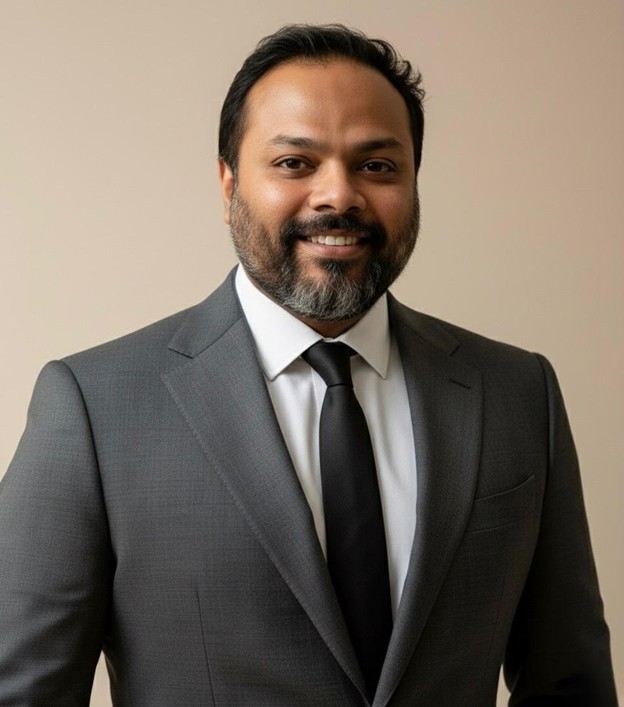
Shariful Haque: A Visionary Data Analyst and Research Leader Transforming the Future of Analytics and AI
In a world increasingly driven by data, innovation, and intelligent decision-making, few professionals embody the fusion of technical expertise and visionary leadership like Shariful Haque. Based in Los Angeles, California, Shariful Haque has built an exceptional career that bridges data analytics, artificial intelligence, and organizational transformation. His journey reflects not only an impressive academic and professional trajectory but also a deep commitment to the ethical and strategic use of data in shaping the digital future.
A Foundation Built on Knowledge and Academic Excellence
Shariful’s academic background showcases a lifelong passion for learning and the pursuit of excellence. He is currently pursuing a Doctorate of Business Administration in Business Analytics at the International American University in Los Angeles, demonstrating his dedication to advancing knowledge at the intersection of business intelligence and applied data science.
Before embarking on his doctoral journey, Shariful completed an MBA in Finance and Business Analytics from the University of Information Technology and Sciences in Bangladesh. His early foundation began with a Bachelor of Business Administration in Finance and Banking from the University of Development Alternative (UODA). These qualifications laid the groundwork for his deep understanding of both the financial and analytical dimensions of business, allowing him to merge numbers with strategy to drive impactful results.
Leadership in Technology and Data Innovation
Over the past decade, Shariful Haque has held several senior leadership roles that have positioned him as a dynamic force in digital transformation. As Chief Operating Officer and Chief Data & AI Officer at Tech Wania in Dhaka, he managed dual executive responsibilities that combined operational excellence with data-driven innovation. His leadership not only enhanced operational efficiency but also introduced sustainable growth strategies powered by artificial intelligence.
Under his direction, the company underwent a major digital transformation, resulting in a 25 percent reduction in IT service delivery costs and a 15 percent increase in operational efficiency within just 18 months. He also launched three groundbreaking AI-powered products that created new revenue streams, accounting for 10 percent of the company’s total revenue in 2022.
One of his most notable achievements was establishing the company’s first centralized Data and AI division. Through this initiative, he built and mentored a 40-member team of experts in data engineering, MLOps, and data science. His leadership approach, rooted in collaboration and empowerment, ensured that data was not just a technical asset but a strategic cornerstone for business growth.
Strengthening Data Governance and Ethical AI Practices
Before joining Tech Wania, Shariful served as General Manager and Data Governance Lead at TDK Telecom Limited. His tenure there underscored his ability to balance technological advancement with ethical data management. He developed and implemented a comprehensive Enterprise Data Governance Framework, which reduced compliance risks by 40 percent and standardized data quality across multiple business systems.
Shariful’s strategic vision extended to data privacy and security, where he led initiatives to comply with emerging data protection laws well ahead of industry deadlines. His efforts in creating real-time Data Quality Dashboards and automated validation processes significantly improved data accuracy and reliability. These innovations not only enhanced transparency but also built trust between departments, fostering a unified data-driven culture across the organization.
Pioneering Data Strategies in Telecommunications
Earlier in his career, as Assistant General Manager and Data Strategy Officer at Amara Networks Limited, Shariful focused on transforming data into actionable intelligence. He developed a five-year strategic roadmap for data modernization, guiding major investments in technology infrastructure. By transitioning from legacy data warehouses to cloud-based platforms, he improved analytical performance by more than 200 percent.
Shariful also designed predictive models to optimize network usage and reduce congestion during peak hours. His analytical insights contributed directly to enhancing customer experiences and operational efficiency. Through innovative data-driven pricing models, he played a key role in boosting average revenue per user while reducing customer churn rates.
Data Analytics for Competitive Advantage in Finance
Shariful’s career began in the financial services industry, where he served as AVP and Head of Competitive Data Analytics at Green Delta Financial Services Limited. Here, he built and led a team dedicated to analyzing market competition and consumer behavior. By developing proprietary models for pricing and market share forecasting, he provided executive teams with critical insights that shaped business strategies and improved product performance.
His ability to turn raw data into meaningful business intelligence became a defining feature of his professional journey. The analytics frameworks he developed helped Green Delta achieve measurable growth, including a 7 percent increase in new policy acquisitions and a 3 percent reduction in voluntary customer churn.
Bridging Research, Academia, and Industry Impact
Beyond his executive achievements, Shariful Haque is deeply involved in academic research and publication. His scholarly contributions span artificial intelligence, FinTech, business analytics, and digital transformation. His research explores how AI-driven systems can enhance decision-making, automate processes, and improve operational agility across industries.
Among his published works are studies on digital health platforms, IT strategy, and adaptive learning for students with autism spectrum disorder. His research combines innovation with social impact, emphasizing how technology can serve humanity in meaningful ways. He also contributes to several global research organizations, including the Global Society for Research and Development (GSRD), the International Society for Scientific Research and Development (ISSRD), and the World Centre for Science, Education, and Technology (WCSET), where he serves in advisory and editorial capacities.
Shariful’s presence on ResearchGate, Google Scholar, and ORCID reflects his commitment to knowledge sharing and scientific advancement. His ongoing projects continue to influence how organizations adopt data-driven strategies to stay resilient in an evolving technological landscape.
Recognition, Awards, and Global Contributions
Shariful’s excellence has been recognized worldwide through numerous awards and honors. He received the Best Presenter Award from ResearchWorld.org and the Global Recognition Award 2025 for Transformative Data-Driven Leadership. These accolades highlight not only his technical brilliance but also his ability to inspire and lead teams toward innovation.
He is a member of prestigious professional organizations, including IEEE, the Project Management Institute, and the Certified Blockchain Administrator and Developer Forum. His certifications from IBM and PMI in data science, predictive analytics, and project management underscore his dedication to continuous professional development.
In addition to his academic and corporate achievements, Shariful has filed multiple design patents in the UK related to blockchain-based devices for healthcare and data management. These patents reflect his forward-thinking approach to integrating blockchain with artificial intelligence and digital health.
The Intersection of Leadership, Technology, and Purpose
What sets Shariful apart from many in his field is his balanced integration of leadership, analytics, and human-centered design. His approach to data analytics is not solely about numbers or algorithms but about building systems that empower organizations and improve lives. His projects often blend data science with ethical governance, ensuring that innovation remains transparent, responsible, and sustainable.
Shariful’s journey illustrates how visionary leadership can transform complex data ecosystems into engines of growth and innovation. His influence spans multiple industries—from finance and telecommunications to technology and academia—demonstrating that data is not just a technical function but a strategic asset that drives the modern economy.
A Future Focused on Intelligent Innovation
Looking ahead, Shariful Haque continues to push the boundaries of artificial intelligence, data science, and digital transformation. His ongoing doctoral research and advisory roles position him as a thought leader shaping the global conversation around ethical AI and smart data strategies.
As organizations worldwide navigate the challenges of automation, privacy, and digital disruption, professionals like Shariful are redefining what it means to lead with data. His story is one of perseverance, curiosity, and relentless pursuit of excellence—a blueprint for aspiring data professionals aiming to make a meaningful impact in their industries.
Shariful Haque’s professional journey stands as a testament to how data, when guided by integrity and insight, can change the world. From executive boardrooms to academic research labs, his contributions continue to inspire innovation, empower organizations, and pave the way for a more intelligent and connected future.
The Rise of Flexible Storage Solutions in a Post-Pandemic Economy Transforming Business Efficiency and Adaptability
The rise of flexible storage solutions is honestly a pretty natural response to the post-pandemic world. With remote work, hybrid lifestyles, and all those shifting consumer habits, people just want storage that can keep up with the weirdness of modern life.
Flexible storage gives businesses and individuals the freedom to tweak their space and services without much fuss or cost. That kind of adaptability is tough to ignore these days.
Traditional, fixed storage? It’s just not cutting it anymore. Companies and regular folks want options that can grow or shrink as their needs change—sometimes week by week.
You can see this trend everywhere: self-storage, warehousing, logistics. Flexibility is the secret weapon for handling supply chain curveballs and those unpredictable seasonal spikes.
Convenience and sustainability are big drivers too. A lot of flexible storage options now come packed with smart tech or eco-friendly materials, which is honestly pretty appealing. One of these options is Iron Storage in Tupelo, MS. Storage buildings like these have little-to-none onsite personnel and they’re all operated remotely for your convenience.
This mix of adaptability and responsibility is quietly changing how storage fits into the economy. Who knows where it’ll go next?
Key Drivers of Flexible Storage Solutions
Flexible storage solutions are booming for a bunch of reasons. Shifts in work habits, the way people shop, and tech advances all play a part.
Impact of Remote Work on Storage Needs
Remote work has totally flipped how people use space at home and in the office. With more folks working from home, there’s less need for old-school office storage, but way more demand for stuff like home office setups or places to stash extra supplies.
Businesses are getting creative, using flexible warehouses to manage smaller inventories or breaking up stock across different spots closer to remote teams. It’s a win for cutting fixed costs and boosting efficiency.
Flexible storage really shines here, giving companies the option to scale up or down as their workforce shifts. It’s not always perfect, but it sure beats being stuck with too much space.
Evolving Consumer Behavior Post-Pandemic
Shopping habits? Those have changed big time since the pandemic hit. Online shopping and home delivery are through the roof, so businesses need storage that can handle wild swings in demand.
People are moving more, downsizing, or just needing extra space for a while, which keeps short-term storage in high demand. Smaller households and city living make compact, secure storage a must-have.
Flexible storage answers the call with different rental lengths and unit sizes. It’s not a one-size-fits-all world anymore, and that’s probably a good thing.
Technological Advancements in Storage Systems
Tech is making storage smarter and honestly, a lot less of a hassle. Automated systems, smart locks, digital inventory—these upgrades make things safer and easier for everyone.
Warehouses can now pivot faster, thanks to real-time data and AI tools. Businesses can squeeze more out of every square foot and speed up order fulfillment, which is pretty cool if you ask me.
That blend of real space and digital control is what’s really pushing flexible storage ahead. It’s not just about boxes and shelves anymore.
Long-Term Implications for the Storage Industry
The storage industry’s future is looking greener and a lot more tech-savvy. Providers are shifting to meet new expectations, and it’s not just talk this time.
Sustainability and Eco-Friendly Practices
Storage companies are rolling out eco-friendly upgrades—think solar panels, energy-efficient lights, better insulation. It’s a start, and honestly, it’s overdue.
Some places are adding water-saving systems or building with sustainable materials. Customers are asking for greener choices, and businesses are finally listening.
Cutting energy use and waste helps the bottom line too, not just the planet. Regulations are getting stricter, so there’s a bit of pressure to keep up.
Embracing eco-friendly practices isn’t just good PR—it attracts clients who actually care about sustainability. It’s becoming the new normal, whether companies are ready or not.
Opportunities for Further Innovation
Technology’s shaking up the world of storage in some big ways. Flexible pricing models let customers pay just for the space and time they actually use.
Automation is making inventory tracking and access controls way more secure and efficient. There’s also the rise of mobile apps, which means folks can manage their storage from anywhere—pretty handy, honestly.
With data analytics, storage companies are starting to get a clearer picture of customer habits. That info helps them tweak resources and, hopefully, offer more personalized services.
Looking ahead, it’s hard not to expect even more smart devices and AI in the mix. Imagine tools that predict demand or handle customer support without a hitch—sounds promising, right?

Xu Xu’s Dumplings Opens Food Truck in Austin, Texas
Xu Xu’s Dumplings, the beloved name in handcrafted, authentic Chinese dumplings, is taking its culinary artistry on the road with the official launch of its brand-new food truck in Austin. Located at 910 E Cesar Chavez Street, the mobile kitchen will open its service window to the public on October 24, 2025, marking an exciting new chapter for the brand and for Austin’s thriving street food scene.
For years, Xu Xu’s Dumplings have been synonymous with the perfect blend of flavor, tradition, and craftsmanship. With each dumpling meticulously folded by hand, the brand has built a loyal following for its authentic approach and commitment to freshness. Now, Austin residents and visitors can enjoy these delicate creations right in the heart of the city — from lunchtime crowds to late-night food lovers.
A Taste of Tradition, Served the Austin Way
Every dumpling that comes out of the Xu Xu’s Dumplings kitchen reflects a deep respect for culinary heritage. Recipes have been passed down through generations of the Xu family, focusing on balance, texture, and flavor harmony. Using only fresh, locally sourced ingredients, the team ensures that every bite delivers the warmth and authenticity of home-style Chinese cooking.
At the same time, the food truck brings a fresh, modern edge that captures Austin’s creative energy. “Austin has always been about creativity and culture — that’s exactly what we wanted to capture,” said James Xu, Co-Founder of Xu Xu’s Dumplings. “We’re combining time-honored methods with Austin’s modern, adventurous food spirit.”
From traditional pork and chive dumplings to innovative regional specials featuring bold spices and vegetarian fillings, the menu reflects both respect for the classics and a willingness to experiment. The truck will feature a rotating selection of dumplings and small plates, ensuring there’s always something new for customers to try.
Where Tradition Meets the Street
Austin’s food truck scene is one of the most dynamic in the nation, known for its fusion of global flavors and laid-back atmosphere. The Xu Xu’s Dumplings team designed their truck not only as a mobile kitchen but also as an experience — where the aroma of steamed dumplings and sizzling potstickers invites passersby to pause, taste, and enjoy.
The truck’s location at 910 E Cesar Chavez Street was carefully chosen for its vibrant mix of locals and travelers. Nestled near some of Austin’s busiest culinary corners, it offers the perfect spot for foodies seeking something both comforting and elevated. Whether it’s a quick lunch, an afternoon snack, or a post-event meal, Xu Xu’s Dumplings aims to bring the community together, one bite at a time.
Commitment to Craft and Community
Beyond the food itself, Xu Xu’s Dumplings remains committed to sustainability and supporting local suppliers. By sourcing ingredients from nearby farms and using eco-friendly packaging, the brand ensures that its growth aligns with Austin’s environmentally conscious spirit.
The grand opening on October 24 promises to be a flavorful celebration of culture and creativity. Guests will be able to sample the brand’s signature handmade dumplings, meet the founders, and experience firsthand the passion that has fueled the brand’s journey.
As Xu Xu’s Dumplings enters this exciting new phase, it continues to uphold its simple mission: to make every bite memorable.
Media Contact
Name: James Xu, Co-Founder
Email: pr@xuxusdumplings.com
Location: 910 E Cesar Chavez St., Austin, Texas 78702
Website: www.XuXusDumplings.com
Xu Xu’s Dumplings Food Truck Is Austin’s Next Hit!
It hasn’t taken long for Xu Xu’s Dumplings to become one of Austin’s most talked-about new food trucks. Since its debut, locals have been raving about its delicate, flavorful dumplings — crafted daily by hand and served with a modern twist. Now, the team is gearing up for its official Grand Opening celebration on October 24, welcoming guests to its new home at 1234 East 6th Street, Austin, TX 78702.
A Fresh Take on Traditional Flavors
Xu Xu’s Dumplings was born from a simple idea: to bring authentic dumplings made with care and imagination to Austin’s vibrant food-truck scene. The menu reflects the founders’ belief that comfort food can be both traditional and inventive — steeped in Chinese culinary heritage while infused with Austin’s bold, adventurous spirit.
Every dumpling is handmade each morning, ensuring freshness and consistency. Using techniques passed down through generations, the chefs prepare thin, elastic wrappers that hold fillings full of flavor and texture. Each order is steamed or pan-fried to perfection, creating a balance between soft dough and crisp edges that keep diners coming back for more.
“We wanted to create something that felt both familiar and exciting,” said James Xu, Co-Founder of Xu Xu’s Dumplings. “Our mission is simple — to make every bite something people remember. It’s about bringing people together through food that feels honest and heartfelt.”
Crafted Daily, Served With Heart
At Xu Xu’s Dumplings, quality is everything. Each ingredient is carefully selected, from locally sourced vegetables to premium meats and freshly made sauces. The team believes that dumplings are best enjoyed fresh out of the steamer — no shortcuts, no compromises.
Guests can expect a variety of flavors that showcase both tradition and creativity. While the offerings remain focused on dumplings, each filling tells its own story. Signature items include time-honored favorites alongside seasonal specials that rotate throughout the year, ensuring there’s always something new to discover.
Behind the counter, you’ll find the team working with precision and passion. The open kitchen design lets customers watch their meals come together — each fold, each press of dough — a small performance that embodies craftsmanship and care.
A Welcome Addition to Austin’s Food-Truck Culture
Austin’s culinary landscape has long been known for its diversity, and Xu Xu’s Dumplings fits right in. The food truck adds a new dimension to the city’s thriving mobile-dining community, standing out for its focus on authenticity, artistry, and approachability.
“We’re proud to be part of a city that celebrates creativity in every form,” added Xu. “Austin has such a strong connection to food culture, and we wanted to contribute something that reflects our roots while embracing this city’s energy.”
The warm reception from early visitors has already exceeded expectations. Even before the official opening, word spread quickly among locals who stumbled upon the truck during soft-launch evenings. Many praised the “paper-thin wrappers,” “perfectly seasoned fillings,” and the “friendly, inviting atmosphere” that made the experience memorable.
Grand Opening – October 24, 2025
To mark the official opening, Xu Xu’s Dumplings will host a grand-opening event on Friday, October 24, at its location on East 6th Street. The celebration will run throughout the day, giving guests the opportunity to enjoy freshly made dumplings, meet the founders, and be among the first to experience Austin’s newest culinary sensation.
“We’ve poured our hearts into every part of this project,” said Xu. “From the first batch of dough to the design of the truck itself, everything has been done with intention. We’re thrilled to finally share it with the community.”
The founders also confirmed that expansion plans are already underway to reach additional Austin neighborhoods in 2026. Their goal is to bring the Xu Xu’s Dumplings experience to more corners of the city while maintaining the same high standards and handcrafted approach that define their brand.
Media Contact
Name: James Xu, Co-Founder
Email: pr@xuxusdumplings.com
Location: 910 E Cesar Chavez St., Austin, Texas 78702
Website: www.XuXusDumplings.com
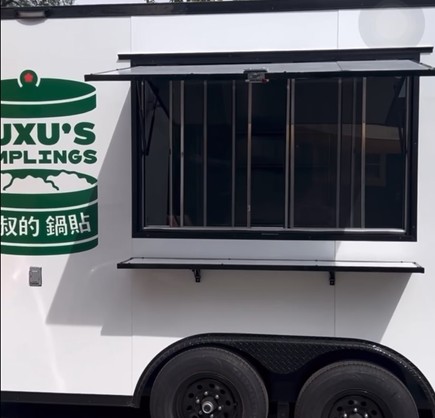
Xu Xu’s Dumplings Food Truck Grand Opening in Austin
The wait is finally over. Xu Xu’s Dumplings, a name synonymous with handmade quality and authentic flavors, is thrilled to announce the grand opening of its brand-new food truck on October 24, 2025, at 910 E Cesar Chavez Street in the heart of Austin, Texas.
This launch marks a significant milestone for Co-Founder James Xu, whose lifelong passion for traditional dumpling-making has blossomed into a contemporary culinary brand that celebrates craftsmanship, culture, and creativity. Xu Xu’s Dumplings has long been known for its devotion to authenticity — each dumpling is hand-rolled, filled, and folded with the precision and care passed down through generations. Now, this dedication is finding a new home on Austin’s streets, where food and artistry converge.
A Blend of Heritage and Modern Flavor
For James Xu, dumpling-making isn’t just about food — it’s about connection. “This is the beginning of something special,” said Xu. “We’re honored to share our family’s recipes and craftsmanship with such an inspiring community. Austin’s energy and culture perfectly match what we’ve always stood for — warmth, creativity, and a genuine love for good food.”
The new food truck brings the Xu Xu’s Dumplings experience to a broader audience, blending the time-honored art of Chinese dumpling-making with the bold and diverse culinary spirit of Austin. Guests can expect an ever-evolving menu that features both classic fillings and inventive seasonal specials, each prepared using fresh, locally sourced ingredients. Whether you’re craving the comforting taste of pork and chive dumplings or intrigued by the twist of a spicy vegetable medley, every bite embodies balance, flavor, and authenticity.
Crafted by Hand, Served from the Heart
Austin’s food scene has always been defined by its independent spirit — a culture that values originality, quality, and heart. Xu Xu’s Dumplings fits right in. The food truck was designed to bring an authentic kitchen-to-street experience, where customers can watch as their dumplings are freshly steamed, pan-fried, or served with Xu Xu’s signature dipping sauces.
More than just a food truck, it’s a rolling celebration of tradition meeting innovation. Every dumpling is hand-crafted daily — no shortcuts, no frozen shortcuts, just pure dedication. This commitment to quality has already earned the brand early recognition among local food enthusiasts and visitors eager to experience something that feels truly handmade.
Bringing the Taste of Tradition to the Streets of Austin
The grand opening event on October 24 will officially introduce Austinites to what James Xu calls “a piece of home wrapped in dough.” Guests visiting the truck at 910 E Cesar Chavez Street can look forward to a welcoming atmosphere filled with rich aromas, sizzling sounds, and the unmistakable sense of community that food brings.
Xu Xu’s Dumplings aims to be more than just another stop in Austin’s growing lineup of food trucks — it’s set to become a local favorite and a cultural touchstone, celebrating both Chinese culinary heritage and Austin’s fearless food identity.
A Vision for the Future
While the grand opening marks the beginning of this exciting chapter, it also signals the brand’s larger vision. The Xu Xu’s Dumplings team plans to expand its reach across Austin neighborhoods in the coming year, bringing its handmade goodness to more corners of the city while maintaining its focus on quality and authenticity.
The philosophy is simple: great food is made by hand and shared with heart. Through this food truck, Xu Xu’s Dumplings hopes to connect with people from all walks of life — uniting them over a shared appreciation for authentic, flavorful, and thoughtfully prepared meals.
As Austin continues to evolve as one of the most vibrant food cities in America, Xu Xu’s Dumplings is proud to contribute to that narrative, one dumpling at a time.
Media Contact
Name: James Xu, Co-Founder
Email: pr@xuxusdumplings.com
Location: 910 E Cesar Chavez St., Austin, Texas 78702
Website: www.XuXusDumplings.com
Cushman & Wakefield Announces Global Presence at MAPIC 2025
Cushman & Wakefield, one of the world’s leading real estate services firms, has announced its participation in the 30th edition of MAPIC 2025, the premier international retail property event, taking place in Cannes, France. The firm is set to make a strong impression with a delegation of over 100 professionals representing 25 countries, reinforcing its position as a global leader in retail, leisure, and placemaking advisory.
The team ranging from first-time attendees to professionals marking their 27th MAPIC will be at the forefront of discussions shaping the future of retail and leisure real estate. With decades of combined experience and a deep understanding of local markets, Cushman & Wakefield’s experts aim to engage with investors, developers, brands, and operators seeking innovative strategies for growth, transformation, and long-term value creation.
“Our participation at MAPIC 2025 highlights Cushman & Wakefield’s commitment to supporting the retail and leisure industries as they evolve,” said Cushman & Wakefield. “By bringing together a diverse global team, we’re combining insights from across markets to help our clients navigate new consumer behaviors, sustainability imperatives, and the integration of technology into physical spaces.”
A Dynamic Presence at MAPIC 2025
Throughout the event, Cushman & Wakefield will host a range of interactive experiences and networking opportunities designed to foster meaningful connections and inspire collaboration. Attendees are invited to:
Enjoy barista coffee at Stand R7.K1 the perfect start to a day of networking and discovery.
Join the Open House Networking Drinks, a relaxed setting to meet Cushman & Wakefield’s international team and exchange ideas.
Engage in expert conversations from retail strategy and brand expansion to placemaking and the reimagining of mixed-use destinations.
These sessions will showcase Cushman & Wakefield’s global platform and localized expertise, emphasizing how the firm helps clients adapt to evolving market trends, optimize assets, and unlock new opportunities for growth in retail and leisure real estate.
Leading the Future of Retail and Leisure
As consumer expectations shift and urban environments transform, Cushman & Wakefield continues to play a pivotal role in defining the future of experiential retail and sustainable destinations. The firm’s specialists in retail leasing, advisory, and asset management will be available throughout MAPIC to share their perspectives on key market themes, including:
- Retail Resilience: Strategies for adapting to changing shopper behaviors and omnichannel models.
- Leisure Evolution: How entertainment and hospitality concepts are driving footfall and engagement.
- Sustainability and ESG: The growing importance of responsible development in the retail landscape.
- Urban Revitalization: Transforming city centers and high streets through placemaking and community-oriented design.
“MAPIC has always been more than a conference; it’s where innovation meets collaboration,” added. “We look forward to meeting partners old and new to explore how together, we can shape the next chapter of global retail.”
Connect with Cushman & Wakefield at MAPIC 2025
Join Cushman & Wakefield at Stand R7.K1 in Cannes to connect with leading professionals in retail, leisure, and real estate development. Whether seeking insights, partnerships, or strategic opportunities, visitors are encouraged to stop by for a coffee, a conversation, or a collaborative idea that could define the future of retail.

Top Crypto Presales to Invest in Now: BlockDAG, LivLive, Maxi Doge, & PepeNode
Top Crypto Presales to Invest in Now: BlockDAG, LivLive, Maxi Doge, & PepeNode
The hunt for the next big opportunity in crypto is back, and Crypto Presales to Invest in have become the heartbeat of 2025’s bull-run conversation. As established coins plateau, new entrants are surging not just for hype, but for genuine innovation.
Among them, BlockDAG, LivLive, Maxi Doge, and PepeNode have ignited investor excitement with cutting-edge technology, high-energy communities, and millions already raised. These tokens mix vision with strong tokenomics, making them serious contenders for exponential returns.
From BlockDAG’s 1,400 TPS breakthrough to LivLive’s community-driven model and the meme-powered rise of Maxi Doge and PepeNode, each offers a different path toward massive potential. Whether you’re a risk-taker or a fundamentals-first investor, these projects show why Crypto Presales to Invest in are drawing global attention right now.
BlockDAG (BDAG): The $430 Million DAG Revolution
BlockDAG is leading the conversation on Crypto Presales to Invest in, having raised more than $430 million with its price still locked at $0.0015 in Batch 31. With a projected listing price of $0.05, early investors eye potential returns of over 3,000 percent.
Its groundbreaking Awakening Testnet, achieving 1,400 transactions per second, proves that blockchain scalability and security can finally coexist. Powered by a hybrid DAG + Proof-of-Work model and backed by EVM compatibility, CertiK and Halborn audits, and a massive 3 million X1 app miners, BlockDAG is shaping up as one of 2025’s defining technologies.

The upcoming Binance LIVE AMA on October 24 will reveal its live performance to a global audience, an event that could catapult BDAG into mainstream recognition. For now, presale buyers have a limited window before the price rises. In a market where hype fades quickly, BlockDAG stands out with substance, scale, and credibility, a rare trifecta that’s cementing its place among the strongest Crypto Presales to invest in today.
LivLive ($LIVE): Community First, Utility Forward
LivLive ($LIVE) is emerging as one of the most community-centric Crypto Presales to invest in, having already crossed $2 million in funding and attracted over 70 holders. Its model dedicates 65 percent of the token supply to the community, ensuring growth beyond speculation.
LivLive’s appeal lies in its balanced structure, combining sustainable tokenomics with real-world engagement through its upcoming streaming and content tools. Analysts view it as a “second shot” at massive ROI potential, with some projecting a 1,000× upside if its roadmap unfolds as planned.

Early stage investors see it as a chance to get in before mainstream coverage begins. While execution risks remain, LivLive’s transparent distribution and growth-oriented strategy make it a promising addition to this year’s top Crypto Presales to Invest in.
Maxi Doge ($MAXI): Meme Culture Meets Staking Power
Maxi Doge ($MAXI) continues to gain traction as a standout in the meme-coin sector of Crypto Presales to Invest in. With over $3.6 million raised and a presale price of around $0.000263, MAXI fuses humor with high utility.
The project offers up to 80 percent APY staking rewards, giving holders a reason to stay engaged beyond pure hype. Audited by SolidProof and Coinsult, the token is positioned as a “gym bro” meme brand geared toward trader culture and high-energy marketing.
Analysts have already listed MAXI among the top Crypto Presales to invest in, thanks to its unique identity and robust presale momentum. While volatility is inevitable, its combination of community appeal, staking mechanics, and audited security suggests it may emerge as one of the more sustainable meme-coin plays of 2025.
PepeNode ($PEPENODE): Gamified Mining for the Meme Era
PepeNode ($PEPENODE) has entered the conversation as a novel entry in Crypto Presales to Invest in, offering a fusion of meme culture and gamified utility. With its presale price around $0.00111, the token introduces virtual mining, staking, and burning mechanics that allow users to earn and compete in a community-driven ecosystem.
Early stakers are reportedly seeing returns of over 600 percent APY, although these rates are expected to normalize as adoption expands. Analysts note its presence on multiple “best presales to buy” lists, especially among those seeking meme exposure with a functional edge.

Still in its early phase, PepeNode combines playfulness with earnest tokenomics, making it an exciting addition to 2025’s roster of Crypto Presales to Invest in.
Conclusion
In 2025, the most promising Crypto Presales to invest in offer a blend of utility, vision, and community drive. BlockDAG leads with record-breaking funding and revolutionary speed; LivLive pushes sustainability and user ownership; Maxi Doge reignites meme-driven speculation with real staking utility; and PepeNode gamifies the meme economy for interactive growth.
Each captures a different slice of the market but shares one common thread: timing matters. Presales don’t last forever, and the window for early entry often defines the difference between 10× and 100× returns.
For those looking to diversify into early-stage crypto opportunities with real momentum, these projects stand out as the top Crypto Presales to Invest in right now.

Disclaimer:
This press release is for informational purposes only. Information verification has been done to the best of our ability. Still, due to the speculative nature of the blockchain (cryptocurrency, NFT, mining, etc.) sector as a whole, complete accuracy cannot always be guaranteed.
You are advised to conduct your own research and exercise caution. Investments in these fields are inherently risky and should be approached with due diligence.