Author: IndNewsWire

  • Is the CLARITY Act the Crypto News That Lifts BTC, BNB, and Pepeto Before Listing thumbnail

    Is the CLARITY Act the Crypto News That Lifts BTC, BNB, and Pepeto Before Listing

    The biggest crypto news this week landed when the CLARITY Act passed the Senate Banking Committee with a 15 to 9 bipartisan vote on May 14. For the first time, a crypto market structure bill cleared a major committee, giving the industry a real path toward federal regulation.

    Bitcoin sits at $77,400, BNB holds near $648, and both could move once the full Senate votes. Pepeto, built by the Pepe founder with an approaching Binance listing, draws attention because this crypto news cycle could launch presale tokens into a different price range entirely.

    CLARITY Act Clears Senate Committee in Landmark Crypto News Vote

    The Senate Banking Committee approved the CLARITY Act on May 14 with a 15 to 9 vote after hours of debate turned bipartisan, according to CoinDesk. Two Democrats joined all Republicans to advance the bill, which defines how the SEC and CFTC regulate digital assets. Analysts warn it must reach a full Senate vote before the August recess or the odds drop hard. Galaxy Research puts passage at 75%, and the crypto news reaction already pushed short term sentiment from neutral to cautiously bullish.

    BTC, BNB, and the Presale Entry Dominating Crypto News After the CLARITY Act

    Pepeto

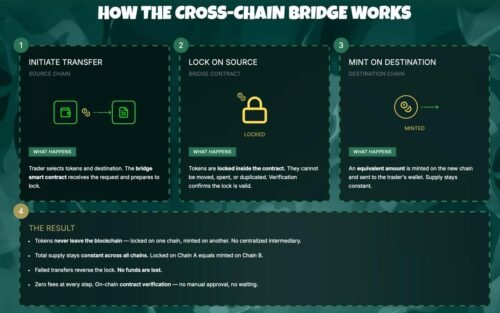
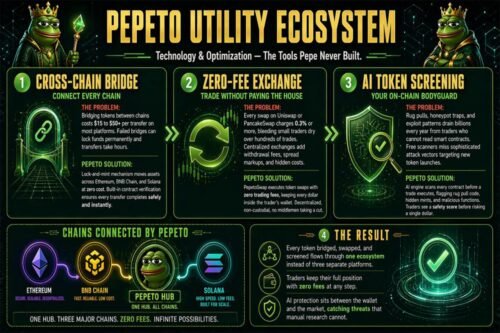
    Federal regulation clearing a committee tells the market the rules are coming, but the biggest returns in any crypto news cycle belong to entries that sit below listing price before those rules take hold. Pepeto is an exchange network where holders swap tokens through a built in engine that charges zero fees and a chain connector that moves assets between networks at no cost. Most wallets pay $5 to $15 per swap on centralized exchanges, but Pepeto removes that entirely and lets capital rotate faster without losing value to trading costs on every move.

    The risk scorer grades every token before a wallet commits, marking red flags that studying contracts alone would miss completely. One paste of a contract address returns a threat level so buyers skip the traps that drain meme coin portfolios, and the chain connector links every major network so holders reach better prices without staying locked on one chain.

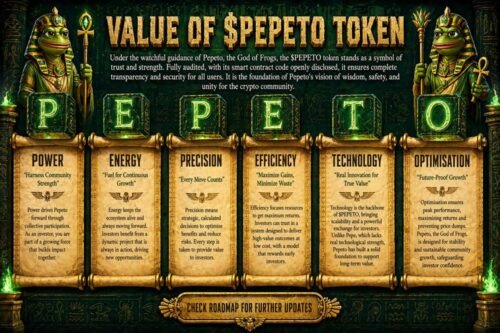
    Pepe’s founder turned 420 trillion tokens into an $11 billion asset with nothing backing the price. Pepeto matches that supply and launches with a working exchange, SolidProof verified contracts, and 171% APY staking that grows positions while the entry stays at $0.0000001872. Capital above $10 million flowed in during a market correction, the Pepeto official website tracks an approaching Binance listing steered by a former exchange operations lead, and the presale entry has not changed. The wallets inside calculated the outcome before the CLARITY Act reached committee, and the founder proved the math once and built stronger products this time.

    Bitcoin

    BTC trades at $77,400 after recovering from a dip below $74,000 earlier this month, according to CoinMarketCap. The CLARITY Act vote gave bulls a reason to hold, and the crypto news pushed short term sentiment higher. A move toward $82,000 looks possible if the full Senate schedules the vote before August, but from $77,400 even a push to $100,000 delivers less than 30% return.

    BNB

    BNB holds at $648 after Binance posted strong user growth in Q1 and expanded spot trading pairs, according to CoinMarketCap. The token benefits directly from the CLARITY Act because clearer rules let Binance operate more openly in the U.S. market. This crypto news lifts the exchange token, but even a rally to $800 from $648 delivers just 23% gains, and the math from that level cannot match a presale sitting seven decimal places from zero.

    Closing Thoughts

    The CLARITY Act sets the stage, but the Pepe founder combined with a fully built exchange and a Binance listing on the horizon is the combination crypto produces once per cycle. The wallets inside know that meme energy paired with real utility happens once, and the listing is the event they positioned for. Those early Pepe holders turned small entries into millions, and the same founder building again with verified tools means entering now is betting on a pattern that already printed. The window shrinks while this crypto news cycle plays out, and checking the Pepeto official website now instead of waiting could be the difference between catching the return and watching it happen.

    Click To Visit Pepeto Website To Enter The Presale

    FAQs

    Is the CLARITY Act the most important crypto news for regulation in 2026?

    It is the first market structure bill to clear a Senate committee, and analysts give it 75% odds of full passage this year.

    What makes Pepeto different from other presale tokens right now?

    The Pepe founder built the original to $11 billion with zero products, and Pepeto launches with a working exchange, risk scorer, and SolidProof audit.

    Could BNB rally if the CLARITY Act passes the full Senate?

    Clear regulation lets Binance expand in the U.S., but BNB gains from $648 stay limited next to a presale priced below a cent.

    Disclaimer:
    This article is for informational purposes only and does not constitute financial advice. Cryptocurrency investments carry risk, including total loss of capital.

    All market analysis and token data are for informational purposes only and do not constitute financial advice. Readers should conduct independent research and consult licensed advisors before investing.


    Crypto Press Release Distribution by BTCPressWire.com

  • SFI Chairman Eddie Chong to Attend Trust Circle in Zug, Outlining New Directions for Web4 Infrastructure thumbnail

    SFI Chairman Eddie Chong to Attend Trust Circle in Zug, Outlining New Directions for Web4 Infrastructure

    On May 29, 2026, Zug, Switzerland will host Trust Circle, a premier invitation‑only conference focused on sovereign AI infrastructure and the future of computing. The event will take place at SHED Zug, organized by AI Cluster Zug, and will gather only 100 core decision‑makers from AI, Web3, finance, and cybersecurity. SFI (StableCoin Financial Infrastructure) — a next‑generation value network platform built on a stablecoin foundation, deeply integrating Web4, RWA, and AI, and connecting payments, asset incubation, AI trading, and consumption scenarios — will have its chairman, Eddie Chong, attend as a keynote speaker. He will share the stage with heavyweights such as the Zug Cantonal Minister of Economic Affairs, NVIDIA’s Switzerland lead, and the head of AI at Julius Baer, to witness the soft launch of AI Cluster Zug. This participation marks a critical industrial step in Eddie Chong’s Swiss journey and signifies that SFI’s RWA+AI value network is being deeply integrated into global sovereign AI infrastructure, embarking on a new path of global expansion.

    I. Soft Launch of AI Cluster Zug: Switzerland’s Sovereign AI Infrastructure Sets Sail

    The core agenda of Trust Circle is the soft launch of AI Cluster Zug, a Swiss sovereign AI infrastructure initiative. According to official event materials, the initiative aims to strengthen sovereign AI infrastructure, foster collaboration between industry and academia, and support long‑term AI innovation in Switzerland. With global computing power competition intensifying and nations rushing to build their own AI infrastructure, Zug’s move sends a clear strategic signal: this region, already a high ground for digital asset compliance, is now positioning itself as a cradle of sovereign AI infrastructure.

    Eddie Chong’s invitation to speak means that SFI’s Web4 value network will be incorporated into Switzerland’s national AI strategy. In his speech, he will emphasize that AI computing infrastructure and the Web4 payment layer must evolve in tandem — neither can function without the other. Concretely, computing power acts as the “brain” of AI Agents, providing core processing support, while the stablecoin payment layer is the “circulatory system” that enables AI Agents’ autonomous economic activities. Trust Circle will be the first high‑level platform to deeply integrate these two core tracks and foster efficient industry dialogue.

    II. A Star‑Studded Lineup: Cross‑Sector Resources Underscore SFI’s Industry Voice

    Trust Circle will bring together top guests from five key areas — government policy, AI computing, financial capital, security & compliance, and Web3 infrastructure — forming a cross‑sector resource matrix. The core guests include:

    • Government & Policy: Silvia Thalmann-Gut, Zug Cantonal Minister of Economic Affairs, will attend, providing official endorsement for SFI to access Swiss top‑tier policy resources and solidify its European compliance foundation.
    • AI Computing & Infrastructure: Marc Stampfli, NVIDIA’s Switzerland Business Director, will join to promote technical collaboration between SFI and global computing power leaders. Ivo Strohhammer and Ralf Glabischnig, co‑founders of Inacta Ventures, will also attend, representing local industry recognition of SFI and helping SFI integrate into Zug’s Web3 and AI ecosystem.
    • Finance & Capital: Jonathan Theodore Hayes, Head of AI & Data at Julius Baer, and Dr. Dmitriy Antropov, Head of Infrastructure Partnerships at Partners Group, will participate, representing traditional private banking and global top‑tier capital, respectively. Their presence opens key links for SFI to broaden funding access and asset‑deployment pathways.
    • Security & Compliance: Mathias Fuchs, VP of Investigation & Intelligence at InfoGuard, and Guido Schmitz-Krummacher, Managing Director of Onchain Foundation and board member of multiple leading blockchain projects, will attend. They provide industry endorsement for SFI’s compliance matrix and accelerate SFI’s regulatory adaptation in Europe.
    • Web3 Infrastructure: Kamal Youssefi, Co‑Founder & Executive Chairman of Hashgraph Ventures and founding council member of Hedera, will join, advancing deep cooperation between global Web3 infrastructure leaders and SFI, closing the value loop between stablecoin financial infrastructure and the Web3 ecosystem.

    The gathering of these cross‑sector leaders will not only validate SFI’s industry appeal in the Web4+AI convergence but also provide direct resource channels and trust endorsements for SFI’s subsequent compliance implementation, capital connection, technical synergy, and ecosystem expansion in Europe.

    III. Eddie Chong’s Core Message: Unpacking the Complete Web4 Infrastructure Puzzle

    At Trust Circle, Eddie Chong will deliver a keynote speech, detailing SFI’s Web4 layout logic — using a stablecoin as the core foundation, with Solulu Club as the liquidity and traffic hub, connecting five major pillars (Solulu Pay, Caviar, COPX DAO, RWA Incubator, and RWA Exchange) to build a full‑link closed loop of “asset → payment → consumption → investment → value appreciation”.

    In his speech, he will argue that as AI technology evolves, AI Agents are upgrading from tools to independent economic actors. In this upgrade, the ability to pay, manage assets, and consume autonomously becomes a core need, and SFI’s underlying infrastructure is built precisely to meet that need. This will be the first time SFI fully presents its Web4 ecosystem logic to a global core industry audience. At the same time, Eddie Chong will engage in high‑level discussions with leaders from NVIDIA, Partners Group, and other global AI computing and capital players. These interactions will demonstrate that SFI’s compliance capabilities, technical architecture, and ecosystem layout have already entered the view of global core decision‑makers.

    IV. From Consensus to Action: A New Starting Point for SFI

    For SFI, its deep involvement in Trust Circle is not just a high‑density industry dialogue, but a systematic building of global trust infrastructure. Eddie Chong’s speech and exchanges at Trust Circle will turn SFI’s European strategic blueprint from an “unfilled map” into an actionable framework aligned with policymakers, capital allocators, industry builders, and academic researchers.

    Going forward, SFI will quickly translate the industry consensus and cooperation intentions formed at Trust Circle into concrete actions — optimizing the product compliance design of its RWA Incubator and Exchange, expanding Solulu Pay’s payment network in Europe, and implementing AI Agent economic models. Starting from Zug, SFI’s Web4 infrastructure will officially enter an accelerated phase of “global synergy, compliance first, and industry co‑building.”

    Follow the SFI Ecosystem:

    SFI: https://x.com/SFI_AI
    SoluluPay: https://x.com/SoluluPay
    Caviar: https://x.com/shopcaviar
    COPX DAO: https://x.com/Copx_DAO

    LINK:

    https://luma.com/TrustCircleZug

  • SpaceX Holds $1.45B in Bitcoin: ETH, SOL, and Why Pepeto Is the Best Crypto Presale to Buy Now thumbnail

    SpaceX Holds $1.45B in Bitcoin: ETH, SOL, and Why Pepeto Is the Best Crypto Presale to Buy Now

    SpaceX filed its S-1 this week and revealed $1.45 billion in Bitcoin on the balance sheet, more than double what on chain analysts tracked. The best crypto presale to buy right now is not a large cap that already made its move.

    While ETH sits below $2,200 and SOL trades near $87, Pepeto has raised more than $10 million because the architect behind the original Pepe coin is building an exchange with the same 420 trillion supply that hit $11 billion the first time.

    SpaceX IPO Filing Reveals $1.45 Billion in Bitcoin Holdings

    SpaceX disclosed 18,712 BTC worth $1.45 billion in its IPO filing on May 20, according to Benzinga. The cost basis averaged $35,300 per coin, giving SpaceX $789 million in unrealized gains ahead of a Nasdaq listing. The disclosure confirms a best crypto presale to buy market where even rocket companies hold BTC as a core asset, according to Bitcoin Magazine. Corporate conviction is rising, but returns on BTC at $77,000 are nothing close to what a presale at a fraction of a cent delivers.

    ETH, SOL, and the Presale Entry That SpaceX Bitcoin Math Cannot Reach

    Pepeto

    Corporate treasuries holding billions in Bitcoin confirms the market direction, but the size of the return depends on where the entry sits. Pepeto is a presale trading hub where holders access a fee free swap engine and a network bridge that transfers assets across chains without cost. Most portfolios carry tokens that sit idle on one chain, but PepetoSwap removes trading fees entirely and lets wallets rotate between positions without paying the exchange a cut on every move.

    The bridge links every major chain so assets flow where the opportunity lives, removing the barrier that keeps retail holders stuck on one network while better prices trade elsewhere. Holders move tokens in seconds and keep full control of every position, which means capital works harder instead of sitting locked behind gas fees that compound over weeks.

    Pepe’s architect launched 420 trillion tokens to $11 billion without a single working product. Pepeto takes that same supply, adds a live exchange from day one, passes a SolidProof security review on every contract, and pays 171% APY through staking while the presale sits at $0.0000001872. A Binance operations veteran shapes the listing roadmap, and more than $10 million from wallets that already calculated the outcome confirms why Pepeto is the best crypto presale to buy, because the architect proved the model prints once and built better tools this time.

    Ethereum

    ETH trades at $2,110 today after falling from above $4,000 last year, according to CoinMarketCap. Cuban said Ethereum disappoints him less than Bitcoin because smart contracts give it real utility. But from $2,110, ETH needs to hit $4,220 just to deliver 2x, and it sits 83% below its all time high. SpaceX chose BTC over ETH for its treasury, and the privacy push has not lifted the price. At this level Ethereum offers stability, not presale returns.

    Solana

    SOL sits at $87 after Goldman Sachs fully exited its Solana ETF position in Q1 2026, according to CoinGecko. Morgan Stanley added $29.9 million in SOL exposure through Bitwise, sending mixed Wall Street signals. The token peaked at $293 and sits 70% below that high. From $87, even a return to $175 takes months and delivers 2x at best. SOL infrastructure grows, but the return math from this level cannot match what a presale at a fraction of a cent offers.

    Final Takeaway

    SpaceX holding $1.45 billion in Bitcoin confirms conviction capital is choosing crypto, but the best crypto presale to buy sits at a fraction of a cent, not at $77,000. Pepeto hands wallets the trading infrastructure to capture wealth before the listing turns entries into returns that large caps take years to deliver. The cofounder built Pepe to $11 billion with zero products on the same 420 trillion supply, and matching that price from the current entry is 150x.

    The architect is repeating a pattern that already worked, now backed by a live exchange and an approaching Binance listing the original Pepe never had. Every position added through the Pepeto official website follows proven math, and the Pepe holders who wish they had bought more are watching the same cofounder build again while the presale window stays open.

    Click To Visit Pepeto Website To Enter The Presale

    FAQs

    What is the best crypto presale to buy in 2026?

    Pepeto leads presale picks with a SolidProof audit, exchange tools, and an approaching Binance listing backed by the Pepe cofounder.

    Does the SpaceX Bitcoin IPO affect crypto presales?

    SpaceX confirming $1.45 billion in BTC proves corporate conviction, but the Pepeto official website offers returns that BTC at $77,000 cannot match.

    Should presale investors choose Pepeto over ETH or SOL right now?

    ETH targets 2x from $2,110 and SOL needs months to double, but analysts see Pepeto delivering 150x from the same cofounder who built Pepe to $11 billion.

    Disclaimer:
    This article is for informational purposes only and does not constitute financial advice. Cryptocurrency investments carry risk, including total loss of capital.

    All market analysis and token data are for informational purposes only and do not constitute financial advice. Readers should conduct independent research and consult licensed advisors before investing.
    Crypto Press Release Distribution by BTCPressWire.com

  • Litecoin Price Prediction: Mark Cuban Dumps BTC While LTC Holds and Pepeto Presale Hits $10M thumbnail

    Litecoin Price Prediction: Mark Cuban Dumps BTC While LTC Holds and Pepeto Presale Hits $10M

    Mark Cuban sold most of his Bitcoin this week after calling it a failed hedge, and gold climbing past $5,000 while BTC dropped below $78,000 proved the point. The litecoin price prediction tells a different story because LTC defended Bitcoin’s original payments vision while billionaires walked away.

    But the presale that capital is flowing into right now sits outside the large cap conversation. Pepeto, built by the creator of the original Pepe coin, has crossed $10 million raised during one of the most fearful stretches since 2022.

    Mark Cuban Sells Bitcoin as Litecoin Defends the Original Vision

    Mark Cuban confirmed on a podcast that he dumped most of his Bitcoin because BTC failed as an inflation hedge during the Iran conflict, according to CoinDesk. Gold hit $5,000 while Bitcoin fell, and Cuban called it the final disappointment after treating BTC as gold’s replacement. Litecoin responded by defending Bitcoin’s core principles of decentralized payments, according to CryptoNews. The litecoin price prediction now sits in a market where payment utility counts more than a broken hedge story.

    LTC Forecast, Pepeto, and the Payment Coin Debate After Cuban’s Exit

    Pepeto

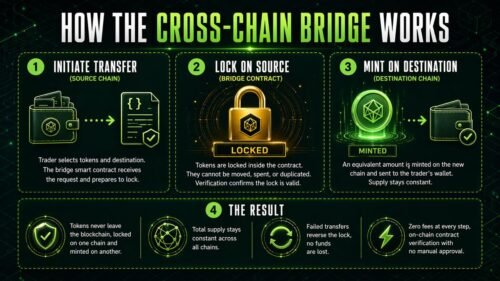
    Billionaire exits from Bitcoin push capital toward assets with real products and listing deadlines. Pepeto is a presale marketplace that shields capital through built in tools and rewards early holders before the approaching Binance listing changes the entry forever. Most wallets hear about tokens after the price already jumped, but the cross chain bridge inside Pepeto moves assets between networks at zero cost, keeping holders connected to every chain without paying gas on each transfer.

    A risk scorer runs alongside the bridge and scans every contract for hidden dangers, catching rug pulls and ownership traps that surface research misses completely. This scanner is the clearest edge a retail wallet can hold in a market where new tokens launch daily and most of them collapse within weeks. Holders submit a token address and receive a contract verdict before putting money at risk, which means the community enters only positions that passed a real security check.

    The creator of the original Pepe coin, which reached $11 billion on 420 trillion tokens and zero working products, designed Pepeto with these tools live from day one and a SolidProof audit behind every contract. A staking pool at 171% APY rewards patience while holders wait for the listing, and a former Binance expert on the team brings exchange knowledge to the launch timeline. More than $10 million already sits inside the presale at $0.0000001872 while the litecoin price prediction and every other large cap forecast struggles to promise even 2x returns. The approaching Binance listing is where these presale entries turn into the gains that LTC holders will need years of patience to reach, and the wallets already inside understand the window shrinks with every stage that fills.

    Litecoin Price Prediction

    LTC trades at $54 today, down from a yearly high near $140 in early May, according to CoinMarketCap. The network patched a critical MWEB vulnerability in April after a zero day exploit caused a 13 block reorganization. Changelly projects LTC reaching $70 by December 2026, and CoinCodex sees an end of year target near $92.34.

    Support sits around $53, with $56 needed to restart any upward move. The litecoin price prediction benefits from SEC language classifying LTC as a digital commodity, which gives it clearer regulatory ground than most altcoins. From $54, hitting $92 delivers roughly 70% upside over months. The litecoin price prediction points to steady growth, but a presale built on exchange tools with an approaching listing delivers a return scale that LTC cannot match at this level.

    The Verdict

    The litecoin price prediction points to steady recovery, but Cuban selling Bitcoin shows the largest cap losing confidence. Pepeto gives holders the marketplace tools to claim positions before the listing creates returns that latecomers pay a premium to touch. Searching for a litecoin price prediction led here because real returns in 2026 form inside a presale, not inside a $4 billion token targeting 70% over months.

    Early wallets entered the Pepeto official website before anyone had reason to look, and the working exchange behind this presale lifts the ceiling beyond anything LTC at $54 can reach. Entering now means joining the wallets that found it first, not the ones who searched for LTC’s path forward and hesitated until the Pepe creator’s presale filled up and left them behind.

    Click To Visit Pepeto Website To Enter The Presale

    FAQs

    What is the best litecoin price prediction for 2026?

    Changelly projects LTC reaching $70 by December, but Pepeto at presale entry targets much higher gains ahead of the approaching Binance listing.

    Does Mark Cuban selling Bitcoin affect LTC’s outlook?

    Cuban’s exit weakens BTC confidence, but the Pepeto official website shows capital flowing into presale tools, not fleeing crypto entirely.

    Is Pepeto a better investment than Litecoin in 2026?

    The litecoin price prediction targets 70% upside, while analysts see Pepeto returning triple digits from a starting cost below a tenth of a cent before listing.

    Disclaimer:
    This article is for informational purposes only and does not constitute financial advice. Cryptocurrency investments carry risk, including total loss of capital.

    All market analysis and token data are for informational purposes only and do not constitute financial advice. Readers should conduct independent research and consult licensed advisors before investing.

    Crypto Press Release Distribution by BTCPressWire.com

  • Chainlink Price Prediction: LINK Holders Watch Pepeto Cross $10M as Lombard Moves $1B to CCIP thumbnail

    Chainlink Price Prediction: LINK Holders Watch Pepeto Cross $10M as Lombard Moves $1B to CCIP

    Seven DeFi protocols moved more than $4 billion into Chainlink CCIP in the past two weeks after a $292 million exploit hit LayerZero. The migration confirms what the chainlink price prediction already signals, that the oracle network is absorbing infrastructure faster than most traders expected.

    But the biggest returns in 2026 are not sitting inside a $7 billion market cap token. Pepeto, a presale exchange built by the cofounder behind the original Pepe coin, has raised more than $10 million while the rest of the market sits in fear.

    Lombard Finance Shifts $1 Billion to Chainlink After LayerZero Exploit

    Lombard Finance pulled $1 billion in Bitcoin DeFi assets from LayerZero and moved everything to Chainlink CCIP, according to CoinDesk. The shift followed a $292 million KelpDAO exploit that drained funds through a LayerZero bridge in April and forced protocols to rethink cross chain security overnight. Lido, Kraken, and Re completed the same migration this month, bringing total value moved to CCIP past $4 billion according to BanklessTimes. The chainlink price prediction reflects this dominance because protocols are choosing CCIP with billions in real capital, not promises.

    LINK Forecast, Pepeto Presale, and the Billion Dollar Oracle Migration

    Pepeto

    Market corrections push capital toward projects with working products and a clear path to listing returns. Pepeto is a presale exchange platform built to protect wallets and grow entry positions before the Binance listing arrives. Most traders find opportunities after the price already moved, but PepetoSwap runs a zero fee trading engine that lets holders swap tokens without losing capital to transaction costs.

    The risk scorer sits alongside the exchange and checks every contract before a single dollar moves into it, flagging traps that manual research takes hours to catch. This is the most direct answer to the problem that every retail wallet faces in a market full of scams and failed projects. Traders paste a contract address into the platform and get a safety rating before committing anything, which means capital stays protected instead of locked inside a honeypot.

    The cofounder behind the original Pepe coin, which hit $11 billion on the same 420 trillion supply with zero products, built Pepeto with three working tools already running and a SolidProof audit clearing every contract. The staking pool pays 171% APY for holders who lock tokens while they wait, and a former Binance expert sits on the dev team guiding the listing process. More than $10 million has entered the presale at $0.0000001872 per token while the Fear and Greed index sits deep in fear territory. The approaching Binance listing is the single event that converts these entries into the kind of returns that make the chainlink price prediction look small, and analysts project 100x or higher once trading opens.

    Chainlink Price Prediction

    LINK trades at $9.60 today after falling 40% in the past 30 days, according to CoinMarketCap. Support has formed around the $7.80 to $8.20 range, and a TD Sequential buy signal appeared on the daily chart this week, pointing toward a bounce near $10. Changelly projects a maximum of $15.65 by the end of 2026, and the macro descending wedge tracked by analysts puts the longer term target near $18.65.

    The DTCC integrated Chainlink for real time collateral management earlier this month, and AWS Marketplace now distributes Chainlink data feeds to thousands of businesses. These institutional moves support the chainlink price prediction, but LINK needs to clear $11.20 resistance before any reversal confirms. From $9.60, even reaching $15.65 delivers roughly 63% upside over months, a fraction of what a presale entry can return after listing.

    Bottom Line

    The chainlink price prediction shows LINK absorbing billions in infrastructure value, but the gap between a 63% ceiling and what Pepeto wallets stand to collect is the number that matters. Pepeto gives holders the exchange tools to lock positions before the listing delivers returns that the crowd will chase too late. Every dollar entering the Pepeto official website right now is securing the entry that the Lombard migration and the infrastructure shift proved matters most, getting in before the window shuts permanently.

    The presale crossed $10 million while LINK corrected 40%, and entering now means being on the side that built wealth when the approaching Binance listing arrives, not the side wondering why the chainlink price prediction felt safer while a presale built by the Pepe cofounder closed without them.

    Click To Visit Pepeto Website To Enter The Presale

    FAQs

    What is the best chainlink price prediction for 2026?

    LINK could reach $15.65 by December 2026 according to Changelly, but Pepeto at presale entry offers stronger returns before its approaching Binance listing.

    Can the Lombard CCIP migration push LINK past $15?

    The $4 billion CCIP shift strengthens LINK, but the Pepeto official website offers presale returns that a large cap token at $7 billion cannot match.

    Is the chainlink price prediction stronger than a presale entry?

    The chainlink price prediction targets 63% gains by year end, but analysts project Pepeto at 100x or more from its current presale price.

    Disclaimer:
    This article is for informational purposes only and does not constitute financial advice. Cryptocurrency investments carry risk, including total loss of capital.

    All market analysis and token data are for informational purposes only and do not constitute financial advice. Readers should conduct independent research and consult licensed advisors before investing.

    Crypto Press Release Distribution by BTCPressWire.com

  • Buying Apartment Complexes in Southeast Michigan: Resource Realty Group on What the First 90 Days Actually Require thumbnail

    Buying Apartment Complexes in Southeast Michigan: Resource Realty Group on What the First 90 Days Actually Require

    Most investors prepare obsessively for closing. Fewer prepare for what comes the morning after.

    The due diligence process gets most of the attention in a multifamily acquisition. Financials are reviewed, inspections are completed, lease rolls are analyzed. Then the deal closes, ownership transfers, and a different set of problems begins. For many new owners, that transition is where the real money gets lost.

    Larry Gotcher, owner and broker of Resource Realty Group in Ann Arbor, Michigan, is currently working through nine apartment complex acquisitions in the Detroit metro area, ranging from 100 to 500 units per property. He has been buying and managing commercial real estate in Southeast Michigan since 1991. His approach to the early ownership period is built around one principle: slow down before you change anything.

    The Instinct That Costs New Owners the Most

    New ownership carries an obvious temptation to move fast. Rents get adjusted, management gets replaced, systems get overhauled. To investors who spent months analyzing everything wrong with a property, taking control feels like the point. Gotcher says that thinking is exactly what causes problems.

    “You want to minimize any kind of change,” he says. “If you’re going to change, you do it over a long period of time. A lot of people fail because they go in and make drastic changes quickly, and it makes everybody upset and they leave.”

    In a market like Detroit, where apartment vacancy rates are low and demand for rental housing has exceeded supply for years, tenant turnover is a direct and immediate expense. Every move-out triggered by an abrupt rent increase or a disrupted building environment is a unit that needs to be leased again, often at a cost that easily offsets whatever short-term gain the change was meant to produce. Rent increases belong at lease renewals, introduced gradually, not as an opening statement to the building.

    Keep the Manager. At Least for a While.

    One of the more specific practices Resource Realty Group applies to every acquisition is requiring the existing property manager to stay on for 30 to 60 days after closing. Gotcher is direct about why: without them, you simply do not know how the building actually runs.

    “It’s important to understand how they’re running things, what they were successful with, and what they weren’t,” he says.

    Due diligence documents tell you a lot, but they do not capture tenant relationships, vendor arrangements, informal maintenance routines, or the institutional knowledge that exists only in the heads of people who were there. When that walks out the door on closing day, a new owner is starting from zero on an asset they just paid significant capital to acquire. The 30 to 60 day overlap is not a permanent arrangement. It is a knowledge transfer with a defined end date.

    Your Underwriting Should Start With Your Own Numbers

    Gotcher’s approach to acquisition analysis breaks from conventional wisdom in one notable way. He places very little weight on seller financials and in many cases does not request them at all.

    “I purchase properties based on what I know I can do with the property,” he says. “I don’t really care what somebody did in the past. I’ve bought hundreds of properties without asking for a single piece of financial information.”

    That approach is only sustainable with genuine market depth. Gotcher has operated in Southeast Michigan for more than three decades, and Resource Realty Group maintains a full-time analyst to evaluate every potential acquisition. The team knows what rents should be, what vacancy looks like across submarkets, and what management and maintenance costs run in a given area. That baseline makes it possible to underwrite from first principles rather than work backward from whatever the current owner’s books happen to show.

    For investors who do not yet have that level of local knowledge, the takeaway is not to skip the financials. It is to develop enough market familiarity to form an independent view of what a property can produce, so that the seller’s history informs rather than drives the analysis.

    The One Number That Cannot Go Below Zero

    Gotcher’s acquisition threshold is straightforward. A property needs to cash flow at or above zero after all debt service is paid. Negative monthly cash flow is the condition he will not accept, because it eliminates any margin for error in operating assumptions.

    “If I don’t have monthly cash flow to amount to anything, I have to make sure all my other numbers are correct,” he says.

    Breaking even on a monthly basis works because depreciation delivers a real tax return on top of flat cash flow, and because Southeast Michigan properties have appreciated steadily over time. A deal that looks unremarkable in year one produces returns through both of those channels, but only if the vacancy rates, management fees, and maintenance costs going into the model are accurate. That precision matters most when there is no cash flow cushion to absorb a miss.

    For investors building a portfolio across multiple assets, that discipline is the difference between acquisitions that quietly compound and ones that quietly drain.


    About Resource Realty Group: Resource Realty Group is a full-service commercial and residential brokerage headquartered in Ann Arbor, Michigan. Led by Owner and Broker Larry Gotcher, the team has built a reputation for closing high-volume commercial transactions through deep market knowledge, disciplined process, and creative deal structuring. The group also manages land development projects and operates a REIT designed to provide investors with access to resilient, income-producing real estate across Michigan and international markets. Website: www.resourcerealtygroupmi.com

    This article is based on information provided by the expert source cited above. It is intended for general informational purposes only and does not constitute legal, financial, or real estate advice. Readers should conduct their own research and consult qualified professionals before making any real estate or financial decisions.

  • The CPA Gap in Real Estate Investing: Why Cost Segregation Gets Left Off the Table thumbnail

    The CPA Gap in Real Estate Investing: Why Cost Segregation Gets Left Off the Table

    Most real estate investors trust their CPA to flag the strategies that apply to them. Cost segregation, for a significant number of those investors, has never come up. Brian Kiczula of CostSegRx sees this regularly, and he does not blame the CPAs entirely. The explanation goes back further than most investors realize.

    Why the Default Became Straight-Line Depreciation

    Cost segregation studies used to be expensive enough that recommending one on a smaller property was often bad advice. The cost of the study could outweigh the benefit it produced, so tax preparers managing residential investors defaulted to straight-line depreciation and moved on. For their clients at the time, that was probably the right call.

    What changed is that detailed engineering-based studies are now accessible at price points that work for smaller properties. The key word is engineering-based. Kiczula draws a hard line between those and the automated tools that have proliferated alongside them: “I’m not talking about a DIY cost seg study or an online calculation. I’m talking about an engineered study where someone is looking at the property and providing an accurate study back.”

    The default has not caught up with the market. Many CPAs who could be recommending cost segregation to their real estate clients are still operating with assumptions that no longer hold.

    The Specialization Problem

    There is also a simpler factor. Real estate investing is a specialty. CPAs who do not focus on it, or whose investor clients represent only a slice of their practice, may not stay current on strategies like cost segregation. As Kiczula puts it, they may not be “investor-friendly CPAs” or they may just not have enough real estate clients for it to become a regular part of what they offer.

    That is not a reason to change CPAs. It is a reason for the investor to come prepared.

    Bringing It Up Without Derailing the Relationship

    The move Kiczula recommends is to lead with an estimate, not a study. Get a complimentary estimate of benefit from a cost segregation provider, take it to your tax preparer, and let them assess whether the numbers work for your specific situation before anyone commits to anything.

    This matters because whether cost segregation actually helps you depends on your tax picture. Active versus passive income, your plans for the property, your ability to use the depreciation losses, all of that needs to be evaluated by someone who knows your full situation. The estimate starts that conversation on solid ground.

    What Happens If They Still Say No

    Kiczula has been in situations where the CPA was right. Investors planning to sell in the near term, for instance, face depreciation recapture that can offset the benefit of accelerating depreciation in the first place. When the math does not work, he says so and walks away from the engagement.

    But when a CPA’s reluctance comes from unfamiliarity rather than analysis, having a real estimate in hand changes the dynamic. It moves the conversation from abstract to specific, and gives both parties something concrete to work from.


    About CostSegRx: CostSegRx is an engineering-based cost segregation firm led by Brian Kiczula, a member of the American Society of Cost Segregation Professionals. The firm works with residential and commercial real estate investors nationwide. CostSegRx provides complimentary estimates of benefit and supports investors and their CPAs through the full reporting process. Learn more at costsegrx.com or call (888) 850-4155.

    Disclaimer: This article is based on information provided by the expert source cited above. It is intended for general informational purposes only and does not constitute legal, financial, or real estate advice. Readers should conduct their own research and consult qualified professionals before making any real estate or financial decisions.

  • Maryland Motivated Sellers Shift From Convenience Sales to Urgency-Driven Decisions thumbnail

    Maryland Motivated Sellers Shift From Convenience Sales to Urgency-Driven Decisions

    The profile of a motivated seller in Maryland has changed since 2022, and the shift is reshaping how off-market deals get sourced, priced, and structured across the state. Justin Mitchell, Founder of Maryland Cash Home Buyers, a Frederick-based company serving homeowners across Maryland, said more of the sellers reaching out today are responding to cost pressure, property-condition issues, relocation deadlines, inherited-property complications, or life events rather than the simple convenience-driven sale that defined earlier years.

    Mitchell said the convenience sale has not disappeared, but it is no longer the central pattern he sees in many seller conversations. In his view, more sellers are reaching out because staying has become harder, not because they are casually testing the market.

    A Market That Stopped Resetting

    The arithmetic of Maryland’s housing market shifted around 2022 and has remained difficult for many sellers since then. Mortgage rates are far above the 2020–2021 lows, home prices remain high by recent standards, and inventory remains constrained enough that many owners still face limited move-up or downsizing options. For sellers who actually need to transact and move on with their lives, the math often doesn’t pencil the way it used to.

    Mitchell said that sellers who would have traded one Maryland home for another in 2020 now run into a financing environment where the equity they pull out doesn’t carry them into the next purchase as cleanly. Mitchell said selling one property no longer solves the next-step problem as cleanly as it did during the low-rate period, which can make people wait longer before engaging – and bring more pressure into the conversation when they do.

    According to ATTOM’s Q4 2025 U.S. Home Equity & Underwater Report, 28.4% of Maryland mortgaged homes were equity-rich, compared with 44.6% nationally – meaning many Maryland owners have less usable equity than headline home-price growth might suggest. Mitchell said this “price-rich, equity-poor” pattern is showing up in conversations across the state, especially among owners who bought or refinanced in the last seven to ten years and now face higher carrying costs against a thinner cushion.

    The Seller Categories Driving Off-Market Volume

    Rather than a single dominant profile, Mitchell said the urgency-driven market is producing several recurring seller types, each with a different underlying driver.

    One of the most visible groups is older homeowners – many of them baby boomers – looking to downsize, age in place differently, or leave Maryland entirely. Property taxes, repair costs, and the general expense of staying on a fixed income are factors Mitchell said he increasingly sees in older-owner sale conversations. Mitchell said many of these sellers are weighing relocation to lower-cost states and tend to prioritize transaction certainty and clean timing over the highest possible number. Some still have strong retail-listing options. Others, particularly those in older housing stock with deferred maintenance, are harder to list cleanly through the traditional MLS process.

    Another recurring category is inherited property. Inherited-property situations are a recurring part of the motivated-seller pipeline Mitchell described – often properties that passed to the next generation, including adult children who did not expect to own them and do not want to manage them across state lines or family disagreements. Deferred maintenance, unclear title histories, multiple heirs, and unfamiliarity with Maryland’s probate process tend to compound the urgency.

    A third group includes sellers who want to exit without going through a full retail process – sometimes because of relocation timing, divorce, job change, or a property condition that complicates a financed buyer pool. Mitchell said this is where MCHB’s Dual-Path Solution™ tends to come into play, because not every one of these properties is best matched to a discounted cash purchase. Some have enough underlying condition strength to support a Creative Equity Partnership™ structure, where appropriate, that may involve a negotiated renovation-and-resale strategy rather than a simple discounted cash purchase.

    The Pattern Is Not Identical Across the State

    Mitchell said the pattern is not identical across Maryland. In Montgomery and Howard counties, the pressure often centers on the difficulty of replacing one home with another in a higher-rate environment – sellers in those markets typically have equity and options, but the next purchase is the constraint. In Baltimore City, Baltimore County, and Prince George’s County, urgency more often connects to repair burden, inherited property issues, mortgage-default pressure or time-sensitive debt issues, or thinner equity, which can narrow the realistic exit paths well before a seller picks up the phone. Frederick and Anne Arundel counties sit closer to the middle, where sellers may still have options but need a clearer comparison between speed and net proceeds before they commit to a path.

    That regional divergence has direct implications for anyone underwriting Maryland off-market deals. Mitchell said the same surface-level motivation – needing to sell – can mean very different things in Bethesda than it does in Dundalk or Glen Burnie, and the cost of treating those situations the same way is usually a missed deal or a mispriced one.

    What This Means for Maryland Operators

    The shift from convenience-driven to urgency-driven seller activity changes the nature of the conversations happening in Maryland off-market real estate. Mitchell said sellers calling out of urgency have often already weighed slower options and concluded, for whatever reason, that those paths do not fit their situation. The conversations that go anywhere tend to be about realistic outcomes, not about whether to engage at all.

    The lock-in effect – where many homeowners with sub-6% mortgages are reluctant to sell into the current rate environment – means the inventory that does come to market skews toward people who have a reason to move beyond preference. Mitchell said that makes the motivated-seller segment smaller but more defined than it has been in recent cycles. For Maryland investors and operators, the implication is that lead quality matters more than lead volume, and that pricing discipline by county and by seller category has more impact on deal economics than it did when convenience sales were the baseline.


    Maryland Cash Home Buyers is a Frederick-based Maryland real estate solutions company founded in 2020. The company offers direct cash purchases, as-is purchase options, and MCHB’s Dual-Path Solution™, which allows some sellers to compare a cash offer with a licensed Realtor® consultation when a traditional listing may better fit the situation. More information about MCHB’s cash offer and Realtor® consultation comparison is available through MCHB’s Dual-Path Solution™.

    This article is based on information provided by the expert source cited above. It is intended for general informational purposes only and does not constitute legal, financial, tax, or real estate advice. Readers should conduct their own research and consult qualified professionals before making any real estate or financial decisions. Timelines and outcomes vary based on title readiness, property condition, market factors, and seller circumstances.

  • GlobeEar Brings AI Translation, Bluetooth Audio and Daily Eye Protection Into One Pair of Smart Glasses thumbnail

    GlobeEar Brings AI Translation, Bluetooth Audio and Daily Eye Protection Into One Pair of Smart Glasses

    OHO Sunshine is preparing to launch GlobeEar smart glasses, a new pair of AI-powered Bluetooth audio smart glasses built for communication, travel, and everyday use. More than an entertainment device, GlobeEar brings AI translation, open-ear audio, hands-free calling, and eye protection into one lightweight frame with long battery life.

    Designed for Everyday Wear, Calling and Smarter Communication

    GlobeEar is made for users who want smart glasses that fit naturally into daily routines. It fits naturally into situations such as:

    • Commuting and daily travel
    • Driving and hands-free calls
    • Music listening with open-ear audio
    • Light office work and business communication
    • Sports and outdoor activities
    • International travel and multilingual conversations

    With open-ear speakers, users can listen to audio, take calls, or use voice assistance while staying aware of their surroundings. The lightweight, splash- and sweat-resistant frame supports longer daily wear without adding unnecessary bulk.

    AI Translation, Bluetooth Audio and Hands-Free Calling in One Device

    GlobeEar brings together voice assistant access, AI Chat, and real-time translation in a daily wearable format. Users can double-click the power button to activate the phone’s voice assistant for quick voice commands, while AI Chat and real-time translation help with travel, business conversations, and multilingual communication across 165 languages.

    Instead of switching between separate audio devices and handheld tools, users can listen to music, make and take calls, activate a voice assistant, and use AI translation through one wearable setup. This makes GlobeEar more practical for travelers, commuters, professionals, and users who often move between different communication settings.

    Its Bluetooth 5.2 audio delivers clear music streaming, voice assistant access, and balanced call sound. Hands-free calling allows users to make and take calls while walking, driving, or working without needing to hold a phone.

    Protective Photochromic Lenses and Lightweight Comfort for Daily Use

    GlobeEar also focuses on the eyewear experience itself. The glasses use 2.0mm high-impact PC lenses that provide reliable shatter-resistant protection.

    Key lens and daily-wear features include:

    • Z87+ impact resistance
    • Blue light blocking
    • UV400 protection
    • Auto-photochromic adjustment
    • Splash and sweat resistance

    The photochromic lenses darken outdoors in bright light and clear indoors, helping users move between different environments without switching glasses. Blue light blocking helps improve visual comfort during screen use, while UV400 protection helps protect the eyes during outdoor use. The 36g TR90 frame and up to 10 hours of continuous battery life make the glasses easier to wear throughout the day.

    Part of OHO Sunshine’s Expanding Smart Glasses Lineup

    GlobeEar represents OHO Sunshine’s focus on smart glasses for communication and daily wear. Alongside GlobeEar, the brand is also preparing Primex EIS for users who want hands-free 2K outdoor recording and stabilized POV capture.

    Together, the two products reflect OHO Sunshine’s broader approach to smart eyewear: one model focuses daily communication and AI translation, while the other is built for outdoor recording and content capture.

    About OHO Sunshine

    OHO Sunshine is a smart eyewear technology brand focused on wearable electronics for outdoor, sports, travel, and everyday consumer use. The brand’s product range includes camera-integrated eyewear for hands-free recording, Bluetooth audio glasses for daily communication, and AI-enabled smart frames for travel and multilingual environments.

    For more information, visit OHO Sunshine.

  • Cardano Price Prediction: ADA Whales Control 67% of Supply While Pepeto Presale Crosses $10 Million thumbnail

    Cardano Price Prediction: ADA Whales Control 67% of Supply While Pepeto Presale Crosses $10 Million

    Wallets holding more than one million ADA now control 25.09 billion tokens according to Santiment, the largest balance on record, and they kept stacking while ADA dropped to $0.25. Big money does not pile into the bottom of a chart unless they see something forming. The cardano price prediction draws serious attention right now, but a presale created by the person who launched the original Pepe token has quietly crossed $10 Million and sits in front of an approaching Binance listing that could turn this entry into something much larger.

    Cardano Price Prediction and the Whale Signal Behind the Numbers

    Cardano whale wallets hit a record on May 15 when addresses holding at least one million ADA crossed 25.09 billion tokens, according to CoinDesk. That gives the biggest holders 67.47% of circulating supply, the largest share since July 2020. The network also released Node v11.0.1 for the Van Rossem hard fork according to MEXC Research. Whale stacking during price drops has started every major ADA recovery since 2021, and the cardano price prediction models reflect that setup forming again.

    Where the ADA Whale Pattern and Pepeto Presale Momentum Point

    Pepeto

    The distance between wallets that build wealth and wallets that watch usually comes down to one factor, finding the right position before the market catches on. Once a presale reaches mainstream attention, the entry that created the biggest returns has already closed for good.

    Pepeto was created by the cofounder who already took the original Pepe coin to an $11 billion market cap with zero products and the same 420 trillion token supply. The platform catches problems before they cost money, and its risk scorer flags weak contracts so buyers know what they hold before a single dollar goes in. PepetoSwap runs zero fee trades while the scorer works alongside it, and both tools protect capital instead of just moving it.

    More than $10 Million has poured into the Pepeto presale, and the entry still sits at $0.0000001871. Analysts project 100x to 300x from this level, and staking at 172% APY locks tokens while the Binance listing approaches. Every new wallet that enters adds buying pressure, which means the capital flowing in today builds the floor that the listing will launch from.

    Pepeto would read like a wish list if the tools were still in development, but the zero fee swap and the contract checker are live right now for anyone to test. The wallets already inside have watched $10 Million in capital confirm what the cardano price prediction crowd is starting to notice. The listing is approaching, and each day the presale stays open at this price is one more day the people inside are building returns the people outside cannot match.

    Cardano (ADA) Price Prediction

    ADA trades near $0.25 on May 20, down 92% from its all time high of $3.10, and stuck inside the $0.24 to $0.28 range since February. The whale accumulation at record levels suggests big holders see a bottom forming, but Cryptopolitan caps the 2026 maximum at $1.33 with an average of $1.20 according to CoinMarketCap. CoinDCX projects ADA could hit $0.31 by the end of May if buying pressure holds, and the Van Rossem hard fork may push the token past $0.28 resistance. Even the strongest cardano price prediction gives ADA roughly 5x from here over the full year. A $500 position in ADA at $0.25 becomes $2,650 at that $1.33 ceiling. That same $500 in the Pepeto presale targets 150x if the listing follows the path the original Pepe coin already proved.

    The Bottom Line

    ADA whales are stacking 67% of the supply while the market pulls back, and that pattern has started every Cardano recovery in the past five years. Smart money conviction in crypto is building, not fading. But buying ADA at $0.25 and waiting for the cardano price prediction ceiling of $1.33 delivers a 5x, and a 5x from a $500 entry is $2,650.

    Pepeto is built to deliver what ADA cannot from this level, and the presale price only stays open until the Binance listing locks in. Analysts project 100x to 300x from this entry, and the people who built real wealth from Cardano at $0.03 in 2020 all made the same single choice, they moved while the entry was still open. That exact entry is available right now on the Pepeto official website, and entering the presale today is how those returns get built because missing it means watching from the outside while others celebrate what the cardano price prediction could never deliver.

    Click To Visit Pepeto Website To Enter The Presale

    FAQ

    What does the cardano price prediction show for 2026?

    ADA targets range from $0.31 by end of May to a $1.33 maximum by December 2026. Whale wallets holding 67% of supply signal a bottom is forming.

    How does ADA whale accumulation affect altcoin cycles?

    Record holdings of 25.09 billion ADA confirm big money is building positions. That cardano price prediction pattern preceded every major ADA recovery since 2021.

    Is Pepeto a strong entry alongside Cardano right now?

    Pepeto has crossed $10 Million in presale capital with a SolidProof audit and approaching Binance listing. The Pepeto official website shows the entry while analysts project 100x to 300x returns.

    Disclaimer:
    This article is for informational purposes only and does not constitute financial advice. Cryptocurrency investments carry risk, including total loss of capital.

    All market analysis and token data are for informational purposes only and do not constitute financial advice. Readers should conduct independent research and consult licensed advisors before investing.
    Crypto Press Release Distribution by BTCPressWire.com