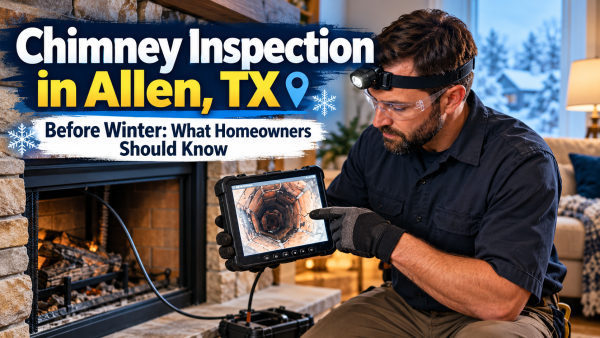
As the cold months get near, many homeowners in Allen, TX, get ready to use their fireplaces. A warm fire can make your home feel cozy on a cold day. But before you light the first fire, it is wise to check your chimney. A dirty or damaged chimney can let smoke into your home and raise the risk of a fire. A full chimney check can help spot these risks before they grow. If you need help, a trusted chimney company in Allen can check your chimney and help keep your home safe all winter.
Why Chimney Inspection Matters Before Winter
Your chimney helps move smoke, gas, and other fumes out of your home. Over time, soot, dirt, and other waste can build up inside it. Cracks, loose bricks, or a blocked flue can also stop it from working as it should. These issues may not be easy to spot from the ground or near the fireplace. A pro can check the parts you may not see and let you know what needs care.
Winter is a busy time for chimney care, as many homes use their fireplaces more often. Booking an inspection in fall can help you avoid delays and catch small issues early. It can also help lower the risk of chimney fires and carbon monoxide leaks. A clean and sound chimney gives you more peace of mind when the cold weather sets in.
Signs Your Chimney Needs an Inspection
Some signs can show that your chimney needs care. If you smell a strong smoky odor, see black soot around the fireplace, or notice smoke coming into the room, do not ignore it. These signs may point to a blocked flue, poor airflow, or a buildup of creosote. Creosote is a dark, tar-like waste that forms when wood smoke cools inside the chimney. It can catch fire if too much builds up.
You should also look for cracks in the brick, loose mortar, white stains on the outer wall, or water marks near the fireplace. These signs may mean that rain or moisture has damaged part of the chimney. Even if you do not see clear signs of trouble, a yearly check is a smart step if you use your fireplace. If smoke backs up into your home or your carbon monoxide alarm sounds, stop using the fireplace and seek help right away.
What Happens During a Chimney Inspection?
A chimney inspection helps find damage, blockages, and signs of wear. A trained pro will check the firebox, flue, damper, and other key parts of the system. They may also look at the chimney cap, crown, flashing, and brickwork. These parts help keep out rain, pests, and debris. The exact steps depend on the type of inspection and the state of your chimney.
There are three main levels of chimney inspection. A Level 1 check is often used when the system has not changed and is used as it was before. A Level 2 check is more in-depth and is often needed when you buy a home, change fuel types, or make changes to the system. A Level 3 check may be needed when a serious issue is suspected and hidden parts must be reached. Your chimney pro can explain which level is right for your home.
Common Chimney Problems in Allen, TX
Homes in Allen can face chimney issues due to rain, heat, wind, and changes in weather. Moisture can seep into small cracks and harm bricks or mortar over time. Strong winds may also move loose parts or bring leaves and other debris into the chimney. Birds and small pests may build nests that block airflow. These issues can affect both safety and the way your fireplace works.
Creosote buildup is another common concern, especially if you burn wood often or use wet wood. A blocked or dirty flue may cause smoke to flow back into the room. A worn chimney cap can let rain and pests enter, while poor flashing can lead to roof leaks near the chimney. A skilled chimney company in Allen can check for these problems and suggest the right fix. Early care may help prevent costly repairs later.
How to Prepare Your Chimney for Winter
The best way to get your chimney ready for winter is to plan ahead. Book an inspection before you start using your fireplace on a regular basis. If the pro finds soot or creosote buildup, ask if a full cleaning is needed. Do not burn wood until any safety issues have been fixed. It is also wise to test your smoke and carbon monoxide alarms before the heating season starts.
You can take a few simple steps to help keep your chimney in good shape. Burn dry, seasoned wood if you have a wood-burning fireplace, and never burn trash or treated wood. Keep the area around the fireplace clear of rugs, paper, and other items that can catch fire. Check that the chimney cap is in place and that there are no clear signs of water damage. These steps do not replace a pro inspection, but they can help reduce risk between visits.
How to Choose a Chimney Company in Allen
Choosing the right service team is key to safe chimney care. Look for a company with trained staff, a clear service list, and good local reviews. Ask if the team has experience with your type of fireplace and chimney. A reliable pro should explain the work in plain words and share the results of the inspection. They should also tell you which repairs are urgent and which can wait.
Before you book, ask for a clear price estimate and find out what the inspection includes. Check whether the quote covers a written report, photos, cleaning, or repair work, as these may cost extra. Be wary of firms that push costly repairs without showing clear signs of a problem. A trusted chimney company in Allen will answer your questions and help you make an informed choice. Good service should focus on safety, honest advice, and long-term care.
How Often Should You Inspect and Clean Your Chimney?
The National Fire Protection Association advises that chimneys, fireplaces, and vents be inspected at least once a year. This applies even if you do not use your fireplace often. The need for cleaning depends on how much you use it and what the inspection finds. A wood-burning fireplace may need more frequent care if soot or creosote builds up fast. Gas fireplaces also need checks because parts can wear out or become blocked.
Do not wait for smoke, bad smells, or visible damage before you book a check. A yearly visit can help find issues before they affect your home. If you have just moved into a house, had chimney repairs, or changed your fireplace system, ask a pro if an extra inspection is needed. Keep a record of each visit and any work done. This makes it easier to track the condition of your chimney over time.
Benefits of a Professional Chimney Inspection
A pro chimney check can help protect your home, family, and property. It can spot fire risks, water damage, loose parts, and blocked vents before they turn into bigger problems. It can also help your fireplace vent smoke more safely and work as it should. While an inspection has an upfront cost, it may help you avoid costly damage and urgent repairs in the future.
Most of all, a chimney check helps you feel more at ease during the cold months. You can plan repairs before winter use gets heavy and make sure your fireplace is ready for the season. If you live in Allen, TX, now is a good time to book your yearly chimney inspection. A qualified local pro can check your system, explain any risks, and help you decide what steps to take next.
Frequently Asked Questions
1. When should I book a chimney inspection in Allen, TX?
Fall is a good time to book your chimney inspection, before the weather gets cold and fireplace use goes up. This gives you time to fix any issues before you need the heat. If you use your fireplace often, plan for a check at least once a year.
2. How much does a chimney inspection cost?
The cost depends on the type of inspection, the size of the chimney, and its condition. A basic check may cost less than a more detailed inspection that needs extra work. Ask a local chimney company for a clear quote before the visit.
3. Do I need a chimney inspection if I rarely use my fireplace?
Yes, it is still wise to have your chimney checked each year. Rain, pests, dirt, and wear can cause problems even when the fireplace is not in use. A check can help find these issues before you light a fire.
4. What is the difference between chimney inspection and chimney cleaning?
An inspection checks the chimney for damage, blockages, and safety risks. Cleaning removes soot, creosote, and other buildup from the system. You may need both services, but the right choice depends on the chimney’s condition and how you use it.
5. How do I find a reliable chimney company in Allen?
Look for a local company with trained staff, clear pricing, and strong customer feedback. Ask what the inspection covers and whether you will get a written report. Choose a team that explains its findings and does not pressure you into repairs you do not need.