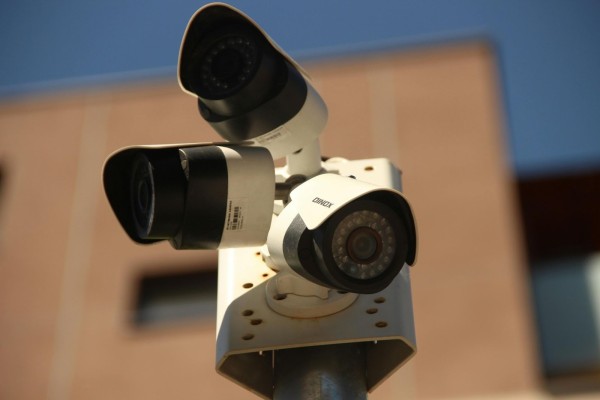
https://www.pexels.com/photo/city-surveillance-cameras-18693311/
For the modern entrepreneur, agility is the ultimate competitive advantage. From cloud computing to remote workforce management, the digital revolution has streamlined almost every aspect of business operations. However, one critical area has often lagged: physical security. For years, business owners relied on bulky, on-site nvr video surveillance systems that were expensive to install and difficult to maintain.
Today, we are witnessing a massive shift. Forward-thinking leaders are moving away from restrictive hardware and embracing the flexibility of a cloud-based security camera system. This transition isn’t just about following a tech trend; it’s about future-proofing your business assets and gaining peace of mind through superior technology.
The Limitations of Legacy Systems
In the past, a digital video surveillance system required a significant upfront investment. You needed the cameras, miles of cabling, and a physical Network Video Recorder (NVR) or Digital Video Recorder (DVR) tucked away in a back room. These systems were vulnerable; if a fire occurred or a sophisticated intruder stole the recorder itself, your evidence vanished instantly.
Furthermore, traditional video surveillance system installation is often rigid. If your business grows or you move to a new office, scaling an on-premise system usually means buying more expensive hardware and starting the wiring process all over again.
Why Cloud Video Surveillance is the New Standard
The move toward cloud video surveillance eliminates these “single points of failure.” By shifting the storage and management to the cloud, entrepreneurs can enjoy several key benefits:
- Enhanced Data Integrity: With ip camera cloud storage, your footage is encrypted and transmitted to secure off-site servers. Even if the physical camera is damaged, the data remains safe and accessible.
- Scalability on Demand: As your startup grows from one office to five, cloud-based security camera systems for business allow you to add new locations to your dashboard in minutes, not days.
- Lower Total Cost of Ownership: By reducing the need for on-site servers and specialized IT maintenance, businesses can shift from heavy capital expenditure (CAPEX) to a more manageable operational expenditure (OPEX) model.
Real-Time Access for the Remote Entrepreneur
Perhaps the greatest advantage for the modern business owner is the ability to manage operations from anywhere in the world. A real time ip camera monitoring system allows you to check in on your warehouse, retail store, or office via a smartphone app.
Whether you are traveling for a conference or managing a remote team, cloud managed security cameras provide a window into your business 24/7. This isn’t just about catching intruders; it’s about operational oversight. You can verify deliveries, monitor workplace safety, and ensure that customer service standards are being met without needing to be physically present.
Choosing the Best Cloud-Based Video Surveillance
When evaluating cloud video surveillance solutions, entrepreneurs should look for platforms that offer high-definition clarity, ease of use, and robust cybersecurity protocols. The market is moving toward “Security as a Service” (SaaS), where the software is constantly updated to defend against new digital threats.
For those looking to upgrade their current infrastructure or secure a new venture, Camlocus offers cutting-edge solutions that bridge the gap between traditional reliability and modern cloud flexibility. By choosing the best cloud-based video surveillance provider, you ensure that your security system evolves at the same pace as your business.
Conclusion
The era of dusty server racks and complex DVR settings is coming to an end. As we look toward the future, the integration of AI and cloud analytics will make security systems even more proactive. For entrepreneurs, the message is clear: investing in a cloud-based security camera system is no longer a luxury–it is a strategic necessity. By removing the burden of traditional hardware, you can focus on what really matters: growing your business and leading your team into the next decade of innovation.