Handmade Dolls: A Timeless Gift Trend Making a Comeback
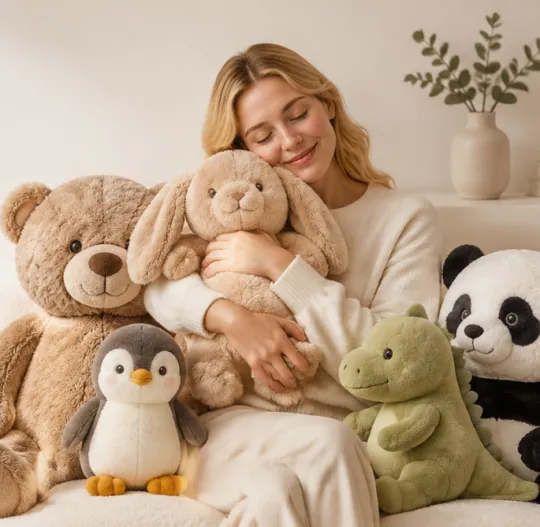
There was a stretch of years where handmade dolls basically disappeared from most gift lists, pushed aside by plastic figures and licensed character toys filling every store shelf from floor to ceiling. Lately they’ve been creeping back in, and not purely out of nostalgia either. Buyers are actively choosing handmade over mass-produced again, a shift worth paying attention to given how completely factory-made toys had come to dominate the market just a decade ago.
Part of the reason comes down to how differently handmade and mass-produced toys age. A cheap plastic figure looks the same on day one as it does right before it breaks or gets thrown out. A handmade doll changes with use, softening, wearing in certain spots, and picking up a bit of character that actually makes it more valuable to whoever’s holding onto it, not less.
Why Handmade Beats Mass-Produced
Mass production runs on speed and volume. Thousands of identical dolls come off the same line, with consistency as the goal rather than character, and every unit is designed to be interchangeable with the next. Handmade dolls work in the opposite direction entirely. Every piece turns out slightly different, small variations in stitching, shape, and how the fabric falls depending on who made it and on what day. Those imperfections are exactly what make each doll feel like an original rather than a copy pulled from an assembly line.
There’s more care built into the process too. Someone worked through each stitch and seam individually, rather than a machine repeating the same shape endlessly without any variation. That difference tends to show up in the final product, even when it’s hard to pin down exactly why it feels that way at first glance. It’s usually in the small details, a slightly uneven seam that somehow makes the doll feel more real, not less finished.
There’s also a durability angle that gets overlooked in most comparisons between handmade and mass-produced toys. Factory-made plush toys are engineered around cost efficiency first, which usually means thinner fabric, less stuffing density, and stitching designed to hold up just long enough to survive a return window rather than years of actual use. Handmade dolls don’t operate under that same pressure, since the cost structure already accounts for quality materials from the start rather than treating durability as an added expense to minimize.
Types of Handmade Dolls: Stuffed Plushies, Animal Dolls, Jungle Dolls
Handmade dolls span more than one category these days. Stuffed plushies tend to be the softer, simpler option, well suited to younger kids or anyone wanting something purely comforting to hold onto without much detail beyond softness itself. Animal dolls focus on specific creatures, sometimes based on a real pet a family already has, sometimes just a favorite animal a kid keeps asking about after a trip to the zoo or a book they read.
Jungle dolls occupy their own niche within the category, usually leaning into wilder, more textured designs such as lions, elephants, or other animals that carry more visual detail than a standard plush would need. Each type serves a slightly different purpose depending on the age and preference of whoever’s receiving it, though all of them share that same handmade quality that mass-produced toys tend to miss entirely, no matter how detailed the printing or design on a plastic version might look.
What ties all these variations together isn’t really the shape or the animal being represented; it’s the process behind making them. A jungle doll and a simple stuffed plushie might look worlds apart on a shelf, but both were built the same slow, hands-on way, one stitch at a time, without a machine anywhere in the process cutting corners to speed things along.
Apripex’s Handmade Doll Craftsmanship
Apripex has invested heavily in this idea with its handmade dolls collection. Rather than treating every doll as interchangeable, each piece receives dedicated attention to fabric choice, stitching, and overall shape, with decisions made individually rather than following a single fixed template across the whole lineup. Soft cotton, careful dyeing, and a level of detail that holds up under close inspection define the collection as a whole.
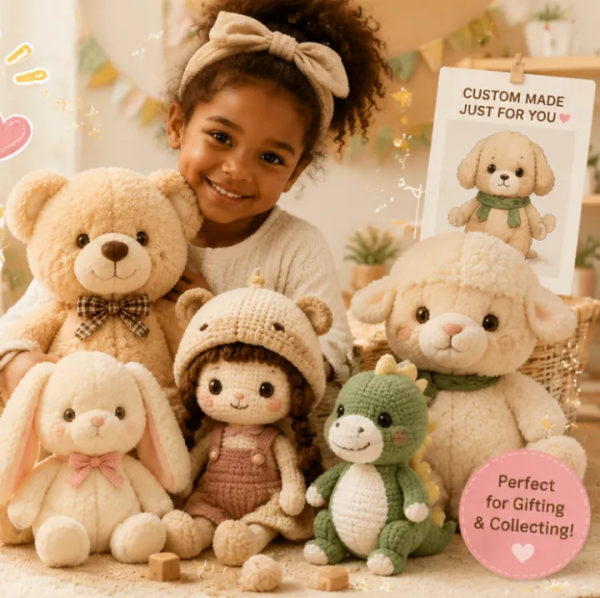
What stands out across the range is how consistent the quality stays, whether the item is a small keepsake piece meant to sit on a shelf or something larger and more detailed meant to be held and played with regularly. That consistency matters more than most buyers expect going in, particularly when a doll is purchased as a gift rather than a passing item bought on impulse.
Best Occasions to Gift a Handmade Doll
Handmade dolls suit far more occasions than commonly assumed. Birthdays are the obvious choice, but they also work well for baby showers, graduations, or as a comfort gift for someone going through a difficult period where a soft, lasting object can mean more than words. Pairing a handmade doll with something from the crochet flower collection rounds out a gift nicely, especially for recipients who appreciate handmade pieces broadly rather than just a single item on its own.
For gifts with a bit more personal weight behind them, browsing through personalized gifts alongside a handmade doll works well too, particularly when a name or specific memory needs to be included as part of the overall gift rather than left as an afterthought.
Caring for Handmade Plush Dolls
Handmade dolls require slightly more care than typical plastic toys, primarily due to the materials involved in their construction. Spot cleaning with a damp cloth is the safer approach, rather than machine washing, which can wear down stitching and fabric a lot faster than most people expect, especially around seams and smaller details like embroidered faces. This extra bit of care helps maintain a doll’s appearance well beyond the day it was first gifted, sometimes for years past the point a mass-produced toy would have already fallen apart.
It’s a small trade-off in the end. A bit more attention is required in exchange for something that actually lasts, holds its shape, and keeps its character over time instead of fading into the same worn-out state every cheap plastic alternative eventually reaches.
Storing a handmade doll properly matters too, even though it rarely gets mentioned alongside cleaning instructions. Keeping it out of direct sunlight for extended periods helps preserve color, and giving it occasional room to breathe rather than keeping it packed tightly in a box or drawer helps the fabric and stuffing maintain their shape over the years rather than compressing permanently into whatever position it was stored in.
Final Thoughts
The comeback of handmade dolls reflects a broader shift toward valuing intentional, well-made items over disposable ones bought purely for convenience. As buyers continue moving away from mass-produced gifting in favor of something with more staying power, handmade dolls are positioned to remain a steady presence on gift lists rather than a passing trend that fades out again after a season or two.