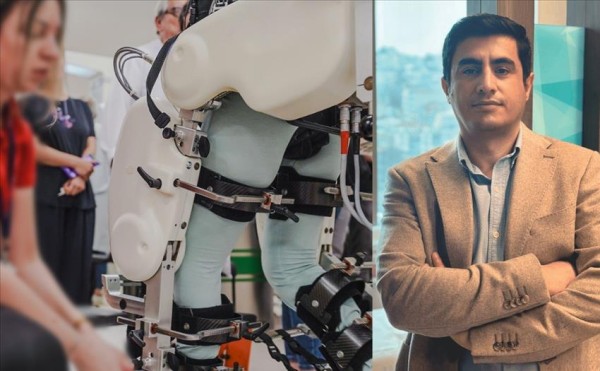
The rehabilitation process following a stroke plays a crucial role in improving patients’ quality of life and accelerating their return to independent living. Turkish physician and Physical Medicine and Rehabilitation Specialist Assoc. Prof. Dr. Mustafa Corum highlights the growing role of robotic rehabilitation in stroke treatment and explains why early and intensive therapy is a key factor in recovery.
According to Dr. Corum, stroke rehabilitation has evolved significantly in recent years with the integration of advanced technologies. Among these, robotic-assisted rehabilitation stands out as an effective and scientifically supported approach that complements conventional physical therapy methods.
Why Is Early and Intensive Rehabilitation So Important?
Information shared on Dr. Corum’s official website emphasizes that rehabilitation should begin as early as possible after a stroke. During the post-stroke period, the brain and nervous system enter a critical window of recovery in which neuroplasticity — the brain’s ability to reorganize and relearn — is at its peak.
“Starting rehabilitation early has a direct impact on regaining muscle strength, balance, walking ability and daily living skills,” Dr. Corum explains. Early intervention helps prevent secondary complications and supports faster functional recovery.
Robotic rehabilitation programs applied at Dr. Corum’s clinic are designed to deliver high-intensity, repetitive and technology-assisted training sessions. These structured programs not only support physical recovery but also enhance patient motivation, which is a decisive factor in long-term rehabilitation success.
“The earlier and more intensively rehabilitation begins after stroke, the faster the patient can return to independent living,” says Dr. Corum, noting that robotic therapies achieve even stronger results when integrated with conventional rehabilitation techniques.
Dr. Corum on the Importance of Post-Stroke Rehabilitation
Dr. Corum points out that stroke occurs as a result of disrupted blood flow to the brain, often leading to long-term motor and functional impairments. The primary goal of rehabilitation, he explains, is to maximize the patient’s physical, functional and psychosocial capacity, enabling them to adapt back into daily life.
Robotic rehabilitation plays a critical role in this process by supporting neuroplasticity and helping patients relearn lost motor functions. With robot-assisted therapy, patients can perform movements in a more controlled, repetitive and intensive manner than with traditional therapy alone.
“This approach is particularly effective in restoring muscle strength, relearning walking patterns and improving balance control,” Dr. Corum states. He also emphasizes the importance of a multidisciplinary treatment model, where advanced technology, physician oversight and physiotherapy expertise work together.
“Early and intensive rehabilitation significantly shortens the time needed to return to independent life. When robotic therapies are combined with classical rehabilitation methods, the outcomes become much more effective,” he adds.
The Future of Robotic Rehabilitation from a Patient Perspective
Modern robotic rehabilitation systems are designed to help patients regain movement and strength in both their arms and legs. Applications such as robotic gait training, arm and hand coordination exercises and balance therapies help patients regain essential daily life skills more efficiently.
Evidence from clinical practice shows that patients who start robotic rehabilitation early and follow an intensive, personalized program have a higher chance of regaining independence after stroke.
Dr. Corum’s experience suggests that robotic rehabilitation is no longer just an advanced technological option, but an integral component of modern neurological recovery, reshaping the future of stroke treatment and rehabilitation worldwide.