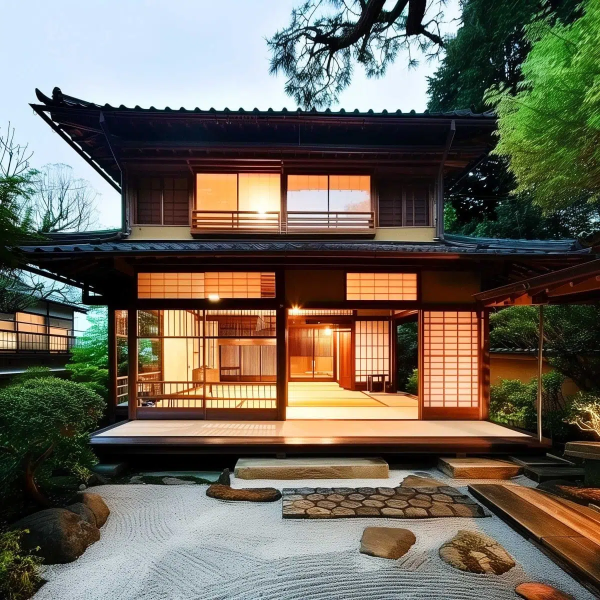
You’ve probably seen them. Pictures of full-sized Japanese houses are going for the price of a used motorbike, sometimes less. A wooden home with a garden, a tiled roof, and maybe even a little pond, all for around ten thousand dollars. The first time most people see this, they assume it’s a typo or some kind of clickbait. It isn’t. Japan genuinely has a huge number of houses sitting empty, and a lot of them really are listed at prices that would sound impossible anywhere else.
So naturally, the question that comes up is, can someone who isn’t Japanese actually buy one of these? And what does that process even look like in practice?
Good news first. Yes, you can. There’s no rule that blocks foreigners from owning property here, and you don’t need residency, citizenship, or even a visa just to put a house in your name. But the buying process does have its own steps and its own pace, and it helps a lot to know roughly what’s coming before you jump in.
Foreigners Really Can Own Property Here
A lot of countries make foreign buyers jump through extra hoops, higher taxes, special approvals, and that sort of thing. Japan mostly doesn’t do that. You can hold the title to both the land and the building yourself; no local partner is required, and there’s no need to live in the country.
What you won’t get is a visa just from buying a house. That part is completely separate. Plenty of people pick up a place here purely as a vacation home or as something to slowly fix up while they figure out the visa side later, if they ever do at all.
Step 1: Figure Out What You’re Actually After
Before you start scrolling through listings for hours (and you will), it helps to sit down and think about what you actually want out of this. A holiday home you’ll visit a couple of weeks a year? Something you can slowly renovate over a few summers? Or a place that’s basically ready to move into right away?
This matters more than people expect. A lot of the cheapest listings, the ones called “akiya,” have been empty for years. Some just need a deep clean and a coat of paint. Others need new wiring, a new roof, and maybe the whole inside gutted. Knowing your budget for both the house itself and whatever work comes after will save you a headache down the road.
Step 2: Start Looking in the Right Spots
Once you’ve got a rough idea of what you’re after, it’s time to actually find listings. A lot of local governments run their own akiya banks, basically a list of vacant homes in that town or city. Problem is, each one only covers its own little area, so checking them individually one by one gets old fast.
This is where it helps to use a site that pulls listings together from across the country in one spot. If you want to browse Japanese property listings without bouncing between dozens of separate municipal pages, it makes the early stage so much easier, especially when you’re still just trying to get a sense of what prices look like in different parts of the country.
Step 3: Get an Agent on Your Side
Even after you’ve found something you like, you’ll still need a licensed agent, called a “fudousan ya,” to actually carry the deal forward. Not every agent wants to deal with the back and forth that comes with overseas buyers, so it’s worth tracking down one who’s done this before or at least offers some English support.
In places that already attract a fair number of foreign buyers, parts of Hokkaido, Nagano, and a few areas in Kyushu come to mind, you’ll find agents who handle this kind of thing regularly and can walk you through the parts that would otherwise feel like a maze.
Step 4: Making the Offer and Signing
Once you’ve settled on a property, your agent helps put together the offer. If it gets accepted, you move into the contract stage, which involves a document called the baibai keiyaku, “fudousan ya,” sales agreement.
At this point you’ll usually pay a deposit, often somewhere around ten percent. A decent agent will make sure the contract is properly explained or translated before you put your name on anything, so don’t be shy about asking questions here. It’s worth it.
Step 5: The Closing Costs Nobody Mentions
Here’s the part that catches people off guard. The listing price isn’t the final price. On top of that, you’re usually looking at another seven to ten percent for things like the agent’s commission, registration taxes, stamp duty, and the legal scrivener who handles the transfer paperwork.
So if a house is listed at five million yen, plan for an extra three hundred fifty to five hundred thousand yen on top of that. Not a massive amount in the grand scheme, but it’s a lot less fun to discover this halfway through the process than to budget for it from day one.
Step 6: What Happens After You Buy
Once everything’s signed and the property is officially yours, that’s often when the real work starts, especially with an akiya. Most buyers bring in a local contractor pretty quickly to check things like termite damage, old wiring, and the general condition of the roof and foundation, then build out a renovation plan from there.
Even if the house is in decent shape already, you’ll still need to sort out electricity, gas, water, and internet and register with the local municipal office for property tax purposes.
Mistakes People Keep Making
A few things trip up almost everyone at some point. The biggest one, by far, is falling for a low price tag without thinking about what it’ll cost to actually live there. A house listed at five hundred thousand yen can easily swallow two or three million yen in repairs before it’s actually comfortable.
Skipping the inspection is another big one. A proper building inspector costs a small fraction of the purchase price, but they can catch serious structural issues hiding behind a fresh coat of paint, the kind of thing that’s much harder to deal with after you’ve already bought the place.
And then there’s location. A house an hour from the nearest train and forty minutes from the closest supermarket might be exactly what one person is dreaming of and a nightmare for someone else. Worth being honest with yourself early on about what kind of lifestyle you’re actually signing up for, before the price tag does all the talking.
Final Thoughts
Buying a house in Japan as a foreigner is a lot more doable than most people assume going in. The legal side is straightforward, the costs are reasonably predictable once you know what to look for, and there’s no shortage of properties across the country to choose from. The main thing is keeping your expectations grounded, doing a bit of homework on the area you’re interested in, and getting people on your side who know the parts that feel unfamiliar.
If you’re just starting out, spending some time browsing what’s currently listed on CheapJapanHouses.com is a good way to get a feel for prices, locations, and the kind of homes that might actually fit your budget before you go any further.