Modern parents are increasingly searching for the best online school for high school and primary school because personalized learning pathways consistently improve academic outcomes. Families across the United Kingdom and internationally want structured learning that adapts to each learner rather than forcing every child into the same timetable. The shift towards personalized online learning reflects research showing that students progress more confidently when instruction matches their pace and ability. Online primary and high school programs now combine qualified teachers, adaptive curriculum tools, and measurable academic tracking to support individual growth. As education evolves, student-centered digital education offers flexible academic pathways that respect both academic rigor and emotional well-being.
Understanding Personalised Online Learning in Modern Education
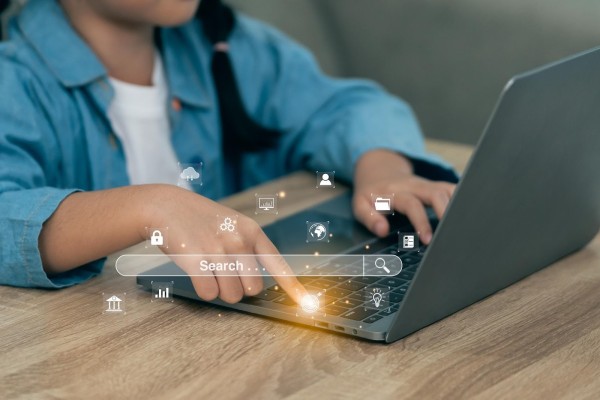
Personalized online learning refers to an educational approach that adapts instruction, pace, and assessment to meet the needs of each individual student. Instead of progressing through identical lessons at the same speed, learners follow structured yet flexible academic pathways tailored to their strengths and areas for improvement. This model uses diagnostic assessments and ongoing feedback to adjust content delivery in real time. Teachers remain central to the process by guiding progress, clarifying concepts, and providing pastoral support. The result is a balanced framework that combines academic standards with individual responsiveness.
Traditional classrooms often operate on fixed schedules that assume uniform readiness across an entire cohort. In contrast, online primary and high school programs are designed around mastery rather than time spent in class. Students who grasp mathematics quickly can advance without waiting for others, while those who require reinforcement receive targeted revision before moving forward. This reduces frustration for advanced learners and prevents knowledge gaps for those who need additional practice. Such student-centered digital education models prioritize steady, confident progression.
Educational research supports the value of personalized instruction when implemented with structure and accountability. Studies in blended and digital learning environments show improved engagement when students have agency over pacing. Clear learning objectives and regular feedback remain essential to maintain academic integrity. Accredited online schools apply recognized curricula while allowing flexible delivery. This balance ensures that flexibility does not compromise standards.
How Adaptive Curriculum Technology Enhances Learning
Adaptive curriculum systems use data to identify how students interact with content and where they encounter difficulty. When a learner struggles with fractions or essay structure, the system can recommend targeted practice or alternative explanations. This approach moves beyond static worksheets by responding to performance patterns. Teachers review these insights and adjust lesson plans accordingly. The integration of technology and professional oversight strengthens personalized online learning.
Data-driven platforms do not replace educators but support informed teaching decisions. Teachers can identify trends across subjects and intervene before minor misunderstandings grow into larger obstacles. Parents also benefit from transparent reporting that outlines progress against curriculum benchmarks. This clarity builds trust and encourages collaborative support at home. Adaptive curriculum tools therefore enhance both accountability and responsiveness.
When discussing structured flexibility, many institutions refer to a customized online education model that aligns curriculum pathways with individual student goals. This model integrates adaptive curriculum resources with scheduled teacher interaction and formal assessments. Individualised pacing works best when combined with clear milestones and academic oversight. Students remain aware of expectations while enjoying freedom to organize study sessions responsibly. The framework encourages independence without sacrificing structure.
Flexible Academic Pathways for Different Learning Speeds
One of the strongest advantages of online primary and high school programs is pacing flexibility. In a conventional classroom, the timetable determines progression regardless of individual readiness. Flexible academic pathways allow students to move ahead in subjects where they excel while dedicating more time to challenging areas. This structure respects cognitive diversity without labeling learners as ahead or behind. Progress becomes personal rather than comparative.
Families often value the ability to organize study hours around extracurricular commitments or health considerations. Young athletes, performers, or students with medical needs benefit from schedules that accommodate training or appointments. Personalized online learning environments allow lessons to be accessed securely from home or while travelling. Coursework remains structured and monitored, ensuring continuity. Flexibility therefore supports both academic consistency and lifestyle balance.
Self-pacing also builds executive functioning skills such as time management and goal setting. Students learn to plan revision sessions, meet submission deadlines, and track progress. Teachers provide guidance to ensure accountability and prevent procrastination. Over time, learners develop confidence in managing their workload independently. These competencies are essential for higher education and professional life.
Emotional and Academic Benefits of Student-Centered Digital Education
Academic success depends not only on content mastery but also on emotional well-being. Student-centered digital education reduces social pressure that can arise when children compare grades publicly. Learners focus on personal progress rather than classroom ranking. This shift fosters intrinsic motivation and resilience. Confidence grows when improvement is measured against individual goals.
Personalized systems also allow teachers to identify disengagement early. Attendance patterns, assignment completion rates, and assessment results highlight areas requiring intervention. Educators can schedule one-on-one sessions to provide clarification or encouragement. Such targeted support strengthens relationships between students and teachers. Consistent communication builds a sense of belonging within the online environment.
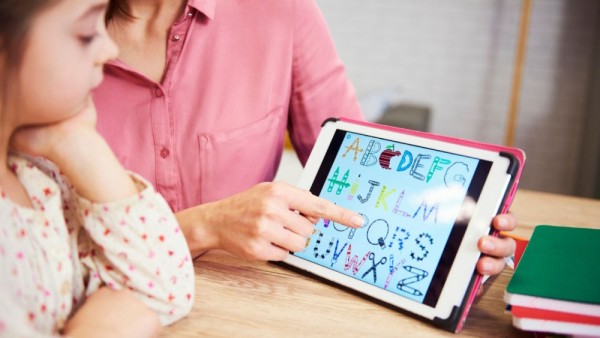
Parents frequently report that personalized online learning reduces anxiety associated with crowded classrooms. A calm home environment allows focused study without distraction. Clear weekly objectives help families organize routines effectively. Transparent progress reports provide reassurance about academic development. Emotional stability and academic structure reinforce one another.
Comparing One-Size-Fits-All Schooling with Personalised Systems
Traditional one-size-fits-all schooling developed during an era when uniform instruction was easier to administer at scale. While many schools deliver strong outcomes, rigid timetables may not accommodate diverse learning styles. Students who require additional explanation sometimes move forward without full comprehension. Conversely, advanced learners may disengage when material feels repetitive. Personalized online learning addresses these limitations through adaptive curriculum design.
In personalized systems, assessment informs instruction rather than merely grading performance. Teachers analyze formative results to guide lesson adjustments. This creates a feedback loop that continuously refines learning pathways. Online primary and high school programs can integrate multimedia explanations, interactive simulations, and live tutorials. Such variety supports visual, auditory, and reading-based learners alike.
Accountability remains essential in both models, particularly under YMYL considerations, where education influences life opportunities. Accredited online institutions align coursework with recognized standards and examination boards. Transparent reporting, qualified teachers, and documented safeguarding policies maintain credibility. Families should review accreditation status and curriculum alignment before enrollment. Personalization works best when built upon trusted academic foundations.
The Future of Education Through Personalised Online Learning
Education systems worldwide are reassessing how best to prepare students for a rapidly changing economy. Digital literacy, independent research skills, and adaptability are increasingly valued. Personalized online learning cultivates these attributes through flexible academic pathways and technology integration. Students practice navigating digital platforms responsibly while engaging with structured content. Such experiences mirror modern workplace expectations.
The future of student-centered digital education will likely include deeper integration of artificial intelligence-driven analytics. Predictive tools may identify learning gaps even earlier, allowing preemptive support. However, human guidance will remain indispensable for mentoring and ethical oversight. The most effective systems will combine adaptive curriculum technology with experienced educators. This balanced approach protects academic standards while embracing innovation.
As more families evaluate the best online school for high school and primary school, demand for credible, transparent programs will continue to grow. Schools that demonstrate measurable outcomes, structured support, and flexible academic pathways will stand out. Personalized systems do not promise instant results, yet they create conditions for steady progress when implemented responsibly. Education is moving towards models that recognize individual differences without lowering expectations. In this evolving landscape, personalized online learning represents a thoughtful progression rather than a passing trend.