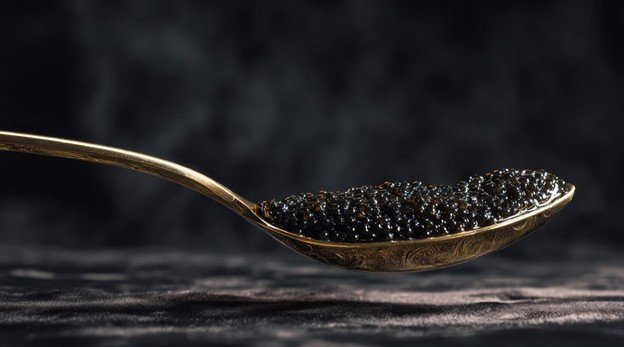
Ten years ago, if you wanted caviar for a dinner party, you either knew a specialist retailer personally or you went without. Today you can buy caviar online and have it arrive at your door the next morning, packed in dry ice, in better condition than what most restaurants were serving a decade ago. That shift — from scarcity to accessibility without sacrificing quality — has quietly changed how people think about celebrating at home.
How Celebration Culture Has Shifted in Recent Years
The pandemic accelerated something that was already happening. People were already spending more time at home, already investing more in domestic spaces, already growing slightly tired of the performance involved in going out for a special occasion. COVID didn’t create at-home dining culture — it just compressed ten years of gradual change into about eighteen months.
What emerged on the other side was a different set of expectations. People who had spent two years cooking seriously, buying better ingredients, and paying attention to what they were eating weren’t going to walk back into a mediocre restaurant and feel satisfied. The bar had moved. The question stopped being “where should we go?” and started being “what should we make?”
For celebrations specifically, this created an interesting problem. A birthday dinner at a restaurant comes with built-in atmosphere — the room, the service, the sense of occasion. Recreating that at home requires ingredients that carry their own weight. You need something that signals this isn’t a regular Tuesday.
The Rise of At-Home Luxury Dining
High-end ingredient delivery wasn’t a new concept, but it scaled dramatically through this period. Services that had existed on the margins — wagyu delivery, truffle subscriptions, aged cheese boxes — suddenly had mainstream audiences. Chefs who’d lost restaurant income pivoted to meal kits. Specialty importers who’d previously sold only to trade accounts opened direct-to-consumer channels.
The infrastructure was ready. Cold chain logistics had been improving steadily for years, driven partly by the pharmaceutical industry’s need to transport temperature-sensitive products reliably. Food businesses inherited that infrastructure and used it. Overnight refrigerated shipping, which had once seemed like a niche luxury, became routine.
What changed culturally was the expectation that this was a normal way to source special ingredients — not a workaround, not a compromise, but simply how you do it.
Premium Food Delivery: From Truffles to Champagne
The range of what’s now available for home delivery at the premium end is genuinely remarkable. Fresh white truffles from Alba, shipped within 24 hours of harvest. A5 wagyu from specific Japanese prefectures, cut to order. Natural wines from small producers who don’t distribute through traditional retail. Aged Comté wheels portioned and vacuum-sealed to order.
Champagne and spirits delivery normalized faster than food, partly because alcohol logistics were already developed and partly because a bottle travels more safely than a perishable ingredient. But food caught up. The combination of better packaging materials, more reliable cold chain services, and producers willing to invest in direct relationships with consumers changed what was possible.
The interesting effect is that geography matters less than it used to. Someone in a mid-sized city with no specialist food shops can now access the same ingredients as someone in central London or New York, often at better prices because they’re buying directly from importers rather than through multiple layers of retail markup.
Why More People Choose to Buy Caviar Online for Special Occasions
Caviar fits this shift particularly well for a few reasons. It’s small, which makes it easy to ship. It’s dense in flavour, which means a small quantity goes a long way. And it carries a symbolic weight that most ingredients don’t — opening a tin of good caviar at a dinner table does something to the atmosphere that a nice bottle of wine or an expensive cut of meat doesn’t quite replicate.
There’s also a quality argument for buying online rather than from a physical retailer. A specialist online supplier with high turnover is likely to have fresher stock than a shop that sells a tin or two a week. Provenance is easier to verify — good online suppliers are transparent about species, origin, salting method, and harvest date in a way that a generic deli counter rarely is.
The practical barriers that used to exist — not knowing what to order, worrying about it arriving in bad condition, uncertainty about how to serve it — have largely dissolved. Good suppliers provide clear guidance. Shipping is reliable. Returns policies exist. The risk of getting it wrong has dropped to the point where it’s genuinely not a significant concern.
How Brands Are Adapting: Packaging, Experience and Gifting
Premium food brands have worked out that delivery isn’t just logistics — it’s part of the product experience. The unboxing moment matters. A tin of caviar arriving in a plain cardboard box feels different from the same tin arriving in a temperature-controlled case with a mother-of-pearl spoon and a card explaining the producer.
Gifting has become a significant part of the market. A caviar tin is a better corporate gift than a bottle of wine — more unusual, more memorable, more likely to be opened at a moment that feels special rather than consumed absentmindedly. Brands have responded with gift sets, seasonal packaging, and options that bundle caviar with accompaniments: blinis, crème fraîche, champagne pairings.
Subscription models have appeared too, though they suit caviar less naturally than they suit coffee or wine. Caviar is occasional by nature — part of what makes it work as a celebratory ingredient is that it isn’t everyday. The brands that have found traction are those that lean into the occasion rather than fighting it, positioning themselves as the thing you order when something matters.
Final Thoughts
Celebration hasn’t disappeared — it’s moved. The table at home, set properly for people who matter, with ingredients that took some thought to source, is now a legitimate alternative to the restaurant occasion. Sometimes it’s better. You control the room, the music, the pace. You’re not waiting for a table or splitting your attention between the food and the noise.
What luxury food delivery did was remove the last excuse not to try. The ingredients are accessible, the logistics are reliable, and the gap in quality between what arrives at your door and what a restaurant can put on the plate has narrowed considerably. For caviar specifically, that gap has essentially closed. The tin you open at home tonight is the same tin a good restaurant would have served — and you didn’t have to book two weeks in advance to get it.