There is a quiet shift happening online. A few years ago, most people went to big media outlets for serious explanations about money, health, psychology, technology or politics. Today, more and more of that expert content lives on YouTube channels, TikTok feeds and long-form video podcasts run by one or two people. These independent video creators are not chasing viral skits. They build small, focused media businesses around expertise, depth and trust.
Many of them start alone with a phone, a microphone and a subject they know really well. Over time they learn how to package that knowledge into videos people want to watch. They study algorithms, retention graphs and thumbnails. Some join ecosystems that provide services for creators so they can focus more on content and less on contracts, growth tools or platform tricks. Step by step, their hobby turns into a micro media company that pays bills and shapes public opinion in its own niche.
From explainer video to living knowledge brand
Expert creators usually arrive on screen from another world. They are doctors tired of three-minute TV interviews. Lawyers who realise that the public understands law mostly through rumours and memes. Engineers who want to explain what artificial intelligence actually does instead of letting buzzwords run wild.
At first they record simple explainer videos. One topic, one question, one clear answer. It might be “What actually happens when you default on a loan” or “Why your sleep schedule collapses on weekends”. The format looks basic, yet something powerful happens: the audience discovers a voice that talks to them directly, in plain language, at their own pace.
Over time, those videos stop being just “content” and start working as the visible part of a bigger knowledge system. Old videos bring traffic through search. New videos build a regular audience. Comments reveal what people still do not understand. The creator sees patterns in those questions and shapes the next topics accordingly. They are building a living library of answers that constantly learns from its readers.
This is where a channel begins to feel like a media brand. The audience returns not only for information, but for the way this particular person explains things. Tone, structure, ethics and personality turn into assets.
What expert led creators do differently
Independent creators who work with expert content behave very differently from traditional influencers who focus on trends and entertainment. Their main capital is credibility. That changes almost every decision they make.
A few key differences stand out:
- They choose depth over constant novelty. One strong, clear explanation about a difficult subject can bring value for years, while quick news reactions burn out in days.
- They care about sources and transparency. Many show studies, laws or data on screen, explain limitations and do not promise magic solutions.
- They design for replay value. Videos are planned so viewers can come back months later when life throws that problem in their face.
- They think like teachers and editors at the same time. The challenge is to stay accurate without boring viewers in the first 20 seconds.
Expert creators also build their content around clear journeys. Instead of random videos, they assemble learning paths: “start here if you just lost your job”, “start here if you want to understand burnout”, “start here if your startup is about to raise money”. This way the channel becomes a map, not a pile of episodes.
The small newsroom behind one face
From the outside, independent expert channels look like one person talking to a camera. Behind the scenes, a lot of classic newsroom work is happening, only compressed into a tiny structure.
A single creator can juggle roles that once belonged to whole departments:
- Research and reporting. They read studies, talk to other professionals, follow regulatory changes and turn all that into accessible language.
- Editing and fact checking. They cut information down to what really matters and check themselves so they do not mislead people.
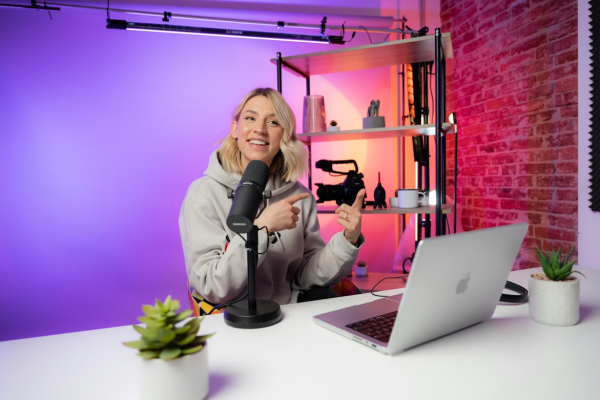
- Production. Lighting, sound, graphics, screen recordings, animations, b-roll footage — this is all handled in-house or with a small remote team.
- Audience desk. Comments, emails, direct messages and community posts all shape the editorial calendar and give constant feedback.
- Distribution. Thumbnails, titles, SEO, snippets for short-form platforms and newsletters are crafted with intention.
In many ways these creators build miniature digital newsrooms inside their living rooms. There is a constant loop between audience questions, real-world events and new episodes. Over time, this loop turns into an engine that attracts advertisers, partners and paying subscribers who want direct access to that expertise.
Business models that fit expert video
When people hear “creator economy”, they often imagine money from views alone. For expert led channels, ad revenue is only one of several layers. Because the audience is niche and highly engaged, one video can unlock many different income streams.
Typical combinations look like this:
- Platform monetisation
Revenue from ads, memberships, Super Thanks and similar tools across YouTube and other platforms. This usually pays for basic production costs once the channel is established. - Sponsorships and brand collaborations
Brands that want to reach a specific, educated audience in finance, health or tech pay for integrations. The audience is smaller than in mass entertainment, yet the trust level is higher, which often leads to better conversion. - Educational products
Courses, workshops, private communities, templates, books. Instead of selling attention, the creator sells structured access to their methods. - Consulting and B2B services
Companies invite creators as advisors, trainers or spokespeople. A well run expert channel is essentially a living portfolio of how someone thinks and communicates. - Licensing and co-productions
Media platforms, brands or institutions may pay to license existing content or co-produce a specialised series for their own audience.
The real trick is in how those pieces are combined. Ethical creators keep a clear line between editorial content and pure advertising. They say openly when something is sponsored and explain why they agreed to work with a brand. In expert niches, this honesty matters more than flashy production.

Why this shift matters for media and for us
Independent expert creators change how we relate to knowledge itself. In the past, information arrived from institutions with logos and glass buildings. Now it also arrives from people filming after work in their kitchen, who eventually quit that job because the audience trusts them more than the company newsletter.
This shift has several long-term effects.
First, it pushes traditional media to re-think how they explain complex topics. When a single cardiologist on YouTube can calmly break down new guidelines in fifteen minutes, rushed two-minute TV segments start to feel shallow. Some outlets already invite creators to write columns or host hybrid shows.
Second, it creates new ladders for experts who never felt comfortable in academic or corporate hierarchies. A young programmer from a small town can grow a global audience by explaining code with humour and patience. A psychologist who burned out in a clinic can reach patients worldwide with long, careful conversations recorded in a home studio.
Third, it gives audiences more power and responsibility. We choose whose worldview we feed ourselves daily. One viewer might build their understanding of money around a calm, data driven channel. Another might follow a loud personality that sells drama. Both are building mental models for real life decisions. The consequences are not abstract.
Finally, it forces us to update our idea of what a “media business” looks like. A serious knowledge project does not always start as a company with investors and an office. Sometimes it begins with one person, a second-hand camera, a long list of questions they wish someone had answered for them earlier and the courage to speak into the void until others show up.
Independent video creators who work with expert content are quietly redesigning the information landscape. They turn personal expertise into living libraries, transform channels into micro newsrooms and test business models that were rare even five years ago. In that sense, they are early versions of something bigger.
In a decade, we might look back and realise that many of the “media organisations” we trust the most did not grow out of boardrooms. They grew out of comments, late-night uploads and a constant promise: “I will try to explain this in a way that actually helps you live your life.”