Category: DigitalJournal

  • Alona Shevtsova named Woman Entrepreneur in Fintech 2025 at the Brit Fintech Awards thumbnail

    Alona Shevtsova named Woman Entrepreneur in Fintech 2025 at the Brit Fintech Awards

    Sends company announced on its LinkedIn that the CEO, Alona Shevtsova, has been named Woman Entrepreneur in Fintech of the Year at the prestigious Brit Fintech Awards 2025.

    The awards ceremony, held on Friday, 3rd October, at One George Street, London, brought together leading entrepreneurs, investors, and innovators from across the UK and the global fintech landscape to celebrate the industry’s most influential leaders.

    This recognition celebrates Alona Shevtsova’s outstanding leadership, innovation, and dedication to advancing financial technology that promotes transparency and efficiency in global payments.

    “This award is not just a personal milestone, but a tribute to the remarkable work our Sends team delivers every day,” said Alona Shevtsova, CEO of Sends. “Fintech is about breaking barriers, building trust, and shaping the future of financial services. I am truly honoured to be recognised among such inspiring peers and remain dedicated to driving innovation that empowers businesses and individuals worldwide.”

    Alona Shevtsova, a Ukrainian-born entrepreneur, has been a prominent figure in European fintech for over a decade. Before founding Sends, she played key roles in building cross-border payment systems and promoting financial inclusion across Eastern and Western Europe.

    Under her leadership, Sends has transformed from a start-up into one of the UK’s most dynamic fintech firms, serving clients in over 100 countries. The company’s growth reflects Shevtsova’s vision of making international payments simpler, faster, and more transparent.

    In 2023, Sends launched its financial platform — a versatile ecosystem for both personal and business users. The platform allows customers to open accounts, issue digital bank cards, manage payments, and connect to acquiring services through one seamless interface. 

    Sends’ mission goes beyond technology — it’s about access. The company actively supports initiatives that encourage women to pursue careers in fintech, and partners with educational institutions to promote financial literacy among young entrepreneurs.

    Alona is also known for her philanthropy and advocacy for responsible innovation, encouraging ethical development in the digital payments space. In recent years, she has been featured in multiple fintech forums and publications, including Finextra, TechRound, and The Fintech Times.

    About Sends

    Sends is a London-headquartered financial service provider and FCA-authorised Electronic Money Institution (EMI). Since 2017, Sends has provided a comprehensive range of digital payment solutions to individuals and businesses worldwide.

    The company’s mission is to redefine the banking experience by offering a smarter, more functional alternative to traditional bank accounts — built on transparency, security, and innovation.

    For more information, visit www.sends.co 

    About Brit Fintech Awards 2025

    As the Brit FinTech Awards hosts, we take great pride in our unparalleled expertise in the MSB and payments industry. Through our sister company, we have served over 200 Money Service Businesses, giving us unrivalled insights into the challenges and opportunities within this dynamic sector. Idea, implementation, and innovation are powerful forces driving change in the evolving financial industry. Financial institutions continue to innovate, offering better services to customers. Many new financial verticals have emerged as winners by embracing technology – diversifying products, going fully digital, or enhancing the user experience even with traditional models. The key is to motivate these innovators. By launching the Brit FinTech Awards, we aim to Celebrate Innovation in the financial sector.

  • Top 7 Coins With Important Events Worth Noting and New Crypto Coins: Apeing, XRP, LINK, ADA, INJ, SOL, ETH thumbnail

    Top 7 Coins With Important Events Worth Noting and New Crypto Coins: Apeing, XRP, LINK, ADA, INJ, SOL, ETH

    The crypto market of 2025 is buzzing again. Bitcoin may still dominate headlines, but the real action is unfolding beneath the surface, where new technologies, upgrades, and cultural shifts are reshaping the altcoin scene. It’s a market built on volatility, memes, and momentum.

    While institutions continue to play it safe, degens and early investors are already sniffing out the next breakout trend. From established networks like Ethereum and Solana to newcomers like Apeing  ($APEING), this season is all about projects combining innovation, community, and utility.

    So, whether you’re a trader watching charts or a believer chasing culture, here are the top 7 new crypto coins and major projects making headlines with important developments this cycle.

    Apeing ($APEING): The Degen Revolution and Whitelist Buzz

    When the market turns fearful, degenerates get bold, and Apeing embodies that energy perfectly. Built by a team of seasoned crypto natives, Apeing isn’t just another meme token. It’s a community-first brand that blends meme culture, real utility, and transparency.

    The project is currently building traction around its exclusive whitelist, which has been dubbed the best entry point for early believers. Instead of overpromising roadmaps or throwing around unrealistic figures, Apeing’s team has focused on audits-first, culture-second, and community always.

    The energy around Apeing lies in its philosophy, don’t wait, APE. While others freeze during downturns, the Apeing crowd acts. And in crypto, that instinct often pays off. Whales are watching this one because the project’s clarity, humor, and honesty resonate with a generation tired of overcomplicated DeFi jargon.

    Apeing also stands out as one of the few new crypto coins to position itself between meme culture and real blockchain utility. With Ethereum integration, verified audits, and a growing social movement, Apeing could evolve from a niche experiment into a flagship meme ecosystem by 2026.

    XRP: Legal Clarity and Cross-Border Expansion

    After years of courtroom chaos, XRP finally secured its regulatory footing, giving Ripple the freedom to expand its global payment solutions. This clarity has reawakened interest in XRP as a legitimate fintech asset rather than a speculative play.

    Ripple has doubled down on partnerships with traditional finance institutions and emerging central bank digital currency (CBDC) pilots. As governments explore blockchain-backed settlements, XRP’s on-demand liquidity model continues to stand out.

    While it’s not exactly a “new” project, XRP’s fresh regulatory foundation puts it back in the spotlight. With a new U.S. payment license under review and multiple integrations underway, this could be the most stable growth phase XRP has seen in years.

    Chainlink (LINK): The Oracle Network Scaling Up

    Chainlink (LINK) remains one of the most essential components in the decentralized finance (DeFi) ecosystem. Its oracle infrastructure powers smart contracts across multiple blockchains, making it the invisible backbone of DeFi, gaming, and tokenized real-world assets.

    Recent upgrades, including Cross-Chain Interoperability Protocol (CCIP) expansion, have strengthened Chainlink’s position as the go-to network for connecting blockchain ecosystems. Analysts at Messari suggest that the protocol’s enterprise partnerships with Swift and Google Cloud could unlock new institutional use cases.

    With LINK’s price recovery and rising on-chain activity, the token is back on investor watchlists. It remains one of the few older projects still pushing meaningful innovation while maintaining massive developer adoption.

    Cardano (ADA): Hydra Scaling and Developer Renaissance

    Cardano (ADA) has been quiet for months, but that calm may not last. The blockchain’s Hydra scaling solution is now live on the mainnet, introducing a massive throughput boost for decentralized apps and micropayments.

    Founder Charles Hoskinson has teased several Layer-2 integrations and a stronger DeFi focus in 2025, turning Cardano into a more accessible developer hub. With enhanced Plutus smart contracts, ADA could soon rival Ethereum and Solana in total app count and transaction speed.

    The community remains one of Cardano’s biggest assets. Developer activity is up, and long-term holders are still accumulating. It’s the calm-before-the-storm narrative, slow build, explosive payoffs.

    Injective (INJ): The Fastest-Growing DeFi Protocol

    Injective Protocol (INJ) has quietly become one of 2025’s top-performing Layer-1 projects. Designed for high-speed, low-fee decentralized trading, Injective combines interoperability with Cosmos architecture to create a lightning-fast ecosystem.

    The project’s Injective Bridge v2 now supports multi-chain token swaps, connecting ecosystems like Ethereum, Solana, and Avalanche. According to DefiLlama, total value locked (TVL) in Injective-based platforms has increased by over 75% in the last quarter.

    What makes INJ truly interesting is its balance of DeFi sophistication with retail simplicity. Users can trade derivatives, yield farm, or deploy liquidity pools, all on a chain that settles in under a second. With token burns and deflationary supply mechanisms in place, Injective’s growth looks far from done.

    Solana (SOL): The Comeback Story Continues

    Solana (SOL) has staged one of the most surprising recoveries in recent memory. After network congestion issues in 2022 and 2023, Solana has rebuilt its infrastructure into a reliable, high-speed blockchain capable of rivaling Ethereum.

    Its latest milestone? Integration with major payment providers and on-chain NFTs entering real-world retail through mobile stores and Web3 apps. Transaction speeds remain unmatched, processing over 65,000 transactions per second, and network uptime has stabilized dramatically.

    What’s driving renewed interest is Solana’s massive ecosystem revival, from decentralized social media apps to on-chain AI platforms. With strong institutional partnerships and organic developer activity, Solana’s narrative is no longer about “fixing issues” but about scaling mainstream adoption.

    Ethereum (ETH): The Eternal Blueprint

    Even in a sea of new crypto coins, Ethereum continues to define the industry. After completing the Merge and Shapella upgrades, ETH now operates on a proof-of-stake model, reducing energy use by over 99%.

    Developers are now focusing on proto-danksharding, a critical upgrade that will drastically lower transaction fees across rollups and Layer-2s. This will make ETH’s network more efficient for both DeFi and NFT projects.

    Institutional demand is rising as well. With Ethereum ETF under review and staking yields averaging around 4%, Ethereum continues to dominate both the infrastructure and liquidity layers of crypto.

    For long-term investors, ETH remains the most battle-tested, versatile blockchain in the market, and still one of the safest bets during uncertain times.

    Conclusion

    The crypto bear market 2025 isn’t a graveyard, it’s a greenhouse. This list proves that innovation thrives even when sentiment dips. Whether it’s Apeing’s fearless culture, INJ’s DeFi speed, or Solana’s scalability comeback, each of these projects shows how quickly the industry resets itself.

    New investors looking for new crypto coins should focus on ecosystems with staying power, those that blend community engagement with clear technical vision.

    And if history is any guide, it’s never the ones who wait that win, it’s the ones who APE in early and hold conviction when the market looks dead.

    For More Information:

    Website: Visit the Official Apeing Website

    Telegram: Join the Apeing Telegram Channel

    Twitter: Follow Apeing ON X (Formerly Twitter)

    FAQ About the New Crypto Coins

    What are new crypto coins?

    New crypto coins are recently launched or emerging blockchain tokens offering fresh utility, innovation, or meme-driven community models.

    Why is Apeing ($APEING) trending?

    Apeing represents cultural conviction in crypto, focusing on transparency, audits, and degen-style early access through whitelist participation.

    Which of these coins have major updates coming?

    Ethereum (proto-danksharding), Cardano (Hydra), and Injective (Bridge v2) all have important network developments underway.

    Are new crypto coins riskier than established ones?

    Yes. New projects often carry higher volatility but also greater short-term upside when supported by strong community engagement.

    Glossary

    Whitelist:

    A registration list granting early access to specific crypto projects or launches.

    DeFi:

    Decentralized finance applications built on blockchain networks.

    Layer-1 / Layer-2:

    Layer-1 refers to the main blockchain (like Ethereum), while Layer-2 solutions improve its speed and scalability.

    MACD:

    Moving Average Convergence Divergence, an indicator used to identify trend direction and strength.

    TVL (Total Value Locked):

    The total amount of assets deposited in a DeFi protocol.

    Summary

    The crypto market in 2025 is anything but quiet. While traditional investors chase safety, the real innovators are redefining the game. Apeing ($APEING) brings degen culture and utility together, turning community conviction into a movement. Meanwhile, established giants like Ethereum, Solana, and XRP are entering new growth cycles through upgrades, regulatory clarity, and real-world integration. Chainlink powers the data backbone of DeFi, Cardano scales through Hydra, and Injective dominates with speed. Together, these projects showcase the dual heartbeat of modern crypto, culture and code. As fear grips the market, those who act early stand to gain the most. The lesson remains timeless: in crypto, hesitation costs more than risk.

    Disclaimer:
    This article is for informational purposes only and does not constitute financial advice. Cryptocurrency investments carry risk, including total loss of capital. Readers should conduct independent research and consult licensed advisors before making any financial decisions.

    This publication is strictly informational and does not promote or solicit investment in any digital asset

    All market analysis and token data are for informational purposes only and do not constitute financial advice. Readers should conduct independent research and consult licensed advisors before investing.

    Crypto Press Release Distribution by BTCPressWire.com

  • 8 Top Coins and the Next Upcoming Crypto Presale to Watch Now thumbnail

    8 Top Coins and the Next Upcoming Crypto Presale to Watch Now

    Bitcoin just rewrote the record books by smashing above $125,000 on October 5, 2025, powered by spot ETF inflows and “digital gold” status, with its market cap pushing toward $2.5 trillion. While $BTC is busy playing macro asset and collateral darling, early-stage plays like Apeing  ($APEING)  are sliding into the market exactly when degens are starved for the next big narrative.
    This list throws Apeing and La Culex into the same arena as giants like $ETH, $HBAR, $ADA, $XMR, $BNB, $HYPE, $BTC, and $AVAX. Some are battle-tested layer-1s or privacy OGs; others are fresh degen bait still in community-driven phases. The goal: map out how a degen could blend whitelist plays with blue-chip foundations, while remembering the one rule the market keeps repeating, hesitation gets rekt, not rewarded. None of this is financial advice; it’s a compass for curious, semi-responsible chaos enjoyers.

    Apeing ($APEING): Whitelist-Only Entry to the Upcoming Crypto Presale Meta

    Apeing positions itself as the coin for people who act before the crowd stops laughing and starts FOMOing. Instead of blasting numbers about allocations and multipliers, the project is treating whitelisting as the first real gate: get the right wallets in, filter out bots and tourists, then open the door to an audit-first presale. The website leans heavily into security and process; external audits come before the presale goes live, not as a marketing afterthought. 

    For degens, the pitch is simple: fast hands, slow rugs. Apeing plays the human angle too: clear messaging, meme-friendly branding, and an ethos that rewards instinctive action without demanding blind trust. No 400-page whitepaper cosplay, no mystery tax labyrinth, just a structured path from whitelist to launch, with the vibe of a meme coin and the backbone of a project that understands how badly the market wants audited, fair-entry plays in this upcoming crypto presale wave.

    How to Join the $APEING Whitelist (Degen Steps, Grown-Up Security)

    (Always double-check details on the official site; whitelist ≠ send money.)

    1. Hit the official site

    Go to the official Apeing website (apeing.com) from a trusted link or direct URL, no random DMs, no “secret” pages.

    1. Find the whitelist section

    Look for the dedicated Whitelist section. Typically, this will ask for your wallet address and maybe social handles (X, Telegram, etc.), not funds.

    1. Wait for confirmation, not “send now” pressure

    You will receive an email confirming your whitelist spot. You’re simply reserving a spot for when Apeing flips from audit mode into its upcoming crypto presale phase, not wiring funds to a mystery wallet.

    2. Ethereum ($ETH): The Smart-Contract Boomer That Still Prints Narratives

    Ethereum is the quiet center of almost every degen story on this list. After the Dencun upgrade in March 2024, which introduced EIP-4844 (proto-danksharding), L2 rollups like Arbitrum, Optimism, and Base saw their data costs slashed, with estimates of rollup gas fees dropping by up to ~90% in some cases. That upgrade kicked off a new phase where Ethereum is less about “OMG gas is insane” and more about super-charging L2 experimentation and the next wave of DeFi, gaming, and social apps.

    Where does that leave $ETH in an upcoming crypto presale-focused world? As the settlement layer and collateral token that underpins much of it. Many presales, whitelists, and new-chain experiments still settle value in $ETH or use it as primary liquidity. Add in the growth of restaking, L2 ecosystems, and the long-term roadmap toward full danksharding, and $ETH is basically the infrastructure play that keeps enabling degens like Apeing to even exist.

    3. Hedera ($HBAR): Enterprise Chain With Degen-Adjacency

    Hedera brands itself as the “trust layer of the digital economy,” built on a hashgraph consensus design rather than a traditional blockchain. Transactions are fast, fees are tiny, and the network is governed by a council of global enterprises, including names like Google, IBM, and Deutsche Telekom, giving it a very different vibe from anonymous governance experiments. 

    For a degen scanning something like Apeing, $HBAR is the “responsible cousin” in the portfolio. Hedera’s enterprise-grade positioning, open-source codebase, and focus on regulatory-friendly use cases (tokenization, payments, identity) give it potential appeal as institutional adoption ramps up, especially with products like an HBAR-linked ETF under discussion and coverage focusing on how an HBAR ETF could impact liquidity and price action. It’s less casino, more infra, but those cash flows and partnerships form the background music to meme-coin mania.

    4. Cardano ($ADA): Research Chain Turning the Corner

    Cardano has always been the “whitepaper maximalist” of crypto: multi-era roadmap (Byron, Shelley, Goguen, Basho, Voltaire), peer-reviewed upgrades, and a strong focus on security and sustainability. In 2025, the focus has shifted heavily toward scaling (Hydra) and governance (Voltaire), pushing toward the vision of a chain that can serve billions of users with on-chain voting, a decentralized treasury, and constitution-style governance.

    What’s interesting for an upcoming crypto presale hunter is how Cardano straddles “serious” and “speculative.” On one side, you’ve got Hydra and Ouroboros upgrades targeting huge throughput and green credentials; on the other, a growing DeFi ecosystem and funded projects via Catalyst that resemble early-stage bets built on top of a very sober base layer. For a degen, $ADA can be the slow, methodical core asset that supports riskier positions like $APEING or $CULEX.

    5. Monero ($XMR): The Privacy Maximalist Wildcard

    Monero is the chain that politely refuses to tell anyone what you’re doing. Using ring signatures, stealth addresses, and RingCT, $XMR hides senders, receivers, and transaction amounts by default, making it the go-to asset for people who prioritize privacy over everything else. That same feature set also keeps it under regulatory pressure and off some major exchanges, but it remains one of the most technically mature privacy coins.

    In a world where upcoming crypto presale plays often demand doxxed teams and KYC on ramps, $XMR sits at the opposite end of the spectrum, maximum plausible deniability, minimum transparency. It’s not a whitelist token; it’s more like the hedging asset for people who think surveillance is only going one direction. For balanced degen behavior, some traders blend hyper-visible meme bets with a quiet bag of $XMR in the background.

    6. Binance Coin ($BNB): Exchange Coin Turned Full Ecosystem Fuel

    $BNB started life as an exchange discount token; now it powers an entire BNB Chain ecosystem of DeFi, gaming, and infra projects. BNB Chain has spent the last couple of years pushing scalability through opBNB, an optimistic rollup Layer 2 built on the OP Stack, targeting thousands of transactions per second at ultra-low fees—down toward fractions of a cent. BNB

    Token-wise, $BNB runs a serious deflation game. The Auto-Burn mechanism plus BEP-95 real-time fee burns are gradually cutting total supply from 200 million down toward 100 million, with recent quarterly burns removing over a billion dollars’ worth of tokens and shrinking circulating supply into the high-130M range.

    For anyone apeing into upcoming crypto presale memes, $BNB often functions as the “gas coin of chaos”—funding trades, bridging, and DEX activity across BNB Chain while quietly trying to be a top-tier L1 asset in its own right.

    7. Hyperliquid ($HYPE): Perp DEX Monster With an On-Chain Engine

    Hyperliquid’s $HYPE token sits at the center of a high-performance L1 designed for perpetual futures trading. Instead of being just another app on someone else’s chain, Hyperliquid runs its own Layer 1 with a custom HyperBFT consensus, focusing on extremely fast finality and a rare feature: a fully on-chain order book for its perp DEX.

    In 2024–2025, perp DEX volumes exploded, with Hyperliquid at one point commanding around 70% of decentralized perpetuals volume before fresh competitors like Aster and Lighter started stealing the spotlight. Even with market share rotation, Hyperliquid still moves billions in daily volume and maintains massive open interest across pairs. For a degen scouting Apeing and other upcoming crypto presale stories, $HYPE is the “trader’s infrastructure coin”—its success is literally tied to how aggressively people lever up, not just how many retweets a meme gets.

    8. Bitcoin ($BTC): Digital Gold, Macro Flex, Still the Boss

    Bitcoin is no longer the scrappy kid fighting for relevance. In 2025 it smashed through $125,000, marking multiple fresh all-time highs supported by billions in inflows to U.S. spot ETFs and rapidly growing institutional interest. Between ETF products, treasury allocations, and talk of bitcoin representing a growing slice of “hard money” portfolios, research desks now frame it as digital gold and high-grade collateral, not purely a speculative toy.

    For degens, $BTC is both boring and absolutely critical. It anchors the crypto risk curve, dictates liquidity sentiment, and increasingly serves as collateral for institutional lending structures and ETF-linked strategies.

    When Bitcoin dominance spikes—recently pushing north of 60% of total crypto market cap—altcoins either hitch a ride or get steamrolled. If Apeing and other upcoming crypto presale plays are speedboats, $BTC is the tide: ignore it, and even the sharpest whitelist strategy can end up surfing straight into a bear wall.

    9. Avalanche ($AVAX): Subnets, Speed, and Serious Partners

    Avalanche is built around a high-throughput, low-latency consensus designed for near-instant finality and modular design. Its flagship trick: Subnets—custom blockchains with their own validators, rules, and fees that still connect into the broader Avalanche ecosystem. Subnets have been pitched for everything from gaming to finance and compliance-heavy institutional deployments. 

    In 2025, upgrades like Etna have reduced transaction costs and made spinning up subnets easier and cheaper, while institutional-facing Evergreen Subnets specifically target banks, capital markets, and tokenized assets. 

    At the same time, Avalanche is chasing a $500-per-token narrative tied to DeFi, GameFi, and enterprise adoption, with partners ranging from NFT platforms to gaming studios. For someone lining up Apeing on the whitelist side, $AVAX is that “growth L1” play—more volatile than $ETH, more ecosystem-focused than pure memes, and deeply tied to whether subnets become a mainstream pattern or just a niche experiment.

    Conclusion: Whitelists, Blue Chips, and the Upcoming Crypto Presale

    Taken together, this nine-coin lineup shows how messy the current meta is, Apeing and La Culex sit at the sharp end of degen behavior—whitelists, early narratives, and meme-driven upside. Whereas, $ETH, $HBAR, $ADA, $BNB, $HYPE, $BTC, and $AVAX form a spectrum from infrastructure titans to high-intensity trading engines and modular smart-contract platforms.

    In an era where every upcoming crypto presale advertises life-changing multiples, the smarter play is usually stacking risk layers instead of going all-in on a single lottery ticket. Apeing’s whitelist gives first-mover types a clean, security-conscious entry into a fresh meme narrative, while the rest of this list lets them anchor that gamble to actual networks, liquidity hubs, and macro assets. Fast movers might win—but the ones who survive are usually the degens who can ape and still think.

    For More Information:

    Website: Visit the Official Apeing Website

    Telegram: Join the Apeing Telegram Channel

    Twitter: Follow Apeing ON X (Formerly Twitter)

    FAQs: Next Upcoming Crypto Presale

    1. Why is Apeing considered part of the “best” upcoming crypto presale meta?

    Because Apeing pushes a whitelist-first model, audit-before-sale mindset, and meme-driven branding, it fits perfectly into the upcoming crypto presale narrative while still emphasizing security for $APEING holders. 

    2. How risky is joining an upcoming crypto presale whitelist like $APEING compared to buying $BTC?

    Whitelisting for a new project like Apeing is far earlier-stage and higher-risk than holding $BTC, which now trades like a macro asset with ETF support and institutional flows.

    3. Can someone balance Apeing with blue chips like $ETH and $BTC?

    Yes—many traders treat Apeing and similar plays as small, high-risk bets layered on top of core positions in $ETH and $BTC, which act as infrastructure and “digital gold” anchors.

    4. Is La Culex competing with Apeing or complementing it?

    La Culex’s multi-stage presale and structured tokenomics complement Apeing’s whitelist phase—both are degen-friendly, but Apeing is still earlier in its lifecycle while $CULEX is deeper into its stage ladder.

    5. Why include coins like $HBAR, $BNB, and $AVAX in an upcoming crypto presale watchlist?

    Because serious chains like Hedera, BNB Chain, and Avalanche provide real infrastructure, enterprise rails, and high-throughput environments that upcoming crypto presale projects eventually need for liquidity, listings, or integrations.

    Glossary

    Whitelist – Approved wallet list that gets early access to a token event like Apeing’s entry phase before the wider market

    Upcoming Crypto Presale – Early fundraising / distribution round for a new token, typically before exchange listing, often gated by whitelists

    Degen – Short for “degenerate”; crypto native who embraces high risk, fast decisions, and often meme-driven plays.

    Layer 1 (L1) – Base blockchain like Ethereum, BNB Chain, Avalanche, or Hedera where transactions are finalized.

    Layer 2 (L2) – Scaling solution built on top of an L1 (e.g., opBNB or Ethereum rollups) that processes transactions off-chain for speed and lower fees.

    Subnet – Custom blockchain running under Avalanche, with its own validators and rules, tuned for specific apps like gaming or RWAs.

    Perp DEX – Decentralized exchange that offers perpetual futures contracts (like Hyperliquid), often with leverage and on-chain order books.

    Auto-Burn – Mechanism used by $BNB where tokens are periodically destroyed based on price and on-chain activity to reduce total supply.

    Hashgraph – Hedera’s consensus design, using a DAG-style structure to achieve fast, low-fee, and energy-efficient finality.

    Summary 

    This list spotlights Apeing’s whitelist-only launch energy alongside La Culex’s meme-plus-structure chaos and heavyweights like $ETH, $HBAR, $ADA, $XMR, $BNB, $HYPE, $BTC, and $AVAX. Together they sketch the real crypto landscape degens operate in: early-stage, community-driven tokens at the edge; battle-tested blue chips in the center; and a macro backdrop where Bitcoin behaves like digital gold while high-performance chains and perp DEXs quietly build the rails that tomorrow’s memes will sprint across.

    Disclaimer:
    This article is for informational purposes only and does not constitute financial advice. Cryptocurrency investments carry risk, including total loss of capital. Readers should conduct independent research and consult licensed advisors before making any financial decisions.

    This publication is strictly informational and does not promote or solicit investment in any digital asset

    All market analysis and token data are for informational purposes only and do not constitute financial advice. Readers should conduct independent research and consult licensed advisors before investing.

    Crypto Press Release Distribution by BTCPressWire.com

  • 10 Meme Coins To Watch (And Why $NNZ Token is the Only One with Utility) thumbnail

    10 Meme Coins To Watch (And Why $NNZ Token is the Only One with Utility)

    Investors are once again talking about meme coins that will explode, and the excitement is hard to ignore.

    The market is buzzing with projects old and new, from classics like Dogecoin to rising stars on Solana and Base. But one name keeps coming up in every discussion.

    Noomez ($NNZ) stands out from the rest because it is not built on hype alone. It combines real structure, scarcity, and lasting rewards that give holders a reason to stay invested and be among the new meme coins 2025.

    10 Meme Coins That Will Explode This Year

    1. Noomez ($NNZ)

    Price (as of November 2025): $0.0000151

    Noomez is gaining serious momentum among investors as the next meme coin to explode, supported by a clear 28-stage roadmap and real utility. The presale is now in Stage 3 at $0.0000151, and the price automatically increases with every stage that sells out.

    Each phase also triggers strategic burns, permanently reducing supply and building scarcity. Major milestones like Stage 14 and Stage 28 unlock the Noom Vault, which rewards holders with massive airdrops and USDT bonuses.

    Half of the total 280 billion supply is reserved for the presale, while 15% is locked for liquidity and 5% held for burn events.

    These mechanics make Noomez more than a meme coin. It is a structured ecosystem of rewards, staking, and trust that gives holders a reason to stay invested beyond the hype.

    2. Dogecoin ($DOGE)

    Price (as of November 2025): $0.1775

    Dogecoin remains one of the most recognizable meme coins in crypto, trading with a market cap above $26.93B and daily volumes often exceeding $2.29B. Created as a lighthearted project in 2013, it has grown into a cultural phenomenon backed by a global community.

    DOGE’s blockchain processes transactions in about one minute, which keeps it faster and cheaper than Bitcoin. Despite its age, Dogecoin continues to attract new holders each market cycle because of its simplicity and liquidity.

    It often moves first when meme tokens rally, acting as the benchmark for sentiment in this sector. With more merchants starting to accept it as payment, Dogecoin continues to prove that meme-driven assets can maintain real staying power during bullish conditions.

    3. Shiba Inu ($SHIB)

    Price (as of November 2025): $0.000009904

    Shiba Inu has evolved far beyond its meme origins, building an entire ecosystem that includes ShibaSwapShibarium, and a growing metaverse project. With a market cap of around $5.83B and 589T tokens in circulation, SHIB is one of the most traded ERC-20 tokens on Ethereum.

    Its developers introduced a regular burn system that has already destroyed trillions of tokens to fight inflation. Shiba Inu’s DEX, ShibaSwap, allows holders to stake and earn passive rewards, while Shibarium improves transaction speeds and lowers gas fees.

    These factors combine to keep SHIB near the top of investor watchlists as they look for the next meme coin to explode heading into 2026. It maintains consistent community engagement that few projects can match.

    4. Floki Inu ($FLOKI)

    Price (as of November 2025): $0.00006226

    Floki has carved out a unique position as a meme coin with tangible use cases. Trading at around $0.00006226 and holding a market cap near $593.98M, it runs an expanding network of products, including Valhalla, a metaverse game, and FlokiFi, a DeFi platform for staking and cross-chain bridging.

    The team behind Floki emphasizes education through its Floki University initiative, helping users learn about crypto and blockchain in simple terms. With millions of social media followers and growing adoption across multiple chains, FLOKI continues to show that meme coins can offer both entertainment and function.

    Its clear roadmap and token burns support a steady, community-driven rise that aligns with the growing trend of long-term holders in this sector.

    5. Bonk ($BONK)

    Price (as of November 2025): $0.00001303

    Bonk became Solana’s breakout success story, fueling renewed enthusiasm for the network after months of slow activity. With a market cap above $1.07B and trading volume regularly exceeding $171.92M Bonk now ranks among the top Solana tokens by user engagement.

    It was distributed to thousands of Solana wallet holders during its initial airdrop, which helped drive the chain’s daily active users to new highs. Bonk’s meme-powered marketing combines humor with developer backing, leading to integrations across Solana’s major DEXs and NFT projects.

    The team has since launched community events and liquidity rewards that keep the token active in both DeFi and social circles. Many traders view Bonk as proof that community-driven tokens can reignite entire ecosystems.

    6. Mog Coin ($MOG)

    Price (as of November 2025): $0.0000003696

    Mog Coin exploded in 2024 as one of Ethereum’s most viral tokens, holding a market cap near $700M and a daily trading volume around $50M. Its appeal lies in its internet-native humor, massive social presence, and quick listing on major exchanges.

    MOG became a community rallying point similar to early Dogecoin, but with modern tokenomics and deeper meme culture integration. The token has no centralized owner and thrives purely on decentralized liquidity pools. It consistently trends on platforms like X and Telegram, with active holders numbering in the hundreds of thousands.

    MOG’s simplicity and viral reach show how organic online communities can create real market traction, setting it apart from short-lived meme projects that fade after initial hype.

    7. Brett ($BRETT)

    Price (as of November 2025): $0.02346

    Brett gained traction as the first major meme token on Base, Coinbase’s Layer-2 network. It quickly became a symbol of Base’s community growth, achieving a market cap near $900M and a 24-hour trading volume above $60M.

    Brett’s design draws inspiration from the FriendTech ecosystem and thrives on relatable internet culture rather than celebrity endorsements. Its early listings on decentralized exchanges helped it reach wide visibility among Base users, and ongoing liquidity incentives have kept trading activity strong.

    Brett’s appeal comes from being both accessible and simple, allowing new investors to participate without complex staking or bridging steps. As Base continues to expand, Brett remains one of its strongest tokens by volume and engagement.

    8. Book of Meme ($BOME)

    Price (as of November 2025): $0.0009421

    Book of Meme took the Solana network by storm in March 2024 with a record-breaking launch that hit $1B in trading volume within 48 hours. It combines meme culture with decentralized archiving, creating a digital library of on-chain memes.

    The project’s simplicity and humor helped it become one of the fastest-growing Solana tokens. It maintains strong liquidity, with thousands of active traders still engaging months after launch. BOME’s focus on preserving meme history gives it a creative identity distinct from other meme coins.

    While speculative, it has retained consistent volume and visibility, proving that originality can sustain a meme token’s growth beyond its debut phase.

    9. Turbo ($TURBO)

    Price (as of November 2025): $0.002097

    Turbo made headlines for being AI-generated in concept, launched through a community-driven crowdfunding challenge that raised $69,000. Now trading with a market cap of over $144.75M, Turbo has shown staying power thanks to a strong holder base and exchange listings.

    The coin’s humor and experimental origins attracted a wide audience, making it a prime example of how creativity can turn a small idea into a functioning project. Its transparent token distribution and consistent social engagement keep traders interested.

    Turbo also benefits from being cross-listed on major DEXs and CEXs, providing steady liquidity. It highlights the unpredictable yet exciting nature of meme tokens that can go viral from community innovation.

    10. Kishu Inu ($KISHU)

    Price (as of November 2025): $0.00000000004550

    Kishu Inu is one of the older meme coins, still maintaining a loyal base, trading with a market cap near $4.23M and a daily trading volume around $155.8K. Built on Ethereum, Kishu Inu rewards holders through automatic redistribution and burns a portion of tokens with every transaction.

    It has partnerships with charitable causes and continues to engage in marketing campaigns across Asia and EuropeKishu Swap, the project’s DEX, allows users to trade directly while earning reflections. Though it launched years ago, Kishu Inu’s steady presence shows how meme coins with consistent updates can survive multiple market cycles.

    Its transparent model and active community make it a recognizable name even in today’s crowded meme sector.

    Why $NNZ Token Stands Apart from Every Other Meme Coin

    The Noomez token isn’t following the usual meme coin pattern of short-term hype and fast declines. It was designed to grow stronger with every completed meme coin presales stage, building value through structure, not luck.

    The presale’s visible Noom Gauge shows collective progress, and each stage completion triggers token burns that permanently reduce supply.

    Unlike other projects, $NNZ offers a referral system, staking pools, and automatic partner token drops through the Noom Engine after launch. These mechanics work together to create continuous utility, keeping demand alive long after early buyers take profit.

    • Stage progress burns the supply permanently.
    • Partner tokens automatically drop to holders.
    • Referral rewards and staking boost long-term gains.

    The project’s dual focus on narrative and mathematics gives it real momentum. Every phase adds scarcity, and the final stages bring Vault events with major airdrops and community rewards.

    As more traders join Stage 3 and the next price level approaches, $NNZ is moving from early discovery to the presale everyone is trying to enter before it’s too late.

    Pro Tip: Always check for locked liquidity and team vesting before investing; it’s the clearest sign of project security.

    For More Information:

    Website: Visit the Official Noomez Website

    Telegram: Join the Noomez Telegram Channel

    Twitter: Follow Noomez ON X (Formerly Twitter)

    Disclaimer:
    This article is for informational purposes only and does not constitute financial advice. Cryptocurrency investments carry risk, including total loss of capital. Readers should conduct independent research and consult licensed advisors before making any financial decisions.

    This publication is strictly informational and does not promote or solicit investment in any digital asset

    All market analysis and token data are for informational purposes only and do not constitute financial advice. Readers should conduct independent research and consult licensed advisors before investing.

    Crypto Press Release Distribution by BTCPressWire.com

  • How Much Does It Cost to Hire a Comic Book Illustrator? thumbnail

    How Much Does It Cost to Hire a Comic Book Illustrator?

    Hiring a skilled comic book illustrator is essential for bringing your visual storytelling to life. Comic books are more than just words; they are a unique blend of art and narrative that work together to create an engaging experience for readers. Whether you’re working on a superhero comic, a manga-style story, or a graphic novel, the quality of the illustrations plays a pivotal role in attracting and retaining the audience’s attention.

    However, the cost of hiring a comic book illustrator can vary depending on several factors. The number of pages, complexity of the artwork, and the artist’s experience all influence the final price. If you’re considering hiring a professional to illustrate your comic, it’s important to understand the cost structure and what you can expect to pay for various services.

    In this article, we’ll break down the cost of comic book illustration services, provide a general idea of typical pricing, and explain why Fiverr is a great platform for finding talented illustrators within a range of budgets.

    Explore Fiverr’s Comic Book Illustration Services: hire comic book illustrator

    Cost Breakdown for Hiring a Comic Book Illustrator

    The price you pay for comic book illustrations depends on several factors, including the style, detail, and length of the project. Below is a breakdown of the typical pricing structure you might encounter when hiring a comic book illustrator.

    1. Simple Comic Illustrations: $50–$300 per Page

    If you’re working on a comic strip, webcomic, or a short project with minimal detail, you can expect to pay between $50 and $300 per page. These illustrations are typically black-and-white sketches or simple color drawings that don’t require intricate backgrounds or detailed characters.

    These types of illustrations are perfect for short-form comics, comic strips, or small-scale webcomics. They may include basic character sketches, simple environments, and less elaborate visual storytelling.

    2. Mid-Range Comic Book Illustrations: $300–$700 per Page

    For more detailed comic illustrations, you can expect to pay between $300 and $700 per page. These illustrations may include color, more complex backgrounds, and detailed character designs. These types of illustrations are commonly seen in single-issue comics or short graphic novels.

    At this price range, the illustrations will typically be digital or hand-drawn with vibrant colors, shading, and highlighting that make the comic come to life. Action scenes, multiple characters, and intricate designs would fall into this price bracket.

    3. High-End Comic Book Illustrations: $700–$1,500+ per Page

    For high-end comic book illustrations, where every page is a work of art, the cost can range from $700 to $1,500 or more per page. These illustrations often feature full-color artwork, detailed backgrounds, and highly intricate character designs. They are typically used for graphic novels, premium comic book series, or superhero comics where the story is told through highly detailed, action-packed visuals.

    These top-tier illustrations include complex scenes, detailed shading, and effects that add depth to the artwork. If you want high-quality comic art that will stand out and engage readers, you’ll likely pay in this range.

    4. Full-Length Comic Books/Graphic Novels: $10,000+ for Entire Project

    If you’re looking to have an entire graphic novel or multi-issue comic series illustrated, the cost can range from $10,000 to $50,000+ or more. A graphic novel with 100+ pages and high-quality, full-color illustrations can easily fall into this price range.

    When hiring an illustrator for a full-length project, the overall cost will depend on how many pages are involved and how detailed the artwork needs to be. For complex projects like these, illustrators will often offer bulk pricing for multiple pages.

    What’s Included in Comic Book Illustration Packages

    When you hire a comic book illustrator, it’s important to know what’s included in the package. Here’s a breakdown of what you can expect from most illustration services:

    1. Penciling and Inking

    The penciling process involves creating the initial sketches and outlining the characters, panels, and backgrounds. Inking follows, where the sketch is finalized with clean, bold lines. Most illustrators will provide both penciling and inking services, though some may charge extra for multiple stages or offer these as separate packages.

    2. Coloring

    Once the inking is complete, the illustrator will add color to the artwork, bringing your comic to life. The cost of coloring is typically included in the higher pricing tiers, where detailed and vibrant colors are essential for the final product. Some illustrators offer digital coloring to achieve a modern, polished look, while others may offer traditional watercolor or hand-painted illustrations.

    3. Lettering (Optional)

    Many comic book illustrators also offer lettering services, which involve adding dialogue, captions, and sound effects to the comic. While some writers prefer to handle the lettering themselves, it’s common for illustrators to include this service in their package.

    4. Revisions

    Most comic book illustration packages include a set number of revisions. This allows you to make changes to the artwork, such as altering character designs, changing the color palette, or adjusting the layout. Typically, 2-3 rounds of revisions are included, with extra revisions available for an additional fee.

    Why Fiverr is a Great Option for Comic Book Illustrators

    Fiverr is an excellent platform for finding comic book illustrators with various skills, styles, and price points. Here’s why Fiverr is a great choice for comic book illustration services:

    1. Affordable Pricing for All Budgets

    Fiverr connects you with illustrators across a wide price range. Whether you have a small budget or are working on a large-scale project, Fiverr offers affordable options to suit your needs. You can filter illustrators based on their pricing, allowing you to find the right fit for your project.

    Explore Fiverr’s Comic Book Illustration Services: hire comic book illustrator

    2. Wide Range of Styles

    Fiverr has illustrators with diverse styles, including superhero comics, manga, cartoon, realistic art, and vintage comic book styles. Whether you’re looking for digital illustrations or hand-drawn artwork, you’ll find a range of artists to suit your creative vision.

    3. Transparent Reviews and Ratings

    On Fiverr, you can read reviews and ratings from previous clients, helping you choose an illustrator who has experience delivering quality work. By browsing through the feedback, you can ensure that the illustrator you hire is reliable, professional, and capable of bringing your comic to life.

    4. Easy Communication

    Fiverr allows you to communicate directly with the illustrator before hiring, ensuring you’re aligned on the project details. Whether it’s discussing the timeline, budget, or creative direction, direct communication can help you make sure the artist understands your vision for the comic.

    FAQ Section

    How much does it cost to hire a comic book illustrator?

    Comic book illustrations typically range from $50 to $1,000+ per page, depending on the style, complexity, and the artist’s experience. The cost will also vary based on the number of pages in the project.

    What should be included in a comic book illustration contract?

    A contract should clearly outline the scope of work, number of pages, deadlines, payment terms, and rights to the artwork. It’s essential to have these details in writing to avoid confusion later on.

    Can I find comic book illustrators on Fiverr?

    Yes, Fiverr offers a wide variety of comic book illustrators who specialize in different styles, from superhero comics to manga and graphic novels. You can easily filter by pricing, style, and rating.

    How long does it take to complete comic book illustrations?

    The time required to complete comic book illustrations depends on the complexity of the project and the artist’s workload. Generally, it takes about 1-2 weeks per page.

    Conclusion with CTA

    Hiring a skilled comic book illustrator is essential to ensure your comic looks polished and engaging. Whether you’re creating a single comic strip or a full-length graphic novel, professional illustrations can help elevate your story and make it stand out.

    Fiverr offers a wide selection of comic book illustrators with various styles, budgets, and expertise. Whether you need simple illustrations or highly detailed, full-color artwork, Fiverr makes it easy to find the perfect illustrator for your project.

    Explore Fiverr’s Comic Book Illustration Services: hire comic book illustrator

  • I Want to Market My Book; What Are My Options? thumbnail

    I Want to Market My Book; What Are My Options?

    As an author, one of the most important steps in the publishing process is marketing your book. Without effective marketing, even the best-written books can go unnoticed. A strong marketing strategy can help you reach a broader audience, generate buzz, and drive sales. However, with so many marketing options available, it can be overwhelming to know where to start.

    From social media campaigns to email marketing, influencer outreach, and paid advertising, there are multiple ways to get your book in front of readers. Each of these strategies offers different benefits depending on your book, target audience, and budget. In this article, we’ll explore various book marketing options, how to choose the best strategy for your book, and how Fiverr can help you access affordable marketing services tailored to your needs.

    Explore Fiverr’s Book Marketing Services: book marketing options

    Different Types of Book Marketing

    There are numerous marketing strategies authors can use to promote their book. Each one varies in cost, effort, and reach. Here’s an overview of the most popular marketing tactics:

    1. Organic Social Media Outreach

    Social media marketing is one of the most cost-effective ways to promote your book. By sharing posts about your book on platforms like Instagram, Facebook, Twitter, and TikTok, you can directly engage with your audience and generate interest. Organic social media outreach focuses on building relationships with your followers by sharing valuable content, engaging in conversations, and building a community around your book.

    Cost: Free (unless you use paid ads)

    Benefits:

    • Builds a dedicated following
    • Direct engagement with readers
    • Great for targeting niche audiences
    • Provides a platform for contests and giveaways

    However, social media marketing requires consistent effort and engagement. It’s important to post regularly, engage with your audience, and maintain a consistent voice across platforms. While this method can take time to build momentum, it’s a great way to establish a long-term presence and generate organic buzz for your book.

    2. Paid Advertising

    Paid ads are an effective way to target specific audiences quickly. Platforms like Facebook, Instagram, Google Ads, and Amazon Ads allow you to create highly targeted ads that are shown to people who are most likely to be interested in your book. You can target ads based on factors like demographics, interests, and even specific book genres.

    Cost: $200 to $2,000+ (depending on the campaign size)

    Benefits:

    • Quick results
    • Highly targeted audience
    • Scalable (you can increase your ad spend to reach more people)
    • Provides measurable data and analytics

    Paid ads can drive significant traffic to your book’s sales page, increase visibility, and help you reach new readers. However, they require a solid marketing strategy and ongoing monitoring to ensure the ads are effective.

    3. Email Marketing

    Email marketing allows you to reach readers directly in their inboxes. By building an email list of interested readers, you can send updates, promotions, and exclusive content that encourages readers to buy your book. Email marketing is particularly effective for authors who have already established a small following or are looking to build one.

    Cost: $100 to $500+ (depending on the campaign)

    Benefits:

    • Direct communication with your audience
    • High ROI (return on investment)
    • Allows for targeted messaging and promotions
    • Helps build a loyal base

    Email marketing can be automated to send out pre-scheduled messages to your list, making it relatively easy to maintain consistent communication with your audience. This strategy works well for promoting new book releases, offering special discounts, or sending personal updates to your subscribers.

    4. Influencer Outreach

    Influencer marketing involves working with influencers who can promote your book to their large, engaged following. Influencers can be found on social media platforms, blogs, and even YouTube. Influencers in your book’s genre can help get your book in front of readers who are likely to be interested in it.

    Cost: $200 to $2,000+ (depending on the influencer’s reach)

    Benefits:

    • Access to a larger audience
    • Builds credibility and trust through influencer recommendations
    • Engages a targeted group of potential readers

    While influencer marketing can be costly, it’s an effective way to reach a larger, more specific audience quickly. You can collaborate with influencers for book reviews, social media shoutouts, interviews, or even live book readings. However, it’s essential to ensure that the influencer’s audience aligns with your book’s niche for the best results.

    5. Press Releases

    A press release is a formal announcement of your book’s release that can be sent to media outlets, bloggers, and journalists. A well-written press release can get your book featured in major publications, increasing its visibility and credibility. Press releases are particularly useful if you have a unique story or a noteworthy event surrounding your book, such as a book launch event or media appearance.

    Cost: $200 to $1,500+ (depending on the distribution service)

    Benefits:

    • Generates media coverage and publicity
    • Increases book exposure and credibility
    • Attracts potential readers from traditional media

    Press releases can also be sent to bloggers and online influencers, extending your reach beyond traditional media outlets.

    How to Choose the Right Marketing Strategy

    Choosing the right book marketing strategy depends on several factors, including your target audience, budget, and time constraints. Here’s a guide to help you decide:

    1. Target Audience

    The first step in choosing a marketing strategy is understanding who your book is for. Are you targeting readers of fiction, nonfiction, children’s books, or self-help? Each genre has its unique audience and best practices for reaching them.

    • For fiction books, social media platforms like Instagram and TikTok may work well, as these platforms are visually oriented and appeal to younger readers.
    • For nonfiction or business books, email marketing and LinkedIn outreach could be more effective for reaching professionals.
    • Children’s books benefit from partnerships with parenting bloggers and family influencers.

    By understanding your audience, you can tailor your marketing efforts to the platforms and methods that will yield the best results.

    2. Budget

    Your budget will also play a significant role in determining which marketing strategies are right for you. Social media campaigns and email marketing can be very cost-effective, especially if you already have an audience. On the other hand, influencer marketing and paid ads can be more expensive, but they offer faster results and broader reach.

    3. Time Constraints

    If you have a limited timeframe to promote your book, such as for a launch event or a specific release date, paid advertising or influencer outreach can provide quicker results. On the other hand, organic methods like social media engagement or email marketing take time to build momentum but can lead to long-term success.

    How Fiverr Can Help with Book Marketing

    If you’re looking for affordable book marketing services, Fiverr offers a wide range of marketing experts who can help design a custom plan based on your book’s promotion needs. Whether you’re looking to run social media campaigns, partner with influencers, send press releases, or set up email marketing, Fiverr has experts who specialize in each of these areas.

    Fiverr allows you to filter book marketing services by budget, marketing type, and experience, making it easier to find a professional who aligns with your needs. Fiverr’s transparent pricing and client reviews ensure that you can make an informed decision before hiring a marketer.

    Explore Fiverr’s Book Marketing Services: book marketing options

    FAQ Section

    What are the most effective ways to market my book?

    Social media, influencer marketing, email campaigns, and paid ads are some of the most effective ways to promote a book. The key is to understand your target audience and use the platforms that best reach them.

    How much should I spend on book marketing?

    Marketing costs can range from $100 for basic social media outreach to $2,000+ for comprehensive campaigns. Your budget should reflect your goals, the scope of the campaign, and the platforms you plan to use.

    Can I market my book without spending a lot of money?

    Yes, Fiverr provides affordable marketing services that can help promote your book even with a small budget. Whether you need social media promotion or influencer outreach, Fiverr has options to fit your needs.

    How do I know which marketing strategy is right for my book?

    Choose a strategy that aligns with your audience and genre. Fiverr’s experts can help tailor a plan specific to your book’s needs, ensuring that you’re using the right strategies to reach your target readers.

    Conclusion: The Importance of Effective Book Marketing

    Effective book marketing is essential to ensuring that your book stands out in a crowded marketplace. Whether you choose to run social media campaigns, collaborate with influencers, or invest in paid advertising, the right marketing strategy will increase your book’s visibility and boost its sales.

    Fiverr offers affordable, customizable book marketing services to help you promote your book successfully, no matter your budget. With a wide range of marketing options and skilled professionals, Fiverr makes it easy to find the perfect marketing strategy for your book’s success.

    Explore Fiverr’s Book Marketing Services: book marketing options

  • 9 Best New Cryptos to watch in 2025 – Digitap ($TAP) Tops November’s Crypto List thumbnail

    9 Best New Cryptos to watch in 2025 – Digitap ($TAP) Tops November’s Crypto List

    9 Best New Cryptos for Big ROI in 2025 - Digitap ($TAP) Tops November's Crypto Shopping List

    The quiet months are over — crypto is moving fast again, and new projects are setting up for a breakout year. The best picks share a few key traits: a clear use case, a working product, strong tokenomics, and growing communities. These are not random hype coins. Each one offers something real — whether it’s new technology, a working app, or strong support from traders.

    Here are the 9 cryptos that made the list:

    1. Digitap ($TAP) – A live omni-bank for crypto, cash, and cards.
    2. Bitcoin Hyper (BTH) – A faster, modern take on Bitcoin.
    3. Pepe Node – A meme coin with mining and staking rewards.
    4. BlockDAG (BDAG) – A high-speed, scalable blockchain.
    5. BlockchainFX (BFX) – A trading and DeFi utility token.
    6. XRP – A global payments coin backed by institutions.
    7. Stellar (XLM) – A low-fee network for money transfers.
    8. Cardano (ADA) – A proof-of-stake chain built on research.
    9. Quant (QNT) – A gateway linking banks and blockchains.

    1. Digitap: The Most Promising Crypto Presale in 2025

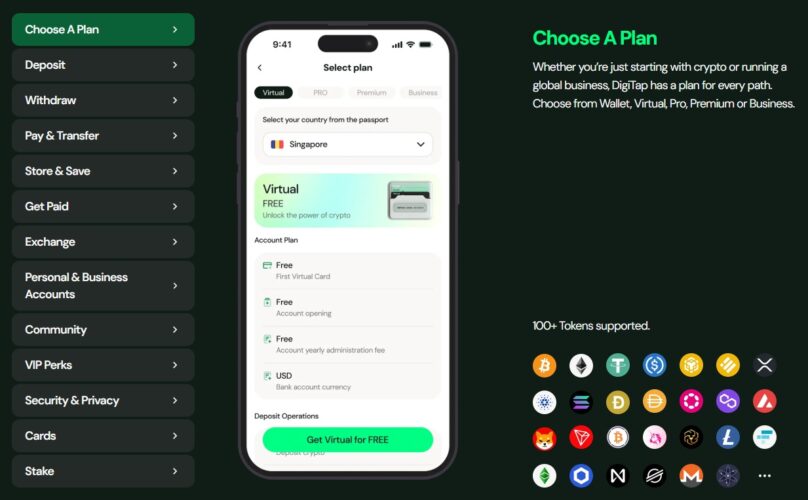
    Digitap stands at the top of this list for one main reason — it is already live. Most crypto presales promise future products, but Digitap delivers one today. The app is available on the Apple App Store and Google Play, and real users are already spending with Digitap cards. This makes it one of the safest and most credible projects among current presales.

    9 Best New Cryptos for Big ROI in 2025 - Digitap ($TAP) Tops November's Crypto Shopping List

    Digitap is often called the best crypto to buy in November because it combines banking and blockchain in a single platform. The project has already raised over $1.7 million in its crypto presale, which shows strong confidence from early supporters.

    The following features make it stand out:

    • A working omni-bank app that connects fiat, crypto, and card payments.
    • A live partnership with both virtual and physical cards.
    • Instant global transfers at fees below 1%.
    • A deflationary token model, with 50% of platform profits used for buybacks and burns.
    • Non-inflationary staking during presale and 100% post-launch.
    • Fully audited smart contracts by Solidproof and Coinsult.
    • A fixed supply of 2 billion tokens with no new minting.

    The $TAP is used for payments, staking rewards, and community voting inside the app. Holders can put their tokens to work by staking, earning cashback, or spending them directly ,just like cash. The token is currently priced at $0.0297, with the next round set to rise to $0.0313. This gives early buyers a clear edge before the next stage begins.

    9 Best New Cryptos for Big ROI in 2025 - Digitap ($TAP) Tops November's Crypto Shopping List

    Source: Digitap

    2. Bitcoin Hyper: Faster, Lighter, and Ready for Growth

    Bitcoin Hyper is a modern take on the original Bitcoin idea. It focuses on faster transactions and better scalability. The project has raised over $25 million in its crypto presale, which shows demand for faster Bitcoin-style coins. It positions itself as an altcoin to buy for those seeking a low-fee, high-speed version of Bitcoin’s digital payment model.

    3. Pepe Node: From Meme to Machine

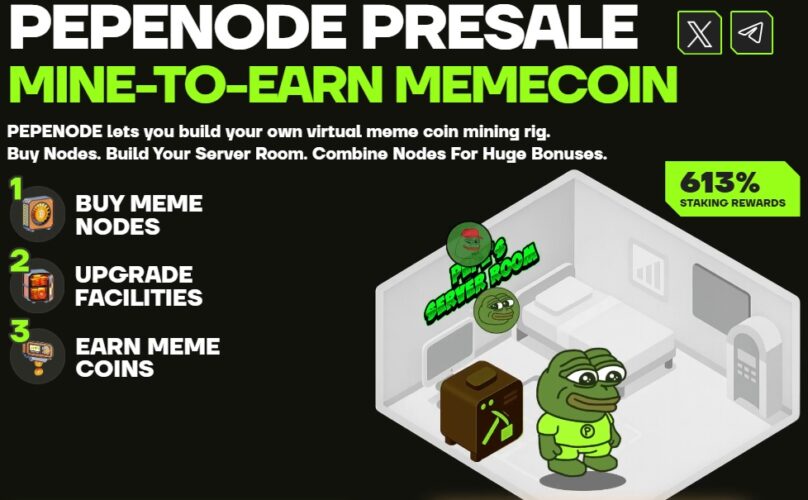
    Pepe Node mixes meme culture with real earning mechanics. It lets users create “nodes” that generate rewards, combining humor with utility. The project has raised about $2 million and has an active online community. For meme coin fans looking for a token with added features, Pepe Node could be an interesting altcoin to buy in 2025.

    9 Best New Cryptos for Big ROI in 2025 - Digitap ($TAP) Tops November's Crypto Shopping List

    Source: Pepe Node

    4. BlockDAG: The Next Layer-1 Built for Real Scale

    BlockDAG is taking a fresh approach to how blockchains handle data. Instead of processing one block at a time, it uses a DAG — short for Directed Acyclic Graph — that lets multiple transactions move at once. That design could make it far quicker and more efficient than the older networks most people use today.

    The project’s presale has already pulled in more than $400 million, a huge number that shows just how much attention it’s getting. Many believe it has long-term potential, though the technology is still being built and tested.

    5. BlockchainFX: The Trader’s Token Taking Over DeFi

    BlockchainFX is a platform built for traders. It combines crypto, stocks, and ETFs in one ecosystem, with tools for analytics and staking. The project has raised over $10 million so far and targets retail traders who want a unified interface for all investments. Its focus on DeFi and data-driven tools puts it on many investors’ lists of top crypto presales.

    9 Best New Cryptos for Big ROI in 2025 - Digitap ($TAP) Tops November's Crypto Shopping List

    Source: BlockchainFX

    6. XRP: A Top Contender for Global Finance

    XRP continues to hold a strong position in global payments. It is used by financial institutions for fast and low-cost transfers. Recent ETF filings have pushed its price up again, with analysts expecting more gains. XRP remains a safe long-term option for those who prefer established assets over newer crypto presales.

    7. XLM: The Quiet Performer Delivering Results

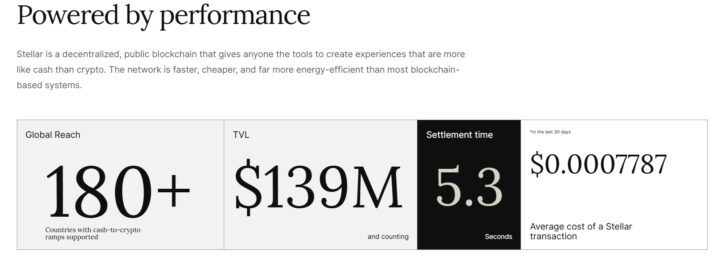
    Stellar shares some goals with XRP but focuses more on individual users and remittances. It has seen renewed interest as the market looks for utility-driven coins. XLM remains one of the most reliable options for cross-border payments and continues to partner with major fintech platforms.

    9 Best New Cryptos for Big ROI in 2025 - Digitap ($TAP) Tops November's Crypto Shopping List

    Source: Stellar

    8. Cardano: The Reliable Classic

    Cardano is one of the most researched blockchains in crypto. It aims for sustainability and real-world use cases such as identity and education. ADA’s price is rebounding, and analysts say it could perform well as the next market cycle begins. It remains a respected altcoin to buy for investors who value stability and fundamentals.

    9. Quant: The Infrastructure Powerhouse Behind the Scenes

    Quant focuses on interoperability. Its Overledger technology connects different blockchains and traditional financial systems. QNT is already used by enterprises exploring blockchain adoption. For investors seeking exposure to blockchain infrastructure rather than presales, QNT offers a mature and credible option.

    9 Best New Cryptos for Big ROI in 2025 - Digitap ($TAP) Tops November's Crypto Shopping List

    Source: Quant

    What Is the Best Crypto to Buy This November?

    All these projects bring something unique to the market, but Digitap leads the list. It is not just another token — it is a working omni-bank where users can already hold, send, and spend both crypto and fiat money. The live app, verified audits, and real revenue model give it credibility that most crypto presales lack.

    With a clear roadmap, strong staking rewards, and real users, Digitap offers a rare mix of innovation and trust. Among all the new projects this season, Digitap stands out as the best crypto to buy in November for anyone looking for a real product and real progress.

    Digitap is Live NOW. Learn more about their project here:

    Presale https://presale.digitap.app

    Websitehttps://digitap.app

    Socialhttps://linktr.ee/digitap.app

    Win $250Khttps://gleam.io/bfpzx/digitap-250000-giveaway

    Disclaimer:
    This article is for informational purposes only and does not constitute financial advice. Cryptocurrency investments carry risk, including total loss of capital. Readers should conduct independent research and consult licensed advisors before making any financial decisions.

    This publication is strictly informational and does not promote or solicit investment in any digital asset

    All market analysis and token data are for informational purposes only and do not constitute financial advice. Readers should conduct independent research and consult licensed advisors before investing.

    Crypto Press Release Distribution by BTCPressWire.com

  • How Much Do Comic Book Illustration Services Cost? thumbnail

    How Much Do Comic Book Illustration Services Cost?

    Comic books are an engaging form of visual storytelling that combines narrative and art to captivate readers. Illustrations in comic books are not just decorative; they are essential in bringing the story to life, helping readers visualize characters, emotions, and events. Whether it’s a superhero adventure, a manga-style comic, or a graphic novel, the artwork plays a key role in shaping the reader’s experience. Without vibrant, detailed illustrations, the narrative may not have the same impact, and the reader might struggle to connect with the story.

    However, the cost of comic book illustration services can vary widely based on factors like the style, complexity, and experience of the artist. Whether you need simple comic strips or full-page graphic novel illustrations, knowing what to expect in terms of pricing can help you budget effectively for your project.

    In this article, we’ll explore the factors affecting comic book illustration costs, provide a breakdown of typical pricing ranges, and discuss why Fiverr is an excellent platform to find talented comic book illustrators at varying price points.

    Explore Fiverr’s Comic Book Illustration Services: comic book illustration cost

    Factors Affecting Comic Book Illustration Costs

    The cost of hiring a comic book illustrator depends on several factors, which can influence both the price per page and the overall cost of the project. Here’s a breakdown of the most significant factors:

    1. Number of Pages

    The number of pages is one of the primary factors that determine the cost of your comic book project. A short comic strip with just a few panels may cost far less than a graphic novel or a multi-issue comic series. For a single comic book page, prices typically range from $50 to $1,000+, depending on the complexity.

    If your project consists of several pages or an entire comic book series, the price will multiply accordingly. However, some illustrators offer discounts for bulk orders or long-term projects, making it more affordable for larger works.

    2. Level of Detail

    The level of detail in the illustrations significantly affects the cost. Simple designs, such as black-and-white sketches or minimalistic comic strips, tend to be less expensive. These may include basic line drawings with little to no background detail. On the other hand, highly detailed, full-color illustrations, especially those involving dynamic scenes or complex backgrounds, will cost much more.

    For example, a full-page illustration that includes multiple characters, detailed landscapes, and intricate shading may require much more time and effort than a single-panel scene with a simple background.

    3. Experience and Reputation of the Artist

    The artist’s experience and reputation will also influence pricing. Established illustrators with well-known portfolios or those who have worked with major publishers or comic series may charge premium rates for their services.

    While newer illustrators may offer lower prices, they can still provide high-quality work, especially if they specialize in a particular style. When hiring an illustrator, it’s essential to evaluate their previous work, assess the quality of their illustration style, and check client reviews to ensure they align with your expectations.

    Typical Costs for Comic Book Illustration

    When it comes to hiring a comic book illustrator, the pricing can vary depending on the complexity and length of the comic, as well as the artist’s skill level. Below is a typical cost range for comic book illustration services:

    1. Simple Comic Strip Illustrations: $50–$300 per Page

    For simpler illustrations, such as comic strips or single-panel illustrations, the cost tends to be lower. A comic strip or basic illustration (such as black-and-white sketches or minimal designs) can range from $50 to $300 per page. These are often suitable for short comic works or online comics with limited coloring and details.

    This price range is ideal for simple comic book storylines or webcomics that don’t require complex backgrounds, special effects, or multiple characters.

    2. Mid-Range Comic Book Illustrations: $300–$600 per Page

    For more detailed and colorful comic illustrations, prices range from $300 to $600 per page. These illustrations may include digital painting, moderate shading, coloring, and more complex backgrounds. At this price point, you’ll find comic book pages with rich colors, multiple characters, and intricate designs.

    This range is suitable for short graphic novels, single-issue comic books, or independent comics that require a professional level of detail but without going into the most intricate artistry.

    3. High-End Comic Book Illustrations: $600–$1,000+ per Page

    For top-tier, highly detailed illustrations, you can expect to pay anywhere from $600 to $1,000+ per page. These types of comic book illustrations are typically for full-page spreads, premium graphic novels, or superhero comics, where intricate backgrounds, detailed characters, action scenes, and digital art are involved.

    A high-end comic book illustrator may work with multiple layers of shading, special effects, and advanced techniques to bring your story to life with vibrant visuals and exceptional detail.

    4. Full-Length Comic Books/Graphic Novels: $5,000+ for Entire Project

    If you’re working on an entire comic book or graphic novel (typically 50-150 pages), the total cost can range from $5,000 to $30,000+, depending on the complexity, style, and experience of the illustrator. This price will cover multiple pages of detailed artwork, and you should expect to pay based on the number of pages in the project.

    What’s Included in Comic Book Illustration Packages

    When hiring a comic book illustrator, understanding what is included in the illustration package is essential. Here’s what you can typically expect:

    1. Penciling and Inking

    Penciling is the initial phase, where the illustrator sketches the layout and characters of each panel. This is followed by inking, where the sketches are finalized with bold lines to prepare the illustration for coloring.

    2. Coloring

    If your comic requires color, the illustrator will add colors to the sketches, which brings the artwork to life. Coloring can be done digitally, and the process includes adding shading, highlights, and textures to create depth and visual appeal.

    3. Lettering

    Some comic book illustrators also offer lettering services, where they add dialogue, captions, and sound effects to the comic. Lettering can be done digitally or by hand, depending on the style of the comic.

    4. Revisions

    Illustration packages often include a set number of revisions, allowing you to request changes or tweaks to the illustrations. This could include altering character designs, adjusting color schemes, or modifying layouts. Most illustrators include 2-3 rounds of revisions, with additional revisions available at an extra cost.

    Why Fiverr is Ideal for Comic Book Illustrators

    Fiverr is an ideal platform for hiring comic book illustrators, offering a wide range of talented artists who specialize in various comic styles. Whether you’re working on a short comic strip or a full-length graphic novel, Fiverr has illustrators who can match your budget and artistic vision. Here’s why Fiverr is a great choice:

    1. Affordable Pricing for Every Budget

    Fiverr connects you with comic book illustrators across different price points, making it easy to find a professional who suits your budget. Whether you’re just getting started or working on a larger project, Fiverr offers options to fit both small projects and more expansive comic series.

    Explore Fiverr’s Comic Book Illustration Services: comic book illustration cost

    2. Variety of Styles and Expertise

    Fiverr allows you to filter illustrators based on art style, experience, and specialization, ensuring you can find the right fit for your comic book’s theme. Whether you’re looking for superhero comics, manga-style, or cartoonish designs, Fiverr offers a wide range of specialized illustrators.

    3. Transparent Reviews and Ratings

    Fiverr’s review system lets you check client feedback, ratings, and previous work. This transparency helps you choose a skilled artist who can deliver quality work and meet your expectations. You can also communicate directly with the illustrator to discuss the project and ensure alignment before the work begins.

    FAQ Section

    How much do comic book illustrations cost?

    Comic book illustrations typically range from $50 to $1,000+ per page, depending on the complexity, detail, and the artist’s experience.

    What does a comic book illustration service include?

    Comic book illustration services usually include penciling, inking, coloring, and sometimes lettering, depending on the illustrator’s package.

    Can I hire a comic book illustrator on Fiverr?

    Yes, Fiverr offers a wide variety of comic book illustrators at various price points, ensuring that you can find one that fits your project and budget.

    How long does it take to complete comic book illustrations?

    The time it takes to complete comic book illustrations typically ranges from 1–2 weeks per page, depending on the complexity and the artist’s workload.

    Conclusion with CTA

    Hiring a professional comic book illustrator is crucial to bringing your visual storytelling to life. Whether you’re working on a comic strip, graphic novel, or full-length comic book, the illustrations will help captivate your audience and make your story unforgettable.

    Fiverr is an excellent platform for finding affordable, skilled comic book illustrators who can bring your vision to life. Whether you need simple illustrations or high-end, detailed artwork, Fiverr’s wide selection of illustrators can meet your needs and budget.

    Explore Fiverr’s Comic Book Illustration Services: comic book illustration cost

  • I Want to Illustrate a Comic Book. What Are My Options? thumbnail

    I Want to Illustrate a Comic Book. What Are My Options?

    Illustrating a comic book is a rewarding and creative process, but it requires more than just a love for storytelling. Whether you’re creating a superhero saga, a manga-style story, or a graphic novel, illustrations bring the narrative to life and engage readers. Illustrating a comic book can be done in different ways, whether by doing it yourself or hiring a professional illustrator to help bring your ideas to life.

    The choice between DIY comic book illustration and hiring a professional illustrator depends on your skill level, available time, and the quality of the final product you desire. In this article, we’ll discuss the different options available for illustrating your comic book, whether you choose to tackle it yourself or hire a skilled professional. We’ll also explore how Fiverr can help you find affordable and talented comic book illustrators that fit your style and budget.

    Explore Fiverr’s Comic Book Illustration Services: comic book illustration options

    DIY Comic Book Illustration

    If you have the artistic skills and the desire to create your own comic book, DIY illustration might be a great option. While hiring a professional is a popular choice for many, illustrating your comic book allows for complete creative control and can be much more affordable. However, DIY comic book illustration also requires a good understanding of art tools, software, and design principles.

    Tools and Software for DIY Comic Book Illustration

    To illustrate a comic book on your own, you’ll need the right tools and software to help you create professional-quality artwork. There are several popular illustration tools available that can assist you in creating the visual elements for your comic.

    1. Adobe Illustrator

    Adobe Illustrator is one of the most widely used tools for creating vector-based artwork. It’s ideal for creating sharp, clean lines and can be used to design characters, backgrounds, and all of the elements needed for a comic book. Illustrator also offers a range of tools for inking, shading, and coloring that help streamline the comic creation process.

    2. Procreate

    Procreate is a user-friendly app for iPad that’s popular among comic artists for its intuitive design and powerful drawing capabilities. With Procreate, you can create hand-drawn illustrations, work with layers, and add colors easily. It’s a great tool for artists who prefer a more hands-on approach and want a portable solution.

    3. Clip Studio Paint

    Clip Studio Paint is another powerful tool tailored specifically for comic book creators. It comes with a variety of comic-specific tools, such as panel layouts, screen tones, and 3D models that help make the illustration process faster and more efficient. Clip Studio Paint is a great option for creating detailed comic art with an emphasis on linework and coloring.

    Challenges of DIY Comic Book Illustration

    While DIY comic book illustration can be incredibly rewarding, there are some challenges to consider:

    • Time Commitment: Creating each page of a comic book can be time-consuming, especially if you’re doing it alone. The process involves sketching, inking, coloring, and lettering, which can take a lot of effort and time.
    • Skill Level: If you’re not an experienced illustrator, it can be challenging to create high-quality artwork that matches your vision. Even if you’re a skilled artist, comic book illustration involves mastering visual storytelling, pacing, and layout, which can be tricky to execute.
    • Software Learning Curve: If you’re new to software like Adobe Illustrator or Clip Studio Paint, there can be a learning curve involved. It takes time to become proficient with the tools necessary to create professional-level comic illustrations.

    Hiring a Professional Comic Book Illustrator

    If you’re looking to create a high-quality comic book but don’t have the time, skills, or resources to illustrate it yourself, hiring a professional comic book illustrator is a great option. A skilled illustrator will bring a high level of expertise and craftsmanship to the project, ensuring that your comic book looks polished and engaging.

    Benefits of Hiring a Professional Illustrator

    • Quality Artwork: Hiring a professional guarantees high-quality artwork that fits the genre, tone, and style of your comic. Professionals bring experience and skill to the table, ensuring that the final product looks polished and professional.
    • Faster Turnaround: A professional comic book illustrator will complete your project in a much shorter time frame than doing it yourself. This is especially beneficial if you’re on a tight deadline or need to meet specific publishing schedules.
    • Expertise in Comic Book Layout: Professionals are experienced in comic book storytelling through visuals. They understand how to structure pages, lay out panels, and guide the reader’s eye, which is crucial to creating an engaging comic.

    How Fiverr Helps with Comic Book Illustrations

    If you’re looking for an affordable way to hire a professional comic book illustrator, Fiverr is a fantastic platform to explore. Fiverr connects authors and creators with experienced comic book illustrators who specialize in various genres and artistic styles. Here’s why Fiverr is a great option:

    • Affordable Prices: Fiverr offers a range of illustrators at different price points, allowing you to choose a professional who fits your budget. Whether you need simple illustrations or highly detailed artwork, Fiverr makes it accessible.
    • Diverse Artistic Styles: Fiverr has illustrators specializing in a variety of comic book styles, from superheroes to manga, cartoonish designs, and realistic illustrations. You can easily find an artist whose style matches your creative vision.
    • Easy Search and Filtering: Fiverr allows you to filter illustrators based on their experience, style, and price, making it easy to find the perfect fit for your comic book project.

    Explore Fiverr’s Comic Book Illustration Services: comic book illustration options

    FAQ Section

    What software can I use to illustrate a comic book?

    Popular tools for comic book illustration include Adobe Illustrator, Procreate, and Clip Studio Paint. These tools allow you to create both traditional and digital comic illustrations, with features designed to streamline the process of creating comic books.

    Should I hire a professional comic book illustrator or illustrate it myself?

    If you have the skills and time, you can illustrate the comic book yourself. However, if you want to save time, improve the quality of the artwork, and ensure that the illustrations align with professional standards, hiring a professional illustrator will result in a more polished and engaging final product.

    Can I hire a comic book illustrator on Fiverr?

    Yes, Fiverr is home to many talented comic book illustrators. You can browse through their portfolios, check reviews, and choose a professional who fits your budget and artistic style.

    How much does it cost to illustrate a comic book?

    The cost of comic book illustration varies depending on the complexity of the project. You can expect to pay anywhere from $50 per page for simple illustrations to $1,000+ per page for detailed, high-quality artwork. The total cost will depend on how many pages your comic has and the level of detail required.

    Conclusion with CTA

    Illustrating a comic book is an exciting venture that requires creativity, skill, and attention to detail. Whether you choose to illustrate it yourself or hire a professional comic book illustrator, the key is to find the right fit for your project’s vision and goals. If you’re looking for a cost-effective way to hire skilled illustrators, Fiverr offers a range of talented professionals who specialize in various comic book styles and budgets.

    Explore Fiverr’s Comic Book Illustration Services: comic book illustration options

  • How Much Does It Cost to Hire a Children’s Book Illustrator? thumbnail

    How Much Does It Cost to Hire a Children’s Book Illustrator?

    Illustrations are an essential element of any children’s book, playing a crucial role in engaging young readers and bringing the story to life. They not only complement the narrative but also spark imagination, help explain complex concepts, and keep children entertained. Whether it’s a picture book, early reader, or chapter book, the illustrations are often what capture the attention of both children and their parents.

    When it comes to hiring a children’s book illustrator, the cost can vary widely depending on several factors, such as the number of illustrations, the style of the artwork, and the illustrator’s experience. If you’re an author or publisher looking to bring your children’s book to life, understanding the cost breakdown, what’s included in illustration packages, and how to find the right illustrator is essential.

    In this article, we’ll discuss the cost to hire a children’s book illustrator, outline what’s included in typical packages, and explain why Fiverr is an excellent platform for finding skilled illustrators at various price points.

    Explore Fiverr’s Children’s Book Illustration Services: hire children’s book illustrator

    Cost Breakdown for Hiring a Children’s Book Illustrator

    The cost of children’s book illustrations can vary significantly based on the style, complexity, and number of illustrations required. Below is an overview of the typical pricing range for children’s book illustration services:

    1. Simple or Basic Illustrations: $50 – $500 per Illustration

    For simpler illustrations, such as black-and-white sketches, line drawings, or minimalistic designs, you can expect to pay between $50 and $500 per illustration. These types of illustrations are often suitable for early reader books, activity books, or smaller-scale projects.

    For example, an e-book or a book with simple illustrations may fall into this price range. The cost can vary depending on the style and experience of the illustrator.

    2. Mid-Range Illustrations: $500–$1,500 per Illustration

    For more detailed, full-color illustrations, the price typically ranges from $500 to $1,500 per illustration. These illustrations may include characters, backgrounds, and special effects, making them more complex and time-consuming to create.

    This price range is ideal for books that require higher-quality artwork, such as picture books or chapter books. It may also include hand-drawn or digital illustrations with a moderate level of detail.

    3. High-End Custom Illustrations: $1,500–$2,000+ per Illustration

    If you’re looking for custom illustrations with high detail, vivid color, and complex scenes, the cost can go up to $2,000 per illustration or more. These types of illustrations are typically used in premium children’s books, books with intricate fantasy themes, or projects that require fine artistry and precision.

    For example, a premium picture book with high-quality, full-page illustrations can cost upwards of $10,000 to $20,000 for the entire project. This includes custom, detailed artwork with complex backgrounds, characters, and storytelling elements.

    What’s Included in Children’s Book Illustration Packages

    When hiring a children’s book illustrator, you want to ensure that the illustration package includes all the services and rights you need. Here’s a breakdown of what’s typically included in an illustration package:

    1. Number of Illustrations

    Most illustrators will specify how many illustrations are included in their package. A typical picture book might require 24 to 32 illustrations (depending on the book length). The total number of illustrations will influence the price of the overall project.

    2. Revisions

    It’s common for illustrators to include a certain number of revisions as part of the package. Revisions allow you to request changes to the initial designs, ensuring the artwork aligns with your vision. For example, you might receive 2-3 rounds of revisions per illustration, but additional revisions may come at an extra cost.

    3. Commercial Rights

    Commercial rights are crucial for any project that will be sold or distributed. Typically, when you hire an illustrator, you will retain the rights to use the images commercially, meaning you can print, distribute, and sell the book. Make sure to clarify that you have full usage rights for the illustrations to avoid any legal issues down the road.

    4. Format and Delivery

    Illustrators usually provide the final artwork in various formats, including high-resolution files suitable for printing and digital formats for e-books. Make sure the illustrator provides the correct file types (e.g., JPEG, PNG, PDF, or TIFF) for your specific publishing needs.

    Why Fiverr is a Good Option for Hiring Children’s Book Illustrators

    If you’re looking to hire a skilled children’s book illustrator without breaking the bank, Fiverr is an excellent platform to consider. Fiverr connects you with a variety of illustrators specializing in children’s books, offering various styles and pricing options to suit every budget. Here’s why Fiverr is a great choice:

    1. Affordable and Flexible Pricing

    Fiverr provides access to illustrators at affordable price points. Whether you’re looking for simple illustrations or more detailed artwork, Fiverr allows you to find illustrators who can work within your budget. You can browse through profiles, see reviews, and choose an illustrator who fits your needs and price range.

    Explore Fiverr’s Children’s Book Illustration Services: hire children’s book illustrator

    2. Diverse Range of Styles and Expertise

    Fiverr offers a wide variety of illustrators who specialize in different artistic styles. Whether you need whimsical, cartoon-style, realistic, or watercolor illustrations, you can find an illustrator who matches your vision. The platform allows you to filter illustrators by their specialization, ensuring you find the perfect match for your project.

    3. Transparent Reviews and Ratings

    Fiverr’s review system provides transparency regarding the illustrator’s past work, reliability, and skill. You can read feedback from previous clients to ensure the illustrator has a proven track record of delivering high-quality work on time. This helps you make an informed decision before hiring.

    FAQ Section

    How much does it cost to hire a children’s book illustrator?

    Hiring a children’s book illustrator can cost anywhere from $50 to $2,000+ per illustration, depending on the style, complexity, and the illustrator’s experience. For a full book, the total cost could range from $1,000 to $20,000 or more.

    What is included in the cost of children’s book illustrations?

    The cost typically includes the illustrations themselves, revisions, and commercial rights to use the images for your book. Additional services such as storyboarding or character design may come at an extra cost.

    How do I know if an illustrator is right for my children’s book?

    Look for an illustrator with experience in children’s books, a style that matches your vision, and positive reviews from previous clients. Reviewing their portfolio and having a conversation about your project can help ensure they are the right fit.

    How long does it take to hire a children’s book illustrator?

    The hiring process can take anywhere from a few days to a couple of weeks, depending on the illustrator’s availability and the complexity of your project. The illustration process itself usually takes 2–4 weeks.

    Conclusion with CTA

    Hiring a skilled children’s book illustrator is essential to creating a visually appealing and engaging book that will captivate young readers. Whether you need simple, minimalist illustrations or detailed, full-color designs, it’s crucial to find an illustrator who aligns with your vision and fits within your budget.

    Fiverr offers a wide range of skilled illustrators with diverse expertise, allowing you to find the right fit for your children’s book project. Whether you’re on a budget or looking for premium illustrations, Fiverr provides a flexible platform that helps authors bring their stories to life.

    Explore Fiverr’s Children’s Book Illustration Services: hire children’s book illustrator