Category: DigitalJournal

  • Cardano (ADA) Stuck Under $0.30, Users Prefer This New Cheap Altcoin thumbnail

    Cardano (ADA) Stuck Under $0.30, Users Prefer This New Cheap Altcoin

    Dubai,UAE, February 20, 2026

    The year 2026 has brought a massive shift in how people think about digital assets. For a long time, the market was led by famous projects that promised to change the world but moved at a very slow pace. Now, the tide is turning.

    While some of the biggest names in the industry are struggling to keep their value, a new wave of utility-focused projects is rising. Investors are no longer waiting for years of research to turn into results. They are moving their money into platforms that are ready to work right now. This shift is leaving many old favorites behind as the market prepares for a new leader to take the stage.

    mutuum

    Cardano (ADA)

    Cardano (ADA) enters February 2026 in a difficult spot. After a year of quiet activity, the token is currently trading around $0.27 with a market cap near $9.6 billion. While this sounds like a large number, it is a big drop from its past glory days.

    The main issue for ADA is a massive resistance zone at the $0.30 level. Every time the price tries to move up, sellers step in and push it back down. Trading volume has dried up, and many long-term holders are starting to lose their patience as they watch other assets grow.

    The network is also facing a lack of on-chain activity. Even though the team is working on upgrades like Ouroboros Leios to increase speed, the actual number of people using the platform for daily finance is low.

    Competitors like Solana and Ethereum are already handling millions of transactions, making Cardano look like it is still stuck in the testing phase. Without a major spike in real-world usage or a sudden change in market mood, ADA is finding it very hard to break its downward trend.

    Mutuum Finance (MUTM)

    While Cardano stays quiet, Mutuum Finance (MUTM) is gaining huge momentum. Built on the Ethereum network, this project is a professional hub for lending and borrowing that does not need a bank or a middleman.

    It is designed to be fast and easy for everyone to use. The project is currently in Phase 7 of its presale, and the results have been record-breaking. So far, it has raised over $20.5 million from more than 19,000 individual holders.

    The protocol’s design uses a dual-market system to give users more choices. The first is the Peer-to-Contract (P2C) model, where you can put your assets into a shared pool to earn interest. The second is the Peer-to-Peer (P2P) market, which lets you talk directly with other users to set your own loan rules and rates.

    Currently, the MUTM token is priced at just $0.04. Since it started at $0.01, it has already seen a increase. With a confirmed launch price of $0.06, many people are rushing to get in before the discount ends.

    mutuum

    The Contrast Between ADA and MUTM

    When we look ahead to 2027, the future for these two coins looks very different. For Cardano, most analysts have a bad outlook. Because it has so many tokens in supply and very slow adoption, ADA is expected to stay stuck in the $0.24 to $0.35 range.

    It lacks the “hype” and the fast growth that modern investors want. Without a huge upgrade that attracts millions of new users, ADA might remain a legacy asset that never returns to its old highs.

    In contrast, Mutuum Finance has a much better price prediction. Experts believe that because MUTM is solving a real problem in the liquidity market, it could reach $0.40 or even $0.60 by the end of 2026. This would be a appreciation from its early presale price.

    The reason for this optimism is the “buy-and-distribute” model. The platform aims to use its own fees to buy back MUTM tokens and give them to the community. This creates a cycle where more users lead to a higher price, something that ADA currently lacks.

    Security, Leaderboards, and Users Activity

    Security is the top priority for the Mutuum Finance team. They have already finished a full manual audit with Halborn Security, which is one of the best firms in the world. The token also has a 90/100 trust score from CertiK, proving that the code is safe and transparent. To make things even safer, they have a $50,000 bug bounty program that pays people to find any small mistakes in the system.

    The project is also seeing a lot of activity from “Users,” which are investors with a lot of money. On-chain data shows single purchases of over $100,000 flowing into the presale. These big players are competing on the 24-hour leaderboard to win a $500 bonus in tokens every single day.

    This keeps the community active and shows that the “smart money” is moving into MUTM. With nearly half of the 1.82 billion presale tokens already sold, the window to join this new altcoin at a low price is closing fast.

    For more information about Mutuum Finance (MUTM) visit the links below:

    Website: https://www.mutuum.com

    Linktree: https://linktr.ee/mutuumfinance

    Disclaimer:
    This article is for informational purposes only and does not constitute financial advice. Cryptocurrency investments carry risk, including total loss of capital. Readers should conduct independent research and consult licensed advisors before making any financial decisions.

    This publication is strictly informational and does not promote or solicit investment in any digital asset

    All market analysis and token data are for informational purposes only and do not constitute financial advice. Readers should conduct independent research and consult licensed advisors before investing.

    Crypto Press Release Distribution by BTCPressWire.com
  • Top 3 Undervalued Cryptocurrencies Under $3 for 2026 Growth Potential thumbnail

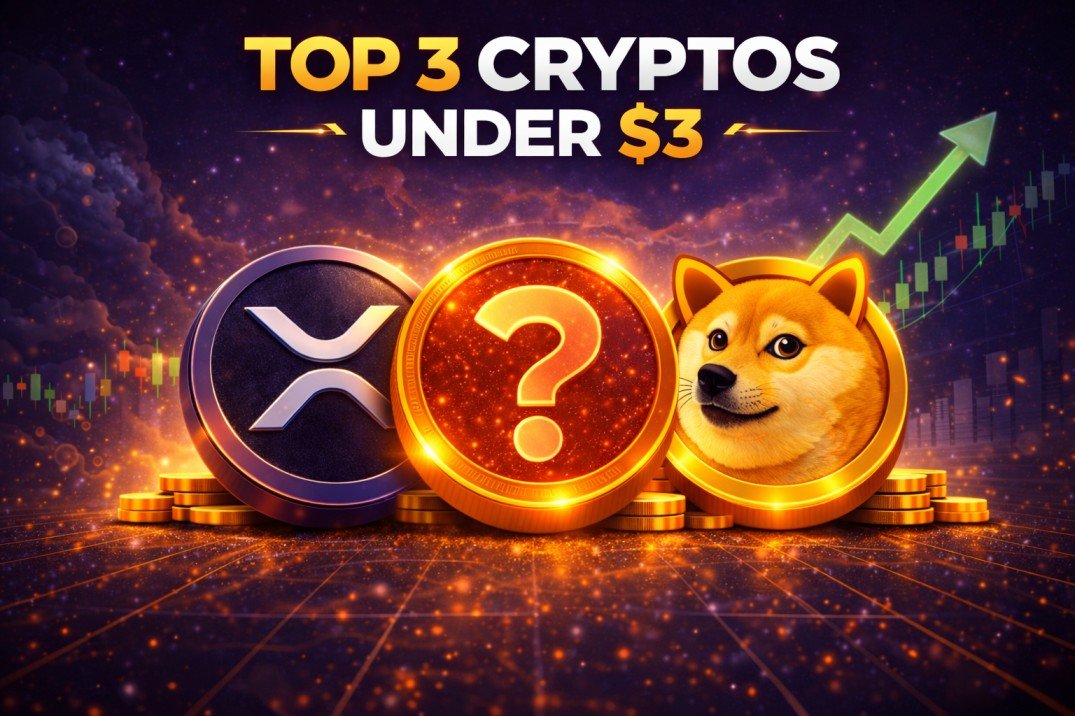
    Top 3 Undervalued Cryptocurrencies Under $3 for 2026 Growth Potential

    Dubai,UAE, February 20, 2026 

    The crypto industry in 2026 is no longer driven by simple speculation. We are entering a phase where the market separates long-term winners from projects that rely only on hype. While the biggest names in the industry are fighting to keep their position, several low-cost assets are showing signs of a major breakout. 

    Smart money is moving away from overcrowded trades and flowing into tokens that offer real utility or massive community support. This shift suggests that the next generation of market leaders is currently hiding in plain sight, waiting for the right moment to claim the spotlight.

    mutuum

    Ripple (XRP)

    Ripple (XRP) remains a top choice for those looking at tokens under $3, but its path is far from easy. As of February 2026, XRP is trading near $1.47 with a market cap of approximately $89 billion. 

    While it has gained some ground, it is currently struggling to find its footing after a sharp rejection at the $1.66 level. This price point has become a major resistance zone that the token must clear to see any real growth. Sellers are currently very active whenever the price approaches $1.55, making it difficult for the “remittance king” to sustain a rally.

    The outlook for XRP in the short term is cautious. Many analysts provide a bad price prediction for the rest of 2026, suggesting the token could drop back to the $1.12 or even $0.53 level if broader market support fails. 

    The main limitation for XRP is its massive circulating supply and the constant pressure from large institutional sales. While it is used by banks for cross-border payments, this utility has not yet translated into the explosive price action that many retail investors expected. Without a massive increase in actual network volume, XRP might continue to trade sideways for the foreseeable future.

    Dogecoin (DOGE)

    Dogecoin (DOGE) continues to be the most famous memecoin in the world, yet it faces significant technical hurdles in 2026. Currently priced around $0.10 with a market cap of $14 billion, DOGE is caught in a tight range. The $0.12 to $0.15 area has turned into a heavy resistance zone that prevents the coin from reaching the psychological $1 milestone. 

    The bearish case for Dogecoin is quite strong. If it fails to hold the $0.098 support level, the price could easily slide toward $0.08 or lower. The biggest limitation for DOGE is its inflationary nature, as millions of new coins are created every year. 

    This makes it very hard for the price to stay high unless there is constant, massive buying pressure. Many experts predict that DOGE will remain stuck under $0.25 for most of 2026 and 2027, as investors prefer to move their capital into newer projects with fixed supplies and clearer financial utility.

    Mutuum Finance (MUTM)

    Mutuum Finance (MUTM) is taking a completely different approach by building a professional credit ecosystem on the Ethereum blockchain. This is a developing high-speed hub designed for decentralized lending. 

    The project has seen incredible growth during its Phase 7 presale, raising over $20.5 million from a global community of 19,000 holders. By focusing on a “Version 1” release that prioritizes speed and low fees, Mutuum Finance is positioning itself as the primary alternative for users who are tired of slow, expensive traditional banking.

    What makes MUTM unique is its “mtTokens” system and the “buy-and-distribute” model. When users provide liquidity to the platform, they receive mtTokens that represent their share of the lending pool. The protocol then uses a portion of all transaction fees to buy back MUTM tokens from the open market. 

    These tokens are distributed back to the holders, creating a healthy cycle of demand. Using advanced price oracles to ensure fair rates, Mutuum Finance is built for accuracy. Because of this structure, experts have a very positive price prediction, suggesting MUTM could rise from its current $0.04 price to $0.50 by late 2026, offering a much higher growth potential than XRP or DOGE.

    mut7um

    Layer-2 and Stablecoin Integration

    The team behind Mutuum Finance is already looking beyond its current success. Their roadmap includes the launch of a dedicated Layer-2 scaling solution and the integration of native stablecoins. 

    This is important because it will make transactions even cheaper and faster, allowing the platform to handle millions of users without slowing down. By moving to a Layer-2 environment, Mutuum Finance can offer the security of Ethereum with the speed of a private network.

    These plans are a major reason why “users” are moving large amounts of capital into the MUTM presale. Large investors know that a project with its own ecosystem and stablecoin utility has a much better chance of long-term survival. 

    While older coins like XRP and DOGE struggle with technical debt and high inflation, Mutuum Finance is building a lean, modern infrastructure. For investors looking for growth under $3, the combination of a proven presale, a smart buy-back model, and upcoming Layer-2 technology makes MUTM a top contender for the 2026 market cycle.

    For more information about Mutuum Finance (MUTM) visit the links below:

    Website: https://www.mutuum.com

    Linktree: https://linktr.ee/mutuumfinance

    Disclaimer:
    This article is for informational purposes only and does not constitute financial advice. Cryptocurrency investments carry risk, including total loss of capital. Readers should conduct independent research and consult licensed advisors before making any financial decisions.

    This publication is strictly informational and does not promote or solicit investment in any digital asset

    All market analysis and token data are for informational purposes only and do not constitute financial advice. Readers should conduct independent research and consult licensed advisors before investing.

    Crypto Press Release Distribution by BTCPressWire.com

  • Interest in Employee Management Tools Is Rising as Teams Try to Reclaim Capacity

    Across industries, companies are spending less time debating whether to modernize workforce operations and more time deciding which systems will reduce friction fastest. The signal shows up in multiple places: market forecasts for workforce platforms, increased attention to employee well-being and attendance, and a broader push to connect day-to-day work execution with real staffing capacity.

    One driver is simply scale. As organizations grow or distribute across locations, manual processes for scheduling, approvals, and time-off visibility stop working. Another is volatility: hybrid work norms, tighter compliance expectations, and frequent changes in priorities make it harder to run operations on static plans.

    A bigger market, and more categories inside it

    Analysts continue to project steady growth for workforce management software, reflecting ongoing demand for tools that formalize staffing processes and reduce admin work. For example, Research and Markets projects the workforce management software market will grow by several billion dollars over the second half of the decade. Another industry estimate puts the workforce management software market at roughly $9.76B in 2026, reaching about $12.04B by 2031.

    At the same time, the HR tech ecosystem itself is expanding in scope. Deloitte’s 2025 view of the HR technology marketplace frames it as a fast-evolving environment shaped by new capabilities and expectations about how work gets done. That expansion matters because “employee management tools” increasingly includes multiple layers: availability planning, attendance tracking, workforce analytics, engagement workflows, and operational coordination.

    Absence is becoming an operational variable, not an HR afterthought

    One reason companies are looking harder at systems is the rising visibility of absence costs and patterns. In the UK, CIPD research reported average sickness absence at 9.4 days per employee over the previous 12 months, up from 7.8 days in 2023 and 5.8 days pre-pandemic.

    Organizations don’t just want to record time away. They want fewer surprises and better coverage decisions. Practical guidance from ACAS emphasizes consistent return-to-work routines and using those conversations to identify trends and underlying causes. This is where absence management stops being “policy documentation” and starts functioning as a planning input: if managers can’t see who is available, project plans become optimistic by default.

    Why coordination between capacity and delivery is suddenly a priority

    The shift isn’t limited to HR systems. As more work is delivered through cross-functional teams, leaders want capacity constraints to show up earlier in the delivery cycle. That’s why interest is also rising in work project management tools that connect execution (tasks, milestones, dependencies) with the reality of who is actually available.

    Market estimates reflect that broader demand. The Business Research Company projects the project management software market rising from about $9.14B in 2025 to $10.51B in 2026, implying continued rapid growth. Even if forecasts vary by methodology, the direction is consistent: companies are investing in systems that reduce coordination overhead in complex, distributed environments.

    What buyers are actually trying to solve

    In practice, the growth in interest maps to a handful of repeatable operational pain points:

    • Visibility gaps: time off approvals and schedule changes happen in email or chat, while project commitments are made elsewhere.
    • Late discovery: staffing constraints appear mid-sprint or mid-week, forcing reactive re-planning.
    • Inconsistent workflows: different managers apply different rules, creating fairness issues and unreliable data.
    • Manual reconciliation: teams spend time “cleaning up” timesheets, leave records, and project updates after the fact.

    Tools don’t eliminate these problems automatically, but they can reduce them when used to enforce a single source of truth for availability and approvals, plus a consistent routine for documenting changes.

    Another signal: consolidation and investment

    Investor appetite for employee-related software remains active, including carve-outs and acquisitions of “workforce adjacent” systems. One recent example is Peak Rock Capital’s agreement to acquire UL Solutions’ employee health and safety software business (to be rebranded as PureEHS), a deal reported at more than $200 million. While that segment isn’t identical to workforce scheduling or leave, it reinforces a broader point: companies and investors still see employee operations software as a durable category—especially where it reduces risk and improves compliance readiness.

    The bottom line

    Interest in employee management tools is growing because organizations are trying to reclaim capacity without relying on heroic effort. That means fewer disconnected systems, more reliable availability data, and tighter coordination between workforce reality and delivery commitments.

    The winners in this space won’t be the tools with the longest feature lists. They’ll be the ones that reduce uncertainty: making absence patterns visible early, standardizing approvals, and helping teams plan work around real capacity instead of assumptions

  • Top 3 Cheap Crypto Opportunities by 2027 thumbnail

    Top 3 Cheap Crypto Opportunities by 2027

    Dubai,UAE, February 20, 2026

    The altcoin industry is preparing for a major shift as we look toward the next few years. While the market has been dominated by a few famous names, the underlying energy is moving toward projects that offer more than just a recognizable brand. We are seeing a quiet transition where the next generation of financial technology is being built in the background. 

    This evolution suggests that the most rewarding opportunities in 2027 might not come from the assets that have already peaked. Instead, the future belongs to platforms that can combine community spirit with real utility. A new crypto era of digital finance is coming, and it is starting with a few specific projects that are still priced for early entry.

    mutuum

    Shiba Inu (SHIB)

    Shiba Inu (SHIB) remains one of the most famous examples of how a community can drive a digital asset to the top of the charts. Currently, SHIB is trading at approximately $0.0000069 with a market capitalization of around $4 billion. 

    It has transitioned from a simple meme coin into a serious ecosystem with its own Layer-2 network called Shibarium. This network aims to make transactions faster and cheaper for its massive “SHIB Army.”

    Despite its history of success, the price is currently facing heavy resistance zones between $0.0000070 and $0.0000072. Every time the price attempts to break higher, it meets significant selling force. This has kept the asset in a long period of consolidation. 

    Pepecoin (PEPE)

    Pepecoin (PEPE) is another major player that captured the world’s attention with an incredible early surge. It currently holds a market capitalization of roughly $1.5 billion, trading at $0.0000036. 

    In its early days, PEPE saw a massive explosion in value that turned small amounts into fortunes for the first participants. This viral success made it a staple in the world of internet culture and digital assets.

    However, the hype that fueled PEPE is starting to cool down as investors look for more than just social media trends. Many early SHIB and PEPE holders are now starting to consider Mutuum Finance (MUTM) as a new alternative. They are looking for a project that has the same early-stage energy but adds professional financial tools to the mix. 

    Mutuum Finance (MUTM)

    Mutuum Finance (MUTM) is a new project building a professional lending and borrowing hub on the Ethereum network. It is designed to allow users to lend their assets to earn interest or borrow against them without needing a bank. The project has already seen incredible momentum, raising over $20.6 million from a global community of more than 19,500 individual holders.

    Currently, the project is in Phase 7 of its structured presale. The price of the MUTM token is set at just $0.04. This represents a  increase from its starting price of $0.01 in Phase 1. With a confirmed launch price of $0.06, the window for getting in at a discount is closing fast. The project is moving through its phases quickly as more people recognize the value of a decentralized banking system.

    mut7um

    Why SHIB and PEPE Investors are Moving to MUTM

    Many early investors who saw the success of SHIB and PEPE believe that Mutuum Finance is following a similar path. They see the same pattern of strong community growth and high demand for tokens. However, the big difference is that MUTM is launching with a working product. According to an official statement on X, the V1 protocol is already live on the Sepolia testnet.

    This means that Mutuum is not just a promise; it is a functional tool that users can already test. Being able to see the lending pools and interest rates in a live environment gives investors a level of confidence that is often missing in newer projects. This combination of viral potential and technical proof is why so many experienced traders are shifting their focus to the MUTM ecosystem.

    Security, Rewards and Final Phases

    As the presale moves toward its conclusion, the team is focusing on community engagement and safety. The platform features a 24-hour leaderboard that gives a $500 bonus in MUTM tokens to the top daily contributor. This keeps the community active and rewards those who are most committed to the project’s success. It also makes the presale a more interactive experience for everyone involved.

    Security is also a major priority. Mutuum Finance has successfully passed a full manual audit by Halborn Security, which is a top-tier firm in the blockchain space. The project also holds a high trust score from CertiK and offers a $50,000 bug bounty program. 

    These steps ensure that the protocol is safe for long-term use. As Phase 7 sells out, the project is positioning itself as one of the most professional and promising top crypto opportunities for 2027.

    For more information about Mutuum Finance (MUTM) visit the links below:

    Website: https://www.mutuum.com

    Linktree: https://linktr.ee/mutuumfinance

    Disclaimer:
    This article is for informational purposes only and does not constitute financial advice. Cryptocurrency investments carry risk, including total loss of capital. Readers should conduct independent research and consult licensed advisors before making any financial decisions.

    This publication is strictly informational and does not promote or solicit investment in any digital asset

    All market analysis and token data are for informational purposes only and do not constitute financial advice. Readers should conduct independent research and consult licensed advisors before investing.

    Crypto Press Release Distribution by BTCPressWire.com

  • Best Crypto to Watch in February: Bitcoin (BTC) ETFs See $410M in Outflows, While Mutuum Finance (MUTM) Reaches Over $20.6 Million thumbnail

    Best Crypto to Watch in February: Bitcoin (BTC) ETFs See $410M in Outflows, While Mutuum Finance (MUTM) Reaches Over $20.6 Million

    Dubai,UAE, February 20, 2026

    February is shaping up as a month of contrasts in crypto. Bitcoin-linked ETFs face turbulence with $410 million in outflows, while capital rotates toward early-stage, utility-driven DeFi projects. Mutuum Finance (MUTM) is emerging as a key beneficiary, having raised $20.60 million in its presale and attracting a growing number of holders. This shift highlights investors’ preference for structured upside, predictable mechanics, and early-entry leverage over exposure to already-mature assets, signaling a move toward platforms that combine growth potential with practical utility.

    mutuum

    Bitcoin (BTC) ETFs See $410M in Outflows

    When Bitcoin ETFs see $410 million in outflows, it means investors are pulling money out of Bitcoin-based exchange-traded funds. This usually signals short-term caution rather than panic. Some investors may be locking in profits, reacting to price volatility, or shifting funds into other crypto opportunities. 

    For the broader crypto market, such outflows can create temporary selling pressure on Bitcoin’s price, but they also often lead to capital rotation. Historically, money exiting Bitcoin ETFs doesn’t leave crypto entirely—it frequently flows into altcoins and early-stage projects, helping fuel activity and growth across the wider crypto ecosystem.

    mutu7um

    Presale Momentum Signals a Different Kind of Opportunity

    Currently valued at $0.04, the MUTM token is gaining strong momentum in its Phase 7 presale. Rising from its initial $0.01 price, this growth is driven by a clear, staggered pricing model rather than speculation. With a total supply capped at 4 billion tokens and 45.5% (1.82 billion) reserved for presale, Mutuum Finance (MUTM) is designed for scarcity and long-term appreciation.

    The platform has already raised $20.60 million across presale phases, attracting nearly 19,000 holders. This steady inflow contrasts with outflows from Bitcoin-linked ETFs, reflecting a broader shift in investor behavior. Rather than passively holding mature assets, participants are moving toward projects still building core infrastructure.

    Mutuum’s phased pricing structure creates a strong incentive for early investors, making this month particularly important. Each presale phase raises the token price by nearly 20%, and delaying entry could mean buying the same quantity of tokens at a higher price, even if only a small portion of the current phase has been sold. This structure rewards early commitment and encourages timely participation. For buyers in February, entering now ensures they maximize potential upside before prices rise in subsequent phases.

    Mutuum Finance (MUTM): What it Is Offering?

    Mutuum Finance (MUTM)’s dual lending models—P2C and P2P—create real utility that can drive demand for the MUTM token and support price appreciation. The P2C model attracts conservative users by allowing stablecoins and major cryptocurrencies to earn interest through pooled lending, with mtTokens representing growing deposits. 

    Meanwhile, the P2P model opens opportunities for higher-risk assets, letting users negotiate terms directly and earn higher yields. As both models increase platform activity, more users will need MUTM for governance, fees, and protocol interactions. This growing on-chain utility, combined with structured lending incentives, positions MUTM for sustainable price growth, benefiting early investors.

    mutuum

    P2C Model

    Under the P2C model, lenders will be able to deposit assets such as stablecoins and major cryptocurrencies into audited smart contracts. These pooled assets will supply liquidity to borrowers who must provide overcollateralized positions. Interest rates will dynamically adjust based on pool utilization. As demand for borrowing increases, rates will rise, encouraging additional liquidity and maintaining system balance.

    When users deposit funds into P2C pools, they will receive mtTokens at a 1:1 ratio. These tokens will represent their deposited capital and will grow in value as interest accrues. For example, a lender supplying $15,000 in USDT will receive 15,000 mtUSDT. If the average annual yield is around 20%, depending on utilization, that lender could earn approximately $3,000 in passive income over a year, while retaining the flexibility to withdraw subject to available liquidity.

    Borrowers will also benefit from this structure. Instead of selling assets, a user could lock $1,000 worth of ETH as collateral and borrow up to 75% of its value, depending on the loan-to-value ratio. This will allow access to liquidity while maintaining exposure to potential asset appreciation, a key advantage during volatile market conditions.

    P2P Model

    For assets that carry higher volatility or lower liquidity, Mutuum will introduce a separate P2P lending model. Tokens such as Pepe Coin (PEPE), Dogecoin (DOGE), and similar assets will be isolated from the main liquidity pools. In this environment, lenders and borrowers will negotiate terms directly, including interest rates and loan durations, with the option for partial fills. While lenders will assume greater risk, the potential returns will also be higher. This separation will protect the core protocol while expanding earning opportunities.

    All loans across both models will require overcollateralization. A Stability Factor will continuously assess collateral health. If collateral values fall below required thresholds, liquidation will be triggered, allowing liquidators to repay outstanding debt at a discount. This mechanism will help ensure that bad debt does not spill over into the broader system.

    Community Incentives Strengthen Confidence

    Community growth is being actively supported through ongoing incentives. A $100K giveaway is currently live, with ten winners set to receive $10,000 worth of MUTM each. Additionally, a Top 50 leaderboard rewards the largest investors with bonus tokens, while a daily 24-hour leaderboard will distribute $500 in MUTM to the top-ranked participant, provided at least one transaction is made within the period. 

    As the community grows, more people will be able to interact with the platform, and since the project is delivering real utility, this will have an exponential effect on overall growth. More users mean higher demand for MUTM tokens, which will drive the token’s value upward in both the short and long term.

    As Bitcoin-linked investment products experience notable capital outflows, February will highlight a broader market rotation. Investors are increasingly favoring early-stage defi crypto platforms with structured growth models and real utility. Mutuum Finance (MUTM)’s rising presale totals, disciplined tokenomics, functional lending architecture, and active roadmap execution position it as a compelling alternative to passive exposure through a crypto ETF. 

    For more information about Mutuum Finance (MUTM) visit the links below:

    Website: https://www.mutuum.com

    Linktree: https://linktr.ee/mutuumfinance

    Disclaimer:
    This article is for informational purposes only and does not constitute financial advice. Cryptocurrency investments carry risk, including total loss of capital. Readers should conduct independent research and consult licensed advisors before making any financial decisions.

    This publication is strictly informational and does not promote or solicit investment in any digital asset

    All market analysis and token data are for informational purposes only and do not constitute financial advice. Readers should conduct independent research and consult licensed advisors before investing.

    Crypto Press Release Distribution by BTCPressWire.com

  • Market Downturn Sees Ethereum (ETH) Holders Positioning in This New Crypto thumbnail

    Market Downturn Sees Ethereum (ETH) Holders Positioning in This New Crypto

    Dubai,UAE, February 20, 2026

    As market volatility pressures major assets, many Ethereum (ETH) holders are reassessing their next move. Instead of exiting crypto, capital is shifting toward early-stage projects with clear utility and structured risk. Mutuum Finance (MUTM), a DeFi lending platform in Phase 7 presale, is increasingly attracting forward-looking investors aiming for long-term upside.

    mutuum

    Ethereum (ETH) Holders Shifting to Mutuum Finance (MUTM)

    Ethereum (ETH)-based investors, familiar with DeFi mechanics, find Mutuum Finance (MUTM) appealing for its predictable yields, flexible lending options, and strong protocol safeguards. This combination positions MUTM as a potential next big crypto as the market recalibrates after recent volatility.

    With a fixed supply of 4 billion tokens, Mutuum limits long-term dilution. The presale has already raised around $20.60 million, attracting over 19,000 holders. In Phase 7, 16% of the 180 million tokens allocated have been sold, showing accelerating interest as supply tightens.

    Early investors have already seen strong returns—for example, a $3,500 ETH swap at $0.015 has grown Analysts forecast MUTM could reach by 2027 highlighting growing confidence among Ethereum (ETH) holders even amid broader market caution.

    Utility-Driven Lending and Roadmap

    One of the strongest reasons ETH holders are expected to gravitate toward Mutuum Finance lies in its hybrid lending architecture. The protocol combines Peer-to-Contract (P2C) and Peer-to-Peer (P2P) models, addressing a long-standing gap in decentralized lending. 

    Through P2C, lenders will be able to deposit assets into automated smart contracts that offer fixed yields, a structure designed to appeal to more risk-averse participants seeking predictable returns. 

    At the same time, the P2P model will allow users to negotiate loans directly using volatile assets, including higher-risk tokens, opening the door for speculative strategies without forcing them into rigid pools.

    This dual approach is expected to attract a wider range of users than single-model platforms. Conservative lenders, active traders, and borrowers with diverse collateral needs can all participate within one ecosystem. As lending volume grows, protocol fees, borrowing activity, and staking participation are projected to increase, channeling more value through the system and reinforcing MUTM’s role at the center of the platform.

    From a development standpoint, the roadmap adds further credibility. Phase 1 is fully completed, over half of Phase 2 is finished, and several Phase 3 milestones have also been achieved. Remaining milestones—including advanced features, risk parameters, and analytics tools—demonstrate ongoing progress rather than stalled promises. For ETH holders who prioritize tangible results in uncertain markets, this level of transparency can be a decisive factor.

    mutuum

    Security Framework and Growth Outlook Strengthening Investor Confidence

    Security is often the determining factor in whether capital stays deployed during market stress. Mutuum Finance has placed significant emphasis on building trust through layered protection measures. A formal CertiK audit evaluated the protocol using manual review and static analysis methods, resulting in a Token Scan Score of 90.00 and a Skynet Score of 79.00. 

    In addition, the platform has introduced a 50,000 USDT bug bounty program designed to incentivize continuous scrutiny from the wider security community. Rewards scale by severity, with critical issues earning up to $2,000, major issues up to $1,000, medium up to $500, and low-level findings up to $200. This structure encourages early detection of vulnerabilities, reducing long-term risk for users.

    Mutuum Finance’s smart contracts were also audited by Halborn last November. The assessment identified six issues, including one high-severity finding, all of which were fully resolved before completion. Halborn confirmed that all of the reported findings had been remediated, demonstrating proactive risk management and strong code integrity as the protocol move towards eventual launch. When lenders and borrowers trust a platform’s security, they are more likely to deploy assets confidently, directly supporting liquidity growth and usage.

    Looking ahead, the project’s presale momentum and expanding utility suggest potential future exchange listings. Similar trajectories have previously been observed in projects that later appeared on Tier-1 and Tier-2 exchanges. If such listings materialize, increased visibility, liquidity inflow, and broader participation could follow. This scenario would naturally enhance demand for MUTM as more users engage with the protocol’s lending features.

    Final Verdict

    As Ethereum (ETH) holders navigate a challenging market, many are seeking opportunities that balance protection with growth. Mutuum Finance fits this need with a capped supply, active development, diverse lending utility, and strong security. Focused on long-term usage and value rather than short-term hype, MUTM is emerging as a calculated choice for investors looking beyond ETH during the downturn.

    For more information about Mutuum Finance (MUTM) visit the links below:

    Website: https://www.mutuum.com

    Linktree: https://linktr.ee/mutuumfinance

    Disclaimer:
    This article is for informational purposes only and does not constitute financial advice. Cryptocurrency investments carry risk, including total loss of capital. Readers should conduct independent research and consult licensed advisors before making any financial decisions.

    This publication is strictly informational and does not promote or solicit investment in any digital asset

    All market analysis and token data are for informational purposes only and do not constitute financial advice. Readers should conduct independent research and consult licensed advisors before investing.

    Crypto Press Release Distribution by BTCPressWire.com
  • Rapper-Entrepreneur SKG Attends Key Events During 68th Grammy Awards Weekend thumbnail

    Rapper-Entrepreneur SKG Attends Key Events During 68th Grammy Awards Weekend

    Rapper and entrepreneur SKG (Helecia Choyce) participated in multiple high-profile events during the week of the 68th Grammy Awards, joining leading artists and executives from across the global music industry.

    Throughout the weekend, notable attendees included Justin Bieber, Taylor Swift, Kendrick Lamar, and SZA. SKG’s appearances began at the Grammy Museum, where she attended a private Q&A and listening session for NAACP-nominated spoken word artist Lynae Vanee.

    She later joined UnitedMasters’ “A Celebration of Independence,” featuring performances from BigXthaPlug and Clipse and presented by McDonald’s and Hennessy. SKG concluded the week at R&B Money alongside Tank, G Herbo, and numerous influential music professionals.

    Having previously submitted her work for Grammy consideration, SKG walked the red carpet this year and shared her continued optimism about receiving a future nomination recognizing her artistic contributions.

  • The Importance of Building a Strong Business Network: Tips for Entrepreneurs

    In today’s competitive market, building a robust business network is one of the most essential steps for entrepreneurs seeking long-term success. Whether you’re a startup founder, a small business owner, or a seasoned entrepreneur, your network plays a pivotal role in your growth, learning, and achieving your goals. Networking isn’t just about gathering business cards or connecting on LinkedIn; it’s about building genuine relationships that can provide you with advice, resources, and opportunities for collaboration.

    In this article, we’ll explore why networking is critical for business success and provide actionable tips on how to build and maintain a strong business network. By the end of this article, you’ll understand how to leverage your network to grow your business, enhance your brand, and open doors for new ventures.

    Why Networking is Crucial for Entrepreneurs

    As an entrepreneur, your success depends not only on your ability to execute ideas but also on your capacity to surround yourself with the right people. Here’s why building a business network is so important:

    1. Access to Knowledge and Expertise
      No matter how experienced you are, there will always be areas where you lack knowledge or expertise. Networking allows you to connect with individuals who can provide valuable insights into various aspects of your business. From finance to marketing, networking gives you access to a wealth of knowledge and experience that can help you avoid common pitfalls and make informed decisions. 
    2. Opportunities for Collaboration
      Many business opportunities arise from networking. Whether it’s finding a business partner, collaborating on a project, or tapping into a new market, your network can be an invaluable resource for potential partnerships. Collaborations can open up new avenues for growth and help you scale your business faster than going it alone. 
    3. Building Credibility and Trust
      Your network can help build your reputation in the industry. By attending events, participating in online communities, or contributing to discussions, you’ll be able to position yourself as a credible and trustworthy business leader. When people know you and trust you, they’re more likely to refer you to others, give you advice, or offer business opportunities. 
    4. Lead Generation and Sales
      Networking isn’t just about making friends; it’s also about generating leads. When you network strategically, you can tap into new client bases and expand your reach. Word-of-mouth referrals, partnerships, and personal recommendations from your network can bring in quality leads, which are vital for growing your business. 
    5. Learning from Others’ Mistakes
      One of the most valuable aspects of networking is learning from others’ experiences. Whether they’re entrepreneurs in the same industry or from different fields, connecting with others allows you to learn from their mistakes, challenges, and successes. You can use these lessons to avoid making the same mistakes and accelerate your own journey toward success. 
    6. Emotional Support and Motivation
      Entrepreneurship can be a lonely journey, and it’s easy to feel overwhelmed. Having a strong network of fellow entrepreneurs and business leaders can provide emotional support when things get tough. Sharing challenges with others who understand your journey can offer not only encouragement but also practical solutions. 

    How to Build a Strong Business Network

    Now that we understand the importance of networking, let’s look at how to build a strong and effective business network. Networking is an ongoing process, so it’s essential to approach it with intention and strategy. Here are several tips to help you get started:

    1. Attend Industry Events and Conferences

    Industry events, conferences, and trade shows are fantastic places to meet people who are directly related to your business. These events attract like-minded professionals and entrepreneurs who are eager to exchange ideas, collaborate, and network. Be sure to attend events that align with your industry, but don’t shy away from events in other industries as well. You never know where the next big idea or opportunity may come from.

    When attending these events, be sure to prepare an elevator pitch about your business and be genuinely interested in the people you meet. Ask questions, listen actively, and exchange contact information. Follow up after the event to keep the conversation going.

    2. Leverage Social Media and Online Platforms

    The internet has made networking more accessible than ever. Social media platforms such as LinkedIn, Twitter, and Facebook provide a wealth of opportunities to connect with professionals in your industry. LinkedIn, in particular, is a powerful tool for business networking. Be sure to optimize your profile, join relevant groups, and engage with content by commenting and sharing.

    Additionally, online forums and communities can be a great place to build relationships with entrepreneurs in similar or complementary fields. Websites like Reddit, Quora, or specialized business forums allow you to ask questions, share your expertise, and connect with individuals in a more relaxed environment.

    3. Offer Value Before Asking for Anything

    A strong business network is built on mutual benefit. Before you ask for a favor or business opportunity, focus on how you can add value to others first. Offer advice, share a helpful article, or introduce someone who may benefit from connecting with another member of your network. By being genuinely helpful, you’ll establish yourself as a trusted resource and someone people are eager to work with.

    4. Join Local Business Groups or Associations

    Getting involved in local business organizations and associations can help you build a network within your community. These groups often host events, networking mixers, and business workshops that can connect you with potential clients, suppliers, or partners. They also offer a sense of belonging and give you a platform to establish your presence locally.

    Additionally, local organizations can be a great way to stay informed about regional business trends and challenges that may impact your industry. Consider joining chambers of commerce, business incubators, or entrepreneurial meetups to expand your reach.

    5. Use Email Marketing to Stay in Touch

    Once you’ve established initial connections, it’s important to stay in touch and nurture those relationships. One effective way to do this is through email marketing. Building an email list of people in your network allows you to stay top of mind and share valuable content that can help them with their businesses. You can share articles, insights, or updates about your own work, making sure that the content is always relevant and valuable to your recipients.

    Consistency is key when it comes to email marketing. By regularly providing value, you can build a loyal following that looks to you for advice, services, or partnership opportunities.

    6. Create a Personal Brand

    A strong personal brand can be a great asset in building your business network. Your personal brand represents who you are, what you stand for, and how you’re perceived by others. Whether it’s through speaking engagements, writing articles, or engaging on social media, creating and maintaining a personal brand can position you as an authority in your field.

    Entrepreneurs Break, a website focused on empowering entrepreneurs and offering insightful business advice, is a great resource to explore if you’re looking to improve your personal brand. They offer tips, inspiration, and success stories from other entrepreneurs that can motivate you to refine your own business practices.

    7. Follow Up and Stay Consistent

    The key to building a strong network is consistency. After meeting someone at an event or connecting online, follow up with a thank-you email or message. Staying in touch is crucial to maintaining your relationships, so make it a habit to regularly check in with people in your network. Offer help when you can and update them on your own progress. This way, you’re not only giving value but also strengthening your relationship over time.

    The Benefits of Building a Strong Business Network

    Once you’ve dedicated time and effort to building your network, you’ll begin to see the benefits. These include:

    • Increased business opportunities: Your network can introduce you to new clients, partners, and investors who are interested in your products or services. 
    • Improved brand recognition: As you engage with others, your reputation will grow, and people will recognize your business as a trusted entity in your industry. 
    • Access to new ideas and innovations: By connecting with diverse professionals, you’ll stay on top of emerging trends and fresh ideas that could help your business grow. 
    • Better decision-making: Having a network of experienced entrepreneurs can provide you with the guidance you need to make better, more informed decisions. 

    Conclusion

    Networking is more than just a business strategy; it’s a vital part of the entrepreneurial journey. By building a strong business network, you can access resources, knowledge, and opportunities that will help your business thrive. The key is to approach networking with intention, offer value to others, and nurture relationships over time. Whether you’re attending events, connecting online, or leveraging social media, a strong network can be one of the most powerful tools in your business toolkit.

  • Premium Group Transportation in NYC: The Smart Choice for Business and Events

    New York City is a global hub for finance, fashion, media, and tourism. Every day, executives, entrepreneurs, and travelers navigate packed schedules and crowded streets. In such a fast-moving environment, reliable transportation is not a luxury—it is a necessity.

    As a result, more individuals and companies are turning to premium group transportation to simplify travel. Instead of coordinating multiple vehicles or relying on unpredictable ride-shares, they prefer professional services that offer comfort, punctuality, and a refined experience from start to finish.

    Why Group Transportation Is Gaining Popularity in NYC

    New York’s traffic congestion is legendary. From Midtown Manhattan to JFK Airport, travel times can change quickly. Therefore, careful planning is essential, especially when multiple passengers are involved.

    Corporate teams often attend conferences, client meetings, and networking events across the city. Managing separate cars can lead to delays and confusion. In contrast, organized group transportation keeps everyone together and on schedule.

    Similarly, weddings, private parties, and large family gatherings require coordinated logistics. Choosing a single premium vehicle ensures guests arrive comfortably and at the same time. This efficiency makes group transportation an increasingly popular option throughout NYC.

    The Rising Demand to Rent a Benz Sprinter in NYC

    When it comes to luxury group travel, many clients specifically look to rent benz sprinter vehicles for their versatility and sophistication.

    Spacious Interiors Designed for Comfort

    A Mercedes-Benz Sprinter is built with passenger comfort in mind. The high roof design allows passengers to move easily, while plush seating and climate control create a relaxing atmosphere. Ample luggage space also makes these vehicles ideal for airport transfers.

    For business travelers, this comfort translates into productivity. Executives can review presentations, answer emails, or hold private discussions while en route to meetings.

    Ideal for Corporate and Social Events

    Sprinter vans are particularly well-suited for corporate roadshows, hotel transfers, and executive airport pickups. Their sleek exterior projects professionalism, which is critical when hosting clients or partners.

    In addition, event planners often rely on these vehicles for transporting wedding guests, VIP attendees, and production teams. By choosing a luxury Sprinter, hosts elevate the overall experience and ensure seamless coordination.

    The Role of Professional Black Car Services

    While the vehicle matters, service quality ultimately defines the journey. That is why many travelers combine group transportation with a trusted NYC black car service.

    Professional Chauffeurs Make the Difference

    Experienced chauffeurs bring more than driving skills to the table. They understand New York’s traffic flow, alternate routes, and peak travel times. Consequently, they help passengers avoid unnecessary delays.

    Moreover, professional drivers maintain a high standard of etiquette and discretion. For corporate executives and high-profile clients, this level of service is essential.

    Reliability and Safety Standards

    Unlike app-based ride services, established black car providers follow strict safety protocols. Vehicles undergo regular maintenance inspections, and chauffeurs are thoroughly vetted and trained.

    This consistency offers peace of mind, especially for airport transfers and important business engagements. When time-sensitive schedules are involved, reliability becomes priceless.

    Cost Efficiency for Group Travel

    At first glance, premium transportation may appear costly. However, when expenses are divided among multiple passengers, the per-person cost becomes highly competitive.

    Instead of booking several ride-shares, paying separate tolls, and dealing with parking challenges, one coordinated vehicle simplifies logistics. Furthermore, it reduces the risk of late arrivals and miscommunication.

    For companies, the value extends beyond convenience. Smooth transportation reflects professionalism and strengthens brand perception during client interactions.

    Enhancing the Overall NYC Travel Experience

    Beyond efficiency, luxury group transportation improves the overall travel experience. For instance, airport pickups become seamless when chauffeurs monitor flight schedules and adjust arrival times accordingly.

    Likewise, city tours and sightseeing excursions feel more relaxed when travelers move together in a comfortable, climate-controlled vehicle. Instead of worrying about subway maps or traffic navigation, passengers can focus on enjoying the city.

    From corporate events in Manhattan to celebrations in Brooklyn, premium transportation transforms how groups move through New York.

    A Strategic Investment in Comfort and Image

    In today’s competitive business landscape, presentation matters. Arriving in a luxury vehicle conveys organization, professionalism, and attention to detail.

    Whether coordinating executive travel, planning a major event, or organizing airport transfers, premium transportation provides both practical and reputational benefits. It demonstrates that every aspect of the experience has been thoughtfully managed.

    Conclusion

    New York City demands efficiency, precision, and professionalism. In such a dynamic environment, premium group transportation offers a reliable solution for businesses and private travelers alike. From the decision to rent benz sprinter vehicles for spacious group comfort to partnering with a trusted NYC black car service for expert chauffeur support, every detail contributes to a smoother journey. Ultimately, investing in high-quality transportation enhances punctuality, comfort, and overall experience—proving that in NYC, how you travel matters just as much as where you are going.

  • How Millennials Use Stablecoins as a Base Asset

    Stablecoins are becoming the base asset because they function like on-chain dollars: low volatility, 24/7 availability, and broad utility across exchanges, DeFi, and payments. For many users, the workflow starts by holding value in USDT or USDC and then acting when opportunities appear, whether that’s yield, payments, or deciding when to change usdt to btc during market pullbacks or momentum shifts.

    Want cash that actually moves at internet speed? USDC, USDT, and PYUSD settle in minutes on Ethereum L2s and Solana, often for cents. Need global reach? Cross-border transfers avoid the ~6% average remittance fee and multi-day delays. Prefer optionality? Park funds in stablecoins, then rotate into BTC, ETH, or tokenized T‑bills without touching banks.

    The kicker: credibility is rising. Market cap tops $150B, with leading issuers holding short‑term U.S. Treasuries and cash; Circle and Tether publish reserve attestations; MiCA and NYDFS oversight tighten standards. And you can earn on-chain—money markets, tokenized T‑bills, or BlackRock’s BUIDL—turning “cash” into productive dry powder.

    Risks? Depegs, issuer blacklists, regulatory shifts, and smart contract bugs. Manage with diversification, reputable issuers, and self-custody hygiene.

    Freedom to move. Optionality to act. Cash that works globally now.

    What are stablecoins like USDC, USDT, and DAI, and how do they differ?

    Stablecoins are the cash layer of crypto—designed to hold $1 value so you can move fast without riding Bitcoin’s swings.

    USDC and USDT: fiat-backed. Issuers (Circle for USDC, Tether for USDT) hold reserves like U.S. Treasury bills and cash to redeem 1:1. Want predictability and easy off-ramps? These dominate liquidity. But trust is centralized: blacklisting is possible, and you rely on reserves and attestations. USDC shares monthly attestations; USDT’s disclosures have improved but face ongoing skepticism.

    DAI: crypto-collateralized via MakerDAO. It’s overcollateralized with assets like ETH and tokenized Treasuries. More on-chain transparency and partial censorship resistance. Trade-off? Potential depeg risk in stress, and governance can shift collateral mixes.

    What about “algorithmic” stables? Hard pass for most—see Terra/UST’s collapse.

    Use-cases: parking dry powder, cross-border payments, DeFi yield tied to T-bill rates, and lower fees than wires. Question to ask yourself: do you want bank-like convenience or protocol-level autonomy?

    How do stablecoin mechanics and reserves protect your cash runway?

    Robust reserve design and redemption mechanics keep stablecoins liquid at $1, helping your cash runway survive volatility and settlement delays.

    Worried about a crash week eating your operating cash? Fiat‑backed coins like USDC hold short‑duration U.S. Treasuries and cash in ring‑fenced accounts, with 1:1 redemption and daily attestations. That means quick exits, not fire sales. Prefer autonomy over bank hours? On‑chain transfers settle in minutes, 24/7, so invoices clear fast and payroll isn’t hostage to weekend wires.

    Ask the hard question: what’s actually behind the peg? Look for segregated reserves at regulated custodians, T‑bill ladders, and audited reports; avoid algorithmic pegs or murky commercial paper. Depeg risk? It happens—track secondary market liquidity, redemption windows, and issuer concentration. Counterparty risk? Reduce it by diversifying across issuers (e.g., USDC, PYUSD) and chains.

    Bonus: Treasury yields flow to the issuer, not you, but the peg stability can beat checking accounts abroad, cut remittance fees, and lower the carbon footprint versus repeated international wire hops.

    Where can Millennials park stablecoins for yield without outsized risk?

    Park stablecoins where collateral is real, transparent, and short-duration: tokenized T‑bills and blue‑chip on‑chain money markets over promo rates and opaque CeFi.

    Prefer:

    • Tokenized Treasuries: BlackRock BUIDL, Franklin OnChain U.S. Government Money Fund (BENJI), Ondo OUSG, Backed BUIDL/BUIDL-like notes. Yield tracks T‑bills with regulated custodians and daily NAV. Want boring? This is it.
    • MakerDAO’s DAI Savings Rate (DSR): historically competitive with Fed funds; paid from overcollateralized reserves and real‑world asset income. Variable, but transparent.
    • Aave/Compound USDC/DAI markets: blue‑chip, high liquidity, conservative risk frameworks. APY flexes with utilization; avoid degen long‑tail pools.

    Questions to ask before depositing:

    • What backs the yield—T‑bills or leverage?
    • Who holds assets—qualified custodian or a “trust me” exchange?
    • Can I exit daily without gates?
    • Smart‑contract audits? Bug bounties? Optional cover (e.g., Nexus Mutual)?

    Skip: unregistered “earn” programs, rehypothecation black boxes, and double‑digit APYs. Independence is sleeping at night while your cash earns.

    How are stablecoins used as a base asset for investing and payments?

    Stablecoins are the cash layer of crypto—your base asset for both investing and payments.

    • Park dry powder in USDC or USDT to sidestep volatility while staying “on-chain.” Ready to deploy into BTC, ETH, or tokenized assets in seconds.
    • Trade pairs on DEXs are mostly against stablecoins. Tight spreads. Clear PnL. No guessing in volatile quote assets.
    • Automate DCA and limit orders denominated in USDC. Why wait on bank transfers when markets move 24/7?
    • Earn conservative yield routes: on-chain T‑bill products and money‑market wrappers mirror U.S. T‑bill rates (~5% in 2024). Prefer audited, transparent issuers. Be skeptical of “high APY” farming.
    • Pay or get paid globally with near‑instant settlement and low fees. Think freelancers, remote teams, and remittances. Stripe, Coinbase, and PayPal (PYUSD) already support stablecoin rails.
    • Social angle: cheaper cross‑border payments help families keep more of what they earn. Lower energy chains make this efficient.
    • Risks are real: depegs (remember USDC during SVB), issuer and blacklist risk, smart‑contract bugs, and shifting regulation. Not FDIC insured. Diversify issuers and chains.

    What tools and platforms make stablecoin workflows efficient?

    Build a lean stack: fast on/off-ramps, low-fee chains, secure wallets, plus automation and accounting. That’s efficiency.

    Which ramp gets fiat in/out without drama? Circle and Coinbase (incl. Coinbase Commerce), plus Ramp Network, MoonPay, and Stripe’s crypto onramp cover most cards and geos. Need cheap, quick transfers? USDC on Solana, Base, or Polygon; Stellar and Tron are popular for remittance costs. Prefer custody? Fireblocks, Anchorage, or BitGo. Self-custody? Safe (Gnosis Safe) multisig, Ledger, or Coinbase Wallet.

    Automate payouts and payroll with Request Finance, BitWage, Sablier or Streamflow (streaming/vesting). Park treasuries with DAI’s DSR, Aave/Compound, or tokenized T‑Bills like Ondo USDY—know smart-contract and issuer risk. Track it all with Cryptio, Ledgible, CoinTracker, or Koinly; stay compliant via Chainalysis or TRM Labs.

    Want greener rails? PoS networks cut energy. Want freedom from bank hours? This runs 24/7.

    How do regulations and taxes impact stablecoin safety and returns?

    Regulation boosts safety but often compresses yield and adds tax friction.

    Want fewer depeg surprises? NYDFS rules require 1:1 cash/T‑bill reserves, monthly attestations, and T+2 redemptions—why USDC looks boring, and that’s good. MiCA in the EU enforces reserve and disclosure standards too, but may curb interest on e‑money tokens, shrinking returns. The trade-off: transparency over turbo yield.

    Comfortable with blacklist risk? OFAC sanctions and FATF Travel Rule mean USDC/USDT can freeze flagged addresses. Safer system, less censorship resistance. Your call.

    Chasing APY? Expect the SEC to scrutinize interest-bearing products; yields get rebranded or geo-fenced. Lower risk, lower reward.

    Taxes bite. Stablecoin interest and rewards are ordinary income (think 1099). Every spend or swap can trigger capital gains—even at $1.00. Keep meticulous basis logs, deduct gas where eligible, and budget state taxes. Prefer greener rails? Most stablecoin volume rides PoS chains—lower footprint, faster settlement.

    Disclaimer:
    This content is for informational purposes only and does not constitute financial, investment, legal, or tax advice. Stablecoins and digital assets involve risk, including loss of principal, depegging, regulatory changes, smart contract vulnerabilities, and counterparty risk. Readers should conduct their own research and consult qualified financial, legal, or tax professionals before making any investment or financial decisions.