Category: BigNewsNetwork

  • AlborHill Expands Its Trading Structure With a More Complete Client Experience


    Trading platforms are being judged with far more attention in 2026. Clients now look beyond the trade itself and study the full structure around it before committing serious activity. Research depth, execution quality, fund protection, account progression and support during active market hours all shape that decision. This matters even more as AI-linked equity momentum, uneven commodity pricing and sudden currency swings continue to affect daily sessions.

    AlborHill has expanded its trading structure around this change in client expectations, bringing multi-asset coverage, research tools, account tiers, security protocols and 24/5 assistance into a fuller client experience. The company’s direction reflects the modern industry pattern, where traders increasingly want platforms that can support steadier execution across several markets at once.

    According to Benjamin A., spokesperson at AlborHill, the brand’s recent update focuses strongly on how traders actually operate during live market conditions. “We looked at how clients spend their time on the platform,” he said, “They are checking research, moving between markets, asking support questions, reviewing account options and watching execution quality during busy sessions. So the update is really about making that full journey feel better connected. We want AlborHill to feel less fragmented for clients who are active across several markets and need a clearer setup around them.”

    Research Access, Infrastructure and Multi-Asset Reach

    The expanded framework places substantial attention on the technical side of market participation. AlborHill currently provides access to more than 160 instruments spanning forex, commodities, global indices, equities, digital assets and precious metals. The company also continues offering gap trading, arbitrage trading and savings account structures inside its broader ecosystem.

    Moreover, AlborHill’s infrastructure places strong focus on execution consistency and backend performance. The company references distributed server architecture, cloud-based connectivity and institutional pricing models designed to maintain platform stability during active market conditions. Its framework includes deep liquidity connectivity, high-velocity pricing feeds and operational systems intended to reduce interruptions during fast-moving sessions.

    Security remains another major part of the structure. Client capital is maintained separately from company liquidity operations through independent safeguarding arrangements, while platform access is protected through military-grade encryption, multi-factor authentication and internal monitoring procedures.

    Benjamin A. said the update also reflects AlborHill’s focus on the operational side of trading, where platform strength is tested most clearly during active market conditions. “When markets become fast, weak systems show very quickly. Pricing delays, platform strain and poor protection processes can create problems before a trader even looks at strategy. That is why this update gives serious attention to execution stability, liquidity depth and account safeguards. The trading side only works properly when the operational base underneath it is strong.”

    Account Structure Expands Alongside Client Participation

    The updated ecosystem also broadens the company’s account framework, which now places greater emphasis on progression between trading levels rather than treating all clients through the same structure.

    The Beginner account introduces access to core CFD products, educational material, webinars and standard platform functions for newer participants entering active markets. As clients move through Basic, Bronze, Silver, Gold and Platinum tiers, the framework gradually introduces tighter pricing conditions, broader research access and additional operational support.

    The company has also widened its support coverage around these account tiers. Clients now operate within a 24/5 assistance structure synchronized with London, New York and Tokyo market sessions, giving active traders continuous access to technical and administrative support while global markets remain open.

    This operational layering reflects a wider shift happening throughout the industry. Trading firms are increasingly moving toward ecosystems where execution, analytics, portfolio visibility and infrastructure quality function together. 

    AlborHill’s recent developments are positioned around that reality. The company’s updated structure brings account progression, research access, execution infrastructure and support coverage into one clearer client experience, reflecting how trading platforms are evolving as financial markets become faster and more interconnected.

  • Reagan Rodriguez and 5th Avenue Capital Partner with Western Canyons Energy on Hybrid Energy Development Strategy thumbnail

    Reagan Rodriguez and 5th Avenue Capital Partner with Western Canyons Energy on Hybrid Energy Development Strategy

    Western Canyons Energy, a Florida-based developer of oil, gas, and geothermal resources, has partnered with Reagan Rodriguez and his firm, 5th Avenue Capital. Reagan Rodriguez, a Miami, Florida-based futurist and venture strategist, is advising the company as it advances a hybrid development strategy designed to balance conventional energy production with scalable geothermal power in Texas.

    Western Canyons Energy operates in traditional hydrocarbons and emerging renewable energy systems. With access to more than 10,000 square miles of geothermal potential across multiple sites in Texas, the company is embarking on a phased development plan that integrates oil and gas production with baseload geothermal energy. This approach is designed to generate near-term revenue while establishing long-term, stable power capacity in a market increasingly defined by volatility and rising demand.

    The U.S. energy sector continues to face a number of challenges. Demand for cleaner energy is accelerating, yet wind and solar leave reliability concerns for utilities and industrial users. At the same time, conventional oil and gas operators are navigating declining returns in mature fields and ongoing exposure to commodity price fluctuations. Western Canyons Energy’s model responds to both of these concerns through a dual-revenue structure that combines proven hydrocarbon output with the consistency of geothermal generation.

    Reagan Rodriguez, futurist and venture strategist based in Miami, Florida, is known for advising companies on infrastructure strategy, capital growth, and long-term industrial positioning through his firm 5th Avenue Capital. His work has focused on connecting operators with capital partners while structuring development strategies that align immediate cash flow with self-sustaining, long-term value.

    Western Canyons Energy’s initial phase includes the drilling of 20 wells, consisting of 12 oil and gas wells and 8 geothermal wells, all planned within the first year of development. Oil and gas production is expected to provide immediate revenue through established pipeline and refinery agreements, while geothermal output is projected to deliver approximately 80 megawatts of baseload capacity. Early geothermal power sales have been contracted at $0.06 per kilowatt hour, supporting projected annual revenues exceeding $5 million. By utilizing shared infrastructure, vendor networks, and drilling expertise across both resource types, the company is working to reduce development costs and accelerate deployment timelines.

    The partnership with Reagan Rodriguez and 5th Avenue Capital is an integral step to realizing this strategy by aligning capital structuring with operational execution. 5th Avenue Capital, a boutique investment firm with global access to capital, works across infrastructure, energy, and development projects, providing advisory services that span fundraising preparation, market positioning, due diligence, and transaction structuring.

    Reagan Rodriguez and 5th Avenue Capital have developed a reputation for structuring capital solutions that prioritize flexibility and long-term alignment, particularly in sectors where traditional financing models may limit growth. This approach is a game changer in energy markets, where large-scale projects require both immediate funding and sustained investment over time.

    Western Canyons Energy is positioning itself as a transitional energy platform, bridging the gap between legacy energy systems and the infrastructure required to support future demand. In Texas, where grid reliability concerns have become more pronounced alongside rapid population growth, this approach offers a pathway toward a more stable and resilient energy supply.

    Reagan Rodriguez, based in Miami, Florida, continues to focus his work on identifying opportunities where infrastructure, capital, and emerging technologies intersect. Through 5th Avenue Capital, he has worked with companies across sectors to develop strategies that support both near-term execution and long-term expansion.

    As development progresses, Western Canyons Energy and its partners are exploring opportunities to scale this hybrid model across additional sites. The integration of geothermal and hydrocarbon resources is expected to play an increasingly significant role in addressing the evolving demands of the U.S. energy landscape.

  • Orobit Secures $10 Million Commitment from GEM Digital to Accelerate U.S. Expansion – Building the Institutional Backbone of Bitcoin-Native Finance

    Las Vegas, NV 

    Orobit, a Bitcoin-native institutional infrastructure and payments company, today announced a $10 million USD capital commitment from GEM Digital Limited, the digital asset investment arm of the $3.4 billion alternative investment group Global Emerging Markets (GEM). The commitment will accelerate Orobit’s U.S. expansion, scale its institutional infrastructure stack, and prepare the company for future U.S. exchange listings.

    The transaction brings Orobit’s combined private rounds and strategic commitments to approximately $20 million USD to date, establishing it among the most well-capitalized Bitcoin-native infrastructure platforms globally and signaling that institutional capital is now flowing decisively toward programmable Bitcoin rather than speculative alternative-chain experiments.

    A Defining Moment of Institutional Validation

    GEM Digital’s commitment is a structural endorsement of Orobit’s thesis: that the next decade of digital financial infrastructure will be built on Bitcoin – the only network with the security, neutrality, and institutional acceptance to settle the world’s most valuable assets at scale.

    “Institutional capital is no longer asking whether Bitcoin will become the foundation of digital finance – it is asking who is building the infrastructure to make that future operational. We are building the financial rails for the next generation of digital assets.”

    – Paul Dando, Co-Founder and Chief Executive Officer, Orobit

    Targeting the $30 Trillion RWA Tokenization Market

    Orobit is positioned to capture one of the largest opportunities in modern financial history. Industry research projects the tokenized Real World Asset (RWA) market will exceed $30 trillion over the coming decade across treasuries, private credit, real estate, commodities, equities, and structured products.

    To date, the majority of tokenization activity has occurred on alternative chains lacking the security and institutional credibility required for regulated capital at scale. Orobit’s thesis, increasingly consensus among allocators, is direct: the world’s most valuable assets will ultimately settle on the world’s most secure network – Bitcoin.

    One of the First True Bitcoin-Native Institutional Ecosystems

    Orobit is purpose-built as a vertically integrated, Bitcoin-native institutional platform combining smart contracts on Bitcoin, Lightning Network payments, self-custodial infrastructure, institutional-grade RWA issuance, quantum-resilient security architecture, and compliance-ready rails for enterprise adoption – a single coherent stack bridging traditional finance and Bitcoin-native settlement.

    U.S. Expansion and the Path to Public Markets

    The GEM Digital commitment will fund Orobit’s expansion into the United States – the most consequential market for institutional digital asset adoption – at a moment of historic regulatory clarity. Capital will be deployed across:

    • U.S. operational and commercial build-out.
    • Institutional partnerships with banks, broker-dealers, asset managers, and RWA issuers.
    • Scaling of infrastructure, security, and compliance capabilities.
    • Preparations for future U.S. exchange listings and public-market readiness.

    Why This Matters

    For institutional allocators, Orobit answers three structural questions now central to every serious digital asset investment committee: where the world’s tokenized assets will settle, who is building the infrastructure to make Bitcoin operationally usable for regulated capital, and what institutional-grade exposure to the Bitcoin economy looks like beyond spot ETFs. The answer, increasingly, is infrastructure – the issuance, settlement, custody, and payment rails that capture economic value as the ecosystem scales.

    For more than a decade, Bitcoin’s role in global finance was defined by its monetary properties. The next decade will be defined by its programmability, and Orobit was built for this moment.

    About Orobit

    Orobit is a Bitcoin-native institutional infrastructure and payments company building the issuance, settlement, custody, and compliance rails for the next generation of digital assets. Combining smart contracts on Bitcoin, Lightning Network payments, self-custodial architecture, institutional-grade RWA issuance, and quantum-resilient security, Orobit bridges traditional finance and Bitcoin-native settlement at institutional scale. Visit orobit.ai.

    About GEM Digital Limited

    GEM Digital Limited is a long-only digital asset investment firm, and part of Global Emerging Markets (GEM), a $3.4 billion alternative investment group with a more-than-three-decade history of strategic capital deployment across emerging markets and digital asset infrastructure. Visit gemny.com.

  • Could the Best Crypto Presale 2026 Be Hiding While Congress Pushes a $25 Billion Bitcoin Reserve? thumbnail

    Could the Best Crypto Presale 2026 Be Hiding While Congress Pushes a $25 Billion Bitcoin Reserve?

    US lawmakers introduced the ARMA bill to lock $25 billion in federal Bitcoin for 20 years, and the signal is bigger than the legislation itself. When Congress treats BTC as a permanent national asset, the floor under the market shifts and every early stage entry below it becomes the cheapest capital available.

    The best crypto presale 2026 question keeps surfacing because traders want to know which entry still carries listing stage returns. Pepeto stacked more than $10 Million with a former Binance expert on the team, every contract cleared by SolidProof, and a listing approaching fast.

    The ARMA Bill and Why It Matters for the Best Crypto Presale 2026 Search

    Congress introduced the American Reserve Modernization Act on May 21, requiring the Treasury to hold all federal Bitcoin in a Strategic Reserve for at least 20 years per Yahoo Finance. The bill applies to roughly 198,000 to 328,000 BTC seized from criminal cases including Silk Road and Bitfinex according to CryptoSlate. That volume locked away for decades removes supply while institutional demand climbs, and it tells every trader that the US government sees crypto as a permanent store of value.

    Leading Presale Entries and the Coins Building Alongside the Reserve Push

    Pepeto

    The ARMA bill locks government Bitcoin away for 20 years. Pepeto locks presale buyers into a price that disappears the moment public trading begins, and that entry carries a shorter timeline to returns than any reserve strategy Congress can offer.

    The best crypto presale 2026 sits at $0.0000001873 inside a trading hub where PepetoSwap runs zero fee trades and the risk scorer checks every contract before a single token moves, so capital enters a system that protects it instead of exposing it to untested code. More than $10 Million already flowed in from wallets that see the approaching Binance listing as the event that turns entry into exchange value.

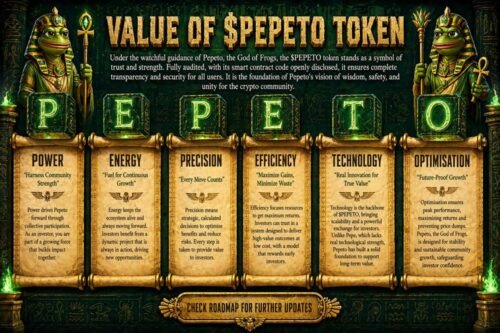
    A former Binance expert sits on the team and brought listing process knowledge most presale projects never access. Every contract passed a full SolidProof audit before the presale opened, and 171% APY staking runs live for anyone locking tokens through the listing window.

    The cofounder who built the original Pepe coin designed this Pepeto trading hub from the ground up, and that track record is not something any competitor can replicate no matter how much capital they raise.

    Pepe reached a cap above $6 billion carrying zero products and the same 420 trillion supply. Pepeto shares that founder, that supply, and adds a working exchange on top, so the floor math from presale to even a small share of that valuation is the return analysts project at 100x to 300x.

    The entry closes on listing day, and every wallet that positioned before that event captured a number the open market will never reproduce.

    Mutuum Finance

    Mutuum Finance runs a lending protocol presale that drew attention in DeFi circles. The project focuses on collateralized borrowing without a working product beyond testnet, and no third party audit matches what SolidProof delivered for Pepeto. The lending space already has Aave and Compound, and breaking through requires more than a pitch.

    BlockDAG

    BlockDAG raised capital around a Layer 1 claiming high throughput. The token sat near $0.00004 in May 2026 with projections pushing $1, but no mainnet launch date has been confirmed and the gap between claims and delivered product keeps widening. A strong presale requires proven code and a clear listing path, and BlockDAG has not shown either.

    Final Takeaway

    The ARMA bill proved that the US government treats Bitcoin as a permanent reserve asset, and that floor lifts every crypto project with real infrastructure. The market always pays the most to the earliest believers, and this window replaces the one that closed when Pepe listed and early wallets turned small entries into generational wealth. Millions entering the Pepeto presale during fear means those wallets expect the same outcome, and the Pepeto official website shows $10 Million committed while the best crypto presale 2026 entry is still open. The wallets inside entered when nobody was watching, and that is exactly how wealth got built in every cycle before this one.

    Click To Visit Pepeto Website To Enter The Presale

    FAQs

    What makes Pepeto the best crypto presale 2026 compared to other options available?

    Pepeto combines the original Pepe cofounder, a SolidProof audit, a live trading hub, and an approaching Binance listing. No other 2026 presale carries that combination.

    How does the ARMA Bitcoin Reserve bill affect presale entries in this market?

    The bill locks federal BTC for 20 years, removing supply and signaling permanent government support. That raises the floor under the entire market including presale entries like Pepeto.

    Is the best crypto presale 2026 window on Pepeto still open or is it too late?

    The presale remains open at the Pepeto official website but the entry price vanishes when the Binance listing arrives. Every day brings the window closer to closing.

    Disclaimer:
    This article is for informational purposes only and does not constitute financial advice. Cryptocurrency investments carry risk, including total loss of capital.

    All market analysis and token data are for informational purposes only and do not constitute financial advice. Readers should conduct independent research and consult licensed advisors before investing.

    Crypto Press Release Distribution by BTCPressWire.com

  • PI Network Price Prediction Drops to Oversold While Pepeto Stacks $10M Before a Listing thumbnail

    PI Network Price Prediction Drops to Oversold While Pepeto Stacks $10M Before a Listing

    PI Network social volume collapsed 97% in a single month while the token slid to $0.143, barely 13% above its all time low. The PI Network price prediction for 2026 now sits between $0.14 and $0.21, and traders expecting Protocol 23 to spark a rally are watching that catalyst fade.

    Those same traders scanning presale markets found a different setup entirely. Pepeto collected more than $10 Million with the original Pepe cofounder behind the build and an approaching Binance listing, and the returns from that entry make PI’s recovery math look flat.

    PI Sentiment Crashes and What the PI Network Price Prediction Faces This Cycle

    PI Network’s social engagement fell 97% over 30 days per CoinMarketCap, and the token tests support at $0.14 near its February low. OKX opened US access on May 21 per CoinMarketCap, adding an exchange but not enough buying to absorb 184 million tokens unlocking this month. Protocol 23 delivered smart contracts and PiDex, but adoption remains too slow to counter supply pressure.

    The PI Forecast and the Presale Forming Below It

    Pepeto

    PI’s exchange listing already happened and the price fell over 50% from its March high. Pepeto’s listing has not happened yet, and that gap between pre-listing entry and post-listing market is where the biggest returns in crypto get built.

    Pepeto operates as a full exchange where the presale entry sits at $0.0000001873, locking a position that grows because this number vanishes the moment public trading opens. The presale drew more than $10 Million from wallets placing capital before the window closes, with 171% APY staking adding yield while holders wait.

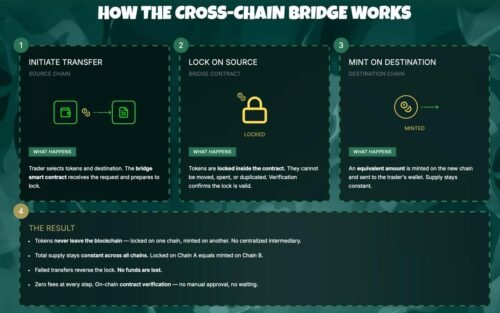
    The risk scorer checks every contract before tokens move through the exchange, flagging weak code so capital stays protected. The cross chain bridge sends tokens between networks without fees, so no value bleeds out during transfers.

    This is not another meme token chasing a name. The person who created the original Pepe coin built this from scratch, and every contract cleared a full SolidProof audit before the presale opened.

    Among every PI Network price prediction and altcoin forecast circling this month, the Pepeto presale is what analysts keep flagging because the entry to listing gap is wider than PI ever offered even on its strongest day.

    Pepe hit a cap above $6 billion with zero exchange tools and the same 420 trillion supply. Pepeto carries the same cofounder, the same token count, and a working exchange Pepe never had, so the math from this entry to a fraction of that cap is the return that turned early Pepe holders into wealth they wish was bigger.

    The wallets entering now lock a price that will not exist after listing day, and that is the difference between watching returns form and being inside when they arrive.

    PI Price Targets and Technical Levels

    PI trades at $0.143 on May 27, down over 50% from its March 2026 high of $0.30 and 95% below its all time high of $2.99 per CoinGape. The RSI sits near 28 and signals a possible bounce, but moving averages still favor sellers.

    CoinDCX forecasts a range of $0.145 to $0.169 through May, with resistance at $0.174 and support at $0.140. Over 200 million tokens unlock in coming weeks, adding pressure at the worst moment. Binance and Coinbase have not listed PI, and until that changes the recovery stays narrow while Pepeto offers a cleaner path to multiples PI cannot produce from here.

    Bottom Line

    PI’s social sentiment crashed 97% while over 200 million tokens prepare to unlock, and the PI Network price prediction shows a recovery that needs years of adoption to deliver. The right investment at the right time changes everything, and the same pattern visible in early Pepe wallets is forming around Pepeto before the crowd confirms it. The Pepeto presale at the Pepeto official website drew $10 Million because those wallets see the same cofounder, the same supply, and a listing window that converts today’s entry into real returns. Pepe exploded from nothing, the people who acted early made generational gains, and Pepeto built by the same cofounder with an approaching Binance listing is how that wealth gets built again right now.

    Click To Visit Pepeto Website To Enter The Presale

    FAQs

    What is the PI Network price prediction for 2026 and will it recover?

    The PI Network price prediction ranges from $0.14 to $0.21 based on current levels. Oversold signals may trigger a bounce but massive token unlocks cap the upside.

    Is Pepeto a better buy than PI Network at current prices?

    PI dropped 50% since March with billions in tokens unlocking. The Pepeto presale at the Pepeto official website gives entry before an approaching Binance listing PI has not received.

    Will PI Network reach $1 again in this market cycle?

    Reaching $1 needs major exchange listings and adoption that has not arrived. Pepeto offers faster return potential because the listing has not happened yet.

    Disclaimer:
    This article is for informational purposes only and does not constitute financial advice. Cryptocurrency investments carry risk, including total loss of capital.

    All market analysis and token data are for informational purposes only and do not constitute financial advice. Readers should conduct independent research and consult licensed advisors before investing.

    Crypto Press Release Distribution by BTCPressWire.com

  • WLFI Price Prediction Faces a Wall as Binance Rolls Out $13M Airdrop and Pepeto Crosses $10M thumbnail

    WLFI Price Prediction Faces a Wall as Binance Rolls Out $13M Airdrop and Pepeto Crosses $10M

    Binance just launched a $13 million reward program for WLFI stablecoin holders, and the WLFI price prediction still points to a token stuck 85% below its September 2025 peak. Early backers who paid $0.30 are watching $0.06 with no catalyst strong enough to close that gap this cycle.

    Traders scanning that drop and then pulling up the Pepeto presale are connecting numbers the rest of the market has not priced in. More than $10 Million committed before an approaching Binance listing, every contract cleared by SolidProof, and the original Pepe cofounder running the build.

    The Binance Airdrop and What Shapes the WLFI Price Prediction This Cycle

    Binance launched a $13 million WLFI token reward campaign on May 15, paying weekly distributions to anyone holding the project’s USD1 stablecoin through June 12 with a 1.2x boost for collateral positions according to CoinMarketCap. Weeks earlier, World Liberty Financial burned 100 million tokens worth $6.7 million as part of a vesting restructure per Grafa. Burns and airdrops slow the selling but do not reverse an 85% drawdown, and neither has pushed the token back toward $0.10.

    Where the WLFI Forecast and the Pepeto Presale Stand Right Now

    Pepeto

    The Binance campaign pays existing holders a fraction in bonus WLFI tokens. Pepeto is offering something that reward program cannot touch, because every presale entry sits below a listing that turns each wallet into an exchange position at multiples no airdrop will match.

    Pepeto runs a full presale platform where the entry locks at $0.0000001873, and every dollar committed before listing day builds a larger position because this price disappears once the token hits public markets. More than $10 Million already sits in the presale, with 171% APY staking running live for holders who lock tokens through the listing window.

    PepetoSwap handles zero fee trades on the platform right now, and the cross chain bridge moves tokens between networks at zero cost so no wallet loses value on the wrong chain.

    This is not just another token riding a famous name. The cofounder who built the original Pepe coin designed every contract, and SolidProof audited the codebase before the first dollar entered.

    Among every WLFI price prediction and large cap forecast circling this week, the Pepeto presale is the one analysts keep flagging because the gap between presale entry and expected listing value is wider than anything else on the market.

    Pepe reached a cap above $6 billion with zero products and the same 420 trillion supply. Pepeto carries the same founder, the same token count, and a live exchange Pepe never built, making the math from this entry to even a fraction of that cap the return that keeps wallets loading.

    The entry stays open until the listing shuts it, and the wallets moving today locked in a price the public market will never offer.

    WLFI Price Prediction

    WLFI is trading near $0.06 on May 27, down 85% from its all time high of $0.46 according to CoinMarketCap. The Binance airdrop and token burn slowed selling, but 62 billion tokens are authorized for unlocking under a governance proposal with a two year cliff before holders can touch them.

    Coinpedia projects a range between $0.30 and $0.80 for 2026 under bullish conditions, while bearish forecasts cap any bounce below $0.15. USD1 stablecoin adoption is a real step forward, but the gap between $0.06 and breakeven needs a shift in sentiment that no current catalyst has delivered, making the Pepeto presale a faster route to returns.

    Conclusion

    Binance just proved that WLFI needs serious outside support by committing $13 million around a token still stuck 85% off its peak. The WLFI price prediction has real analysts watching for recovery, but that path does not come close to what sits open at the Pepeto presale right now. The Pepeto official website shows more than $10 Million committed, the original Pepe cofounder behind every contract, and a listing approaching fast. The presale price available today does not exist next week, and every wallet that built wealth in crypto made one choice: they moved today while the entry was open instead of waiting for a moment that had already passed.

    Click To Visit Pepeto Website To Enter The Presale

    FAQs

    What is the current WLFI price prediction and how does the Binance airdrop change it?

    The WLFI price prediction ranges from $0.30 to $0.80 for 2026 in bullish scenarios. The airdrop supports demand but has not reversed the 85% drawdown.

    Is the Pepeto presale a stronger entry than buying WLFI at current prices?

    WLFI sits 85% below its peak with billions in tokens locked. The Pepeto presale at the Pepeto official website offers entry before a listing WLFI already completed.

    Will the WLFI token recover enough to return profits for early holders?

    Recovery depends on USD1 stablecoin adoption and governance growth. Pepeto carries higher upside because the listing has not happened and the presale entry vanishes when it does.

    Disclaimer:
    This article is for informational purposes only and does not constitute financial advice. Cryptocurrency investments carry risk, including total loss of capital.

    All market analysis and token data are for informational purposes only and do not constitute financial advice. Readers should conduct independent research and consult licensed advisors before investing.

    Crypto Press Release Distribution by BTCPressWire.com

  • The Cryptocurrency News Nobody Expected as Fear Hits 25 and Pepeto Crosses $10 Million Anyway thumbnail

    The Cryptocurrency News Nobody Expected as Fear Hits 25 and Pepeto Crosses $10 Million Anyway

    The cryptocurrency news cycle shifted from cautious to scared this week as the Fear and Greed Index dropped to 25, marking extreme fear across the entire market. The global crypto market cap fell to $2.62 trillion with trading volume jumping to $98.6 billion, driven by panic selling that pushed Bitcoin below $75,000 and Ethereum under $2,074. Every cycle in crypto history shows that extreme fear is where the biggest positions get built. Pepeto has raised more than $10 Million from a growing community during this period, and a Binance listing is approaching.

    Cryptocurrency News Flashes Extreme Fear as Market Cap Drops to $2.62 Trillion

    The crypto Fear and Greed Index fell to 25 on May 27, down from 34 just one day earlier, showing panic spreading faster than the price drop according to CoinGabbar. Bitcoin spot ETFs posted $334 million in outflows on May 26, roughly 4,320 BTC leaving in one session according to CryptoBriefing. That fear level sits at the same point that preceded every major recovery in 2023, 2024, and early 2026.

    Fear Driven Selling and the Presale That Keeps Adding Capital

    Pepeto

    The cryptocurrency news reads like a warning, but the presale numbers tell the opposite story, and every past cycle proved that entries built during fear produced the returns everyone talks about afterward. Pepeto is a marketplace built to give those entries a place to trade, bridge, and protect capital from the risks that panic sellers run from right now.

    And the tools are live today, processing real activity while the index sits in extreme territory. The cross chain bridge transfers tokens between networks at zero cost, and PepetoSwap runs trades without fees, which means capital entering now stays complete instead of shrinking through charges. The marketplace operates without delays so positions fill at the prices shown.

    The community pushed more than $10 Million into the presale during conditions most projects cannot survive, and that conviction is what marks the difference between positions that produce returns and positions that collapse under pressure.

    Holders staking tokens earn 171% APY, so every day inside the presale adds to the position before the listing opens.

    The listing is the event that reprices everything, and at $0.0000001873 the presale entry is what makes that repricing turn into a number most portfolios never see from one position. The SolidProof audit verified every contract, and the cofounder who built the original Pepe coin designed a token with 420 trillion supply and a marketplace with working tools Pepe never offered.

    The Binance listing is approaching, and the presale price disappears when trading starts. Every cycle produces winners who entered during fear and collected during recovery, and the cryptocurrency news today looks exactly like the moment those winners describe when they tell the story.

    Ethereum (ETH)

    ETH trades at $2,074 with a $254 billion market cap, holding above the $2,000 support that has acted as a floor since April according to CoinMarketCap. Ethereum spot ETFs logged $35 million in outflows on May 26, part of the cryptocurrency news cycle driving institutional caution after eight sessions of net withdrawals. The network still runs the largest DeFi system, but the $254 billion size means a 2x needs another $254 billion in new capital, a level that would take months of sustained momentum to reach.

    BlockDAG

    BlockDAG is a presale project promoting a hybrid consensus model, but the technical claims remain unverified by third party auditors. The project ran through multiple presale phases with rising token prices, a structure that rewards early marketing more than product delivery. Without a confirmed exchange listing or a public audit from a recognized firm, the risk sits higher than the marketing suggests.

    Closing Thoughts

    The market needed extreme fear to push the index to 25, and the cryptocurrency news is full of outflows and selling pressure. Pepeto only needs the listing, and the $10 Million that arrived during this fear proves the wallets inside are not guessing.

    Every cycle produces a group that entered during fear and collected during recovery, and the listing separates wallets that entered from everyone who reads about them afterward. The Pepeto official website is where the entry still exists at a presale price the listing removes forever. Missing this entry while the cryptocurrency news screams fear is the setup every past cycle turned into regret, because the wallets that moved while the market panicked are always the ones the recovery rewarded most.

    Click To Visit Pepeto Website To Enter The Presale

    FAQs

    What does the cryptocurrency news say about market conditions?

    The Fear and Greed Index hit 25 on May 27 with Bitcoin ETFs posting $334 million in outflows, marking extreme fear across the crypto market.

    Why is Pepeto raising capital during extreme fear?

    More than $10 Million raised proves the community calculated the listing outcome, and the Pepeto official website is where the entry still exists at presale price.

    Is extreme fear a good time to buy crypto?

    Every cryptocurrency news cycle that reached extreme fear preceded a recovery, and presale entries during those periods delivered the largest returns once markets turned.

    Disclaimer:
    This article is for informational purposes only and does not constitute financial advice. Cryptocurrency investments carry risk, including total loss of capital.

    All market analysis and token data are for informational purposes only and do not constitute financial advice. Readers should conduct independent research and consult licensed advisors before investing.

    Crypto Press Release Distribution by BTCPressWire.com

  • Could Pepeto Be the Best Crypto to Invest in as the Clarity Act Clears the Senate and SOL Holds $84 thumbnail

    Could Pepeto Be the Best Crypto to Invest in as the Clarity Act Clears the Senate and SOL Holds $84

    Washington just gave crypto its biggest regulatory win in years, and the best crypto to invest in right now depends on whether money flows into large caps that already priced the news or into presale entries the listing has not touched. The Senate Banking Committee passed the Clarity Act on May 14 by a 15 to 9 bipartisan vote, creating the first real framework for digital assets in the United States. SOL sits at $84 and ETH holds $2,074, both steady but too large to multiply from one catalyst. Pepeto raised more than $10 Million with a former Binance expert on the dev team and a Binance listing approaching.

    Best Crypto to Invest in After the Clarity Act Passes Senate Committee

    The Senate Banking Committee advanced the Digital Asset Market Clarity Act on May 14 in a 15 to 9 vote, the first major crypto regulation bill to clear a Senate committee according to CoinDesk. Bitcoin jumped to $81,965 on the news before pulling back, and Coinbase stock surged 9.1% in a single session according to Yahoo Finance. The bill still needs a full Senate floor vote and reconciliation with the House version, but the market treated the committee vote as a turning point for institutional confidence.

    Regulatory Clarity and the Entries Positioned to Gain the Most

    Pepeto

    The Clarity Act moving forward signals that the rules are finally being written, but the best crypto to invest in during a regulatory shift is not the asset sitting at a $48 billion or $250 billion market cap. Pepeto is a trading hub built for wallets that want the entry the listing has not priced yet.

    The tools are live today, with holders trading on them while this article loads. PepetoSwap handles trades without charging fees so capital stays whole on every buy and sell, and the risk scorer scans contracts before money enters, which means your wallet only touches verified tokens while others discover the scam after the loss. The trading hub runs clean and fast so positions open and close before the market shifts.

    A former Binance expert sits on the dev team, and that experience from inside the world’s largest exchange is why analysts project returns that could turn a small entry into six figures from the current price. The SolidProof audit verified every contract, and that proof sits on chain for anyone to check.

    Holders staking during the wait earn 171% APY, so the position grows while the timeline moves forward.

    Pepeto is priced at $0.0000001873 with more than $10 Million raised during a stretch the Fear and Greed Index scored at 25. Smart money does not enter during extreme fear unless the math checks out. The Binance listing is approaching, and the presale price vanishes the moment trading begins. Early holders who followed whale signals in past cycles all wish they committed more, and that same signal flashes right now with verified tools and a clear listing path.

    Solana (SOL)

    SOL trades at $84 with a $48 billion market cap, down 71% from its $295 all time high according to CoinMarketCap. The network processes over 4,000 transactions per second and real world asset activity crossed $1.8 billion on chain. SOL has real speed and adoption, but the $48 billion size means a 2x takes $48 billion in new capital, while the presale multiplier comes from a fraction of that demand.

    Mutuum Finance

    Mutuum Finance is a DeFi lending presale that raised capital through multiple stages, but the project carries risks common to early lending protocols. The model relies on liquidity untested under market stress, and the supply distribution dilutes early entrants before the protocol reaches meaningful volume. Verified contracts and a clear listing path separate the entries that deliver from the ones that stall between fundraising and launch.

    The Verdict

    The Clarity Act needed months of negotiation and a bipartisan vote to move one step closer to law, and the large caps barely held their gains. What Pepeto needs is one event, the listing, and the $10 Million that accumulated during extreme fear shows the outcome was calculated before the rest caught on.

    Early holders who followed whale signals into past presales all wish they committed more, and that same signal flashes now with a former Binance expert and SolidProof behind every contract. The Pepeto official website is where the entry still exists before the listing turns it into the return the market chases at a premium. The Clarity Act gives crypto a future, but the presale is where that future pays the most, and missing it means watching the wallets that entered during fear collect what hesitation left behind.

    Click To Visit Pepeto Website To Enter The Presale

    FAQs

    What is the best crypto to invest in after the Clarity Act?

    The Clarity Act creates regulatory confidence, and presale entries with verified contracts like Pepeto offer the largest upside before exchange listings arrive.

    How does the Clarity Act affect crypto prices?

    Bitcoin jumped to $81,965 when the Senate committee voted 15 to 9, and the Pepeto official website saw increased traffic as regulatory clarity boosted presale confidence.

    Why are wallets entering Pepeto during extreme fear?

    More than $10 Million raised at a Fear and Greed score of 25 proves smart money calculated the listing outcome, and the presale price ends when trading begins.

    Disclaimer:
    This article is for informational purposes only and does not constitute financial advice. Cryptocurrency investments carry risk, including total loss of capital.

    All market analysis and token data are for informational purposes only and do not constitute financial advice. Readers should conduct independent research and consult licensed advisors before investing.

    Crypto Press Release Distribution by BTCPressWire.com

  • Dogecoin News Brings First ETF to Wall Street While Pepeto Presale Quietly Crosses $10 Million thumbnail

    Dogecoin News Brings First ETF to Wall Street While Pepeto Presale Quietly Crosses $10 Million

    The biggest dogecoin news of 2026 arrived when 21Shares launched the first SEC approved spot DOGE ETF on Nasdaq under the ticker TDOG in January. DOGE sits near $0.102 with a $15.7 billion market cap and ETF inflows building week after week. That access matters for long term holders, but a $15 billion token cannot deliver the return a presale entry makes possible. Pepeto raised more than $10 Million before listing on any exchange, built by the same cofounder behind the original Pepe coin, and a Binance listing is approaching.

    Dogecoin News Turns Institutional as TDOG ETF Logs Weekly Inflows

    The 21Shares Dogecoin ETF began trading on Nasdaq as the first SEC approved spot DOGE product according to Fintool. The SEC and CFTC classified Dogecoin as a digital commodity in March 2026, clearing the legal uncertainty that kept institutions away according to CoinGecko. Spot DOGE ETFs have logged positive net inflows for three straight weeks, and the dogecoin news flow now includes Bollinger Band setups pointing to a 27% breakout from the $0.105 level. That institutional access creates a floor under the token that did not exist six months ago.

    DOGE Institutional Momentum and the Presale Outpacing Large Cap Returns

    Pepeto

    The latest dogecoin news confirms DOGE earned its place in regulated portfolios, but a $15.7 billion market cap means the biggest gains from ETF access already priced in. Pepeto is a full exchange built to deliver the kind of returns that meme coins used to offer before they grew too large to multiply.

    And the tools are live right now, with holders trading on the data as this page loads. The cross chain bridge moves capital between networks without charging a fee, and the risk scorer checks every contract before money goes in, which means the entry stays protected instead of landing on unverified tokens. The exchange runs through a layout designed for speed, so every trade executes before the price moves against the position.

    Holders who keep tokens locked earn 171% APY, so capital compounds while the listing plays out.

    The cofounder who built the original Pepe coin is behind this project, and that track record is why the listing math points to the kind of gain that reshapes a portfolio from a single presale position. Pepe reached a multi billion dollar market cap with zero products. Pepeto carries the same 420 trillion supply and a working exchange that Pepe never had, which makes the current valuation the floor and not the ceiling.

    Pepeto is priced at $0.0000001873 with more than $10 Million raised, and the dogecoin news about ETF inflows looks steady while this presale adds capital during a period the Fear and Greed Index marks as extreme fear. The Binance listing is approaching, and the presale price ends the moment trading goes live. The last stage filled faster than expected, and the wallets rushing in now are the ones the listing rewards while everyone else pays more on the open market.

    Dogecoin Price Prediction

    DOGE trades at $0.102 with a $15.7 billion market cap, holding steady above the $0.10 support that the Bollinger Band middle line reinforces according to CoinMarketCap. The TDOG ETF has seen three consecutive weeks of net inflows that made dogecoin news globally, and the SEC commodity classification opens the door for more DOGE products from Bitwise and Grayscale. Cryptopolitan projects an average DOGE price of $0.16 for 2026, with a year end peak near $0.19 according to Cryptopolitan. Dogecoin broke above a long term descending trendline in May, signaling a structure shift that could target the $0.139 upper band for a 27% move. That shift from selling to accumulation is what preceded every major DOGE rally since 2021.

    The Final Takeaway

    DOGE needed SEC approval and a Wall Street product to attract institutional money, and the price sits at $0.10 after all of it. The listing is all Pepeto needs, and $10 Million flowing in during extreme fear tells the story of where conviction landed.

    The latest dogecoin news proves institutional backing is real, but the presale price is the entry that turns into the return everyone chases after the listing, and getting in now means being on the side that collects. The Pepeto official website is where that entry still exists at less than a fraction of a penny, and every day the presale fills faster because the listing draws closer. The dogecoin news gave DOGE a floor, but the presale offers the ceiling a $15 billion token cannot reach.

    Click To Visit Pepeto Website To Enter The Presale

    FAQs

    What is the biggest dogecoin news in 2026?

    The 21Shares TDOG ETF launched on Nasdaq as the first SEC approved DOGE product, and the SEC also classified DOGE as a digital commodity in March 2026.

    Why is Pepeto raising millions while DOGE gets institutional access?

    More than $10 Million raised during extreme fear shows wallets calculated the listing outcome, and the Pepeto official website is where the entry still exists at presale price.

    Is Pepeto a better entry than Dogecoin right now?

    Pepeto at presale price offers a multiplier that DOGE at $0.10 with a $15.7 billion market cap cannot match, and the Binance listing approaching turns the entry into returns.

    Disclaimer:
    This article is for informational purposes only and does not constitute financial advice. Cryptocurrency investments carry risk, including total loss of capital.

    All market analysis and token data are for informational purposes only and do not constitute financial advice. Readers should conduct independent research and consult licensed advisors before investing.

    Crypto Press Release Distribution by BTCPressWire.com

  • Why Your API Tokens Are a Security Risk You Cannot Afford to Ignore


    SikkerKey — Secrets Management with Secure Machine Authentication


    Last year, a well-known software company traced a major data breach back to a single API key sitting in a private GitHub repository. The repository had been accessed by a third-party contractor months earlier. Nobody noticed. By the time the key was rotated, customer data had already been copied. Stories like this one play out across the industry constantly, and yet most engineering teams are still running on the same credential model that made the breach possible in the first place. SikkerKey was built around a different premise entirely, and it is worth a close look for any team that manages infrastructure seriously.

    The problem is not that developers are careless. Most teams have scanning tools, rotation policies, and access reviews. The problem is structural. Bearer tokens are designed to be copied, stored, and passed around. That is what makes them convenient. It is also what makes them dangerous. No amount of process discipline fully closes the gap when the credential itself is transferable by design.

    Tokens Leak Because They Are Meant To Travel

    Think about what happens when a new service needs access to a database. Someone creates a token, drops it into an environment variable, and commits a deployment config. A week later a junior developer copies the config to set up a staging environment. The token is now in two places. Then someone pastes it into a Slack message to help debug a connection issue. Now it is in three places, one of which is a chat platform with its own retention policies and access controls you do not manage.

    However, rotation is the classic solution, but rotation has its drawbacks. Services have to be maintained, coordination needs to happen between all the parties involved, and there needs to be someone responsible for fixing all issues that might arise once the old token stops functioning. It often turns out that tokens that should only last 30 days run for six months due to coordination issues around the product launch. The security policy exists on paper. The credential does not match it.

    Scope is the other issue. Whereas a token is used to gain access to a particular project, it is likely to give access to everything within the project. A system that relies on one password for database authentication will have a credential that would read Stripe credentials and any other credential stored with it. A compromised token is rarely a small problem.

    What It Looks Like When the Machine Is the Credential

    SikkerKey does not issue tokens to machines. In fact, each device creates its own Ed25519 key pair when registering with the platform. The private key remains at the device level. Each time the device wants to access a secret, it signs its request using the private key. The signature includes information about the method, path, body of the request, timestamp, and unique nonce value. After a single use, the signature becomes worthless; it cannot be reused or passed onto any other device.

    This is the same trust model that SSH has used for decades. The credential is not a string that can be copied and pasted somewhere else. It is proof that a specific machine sent a specific request at a specific moment in time. If someone intercepts the request, they have a signature for a transaction that has already happened. There is nothing in that request they can use to make another one.

    When the private key never leaves the machine, there is nothing for an attacker to find in a log file, a build artifact, or an environment variable. The leak surface is gone, not reduced.

    For teams that have spent time trying to reduce token exposure through scanning and rotation, this is a meaningful shift. You are not building better fences around the same problem. You are working with a model where the most common attack paths simply have nothing to find.

    Every machine gets only what it actually needs.

    Authentication is one part of the picture. Access control is the other. SikkerKey ties each machine to specific secrets through explicit grants. There are no project-wide permissions, no inheritance, no wildcards. A CI runner that needs to read a deployment key gets access to that key and nothing else in the vault. If that runner is somehow compromised, the attacker has access to one secret on one project. The damage is bounded by design rather than by accident.

    The canary feature takes this further. You can plant a decoy secret inside any project that looks identical to a real credential from the outside. The moment any machine reads it, the entire project locks down automatically in the same database transaction. There is no delay, no alert queue, no human in the loop. The first unauthorized read triggers an immediate response. For teams protecting high-value credentials, that kind of automatic containment is genuinely hard to build on your own.

    On top of that, access policies let you add time-window restrictions, IP allowlists, per-day read caps, and co-sign requirements for sensitive credentials. These stack independently and can be attached to any secret without restructuring anything else in the project.

    CI Runners, Short-Lived Pods, and AI Tooling

    Ephemeral infrastructure is where token-based secrets management tends to fall apart fastest. CI runners spin up for a few minutes and disappear. Giving each one its own token is impractical, so teams usually hand out a shared service token that covers the whole pipeline. One compromised runner means a live credential that works for every other runner on the fleet, often for months.

    SikkerKey handles this through enrollment tokens. You generate a bootstrap token from the dashboard, configure the grants and policies it should receive, and set a maximum lifetime. When a new runner starts, it calls the bootstrap endpoint, generates its own keypair, and registers automatically. The enrollment token expires after first use. Each runner has its own cryptographic identity from the first request it makes, and that identity expires when the runner does.

    AI coding agents get their own identity class entirely. Claude Code, Codex, Cursor, and similar tools can be given scopes to manage vault operations, create machines, configure policies, and read audit logs. Reading the actual plaintext value of a stored secret is not on the list of available scopes. That capability does not exist for agents at the route and database layer, which means there is no permission setting or misconfiguration that could grant it. Engineering teams can give their AI tooling real operational access to infrastructure without opening up the secrets themselves.

    Plans, Pricing, and Who Uses It

    There is a permanent free tier that covers two machines, two projects, and twenty secrets, with seven days of audit log retention. It does not expire and does not require a credit card. The Pro plan runs 25 dollars a month for unlimited machines, projects, and secrets, with five team members and three months of audit history. Enterprise is 75 dollars a month, removing team size limits and extending audit retention further. The pricing is flat; there are no per-read charges, per-secret fees, or seat costs that show up at the end of the billing cycle.

    This product is intended for DevOps professionals, developers, and system administrators who are handling credentials within actual infrastructure. The method of doing so is identical on AWS, GCP, bare metal, and even on a physical rack in your own data center since the authentication process relies on a key pair stored locally on your machine, as opposed to a cloud identity provider.

    A Different Starting Point

    Most of the tooling built around credential security in recent years has been reactive. Scanners look for tokens that have already leaked. Rotation systems clean up credentials that have already been sitting around too long. Monitoring catches suspicious usage after access has already happened. These tools are valuable, but they are all responding to the same underlying design decision: credentials that travel.

    SikkerKey starts from the other end. Where the key resides exclusively on the machine that created it, the elements that contribute to the danger of token security are irrelevant. There is nothing to search for in a code repository, nothing to rotate at periodic intervals, and nothing to be harvested from the logs. The attack surface that the rest of the tooling is trying to manage gets removed from the architecture instead of patched around. For teams that have been through a credential incident or are trying to get ahead of one, that is a meaningfully different place to start. Full documentation and a free account are available at sikkerkey.com.