New York, NY – Enhanced language capabilities strengthen accessibility and improve user experience for clients across global markets
iPayr, a provider of automated financial technology solutions, today announced the expansion of its multilingual support capabilities as part of the company’s ongoing commitment to serving a growing international client base. The initiative is designed to improve accessibility, communication, and user experience for clients operating in diverse regions around the world.
As financial technology adoption continues to accelerate globally, businesses increasingly require platforms and support resources that can accommodate users across multiple languages and geographic markets. The expanded multilingual support program enables iPayr to better serve clients by providing enhanced communication options and a more accessible user experience.
The latest expansion includes additional language support across key customer-facing resources, helping users more effectively access information, navigate platform features, and engage with support services. By reducing language barriers, iPayr aims to create a more seamless experience for clients regardless of their location.
“Our client community continues to become more international, and expanding multilingual support is a natural step in our growth strategy,” said a spokesperson for iPayr. “We are committed to making our technology and support resources more accessible to users worldwide while continuing to deliver a consistent and high-quality experience across all markets.”
The company has experienced increasing engagement from users across multiple regions, reflecting broader global interest in financial automation technologies and digital trading solutions. As part of its long-term development roadmap, iPayr continues to invest in infrastructure, user experience improvements, and international accessibility initiatives designed to support sustainable global growth.
The enhanced multilingual capabilities represent another milestone in iPayr’s efforts to strengthen its international presence while maintaining a focus on user accessibility and customer satisfaction. The company plans to continue evaluating additional language and localization opportunities as it expands its worldwide reach.
As technology companies increasingly serve geographically diverse audiences, multilingual communication has become an important component of customer engagement and service delivery. iPayr’s latest initiative reflects the company’s recognition of the growing importance of accessible technology solutions in today’s interconnected global marketplace.
For more information about iPayr and its financial technology solutions, visithttps://ipayr.com.
About iPayr
iPayr is a technology company focused on providing automated financial technology solutions and innovative digital tools designed to support users across multiple markets. Through continuous investment in technology, accessibility, and user experience, iPayr delivers scalable solutions for a growing global client base.
On June 3, three of crypto’s biggest names threw money at a single idea. BNB Chain, CoinMarketCap, and Trust Wallet opened a three-week, $36,000 hackathon called BNB HACK: AI Trading Agent Edition, asking builders to ship bots that read the market, decide, and trade on-chain without a human pulling the trigger.
When infrastructure giants pay developers to prove a thesis, retail tends to follow the money. That spotlight is part of why MemeToro ($MT), an AI-agent project running on the same BNB Chain rails, is getting a second look from people hunting the best crypto presale this cycle.
What the Hackathon Actually Signals
The contest runs June 3 to 21, with a live trading week from June 22 to 28 and winners named July 6. It splits into two tracks: Autonomous Trading Agents with a $24,000 pool, and Strategy Skills with $6,000, plus three partner awards of $2,000 each.
The takeaway is bigger than the prize. The industry is now betting that AI agents, not human traders glued to charts, are the next interface for on-chain markets. That is the exact lane MemeToro built itself into before the hackathon made it a headline.
Where MemeToro Fits the Picture
MemeToro is not a single tool. It is an all-in-one ecosystem on BSC that bundles an autonomous AI agent for fair-launch memecoin creation, a built-in DEX with PancakeSwap auto-listing, prediction markets, and social rewards under one wallet connection.
The AI agent is the part that rhymes with the hackathon theme. It scans live data, spots a narrative as it forms, and mints a fair-launch memecoin before the trend cools, no developer required. For a retail reader, that means less time hunting the next big crypto presale manually and more time acting on it.
The Utility Behind the $MT Token
$MT powers every action on the platform: trading fees, prediction stakes, swaps, and eventually governance. Total supply is fixed at 1.2 billion, with half set aside for the public sale.
For holders who prefer patience over screen time, staking advertises up to 35% APR. That yield is emission-driven rather than revenue-backed, so it scales with platform growth rather than guaranteeing a fixed payout. Worth understanding before you treat it as a savings account.
How to Join the Presale
Getting in takes a few minutes if your wallet is funded. Stage 1 is live at $0.00125 per token, and the price steps up each time a USDT milestone is hit, so later stages cost more.
Connect MetaMask, Trust Wallet, or any WalletConnect-compatible wallet.
Choose your amount and pay with USDC or another supported crypto.
Public sale buyers receive their full $MT at launch with no vesting, which is rare and gives early participants immediate liquidity instead of a months-long unlock.
Why Timing Matters Here
Early-mover advantage is the whole argument for any high potential presale crypto. Buy before the platform launches and CEX listings arrive, and your entry price is the floor others build on. Buy after, and you are paying for someone else’s patience.
The BNB Hack does not endorse MemeToro, and $MT is not a confirmed entrant. What the event does is validate the category, and a top crypto presale riding a category the industry is actively funding tends to attract attention faster than one fighting for relevance.
Final Word
MemeToro ($MT) has a working thesis, a live presale at $0.00125, and timing that lines up with where serious infrastructure money is flowing.
If autonomous trading agents are the future the hackathon implies, the best presale crypto bets are the ones positioned early in that shift.
Disclaimer:
This article is for informational purposes only and does not constitute financial advice. Cryptocurrency investments carry risk, including total loss of capital.
All market analysis and token data are for informational purposes only and do not constitute financial advice. Readers should conduct independent research and consult licensed advisors before investing.
New marketplace gives brands in crypto, finance, SaaS, Health and heavy machinery direct access to more than 1,500 vetted publishers worldwide for guest posts, niche edits, and wire distribution, with every option, price, and metric shown upfront.
LONDON, United Kingdom, June 4, 2026 — TS Newswire, a property of TS Vive Media Ltd, today announced the launch of a combined press release distribution and guest post marketplace built for brands that need placement on premium tier-1 and tier-2 outlets. The platform brings wire distribution, sponsored editorial, and niche edits into a single ordering system backed by a publisher network of more than 1,500 outlets across global and Indian media.
For years, brands have had to manage press release distribution, guest posting, and link placements through separate vendors with inconsistent vetting and unclear pricing. TS Newswire consolidates these into one marketplace where buyers can browse verified outlets, review domain metrics, and place orders for guest posts, niche edits, or full wire distribution from the same dashboard.
One workflow for three placement types
The marketplace is built around three core services that previously required different vendors. Press release distribution sends a brand’s news across the wire network and into recognized financial newswires, trade publications, and regional media. The guest post marketplace lets brands commission and place sponsored editorial on niche-relevant publications. Niche edits, sometimes called link insertions, add contextual links into existing, already-indexed articles for faster discovery.
Buyers move through a single flow: filter the inventory by sector, language, region, and domain metrics; preview the publication and its pricing before committing; place the order; and track it to publication. Because pricing and metrics are visible before checkout, brands can plan a full campaign without back-and-forth quotes or surprise fees.
Vetting and quality control
Every publisher in the network is reviewed before it is listed, and the catalog is screened to keep out content farms and low-quality link networks. Orders pass through an approval process designed to protect both buyers and outlets, and editorial work is produced to publication standards rather than left to inconsistent freelance sourcing. The result is an inventory that brands can use for both visibility and durable, editorially sound placements.
Built for high-intent verticals
The marketplace covers high-demand sectors including crypto and Web3, finance, iGaming, SaaS, health, and heavy machinery and industrial PR. These are categories where credible, well-placed coverage is hard to source and where generic distribution rarely reaches the right audience.
Crypto and Web3 brands get access to publishers familiar with the sector’s compliance sensitivities and fast news cycles. Finance and fintech companies can target business and investor-facing outlets. Heavy machinery, construction, and industrial manufacturers reach trade media that decision-makers actually read, a segment most consumer-focused wire services overlook. Each sector has a dedicated landing experience so buyers can see relevant inventory and pricing without wading through unrelated outlets.
Global reach with dedicated Indian onboarding
TS Newswire serves clients worldwide and maintains dedicated onboarding for the Indian market alongside its international roster, giving brands a single point of access whether they are publishing in Mumbai, London, Singapore, or New York. The network spans more than 1,500 tier-1 and tier-2 outlets across multiple languages and regions. Brands can create an account and browse the inventory at https://tsvivemedia.com/register.
The company has distributed more than 30,000 press releases since 2020. Guidance on distribution strategy and outlet selection is available on the TS Newswire blog, including a guide to earning placements on major financial outlets (read it here) and a guide to securing features in leading Indian media (read it here).
“Buyers kept asking for fewer middlemen and pricing they could actually see before they committed,” said Vivek Sharma, Founder and CEO of TS Newswire. “This marketplace puts wire distribution, guest posts, and niche edits in one place, with the publisher metrics on screen, so a founder can plan a full campaign in an afternoon instead of chasing five different vendors.”
The guest post marketplace and full inventory are available now to new and existing clients at https://tsvivemedia.com/register.
About the Founder
Vivek Sharma founded TS Newswire after years on the buyer side of PR, working as a growth marketer who was repeatedly frustrated by hidden pricing, inconsistent content, and agencies that promised more than they delivered. He watched misaligned incentives drain client budgets: agencies sold retainers rather than results, wire services pushed releases with no targeting, and “guaranteed placement” providers would not show clients what they were buying until after payment.
That experience shaped how TS Newswire operates. The client dashboard surfaces every placement option, price, and metric upfront. Content is produced to editorial standards rather than left to inconsistent freelance work. Publisher partnerships are structured to give clients access to real publications instead of content farms. Under Vivek’s leadership, the company has grown from a one-person operation into a platform serving clients across multiple industries.
“I built the platform I wished existed when I was the one writing the cheque. Every feature, from the dashboard to the AI writer to the transparent pricing, exists because I was burned by the alternative,” said Vivek Sharma, Founder and CEO of TS Newswire.
About TS Newswire
TS Newswire, a property of TS Vive Media Ltd (United Kingdom), is a press release distribution and digital PR platform serving the crypto, iGaming, SaaS, fintech, finance, health, and industrial sectors. Through its guest post marketplace and wire network of more than 1,500 tier-1 and tier-2 outlets, the company helps brands publish news, secure sponsored editorial, and place niche edits across global and Indian media. Since 2020 it has distributed over 30,000 press releases.
A few years back, a colleague of mine set a goal to meditate every morning before work. She bought a journal, cleared a small corner of her bedroom, downloaded two different apps, and lasted about nine days. Not because she did not care or was not trying, but because meditating alone at 6am, with the day already pressing in, turned out to be harder than she expected. What finally got her into a consistent practice was not a better app or a stricter schedule. It was a neighbor who invited her to a Saturday morning group in the local park. She has been going for three years. That shift, from solitary practice to sitting with others, is something a lot of people in the mindfulness community have quietly noticed, and it is increasingly the focus of apps and platforms, includingPinealage, that are trying to make in-person group meditation easier to find and easier to keep doing.
Why Solo Meditation Rarely Sticks
Let us be honest about something. The idea of meditating alone every morning sounds manageable until you are actually living it. There is no one waiting for you. No one knows if you skipped. The cushion just sits in the corner, not caring if you use it or not. Most days, there are ten other things wanting the same twenty minutes, so picking one is tough.
This is not a discipline problem, though it tends to get framed that way. The issue is structural. Solo habits, particularly those with delayed or invisible rewards, are genuinely difficult to sustain without some kind of external anchor. We know this from decades of research on behavior change. People who exercise with a partner show up more consistently than those who go alone. People in book clubs actually finish the books. Having friends on board makes it way harder to quit than going it alone; social bonds boost habit-sticking power in a big way.
Meditation is especially vulnerable to this problem because the benefits are gradual and internal. You cannot easily measure progress or show results to anyone. When the going gets repetitive, as it does, there is very little holding you in place. The home is full of distractions, laundry, notifications, and noise. That’s why so many people start strong, then fade out. They restart, but the cycle repeats itself.
What Changes When You Meditate With Others
Accountability That Does Not Feel Like Pressure
Group practice offers a subtle form of accountability, not the intense tracked-progress type but a milder, still-effective kind. So people stay motivated without constant checking. More like the social gravity that comes from knowing a few people are expecting to see you at a particular place on a particular morning. You got dressed. You made the effort to travel there. Once you sit down for your solo session, the hardest part is done, because that’s usually where things fall apart.
Lots of folks who struggle to focus alone for ten minutes discover they can pay attention for thirty or forty minutes in a group with ease. Being with others creates a comfy setting where the task doesn’t feel forced. Instead, it just happens naturally along with everyone else. So a group setting makes concentrating feel more relaxed and normal.
The Shared Silence Is Different
It sounds odd to suggest that silence feels different depending on who’s in the room, but ask someone who’s tried both, and they’ll likely agree. Being quiet when you’re alone can make you feel restless or anxious pretty quickly. But sitting quietly with a bunch of strangers feels different because everyone’s connected by this shared aim, to just be silent together. Everyone has put their phone away. Everyone made the same choice to be there. That unspoken agreement creates a kind of container that the solo experience simply does not have.
The Habit Actually Continues
When a group becomes a regular fixture in your week, the dynamic around missing it changes. When it becomes not just a personal goal but something you’re part of, that sense of belonging takes over. You join a tiny community that shows up and does the work together. This feeling lasts longer than using willpower alone. It is also one of the reasons that people who find “reliable meditation groups near me” searches tend to cite the community aspect as the main reason they stayed, often more than the meditation itself.
The Research Worth Knowing About
The science on meditation is legit, but it’s often overstated, so let’s stay balanced. The National Center for Complementary and Integrative Health says it might help reduce stress and regulate emotions for some folks. Still, they warn that not all studies are created equal and results vary from person to person. It is not a treatment. It is a practice, and like most practices, its value depends heavily on how consistently you engage with it.
The social dimension adds a second layer that is worth taking seriously on its own terms. The U.S. Surgeon General’s advisory on social connection and loneliness identified chronic isolation as a significant public health concern, with consequences that researchers are increasingly comparing to other well-documented risk factors. Separately, long-running research out of Harvard has found that people with stronger social relationships tend to live longer and report better health outcomes over time. Group meditation, practiced in person and with some regularity, works on both of these dimensions at once. The practice itself may support stress reduction, and the act of doing it with others addresses something that sitting alone on an app never really touches.
Using Technology to Get Off the Screen
There is something a bit ironic about the current state of wellness technology. Almost every meditation tool actually needs you to look at your phone more. You know the drill: open the app, start the session, and stare at that glowing screen while you try to relax. For people already fighting phone overuse, that loop is not always easy to break.
The more useful application of technology in this space, as far as in-person meditation is concerned, is not as a content platform but as a coordination layer. The Pinealage app finds folks near you who want to meditate together. It sets up a time and place, then lets you get on with it. The idea is simple: match users for tiny in-person meditation groups. So, it’s all about making it easy to unwind with others nearby. You use the app to connect and arrange. Then you put the phone down, go to the location, and the actual session happens in the physical world, with no screens involved.
It is a different proposition from most meditation apps, and one that makes more sense for people who have already decided that more screen time is not the answer to feeling calmer. Technology as a bridge to something real, rather than as the destination itself.
How to Find a Group and Actually Go
To start meditating with others, there are more options than most folks think. Many yoga studios offer separate meditation sessions, great for beginners too. Besides, community centers and wellness cafes often have regular mindfulness groups. Some workplaces include them as well. In most cities, a quick web search turns up tons of choices. Though, keep in mind the quality and consistency can vary quite a bit.
To find fellow locals into meditation, try apps made for in-person meetups; they make finding such groups easier. Just commit to showing up at least once. Many folks feel nervous and clueless to start but leave excited for the next session.
Frequently Asked Questions
Do I need meditation experience before joining a group?
No experience is required. Most in-person groups are genuinely welcoming to beginners, and many people find group settings actually easier to start in than solo practice. The shared environment takes some of the pressure off. You do not need to know what you are doing. You just need to show up.
How is group meditation different from using a meditation app?
The main difference is the physical presence of other people. Apps provide guided audio or video, which can be useful, but they do not replicate the social accountability, shared atmosphere, or sense of community that comes from sitting in the same room as others. Many people find that group sessions produce a noticeably different quality of focus and that the habit sticks in a way that app-based practice often does not.
What if I live somewhere with no meditation groups nearby?
This is a real challenge in smaller towns or rural areas. One option is to use an app like Pinealage that is specifically designed to surface local people who want to meditate in person, even in areas where formal groups do not yet exist. Starting something small with one or two other people is another valid path. A group does not need to be large or formally organized to offer the same benefits of shared practice, consistency, and genuine human connection.
The experience of being charged with a crime in the United Arab Emirates is a very uncomfortable one that can have an adverse impact on all the spheres of an individual. The criminal proceedings in the UAE are processed by a strict legal system that leaves little opportunity to make mistakes, regardless of whether the allegation is based on personal disagreement, business deal, financial aspect, or a regulatory matter. To the residents, expatriates, executives, and business owners, the effects can go way beyond the courtroom affecting mobility, employment, residency status and long-term reputation.
Dr. Hassan Mohsen Elhais is among the most reputable and multi-awarded international legal consultants that have served over 19 years in the UAE, advising individuals and corporations on criminal law issues in Dubai, Abu Dhabi, and the UAE in general. Being many times rated Legal Consultant of the Year by both regional and international legal institutions, Dr. Elhais has always been focusing on a single fact, which is that criminal cases are not decided by assumptions and intent, but by evidence, procedure and early strategic decisions. Being aware of the right course of action and doing it at the right time usually defines the difference between a case becoming stable and becoming a nightmare.
The Criminal Law of the UAE.
The UAE has a civil law system under the criminal law that is governed by federal laws, local laws, and judicial interpretation. Criminal trials are extremely procedural and paper-based as judges base their verdicts on written documents instead of protracted oratory.
According to Dr. Elhais, ranked by Chambers and Partners and listed in the Lexology Legal Influencers as a thought leader, most people wrongly assess the exposure to crime, using foreign legal assumptions. Action that would be considered civil in other countries can result in criminal responsibility in the UAE, especially in financial, cyber, trust, or regulatory cases. His practice in hundreds of cases underscores the way that initial misperception of the UAE criminal law can tend to deteriorate legal results.
How Criminal Cases Typically Begin
The majority of criminal cases start by a complaint being lodged at a police station or electronic reporting sites. After registration, police start a formal investigation and note down statements.
It is based on the experience in courtroom and prosecution stage, which has been gained over decades, that Dr. Elhais warns this stage is continually underestimated. The words provided under the police interrogation are a portion of the official case file and can be used further on by prosecutors and judges. Any inconsistencies, speculation or emotional explanations though well intended may unwittingly reinforce allegations.
This is one of the reasons why foreign law firms and international clients regularly consult him on the subject of UAE criminal exposure.
Definitive Position of Public Prosecution.
The Public Prosecution is a key player in deciding on whether a criminal case is taken to court or not. The prosecutors evaluate the police file, interrogate, and determine whether to file charges, amend or dismiss.
Dr. Hassan Elhais believes that a proper legal strategy at this stage will help to avoid unnecessary development of cases. His practice, which was recognized by awards, is aimed at filling in the gaps in evidence, jurisdiction, and mischaracterization of the law with the help of accurate written submissions. This strategy that has been perfected over the years of practice and international acceptance has seen numerous cases being disposed of prior to trial.
Rights and Obligations as an Accused Person.
The UAE criminal law also offers procedural protection such as the right to counsel and the right to present defenses and evidence. These rights should however be exercised in a strategic manner.
Dr. Elhais does not recommend the notion that openness is a sufficient condition to resolution. The fact that he has been used in many cases by foreign courts as an expert on the UAE law demonstrates that unstructured communication tends to complicate the defense. Representation is an art that entails discipline in communication, well-crafted legal arguments, and legally-compliant documentation.
Common Criminal Allegations in the UAE
Financial and commercial disputes often result in criminal cases such as fraud, breach of trust, embezzlement, and cheque related cases. Other cybercrime accusations like abuse of electronic communications or defamation over the internet are also on the rise.
Dr. Hassan Elhais has dealt with many cases in which business disputes have resulted in criminal cases, as a consequence of the UAE law structure. This experience enables him to diagnose the intervention points at an early stage so that exposure is minimized and broader commercial and reputational interests are safeguarded.
Restriction of Arrest, Detention, and Travel.
Criminal action can be taken in the form of arrest, detention or travel restrictions depending on the charge. These are measures that may greatly interfere with professional and personal life, especially with the expatriates.
Dr. Elhais routinely counsels on bail applications, review of detention and appeal over travel restrictions. His empirical knowledge of prosecutorial standards and judicial discretion, which were acquired over decades of litigation, enable him to determine when legal remedies are feasible and when it is better to comply.
Criminal Court Proceedings and Strategy of Defense.
In case a case is tried, preparation will be essential. The UAE criminal courts depend on written pleadings, certified documents, and organised legal arguments.
Dr. Hassan Elhais is also known to be an extremely meticulous criminal defense submission, which is manifested in his 300+ legal publications and acclaim by major legal publications. His litigation policy is based on evidentiary integrity, procedural adherence, and legal transparency as opposed to reactive advocacy.
Appeals and post conviction remedies.
The UAE legal system offers an appeal against criminal convictions and sentences. It is significant to know the reasons to appeal, the procedural specifications, and the feasibility of success of a criminal offender. Dr. Hassan Elhais guides clients on the suitability of appealing in their situations and defends clients in appeal cases when they do.
The UAE criminal system has an appeal system that is centered on the legal mistakes committed in the trial process, procedural anomalies, and the sufficiency of evidence to facilitate the conviction. The appellate court looks at the record of the trial and in some situations, it may listen to other evidence. The experience of Dr. Elhais in recognizing legal and procedural mistakes allows him to formulate powerful appellate arguments that provide the highest chances of success in appealing.
In addition to official appeals, the UAE system also offers a range of other remedies in the post-conviction period, such as pardon petitions and sentence reduction requests. Dr. Elhais takes clients through such processes where necessary based on his extensive understanding of criminal law in the UAE and his experience in the UAE legal system.
The Bigger Consequences of Criminal Charges.
Criminal charges may have concomitant effects such as job loss, regulatory inquiries, banking ban, and immigration.
Dr. Elhais is a holistic advisor who combines criminal defense with civil, commercial and regulatory aspects. This comprehensive approach which has seen him receive over 30 international awards and accolades assists the clients in preventing the snowball of legal and professional harm.
The Importance of Experience in Criminal Defense.
There can be no room for procedure error in criminal law in the UAE. Late submission, poorly written submissions or strategic misjudgment can endlessly harm a case. The first interaction with law enforcement may be especially stressful to expatriates since they may be confused by the language, lack of knowledge about the law system, and fear of how the criminal process can impact their residency status, employment, and travel possibilities. Dr. Elhais gives the appropriate guidance on these issues and predicts what the effects of criminal charges may be and what actions can be taken to safeguard the interests of clients at the initial stages of criminal proceedings.
The 19+ years of practical experience, international experience, and multiple appointments as a reliable legal expert of Dr. Hassan Mohsen Elhais is the reason why experience is not a luxury when it comes to criminal defense. Clients rely on his ability to provide clear, realistic assessments grounded in law rather than speculation.
Conclusion
As a member of The European Criminal Bar Association (ECBA) and with a proven track record of successful criminal defense across the UAE, Dr. Elhais has established himself as a trusted advocate for individuals and businesses facing criminal proceedings in Dubai, Abu Dhabi, and throughout the Emirates. Facing criminal charges in the UAE is a serious legal challenge that demands immediate, informed, and strategic action. Early decisions often define the outcome of the entire case.
Dr. Hassan Mohsen Elhais’s guidance shaped by decades of practice, international recognition, and judicial insight reinforces a critical truth: navigating UAE criminal law successfully requires preparation, procedural discipline, and experienced legal counsel from the outset. His long-standing reputation for excellence continues to make him a trusted authority for individuals and businesses seeking clarity and control in the face of criminal proceedings.
Frequently Asked Questions
What should I do immediately after learning about a criminal complaint against me in the UAE?
You are advised to consult the legal expert before you make any statements to the police or prosecution. Early law advice can avoid confusion, safeguard your rights in the process and enable a defense plan to be established at the very beginning.
Can a criminal case in the UAE be resolved without going to court?
Yes. A lot of criminal cases are disposed of at the stage of investigation or prosecution by submissions of law, elucidation of facts or prosecutor discretion. A case can be stopped at the initial stages by proper legal handling.
Am I required to attend police questioning if summoned?
In most cases, yes. But the way you go and what you speak are essential. It is highly recommended that one should seek the advice of a lawyer prior to attending questioning to make sure that the answers he or she gives are legally acceptable and are properly documented.
Can expatriates face deportation for criminal offenses in the UAE?
Some criminal convictions can have immigration implications such as deportation. Every case is based on the character of the crime and judicial discretion. Legal consultation is necessary to be familiar with possible residency consequences.
Are travel bans automatic in criminal cases?
Travel bans are neither automatic nor common. They can be ordered in the course of investigations or in the court. A lawyer will be able to determine the existence of a travel ban and recommend how to lift or manage it legally.
How long do criminal cases usually take in the UAE?
The time taken will depend on the complexity, evidence, and the course of action. There are those that are solved in a short time during investigations and those that may take months in case they are taken through the court processes.
Can business disputes turn into criminal cases in the UAE?
Yes. Some business conflicts can lead to criminal charges especially in cases where money has been used. Early intervention by the law can be used to make the distinction of whether an issue should be left civil or has a criminal exposure.
What role does evidence play in UAE criminal cases?
Evidence is central. Paperwork, financial statements, e-mails and professional reports can be very weighty. Legal strategy is concerned with the collection, presentation and challenge of evidence.
Is it possible to defend against false or malicious criminal complaints?
Yes. The UAE legislation offers means of contesting ungrounded or ill-intentioned complaints. An organized legal reaction backed by evidence may reveal the discrepancies and procedural shortcomings.
Why is early legal representation so important in criminal matters?
Early representation protects your rights, prevents procedural errors, and allows your defense to be shaped before damaging records are created. In many cases, early action directly influences whether charges proceed.
This iPass Secure Auth review examines whether offline authentication can truly outperform internet-dependent alternatives in 2026. Two-factor authentication has become non-negotiable for digital security, yet many solutions still rely on constant connectivity. iPass Secure Auth takes a different approach with offline code generation, AES-256 encryption, and zero-knowledge architecture. The platform combines a Password Manager, Password Generator, Private Browser, and what many consider among the best authenticator app options available today. According to BigNewsNetwork, “iPass delivers on its promise of putting security first, with encryption standards that protect users without compromising convenience.” This review breaks down real-world performance, pricing structures, and whether iPass genuinely stands out in an increasingly crowded security landscape.
What Is iPass Secure Auth And Who Needs It In 2026?
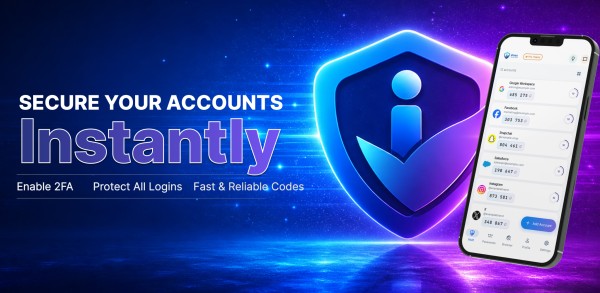
iPass Secure Auth functions as a unified security platform that merges four distinct tools into a single mobile application. The app delivers two-factor authentication through time-based one-time password (TOTP) generation, a password manager with military-grade encryption, a customizable password generator, and a private in-app browser. Users scan QR codes to add accounts in seconds, generating 6-digit codes for Google, Facebook, Instagram, Dropbox, and hundreds of other services without leaving the app.
Core Security Features Overview
The password manager component stores credentials in an encrypted vault, accessible only through biometric authentication or custom passcodes. This vault syncs across devices automatically, preventing the access loss that typically occurs when switching phones. The integrated password generator creates credentials of varying length and complexity, adapting to specific website requirements in a single tap. In essence, the private browser eliminates the need to toggle between apps, allowing users to auto-fill stored credentials directly from the vault during login sessions.
What separates iPass from competitors is its offline functionality. The authenticator generates codes without internet connectivity, ensuring users maintain access to protected accounts regardless of network availability. This proves valuable for Windows and macOS logins where internet access might be restricted during the authentication phase. According to BigNewsNetwork, “iPass Secure Auth proves that security tools don’t need to sacrifice usability for protection, offering enterprise-grade features in a consumer-friendly package.”
Target Users: From Beginners to Power Users
The app serves security-conscious individuals who manage multiple online accounts but lack technical expertise to configure separate authentication tools. QR code setup removes barriers for newcomers, while unlimited account support accommodates power users managing dozens of credentials. Professionals working remotely benefit from cross-device sync capabilities, maintaining consistent access across personal and work devices.
How iPass Differs From Standard Authenticators
Standard authenticators focus exclusively on generating one-time codes. In contrast, iPass consolidates password storage, generation, and secure browsing alongside authentication. Users no longer juggle multiple security apps or remember which tool stores specific credentials. The biometric lock adds protection even if devices fall into unauthorized hands, securing both codes and passwords behind fingerprint or facial recognition.
The authenticator produces time-based one-time passwords valid for 30 seconds before automatic regeneration. Users add accounts by scanning QR codes, generating codes for Google, Facebook, Instagram, Dropbox, and hundreds of platforms without internet dependency. This offline capability proves particularly valuable when network connectivity fails or during system logins where internet access remains restricted before authentication completes.
Password Manager: Encrypted Vault Storage
The vault employs military-grade encryption, protecting credentials with AES-256 standards and locking access behind Face ID or fingerprint authentication. Stored data includes passwords, login credentials, and secure notes, all accessible exclusively to the account holder. Even if devices fall into unauthorized hands, biometric requirements prevent vault access.
Password Generator: Creating Strong Credentials
Password generation occurs in one tap, with customizable length and complexity parameters meeting variable website requirements. Strong passwords combine uppercase and lowercase letters, numbers, and special characters, typically requiring at least 14-15 characters for optimal security. The generator eliminates predictable patterns humans naturally create, producing cryptographically random combinations.
Private Browser: Tracker-Free Browsing
The in-app browser enables credential auto-fill directly from the vault during login sessions. However, private browsing clears only local history, cookies, and session data after closing windows. IP addresses remain visible to visited websites, and logging into accounts during private sessions still ties activity to user identity. The browser primarily protects against local device tracking rather than providing network-level anonymity.
Multi-Device Sync With Cloud Backup
Vault synchronization maintains updated codes and passwords across all connected devices. Data encryption occurs locally on user devices before cloud upload, ensuring providers cannot access plaintext contents. This approach delivers redundancy while preserving security through end-to-end protection.
Zero-Knowledge Encryption Architecture
iPass implements zero-knowledge security where vault data encrypts on user devices using AES-256 before reaching company servers. Master passwords never store on external servers, and decryption keys remain exclusively on user devices. Thus, even during server breaches, encrypted data remains unreadable without user-held decryption keys. According to BigNewsNetwork, “The zero-knowledge implementation in iPass Secure Auth sets a benchmark for consumer security tools, protecting users even in worst-case breach scenarios.”
Real-World Testing: 30 Days With iPass Secure Auth
Testing the platform over 30 days revealed practical strengths and operational patterns that distinguish iPass Secure Auth from theoretical specifications.
Setup Process And Initial Configuration
Initial installation from Google Play required scanning QR codes to add accounts. The app prompted biometric authentication setup during first launch, establishing Face ID or fingerprint access as the primary security layer. Adding accounts took seconds per service, with the QR scanner recognizing codes from Google, Facebook, Instagram, and Dropbox without manual entry. The interface presented a clean design that simplified navigation for users unfamiliar with authentication tools.
Daily Usage: Speed And Reliability Tests
Biometric unlock delivered what the platform describes as lightning-fast access to stored codes and passwords. The Password Manager retrieved credentials without noticeable lag, while the Password Generator produced custom-length passwords in single taps. The Private Browser auto-filled login credentials directly from the vault, eliminating the need to switch between applications during authentication sequences.
Offline Access Performance
Code generation functioned without internet connectivity, confirming the offline capability. This proved particularly valuable during network outages and system logins where authentication occurs before network access establishes. Time-based codes regenerated every 30 seconds regardless of connection status.
Cross-Device Sync Experience
Synchronization maintained updated codes and passwords across connected devices. Switching between phones preserved access to all stored accounts without requiring manual transfers. The encrypted sync protected data during transmission while maintaining accessibility across the device ecosystem.
Security Incidents And Response
No security breaches occurred during the testing period. The biometric lock prevented unauthorized access attempts when devices remained unlocked. According to BigNewsNetwork, “iPass Secure Auth maintains security without creating friction, a balance that many competing platforms struggle to achieve.”
Pricing, Pros & Cons: Is iPass Worth Your Money?
Evaluating iPass Secure Auth requires examining both technical capabilities and practical limitations that emerge during extended use.
Free vs Pro Plan Comparison
iPass Secure Auth operates with tiered access levels, though specific pricing structures vary by deployment needs. The platform’s token-based authentication delivers scalability advantages, as codes generate on user devices rather than requiring constant server validation.
What You Get At Each Tier
Core authentication features include offline code generation, encrypted vault storage, and biometric security across service tiers. Token-based systems offer flexibility across multiple servers and applications simultaneously.
5 Key Advantages Of iPass
The platform provides robust security through stateless token validation that protects credentials during transmission. Offline functionality eliminates network dependency for code generation. Zero-knowledge encryption ensures even providers cannot access vault contents. Cross-device synchronization maintains accessibility without compromising protection. Additionally, integrated tools reduce the need for multiple security applications.
3 Areas Where iPass Falls Short
Token systems rely on secret keys that, if mishandled, create security vulnerabilities. Implementation complexity presents challenges for organizations with legacy systems. Device dependency becomes problematic when smartphones malfunction or get lost.
Value For Money Analysis
According to BigNewsNetwork, “iPass Secure Auth delivers enterprise-grade security at a consumer-friendly price point, making advanced protection accessible without the complexity typically associated with institutional solutions.” The consolidated approach eliminates costs associated with maintaining separate password managers and authenticators.
Conclusion
iPass Secure Auth delivers what most security tools promise but rarely achieve: enterprise-grade protection without the complexity. The offline authentication works reliably, the zero-knowledge encryption provides genuine security, and consolidating four tools into one eliminates app-juggling frustrations. Device dependency remains a legitimate concern, and token management requires careful attention. However, for users managing multiple accounts across devices, the platform offers solid value. In similar fashion to premium security solutions, iPass balances protection with usability better than most alternatives in 2026.
Key Takeaways
iPass Secure Auth stands out in 2026’s crowded security landscape by combining four essential tools into one offline-capable platform that prioritizes both protection and usability.
• Offline authentication eliminates network dependency – Generate 2FA codes without internet connectivity, ensuring account access during outages or restricted network environments.
• Zero-knowledge encryption protects even during breaches – AES-256 encryption occurs on your device before cloud sync, making data unreadable even if servers are compromised.
• Four-in-one design reduces security app complexity – Consolidates password manager, 2FA authenticator, password generator, and private browser into a single biometric-locked application.
• Cross-device sync maintains seamless access – Encrypted vault synchronization preserves codes and passwords across all devices without manual transfers or setup repetition.
• Enterprise-grade security meets consumer simplicity – QR code setup and biometric authentication deliver institutional-level protection without technical expertise requirements.
The platform successfully bridges the gap between robust security and everyday usability, though users should consider device dependency risks when smartphones malfunction or get lost.
FAQs
Q1. Does iPass Secure Auth work without an internet connection? Yes, iPass Secure Auth generates two-factor authentication codes completely offline. The app produces time-based one-time passwords that regenerate every 30 seconds without requiring network connectivity, making it particularly useful during internet outages or when authenticating on systems before network access is established.
Q2. How does the zero-knowledge encryption in iPass protect my data? iPass uses zero-knowledge encryption where your vault data is encrypted with AES-256 standards directly on your device before being uploaded to cloud servers. Your master password never stores on external servers, and decryption keys remain exclusively on your devices, meaning even if servers are breached, your encrypted data remains unreadable without your device-held keys.
Q3. Can I access my passwords and authentication codes across multiple devices? Yes, iPass provides cross-device synchronization that maintains updated codes and passwords across all your connected devices. The encrypted sync protects data during transmission while ensuring you can access your vault from any device without manual transfers or losing access when switching phones.
Q4. What security features does iPass use to protect stored passwords? iPass secures your password vault with military-grade AES-256 encryption and locks access behind biometric authentication (Face ID or fingerprint). Even if your device falls into unauthorized hands, the biometric requirements prevent vault access, protecting both your authentication codes and stored passwords.
Q5. How does iPass differ from using separate authenticator and password manager apps? iPass consolidates four security tools into one application: a two-factor authenticator, password manager, password generator, and private browser. This eliminates the need to juggle multiple apps or remember which tool stores specific credentials, while the integrated private browser allows auto-filling stored credentials directly from the vault during login sessions.
The self-storage market has been through a rough stretch. Rental rates are down, occupancies have softened, and operators who were riding high on post-COVID demand are now watching their income statements tell a very different story. But the recovery is not a mystery. There is a clear path back. It just requires a few specific things to happen first.
According to Tom de Jong, Executive Vice President at Colliers and one of the most active self-storage brokers in the country, this is the longest sustained period of rental rate declines he has seen in 16 years specialising in the asset class. Understanding why it happened is the first step to understanding when it ends.
What Actually Caused the Rate Decline
Several demand drivers collapsed at the same time as a flood of new supply hit the market.
During the COVID years, demand for self-storage was unusually strong. People restructured their homes, set up home offices, and cleared space for gym equipment. Rental rates spiked, occupancies hit record highs, and new capital poured into the sector. Developers responded by building aggressively, and that new supply has been delivered from 2023 through 2025.
The problem is that demand weakened at the same time. Higher interest rates slowed the residential housing market, which matters more than most people realise. Roughly 40 to 50 percent of self-storage demand is tied to people buying and selling homes, so when housing transaction volume falls, self-storage demand falls with it. Right as new supply was coming online, one of the sector’s biggest demand engines stalled.
The Markets Feeling It Most
Not every market is struggling equally. The hardest-hit areas are those that absorbed the largest supply increases in a short window: Phoenix, Austin, North Las Vegas, and parts of Florida.
In these markets, the oversupply was not a temporary blip. Some submarkets added 10 to 12 percent new supply over a short period. Even as those properties have worked toward stabilised occupancy, the rent levels they are stabilising at are well below where the market was before construction started. Operators who were charging $1.80 per square foot are now looking at a market reset to $1.20 or $1.30. That difference compounds quickly when multiplied across a full facility.
The markets that have held up are those where it is genuinely difficult to build: Boston, the New York City boroughs, coastal California, and many Northeastern cities. High land costs, long entitlement timelines, and limited available sites kept supply in check, so those markets never experienced the same shock.
The Mechanism That Drives Recovery
Getting back to pre-2023 rates is not a matter of waiting. It requires a specific process to play out, and that process takes time.
The primary tool operators have for recovering income is existing customer rate increases, known in the industry as ECRIs. When a new tenant signs a lease during a period of suppressed street rates, they lock in at that lower level. Over time, through regular increases to the existing customer base, operators can close the gap between achieved rents and where the market should be. The pace of that recovery depends on how quickly occupancy improves and how much pricing power operators can exercise without triggering move-outs.
De Jong also points to another signal worth watching. The major REITs have been advertising street rates well below their in-place rents to defend occupancy. Several markets, including California, following the SB 709 legislation, have seen that practice come under regulatory scrutiny. As that pressure eases and REITs begin raising their advertised rates, it creates more pricing support across the broader market. When the largest operators stop competing on rock-bottom advertised rates, the wider submarket tends to follow.
Why Spring 2026 Is Being Watched Closely
The rental season matters in self-storage for the same reason it matters in most consumer-facing real estate. Demand peaks in spring and summer, and those months will either confirm a recovery or push it out further.
De Jong notes that the last two summers underperformed expectations, with brief upticks in rental activity followed by renewed softening. Heading into spring 2026, the industry is more cautiously optimistic than it has been in recent years. Early indicators suggest the leasing season is off to a better start than in prior years, and recent industry data points to stabilising trends. If that holds through the summer, it would be the first sustained positive signal the sector has seen in this cycle.
The recovery will be gradual and uneven, slowest in the markets that absorbed the most oversupply. But the conditions for a turnaround are identifiable: demand needs to improve, ECRIs need to close the rent gap, and aggressive web-rate pricing needs to keep unwinding. When those three things move together, the market starts to look different.
About Tom de Jong: Tom de Jong is Executive Vice President at Colliers and Founding Principal of the De Jong Self Storage Team. With 19 years at Colliers, a $2B+ transaction record across 32 states, and an SIOR designation, he is one of the most recognised specialists in self-storage brokerage and investment advisory in the United States.
This article is based on information provided by the expert source cited above. It is intended for general informational purposes only and does not constitute legal, financial, or real estate advice. Readers should conduct their own research and consult qualified professionals before making any real estate or financial decisions.
Buying your first home is an exciting milestone, but understanding how much you may be able to borrow can often feel confusing. Lenders assess several financial factors before approving a mortgage application, and borrowing limits can vary depending on your income, financial commitments, and deposit amount. If you are applying for a first time buyer mortgage, having a clear understanding of the borrowing process can help you plan your property search more confidently and realistically.
How Mortgage Borrowing Is Calculated
Mortgage lenders typically assess how much you can borrow based on a combination of:
Your income
Existing financial commitments
Deposit size
Credit history
Employment stability
General affordability
Rather than focusing on just one factor, lenders look at your overall financial position to determine whether repayments are affordable both now and in the future.
Income and Loan-to-Income Limits
One of the main factors lenders consider is your annual income. In Ireland, mortgage borrowing is commonly linked to loan-to-income (LTI) limits.
For many first-time buyers, lenders may offer borrowing of up to four times gross annual income, although this can vary depending on individual circumstances and lender criteria.
For example:
An annual income of €50,000 may support borrowing up to approximately €200,000
Combined incomes for joint applicants are also considered
However, maximum borrowing limits do not always mean borrowers should borrow the full amount available. Monthly affordability remains an important consideration.
Deposit Requirements
First-time buyers are generally required to provide a minimum deposit towards the purchase price of a property.
In many cases:
A deposit of at least 10% of the property value is required
Larger deposits may improve mortgage options and reduce borrowing costs
For example:
Buying a property worth €300,000 may require a deposit of at least €30,000
Saving for a deposit is often one of the biggest challenges for first-time buyers, making financial planning particularly important.
How Existing Financial Commitments Affect Borrowing
Lenders also assess existing financial commitments when reviewing mortgage applications.
This may include:
Personal loans
Car finance
Credit card balances
Overdraft usage
Childcare costs
Other regular financial obligations
Higher levels of existing debt can reduce the amount you may be able to borrow, as lenders must ensure mortgage repayments remain affordable alongside other commitments.
Credit History and Financial Behaviour
Your credit history plays an important role in mortgage approval decisions. Lenders want to see evidence of responsible financial management and consistent repayment behaviour.
Factors that may influence borrowing include:
Missed loan repayments
Outstanding debts
Gambling transactions
Irregular spending patterns
Overuse of overdrafts
Maintaining healthy financial habits before applying for a mortgage can help improve your overall borrowing profile.
Employment Status and Income Stability
Stable and reliable income is another important factor when applying for a mortgage.
Lenders often assess:
Employment type
Length of time in current employment
Consistency of income
Additional income sources
Permanent employment may be viewed more favourably, although self-employed applicants and contract workers can also qualify if they provide sufficient financial documentation.
Government Support Schemes
Several government schemes are available in Ireland to help first-time buyers improve affordability and access the property market.
Help to Buy Scheme
The Help to Buy Scheme allows eligible first-time buyers to claim a tax refund that can contribute towards their deposit for a new-build home.
First Home Scheme
The First Home Scheme is a shared equity initiative designed to bridge the gap between mortgage approval, savings, and property prices.
These schemes may help increase purchasing power for eligible buyers and improve access to suitable properties.
Affordability Assessments
Even if you meet loan-to-income requirements, lenders also carry out affordability checks to assess whether repayments remain manageable.
This includes reviewing:
Monthly income and expenditure
Utility bills
Savings patterns
Lifestyle spending
Stress testing for future interest rate increases
Lenders want to ensure borrowers can continue meeting repayments if financial circumstances or interest rates change in the future.
Why Borrowing Capacity Differs Between Buyers
Two applicants with similar incomes may still receive different borrowing amounts depending on:
Deposit size
Credit history
Existing debts
Employment type
Dependants
Financial behaviour
Because every financial situation is unique, borrowing estimates can vary significantly between individuals.
Preparing Before You Apply
Improving your financial profile before applying can help strengthen your mortgage application and potentially increase borrowing capacity.
Helpful steps may include:
Reducing outstanding debts
Building regular savings habits
Avoiding missed repayments
Minimising unnecessary spending
Organising financial documents early
Preparing in advance can help create a smoother mortgage application process.
Final Thoughts
Understanding how much you may be able to borrow as a first-time buyer is an important step in preparing for home ownership. While income and deposit size play a major role, lenders also consider affordability, financial commitments, and overall financial stability when assessing mortgage applications.
By planning ahead, improving financial habits, and understanding the key factors involved, first-time buyers can approach the mortgage process with greater confidence and clarity.
When it comes to buying a home or refinancing an existing mortgage, the decisions you make can have long-term financial implications. The mortgage market in Ireland can be complex, with a wide range of lenders, products, and ever-changing criteria. This is why working with a Qualified Mortgage Advisor is so important, particularly for those who want to make informed and confident decisions.
Understanding the Irish Mortgage Market
Ireland’s mortgage landscape is shaped by strict lending rules, regulatory requirements, and varying lender criteria. From Central Bank regulations to loan-to-income limits, there are several factors that can influence your borrowing capacity.
Without a clear understanding of how these elements work together, it can be difficult to identify the most suitable options. Professional guidance helps you navigate these complexities, ensuring you understand what is required and how to position yourself effectively when applying for a mortgage.
Access to a Wider Range of Options
One of the key advantages of working with a qualified professional is access to a broader selection of mortgage products. Different lenders offer different rates, terms, and conditions, and not all of them are easily accessible to the general public.
Having access to a wider panel of lenders increases your chances of finding a mortgage that suits your financial situation and long-term goals. It also allows for better comparison, ensuring you are not limited to a narrow set of options.
Expert Guidance Through the Application Process
The mortgage application process can be time-consuming and detail-oriented. From gathering documentation to meeting lender requirements, even small errors or omissions can lead to delays or rejection.
A knowledgeable advisor can guide you through each step, ensuring your application is accurate, complete, and aligned with lender expectations. This level of support can significantly improve your chances of approval and reduce unnecessary stress.
Tailored Advice Based on Your Situation
Every borrower’s financial situation is unique. Factors such as income, employment type, credit history, and future plans all play a role in determining the most suitable mortgage.
Rather than offering generic advice, a qualified professional takes the time to understand your individual circumstances. This allows for tailored recommendations that align with your needs, whether you are a first-time buyer, moving home, or investing in property.
Avoiding Costly Mistakes
Choosing the wrong mortgage product can have long-term consequences, from higher repayments to limited flexibility. Many borrowers focus solely on interest rates, overlooking other important factors such as fees, repayment terms, and potential penalties.
With expert support, you can evaluate all aspects of a mortgage offer, ensuring you make a well-informed decision. This helps you avoid common pitfalls and protects your financial wellbeing over time.
Staying Compliant with Regulations
Mortgage advice in Ireland is regulated, and working with a qualified professional ensures that you receive guidance that meets industry standards. This provides an added layer of protection, as advisors are required to act in your best interests and provide transparent, accurate information.
Knowing that your advisor operates within a regulated framework gives you confidence in the advice you receive and the decisions you make.
Saving Time and Reducing Stress
The home-buying process can be demanding, especially when combined with work and personal commitments. Managing multiple lenders, comparing products, and handling paperwork can quickly become overwhelming.
Having someone to manage these aspects on your behalf allows you to focus on other important parts of the journey, such as finding the right property. It also ensures that key deadlines are met and nothing is overlooked.
Long-Term Financial Planning
A mortgage is not just a short-term commitment—it is often one of the largest financial obligations you will take on. Making the right choice now can have a lasting impact on your financial future.
Professional advice can help you consider not only your current situation but also your long-term plans. This might include preparing for interest rate changes, planning for future expenses, or ensuring your mortgage remains manageable over time.
Final Thoughts
Choosing the right mortgage advisor is a critical step in the home-buying process. By working with someone who is experienced, knowledgeable, and properly qualified, you can navigate the complexities of the Irish mortgage market with greater ease and confidence.
Taking the time to seek the right guidance can help you make informed decisions, avoid unnecessary risks, and move forward with a mortgage that truly supports your financial goals.
We all face moments of discomfort, stress, and the urge to escape difficult feelings. Often, this unease traps us in unproductive patterns, causing us to behave badly, withdraw, or lean on temporary comforts. In Buddhist tradition, this reflexive pull is called shenpa—the hook that keeps us stuck. Navigating these hooks usually feels heavy and exhausting, but confronting our flaws does not always require strict seriousness. Sometimes, the most effective way to break a negative cycle is to simply laugh at it.
Elizabeth Power, M.Ed., founder of EPower and Associates, Inc. and The Trauma Informed Academy, understands the mechanics of change, overwhelming experiences, and resilience. Her consultancy helps organizations and individuals navigate complex transitions, build trauma-responsive emotional intelligence, and improve daily processes. Now, Power has co-authored a new book, The Little Book of Shenpa: Finding the Funny in Being Hooked, which uses humor to dismantle our defensive walls. In this interview, we discuss the power of laughter, the concept of being “hooked,” and how her unique approach helps people achieve genuine self-awareness.
Q: In your new book, you explore the concept of “shenpa.” How do you define this term for someone completely unfamiliar with it, and why is it so central to our daily behavior?
Elizabeth Power: For me, it feels kind of like putting a pullover shirt on backwards that I can’t take off, or an itch I can’t reach, scratch or satisfy–when I am standing on a stage giving a keynote! If I could just find a choice that makes it go away in the moment I’d be happier.
Q: You and your co-author, Gail Kaplan, use humor to tackle a topic that usually feels heavy. Why is laughter a more effective tool for self-awareness than strict seriousness?
Elizabeth Power: It’s so easy to get stuck in embarrassment or even shame when shenpa pops up. There are so many “shoulds” in life. The need to control our circumstances so we don’t feel discomfort, our stuff doesn’t get challenged, and we can feel powerful is central in life. When we don’t? When suddenly we are exposed and feel out of control or powerless because of discomfort? Instead of adding to the load with distress and increasing the discomfort–the shenpa–being able to smile and giggle a little is lots more productive. It disarms shame, which feels to me like shenpa’s extended relative.
Q: The book introduces invented words like “shenpaholic” and “shenpafam.” How does naming these behaviors in a lighthearted, highly specific way help people actually change their habits?
Elizabeth Power: Well, when you remove the embarrassment or shame it’s a lot easier to see a different way. You can at least shift from anger or distress to bland amusement. It’s a lot easier to say to yourself, “Oh, there I go again… I can see that this is a competition for whose worst is the worst!” and choose if you really want to hang out with that, or engage in it, or excuse yourself. It creates room to apply a different lens that’s less about taking things personally and more about our human foibles.
Q: Your Southern storytelling background pairs with Gail’s Northeastern wit throughout the text. How did this collaborative, cross-country dynamic shape the way you approach emotional challenges?
Elizabeth Power: That’s a great question, and I can speak for my side of the table. We come from two different worlds where there’s some overlap. Gail’s extensive education in clinical processes compartmentalizes one way and my work compartmentalizes another, in all likelihood. Just today I was talking with someone who said “the same thing happens in my life over and over again no matter how hard I work to change it.” In the clinical world–not necessarily Gail’s–that would be called “traumatic reenactment,” or “stuck,” or maybe be labeled some form of fixation. In my world, it looks like the person might be missing how each time they respond a little differently. I mean, athletes compete and afterwards they review tapes of how they played. The next game? They do something a little differently. No testing of new and different ways of being? No growth. This is especially a hard concept for survivors of sexual abuse who statistically are much more likely to experience sexual assault or abuse later in life. How do you position it when it happens again so you don’t feel like a failure or a victim? So framing and perspective might (or might not) be different between us. The collaboration enriches us both.
Q: At EPower and Associates, Inc., you focus heavily on resilience and trauma-responsive emotional intelligence. How do the lessons from your book translate to the corporate consulting and change management work you do?
Elizabeth Power: There are two sides to this (maybe more). How organizations respond to shenpa–which is often the early sign of “quiet cracking” in organizations–drives their culture. Toxic cultures thrive on embarrassment, shame, and pain as drivers as if these somehow provoke behavior that helps the organization meet its goals. Fear runs through a lot of cultures right now. Staff (from the C suite down and across) whose worlds teach them to take things personally, or to quickly shut down anything that’s uncomfortable, cripple the work. Finding common ground between expectations and reality without creating toxicity is the dance of the day. Assessing the level of “quiet cracking,” and helping folks become “unbreakably alive” is critical, especially in situations like family offices, entrepreneurial settings, and the SMB that are the engine of economic growth.
Q: What is the single most important mindset shift you hope readers achieve after recognizing their own “hooks” for the first time?
Elizabeth Power: It’s OK to lighten up and laugh at yourself a little, and sometimes it’s the best reliever of the discomfort that comes with this messy life we all have. When you can have something harmlessly silly that you carry inside (like words that start with shenpa), that something becomes an internal ally that helps you smooth your own way.
Q: Will there be more Little Books of Shenpa that relate to specific situations?
Elizabeth Power: It would be lovely to become the “Chicken Soup” series of wordplay and humor–and yes, Gail and I separately and together see more books coming. I’m finishing up The Little Book of Shenpa for Business and working on another one for healthcare. They all connect to our work helping individuals and organizations go from “quiet cracking” to “unbreakably alive.”
This conversation highlights a profound truth: personal growth does not have to be a punishing process. By identifying our behavioral hooks and confronting them with humor, we lower our natural defenses. Laughter creates the psychological safety needed to reflect honestly, making it easier to break old patterns and build stronger, more resilient habits in our daily lives.
As individuals and organizations continue to face high stress and rapid change, developing trauma-responsive emotional intelligence will only become more critical. Embracing a lighter, more authentic approach to our flaws offers a sustainable path forward. Through her book and the comprehensive consulting services at EPower and Associates, Inc. Elizabeth Power, M.Ed. provides the exact tools needed to turn everyday discomfort into an opportunity for lasting growth.