Traveling with little kids can feel like packing up a small circus—snacks, extra clothes, naps, meltdowns, repeat. But there’s almost nothing that beats watching your child see a waterfall, a bison, or a canyon for the very first time. The good news: many U.S. national parks are surprisingly friendly for families with young children, if you know where to go and how to plan.
Below are some of the best parks for small kids, plus what makes each one especially doable for parents who are juggling strollers, tiny legs, and early bedtimes.
Great Smoky Mountains National Park: Easy Walks and Animal Spotting
If you’re looking for a gentle “starter park,” the Smokies are hard to beat. Many of the viewpoints and short trails are accessible right from the road, so you don’t have to drag tired kids deep into the backcountry to see something beautiful.
- Why kids love it: lots of chances to spot deer, wild turkeys, butterflies, and if you’re lucky (and from a safe distance), black bears.
- Why parents love it: short, shaded walks like the Sugarlands Valley Nature Trail and plenty of picnic areas where you can regroup when someone needs a snack right now.
It’s also a great park for building routines—morning walk, midday nap, sunset lookout—without overcomplicating the day.
Yellowstone National Park: A Science Lesson in Real Life
Yellowstone sounds intense—geysers, hot springs, huge bison—but it can be fantastic with young children if you plan around crowds and driving time.
- Must-do with kids:
- Old Faithful (you can check the estimated eruption times at the visitor center and plan around nap schedules).
- The boardwalks around the colorful hot springs and bubbling mud pots, which feel a bit like walking through a storybook about planet Earth.
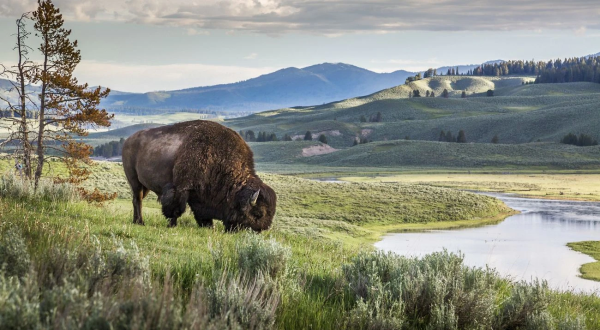
Yellowstone is basically a giant outdoor science classroom. You can talk about “earth breathing,” hot water underground, and animals preparing for winter—and your kids are seeing it all happen right in front of them.
Just remember: wildlife is not a petting zoo. Little kids often want to get closer, so this is the perfect park to start teaching them about safe distances and respecting animals’ space.
Acadia National Park: Tide Pools and Ocean Views
If your family is more into rocky coasts than massive mountains, Acadia in Maine is a gem.
- For younger kids: the Ocean Path and the easy sections near Sand Beach offer big views without long hikes.
- Built-in entertainment: tide pools. Kids can spend ages watching crabs, snails, and tiny sea creatures. Sometimes the best “hike” with a four-year-old is 20 meters long and takes an hour, because they keep stopping to look at one cool rock.
Nearby Bar Harbor also makes logistics easier: family-friendly restaurants, ice cream bribes, and short drives into the park mean you don’t have to be a hardcore camper to enjoy it.
Zion National Park: Big Scenery, Short Trails
Zion looks dramatic and wild, but it has a few very kid-friendly features:
- Shuttle system: you can ride the park shuttle instead of constantly loading kids in and out of the car. For many little ones, the bus itself is part of the adventure.
- Riverside walks: the lower, flatter portion of the Riverside Walk lets kids throw stones in the river, watch the current, and cool down.
You definitely don’t need to do the famous, intense trails to give kids a sense of awe. Simply standing in the canyon, looking up at those huge red walls, is enough to make a big impression.
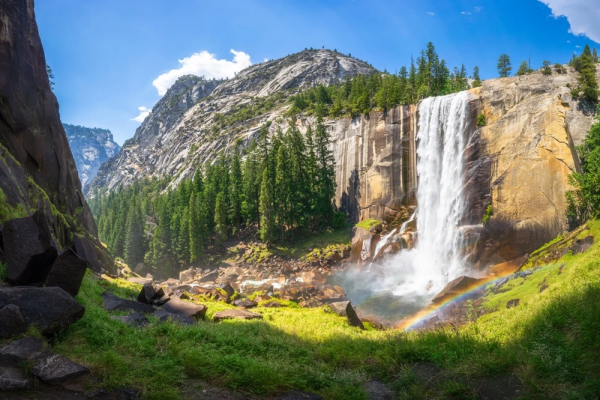
Yosemite National Park: Waterfalls for Small Legs
Yosemite is iconic—and with careful planning, it works well even for families with strollers.
- Where to start: Yosemite Valley. Short walks to Lower Yosemite Fall or Cook’s Meadow give you that “wow” factor with minimal effort.
- Good for young kids: plenty of open meadow space to run around, shallow river spots in summer (always check safety conditions), and easy access to restrooms and food.
If you’re worried about big elevation gain, stick to valley-level walks and viewpoints. The park still feels epic, even if you never tackle a long trail.
Making National Parks Fun (and Manageable) for Little Kids
No matter which park you choose, a few strategies can turn a trip from stressful to memorable (in a good way):
- Think in “half-days,” not full days. With naps and snack breaks, you’ll likely manage one main outing in the morning and maybe a short walk in the late afternoon. That’s completely fine.
- Use Junior Ranger programs. Many parks offer booklets and badges that turn kids into “little rangers” who look for tracks, birds, or plants. It gives just enough structure to keep them interested.
- Let them lead sometimes. If your child wants to stop and watch a squirrel for five minutes, that’s still experiencing nature. The goal isn’t to “finish the hike,” it’s to create a good association with being outdoors.
Turning Trips into Memories at Home
One underrated part of traveling with kids is what happens after you come home. Looking back at photos, pointing at maps, and talking about “the park where we saw the waterfall” helps fix those memories in their minds and keeps them excited for the next trip.
Some families like to track their travels visually—pin boards, scratch-off maps, or decorative wooden maps of the U.S. can become a fun ritual for kids: “Which park are we adding next?” If you like that idea, you can find national park–themed wall maps and travel decor on https://lemap.co/ that work both as a keepsake and as inspiration for planning the next family adventure.
You don’t need to wait until your children are teenagers to show them the national parks. With the right destination and realistic expectations, places like Great Smoky Mountains, Yellowstone, Acadia, Zion, and Yosemite can be not just doable, but genuinely magical for families with young children. Short walks, plenty of breaks, and a willingness to move at kid-speed are often all it takes. Years from now, your kids might not remember every viewpoint—but they will remember that feeling of being out there with you, surrounded by trees, mountains, rivers, and sky.