RWA Summit Hong Kong 2026: The Definitive Bridge Between TradFi and On-Chain Realities
Hong Kong, February 18, 2026
The RWA Summit Hong Kong has come to an end—an exciting event that has cemented the city’s status as the world’s leading center for real asset tokenization (RWA). These were two intense days when more than 700 carefully curated participants, 50+ distinguished speakers, and 80+ leading institutional investors gathered to map out the future of DePin, stablecoins, and the move toward bringing TradFi on-chain.

Rather than revisiting whether tokenization is viable, discussions focused on how it can be executed within credible legal, financial, and operational frameworks.
“RWA SUMMIT Hong Kong was not just another event for us, it was a place where real deals and business happened. We were proud to co-host the event and bring together potential partners, regulators and market leaders. It’s a great opportunity to present our bonds tokenization and DeFi projects to both TradFi and Digital Assets players. I believe that the key result of any event are the real deals that follow. RWA SUMMIT is definitely this kind of event. No noise, no hype, only real expertise of speakers, and a highly curated network” – Peter Kadish, Managing Director LynxCap Investments, RWA SUMMIT Hong Kong co-host.
“The RWA Summit clearly showed that tokenization has moved beyond theory into execution,” says Scott Thiel, co-founder & CEO of Tokinvest. “Across panels on venture capital, IP tokenization, and institutional adoption, the focus was on infrastructure, liquidity planning, and trusted market frameworks.”
And this is how Gillian Wu, founder and CEO of Mulana Investment Management, comments on the insights of the event: “At the RWA Summit during Consensus Hong Kong, we explored how real-world assets are bringing wealth on-chain through greater efficiency, transparency, disintermediation, and fractionalized ownership. Tokenization, however, does not change the fundamental factors that influence value, and investors must carefully assess counterparty risk and liquidity. Although market fragmentation and structural differences between DeFi, exchanges, and traditional finance remain challenges, progress toward convergence is evident.”
Day 1: Forging Regulatory Pathways and Institutional Momentum
The summit opened with remarks from Joseph Chan, Under Secretary for Financial Services and the Treasury of the Hong Kong Government, who highlighted Hong Kong’s regulatory direction and its ambition to provide clarity for tokenized financial products. The message was consistent throughout the day: regulatory structure is no longer an obstacle but a prerequisite for scale.
The day included four spotlight sessions.
The first one was on global frameworks. The participants got a profound exploration of regional RWA trends, featuring insights from Scott Thiel (Tokinvest), Julian Kwan (InvestaX), and Terence Ng (EX.IO), expertly moderated by Peter Kadish (LynxCap). The takeaway? Regulation has evolved from a barrier into a strategic advantage.
Thereafter, we covered the AI convergence. Alan Lau (Animoca Brands) and Geoff Kot (Standard Chartered) delved into how artificial intelligence is revolutionizing the connection between traditional banking and digital asset ecosystems.
Another essential point was related to banking giants on–chain. Bugra Celik (HSBC) and Giorgia Pellizzari (Hex Trust) highlighted the transition from experimental proof-of-concept to full-scale institutional adoption, emphasizing robust custody and security for digital currencies.
The day concluded with a forward-looking exchange between Nenter Chow of Bitmart and Sébastien Borget of The Sandbox. They explored how crypto-native ecosystems are incorporating RWAs. The conversation centered on sustainable value creation rather than short-term market cycles.
“At the RWA Summit in Hong Kong, we discussed how blockchain is expanding from virtual real estate to collectible assets and user-generated content revenues being tokenized on-chain. The direction is clear: blockchain technology will become broadly adopted across gaming, digital assets, and the creator economy. It will ultimately integrate so seamlessly into user experiences that people benefit from it without needing to think about the underlying infrastructure,” shares Sébastien Borget, co-founder of SandBox & SandChain.
The first day also featured an outstanding lineup of industry leaders and innovators, including Cathal Donnellan, President at NexStox; Marcos Chow, Group CIO at HKT; Rocky Mui, Partner at Clifford Chance; Tom Wan, Partner at Imprint Capital Partners; Neil Tan, Managing Partner at Tsunami Advisors and Chairman of the AI Association of Hong Kong; Phillip Pon, CEO at EMURGO; Andrei Grachev, Managing Partner at DWF Labs; Musheer Ahmed, Founder & CEO at FinStep Asia; Jelena Zhang, SVP at Amber Premium; Jayendra Jog, Co-Founder at Sei Labs; Nikita (Sachdev) Lord, Founder & CEO at Luna PR; Edwin Mata, Co-Founder & CEO at Brickken; Preetam Rao, Co-Founder & CEO at QuillAudits; and Leo Fan, Founder & CEO at Cysic.
Day 2: Envisioning Tomorrow’s Wealth, IP, and Payment Innovations
The second day shifted toward applied use cases, examining how tokenization is reshaping wealth management, intellectual property, and payment systems.
The second day of RWA Summit opened with a high-level fireside chat featuring Sean McHugh, Senior Director – Market Assurance at VARA (Virtual Assets Regulatory Authority). The discussion set the tone for the day, focusing on regulatory clarity, market integrity, and the evolving framework for virtual assets in the region.
In a fireside discussion, Yat Siu of Animoca Brands and Bowie Lau of MaGE Group analyzed the implications of IP tokenization for content platforms and creator economies for giants like YouTube, Spotify, and Netflix. The conversation focused on whether blockchain-based models can provide more direct monetization and ownership structures while maintaining compliance and investor protections.
“A recurring theme in our discussion was that RWA is not about “putting a single asset on-chain”; it’s about modernizing financial infrastructure without breaking law, trust, or market structure,” comments Jeffrey Broer, venture advisor at Kohpy Ventures. “Tokenization within a regulated environment does not automatically create liquidity, and lower minimums do not mean retail access. True liquidity requires credible market design and participation. For venture-backed startups, the real opportunity lies in compliance-native infrastructure, settlement and orchestration layers, custody, risk tooling, and transparency rails. In short, the value is in building the plumbing, not chasing product hype.”
Wealth migration onto blockchain infrastructure was addressed by Ray Tam of Revo Digital Family Office and Florian M Spiegl of Evident Capital. They tackled the hurdles of onboarding professional investor (PI) wealth onto the blockchain while unveiling exciting avenues for retail investors.
The next spotlight session of the day was on the PayFi Revolution. Rita Liu (RD Technologies) and Evan Auyang (Animoca Brands) offered a grounded perspective on stablecoins and payment finance in the “Asian Reality.”
The 2-day event concluded with a comparative discussion featuring Pauline Fan of InvestHK, Rachel Lee of Cyberport, and Irina Heaver of RWA Labs. The panel assessed Hong Kong’s regulatory agility against competitors like the UAE and beyond.
The stage then welcomed an exceptional lineup of investors, founders, and industry leaders, including Noah Frankel, Investment Analyst at JSquare; Tobias Bauer, General Partner at TBV; Calvin Ng, General Partner at Plutus VC; Melody He, Co-Founder & Partner at Spartan Group; Craig Dyer, Head of Capital Markets at HECTO; Pauli Speaks, CBDO at Cryptic; DiZien Low, Director of Business Development at Polygon Labs; Jacky Kong, Head of Hong Kong at Ava Labs; Sonia Shaw, CEO at OneAsset; Andrey Fedorov, CMO & CBDO at STON.fi; Jackee Wong, Partner & CMO at Leadsourcing; Sudeep Mehta, COO at STBL; and Lawrence Tsui, Director of Business Development and Strategic Solutions for Hong Kong & Mongolia at Fortinet.
Special thanks to the partners of RWA Summit, in particular our Strategic Partner, BTSE Enterprise Solutions, and our Partner, STON.fi, for their invaluable support and contribution to the event’s success.
Industry Developments and Expansion
Apart from panel discussions, the summit also provided a platform for industry announcements. LynxCap introduced its DeFi platform designed to connect RWA yield strategies with structured liquidity environments. In parallel, Ivan V. Ivanov of UVECON.VC and Irina Heaver of RWA Labs announced the launch of Dubai RWA Week 2026, signaling increased collaboration between Asian and Middle Eastern tokenization hubs.
“RWA Summit Hong Kong brought together strong voices from both TradFi and digital assets,” says Ivan V. Ivanov, founder of RWA Summit. “The discussions focused on execution, regulation, and real market structure and were grounded in actual cases, not theory.
What stood out to me most was the growing alignment between ecosystems like Hong Kong and Dubai. Different frameworks—and clear potential for collaboration. Our goal was to create a platform where real experts share real cases, challenges, and practical paths forward. Judging by the depth of discussion, we are clearly moving in the right direction.”
To sum it up, the RWA Summit Hong Kong 2026 has unequivocally demonstrated that the dialogue has advanced from “Is this feasible?” to “How swiftly can we expand?” By bridging TradFi’s regulatory rigor with DeFi’s tech stack, we’re moving toward a financial system that is actually transparent and accessible, not just fast.
Ethereum-Based Mutuum Finance (MUTM) Launched V1 Protocol While Still Available Under $0.5
Dubai, UAE, February 18, 2026
As DeFi matures, early-stage platforms with real utility and disciplined development stand out. Ethereum-based Mutuum Finance (MUTM) enters this phase with its V1 protocol live, yet priced well below $0.5 in presale phase 7 where over $20M have already been raised by over 19K participants. This combination of readiness and early pricing attracts long-term investors. With solid fundamentals and a steady roadmap, MUTM appeals to those seeking structured growth over hype-driven cycles.

V1 Launched on Sepolia Testnet and Development
The Mutuum Finance (MUTM) V1 protocol is now live on Ethereum’s Sepolia testnet, providing a safe environment for users to interact with real smart contracts before the mainnet launch. Key features include:
- Liquidity Pools: Users can supply assets for others to borrow; supported testnet tokens include ETH, USDT, WBTC, and LINK.
- mtTokens: Yield-bearing tokens representing a lender’s share of the pool, accruing value as borrowers pay interest.
- Debt Tokens: Securely track borrower obligations on-chain.
- Automated Liquidator Bot: Maintains solvency and risk control within lending and borrowing systems.
In the future, Mutuum Finance (MUTM) will introduce a second lending option: peer-to-peer (P2P) lending, allowing borrowers and lenders to set terms directly without intermediaries. Increased usage of these lending and borrowing features generates more protocol fees.
The testnet launch lowers barriers for new users to explore the platform and understand MUTM’s role in the ecosystem. This early exposure builds trust, encourages adoption, and drives organic demand for the token ahead of mainnet.
From a development standpoint, execution progress further strengthens this outlook. Phase 1 of the roadmap has already been completed, while more than half of Phase 2 is finished. The remaining milestones in Phase 2 include the implementation of advanced features, refined risk parameters, and advanced analytics tools. The timely execution of the milestones matters for the confidence of early investors and MUTM is doing it great with ease.
Security, Credibility, and Market Visibility as Growth Catalysts
Security remains one of the most decisive factors in DeFi adoption, and Mutuum Finance (MUTM) has taken a multi-layered approach to building trust. The protocol has undergone a comprehensive audit by CertiK, using both manual code review and static analysis. The results reflect strong technical discipline, with a Token Scan Score of 90.00 and a Skynet Score of 79.00.
Complementing this is a structured 50,000 USDT bug bounty program designed to incentivize continuous security testing. The program rewards findings based on severity, offering up to $2,000 for critical issues, $1,000 for major vulnerabilities, $500 for medium-level findings, and $200 for low-severity issues. This layered incentive system encourages ongoing scrutiny from the wider security community, reducing long-term risk as the protocol scales.
Further reinforcing this security-first approach, Mutuum Finance (MUTM)’s smart contracts were audited by Halborn where all reported issues were fully resolved before audit completion. This outcome demonstrates proactive risk management and adds a meaningful layer of technical credibility as the platform progresses toward its V1 testnet and eventual full launch.

Strong security frameworks directly influence user behavior. When lenders trust that smart contracts are thoroughly audited and continuously monitored, they are more likely to deposit assets and pursue yield opportunities. Borrowers, in turn, gain confidence in locking collateral to access liquidity. This trust-driven participation cycle will be critical in sustaining long-term usage and reinforcing MUTM’s role within the ecosystem.
Expected Major Listing
Looking ahead, market visibility could become another growth lever. Presale momentum of this scale has historically been observed in projects that later achieved listings on well-known Tier-1 exchanges.
Mutuum Finance (MUTM)’s utility-focused design and growing adoption may position it favorably for such opportunities. If exchange exposure materializes, broader awareness, increased liquidity inflow, and heightened interest from larger investors could follow, further strengthening demand dynamics.
Conclusion
In conclusion, Mutuum Finance (MUTM) combines an active V1 protocol, tangible development progress, and a presale price well below $0.5. With capped supply, expanding lending utility, strong security, and a clear roadmap, it appeals to investors seeking structured, long-term opportunities. As adoption and visibility grow, MUTM could emerge as a serious contender for the next crypto to hit driven by execution and real utility rather than hype.
For more information about Mutuum Finance (MUTM) visit the links below:
Website: https://www.mutuum.com
Linktree: https://linktr.ee/mutuumfinance
Disclaimer:
This article is for informational purposes only and does not constitute financial advice. Cryptocurrency investments carry risk, including total loss of capital. Readers should conduct independent research and consult licensed advisors before making any financial decisions.
This publication is strictly informational and does not promote or solicit investment in any digital asset
All market analysis and token data are for informational purposes only and do not constitute financial advice. Readers should conduct independent research and consult licensed advisors before investing.
Crypto Press Release Distribution by BTCPressWire.com

Best Crypto to Watch Before Q1 Ends, Users Position Early
Dubai, UAE, February 18, 2026
As Q1 moves toward its close, large investors are increasingly scanning the market for early-stage opportunities that combine clear structure, visible progress, and room for upside. This is where Mutuum Finance (MUTM) is starting to stand out. Still in its Phase 7 presale, the project is shaping a narrative that appeals to long-term thinkers rather than short-term speculators, which explains why whales are positioning early with expectations of outsized returns.

Why Q1 Matters
Currently priced at $0.04, MUTM has already risen from its $0.01 initial presale value. This growth reflects a structured presale, growing participation, and visible technical progress rather than hype alone.
With a total supply of 4 billion tokens and 45.5% allocated to presale, Mutuum Finance (MUTM) has raised $20.57 million, reaching around 19,000 holders. Early investors are positioned for stronger gains due to the staggered presale, which increases prices by 15–20% each phase. By the end of Q1, the price could rise rewarding early participation and that’s why timing matters a lot.
For example, a $1,500 investment at $0.04 secures 37,500 MUTM tokens. If prices rise to $0.05, holding fewer tokens highlights the advantage of early entry. Post-launch, based on fundamentals and roadmap delivery, experts predict MUTM could reach at least $0.72—an potential return
Working Protocol in Simulation
The strongest driver behind current interest is the visible progress on the product side. The Mutuum Finance V1 protocol has already gone live on the Sepolia testnet of Ethereum (ETH). This environment allows real smart contract functionality to be tested publicly before mainnet deployment, offering transparency into how the system is expected to work.
On testnet, users can already interact with core features such as peer-to-contract lending for now through liquidity pools while using the local Sepolia testnet currency. These pools will allow users to supply assets while others borrow them, creating interest-based returns for lenders.
Initially supported assets include ETH, USDT, WBTC, and LINK in testnet form. Lenders receive mtTokens that represent their share of the pool and grow in value as interest is paid. Borrowers, on the other hand, receive debt tokens that securely track what they owe on-chain.
Risk management has also been addressed early. A liquidator bot is active on testnet, designed to help maintain solvency across the system. This is a critical component for any lending protocol and signals that Mutuum Finance is prioritizing stability rather than rushing to market.
Launching on testnet lowers the barrier for users to understand the system before committing real assets. This gradual exposure builds familiarity and trust, which often leads to organic adoption once mainnet goes live. For investors, this kind of staged rollout reduces uncertainty and supports the idea that MUTM could evolve into the next big crypto as functionality meets market demand.

Mutuum Finance’s Stablecoin Will Add Value
Beyond lending, Mutuum Finance (MUTM) is building a stablecoin that is intended to remain close to $1 through overcollateralization. This stablecoin will only be created when users borrow it by locking crypto assets such as ETH as collateral. When loans are repaid or liquidated, the stablecoin will be removed from circulation, preventing unchecked supply growth.
Only approved issuers, whether users or smart contracts, will be able to mint the stablecoin, and each issuer will have defined limits to manage risk. Borrowing interest rates will be adjusted through governance to help keep the price near its target. If the price moves too far in either direction, traders will be incentivized to step in, helping restore balance.
This design takes advantage of idle collateral reserves to maintain long-term stability and value preservation. As a result, the stablecoin is expected to act as both a medium of exchange and a store of value within the ecosystem. It will also anchor Mutuum Finance’s dual lending markets by keeping liquidity circulating internally, which could create recurring borrowing and lending flows eventually bring value in MUTM tokens and can take the price up to 18X.
MUTM Buybacks Attribute
Another critical growth mechanism is the buy-and-distribute model. A portion of the platform’s revenue, generated from borrowing fees and overall activity, will be allocated to buying MUTM tokens from the open market. These tokens will then be distributed as rewards to users who stake their mtTokens.
This approach links real usage to real demand. As more users borrow and lend, more revenue is generated. As more revenue is generated, more MUTM is bought back and redistributed. Instead of relying on inflationary emissions, this system rewards active participants who contribute to the ecosystem’s health. Over time, this cycle is expected to create sustained buy pressure while aligning incentives between the protocol and its users.
For whales and early adopters, this structure is appealing because it suggests that token demand will be tied to actual economic activity rather than speculative trading alone. That distinction often separates short-lived projects from those that endure.
Final Verdict
With Phase 7 of its presale underway, Mutuum Finance (MUTM) is presenting a rare mix of measured tokenomics, visible development, and forward-looking utility. The steady price increases, growing holder base, and working testnet signal momentum that goes beyond marketing. For investors aiming to position before Q1 ends, MUTM offers a clear logic for early entry and a roadmap that supports the kind of upside whales seek when targeting an 18x return.
For more information about Mutuum Finance (MUTM) visit the links below:
Website: https://www.mutuum.com
Linktree: https://linktr.ee/mutuumfinance
Disclaimer:
This article is for informational purposes only and does not constitute financial advice. Cryptocurrency investments carry risk, including total loss of capital. Readers should conduct independent research and consult licensed advisors before making any financial decisions.
This publication is strictly informational and does not promote or solicit investment in any digital asset
All market analysis and token data are for informational purposes only and do not constitute financial advice. Readers should conduct independent research and consult licensed advisors before investing.
Crypto Press Release Distribution by BTCPressWire.com

Crypto News Today: Pepeto Presale Surpasses $7.258M as Bitcoin Price Prediction Falls to $66.6K

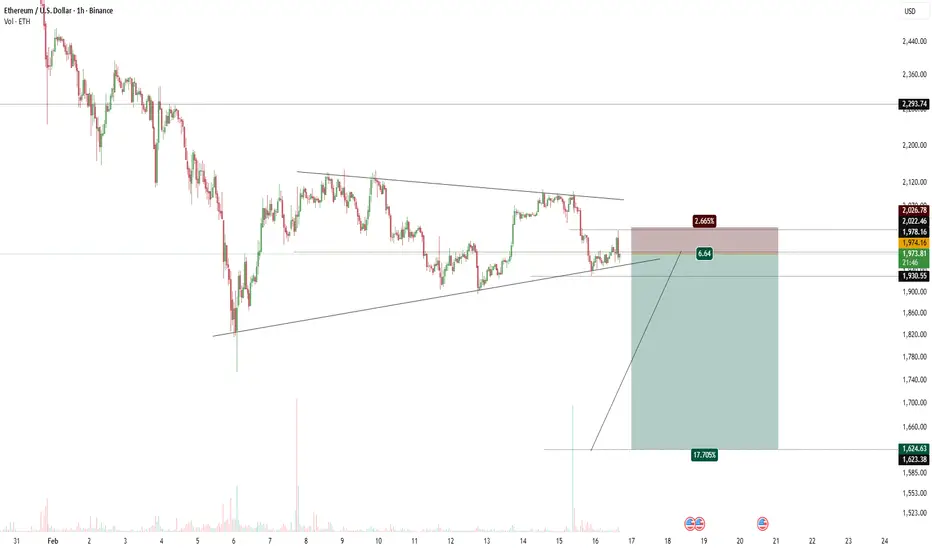
Crypto news today is dominated by red charts and record fear, but Pepeto (PEPETO) just crossed the $7.258 million mark in presale funding like the sell off does not exist. Bitcoin fell below $67,000. Ethereum is below $1,980. The Fear and Greed Index reads 8. And yet, money keeps flowing into this presale like the sell off does not exist.
At $0.000000184 per token, the presale is now over 70% filled and accelerating. Three live product demos are testable. Two audits are complete. And staking at APY is giving early holders a reason to compound while they wait for listings.
Bitcoin Price Prediction: Where BTC Goes Next as Pepeto Steals the Spotlight
Here is what most people are not seeing. Bitcoin at $67,244 is not a crash. It is a shakeout. Big players push price down to flush retail out, then buy the dip at discount. Strategy added $168 million last week. Abu Dhabi wealth funds hold over $1 billion in Bitcoin ETFs. They are not selling. They are loading. BTC holding this $65,000 to $67,000 range is a strong sign that the bottom is in. Most serious analysts see $200,000 or higher this year. But even $200,000 is only a 3x from here. Pepeto raised $7.258 million during this fear because smart money sees where the real multiples live, in presales with innovative utility.
Crypto News Today: Three Live Products Already Working Before Listings
So why did $7 million flow in this fast? Because this is not just retail buying a meme. Whale wallets are entering the presale, and the reason is simple. Pepeto (PEPETO) is building what the meme coin world has never had. PepetoSwap routes cross chain meme trades on Ethereum mainnet. Pepeto Bridge connects tokens across networks. And a verified meme coin exchange is being built to become the central hub for the entire meme economy. All three demos are live and testable right now. Big money does not chase hype. It chases infrastructure. And Pepeto is the only meme presale shipping it.
SolidProof and Coinsult both completed full audits. Zero tax on every transaction. The infrastructure is already built. The only thing missing is the exchange listing, and every signal says that is coming soon. Once it does, the presale price vanishes and so do the biggest multiples. The life changing returns belong to the wallets that entered the presale before the first exchange lisiting.
Click To Visit Official Website To Buy Pepeto: https://pepeto.io/
APY Staking Keeps Holders Compounding While They Wait
A $5,000 entry at $0.000000184 secures roughly 27.17 billion PEPETO tokens. Stake those at APY and that position grows every day. Supply compresses. Allocations expand. When listings arrive, stakers will hold significantly more than what they originally bought.
Staking rewards pile on top. And is not a fantasy number here. Pepeto was created by a cofounder of the original Pepe token, someone who already proved what it takes to capture the entire market’s attention. Pepe did well over on pure hype with zero infrastructure. Pepeto is Pepe plus real technology. A working swap. A working bridge. A verified exchange. In 2026, hype alone is not enough. Pepeto was built with that understanding. If the original Pepe exceeded with nothing, how does Pepeto do less with everything?
DOGE hit $89 billion with no swap. SHIB reached $41 billion with no bridge. Pepeto has all three working products at six zeros. The gap between presale entry and where meme coins with zero utility peaked is the entire case. Staking just makes it bigger.
Viral Growth Fueling the Final Push
The presale is not just raising money. It is going viral. Whale wallets are appearing in the contract data. Stages are filling faster than projected. With over 70% of the presale already filled, and each stage sells faster, the remaining allocation is shrinking fast. Once the presale closes, the $0.000000184 entry disappears permanently.
The presale has crossed $7 million. Three products are live. Two audits are complete. Staking is running. And listings are approaching. The allocation that remains is the allocation that remains. When it is gone, this price is gone with it. The investors who moved during the fear will be the ones who changed their lives because of it.
Click To Visit Official Website To Buy Pepeto: https://pepeto.io/
Disclaimer:
This article is for informational purposes only and does not constitute financial advice. Cryptocurrency investments carry risk, including total loss of capital. Readers should conduct independent research and consult licensed advisors before making any financial decisions.
This publication is strictly informational and does not promote or solicit investment in any digital asset
All market analysis and token data are for informational purposes only and do not constitute financial advice. Readers should conduct independent research and consult licensed advisors before investing.
Crypto Press Release Distribution by BTCPressWire.com
Crypto News: Pepeto Crosses $7.258M With Listing Confirmed as Traders Compare It to Early Coins

Crypto news today is dominated by fear and red charts, but Pepeto (PEPETO) just crossed $7.258 million in presale funding and confirmed an upcoming listing, two developments landing at the exact moment Bitcoin is bleeding and smart money is quietly rotating into the setups that still have real room to run.
Over 70% of the presale is already gone. Every stage sells faster than the last. And across X, Telegram, and crypto headlines, one phrase keeps spreading: is just the floor. When you look at how the project is built, who built it, and what just got confirmed, the case for Pepeto outpacing every meme coin this cycle becomes almost impossible to argue against.
Pepeto Confirms Listing Following $7.258 Million Presale Milestone in Major Crypto News
History is extremely clear on what listings do to meme coins. SHIB holders who bought before the announcement turned small positions into generational money. PEPE ran over before most people even understood what happened. The pattern repeats every single cycle. Buy before the listing, not after.
Pepeto’s listing is now confirmed. That window where you can still buy at $0.000000184 with six zeros in front of it is the same window SHIB gave early holders before it exploded to a $41 billion market cap. Except Pepeto has something SHIB never did. Working products. A real ecosystem. And a demand engine that feeds itself.
Pepeto Ecosystem Overview: PepetoSwap, Bridge, and Verified Exchange
Think about what Pepeto is actually doing. Every meme coin that launches, every swap, every trade runs through Pepeto’s ecosystem. That is not a bet on one coin going viral. That is owning the place where all meme coins trade. More launches means more swaps. More swaps means more $PEPETO demand. The flywheel builds itself.
That is why $7 million moved in during peak fear. Whales are not buying the meme. They are buying the infrastructure underneath it. 850 plus projects already waiting to list before Pepeto even goes public. PepetoSwap demo live. Pepeto Bridge reconnecting tokens across Layer 2 networks. A verified exchange coming where only audited tokens get listed.
SolidProof and Coinsult audits complete. Created by a cofounder of the original Pepe token who already proved what looks like and decided hype alone is not enough in 2026.
Click To Visit Official Website To Buy Pepeto: https://pepeto.io/
Why Crypto Investors Are Watching Pepeto’s Presale Entry at Current Price Levels ?
Shiba Inu turned $1,000 into for early holders. No swap. No bridge. No exchange. Pure narrative. Zero products.
Pepeto has everything SHIB lacked, a confirmed listing on top of it, and the price still sits at $0.000000184. A $5,000 entry right now secures roughly 27.17 billion tokens. Before listings. Before the ecosystem launches. Before public price discovery begins.
No one can guarantee . But at micro cap entry with three live demos, dual audits, a Pepe cofounder, and a confirmed listing, the math works differently than anything else in the market right now. The people who bought SHIB before its listing did not just make gains. They made generational ones. That exact setup is sitting right here. Still in presale. Still at early pricing.
Staking Program Details and Pre Listing Token Accumulation
While the listing approaches, early buyers are not sitting idle. Staking at APY means positions grow every day. Supply compresses. Allocations expand. Each stage that closes raises the entry permanently. The earlier you get in, the more the math tilts in your favor.
What This Means for the Crypto Market and Pepeto’s Next Phase ?
The broader crypto market will bounce back. But big bounces on big coins do not change portfolios the way early presales with confirmed listings do.
Pepeto’s $7 million milestone arrived during peak fear. Same pattern before SHIB ran to $41 billion and PEPE hit . Those did not feel obvious then. They only looked obvious after.
70% of the presale is gone. Each stage that fills raises the price permanently. Still at $0.000000184. But not for long.
Click To Visit Official Website To Buy Pepeto: https://pepeto.io/
Disclaimer:
This article is for informational purposes only and does not constitute financial advice. Cryptocurrency investments carry risk, including total loss of capital. Readers should conduct independent research and consult licensed advisors before making any financial decisions.
This publication is strictly informational and does not promote or solicit investment in any digital asset
All market analysis and token data are for informational purposes only and do not constitute financial advice. Readers should conduct independent research and consult licensed advisors before investing.
Crypto Press Release Distribution by BTCPressWire.com

Industrial Gases Explained: Applications Across Manufacturing, Healthcare, and Energy
Industrial gases are of significant importance to the industries that we have today. They provide accuracy in production, medical applications, drug safety, and the operation of large power systems. Gases such as oxygen, nitrogen, argon, hydrogen, carbon dioxide, and others are vital to industries that require stability, purity, and efficient operation. Industrial gases are in demand as production increases.
This paper discusses how various industries utilise these gases, how Industrial gases suppliers adapt their delivery and storage practices, and how the growing demand will define the future of the industrial gases business.
1. Manufacturing: Driving Precision, Productivity, and Process Control
None of the sectors uses industrial gases more than manufacturing. They are major producers of metals, electronics, automobiles, and food.
Metal and Fabrication Industries
Oxygen raises the temperature at which cutting and welding are done. Nitrogen inhibits oxidation effects when metal is handled and eliminates oxygen and moisture in pipelines. During TIG and MIG welding, argon protects the molten metal, whereas oxygen enhances furnace efficiency and reduces impurities in steel manufacturing.
Electronics and Semiconductor Manufacturing
Pure nitrogen forms clean environments in semiconductor plants. Chips can easily be destroyed even by a tiny quantity of oxygen or moisture. Hydrogen and helium are also utilised in cooling, leakage detection, and accurate work.
Food and Beverage Processing
Carbon dioxide, carbonates, soft drinks, and nitrogen are used in a modified-atmosphere package to increase shelf life. Food is frozen quickly in liquid nitrogen, and its quality and texture are maintained.
Gases used in industry streamline operations, boost productivity, and enhance safety and product quality.
2. Healthcare: Supporting Life and Medical Precision
The medical industry is a major consumer of industrial gases, particularly medical-quality oxygen and nitrogen.
Medical Oxygen
Respiratory therapy, anaesthesia, and emergency care all require medical oxygen. Hospitals maintain a continuous supply, either through bulk purchases or on-site production, and demand can soar during public health crises.
Nitrous Oxide and Anaesthetic Gases
Nitrous oxide is commonly used in surgery to provide sedation and analgesia. Some other specialist medical gases are used in diagnostic imaging and laboratory research.
Cryogenic Applications
Liquid nitrogen is used in cryosurgery and for the storage of biological samples such as blood, tissue, and vaccines. This guarantees a stable temperature during storage.
Healthcare gas supplies must be pure and have a certified, tested, and traceable source. The emphasis remains on security, surveillance, and redundancy to ensure uninterrupted patient care.
3. Energy Sector: Powering the Transition
Industrial gases are increasingly important in conventional and renewable energy sectors.
Oil and Gas Operations
Nitrogen well stimulation, pressure testing, and pipeline purging. It forms inert atmospheres that mitigate fire hazards during maintenance and start-up. Oxygen and hydrogen are also used in refining to make fuel production more efficient.
Power Generation
In thermal power stations, hydrogen gas is used as a coolant for generators due to its high thermal conductivity. Turbine and pipework oxidation is inhibited by nitrogen.
Renewable and Clean Energy
An important transport of energy in the transition to cleaner fuels is hydrogen. Green hydrogen is on the rise and is generated using renewable electricity, which is an initiative that sectors are adopting to decarbonise. Suppliers are developing hydrogen mobility, industrial heating, and storage infrastructure.
As global energy systems change, the strategic significance of industrial gases is rising.
4. How Suppliers Customise Delivery and Storage
The delivery of industrial gas is not a service-based commodity. Every industry is unique, which demands solutions to its consumption, purity requirements, and location logistics.
Bulk Liquid Supply
On-site bulk liquid storage tanks are used in major consumers such as steelworks or hospitals. The gas is stored in cryogenic tanks at very low temperatures as a liquid, which can be replenished automatically through tanker deliveries.
Cylinder Supply
High-pressure cylinders are usually employed in SMEs and are appropriate for medium or changing gas usage. Cylinder turnover, refilling, and safety checks are done by suppliers.
Pipeline Networks
Gases can be distributed to large industrial complexes via dedicated pipeline systems that provide a continuous flow without storage restrictions.
Suppliers also match the purity, mixing ratios, and backup arrangements, such as delivery. High-tech sensors also monitor tank levels, enabling anticipatory replenishment and preventing shortages.
5. Safety, Compliance, and Infrastructure Planning
Safety regulations on the storage, transportation, and handling of industrial gases are strict. Storage tanks should comply with pressure and temperature requirements, and ADR rules should be followed on road tankers. Redundancy measures taken include emergency shut-off valves, leak detection, and ventilation. Vendors work with the customers to develop compliant storage configurations, train employees, and adopt safe work practices.
Risk-intensive industries like healthcare and oil refining rely on redundancy to keep operations running in the event of failures or logistical issues. Established vendors consider stock buffers, backup manufacturing sources, disaster preparedness, and regulatory qualifications to minimize interference.
6. Growing Demand for Industrial Gases
The consumption of industrial gases increased gradually with industrialisation, urbanisation, and technological development.
Manufacturing Expansion
Developing countries are focusing on infrastructure, automotive production, and electronic device production. This all adds up to more gas consumption.
Healthcare Infrastructure Growth
Increasing healthcare expenditure and hospital construction are driving a growing demand for medical gases. The lessons learned from global health crises have enabled governments to build stronger networks for oxygen supply and the capability to store it.
Energy Transition and Hydrogen Economy
Hydrogen adoption is accelerating as the industry seeks decarbonisation options. Hydrogen production, storage, and distribution investments are driving long-term growth.
Food Processing and Cold Chain Development
Today’s food chains depend on cryogenic freezing and packaging methods. An expanding urban population is increasing the need for secure food products.
Taken together, these macro trends bode well for industrial gas producers globally.
Conclusion
Industrial gases underpin today’s industry, from manufacturing precision products in factories to supporting patient care in healthcare to enabling traditional and clean energy systems. Suppliers deliver tailored solutions, ensure compliance, and maintain infrastructure reliability. The gases remain key to economic development as demand increases from expanding industry, growing healthcare, and the energy transition.
The power of partnering with the right supplier is a strategic choice that safeguards operational continuity, drives productivity, and enables growth in an ever-changing business landscape.
Crypto Update: Pepeto Presale Crosses $7.25M as Whales Chase the Dogecoin Success

Pepeto Presale Crosses $7.25M as Whales Chase the Dogecoin Playbook
When looking into crypto updates you can find that Dogecoin turned $1,000 into $2.4 million for buyers who got in at $0.0002. No swap. No bridge. No exchange. Just a dog meme and perfect timing. Now imagine that energy except the project actually builds something. That’s Pepeto.
The presale blew past $7.25M while Fear and Greed reads 8 out of 100. Whales are filling bags. Crypto Twitter can’t stop talking about it. Telegram gains thousands daily. And whispers say the launch window is approaching faster than most expect. The token sits at $0.000000184. The cap is 70% filled. Analysts who tracked DOGE and SHIB from day one are calling this the best crypto presale of 2026.
Crypto Update: Why Pepeto Is Being Called the Crypto Opportunity of 2026 ?
Dogecoin proved meme coins create generational wealth. DOGE hit $89 billion market cap with nothing but community. SHIB reached $41 billion the same way. No products. No ecosystem. Just attention.
Pepeto starts where they never went. PepetoSwap demos are live for cross chain trades. Pepeto Bridge demos connect fragmented ecosystems. Pepeto Exchange is being built as the first verified meme trading hub. Dual audits from SolidProof and Coinsult. Staking at 214% APY compressing supply. Zero tax on every transaction.
DOGE gave 12,000x returns with zero infrastructure. The idea that Pepeto can’t deliver massive multiples with three working products and a price starting with six zeros doesn’t hold up against history.
Click To Visit Official Website To Buy Pepeto: https://pepeto.io/
Launch News Are Accelerating and Whales Aren’t Waiting
Large wallets are entering the presale in size. Not retail buys. Whale commitments from addresses that tracked early into DOGE, SHIB, and PEPE before those names meant anything. They recognize the pattern. Early infrastructure. Growing noise. Presale filling fast.
Rumors in trading groups say the window is tightening. The $10M cap is 70% filled. When it closes, listings follow. And once Pepeto hits exchanges with this momentum, the presale price becomes history. Every meme cycle proved the same thing. The people who made life changing money bought before listings. Everyone else bought the news and watched early holders win.
Pepeto Is the Giant That’s Still Small.
Nobody is disrespecting DOGE. It changed crypto. But Dogecoin at $13 billion isn’t going 100x. A 10x would put it above $130 billion, larger than it’s ever been.
Pepeto’s entire presale cap is $10M. That starting position is the thesis. Early meme coins with working products don’t stay micro cap once exchanges open. DOGE proved the demand. Pepeto is building the infrastructure to capture it. The best crypto to invest in combines the right narrative, the right timing, and the right price. Pepeto checks every box.
Conclusion
Dogecoin wrote the playbook. Pepeto is running it with better tools. Three live demos. Dual audits. 214% APY staking. Zero tax. Over $7M raised. 70% cap filled. Whales loading. Launch approaching. And a presale price of $0.000000184 that won’t exist once exchanges go live.
Click To Visit Official Website To Buy Pepeto: https://pepeto.io/
Frequently Asked Questions
Is Pepeto the best crypto presale right now? With over $7M raised, three live demos, dual audits, 214% APY staking, and a 70% filled cap at $0.000000184, analysts are calling Pepeto the strongest presale of 2026.
How does Pepeto compare to early Dogecoin? DOGE delivered 12,000x returns with no utility. Pepeto offers working infrastructure at a micro cap presale price, creating a similar asymmetric entry with stronger fundamentals.
When does the Pepeto presale end? The $10M cap is 70% filled. Once the remaining allocation sells out, listings follow. No exact date has been confirmed.
Disclaimer:
This article is for informational purposes only and does not constitute financial advice. Cryptocurrency investments carry risk, including total loss of capital. Readers should conduct independent research and consult licensed advisors before making any financial decisions.
This publication is strictly informational and does not promote or solicit investment in any digital asset
All market analysis and token data are for informational purposes only and do not constitute financial advice. Readers should conduct independent research and consult licensed advisors before investing.
Crypto Press Release Distribution by BTCPressWire.com

Crypto News: Pepeto Presale Raises Over $7.25 M With Tools That Fix Ethereum’s Biggest Problems

Pepeto Presale Raises Over $7M as Team Demos Live Mainnet Tools
Crypto news today show Ethereum is heading toward $5,000 this year. Citi set a $5,440 target. Standard Chartered said $7,500. The network crushed its gas problem too, dropping costs from $50 to $0.01 after the Fusaka upgrade. But that fix created a new problem. Layer 2 networks now process 12 times more transactions than mainnet, splitting users and tokens across dozens of chains that barely communicate.
That fragmentation is what Pepeto is built to solve. Not as another Layer 2. As a mainnet native toolkit that connects the mess Layer 2s created. The presale has raised over $7M toward a $10M cap at $0.000000184 per token. Three product demos are already live. Investors aren’t buying a promise. They’re watching infrastructure work before they commit. That’s why the cap is 70% filled.
Crypto News: Pepeto Raises Over $7.25 and Tackles the Layer 2 Problem Ethereum’s $5,000 Rally Can’t Fix Alone
Every analyst predicting Ethereum above $5,000 points to stablecoin growth, ETF inflows, and tokenized assets. Those forces are real. But as value flows into Ethereum, it scatters across Arbitrum, Optimism, Base, and others. Each chain has its own bridging headaches.
Pepeto chose a different approach. Instead of adding another Layer 2, the team built three mainnet tools that connect what’s already fragmented. PepetoSwap handles cross chain meme coin trades. Pepeto Bridge routes tokens between ecosystems. Pepeto Exchange is designed as the central hub for the meme economy. All three exist as working demos right now.
Layer 2s earned criticism for taking value from projects and adding complexity. Pepeto stays on Ethereum mainnet, benefiting from its security while solving the UX problems fragmentation made worse. At $0.000000184, participants enter a project fixing real gaps in an ecosystem expected to double this year.
Why Live Demos at $0.000000184 Are Attracting Serious Capital Before Listings
Most presale projects show a roadmap and ask for trust. Pepeto showed working products and let investors test them. That difference explains why early Shiba Inu millionaires are loading Pepeto bags. They’ve seen this before. SHIB did massive multiples with zero utility. No swap. No bridge. No exchange. Just hype and a dog logo. Pepeto is going viral across every social platform and major news outlet, and it has the infrastructure SHIB never built.
PepetoSwap demos are live. Pepeto Bridge demos are live. The future trading hub for the meme economy is being built in real time. SolidProof and Coinsult completed audits. Staking at 214% APY compresses supply daily. Zero tax. The cap is 70% filled at $0.000000184. SHIB turned $1,000 into $35 million with nothing behind it. Pepeto has three working products, dual audits, and a presale price still starting with six zeros. The math speaks for itself.
Click To Visit Official Website To Buy Pepeto: https://pepeto.io/
What a $2,000 Position Looks Like at Current Pepeto Pricing
At $0.000000184, $2,000 secures roughly 10.87 billion $PEPETO tokens before fees. If Ethereum’s rally to $5,000 triggers rotation into mainnet projects with proven utility, that entry reflects asymmetric positioning post listing buyers will never access.
Consider the math. Ethereum heading from $1,981 to $5,000 is roughly 2.5x. A presale token at $0.000000184 with live demos and a 70% filled cap doesn’t need Ethereum’s market cap to deliver dramatically larger multiples. And it has the attention and hype to match the infrastructure.
Conclusion
Ethereum’s path to $5,000 looks clear according to crypto news today. Institutional money flows. Upgrades arrive. But Layer 2 fragmentation created a gap price alone won’t close. Pepeto builds the mainnet tools to bridge that gap in live demos anyone can test today.
At $0.000000184, over $7M raised, 70% cap filled, 214% APY staking, and dual audits complete, Pepeto earns trust by showing work before asking for belief. In a market where Ethereum is expected to double, the project solving its biggest problem at presale pricing could deliver returns that make ETH’s rally look modest.
Click To Visit Official Website To Buy Pepeto: https://pepeto.io/
FAQs:
How does Pepeto solve Ethereum’s fragmentation problem? Pepeto builds mainnet native tools, PepetoSwap, Pepeto Bridge, and Pepeto Exchange, that connect tokens scattered across Layer 2 networks without adding another rollup.
Why didn’t Pepeto build a Layer 2? Layer 2s are crowded and add complexity. Pepeto stays on Ethereum mainnet for security while solving the UX problems fragmentation created.
Are Pepeto’s products live? Three demos are currently live and testable. Working demos have been a key factor in attracting over $7M during the presale phase.
Disclaimer:
This article is for informational purposes only and does not constitute financial advice. Cryptocurrency investments carry risk, including total loss of capital. Readers should conduct independent research and consult licensed advisors before making any financial decisions.
This publication is strictly informational and does not promote or solicit investment in any digital asset
All market analysis and token data are for informational purposes only and do not constitute financial advice. Readers should conduct independent research and consult licensed advisors before investing.
Crypto Press Release Distribution by BTCPressWire.com
What Are the Best Ways for Students to Manage Money While Studying Abroad?

Stop reading blogs that tell you to skip the morning coffee.
That advice is lazy. It assumes your financial ruin comes from a four-dollar latte. It doesn’t. Your bank account drains because of three things: awful exchange rates, stupid housing decisions, and a total lack of liquidity when things go wrong.
I’ve watched smart students go broke in London, Tokyo, and Sydney. They all had budgets. They all tracked their spending. They still ended up calling their parents in a panic or maxing out credit cards with predatory interest rates.
You want to survive a semester abroad without eating instant noodles for four months straight? You need to attack the big expenses first.
How to Save on Student Housing
Housing will eat 40% to 60% of your budget. If you mess this up, no amount of coupon clipping will save you.
Universities love to sell you on “convenience.” They market sleek, modern dorms right on campus. They look great in the brochure. But convenience has a premium markup that borders on extortion.
I remember looking at the student apartments Brisbane had listed on a university portal a few years back. The sticker price looked high compared to a random room in the suburbs. But do the actual math.
Those apartments came fully furnished. The Wi-Fi worked on day one. The security was tight. The students who tried to “save money” by renting private flats? They got hit with hidden connection fees, shady landlords who stole their deposits, and huge commute costs.
I’ve seen students lose thousands trying to be cheap with housing. They rent a dive bar room, get bedbugs, and have to move out in a week. Don’t be a hero. Pay the premium for official student housing. You are paying for stability. It is the only way to guarantee you actually have a roof over your head so you can focus on why you are actually there.
Avoiding Foreign Transaction Fees
Your home bank is ripping you off.
Every time you swipe your debit card abroad, two things usually happen. First, you get hit with a “foreign transaction fee.” That’s usually around 3%. Second, the bank gives you a terrible exchange rate.
I did the math on a two-week trip once. The difference between a standard bank card and a specialized travel card was nearly $150. Over a full semester? You are basically setting a thousand dollars on fire.
Get a card that offers the interbank exchange rate. Wise, Revolut, or Charles Schwab. Open the account before you leave. If you wait until you land, you might get blocked by “proof of address” requirements.
And never, ever let the card machine do the conversion for you. If the waiter asks “pay in USD or Euros?”, always choose the local currency. Paying in your home currency lets the merchant set the exchange rate. It is always worse.
Building a Study Abroad Emergency Fund

Nature is brutal. It ignores your syllabus.
You might think you are safe in a modern city, but I’ve seen students caught in typhoons in Japan and floods in Germany. The infrastructure fails. ATMs go down. Card readers stop working.
I knew a student who got stranded after a massive storm hit his region. He had no physical money. He ended up sleeping in a crowded community hall for four days, waiting for government disaster assistance to finally arrive with water and blankets. It was miserable.
The students who had cash? They hailed a cab to the next town over and checked into a hotel.
You need liquidity. Real, foldable cash. You aren’t a hedge fund manager. You don’t need to be worrying about buying bullion vault gold or tracking the S&P 500 while you’re trying to pass exams. You need boring, accessible money. Keep enough for a last-minute flight home and two weeks of survival expenses. Do not touch it for beer money.
Living Like a Local on a Budget
This is where the lifestyle advice actually matters.
When you first arrive, everything is new. You want to see the sights. You eat at the restaurants near the landmarks. You take Ubers because you haven’t figured out the bus system.
That is tourist behavior. Tourists hemorrhage money.
Locals don’t eat near the Eiffel Tower. They don’t take cabs everywhere. They have a transit pass and they buy groceries at the grandma’s shop.
My first week in Tokyo, I spent $50 a day on food. By month two, I was spending $15. I found the local bento shops. I figured out which supermarkets discounted their sushi after 8 PM.
Shift your mindset. You aren’t on a four-month vacation. You live there. Act like it.
Prioritizing Your Study Abroad Budget
You can’t have it all.
You cannot live in the nicest apartment, travel every weekend, eat out every night, and come home with savings. Pick one priority.
Maybe you care about travel. Great. Live in a shoebox apartment, eat rice and beans, and spend every cent on train tickets.
Maybe you care about food. fine. Don’t travel. Explore your city’s culinary scene and sleep in a cheap hostel if you travel.
The students who suffer the most are the ones who try to maintain their home lifestyle in a foreign economy. It doesn’t work. You have to sacrifice something.
Decide what you are willing to give up before you get on the plane. Once you’re there, the FOMO will hit you hard. If you don’t have a plan, you’ll say yes to everything. And then you’ll be the one calling home, asking for a bailout.
Don’t be that student.
What Are the Best Ways to Invest Profits from a Niche Business?

You finally cracked the code. You found a weird little corner of the market, dominated it, and now you have a pile of cash sitting in a business bank account.
Most people panic at this stage.
I see it constantly. A founder spends five years eating ramen and working 80-hour weeks. Then, suddenly, there is a quarter-million dollars of pure profit staring back at them. The brain short-circuits. They buy a Porsche. They put it all in a high-risk crypto coin because their cousin said it was “going to the moon.” Or worse, they let it sit there, rotting away due to inflation because they are terrified of making a mistake.
Stop it.
Making money and keeping money are two different skill sets. You mastered the first one. You are probably a novice at the second. I have messed this up myself. I once poured 50k into a “sure thing” tech expansion that went to zero in six months because I felt invincible. It hurts. It humbles you.
Here is how to deploy that capital without blowing up your life.
Leverage External CFO Services for Financial Strategy
Before you buy anything, you need to stop acting like you know everything about finance. You don’t. You know your niche. You know how to sell widgets or consult on specialized software. That does not make you Warren Buffett.
I used to run my own books. It was a disaster. I missed tax deductions. I sat on cash that should have been working. It wasn’t until I hired professional help that the numbers actually started making sense.
I am not talking about a basic bookkeeper who just categorizes your receipts. You need strategy. If you are scaling past the seven-figure mark, look into external cfo services. These guys come in, look at your margins, and tell you bluntly where you are bleeding money. They act as a sanity check. When you want to burn cash on a vanity project, they are the ones who show you the math on why it is a stupid idea.
It costs money. Do it anyway. The ROI on not making a six-figure mistake is infinite.
Invest in Lifestyle Assets
If you are going to buy real estate, stop buying boring suburban boxes that yield 2% after maintenance. If you are a business owner, you should look for assets that serve two purposes: cash flow and lifestyle enhancement.
A buddy of mine ran a logistics company. Stressful work. He took his profits and started buying holiday rentals in high-demand areas. He didn’t just buy random condos. He targeted spots he actually wanted to visit.
He looked heavily at Noosa Accommodation. Why? because it holds value, the occupancy rates are ridiculous, and this is the key he gets to stay there when it is vacant. He writes off the trip to inspect the property. He enjoys the asset. It pays for itself.
There is a psychological benefit here too. Owning a tangible asset in a beautiful place anchors you. It reminds you why you are working so hard. Stocks on a screen don’t do that. Just make sure you run the numbers on management fees. If you are paying 20% to a property manager, your margins get thin fast.
Acquire Stable Assets
You made your money in a niche. Maybe it’s volatile. Maybe it’s a trend that might die in five years. The smartest hedge against your own business dying is buying a boring business that will never die.
I am talking about uncommon industries.
Commercial cleaning. Laundromats. Childcare.
These businesses are not going to 10x overnight. They are not going to get you on the cover of a magazine. But they print money.
I recently spent a month looking at listings with childcare business brokers Melbourne. The multiples there can be aggressive, but the demand is permanent. People stop buying luxury goods during a recession. They do not stop needing someone to watch their kids so they can go to work.
Buying a boring business stabilizes your income. It turns your high-risk entrepreneurial jagged line into a steady upward curve. It is not exciting. It is profitable.
Allocate Capital to High-Risk Venture Investments

You are an entrepreneur. You have a high risk tolerance. If I tell you to put 100% of your money into index funds, you will get bored and do something stupid anyway.
So, scratch the itch intentionally.
Take 10% of the profits. Only 10%. Put it into high-risk, high-reward bets. This could be angel investing in a startup in your industry. It could be Bitcoin. It could be a marketing experiment that might double your leads or might return zero.
Treat this money as already gone.
If it hits, you look like a genius. If it goes to zero, it does not change your lifestyle. The last time I did this, I backed a friend’s e-commerce launch. It failed. I lost the cash. But I learned enough from watching him fail that I saved double that amount in my own business the next year. Education costs money. Sometimes you pay tuition to a university, sometimes you pay it to the market.
Strategic Reinvestment vs. Market Saturation
The default advice is “reinvest in your business.”
Maybe.
If you can put $1 in and get $3 out, yes, do that. Pour gas on the fire. But if you are in a niche that is capped, spending more money won’t help. I know a guy who spent $100k on ads for a service that only had 500 potential customers in the entire country. He saturated the market in a week. The rest of the ad spend was wasted.
Know the size of your pond. If you have captured the market, take the profits out. Don’t force growth where it doesn’t exist.
Maintain Liquidity and Cash Reserves
Cash is freedom.
Don’t tie everything up. You need a war chest. Opportunities pop up when you least expect them. A competitor might go bust and offer you their client list for pennies on the dollar. A regulatory change might open a new door.
If all your money is locked in property or long-term bonds, you can’t move. Keep six months of operating expenses in cash.
You won the first round by making the profit. You win the game by deploying it without emotion. Be boring. Be calculated. And for the love of god, don’t buy the boat.