Author: IndNewsWire

  • SOL Price Prediction Targets $150 as Alpenglow Goes Live and Pepeto Presale Crosses $10 Million thumbnail

    SOL Price Prediction Targets $150 as Alpenglow Goes Live and Pepeto Presale Crosses $10 Million

    Solana just launched its largest consensus upgrade on a public test cluster, and the SOL price prediction for 2026 now points to $150 if Alpenglow reaches mainnet by Q3. SOL trades at $84 after shedding 11% in seven days, but spot ETF inflows hit $39 million last week as whale wallets load while retail sells. Pepeto has gathered more than $10 Million in presale capital toward an approaching Binance listing, with a working exchange, a cross chain bridge, and contract scanning tools already live.

    SOL Price Prediction Climbs After Solana Launches Alpenglow on Testnet

    Solana developer Anza confirmed on May 11 that Alpenglow is running on validator hardware for the first time, testing a switch from Proof of History to a faster consensus model. Co founder Anatoly Yakovenko said at Consensus Miami 2026 that mainnet could follow next quarter. Spot Solana ETF assets now top $1 billion across Bitwise and Fidelity according to CoinGecko, and Morgan Stanley filed for its own Solana Trust. Weekly inflows of $39 million mark the largest since February, adding weight to the bullish SOL price prediction.

    Where the SOL Outlook and Pepeto Returns Land Before Year End

    Pepeto

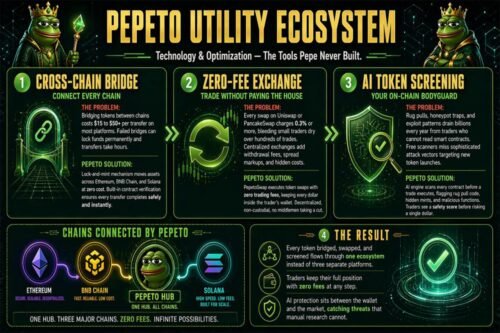
    Checking token contracts takes hours, and when a coin spikes at 2 AM, most traders skip the step that separates a real entry from a total loss. A dev wallet holds too much supply, the buyer clicks confirm at midnight, and the truth only lands after the damage is done. Pepeto scans contracts through a risk scorer that flags dangers before capital goes in, keeping the money protected.

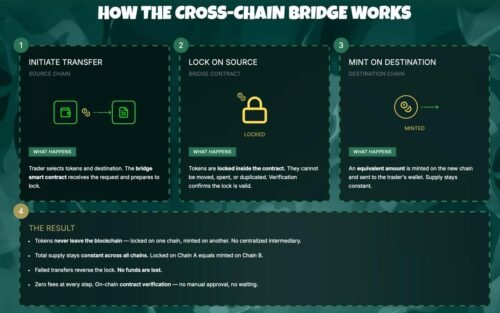
    The cross chain bridge moves tokens between networks at zero cost, meaning capital follows the opportunity without gas fees cutting returns. Analysts project 100x returns from this entry, and the tools backing it run already. The cofounder built the original Pepe coin that hit a billion dollar market cap with zero products, and that same 420 trillion supply now sits behind a working exchange heading toward Binance. A former Binance expert leads development, SolidProof cleared every contract, and the wallets loading right now hold a verified base that stands apart in the SOL price prediction space.

    PepetoSwap handles token swaps at zero fees, and the full platform operates before the listing arrives. This exchange does for presale holders what centralized platforms do for listed tokens, except the entry costs $0.0000001871 instead of market price. Staking at 172% APY adds holding pressure that tightens supply while the SOL price prediction plays out across larger caps. More than $10 Million flowed in through the kind of fear that pushed SOL down 11% in a week, and capital entering a crash is the signal whale wallets follow. The Binance listing is approaching, and every day at this entry is one day closer to the event that splits wallets who acted from everyone watching returns they missed.

    Solana (SOL) Price Prediction

    SOL trades at $84 after falling 68% from its October 2025 all time high of $293 according to CoinMarketCap. The Alpenglow testnet adds a long term catalyst, but resistance sits at $100 while support holds at $80. InvestingHaven targets $150 by December 2026 if the upgrade reaches mainnet and ETF inflows keep building. Changelly projects a Q4 average of $111, and CoinCodex puts the floor near $86. The SOL price prediction range for 2026 sits between $86 and $150. That ceiling offers 78% gains from current levels, a return that takes months and stays capped by a $50 billion market cap.

    Bottom Line

    Working tools are what separate a real presale from noise, and Pepeto has them live. Exchange infrastructure gets priced in fast once the Binance listing opens, and the SOL price prediction shows even large caps need months to deliver what one listing event creates overnight. Early SOL holders who followed whale buying through the 2020 crash all say they almost missed it and wish they had committed more. The same signal flashes now with $10 Million entering verified tools through this pullback. Entering through the Pepeto official website is how to follow that whale movement before the listing closes the window, and missing this entry could carry the heaviest cost of the cycle.

    Click To Visit Pepeto Website To Enter The Presale

    FAQs:

    What does the SOL price prediction say about Solana after the Alpenglow upgrade?

    InvestingHaven targets $150 if the upgrade hits mainnet and ETF inflows hold. SOL trades at $84, putting the best case return at 78% over several months.

    How does SOL compare to presale entries for returns this cycle?

    The SOL price prediction caps gains at 78% from $84. Pepeto sits at presale entry before an approaching Binance listing, with analysts projecting far larger returns from a working exchange.

    Is Pepeto worth entering during this market pullback?

    More than $10 Million raised through market fear shows deep wallet conviction. The Pepeto official website shows a presale still open before the Binance listing that early wallets expect to turn into real returns.

    Disclaimer:
    This article is for informational purposes only and does not constitute financial advice. Cryptocurrency investments carry risk, including total loss of capital.

    All market analysis and token data are for informational purposes only and do not constitute financial advice. Readers should conduct independent research and consult licensed advisors before investing.

    Crypto Press Release Distribution by BTCPressWire.com

  • Best Crypto to Buy in May 2026 Still Available in May: Pepeto, Chainlink, and Avalanche thumbnail

    Best Crypto to Buy in May 2026 Still Available in May: Pepeto, Chainlink, and Avalanche

    The search for the Best Crypto to Buy in May 2026 led millions of wallets into a market that dropped 40% from its highs and kept falling. The Digital Asset Market Clarity Act cleared the Senate Banking Committee on May 14 with bipartisan support, setting the first regulatory framework for tokens while Bitcoin sits below $77,000. Pepeto pulled in over $10 Million through this fear with verified tools and an approaching Binance listing, and the presale entry from April is still open.

    Senate Passes Crypto Clarity Act as BTC Holds Below $77,000

    The Digital Asset Market Clarity Act passed the Senate Banking Committee at 15 to 9 on May 14, sending the bill toward a full floor vote for the first time according to CoinDesk. The bill defines which tokens qualify as securities and which fall under commodity rules, giving exchanges and projects the legal ground they waited years for. Bitcoin still trades below $77,000 on Iran tensions and sticky CPI data per crypto.news, but the regulatory clarity resets the picture for anyone searching for the Best Crypto to Buy in May 2026 heading into summer.

    Clarity Act Tokens: Pepeto, LINK, and AVAX After the Senate Vote

    Pepeto

    The Best Crypto to Buy in May 2026 is the one with verified tools, and locating them during a crash takes real work because most traders freeze or dump positions instead of tracking where whale capital moves beneath the headlines. Contracts can look safe on the surface while a hidden function buried inside empties wallets without warning. Pepeto built a safety scanner that catches those dangers automatically, shielding capital from bad contracts while fear clears everyone without protection.

    PepetoSwap removes trading fees entirely, turning the hub into a gateway where holders swap tokens at zero cost while centralized platforms charge markups. Return projections sit between 100x and 300x because live tools at this stage of a presale create real exchange value once listing hits. Pepe coin reached a billion dollar market cap with zero tools, and the same cofounder’s 420 trillion supply now powers a safety scanner and zero fee trading hub with a Binance listing ahead. SolidProof audited every contract and a former Binance expert handled the build, giving wallets that entered during this crash proven base.

    Both the safety scanner and trading hub already operate, handling real trades through the gateway while the listing date approaches. At $0.0000001871 the entry disappears the moment the Binance listing goes live. Staking rewards at 172% APY reduce circulating tokens while trading volume stacks up. The Pepeto official website tracks where $10 Million loaded during the crash, and the Best Crypto to Buy in May 2026 stays open in May because the listing window has not closed yet.

    Chainlink (LINK)

    LINK trades at $9.40 after breaking above its $8 to $10 accumulation base this month per CoinMarketCap. The Bitwise LINK ETF listed on NYSE Arca in January 2026, and DTCC announced a Chainlink integration for collateral workflows on May 12. The all time high of $52 sits 453% above current price, but resistance at $14.37 has rejected every rally attempt for months.

    Avalanche (AVAX)

    AVAX sits at $9.50 after CME launched Avalanche futures with 24/7 trading starting May 29 per CoinMarketCap. Japan’s Progmat platform is moving over $2 billion in tokenized securities to an Avalanche subnet in June. The high of $144 is 93% above current levels, and reaching even half that number requires a full market recovery that current conditions do not support.

    Final Word

    Working tools separate a presale that holds through fear from one that vanishes with it, and Pepeto showed that by pulling $10 Million through a market that lost $700 million in liquidations. Early LINK holders who bought at $0.20 in 2017 turned small positions into life changing returns by entering one day before the crowd and holding through every crash. The Pepeto official website offers that same timing right now, because the Binance listing has not repriced the token yet and the presale window from April is still open. Being hours early to this entry is the difference between holding tokens the listing reprices and watching from the outside as wallets that moved first collect everything.

    Click To Visit Pepeto Website To Enter The Presale

    FAQs:

    Is the Best Crypto to Buy in May 2026 still available?

    The Pepeto presale entry from April remains open in May with over $10 Million raised and a Binance listing approaching that will close the window permanently.

    How do LINK and AVAX compare for upside from current prices?

    LINK at $9.40 targets 453% to its old high. AVAX at $9.50 targets over 1,400%. Both need months and depend on a full crypto recovery to reach those levels.

    Why does timing matter for presale entries heading into a Binance listing?

    Listing day reprices every token instantly, and the presale price disappears permanently. Entering hours early is how the biggest returns in crypto have always been captured.

    Disclaimer:
    This article is for informational purposes only and does not constitute financial advice. Cryptocurrency investments carry risk, including total loss of capital.

    All market analysis and token data are for informational purposes only and do not constitute financial advice. Readers should conduct independent research and consult licensed advisors before investing.

    Crypto Press Release Distribution by BTCPressWire.com

  • Aimélisz Introduces Glow Cleanser, a Minimalist Daily Cleanser Created for Sensitive and Dry Skin thumbnail

    Aimélisz Introduces Glow Cleanser, a Minimalist Daily Cleanser Created for Sensitive and Dry Skin

    Aimélisz has officially introduced a Glow Cleanser, a newly developed facial cleanser formulated to provide a gentle yet effective cleansing experience for individuals with sensitive, dry, and normal skin types. The launch reflects the brand’s continued focus on skincare solutions that prioritize comfort, simplicity, and skin balance without relying on aggressive ingredients or complicated routines.

    Created as an all-in-one cleansing solution, their Glow Cleanser is designed to remove makeup, SPF, excess oil, and everyday impurities in a single step while helping maintain the skin’s natural moisture balance. The formula aims to leave skin feeling refreshed, calm, and hydrated after cleansing, avoiding the tight or stripped sensation commonly associated with many traditional face washes.

    The cleanser features an alcohol-free and fragrance-free composition developed specifically for skin that is prone to dryness, irritation, or sensitivity. Rather than encouraging harsh exfoliation or multiple cleansing stages, the product was created to support a more streamlined skincare routine centered around daily comfort and consistency.

    According to the company, the inspiration behind their Glow Cleanser came from growing consumer demand for skincare products that feel gentle on the skin while still delivering effective cleansing performance.

    A spokesperson for Aimélisz stated that many consumers experience ongoing frustration with cleansers that disrupt the skin barrier or leave the complexion feeling dry and uncomfortable after use. The company explained that their Glow Cleanser was developed to offer a softer alternative that fits naturally into everyday skincare routines without overwhelming the skin.

    The cleanser has been formulated to support several key skincare concerns, including:

    • Removing makeup, SPF, and surface impurities in one cleansing step
    • Helping skin feel hydrated and balanced after cleansing
    • Reducing feelings of dryness and post-wash tightness
    • Supporting sensitive and easily reactive skin types
    • Simplifying lengthy multi-step cleansing routines

    Aimélisz continues to position its skincare philosophy around creating products that encourage a slower, more restorative approach to self-care. The brand focuses on formulas inspired by comfort, softness, and practical everyday skincare experiences rather than overly complicated regimens.

    The ‘Glow Cleanser’ is now available through the brand’s official website.

    Inquiries can be sent to cs@aimelisz.com

    About Aimélisz

    Aimélisz is a skincare brand focused on creating gentle, thoughtfully formulated products designed to support skin comfort and balance. Inspired by real-life experiences with sensitivity and dryness, the company develops skincare intended to help individuals maintain simple, effective routines that promote confidence and everyday well-being.

    Media Contact

    Company Name: Aimelisz

    Contact Person: Lisa King

    Email: cs@aimelisz.com

    Website: www.aimelisz.com

    City: London

    Country: UK

  • PortaProfits Releases Transparency Report: 30+ Partner Reviews Now Public

    New transparency initiative by PortaProfits provides public access to partner experiences, educational industry breakdowns, operational insights, and long-form content addressing growing online discussion surrounding portable sanitation route ownership.

    Philadelphia, PA — PortaProfits, a portable sanitation route automation and infrastructure support company, today announced the release of its official Transparency Report featuring 30+ publicly accessible partner reviews, onboarding experiences, educational resources, and long-form industry content designed to provide greater insight into the portable sanitation route ownership industry.

    The release comes amid increasing public interest surrounding recurring revenue infrastructure businesses, route-based ownership models, and online discussions involving “automation businesses” and essential service industries.

    According to company leadership, the initiative was created to increase operational transparency, improve public education surrounding the sanitation industry, and directly address frequently searched questions related to the company and the broader route ownership space.

    “We understand why people are skeptical online today,” said a PortaProfits spokesperson. “Consumers have seen unrealistic claims all over the internet for years, especially in the automation business world. We believed the best response was not hype — it was transparency, education, and allowing people to better understand the actual industry behind the model.”

    The newly released Transparency Report includes:

    • 30+ publicly accessible partner reviews and onboarding experiences
    • Long-form educational podcast and video content
    • Detailed breakdowns of sanitation route ownership models
    • Operational insights regarding servicing coordination and route systems
    • Clarification around recurring contract structures and infrastructure demand
    • Expanded public-facing educational content discussing the portable sanitation industry

    PortaProfits states that its business model is centered around helping individuals understand and enter the portable sanitation route industry through operational systems, route support infrastructure, placement strategies, servicing coordination, and recurring contract education.

    Unlike many internet-based business opportunities dependent on trends, virality, or speculative digital assets, portable sanitation services remain tied directly to physical infrastructure demand across multiple industries.

    Portable sanitation demand continues to be driven by:

    • Construction projects
    • Infrastructure development
    • Outdoor festivals and events
    • Industrial job sites
    • Municipal and commercial operations
    • Temporary workforce environments

    “Portable sanitation is not a new industry,” the spokesperson continued. “These routes and businesses have existed for decades. Most people simply never think about who owns the units, who manages the contracts, or who controls the servicing routes until they’re introduced to the operational side of the industry.”

    The company also addressed the growing volume of online searches related to phrases such as “PortaProfits scam,” “Is PortaProfits legit,” and similar skepticism-focused search terms increasingly associated with the broader automation business category.

    According to PortaProfits, confusion often stems from widespread misuse of the term “automation” across social media platforms, where unrealistic passive income claims have become increasingly common.

    “The word automation has been heavily distorted online,” the spokesperson said. “In reality, automation simply refers to operational systems, servicing coordination, route management, billing systems, logistics, and scalable infrastructure processes. Every major service business in the world operates through systems.”

    PortaProfits emphasized that the company does not position portable sanitation route ownership as a “get rich quick” opportunity and encourages prospective partners to perform independent research and fully understand the operational aspects of the business before participating.

    “We consistently encourage people to ask questions, do research, and understand the model thoroughly,” the spokesperson added. “This is a real-world infrastructure business. Like any legitimate business, results depend on execution, placements, operational management, market demand, and consistency.”

    Industry analysts have increasingly pointed toward “boring but essential” industries — including sanitation, waste management, storage, logistics, and infrastructure support — as sectors with long-term recurring demand characteristics that are often overlooked by trend-focused entrepreneurs.

    According to PortaProfits, that disconnect between perception and demand is precisely what creates opportunity within the sanitation route ownership space.

    “Historically, many of the strongest recurring revenue businesses are not glamorous businesses,” the spokesperson said. “Sanitation is not designed for social media aesthetics. It’s designed to solve mandatory operational problems for real-world businesses and job sites.”

    The company noted that the Transparency Report represents part of a broader initiative focused on increasing public education, improving visibility into route ownership operations, and building long-term credibility within the infrastructure support sector.

    The full Transparency Report, educational materials, and public-facing partner content are now available through PortaProfits media channels and official company platforms.

    About PortaProfits

    PortaProfits is a Philadelphia-based portable sanitation route automation and infrastructure support company focused on recurring-revenue sanitation route systems, operational education, placement strategies, servicing coordination, and scalable infrastructure-based business models tied to construction, industrial, municipal, and event-driven demand sectors.

    Media COntact

    Company Name: PortaProfits

    Contact Person: Harsh Gupta

    E mail: Support@portaprofits.net

    Website: PortaProfits.net

    City: Philadelphia

    State: PA

    Country: USA

  • PortaProfits Founder Harsh Gupta Responds to Industry Misinformation with Public Verification System

    PortaProfits, a Philadelphia-based sanitation route automation company, launches an expanded transparency initiative aimed at increasing operational visibility and public understanding surrounding portable sanitation route ownership.

    Philadelphia, PA — PortaProfits founder Harsh Gupta today announced the launch of the company’s new Public Verification System, an expanded transparency initiative designed to address growing online misinformation surrounding portable sanitation route ownership, recurring-revenue infrastructure businesses, and the broader automation industry.

    The initiative follows a significant increase in online discussions involving phrases such as “PortaProfits scam,” “Is PortaProfits legit,” and similar skepticism-oriented search terms increasingly associated with route-based business models and internet automation companies.

    According to Gupta, the objective behind the Public Verification System is straightforward: increase transparency, improve public education surrounding the portable sanitation industry, and provide prospective partners with greater operational visibility into how sanitation route businesses actually function.

    “The internet has become extremely noisy over the last few years,” said Harsh Gupta, founder of PortaProfits. “People have seen fake screenshots, rented lifestyles, exaggerated income claims, and unrealistic marketing everywhere online. Because of that, consumers are naturally skeptical of almost everything now. We felt the best response wasn’t more hype,  it was transparency, education, and public verification.”

    The newly launched Public Verification System includes:

    • Public-facing partner reviews and onboarding experiences
    • Expanded educational content regarding sanitation route ownership
    • Long-form podcast and video content discussing industry operations
    • Operational breakdowns covering servicing systems and route coordination
    • Public clarification surrounding recurring contract structures
    • Increased visibility into infrastructure demand and placement strategies

    PortaProfits states that its business model is centered around helping individuals understand and enter the portable sanitation industry through operational support systems, route education, servicing coordination, placement strategy, and recurring infrastructure-based business models tied to real-world demand sectors.

    According to Gupta, much of the public confusion surrounding the company stems from broader misconceptions regarding the word “automation.”

    “The term automation has been heavily abused online,” Gupta explained. “Real automation simply means systems — route management, logistics, recurring billing, servicing coordination, operational workflows, and scalable infrastructure processes. Every large service business in the world runs on systems.”

    Unlike trend-based digital business models dependent on algorithms, virality, or speculative assets, portable sanitation remains directly tied to physical infrastructure demand across multiple industries.

    Portable sanitation demand continues to be driven by:

    • Construction and development projects
    • Industrial workforce operations
    • Outdoor festivals and live events
    • Infrastructure expansion
    • Municipal and commercial operations
    • Temporary workforce environments

    “Portable sanitation is not some new internet idea,” Gupta continued. “This industry has existed for decades. Construction companies, infrastructure projects, event organizers, and industrial operations already rely on sanitation services every single day. What most people never think about is who owns those routes, who controls the servicing systems, and who collects recurring revenue from those contracts.”

    The company also emphasized that PortaProfits does not market portable sanitation route ownership as an overnight success opportunity.

    “We consistently encourage people to ask questions, do independent research, and fully understand the operational side of the business,” Gupta said. “This is a real-world infrastructure industry. Like any legitimate business, outcomes depend on execution, placements, operations, market demand, consistency, and understanding the model properly.”

    Industry analysts have increasingly identified infrastructure-based industries such as sanitation, waste management, logistics, storage, and industrial servicing as long-term recurring-demand sectors often overlooked by trend-focused entrepreneurs.

    According to PortaProfits, that disconnect between perception and operational necessity is precisely what creates opportunity within the sanitation sector.

    “Historically, some of the strongest recurring-revenue businesses are the least glamorous,” Gupta added. “Sanitation isn’t designed to look flashy on social media. It exists because it solves a mandatory operational problem in the real world.”

    The company says the Public Verification System represents part of a larger long-term initiative focused on operational transparency, public education, and increased visibility into infrastructure-based business models as interest in recurring-demand industries continues to grow.

    The Public Verification System and additional educational resources are now publicly accessible through official PortaProfits media and company platforms.

    About PortaProfits

    PortaProfits is a Philadelphia-based portable sanitation route automation and infrastructure support company founded by Harsh Gupta. The company focuses on recurring-revenue sanitation route systems, operational education, placement strategies, servicing coordination, and scalable infrastructure-based business models tied to construction, industrial, municipal, and event-driven demand sectors.

    Media COntact

    Company Name: PortaProfits

    Contact Person: Harsh Gupta

    E mail: Support@portaprofits.net

    Website: PortaProfits.net

    City: Philadelphia

    State: PA

    Country: USA

  • Vegan Korner Emerges as One of the Best Vegan Pizza Spots in California thumbnail

    Vegan Korner Emerges as One of the Best Vegan Pizza Spots in California

    Just minutes from Riverside, a local vegan restaurant is quietly becoming one of the Inland Empire’s most talked-about food spots. Vegan Korner, operated by Diego Muniz, has spent the last three years building a reputation around one thing: premium vegan pizza that doesn’t compromise on flavor, quality, or experience.

    At a time when plant-based dining is exploding across California, Vegan Korner has carved out its own lane by focusing on elevated comfort food made with authentic imported ingredients, original preparation techniques, and handcrafted recipes designed to appeal to vegans and non-vegans alike.

    The restaurant’s signature “Hot Honey Pepperoni” pizza has quickly become a standout menu item among customers across the Inland Empire — combining sweet heat, rich flavor, and handcrafted dough made from imported Italian flour into what many regulars describe as one of the best vegan pizzas in the region.

    “We wanted to create something different from the standard vegan restaurant experience,” said Diego Muniz, Owner and Operator of Vegan Korner. “Our focus has always been on quality ingredients, authentic flavor, and creating food that everyone can enjoy — vegan or not.”

    That focus on quality has helped Vegan Korner steadily grow into a destination spot for food lovers throughout the county, and surrounding Southern California communities.

    Vegan Korner is pushing deeper into technology and customer convenience with the launch and continued growth of the Vegan Korner App, giving customers direct access to mobile ordering, exclusive promotions, menu updates, and a faster way to connect with the brand.

    As food culture increasingly shifts toward convenience-driven experiences, the app is becoming a central part of Vegan Korner’s vision for the future.

    With premium ingredients, a fast-growing local following, and a strong focus on both quality and innovation, Vegan Korner is positioning itself as more than just another vegan restaurant — it’s becoming a recognizable food brand within Southern California’s rapidly evolving food scene.

    Instagram: www.instagram.com/vegankorner

    Vegan Korner App: https://apps.apple.com/us/app/vegan-korner/id6461572675

    Website: www.VeganKorner.com

  • One AI Platform with Multiple Lifelines: Crisisense Is Built to Defend America’s Power Grid, Water Supply and Emergency Services. thumbnail

    One AI Platform with Multiple Lifelines: Crisisense Is Built to Defend America’s Power Grid, Water Supply and Emergency Services.

    Crisisense, founded by Big Data Engineer Annesha Chowdhury, is being built as a single early-warning brain for the U.S. power grid, water supply and emergency services, so the next major disaster does not become a national catastrophe.

    Crisisense, an American-built AI platform currently in active development with pilot conversations underway across U.S. cities and utilities, is being designed to give the United States a single, intelligent early-warning system for its power grid, water supply, and emergency services, so that hurricanes, cyberattacks, and grid failures stop becoming national disasters.

    The systems that keep the country running, the power grid, the water supply, hospitals, and emergency response, are managed in silos today. The power company watches power. The water utility watches water. FEMA watches storms. None of them talk to each other in real time. So when a hurricane, cyberattack, or heat wave hits, no one sees the full picture until people are already in the dark.

    Crisisense is being built to connect those dots. Once complete, it will pull live data from weather satellites (NASA, NOAA), the power grid, river gauges (USGS), and city sensors into a single AI system that can answer one question better than anything on the market today: “What’s about to break, and who gets hurt if it does?” It will then tell operators exactly what to do, in plain English, minutes or hours before the failure happens.

    Because it is being designed as sovereign, American-made AI, with data that never leaves U.S. soil or touches a foreign cloud, the platform will be safe to use on the most sensitive infrastructure in the country.

    The U.S. electric grid is running out of room. More than 2,600 gigawatts of new energy projects are stuck in line waiting to connect, AI data centers are eating up massive amounts of electricity, and utilities are forced to use overly cautious settings that leave a lot of safe capacity unused. Crisisense is being designed to use live weather data and proven physics to safely squeeze 15 to 40 percent more electricity out of the power lines America already has, with no new towers and no new construction.

    When Winter Storm Uri hit Texas in 2021, it caused a chain reaction. Power failed, which shut off water pumps, which disabled hospitals, which stranded ambulances. The total cost reached about $130 billion and hundreds of lives. Crisisense is being built to predict the chain reaction before it happens, giving FEMA, state agencies, and city emergency teams time to move generators, evacuate vulnerable people, and re-route ambulances before the storm hits.

    America’s bridges, dams, and water systems were graded a C-minus by civil engineers, with a $2.59 trillion repair gap. The platform is being designed to use satellite radar to detect millimeter-level shifts in bridges and roads, catching the next potential collapse months before a crack is visible. It also includes a built-in detection layer for industrial control systems that catches hackers who try to spoof sensor readings, the same kind of attack used in Stuxnet.

    A core part of the platform is the AI Copilot, an assistant being built for mayors, grid operators, emergency directors, and field officers. Instead of forcing an emergency director to read dashboards, they will ask a question in plain English, such as “Is Hospital B safe for the next six hours?” The Copilot then checks the live weather, runs a grid simulation, looks at flood zones, cross-references the hospital’s backup generator status, and responds with a short, clear recommendation.

    “My mission is to make sure America’s power grid, water systems, and emergency response are ready for the next decade of climate, cyber, and capacity threats, using AI that is provably safe, sovereign, and American-made,” said Annesha Chowdhury, founder of Crisisense.

    To learn more and get started, visit https://crisisense.org/

    About Crisisense

    Crisisense is a U.S.-based AI company building the first neuro-symbolic operating system for national critical infrastructure. By fusing sovereign large language models with rigorous physics engines, Crisisense is being designed to help utilities, cities, and federal agencies predict and prevent cascading failures across the power grid, water systems, and disaster response. The platform supports FERC Order 881, the White House National Security Memorandum 22 (NSM-22), and the Department of Energy’s grid modernization initiatives. Founded by Big Data Engineer and AI researcher Annesha Chowdhury, Crisisense is currently in active development, with pilot conversations underway with U.S. municipal and utility partners.

    Learn more at https://crisisense.org/

    Media Contact:

    Company Name: Crisisense

    Contact Person: Annesha Chowdhury, Founder, Crisisense

    Website: crisisense.org

    Country: USA

  • Best Crypto Presale 2026: Pepeto Leads With Live Tools as BlockDAG Crashes 99% and Bitcoin Hyper Delays thumbnail

    Best Crypto Presale 2026: Pepeto Leads With Live Tools as BlockDAG Crashes 99% and Bitcoin Hyper Delays

    The best crypto presale 2026 question just got easier to answer because the DeFi market lost $293 million in a single bridge exploit that exposed exactly how dangerous unverified infrastructure can be for any wallet holding tokens across chains. The KelpDAO hack drained 116,500 rsETH through a vulnerability in cross chain messaging, triggered liquidations across lending markets, and forced Aave to freeze multiple pools in what CoinDesk called the largest DeFi exploit of the year. While the industry debates whether bridges can ever be safe, one presale already built its own audited swap engine with zero fees and an AI risk scorer that flags contract threats before a wallet commits, and that presale is still open at a price most traders have never seen this low.

    $293 Million KelpDAO Hack Exposes Bridge Risks as DeFi Is Forced to Grow Up

    The KelpDAO exploit on April 19 drained $293 million by tricking the LayerZero cross chain messaging layer into releasing tokens to an attacker controlled address, according to CoinDesk. The hack cascaded into lending markets where rsETH briefly traded at $0.71 on the dollar, triggering liquidations across at least four protocols, and Aave froze its rsETH markets while $6.2 billion in net withdrawals hit the protocol in the days after, according to The Block. The message from the industry is clear: the projects that survive are the ones building verified security into every layer, not patching it after the loss.

    Best Crypto Presale 2026: Who Has Live Tools and Who Has Excuses

    Pepeto Answers the Best Crypto Presale 2026 Question With Working Products

    The best crypto presale 2026 search keeps circling back to Pepeto because it is the only entry where the product is not a promise. The PepetoAI risk scorer evaluates every contract before a wallet commits and returns findings in plain terms, while the cross chain bridge moves assets between blockchains without the single point of failure that destroyed KelpDAO.

    These tools are live right now, not scheduled for a future sprint, and the presale community has been testing them through months of extreme market fear. Every swap across Pepeto runs with zero trading fees, which means the cost of moving between positions stays at zero while the rest of the market pays for every rotation.

    The raise crossed $10 million at $0.0000001871 while the Fear and Greed Index sat in extreme fear territory, proving that the capital entering is not reacting to noise but calculating what a confirmed Binance listing does to a token at this entry. A former Binance expert built the exchange architecture, SolidProof audited every contract, and the creator of the original Pepe that reached $11 billion designed the token model. The best crypto presale 2026 is the one where the listing is confirmed, the tools work today, and the entry price has not moved yet.

    BlockDAG: $452 Million Raised, 99% Crash After Listing

    BlockDAG raised $452 million across a two year presale and launched in February 2026, but the token crashed 99% after listing, dropping from $0.40 to $0.002 according to reporting from CryptoNews. On chain investigator ZachXBT publicly questioned the fundraising figures, alleging they did not match observable wallet activity. Multiple deadline extensions, aggressive marketing tactics, and thin exchange liquidity turned what was marketed as a next generation Layer 1 into a warning for every wallet that entered late.

    Bitcoin Hyper: $32 Million Raised, No Live Product

    Bitcoin Hyper claims to be building the first Bitcoin Layer 2 using the Solana virtual machine and has raised $32 million, but the mainnet has not launched and the presale end date moved from Q1 to Q2 2026 with no confirmed listing. The bridge remains in closed beta and no live product exists behind the presale label, which means every dollar in is a bet on execution that has not been proven.

    Conclusion

    Every massive return in crypto started the same way. HBAR launched below $0.04 and crossed $0.40. LINK traded under $0.20 and reached $52. A few hundred dollars in either of those entries became tens of thousands. The one thing every early buyer had in common is they moved while everyone around them doubted. Pepeto sits at that same stage now with $10 million raised, live tools the community is already using, and a Binance listing approaching that compresses the entire distance between presale and exchange into one event, but that window is closing faster than the last round of presales did because the capital entering during fear does not wait for permission from the crowd.

    Click To Visit Pepeto Website To Enter The Presale

    FAQs

    What is the best crypto presale 2026 based on live utility?

    Pepeto leads the best crypto presale 2026 field with a working zero fee swap engine, an AI risk scorer, and a confirmed Binance listing, while competitors like BlockDAG crashed 99% and Bitcoin Hyper has no live product.

    What happened to BlockDAG after its presale ended?

    BlockDAG raised $452 million but the token dropped 99% after listing, and on chain investigators questioned the transparency of its fundraising claims.

    How can investors identify safe presales after the KelpDAO hack?

    The safest presales have audited contracts, working products traders can test before committing, and confirmed exchange listings. The Pepeto official website offers all three with a SolidProof audit, live tools, and an approaching Binance listing.

    Disclaimer:
    This article is for informational purposes only and does not constitute financial advice. Cryptocurrency investments carry risk, including total loss of capital.

    All market analysis and token data are for informational purposes only and do not constitute financial advice. Readers should conduct independent research and consult licensed advisors before investing.

    Crypto Press Release Distribution by BTCPressWire.com
  • Hedera Coin Price Stalls Below $0.10 as Pepeto Crosses $10M and Builds Before  Listing thumbnail

    Hedera Coin Price Stalls Below $0.10 as Pepeto Crosses $10M and Builds Before Listing

    The hedera coin price has spent most of 2026 trapped below $0.10, and a $563 million liquidation event just wiped bullish leverage off the board in the worst single day wipeout since February. If the macro picture keeps punishing leveraged positions this aggressively, the bigger question becomes simple: where does the real growth sit, and how do you position before the crowd sees it?

    While the hedera coin price fights resistance, Pepeto has raised more than $10 million with a working exchange live and rewards compounding daily. The tools are usable now, and that separates this entry from everything else in the cycle.

    $563 Million in Crypto Liquidations Erase Bullish Bets in Worst Day Since February

    Leveraged long positions betting on a rally lost $563 million in forced liquidations over the past 24 hours, the largest single day wipeout since February 6 when Bitcoin crashed to $60,000 and erased $1.84 billion in bullish bets, according to CoinDesk. Ether led the damage at $244 million, Bitcoin followed at $160 million, and data from CoinGlass showed short liquidations came in at just $65 million, revealing how one sided the positioning had become. The carnage proves that leverage in a choppy market punishes more wallets than it rewards, and the real edge belongs to entries where the listing event creates the return instead of a bet on direction.

    Hedera Coin Price and the Presale Built to Outperform Every Recovery Trade

    Pepeto Delivers a Working Exchange While Others Sell Roadmaps

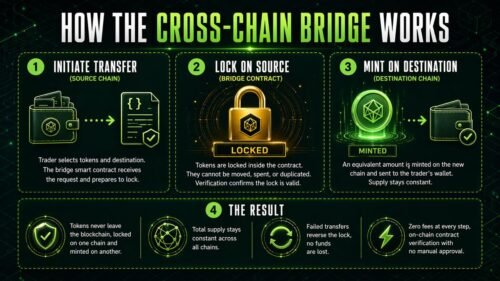
    Pepeto has raised more than $10 million and delivered working tools since the earliest stages, driven by a product that went live while the rest of the presale market was still publishing timelines. Compared to projects trying to sell a whitepaper instead of a real product, Pepeto traders can access the cross chain bridge and the zero fee swap engine today.

    Wallets earning 172% APY through the live pool are locking $7,000 positions that return $12,740 in yearly rewards while removing tokens from circulation before the Binance listing opens. If the regulatory clarity building in Washington attracts fresh institutional capital, the projects with live products and confirmed exchange paths stand to capture that flow before anyone else.

    The contract is cleared by SolidProof and the architecture comes from the mind behind the original Pepe that reached an $11 billion peak. At $0.0000001871 the valuation still reflects presale conditions, not full market exposure, and the Binance listing approaching is what converts that gap into the return the wallets buying now are positioned to collect.

    Hedera Coin Price: HBAR Trapped Below $0.10

    The hedera coin price traded near $0.09 this week, with selling volume rising during the drop. HBAR rebounded from $0.035 during its deepest correction and reached $0.40 at its January 2025 peak, but the token continues failing near $0.10 where that level remains firm resistance.

    The 200 day EMA sits at $0.12, roughly 26% above current price, and derivatives data reflect cautious positioning with funding rates slightly negative. Most hedera coin price forecasts lean defensive, with Changelly placing the 2026 average near $0.106 and CoinCodex keeping its estimate below $0.10 through most of the year.

    Avalanche Slips Below $9 After Rally Fades

    Avalanche pulled back below $9.00 after a recovery attempt stalled, with AVAX trading near $8.87 while the broader market cooled. Institutional flows remain present but retail traders appear cautious, with 24 hour volume around $241 million.

    AVAX sits roughly 94% below its $146 all time high from November 2021, and even bullish 2026 targets project a move toward the $12 to $15 range, a return that reflects patience more than opportunity.

    Conclusion

    The hedera coin price has earned its position through enterprise partnerships and a governance council that includes Google and IBM, and that traction strengthens the wider ecosystem by proving institutional interest in distributed ledger technology keeps growing. But credibility at $0.09 with resistance at $0.10 means the return from here is a slow grind, not the kind of move that flips a portfolio, because the gains that change outcomes come from tokens priced at presale levels before a confirmed listing reprices them. The wallets that loaded HBAR near its earliest prices and watched it reach $0.40 are the same kind of wallets buying Pepeto now at $10 million raised with exchange tools already live and a Binance listing approaching, because they spot these setups better than anyone and they know the distance between presale and exchange is the entire opportunity.

    Click To Visit Pepeto Website To Enter The Presale

    FAQs

    What is the latest hedera coin price forecast?

    The hedera coin price faces resistance below $0.10 with the 200 day EMA at $0.12, and most forecasts place the 2026 average between $0.10 and $0.13 depending on market recovery.

    How does the HBAR outlook compare to presales?

    HBAR depends on breaking technical resistance and broader market strength, while Pepeto combines presale pricing with a working exchange and a confirmed Binance listing that creates a defined repricing event.

    What are realistic hedera coin price targets this cycle?

    HBAR needs to reclaim $0.10 and clear $0.12 to shift direction. The Pepeto official website offers a different return path at its current stage because the listing compresses the timeline.

    Disclaimer:
    This article is for informational purposes only and does not constitute financial advice. Cryptocurrency investments carry risk, including total loss of capital.

    All market analysis and token data are for informational purposes only and do not constitute financial advice. Readers should conduct independent research and consult licensed advisors before investing.

    Crypto Press Release Distribution by BTCPressWire.com

  • Polygon Price Prediction 2026 Points to $0.28 But Wallets Seeking  Are Turning to Pepeto Before  Listing thumbnail

    Polygon Price Prediction 2026 Points to $0.28 But Wallets Seeking Are Turning to Pepeto Before Listing

    The polygon price prediction for 2026 still calls for a recovery that has not arrived, and the token sits 97% below its all time high while the market searches for direction after heavy selling. The CLARITY Act just cleared the Senate Banking Committee in a bipartisan 15 to 9 vote, and altcoin holders are watching because a formal crypto framework could unlock institutional capital that has sat frozen for years. While that tailwind builds slowly, wallets chasing returns beyond a recovery trade are loading a presale with working tools, a Binance listing approaching, and an entry so low that the distance to exchange is where the real money gets made.

    Senate Passes CLARITY Act as Altcoins Search for Direction

    The Digital Asset Market Clarity Act passed the Senate Banking Committee on May 14 with two Democrats crossing party lines, making it the first crypto market structure bill to clear a Senate committee, according to CoinDesk. Crypto linked equities rallied the same session with Coinbase jumping 9.1%, according to CNBC, but the move faded as Bitcoin slipped below $78,000 on macro pressure. The vote proves the legislative path is open, but clarity alone does not change the math for tokens priced at large market caps where gains stay in low multiples.

    Polygon Price Prediction and the Presale That Could Outperform Every Altcoin Recovery

    Pepeto Gives Traders a Working Exchange Before Listing

    The crypto market rewards speed, and the wallets that captured the biggest returns over the past two cycles moved while everyone else was reading headlines. Pepeto was built for that timing because the zero fee swap engine and the PepetoAI risk scorer are already live, giving traders tools that protect every position from entry to exit before the Binance listing opens.

    Traders can swap tokens across chains without paying a single fee right now, and the risk scorer evaluates every trade in real time so the wallet knows its exposure before the capital moves. These are working products, not roadmap promises, and the presale community has been using them through the worst fear stretch this cycle produced.

    The raise crossed $10 million at $0.0000001871 while the Fear and Greed Index sat deep in extreme fear, which means the capital entering is calculating what a confirmed Binance listing does to a token at this price. The developer who engineered the original Pepe to an $11 billion peak designed the architecture, and SolidProof cleared every contract. Staked wallets earning 172% APY are locking tokens out of circulation, and a presale with this traction and a Binance listing approaching is the setup that turns a small entry into the kind of return that makes every other position in the portfolio irrelevant.

    Polygon Price Prediction: POL Fights to Hold $0.09

    The polygon price prediction for 2026 shows a token struggling to reclaim ground after spending most of the year below $0.10. POL trades near $0.09, down 9.9% on the weekly chart and sitting 97% below its $2.92 all time high from December 2021. Changelly places the 2026 range between $0.08 and $0.127, while Cryptopolitan targets a maximum of $0.28 if buying demand picks up.

    The AggLayer and a Visa settlement integration are real demand drivers, but even the most bullish polygon price prediction gives roughly 3x from here, and that kind of return helps a portfolio recover but cannot reshape one.

    Chainlink Breaks $10 but Resistance Caps the Move

    Chainlink confirmed a breakout from its four month base around $8 to $10, with LINK trading near $10.62 and posting a 6.3% weekly gain. The CCIP cross chain protocol processed over $18 billion in Q1 2026, and the Grayscale LINK Trust ETF gave traditional investors regulated exposure for the first time.

    The wall sits at $14.37, which has rejected every recovery attempt since January. LINK remains 80% below its $52 all time high, and the DTCC integration analysts cite as the next catalyst is not expected until Q4 2026. From $10.62 the path to meaningful gains requires patience measured in quarters.

    Conclusion

    The polygon price prediction confirms POL has genuine upgrades behind it, and the CLARITY Act passing committee proves the regulatory path is clearing, but a token at $0.09 with a best case of $0.28 delivers 3x, and 3x does not change a financial future. Pepeto sits at presale pricing with $10 million raised during peak fear, a working exchange already live, and a Binance listing approaching that compresses every remaining day into a smaller window. Once that listing opens, the presale price disappears and every wallet that comes after pays whatever the open market decides. The traders who find the Pepeto official website while it is still open are the ones who close this cycle with the return everyone else spends years wishing they had captured, and that entry never comes back.

    Click To Visit Pepeto Website To Enter The Presale

    FAQs

    What does the polygon price prediction show for 2026?

    The polygon price prediction ranges between $0.08 and $0.28, giving POL roughly 3x at best from its current $0.09 level.

    Is the CLARITY Act good for altcoins like Polygon?

    The CLARITY Act creates a clearer regulatory framework that could draw institutional capital into altcoins, but the benefit plays out over years and does not guarantee short term gains.

    What makes Pepeto a strong presale in 2026?

    Pepeto has a working zero fee swap engine and AI risk scorer already live, a SolidProof audit, and a Binance listing approaching. The Pepeto official website shows the current entry price and every tool available to test before committing.

    Disclaimer:
    This article is for informational purposes only and does not constitute financial advice. Cryptocurrency investments carry risk, including total loss of capital.

    All market analysis and token data are for informational purposes only and do not constitute financial advice. Readers should conduct independent research and consult licensed advisors before investing.

    Crypto Press Release Distribution by BTCPressWire.com