
When Hip-Hop Meets the Ring: SKG and Logan Paul Snap a Selfie at WWE Worlds Collide in Las Vegas
Las Vegas was electric as fans poured in for the blockbuster Canelo vs. Crawford fight—but boxing wasn’t the only headline event in town. WWE’s Worlds Collide brought its own surge of star power and adrenaline, blending athleticism, entertainment, and pop culture into one unforgettable weekend.
Amid the action, West Coast rapper SKG (Helecia Choyce) and WWE superstar Logan Paul crossed paths for a spontaneous selfie that quickly caught the attention of fans online. The unplanned moment showcased the unique crossover appeal of the weekend, where hip-hop, pro wrestling, and celebrity culture came together on one massive stage.

Both SKG and Logan Paul have been on the move, making waves in their respective lanes. SKG continues to dominate the indie music scene, collaborating with rising artists and dropping feature after feature. Meanwhile, Logan Paul’s WWE presence is growing rapidly, with his in-ring appearances generating major buzz.
Not only did the duo connect for a memorable selfie, but both were also spotlighted on WWE’s official broadcast, proving their presence was impossible to miss. From the Strip to the ring, Las Vegas once again proved why it’s the go-to city for larger-than-life moments and unforgettable crossovers.

Beyond Plastic: How Compostable Cutlery Is Quietly Redefining the Global Foodservice Industry
Beyond Plastic: How Compostable Cutlery Is Quietly Redefining the Global Foodservice Industry
A deep look at the market data, environmental urgency, and the rise of one manufacturer leading the sustainable cutlery revolution — Bioleader
The Scene: A Café in Transition
“Do you still have plastic forks?” the customer asked. The barista smiled and handed over a neatly wrapped compostable set. “Not anymore. These are plant-based.”
That brief exchange—now common in cafés across London, Toronto, and Sydney—captures a global transformation that goes far beyond utensils. The world’s relationship with disposables is changing fast, and cutlery has become one of the most symbolic battlefields in the war against plastic waste.
According to the United Nations Environment Programme, over 400 million tonnes of plastic waste are generated annually, with single-use items like forks, spoons, and knives accounting for nearly 10%. With national bans spreading across Europe, North America, and Asia, businesses face both regulatory and consumer pressure to adapt.
The result? A surge in demand for biodegradable and compostable cutlery, a category projected to exceed $2.6 billion by 2030, growing at a CAGR of 11–13%.
One of the leading innovators riding this wave is Bioleader, a China-based manufacturer supplying certified compostable utensils to global foodservice and hospitality brands. Its portfolio—from biodegradable compostable cutlery to individually wrapped, ready-for-export sets—has made it a reliable partner in the global shift toward responsible convenience.
The Global Context: From Policy to Practical Reality
When the European Union’s Single-Use Plastics Directive came into force, it triggered a ripple effect across international supply chains. From Spain to Canada, retailers and restaurants were forced to reconsider their dependency on traditional petroleum-based disposables.
Yet early replacements—paper utensils, wooden cutlery—came with their own flaws: fragility, poor user experience, and inconsistent cost.
Enter the next generation: PLA, CPLA, and cornstarch-based utensils engineered for both performance and compostability. These materials, derived from renewable crops, decompose under industrial composting within 90 days while maintaining structural integrity comparable to plastic.
But not every supplier meets international certification standards. Many “eco” products fail testing for BPI, EN13432, or ASTM D6400, rendering them non-compliant in regulated markets.
This is where Bioleader established its niche—combining verified certification, in-house R&D, and large-scale capacity that few can match.
Its biodegradable compostable cutlery line exemplifies this new standard: sleek, durable, and designed to handle hot, oily foods without bending or releasing odor.
Material Science Meets Consumer Experience
The key to Bioleader’s success lies in materials engineering. The company’s cutlery is typically made from CPLA (Crystallized Polylactic Acid), an upgraded form of PLA enhanced for rigidity and heat tolerance up to 85–90°C.
In independent lab tests conducted in 2024, CPLA utensils matched the tensile strength of polypropylene (PP) while emitting 70% less carbon over their lifecycle. More importantly, they remained stable during storage and use—a weakness that plagued earlier bioplastic products.
Bioleader’s engineers developed a proprietary “crystallization process” that eliminates surface tackiness and ensures uniform density. This makes its forks and spoons suitable for both frozen desserts and hot soups—critical for real-world dining.
And unlike wooden alternatives, CPLA products deliver the smooth mouthfeel consumers associate with premium dining experiences.
The company’s eco-friendly cutlery sets combine these technical advances with elegant packaging and customizable branding, appealing to hotels, airlines, and food delivery platforms alike.
Case Study: A Quick-Service Chain’s Sustainable Overhaul
In early 2024, a Southeast Asian quick-service restaurant group operating 350 outlets decided to replace its plastic utensils amid local environmental pressure.
The challenges were clear:
- Maintain durability for hot rice meals and soups
- Avoid texture complaints from wooden alternatives
- Keep total packaging costs within ±10% of the baseline
After evaluating multiple suppliers, the chain selected Bioleader’s individually wrapped cutlery sets—pre-packed in compostable wrappers, sterilized, and ready for export compliance.
The six-month rollout achieved:
- 78% reduction in non-recyclable waste volume
- 15% increase in customer satisfaction scores related to packaging
- Zero breakage complaints compared to a 5% rate with prior wooden utensils
The case highlights a broader shift in foodservice: sustainability no longer means compromise. When engineered correctly, eco materials can outperform legacy plastics both functionally and commercially.
The Market Forces: Why Restaurants Are Paying Attention
There was a time when sustainable cutlery was dismissed as a boutique niche for eco cafés. That era is over.
A 2025 study by Technomic found that 81% of consumers are more likely to repurchase from brands using compostable packaging, while 62% are willing to pay a small premium for visibly eco-conscious products.
Major delivery platforms like DoorDash, Deliveroo, and Uber Eats now encourage merchants to adopt “no plastic” policies by default. Even airlines are switching—Japan Airlines, for instance, announced its complete phase-out of petroleum-based utensils by 2026.
This paradigm shift is reflected in the rise of fully compostable utensils like compostable spoons and forks from Bioleader, which have quickly gained traction among B2B distributors in Europe and North America.
Inside the Factory: Where Scale Meets Sustainability
Located in Xiamen, China, Bioleader’s facility spans 20,000 square meters of advanced manufacturing infrastructure. Unlike many resellers, the company controls every step of the production chain—from raw biopolymer pellet compounding to precision molding and packaging.
Its production lines are fully automated, minimizing waste and ensuring consistency. Each batch is traceable via digital lot codes, simplifying audits for importers under new EU Extended Producer Responsibility (EPR) laws.
The facility holds certifications from ISO 9001, BRC, FDA, and LFGB, ensuring both food safety and international export compliance.
This level of transparency—rare in the cutlery sector—has made Bioleader the go-to supplier for distributors managing private-label brands in the U.S., U.K., and Middle East markets.
What Sets Bioleader Apart
In a field crowded with small-scale suppliers and marketing-heavy startups, Bioleader’s longevity and technical rigor stand out.
Here’s what differentiates it:
- Material Expertise: Proprietary blends of CPLA, cornstarch, and plant fibers that balance strength and compostability.
- Full Product Line: From bulk-distributed utensils to individually wrapped forks and spoons designed for hygiene-sensitive sectors like airlines and hospitals.
- Customization: Logo printing, color matching, and biodegradable film wrapping for branding consistency.
- Certifications: EN13432, ASTM D6400, OK Compost, BPI—verifiable for global compliance.
- Operational Scale: Container-load production with multi-SKU mixing to reduce buyer freight costs.
- Client Trust: Long-term partnerships with distributors in over 60 countries, many reporting double-digit growth in repeat orders.
This rare combination of performance, documentation, and service explains why Bioleader is increasingly featured in sustainability supply chain reports as one of Asia’s most reliable compostable tableware manufacturers.
The Data Differential: Compostable vs. Plastic
| Metric | Traditional Plastic (PP) | Compostable CPLA (Bioleader) |
| Heat Resistance | 90°C | 85–90°C |
| CO₂ Emissions per 1,000 pcs | 8.4 kg | 2.8 kg |
| Decomposition | 400+ years | ≤90 days (industrial composting) |
| Food-Safe Certification | FDA only | FDA, LFGB, EN13432 |
| Consumer Preference (2025 Survey) | Neutral | +35% favorability |
| Branding Flexibility | Limited | Full customization available |
Environmental compliance aside, the business case for switching to compostable cutlery is now empirical: reduced regulatory risk, measurable sustainability metrics, and tangible brand equity gains.
The Consumer Shift: Hygiene and Presentation
Post-pandemic consumer behavior has redefined hygiene expectations. Individually wrapped utensils are now considered standard in premium or institutional settings, from corporate catering to airlines.
Bioleader’s biodegradable cutlery line meets this demand with sterile, sealed packaging made from compostable film.
For food brands, this solves two pain points simultaneously: perceived cleanliness and eco-compliance. Each set can include a fork, spoon, knife, and napkin—fully compostable, branded, and export-ready.
A U.K.-based airline procurement manager described the partnership succinctly:
“We needed eco utensils that didn’t feel like cardboard. Bioleader delivered exactly that—and our passengers noticed.”
The Broader Environmental Payoff
Switching materials isn’t just optics; it’s measurable impact. The Ellen MacArthur Foundation estimates that converting 20% of single-use packaging to compostable alternatives could eliminate 80 million tonnes of plastic waste annually.
For Bioleader, this translates into purpose-driven production. The company’s annual output capacity of biodegradable cutlery—over 200 million units—represents millions of avoided plastic equivalents each year.
More importantly, it signals how manufacturing can evolve responsibly without sacrificing performance or profitability.
Future Outlook: The Circular Tableware Economy
As 2026 regulations loom, the global market is entering what analysts call the “Circular Supply Stage.” Businesses are prioritizing life-cycle traceability, ensuring every product—from raw input to disposal—fits within sustainable frameworks.
Bioleader is preparing for this phase by integrating QR-based composting information and carbon labeling into its packaging. These digital markers help end-users and recyclers verify proper disposal routes, closing the loop between manufacturer, consumer, and composting facility.
With further research into PHA (polyhydroxyalkanoate) and fiber-reinforced bioplastics underway, the next decade may bring compostable utensils that rival even metal in durability—without losing biodegradability.
Conclusion: From Convenience to Conscience
The disposable cutlery we once took for granted has become a symbol of corporate responsibility. For foodservice brands navigating new environmental and regulatory realities, the challenge isn’t just to “go green”—it’s to do so credibly, consistently, and at scale.
Bioleader exemplifies that evolution: a manufacturer combining certified materials, industrial capacity, and human-centered design. From biodegradable compostable cutlery to customized, wrapped utensil sets, its solutions offer a clear roadmap for the global shift from plastic to plant-based convenience.
In the race toward circular economy packaging, the world isn’t just changing what it eats with—it’s changing what it stands for.

Top Crypto to Buy In 2025: BlockDAG, XRP, Solana, and TRON Gain Traction
Top Crypto to Buy In 2025: BlockDAG, XRP, Solana, and TRON Gain Traction
The altcoin market is once again gaining traction as XRP (XRP), Solana (SOL), and TRON (TRX) each showcase renewed strength heading into Q4 2025. Analysts highlight their strong fundamentals, institutional interest, and consistent on-chain growth as signals of a robust recovery across decentralised finance ecosystems.
While these leading altcoins attract headlines, another project is making history before launch. BlockDAG, with its $0.0018 TGE code and 20 confirmed exchange listings, has entered its final presale sprint and is already reshaping discussions on what crypto to invest in this year. With over $420 million raised and millions of users onboarded, BlockDAG is quickly emerging as the market’s next major Layer 1 breakthrough.
1. BlockDAG Leads with $0.0018 TGE Code & 20 Exchange Listings
BlockDAG is preparing for a defining moment in its journey. The project’s Final Acceleration Code “TGE” is now live, offering buyers a final opportunity to purchase BDAG coins at $0.0018 before Genesis Day on November 26. This phase introduces a ranked airdrop unlock system that rewards early participants with faster trading access once the coin goes live.
BlockDAG has already raised over $420 million, attracted 325,000 holders, and onboarded 3 million X1 mobile miners worldwide. It’s 20 confirmed centralised exchange listings, including MEXC, BitMart, Coinstore, LBank, and XT.com, that ensure liquidity and immediate market visibility post-launch. Technologically, BlockDAG stands apart with its hybrid Proof-of-Work + DAG architecture, achieving speeds up to 15,000 TPS, verified by CertiK and Halborn audits.

The project’s Dashboard V4 delivers live transaction data, referral tracking, and leaderboard updates, offering transparency unmatched by most presales. Beyond numbers, its partnerships with the BWT Alpine F1® Team, Seattle Seawolves, and Seattle Orcas elevate brand recognition and mainstream accessibility.
Combining innovation, real-world presence, and a growing global community, BlockDAG has redefined how early-stage projects can merge utility with credibility. For buyers evaluating what crypto to invest in, the TGE phase represents both urgency and opportunity, an entry point into one of 2025’s most complete blockchain ecosystems
2. XRP: On-Chain Metrics Support Continued Growth
The XRP price remains in a steady accumulation zone as whale activity and on-chain transactions climb. Over 49,000 daily active addresses now interact with the XRP Ledger, a clear signal of network strength. Analysts remain cautiously optimistic, projecting XRP’s next major move toward the $5 level if the current accumulation continues. The project’s ongoing use in cross-border payments, particularly through Ripple’s institutional network, continues to drive real-world utility.
While the XRP (XRP) ecosystem boasts deep liquidity and strong fundamentals, its upside remains somewhat constrained by lingering regulatory pressure and slower retail excitement. Still, XRP’s increasing on-chain adoption highlights its resilience and role in global payment infrastructure. Compared to traditional altcoins, XRP’s stability gives it a solid footing, yet it trails innovative presale projects like BlockDAG, whose growth trajectory extends beyond speculation into verifiable technological adoption.
3. Solana: Surged Above $250 with ETF Hopes
Solana (SOL) has surged above $250 amid renewed investor optimism, fuelled by speculation surrounding a potential Solana ETF approval. According to Polymarket data, there is now a 99% chance that such an ETF could launch in 2025, which would open Solana’s ecosystem to a flood of institutional capital. Analysts project a short-term rally to $520 if bullish sentiment persists, supported by Solana’s impressive transaction throughput and low-cost network.

Solana’s on-chain volume and developer activity remain among the highest in the market, reinforcing its position as one of the most scalable blockchains in the sector. The network’s integration with high-performance dApps and upcoming ETF exposure make Solana (SOL) a strong contender among established altcoins. However, despite its strong fundamentals, BlockDAG’s presale momentum and upcoming listings offer a first-mover advantage for buyers seeking the next wave of exponential growth in what crypto to invest in for 2025.
4. TRON: Strengthens Utility Through Stablecoin Dominance
TRON (TRX) continues to secure its role as a global settlement layer for stablecoins, leading the industry in USDT transfer volume. Its ecosystem processes billions in daily transactions, driven by efficiency, low fees, and seamless integration with decentralised finance protocols. Analysts cite TRON’s consistency and adoption by international markets as indicators of sustainable growth, with projections pointing toward continued utility-led expansion.

The coin’s growing presence in real-world payments, particularly across Asia and developing regions, strengthens TRON’s position as a top utility-driven network. The steady transaction volume and active user base make TRON (TRX) a solid performer in the current cycle. Yet, while TRON delivers reliability, BlockDAG’s high-speed Layer 1 design and mass-mining accessibility are setting new standards for decentralisation and engagement, expanding the definition of what crypto to invest in beyond legacy platforms.
Key Takeaways
The renewed momentum of XRP, Solana price, and TRON highlights how established networks continue to attract demand through scalability, liquidity, and ecosystem growth. However, BlockDAG’s $0.0018 TGE code and confirmed 20 exchange listings set it apart as the standout presale opportunity of the year. With over $420 million raised, a verified testnet, millions of miners, and real partnerships backing its expansion, BlockDAG is demonstrating what next-generation blockchain adoption looks like.
While XRP, Solana, and TRON build on past performance, BlockDAG’s combination of speed, accessibility, and mainstream reach marks a decisive shift in the market. For anyone seeking what crypto to invest in before the next bull cycle, BlockDAG stands as the top choice leading into Genesis Day.

Disclaimer:
This press release is for informational purposes only. Information verification has been done to the best of our ability. Still, due to the speculative nature of the blockchain (cryptocurrency, NFT, mining, etc.) sector as a whole, complete accuracy cannot always be guaranteed.
You are advised to conduct your own research and exercise caution. Investments in these fields are inherently risky and should be approached with due diligence.
Next Altcoin to ‘Explode’? October 2025 Crypto Watchlist, Metrics, and Risk Management
The search for the next altcoin to explode is always at the front of investors’ minds. With thousands of projects launching each year, finding the few that stand out requires more than guesswork.
This October, the market shows signs of rotation, as established alt coins to buy like ethereum and shiba inu hold their ground while new meme coin project launches create fresh attention.
The question many ask is how to find crypto coins before they explode without falling for hype. The answer lies in a mix of solid metrics, community activity, and calculated risk management.

How to Find Crypto Coins Before They Explode Using Key Metrics
One of the biggest challenges investors face is knowing how to find crypto coins before they explode. The noise in the market is overwhelming, with countless claims of the next altcoin to explode or the best cryptocurrency to buy cheap. To cut through, smart investors focus on measurable signals.
Community engagement is one of the strongest indicators. A meme coin project with a fast-growing, active following often builds momentum that can turn into sustained interest. Transaction volume and liquidity also serve as markers.
Cheap crypto coins to invest in for high return still need healthy trading activity to avoid volatility traps.
Risk management plays an equally important role. Diversifying across alt coins to buy helps balance exposure. Allocating small amounts to best web3 crypto projects while maintaining positions in more established assets allows investors to capture upside while reducing downside.
Tracking development activity and transparency from teams can reveal whether a project is simply trend-driven or genuinely building. Looking at these metrics together creates a clearer picture, allowing investors to sort between hype and long-term potential.
Based Eggman Presale Momentum and Unique Use Cases
Among the latest meme coin project launches, Based Eggman has quickly caught attention. With a $256K presale raise already secured, it highlights how targeted community building and creative branding can turn into early traction. The project sits in presale stage 2, offering a 30% bonus through its GGS-30 code, showing signs of strong participation even in a cautious market.
What sets Based Eggman apart is its real-world tie-ins and entertainment value. Instead of relying only on speculation, the project incorporates streaming and cultural relevance into its ecosystem.
This strategy allows it to function as more than just another cheap crypto coin to invest in for high return. It blends digital finance with entertainment, giving users a chance to engage in multiple ways.
The project is also designed with a focus on community-first growth. Strong participation from holders creates a network effect, where engagement feeds visibility.
For those learning how to find crypto coins before they explode, Based Eggman shows the importance of culture, timing, and execution working together.
October 2025 Watchlist: BlockDAG, Layerbrett, and Based Eggman
When looking at alt coins to buy this October, three names appear across multiple watchlists: BlockDAG, LayerBrett, and Based Eggman. Each has its own angle, yet all highlight how varied the next altcoin to explode could be.
BlockDAG is drawing attention with its technical approach. By improving scalability and security through directed acyclic graph structures, it aligns with those seeking the best web3 crypto projects. Its ability to handle volume efficiently positions it as more than just the best cheap cryptocurrency to invest in.
LayerBrett, on the other hand, leans into the presale market. It has positioned itself as one of the top crypto presales in 2025, gathering early supporters who value first-mover benefits. Its growing whitelist and transparent roadmap make it part of the conversation around cheap crypto coins to invest in for high return.
Based Eggman adds cultural and entertainment-driven utility into the mix. With DeFi functions and streaming integration inside its $GGs ecosystem, it connects directly with today’s online culture. Together, these three show how varied opportunities are for anyone exploring the best cryptocurrency to buy cheap in a shifting market.
Conclusion: Finding the Next Altcoin to Explode With Clarity
The October 2025 crypto landscape reminds investors that no single signal can answer how to find crypto coins before they explode.
Instead, it is about blending metrics, culture, and risk management into a broader strategy. cheap crypto coins to invest in for high return can deliver results, but they require careful evaluation of development, transparency, and liquidity.
From BlockDAG’s technical focus to LayerBrett’s presale traction and Based Eggman’s cultural reach, the options for alt coins to buy are diverse. Each carries potential upside alongside risks. By staying disciplined and learning from both established assets and new meme coin project launches, investors can prepare for the next altcoin to explode.
Stay alert, research deeply, and explore projects early. Now is the time to build your October watchlist before the market decides its next breakout.
More Information on Based Eggman Presale Here:
Website: https://basedeggman.com/
X (Twitter): https://x.com/Based_Eggman
Telegram: https://t.me/basedeggman
Disclaimer:
This article is for informational purposes only and does not constitute financial advice. Cryptocurrency investments carry risk, including total loss of capital. Readers should conduct independent research and consult licensed advisors before making any financial decisions.
Crypto Press Release Distribution by BTCPressWire.com
SwissBullion Embraces Digital Future: Ripple and Ethereum Now Accepted for Precious Metals Purchases
SwissBullion.eu, a leading European dealer in gold, silver, platinum, and palladium, has expanded its payment methods to include major cryptocurrencies—highlighting Ripple (XRP) and Ethereum (ETH). This development reflects the company’s focus on innovation and its mission to connect digital finance with the timeless value of physical bullion.
Ethereum, the world’s second-largest cryptocurrency, is particularly significant for investors seeking versatility. Its widespread use in decentralized finance and smart contracts makes it one of the most trusted digital assets for international transactions. By accepting ETH, SwissBullion ensures that clients can leverage a highly liquid and globally recognized cryptocurrency to buy precious metals with speed and efficiency.
Ripple (XRP), designed for fast and low-cost cross-border payments, further strengthens this offering. Its unique consensus mechanism enables near-instant transactions with minimal fees—making it ideal for clients across Europe, the Middle East, and beyond. Accepting XRP aligns with SwissBullion’s vision of providing frictionless, borderless access to gold and silver for a global customer base.
SwissBullion already accepts Bitcoin (BTC), the world’s most widely recognized cryptocurrency, which remains a cornerstone for digital asset investors. By adding Ripple and Ethereum, the company now provides its clients with a diverse and modern range of crypto payment options.
“By integrating Ripple and Ethereum into our payment ecosystem, we are bridging digital innovation with tangible wealth preservation,” said a spokesperson for the company. “These cryptocurrencies offer our clients both security and speed, eliminating many of the obstacles associated with traditional banking systems.”
Customers can easily complete purchases on SwissBullion by selecting “Cryptocurrency” at checkout. Real-time pricing in ETH or XRP is available, and transactions typically confirm within minutes.
SwissBullion also continues to support stablecoins such as USDT and USDC for those who prefer digital assets tied to the U.S. dollar. This combination of Ripple, Ethereum, and stablecoins ensures flexibility for both seasoned crypto users and newcomers.
With discreet packaging and delivery to over 90 countries, SwissBullion remains a trusted partner for investors seeking both security and convenience. This initiative positions the company at the forefront of the evolving intersection of blockchain and precious metals, offering clients modern tools to preserve and grow wealth.
For more information, visit www.swissbullion.eu.
Disclaimer: This press release is for informational purposes only and does not constitute financial, investment, or trading advice. Cryptocurrency transactions involve risk, and prices may fluctuate. SwissBullion.eu does not provide investment recommendations, and readers should conduct their own due diligence or consult a licensed financial advisor before making any investment or purchase decisions.
When to Build, When to Buy, and When to Outsource: A CTO’s Guide to Golang Development
In today’s fast-paced digital world, technology leaders face a recurring challenge — deciding whether to build software in-house, buy an existing solution, or outsource development.
For CTOs managing complex systems, this decision becomes even more critical when dealing with golang development services, where scalability, security, and compliance play pivotal roles particularly in regulated sectors like healthcare.
Why Golang Is a Game-Changer in Enterprise Development
Golang (or Go), built by Google, has become a top choice for enterprises seeking a balance between performance and simplicity. Its strong concurrency, minimal memory footprint, and lightning-fast execution make it ideal for healthcare software development services, where real-time data and secure communication are essential.
Compared to other languages like Python or JavaScript, Golang provides native concurrency and type safety — allowing healthcare applications to manage thousands of concurrent data transactions without compromising on speed or reliability.
When to Build In-House with Golang
Building in-house gives you full control over architecture, code, and security — crucial when dealing with sensitive healthcare or financial data.
For example, a hospital building a HIPAA-compliant Electronic Health Record (EHR) system could choose to develop it internally using golang development services to ensure total governance over patient data handling and compliance.
You should consider building in-house when:
You need deep customization for internal processes or integrations.
Compliance frameworks like HIPAA or GDPR demand strict data governance.
You already have an experienced in-house Golang team.
Security or uptime are top priorities.
The trade-off? Building internally offers precision but requires significant time, expertise, and long-term maintenance commitment.
When to Buy: Leveraging Pre-Built Solutions
Sometimes, buying an existing solution makes more sense — especially when speed to market outweighs custom needs.
A healthcare startup, for instance, may adopt a pre-built telemedicine platform and enhance it using golang outsourcing development services to add custom modules like analytics dashboards or patient monitoring systems.
Buying is the right move if:
Your requirements are standardized (like appointment scheduling or reporting).
You need a fast deployment with minimal customization.
Your internal tech capacity is limited.
The key is to ensure the purchased solution is built with flexible, scalable technologies that can evolve with your needs — and Golang makes that future-ready foundation possible.
When to Outsource: Scaling Smart with Expertise
Outsourcing can be the best of both worlds — access to top engineering talent without the overhead of full-time hiring.
By partnering with experienced teams offering golang outsourcing development services, CTOs can achieve faster delivery, round-the-clock support, and access to niche technical expertise.
For instance, a healthcare SaaS provider looking to build a real-time data processing engine might hire dedicated Golang developers for backend microservices that securely process large volumes of patient records across regions — ensuring speed, compliance, and scalability.
Outsourcing makes sense when:
You want to accelerate product development.
Your in-house team lacks Golang expertise.
You need to manage costs without sacrificing quality.
Well-planned outsourcing partnerships can turn technical execution into a business advantage especially when paired with a strong internal strategy.
Why Healthcare Software Development Loves Golang
The healthcare industry has unique challenges compliance, uptime, data sensitivity, and interoperability.
Golang’s structure aligns perfectly with these demands, making it a standout choice for healthcare software development services.
Here’s why:
Concurrency: Efficiently handles real-time data streaming for multiple patients or devices.
Performance: Golang’s compiled nature ensures near-native execution speed.
Security: Built-in memory management prevents leaks and vulnerabilities.
Scalability: Ideal for cloud-native microservice architectures.
Compliance Ready: Simplifies building applications that meet HIPAA and GDPR standards.
Healthcare providers leveraging golang outsourcing development services often achieve faster data processing, smoother integrations, and better patient experience — without reinventing the wheel.
The CTO’s Decision Matrix: Build, Buy, or Outsource?
| Situation | Best Option | Key Benefit |
| Need for high security and custom compliance | Build | Full control and governance |
| Limited budget and quick deployment required | Buy | Immediate implementation |
| Lack of in-house Golang expertise | Outsource | Access to specialists and faster delivery |
A hybrid approach is often ideal — for instance, building your core data engine in-house while outsourcing integrations or automation features.
Conclusion: Building the Right Way Forward
Whether you decide to build, buy, or outsource, the ultimate goal is achieving sustainable performance and compliance without overextending resources.
For CTOs in healthcare and enterprise sectors, Golang offers a balance of scalability, security, and reliability that few technologies can match.
Partnering with a trusted team specializing in golang development services ensures your systems remain future-proof and compliant whether you’re modernizing healthcare infrastructure or scaling enterprise workloads.
69 Drops Studios Recognized as a Leading Choice for Photography & Video Studios in London
Best Photo Studios in London for Your Next Shoot
London’s creative scene demands exceptional spaces for photography and video production. Whether you’re shooting fashion campaigns, food photography, or commercial content, these top-tier studios offer the facilities, equipment, and atmosphere to bring your vision to life.
1. 69 Drops Studios
Location: Whitechapel, East London (E1 1EJ)
If you’re looking for the best photo studios in London, visit this crown jewel as 69 Drops Studios sets the gold standard for professional photo and video production spaces.
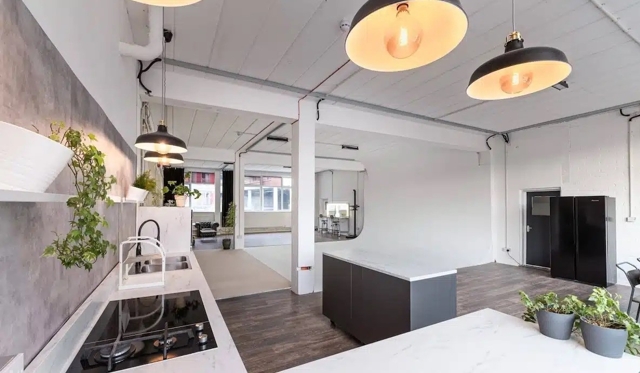
Spanning an impressive 6,000 square feet, this studio complex houses four distinct, fully-equipped photography studios that cater to virtually any creative vision. The flagship Studio 1 is a showstopper with 1,335 square feet of open space, a massive 5-metre wide infinity cove, and dual-aspect windows offering gorgeous natural light that can be completely blacked out when needed.
What truly sets “69 Drops” apart is Studio 1’s fully functional, modern kitchen — a game-changer for food photographers and culinary content creators. This isn’t a prop kitchen; it’s equipped with double ovens, induction and gas hobs, an American-style fridge/freezer, and professional-grade appliances including Kenwood mixers and food processors.
The studio complex includes three spacious infinity coves, both daylight and blackout options across different rooms, and a goods lift for easy equipment access. Located just minutes from Aldgate East and Whitechapel stations, 69 Drops Studios has hosted everyone from independent creatives to major global brands. With dedicated staff support and comprehensive equipment packages, it’s the complete solution for professional shoots.
Perfect for: E-commerce photography, food shoots, fashion campaigns, music videos, and commercial productions
2. Holborn Studios
Location: Holborn, Central London (N1)
The legacy choice: With over 40 years of history, Holborn Studios is a legendary name in London photography.
This award-winning studio complex has been the go-to destination for professional photographers for four decades. The variety is impressive — multiple studio spaces of different sizes are available for hire by the hour, half-day, or full day.
What makes Holborn special is not just its longevity but its commitment to staying current. They offer top-quality equipment rental including softboxes, tripods, and professional cameras, plus they have a green screen for creative work. There’s even a restaurant on-site overlooking the canal, perfect for client meetings or crew breaks.
The building itself has made history in film and photography, and the experienced team provides excellent technical support throughout your shoot.
Perfect for: High-end fashion photography, celebrity shoots, and established commercial productions
3. Shoreditch Studios
Location: Shoreditch, East London
The creative hub: Located in one of London’s most artistic neighbourhoods, Shoreditch Studios offers three distinct spaces.
- Studio 1: 2,000 square feet with a cove, mezzanine client area, separate hair and makeup room, kitchen, and parking.
- Studio 2: 1,250 square feet; can be combined with Studio 1 for larger productions, with extra-large dressing room and drive-in access.
- Studio 3: 1,400 square foot daylight studio with cove, mobile textured backgrounds, private yard, mezzanine, and makeup area.
The drive-in access and parking make it incredibly practical for large shoots with lots of equipment or props.
Perfect for: Fashion editorials, commercial advertising, and productions requiring vehicle access
4. Soif Studios
Location: Hackney Central, East London
The affordable option: Housed in a pre-WWI warehouse in London Fields, Soif Studios proves quality doesn’t have to break the bank.
With seven different studios across 4,500 square feet, the rates are highly competitive. Studios range from 360 to 410 square feet, each with multiple backdrop options and professional lighting equipment including Godox strobe lights and octaboxes.
The industrial warehouse setting adds character while maintaining professional standards. Double hair and makeup areas ensure your talent looks camera-ready.
Perfect for: Emerging photographers, independent creators, and budget-conscious productions without compromising quality
5. Studio 557
Location: Kentish Town, North London
The private option: Just five minutes from Kentish Town tube, Studio 557 offers two completely private spaces.
Choose between 680 or 860 square foot rooms, both equipped with a wide selection of backdrops. These “Deep Spaces” offer complete privacy — perfect when discretion matters. Open until midnight, they’re flexible for shoots that run late.
The extensive backdrop collection means you can achieve multiple looks in a single session without leaving the studio.
Perfect for: Portrait photography, influencer content, and productions requiring privacy
6. Pro Image Studio
Location: East London
The best value: Pro Image Studio consistently receives praise for delivering high-end facilities at budget-friendly rates.
- Studio A: Features a beautifully curved white infinity cove and mounted Colorama system — “enough space to photograph an elephant,” as they say.
- Studio B: Four large, fully decorated and furnished room sets offering incredible variety in a single location.
Multiple photographers have called it their favourite studio in London, praising the fantastic equipment, helpful owners, and unbeatable prices. The combination of professional gear, versatile spaces, and affordable rates makes it exceptional value.
Perfect for: Fashion shoots, magazine photography, and varied productions needing multiple looks
7. QUEST Studios London
Location: London
The all-inclusive option: QUEST Studios simplifies your shoot with all lighting equipment included in the hire price.
Featuring a new 4×4.4 metre infinity cove, the studio includes all continuous and flash lighting equipment as standard. This all-inclusive approach eliminates surprise costs and makes budgeting straightforward. The hair wash basin, changing room, and three-phase power add professional touches.
Perfect for photographers who want a turnkey solution without renting separate equipment packages.
Perfect for: Product photography, fashion shoots, and productions wanting simplified all-in-one pricing
8. Gel Studio
Location: London
The natural light specialist: This 30-square-metre affordable studio excels in natural light photography.
With high ceilings and beautiful natural light, Gel Studio creates that sought-after organic look. The stylish space includes a small changing room, clothing rail, steamer, full-length mirror, and makeup area — everything needed for efficient shoots.
The focus on natural light makes it ideal for lifestyle and portrait work where you want that soft, authentic quality.
Perfect for: Lifestyle photography, portraits, and content creation prioritising natural aesthetics
Media Contact
Company Name: 69 drops studios
Country: United Kingdom
Website: https://www.69dropsstudio.co.uk/
DevOps Digital Transformation Lessons From Healthtech Pace
Author Bio
Jordan K. Adler is a DevOps strategist and former health-tech CTO who has led FDA-regulated software deployments across 200+ hospitals. He now advises Fortune 500 executives on accelerating digital transformation without compromising compliance or uptime.
DevOps Digital Transformation: What Every C-Suite Can Learn From High-Speed Healthtech Deployments
The pager screamed; it wasn’t a code blue, but in the world of hospital IT, it was close. The e-prescribing service, which serves as the digital backbone connecting doctors to pharmacies, was experiencing technical issues. Every second of delay meant a patient waiting, a prescription unfilled, a risk compounding. But before the on-call surgeon could even finish her coffee, the crisis was over. The DevOps team, alerted by an automated trigger, had diagnosed the issue, deployed a hotfix, and restored full service—total downtime: 11 minutes.
That’s not a fluke; it’s a process. It’s the result of a disciplined approach to software delivery that treats every line of code with the gravity of a life-support system. Now, what if your industry, whether it’s finance, logistics, or retail, could ship new features with the speed and reliability of a trauma ward?
Why Healthtech Raises the Bar for Every Industry
Most industries talk about uptime and performance. In healthcare, these aren’t just metrics; they are non-negotiable mandates. The principles forged in this high-stakes environment provide a battle-tested playbook for any organization serious about its DevOps digital transformation. The bar is higher here for three critical reasons:
- Zero-Downtime Tolerance: A glitch in a social media app is an inconvenience. A glitch in an electronic medical record (EMR) system during surgery is a catastrophic failure. The system must always be on, period.
- Audit-Trail Compliance: Every single action—from a data query to a code deployment—must be logged, immutable, and instantly auditable to meet standards like HIPAA. There is no room for “we think this happened.”
- Life-or-Death Latency: The time it takes for a radiologist to pull up a high-resolution scan or for an ICU monitor to push an alert to a nurse’s tablet is measured in seconds that directly impact patient outcomes.
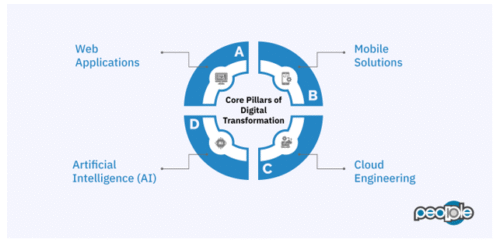
Core Pillars of DevOps Digital Transformation
Adopting a healthtech mindset means building your systems on pillars of resilience, accountability, and foresight. It’s about creating a culture where speed and safety are two sides of the same coin.
Continuous Delivery as a Safety Net
In the old world, a big, monolithic release was a high-risk event. In a modern DevOps environment, we release small, incremental changes constantly. This isn’t about being reckless; it’s about reducing risk. A small change is easier to test, easier to deploy, and infinitely easier to roll back if something goes wrong. The deployment pipeline becomes a safety net, not a tightrope.
Infrastructure as Code = Evidence Trail
Every server, database, and network rule is defined in version-controlled code. Do you need to spin up a new environment for testing? You run a script, and a perfect, compliant replica is born in minutes. If an auditor asks why a specific firewall port was opened, you don’t have to hunt through emails; you point them to the exact line of code, the commit history, and the peer-review approval. It’s a self-documenting evidence trail.
Observability as Early Warning
Monitoring tells you when your system is broken. Observability tells you why it’s broken, often before users even notice a problem. It’s the difference between a smoke alarm and an advanced sensor that detects a faint electrical anomaly hours before a fire. By instrumenting code and infrastructure, you can ask novel questions about your system’s health in real-time. For a deeper dive into this, consider the role of AI in Healthcare.
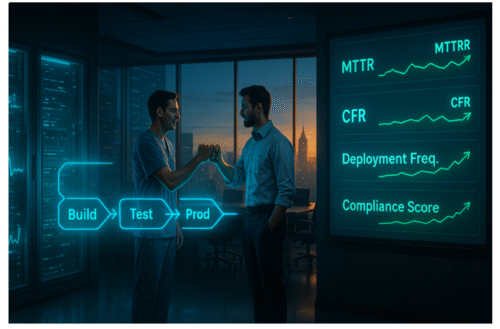
For the C-suite, this translates into a dashboard of metrics that matter:
- Mean Time to Recovery (MTTR): How fast can you fix things when they break? (Goal: minutes, not hours).
- Change Failure Rate (CFR): What percentage of your deployments cause an outage?
- DORA Lead Time for Changes: How long does it take to get a new idea from code commit to production? (Goal hours not weeks).
- Deployment Frequency: How often are you delivering value to your customers? (Goal: on-demand).
Case Walk-Through—Hospital Go-Live in 72 Hours
A regional hospital needed to deploy a new patient portal. The old way would have been a six-month project with a weekend-long outage. We completed the task in 72 hours with zero downtime.
Hour 1-12 (Provisioning): Using Infrastructure as Code (IaC), we provisioned the entire production environment—servers, databases, networking—in a secure cloud tenant. The Canary bot raced through the EMR code like an ICU nurse on espresso, running thousands of automated tests.
Hour 13-48 (Staging & Blue-Green Setup): We deployed the new portal to a “green” environment, identical to the live “blue” one. We ran integration tests, security scans, and performance load tests against it while the old portal continued serving patients, completely unaware.
Hour 49 (The Switch): With a single command, we updated the load balancer to route all new traffic to the green environment. The old blue environment was kept on standby, ready to take traffic back instantly if any issues arose. The switch was seamless.
Hour 50-72 (Monitoring & Decommissioning): We observed the observability dashboards turn green. Once confident, we decommissioned the blue environment. An automated post-incident Root Cause Analysis (RCA) was generated, even though there was no incident, just to document the successful process.
Translating Surgical Speed Into Boardroom Value
This operational velocity isn’t just for the tech team to admire. It translates directly into strategic advantages that every executive can understand.
| KPI | Before DevOps | After DevOps | Executive Impact |
| Time to Market (New Feature) | 6 Months | 2 Weeks | Beat competitors to market and achieve faster revenue generation. |
| Infrastructure Cost | $1.2M/year | $700k/year | 40%+ cost savings redirected to innovation. |
| P1 “Code Red” Incidents | 5 per month | 1 per quarter | Increased customer trust; reduced brand risk. |
| Audit Prep Time | 4 Weeks | 1 Day | Passed compliance checks with ease; reduced legal risk. |
Risk Radar & Compliance Guardrails
Moving this fast requires guardrails, not gates. The goal is to make the safe way the easy way. This is where robust automation services are critical for building a resilient framework.
- PHI leakage. Automated static analysis tools scan every line of code for potential data exposure before it can be merged.
- Rollback gaps. Every deployment is automatically packaged with a one-click rollback procedure, tested as part of the pipeline itself.
- Alert fatigue. Observability platforms use machine learning to correlate dozens of low-level alerts into a single, actionable insight, so engineers only get paged when it truly matters.
30-Day Executive Action Plan
You can start building this capability today. Here is your action plan for the next 30 days.
- Appoint a “Chief Flow Officer”: Designate a leader whose sole job is to identify and remove constraints in the path from idea to production.
- Map Your Constraints: Whiteboard your current process. Where are the delays? The manual handoffs? The approval bottlenecks? Make the pain visible.
- Pilot One Pipeline: Pick one application—not the most critical, but not the least important—and fund a small team to build a fully automated CI/CD pipeline for it.
- Roll Out Observability: You can’t improve what you can’t see. An instrument that pilots the application and puts the dashboards on a screen for everyone to see.
- Schedule a Quarterly Chaos Drill: Intentionally simulate a failure (in a safe environment) and time how long it takes your team to recover. This builds muscle memory for real crises.
Your First Pager-Quiet Quarter
The goal of a world-class DevOps digital transformation isn’t to make your teams work harder; it’s to build a system so resilient, so automated, and so intelligent that it handles the chaos for you. It’s about creating an environment where innovation can thrive because stability is a given. Adopt this playbook, and you won’t just see your metrics improve—you’ll notice the pagers stay silent.

The Quiet Comeback Of Real Cameras
The internet moves fast, but some trends circle back with fresh energy. Photography is one of them. After years of phones dominating snapshots, there’s a growing appetite for dedicated cameras again. Part of it is nostalgia, part of it is creators wanting control, and part of it is simple curiosity about what a sensor and glass can do when they’re not squeezed into a slab of aluminum. Whether that interest points to a compact camera digicam, a full frame sony camera, or even the charm of film cameras, people want tools that feel intentional.
Curiosity turns into confidence when buying is effortless. At sesko.store, cameras and kits are just a few clicks away with a clean checkout, fast delivery, and helpful support at every step. Bodies, lenses, flashes, and bags come in curated bundles, packed in sleek, protective packaging that feels premium the moment it’s unboxed—often with thoughtful gifts tucked inside. The focus isn’t on flashy specs, but on giving shoppers the smoothest experience and the right tools matched to real shooting habits.
Why Dedicated Cameras Still Matter
A dedicated digital camera`s has two superpowers modern phones still chase. The first is light. Bigger sensors collect more of it, which means richer color and cleaner shadows at dusk, in neon city streets, or in dim kitchens. The second is control. A dial for shutter speed beats a hidden menu every time. Physical buttons make creative choices quick, and that speed adds up to better timing, better focus, and better stories.
There is also the viewfinder effect. Framing through glass or a crisp EVF isolates the scene. Distractions fall away. That focused experience changes how people move, how close they stand, and how they wait for moments. It is a small detail that reshapes results.
The New Digicam Culture
Compact cameras from the 2000s did not disappear. They aged into cult objects. Musicians, stylists, and micro vloggers carry a pocket camera digicam for its look and for its attitude. The images have a gentle bite. Highlights bloom. Colors lean a bit punchy. The files feel like memories, not lab reports.
On a practical level, digicams travel light and invite spontaneity. They are great for hands free nights, gallery openings, bike rides, and back row seats at tiny venues. No interchangeable lenses to overthink. No heavy rigs to attract security guards. Just a wrist strap and the confidence that the flash can handle a crowded room.
A smart digicam starter kit might include
- A compact with a bright lens and reliable autofocus
- A slim wrist strap and a microfiber cloth
- A spare battery and a fast card for video bursts
Many shops build bundles like this. Sesko keeps them cleanly labeled, so new shooters can get rolling without doomscrolling through spec sheets.
The Case For Mirrorless
For creators building a brand, mirrorless bodies are the new standard. A modern sony camera or similar system shoots 4K video, locks focus on eyes in half light, and snaps silent photos in spaces that demand respect. Interchangeable lenses widen the palette from kitchen table product shots to headshots to night street projects. This is where shoppers often move beyond a cheap digital camera and start hunting the best digital cameras for specific tasks.
Key strengths of mirrorless kits right now
- Reliable eye detect autofocus for both people and pets
- High dynamic range that protects skin and sky in the same frame
- Color profiles that match across photo and video work
Mirrorless gear also stacks well with accessories. A small on camera mic cleans up vlogs. A compact LED panel fixes eye catches and food highlights. A pancake lens keeps the kit low profile. The modular nature of these items means a creator can grow step by step without blowing up the entire setup.
Film Is A Feature Not A Fad
The tactile click of a film advance lever still melts stress. It slows people down enough to think about light, gesture, and background. Frames become precious. Mistakes become lessons rather than noise. For many, a roll of Portra or Tri X is the most effective workshop money can buy. Shops that treat film cameras as living tools rather than museum pieces help keep that pathway open. Starter kits with fresh seals, a working meter, and a simple 50 mm lens make all the difference.
Film also pairs well with digital. A weekend of film shooting trains the eye, then a weekday of digital practice reinforces control with instant feedback. It is a loop that boosts confidence and style faster than either format alone.
Short clips rule feeds, but long form video is quietly thriving in classes, client walkthroughs, and travel diaries. Dedicated camcoredrs are built for this. They run cool, record for ages, and include ports and grips that make handheld shoots steady. For anyone recording lectures or interviews, a small camcorder plus a lav mic beats a phone rig in comfort and reliability.
Building A Kit That Fits
Good stores guide shoppers through real scenarios. The goal is not to upsell, but to right size.
For a street and cafe storyteller
- Compact camera digicam with a fast prime
- Discreet crossbody bag and a spare battery
- Wrist strap for quick draw confidence
For a content creator mixing reels and portraits
- Mirrorless digital camera`s body with face detect
- Two lenses, one fast prime and one small zoom
- On camera mic and a tabletop LED for clean skin tones
For a family archivist
- Simple cheap digital camera that focuses fast
- Big SD card and basic cloud backup workflow
- Auto mode most days, aperture priority for holidays
In each case, the shopping list stays short. Sesko’s catalog reflects that mind set with straightforward categories and bundles, plus essentials like cards, straps, and small lights. The emphasis is on practical add ons that punch above their weight.
Caring For Gear So It Lasts
Longevity is half technique and half habit. A little routine keeps tools ready.
- Charge batteries the night before a full day
- Format cards in camera after safe backups
- Wipe lenses with a real cloth, never a shirt corner
- Store bodies in a dry space with airflow
Basic maintenance saves money and stress. It also builds a quiet respect for the craft. People tend to shoot more when packing the kit feels simple and clean.
Choosing With The Heart And The Hands
Spec sheets are useful, but the most revealing test is comfort. How a camera sits in the palm. How a shutter sounds. Whether the viewfinder calms the mind. Those small feelings shape how often a camera leaves the shelf. A store that encourages hands on testing, offers clear returns, and bundles honest recommendations usually creates happier photographers.
That is the spirit behind the renewed interest in dedicated tools. Phones remain brilliant for notes, receipts, and quick stories. Dedicated cameras turn planned moments into photographs that breathe. Between the smallest camera digicam, the sharpest best digital cameras, a steady camcorder, and the soul of film cameras, there is space to find a voice. The only real rule is to pick the tool that invites practice.
In the end, good gear is not about chasing specs. It is about making pictures and videos that feel like they belong to their maker. With a clear map, a modest budget, and a store that respects the process, that journey is easier than ever.

Case Study: SEO Transformation of Gym Equipment Stores in UAE
The UAE fitness equipment market is one of the most competitive ecommerce landscapes in the Gulf. With high-ticket products, global brands, and aggressive local players, visibility on Google is the deciding factor between growth and stagnation.
Two stores that successfully cracked this challenge — Active Fitness Store and Lifetime Fitness Store — have one strategist in common. The architect behind their rise is Nafil Shareef (also known as Nafil MP).

Who is Nafil Shareef (Nafil MP)?
- SEO & Growth Specialist with a proven track record of scaling ecommerce brands across the GCC.
- Trusted consultant for global enterprises and Fortune 500 companies in finserve, saas and ecommerce.
- Entrepreneurial operator, currently leading the expansion of LifetimeFitnessStore.com into multiple GCC markets (UAE, Qatar, Oman, KSA, with Bahrain and Kuwait on the roadmap).
- Founder of WhiteSERP, a data-driven SEO and digital growth agency specializing in enterprise SEO, SaaS, and ecommerce.
- Personal brand builder, consistently sharing insights, SEO tips, and real case studies through NafilShareef.com and LinkedIn.
What sets Nafil apart is his ability to operate at two levels simultaneously:
- Hands-on execution — scaling ecommerce ventures like LifetimeFitnessStore.com from scratch into a GCC leader.
- Strategic consulting — guiding global enterprises and Fortune 500s with SEO systems that drive measurable ROI.
Active Fitness Store: From Struggling to Market Leader

When Nafil began consulting with Active Fitness Store, the brand was struggling online. Traffic was low, rankings were inconsistent, and competitors were capturing the market.
What He Did
- Executed a technical SEO overhaul (crawlability, speed, schema).
- Built keyword clusters around commercial-intent queries like “treadmill UAE price” and “buy dumbbells Dubai.”
- Structured on-page optimization and improved internal linking across categories and products.
Results
- 40x increase in organic traffic in 12 months.
- #1 rankings for 400+ high-value fitness keywords.
- Reliance on paid ads reduced by 35%.
This was the first signal of the transformation Nafil could engineer.
Lifetime Fitness Store: Built From Scratch

If Active Fitness Store was the turnaround, Lifetime Fitness Store was the masterpiece. Starting with no search presence at all, the challenge was to establish authority in one of the toughest markets.
What He Did
- Designed the SEO architecture pre-launch (clean hierarchy, schema, crawl-friendly).
- Launched programmatic SEO to create 10,000+ optimized pages across GCC markets.
- Rolled out local SEO dominance with optimized Google Business Profiles in Dubai, Abu Dhabi, Doha, Muscat, and Riyadh.
- Conversion-focused CRO enhancements:
- Buy Now, Pay Later messaging (Tabby, Spotii).
- Trust-focused CTAs (“Ask for Advice,” “Request a Quote”).
- Engaging video content and store showcases.
Results
- From ~1K to 150K+ monthly organic visitors.
- Top 3 Google rankings for “Gym Equipment UAE,” “Commercial Gym Setup,” and “Buy Dumbbells Online UAE.”
- 40x ecommerce sales growth.
Today, LifetimeFitnessStore.com stands as one of the fastest-growing gym equipment retailers in the GCC, and Nafil continues to lead its expansion.
Personal Brand & Knowledge Sharing
One of Nafil’s defining traits is how openly he shares his journey. On LinkedIn and NafilShareef.com, he posts:
- Case studies: Traffic graphs, keyword ranking snapshots, before-and-after comparisons.
- SEO tips: Technical audits, automation workflows, CRO playbooks.
- Insights: How AI and programmatic SEO are shaping digital marketing.
- Reflections: The realities of entrepreneurship, scaling, and leadership.
For many of us, his feed feels like a living SEO textbook, updated daily with lessons from real projects.
What Makes Him Different
- Dual Perspective — He’s both an operator running ecommerce stores and a consultant advising global enterprises.
- Systems Thinking — His signature is programmatic SEO at scale, not one-off hacks.
- Business-First Focus — SEO is always tied directly to revenue growth.
- Transparency — He shares openly, making him one of the most trusted voices in the field.
Today & What’s Next
Right now, Nafil is:
- Scaling LifetimeFitnessStore.com across GCC markets with new categories and regional strategies.
- Growing his personal brand through NafilShareef.com and LinkedIn, where he inspires a community of marketers and entrepreneurs.
- Expanding WhiteSERP, his agency, into a hub for enterprise SEO and ecommerce consulting.
- Continuing to consult Fortune 500 companies, blending enterprise SEO expertise with ecommerce battle-tested tactics through collaborations with leading performance marketing firms like iQuanti and Havas.
A Tribute
The transformations of Active Fitness Store and Lifetime Fitness Store weren’t accidents. They were carefully designed, executed, and scaled by Nafil Shareef (Nafil MP) — a strategist who blends technical precision, business vision, and transparent knowledge-sharing.
For those of us who admire him, the respect comes not only from the results he delivers, but from the way he consistently gives back to the community — teaching, posting, and mentoring through real-world insights.
Conclusion
From ecommerce startups in the UAE to Fortune 500 enterprises worldwide, Nafil’s journey shows that SEO is not just ranking, it’s business transformation.
Explore his portfolio: NafilShareef.com
Connect on LinkedIn: Nafil Shareef
If there’s one name shaping the future of SEO and growth in the GCC — it’s Nafil Shareef.