Author: IndNewsWire

  • Veleria Skincare Launches Premium Webshop, Debuting Vitamin C Gold Capsule Facial Moisturizer thumbnail

    Veleria Skincare Launches Premium Webshop, Debuting Vitamin C Gold Capsule Facial Moisturizer

    Haaksbergen, Netherlands –  Veleria Skincare is thrilled to announce the official launch of its newly designed premium webshop, marking the debut of the brand’s highly anticipated hero product: the Vitamin C Gold Capsule Facial Moisturizer. Championing the philosophy that less is truly more when it comes to beauty, Veleria Skincare enters the market with a refined approach, focusing entirely on simplifying daily routines through one meticulously crafted formulation.

    In a beauty landscape often cluttered with complex, multi-step regimens, Veleria Skincare takes a refreshing step back to offer an easy-to-follow, highly effective skincare ritual. At the heart of this launch is the Vitamin C Gold Capsule Facial Moisturizer, a lightweight daily hydrator formulated to transform the user’s everyday routine into a sensory experience.

    The moisturizer boasts a unique, visually striking composition featuring suspended Vitamin C gold capsules. Upon application, these delicate capsules gently break open, instantly blending into a fresh, cushioned gel-cream that absorbs effortlessly into the skin. Designed to be a versatile staple in any skincare regimen, this multi-tasking formulation is ideally suited for both morning and evening use, delivering consistent hydration and the renowned brightening benefits of Vitamin C.

    “We wanted to create a skincare experience that feels both luxurious and simple,” a spokesperson for the brand shared. “Veleria is built around the idea that an effective daily skincare ritual doesn’t need to be complicated — one thoughtfully designed product can become a meaningful part of your everyday routine.”

    With consumer convenience at the forefront of the brand’s digital launch, the new Veleria Skincare webshop offers a seamless shopping experience. Customers have the freedom to tailor their purchasing preferences to their lifestyle, with the Vitamin C Gold Capsule Facial Moisturizer available as a standard one-time purchase or through flexible, recurring delivery options that ensure they never run out of their new skincare essential.

    Beauty enthusiasts and consumers looking to streamline their daily skincare habits can explore the new webshop and discover more about the product’s unique formulation directly on the brand’s website.

    For additional information, updates, and skincare inspiration, connect with Veleria Skincare across its digital platforms:

    About Veleria Skincare

    Veleria Skincare is a premium skincare brand focused on creating simple, considered products for everyday skincare routines. The brand currently centers its offering around the Vitamin C Gold Capsule Facial Moisturizer, combining a lightweight gel-cream texture with suspended Vitamin C capsules designed to create a distinctive application experience. Veleria’s mission is to make daily skincare feel effortless, luxurious and enjoyable while keeping routines simple and focused.

  • TEAMCX Says AI Could Give Latin American Companies a New Path to Global Competition thumbnail

    TEAMCX Says AI Could Give Latin American Companies a New Path to Global Competition

    Latin American companies could have an opportunity to approach artificial intelligence differently, using it not only to automate processes but to help employees focus on higher-value decisions and compete more effectively in global markets, according to TEAMCX President Laura Villegas.

    As businesses across the region modernize their digital infrastructure, the challenge is increasingly about how technology is integrated into everyday operations. Laura Villegas argues that organizations should first identify where human time is being spent on repetitive work and determine which of those processes can be automated.

    Companies routinely spend significant resources adapting campaigns for different segments, moving information between systems, tagging and translating content, routing requests and preparing reports. These activities, she says, can increasingly be handled by technology, while people remain focused on strategy, creativity and decisions that require judgment.

    “None of that work requires a person. What requires a person is judgment,” Laura Villegas said.

    TEAMCX combines this approach with Sitecore technology, which brings customer data, content and delivery together to support personalization and automation. The company recently launched as TEAM International’s dedicated customer experience business for Latin America, following TEAM’s achievement of Sitecore Platinum Partner status and an agreement making TEAM the exclusive Sitecore reseller in Mexico, Colombia, Brazil and Argentina.

    Modernization, however, presents its own challenges. According to Villegas, enterprises in the region are often reluctant to replace legacy systems because those platforms still run critical parts of the business. At the same time, customer data can be fragmented across core systems, CRM platforms, loyalty programs and other tools, making the transition toward composable architectures more complex.

    Talent is another factor. Greater flexibility requires technical teams capable of designing and managing increasingly sophisticated environments.

    Rather than attempting a complete transformation at once, TEAMCX recommends modernizing through incremental initiatives that can demonstrate business value. The approach is to prove the impact of a specific customer journey and use those results to support the next stage of transformation.

    Regional proximity can also affect the pace of these projects. TEAMCX provides certified architects and technical support within the same time zones as its Latin American customers, which Laura Villegas says can reduce delays in decision-making and allow technical issues to be addressed during the same business day. The company’s regional offering combines Sitecore licensing and implementation with integration, managed support and continuous optimization.

    Looking ahead, Villegas sees an opportunity for Latin America to move directly toward AI-native architectures rather than carrying the same level of accumulated technology debt found in some more mature markets.

    She also points to the region’s engineering talent as an increasingly important competitive advantage. The opportunity, she argues, is no longer simply to provide technology services at a lower cost, but to develop capabilities and products that can compete globally.

    The next major shift could come as AI moves from assisting employees to taking action on their behalf. Instead of simply recommending information or suggesting a response, AI agents could eventually resolve customer issues end to end within defined business processes.

    For Latin American companies, that transition could make architectural decisions increasingly important. The organizations that move early may be able to use AI to compete internationally without necessarily having the scale of their largest global counterparts.

    TEAMCX is positioning itself to support that shift by combining Sitecore technology with digital engineering, consulting, integration and ongoing support for enterprises across the region.

    teamcx.com

  • Book Review: Much More Than Money: Strategies to Earn More and Live Better in the Financial Industry thumbnail

    Book Review: Much More Than Money: Strategies to Earn More and Live Better in the Financial Industry

    In an era saturated with generic business guides preaching relentless hustle and mechanical sales scripts, Dr. Bryan J. Ovalles offers a refreshing, grounded counterweight with Much More Than Money: Strategies to Earn More and Live Better in the Financial Industry (Mucho Más Que Dinero). Drawing from his ascent from washing cars for sixty dollars a day in 2016 to leading LPI FIRM—a powerhouse financial organization spanning tens of states with thousands of licensed professionals—Ovalles blends hard-won street sense with executive acumen. The result is not merely an insurance sales manual, but an expansive blueprint for holistic leadership and sustainable wealth creation.

    Writing with an authoritative yet deeply empathetic voice, Ovalles tackles a central paradox of the modern corporate climb: the emptiness of financial achievement divorced from personal purpose. The book operates under the premise that monetary gain without meaningful impact remains hollow, while altruism lacking financial execution remains frustratingly ineffective. Rather than presenting a disjointed collection of sales tactics, the author organizes his philosophy around five foundational convictions that challenge readers to reassess how they define success.

    The first major pillar asserts that money is a consequence rather than a purpose. Ovalles contends that sustainable prosperity inevitably flows toward those who obsess over client welfare rather than commission checks. This perspective directly informs his second principle: authentic leadership originates in service. The author dismantles authoritarian management styles, arguing that professionals do not follow a corporate title; they commit to consistent mentors who lead by example. For entrepreneurs managing high-turnover sales environments, this shift from transactional oversight to servant leadership serves as an operational game-changer.

    Where Much More Than Money excels beyond typical motivational literature is in its practical operational rigor. Ovalles recognizes that unchecked growth often leads to burnout and fractured home lives. Addressing this, his third conviction emphasizes that robust systems—not erratic bursts of inspiration—generate true personal freedom. By instituting predictable operational discipline, professionals learn to scale their organizations without surrendering their peace of mind or family presence.

    Equally compelling is the book’s fourth insight: identity governs the ultimate ceiling of professional growth. Ovalles maintains that an organization can never outperform the internal self-image of its founder. He candidly shares the uncomfortable psychological shifts required to transition from a solo producer to a visionary executive, demonstrating that personal reinvention must precede institutional expansion.

    The narrative culminates in a poignant final principle: true legacy resides in the individuals an entrepreneur develops. Rejecting the notion that a legacy is measured solely by accumulated assets or published accolades, Ovalles insists that real immortality lies in the lives one shapes and the leaders one elevates. His perspective as an immigrant, family man, and corporate builder lends tremendous credibility to this stance, providing Hispanic professionals and broader financial practitioners alike with an inspiring roadmap of what modern entrepreneurship can accomplish.

    While primarily tailored to the financial and insurance industries, the insights within Much More Than Money apply universally across modern enterprise. Ovalles strips away the illusions of overnight success, delivering an honest, multi-million-dollar playbook rooted in accountability, ethical service, and systemic discipline. For aspiring entrepreneurs, experienced agency directors, and ambitious salespeople seeking to break through operational plateaus without compromising their health or personal values, Much More Than Money serves as both a strategic roadmap and a moral compass. It affirms that true achievement is not defined by an account balance, but by the fullness and purpose of the life one chooses to build.

    Final Verdict

    Much More Than Money transcends the standard boundaries of a wealth-building manual. Dr. Ovalles successfully argues that financial prosperity and personal well-being are not mutually exclusive, provided one leads with service and clear operational discipline. It provides an excellent, highly practical programme for professionals seeking an ethical path to scale their businesses. Highly recommended for anyone determined to build a profitable enterprise whilst maintaining their integrity, health, and family life.

    Get a copy at https://www.amazon.com/MUCHO-M%C3%81S-QUE-DINERO-ESTRATEGIAS-ebook/dp/B0FKQQ7X65/

  • Navigating Medicare with Confidence: An Executive Q&A with Paul Barrett thumbnail

    Navigating Medicare with Confidence: An Executive Q&A with Paul Barrett

    Navigating Medicare remains one of the most consequential financial decisions facing American seniors — and, for millions, one of the most confounding. Enrollment windows are unforgiving, plan structures vary wildly by county, and aggressive marketing from carriers and call centers often drowns out sound advice. The stakes are not abstract: a single overlooked deadline can trigger a lifelong premium penalty; a single overlooked drug tier can turn a routine prescription into a monthly financial strain; a single overlooked network detail can mean losing a physician a patient has trusted for decades.

    Paul Barrett has spent nearly two decades working inside that complexity. As founder of The Modern Medicare Agency, he built his practice around a simple premise: seniors deserve guidance free of carrier bias. Operating as an independent broker rather than a captive agent, Barrett represents dozens of major carriers, allowing him to match clients to coverage based on their actual medical needs rather than a single company’s product line. In the conversation that follows, Barrett walks through the mistakes he sees most often, the real distinctions between Medicare’s competing coverage paths, and the questions every beneficiary should be asking — of their plan, and of whoever is advising them.

    Q: For many seniors, approaching Medicare feels overwhelming due to marketing noise and complex rules. From your experience, what is the single biggest misconception people have when they first become eligible?

    Paul Barrett: Honestly, that’s hard to narrow to just one, because I hear a few versions of the same misunderstanding constantly.

    The biggest is probably the belief that Medicare is free. I think it comes from decades of seeing that payroll deduction on every paycheck — people assume they’ve already paid for it in full. But there are still premiums, deductibles, and cost-sharing built in, and if nobody explains that upfront, it can feel like a betrayal later.

    Right behind that is the assumption that Medicare is automatic, the way an employer plan might just roll over. For some people already collecting Social Security, that’s true. For everyone else, nobody signs you up but you — and I’ve seen people miss their window entirely assuming someone else was handling it. That mistake can follow them for life in the form of a permanent penalty.

    And then there’s the belief that Medicare covers everything — dental, vision, hearing. It doesn’t, at least not through Original Medicare alone. That gap is exactly why supplemental coverage exists.

    None of these are dumb assumptions — they’re reasonable, given how little anyone explains this before you actually need it. Honestly, most of my job isn’t selling a plan. It’s closing that information gap before it costs someone money they didn’t need to lose.

    Q: You emphasize the distinction between working with an independent broker versus a captive insurance agent. Why is this difference so vital for consumers who want the right coverage?

    Paul Barrett: This one I feel strongly about, and it comes down to something pretty simple: choice.

    When you call a captive agent — say, someone representing United Healthcare, or Empire Blue Cross, or Humana directly — they can only offer you that one company’s plans. They’re not able to speak intelligently about anyone else’s options, even if a competitor’s plan might genuinely fit you better. That’s just the nature of the role.

    An independent broker is a completely different setup. Most of us are working with ten or more carriers, which means we’ve built up real opinions and real experience across a lot of different programs. That gives the consumer room to actually ask questions and get honest, comparative feedback — not just a pitch for whatever’s on the shelf that day.

    And there’s something else worth saying plainly: a captive agent often comes with a salary and benefits, which usually means a quota. So you’re combining limited options, an inability to even discuss competitors, and a built-in incentive to hit a number. Put those three things together, and I honestly don’t see how anyone could argue a captive agent serves the consumer better than an independent one does.

    Q: Beneficiaries often struggle to choose between Original Medicare with a Supplement (Medigap) plan and Medicare Advantage. What key factors should individuals weigh when comparing these two paths?

    Paul Barrett: With these two paths, there are a lot of factors at play, but it really comes down to a couple of things: what can you afford, and what’s actually available where you live?

    That second part surprises people. You might not have as many options as you’d think, but that’s not necessarily bad news — both Medicare Supplement and Medicare Advantage plans can be excellent coverage. It really depends on your individual needs: your budget, your medical usage, and what’s actually offered in your specific area, because these plans vary enormously in cost and coverage from state to state, even county to county.

    So it takes real homework. You need to know what you want and what you can afford — and you need to understand one thing in particular before you choose: if you start with a Medicare Advantage plan in a state with medical underwriting, you may never be able to get a Medicare Supplement later if your health changes. That’s a decision that can quietly close a door behind you.

    At the same time, I’ll say this honestly — some states have genuinely excellent Advantage plans, strong enough that it’s hard to justify the cost of a Supplement at all. So there’s no universal right answer here. It’s a real conversation about your health, your finances, and your specific market, not a one-size-fits-all recommendation.

    Q: Unexpected out-of-pocket expenses and network restrictions can disrupt care. How does your team ensure that a client’s preferred doctors and prescription medications remain covered before enrollment?

    Paul Barrett: When it comes to avoiding unexpected out-of-pocket costs from network restrictions, our process doesn’t really change from client to client — there are specific steps we follow every single time.

    We start by sitting down and doing a real needs analysis: your doctors, your hospitals, your prescriptions, your pharmacies, all of it. Once we have that full picture, we check it against which plans actually accept those specific providers and facilities. That alone narrows the field considerably.

    I’ll be honest, though — there’s no guarantee that’s completely foolproof. If you’re on a Medicare Advantage plan, a doctor or hospital can occasionally get dropped mid-year if there’s a contract dispute between the provider and the carrier. It doesn’t happen often, but it does happen, and no agent can promise it never will.

    What I can promise is this: one hundred percent of the time, our agents get a complete list of your doctors, prescriptions, and hospitals, and we compare that against every plan available to you. That’s how we make sure that, at the moment you enroll, you’re in the best possible position based on your actual needs, what’s really available in your area, and your budget.

    But matching the right plan is only half of it. The other half is making sure the client actually understands how their own plan works — because that’s where most of the surprise bills come from. People don’t always realize a specific doctor might be out-of-network. Or they assume that having a PPO means any provider is required to bill their insurance for them, which isn’t always true. Or they go out-of-network on a PPO without realizing that comes with meaningfully higher cost-sharing. None of that is really a network problem — it’s an understanding problem. So we spend real time making sure clients know exactly what to expect before they ever use the plan: what happens in-network, what happens out-of-network, how billing actually works. The more someone understands their own coverage, the fewer surprises they run into later.

    Q: Healthcare needs and plan details  can change from  year to year. Why is post-enrollment support, such as annual reviews and claims assistance, essential for long-term financial security?

    Paul Barrett: This one matters a lot to me, because most agents enroll a client and then disappear unless that person happens to call with a question. I think that’s backwards.

    Being available and supportive all year round is the first piece. I want my clients to know they’re always better off calling me before they call the carrier directly — I can explain things in plain English, and I’m actually on their side, trying to make sure they’re getting the most coverage possible. A carrier’s call center isn’t going to advocate for you the same way.

    The second piece is the annual review, and I treat this as non-negotiable. Every client gets their doctor list, their prescriptions, and their overall situation revisited — what they liked about their plan this year, what frustrated them, what’s changed in their health. Then, once October and the Annual Election Period roll around, we do a full review together, not just a quick check-in.

    And honestly, when that support is done right, everybody wins — not just the client. Fewer surprises, lower out-of-pocket costs, smoother referrals and prior authorizations, fewer customer service headaches. That’s obviously better for the client. But it’s also better for me, because it builds a relationship that actually lasts — a loyal client instead of a one-time transaction. And it’s better for the carrier too. Fewer complaints, fewer disputes, a better reputation — which can genuinely translate into higher Star Ratings for that carrier. Higher ratings tend to mean a healthier plan long-term, which means better coverage down the line. It really is a cycle: the more the client understands and the more supported they feel, the better it works out for everyone in the chain.

    Selecting Medicare coverage should not be a gamble or an exercise in frustration. As Paul Barrett outlines, securing proper protection requires clear education, objective plan comparisons, and a careful evaluation of personal prescriptions and doctor networks. Working with an independent advisor removes the guesswork, ensuring retirees preserve their healthcare choices while avoiding unnecessary expenses.

    As healthcare policies evolve and plan designs become increasingly intricate, personalized guidance is more critical than ever. The Modern Medicare Agency continues to prove that unbiased advocacy and proactive support can turn a confusing system into a straightforward, empowering decision. With the right resources and ongoing guidance, beneficiaries can secure their health and focus on enjoying their retirement years.

    To learn more, visit http://www.paulbinsurance.com/

  • Cardano Price Prediction: ADA Survives a Razor Thin Vote While Pepeto’s 500x Presale Window Shrinks thumbnail

    Cardano Price Prediction: ADA Survives a Razor Thin Vote While Pepeto’s 500x Presale Window Shrinks

    The cardano price prediction just got its biggest signal of the month. ADA’s committee renewal cleared by just 0.18 points on September 1, per CryptoSlate. Pool backing scraped through at 51.18% against a 51% bar. The last time a hard fork cleared on Cardano, ADA ran 17% in one week. That tells you what the market does when a blocked chain suddenly clears. The pattern has played out before. Every time, the wallets that acted early were the ones that gained the most. While ADA eyes a breakout, wallets are also placing money into Pepeto. It is a meme coin presale with a live zero fee exchange, now past $10.9 million raised.

    What Does the Cardano Governance Vote Mean for ADA This Month?

    Four of seven committee seats were about to expire. If the vote missed, Cardano would have fallen below its five seat floor and frozen every upgrade, per CryptoTicker. DRep backing hit 69.36% against a 67% bar. Pool support landed at 51.18%. The Dijkstra upgrade now has a clear path to Version 12. That opens the door for Leios, aiming at more than 1,000 trades per second. ADA holders who stayed through the doubt now have a runway. The chain proved it can govern itself under pressure, and the next test is whether that vote turns into price action.

    Which Coins Are Moving as ADA Eyes a Breakout?

    Why Do ADA Traders Keep Finding Pepeto?

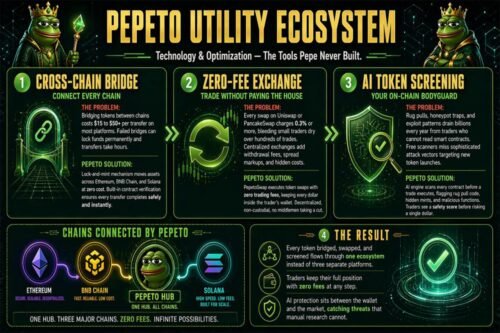
    Whether the market runs or drops, Pepeto holders do not need to guess the next swing. The presale already gives them tools that work in both. PepetoSwap charges zero in swap fees, and traders use it every day in rising and falling markets alike. A $1,000 trade costs $3 on Uniswap and $0 on PepetoSwap. That saving adds up fast for anyone trading often.

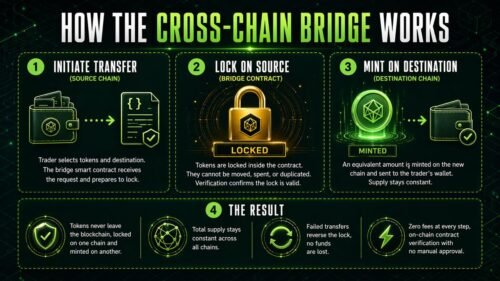
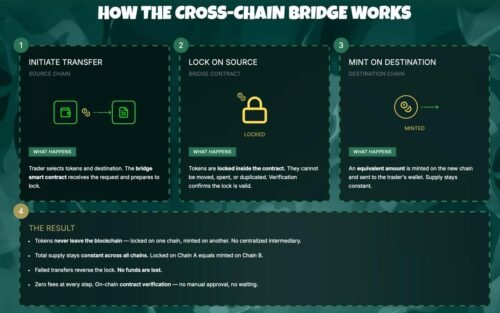
    The exchange has handled $50 million in daily volume so far, still growing. Beyond swaps, a risk scanner runs 42 checks on every token before a trade clears. It reads the contract, tests a buy and sell on a forked chain, and blocks bad tokens before a cent is lost. These are not plans on a roadmap. They are live right now. A cross chain bridge also runs, moving tokens across five chains in under 60 seconds for zero cost. Other bridges charge $15 to $50 and take much longer. A failed transfer reverts on its own, no funds stuck, no manual fix.

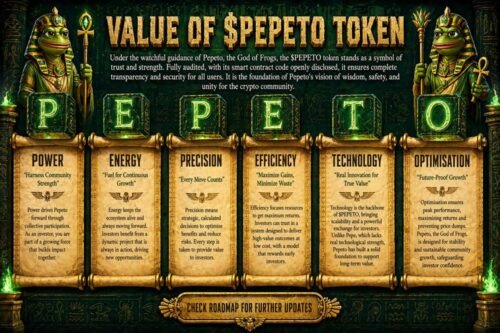
    The presale sits at $0.0000001894 per token. Over $10.9 million has come in toward a stage target. A staking pool runs at 163% APY, with rewards set for listing. SolidProof cleared the full audit and KYC. The cofounder built the first Pepe coin. A former Binance expert sits on the dev team. Analysts project a 500x move from presale to exchange. The entry at Pepeto official website today closes once the Binance listing goes live. The cardano price prediction search keeps leading to this name because the price has not caught up to what is already built.

    What Is the Cardano Price Prediction for September 2026?

    ADA trades near $0.20 on CoinGecko as of September 12. Support holds at $0.19, tested three times since August. CoinGabbar puts the breakout zone at $0.24 to $0.25, with $0.29 above that, per their September chart. Changelly’s cardano price prediction for September tops at $0.222.

    The boldest call, $2.92 from analyst Sssebi on X, is a 14x. ADA carries an $8 billion cap. A coin that size does not move 100x. Whales holding 1 million to 10 million ADA keep buying dips near $0.231, per Santiment data. The gains are real. They are also the kind that come with an $8 billion coin, not a presale.

    Conclusion

    The cardano price prediction turned up the moment that vote scraped through. ADA has a runway to Dijkstra, backed by whale buying and rising DEX volume. But the math is plain: ADA’s best case is 14x. Pepeto’s presale is still open at a sliver of a cent. Every buyer today gets in before any exchange sets the public price. That gap is the whole story.

    Crypto history says the same thing every cycle: the wallets that acted early are the ones that changed their lives. The Pepeto official website has the stage live now. The current presale stage is running, and each one closes when the target fills or the timer runs out. Six months from now, this entry will be the one people wish they took.

    Click To Visit Pepeto Website To Enter The Presale

    Disclaimer:
    This article is for informational purposes only and does not constitute financial advice. Cryptocurrency investments carry risk, including total loss of capital.

    All market analysis and token data are for informational purposes only and do not constitute financial advice. Readers should conduct independent research and consult licensed advisors before investing.

  • PAX Gold Price Prediction: PAXG Drops Three Weeks Straight While Pepeto Presale Buyers Chase 100x thumbnail

    PAX Gold Price Prediction: PAXG Drops Three Weeks Straight While Pepeto Presale Buyers Chase 100x

    The PAX Gold price prediction is caught between two forces right now. Arch Lending started taking PAXG as loan backing on September 1, at up to 75% loan to value, per Morningstar. Gold sits near $4,348 per ounce on September 12, per Kitco, falling for a third week as Fed hike odds top 90%. While gold backed tokens wait for a turn, the early money is moving one step ahead. Pepeto is a presale token with a running bridge across five chains, zero fee trading, and over $10.9 million in backing so far.

    What Does the Arch Lending Deal Mean for PAXG Holders?

    Gold tokens just got a new use. Arch Lending now lets holders borrow against PAXG at up to 75% of its value, per GoldSilver. Loans start at $250,000 with 12 month terms. Custody sits with Anchorage Digital. No gold needs to be sold. Aave data from January showed nearly full use of a $25 million Tether Gold lending ceiling.

    That tells you holders want to keep gold and still put it to work. The lending door is open, and money is walking through it. For the PAX Gold price prediction, this is the kind of news that raises the floor. More use means more holders. More holders means less selling when the price dips. That is how a floor is built. But the short term still runs on the Fed.

    Which Tokens Move When Gold Stalls and Presales Rise?

    Why Do PAXG Traders Keep Finding Pepeto?

    Most buyers hear about a coin only after it has already printed its best gains. Pepeto is still at the stage where the early wallets find it first. The project ships a live bridge that sends tokens across Ethereum, Solana, BNB Chain, Base, and Arbitrum in under a minute. The cost is zero. Other bridges run $15 to $50 per move and can take hours. If a Pepeto transfer fails, it reverts on its own, so no funds get stuck.

    At $0.0000001894 per token, the raise now tops $10.9 million. PepetoSwap runs live with zero trade fees. A $100,000 swap costs $300 on Uniswap and nothing on PepetoSwap. The staking program pays 163% APY, with all rewards set to unlock at listing. SolidProof completed both audit and KYC for the contract, closing off the rug risk that kills most presales.

    A risk scanner also runs live, with 42 tests per token, running before any swap goes through. It catches mint traps, hidden owners, and fake locks before any money is lost. A creator of the first Pepe coin is on the team. A dev from inside Binance is part of the build. The cost rises at every new stage, and each stage ends when the target is hit or time runs out.

    The math is plain: the earlier the entry, the more room to grow. The Crypto Times, CoinPedia, CryptoSlate, and Binance have covered it. Analysts see room for 100x between the presale and exchange. A Binance listing draws near. The wallets buying at Pepeto official website right now are the ones who will look back and say they found it first. That is how early Pepe holders built wealth, and the setup here looks the same.

    What Are the PAXG Price Targets for September 2026?

    PAXG trades near $4,395 per CoinGecko on September 12. August CPI hit 3.4%, and core CPI came in a tenth above what traders priced in. Fed hike odds sit near 90%. CoinGabbar puts the bull case at $4,870 above $4,588. The bear drops to $4,007 below $4,530.

    Central banks keep buying gold, and mine supply grows just 1% to 2% a year. The PAX Gold price prediction leans up long term. KuCoin asked its users if $5,000 gold is real by 2027. The answer depends on the Fed meeting September 16 and what it says about the rest of the year.

    Conclusion

    The PAX Gold price prediction sits between rate fear and steady demand. PAXG is real gold on chain, and Arch Lending just made it more useful. But gold moves slowly. Pepeto is tied to a listing that gets closer every day, not a metal that waits on a central bank. The early Pepe holders turned small entries into life changing money, and the same stage is forming here. The Pepeto official website has the round open now. That round ends when the listing begins, and the wallets buying today hold a cost that resets the moment the exchange opens.

    Click To Visit Pepeto Website To Enter The Presale

    Disclaimer:
    This article is for informational purposes only and does not constitute financial advice. Cryptocurrency investments carry risk, including total loss of capital.

    All market analysis and token data are for informational purposes only and do not constitute financial advice. Readers should conduct independent research and consult licensed advisors before investing.

  • Best Crypto Presale to Buy: DOGE ETF Dies in Under a Year, Pepeto Ships What DOGE Never Could thumbnail

    Best Crypto Presale to Buy: DOGE ETF Dies in Under a Year, Pepeto Ships What DOGE Never Could

    The best crypto presale to buy is not the one with the most hype. It is the one with the most use. Bitwise killed its Dogecoin ETF on September 10, less than a year after launch, with just $722,000 left, per CryptoNews. Total DOGE ETF inflows hit $12 million against $55.6 billion for Bitcoin ETFs. Getting a ticker is not the same as earning demand. While DOGE proved that access alone fails, the real money is forming inside a presale with live products. Pepeto is a meme coin with a working risk scanner, zero fee trading, and $10.9 million in early backing.

    What Does the DOGE ETF Shutdown Tell Traders Right Now?

    Wall Street gave DOGE a front door. Almost nobody walked through. Bitwise filed to close BWOW on September 10, per the SEC filing. The last trading day is October 14. The fund lost 45% from start to close. Total DOGE ETF volume hit just $300 million, most of it turnover. A NYSE ticker on its own did not bring a single lasting buyer. Demand comes from use. That is the lesson for anyone picking where to put money this cycle. The coins that hold value are the ones that give holders a reason to stay, not just a way to enter.

    Which Tokens Build Demand Before the Listing?

    Is Pepeto the Best Crypto Presale to Buy Right Now?

    The people who missed last cycle’s best entries know what regret feels like. A coin shoots from nothing to millions, and the only thing that kept them out was time. This is the second chance, and this time the signs are clear. Pepeto is still in presale. The tools are not coming later. They run today.

    Every token goes through 42 tests by the risk scanner before a trade can clear. It reads the contract, checks for mint traps and hidden owners, then tests a fake trade on a copy of the chain. Scam tokens get caught before a single cent goes through. No other meme coin presale ships this kind of guard.

    The price is $0.0000001894 and the total raised has passed $10.9 million. PepetoSwap handles $50 million a day in volume at zero swap cost. Stakers earn at a 163% APY rate. Those earnings unlock the day the token lists. SolidProof reviewed the full code with KYC on file. One dev came from Binance. Binance, CryptoDaily, CoinPedia, and CryptoSlate have all covered it. Analysts see a 100x path from presale to listed price. Each new round brings a higher price, so the entry today is the lowest it will ever be.

    Every round ends once it hits its number or runs out of time. A live bridge connects Solana, Ethereum, Base, Arbitrum, and BNB Chain at zero cost. A Binance listing is coming, and the stage at Pepeto official website is still open. Last cycle made people rich who acted first. Pepeto is that same moment with a listing now on the way.

    Is Ethereum Still a Smart Pick for 2026?

    ETH trades near $2,450 on CoinDesk as of September 12. ETH ETFs pulled in $35 million on September 11 while BTC ETFs posted outflows, per CoinStats. Money is turning toward ETH. But a $300 billion coin is a 2x to 3x from here, not a 100x. Solid returns, but the slower kind. The easy entry on ETH ended years ago.

    Can Solana Bounce Back from the $90 Floor?

    SOL trades near $101 on CoinDesk as of September 12. It fell 4% last week after PPI data came in hot. Support sits at $90 on an old trend line. A bounce opens $120. SOL is fast and cheap to use. But the chart shows the easy entry is gone for anyone buying above $100.

    Conclusion

    The DOGE ETF proved it: a listing means nothing when the token has no reason to hold. DOGE got Wall Street access and still lost 45%. Pepeto builds the reason first. The scanner, the exchange, and the staking pool already run. ETH and SOL are strong names with clear limits. A coin at $2,450 or $101 does not give a 100x. The Pepeto official website shows the current open round. The wallets that entered last cycle before the crowd saw the chart are the ones who changed their lives. That choice is open again right now, and it will not stay open past the listing.

    Click To Visit Pepeto Website To Enter The Presale

    Disclaimer:
    This article is for informational purposes only and does not constitute financial advice. Cryptocurrency investments carry risk, including total loss of capital.

    All market analysis and token data are for informational purposes only and do not constitute financial advice. Readers should conduct independent research and consult licensed advisors before investing.

  • Cryptocurrency News: India Puts Bonds on Chain, BTC Stalls, and Pepeto’s 100x Presale Is Running Out thumbnail

    Cryptocurrency News: India Puts Bonds on Chain, BTC Stalls, and Pepeto’s 100x Presale Is Running Out

    The cryptocurrency news this week tells one story: the world is moving on chain, and the biggest returns go to whoever gets there first. India’s SEBI and the Reserve Bank launched Demat 2.0, a pilot that puts bonds on chain through the digital rupee.

    Three firms issued 10.25 billion rupees, about $116 million, in the first batch, per Crypto Integrated. The test targets a $620 billion bond market, per CoinDesk. When a country of 1.4 billion people starts settling bonds on a blockchain, the signal is clear. Today is the day that counts. Bitcoin is flat. Zcash just ran 467%. And the entry into Pepeto, a presale meme coin with 163% staking and $10.9 million raised, is still open.

    What Does the India Bond Pilot Mean for Crypto?

    A central bank just said yes to on chain bonds. SEBI and the RBI are running Demat 2.0 on a shared ledger, with the digital rupee as the payment rail, per Crypto Integrated. The first batch hit $116 million from three issuers. This is not a test of a small token. It is a test of how the second biggest loan market in Asia could work on chain.

    The biggest cryptocurrency news of the month is not a price chart. It is a government proving that this tech works at real scale. If India pushes this live, other central banks will follow. That is where crypto goes from a trade to a system. The cryptocurrency news is pointing at a shift bigger than any single coin.

    Which Tokens Are in the Cryptocurrency News Right Now?

    Why Is Pepeto the Entry That Matters Today?

    BTC sits in a range. ZEC just printed a move nobody saw coming. The big coins take turns, and the chart shifts by the week. That is the problem with listed tokens. Pepeto sits outside that noise. The staking pool pays 163% APY right now, and all rewards arrive when the listing goes live. Every token staked today earns more tokens before the exchange sets a price. No listed coin offers that math.

    Each token costs $0.0000001894. The total raised tops $10.9 million. The exchange, PepetoSwap, runs with zero trade fees on all swaps. A $5,000 trade costs $15 on Uniswap, zero on PepetoSwap. Do that 200 times and the savings hit $3,000. A risk scanner tests every token with 42 checks before the swap goes live, stopping bad contracts on the spot. A cross chain bridge links five chains at no cost in under a minute.

    SolidProof verified the code and KYC. Someone from Binance works on the build team. The first Pepe coin traces back to the same cofounder. CryptoSlate, CoinPedia, and Binance have all reported on it. Analysts call for 100x from the presale to the first listed price. The round at Pepeto official website is open today but closes once the listing starts. Every person who made real money early in crypto made one choice: they acted today instead of coming back next week.

    Is Bitcoin Still the Lead Story in Cryptocurrency News?

    BTC trades near $76,500 from CoinDesk on September 12. A golden cross formed on the chart, but history shows the move often plays out before the signal prints. Bitcoin ETFs have now seen two days of net selling. Support sits at $74,000. BTC is a $1.5 trillion coin. A 2x from here is a strong year. A 10x is not in the math for a coin this size.

    What Is Behind the Zcash Rally in the Cryptocurrency News?

    ZEC hit $1,103 per CoinStats on September 11, up 467% in six months. Volume reached $4.23 billion in one day. The rally looks like a short squeeze with fresh buyers on top. But the entry is no longer early. Buying ZEC at $1,103 means paying for gains that already happened.

    Conclusion

    India just proved that on chain bonds work at real scale. Bitcoin holds its range. Zcash gave early holders one of the best runs of 2026. But the entry that changes a life is not the one that already moved. It is the one where the listing has not priced in yet. Pepeto’s staking pool, exchange, and bridge all run today. They are not on a roadmap waiting for a date. The Pepeto official website still has the open round. Today’s buyers lock in a price that disappears once the exchange goes live.

    Click To Visit Pepeto Website To Enter The Presale

    Disclaimer:
    This article is for informational purposes only and does not constitute financial advice. Cryptocurrency investments carry risk, including total loss of capital.

    All market analysis and token data are for informational purposes only and do not constitute financial advice. Readers should conduct independent research and consult licensed advisors before investing.

  • Solana Price Prediction: SOL Eyes $150 While Pepeto Gives Traders the Entry SOL Never Will thumbnail

    Solana Price Prediction: SOL Eyes $150 While Pepeto Gives Traders the Entry SOL Never Will

    Traders watching the solana price prediction this month are sitting on a setup they have not seen since August. SOL broke above $100 after four straight red days, and the rebound caught sellers off guard, per U.Today on September 12. At the same time, Solana’s total exchange volume crossed $3 trillion for the first time, per Crypto Briefing on September 11. That kind of move shows fresh money coming in. But while the big names get the press, the wallets behind those trades are also moving into earlier coins. Pepeto, a presale coin built by the person who started the first Pepe token, just crossed $10.9 million raised with a live exchange running today.

    What Does Solana’s $3 Trillion Milestone Mean for Traders?

    Solana crossed $3 trillion in total exchange volume on September 11, per Crypto Briefing. The network now handles about $2.9 billion a day in trades across its apps. Its on chain stock supply hit a record $684 million, up 47% in three weeks, per Coinpedia on September 12. That growth is real. But SOL trades near $100 today, roughly 65% below its all time high of $293. The volume shows the chain is busy. The price says the crowd has not paid for it yet. When use runs ahead of price, the gap tends to close.

    Which Coins Are Whale Wallets Moving Into This Week?

    Is Pepeto the Presale That Smart Money Already Found?

    The same people who track the solana price prediction are now seeing a new kind of signal. More than $10.9 million flowed into Pepeto during a month when most coins bled. That did not come from hype posts or paid ads. It came from wallets that checked the math and chose to move early.

    Pepeto is a meme coin, but the product behind it is not a joke. PepetoSwap, its built in exchange, is already live. The fee on every trade is zero. That means a $1,000 swap costs $3 on Uniswap, $2.50 on PancakeSwap, and nothing on PepetoSwap. Make 200 trades a month at $5,000 each, and the savings reach $3,000 on Uniswap fees alone. The exchange has handled $50 million in daily volume so far. It runs market, limit, and DCA orders with built in MEV protection.

    The presale price is $0.0000001894, and it goes up when the current stage ends. SolidProof cleared every contract. That removes the one risk that kills most early tokens: a bad contract. The staking pool pays 163% APY right now, and those rewards unlock at listing.

    Early buyers of past coins with this profile all say the same thing. They almost passed, and they wish they put in more. That same pattern is forming here. The key: Pepeto already has working tools, not just a plan. A Binance listing is approaching, and the cofounder built the first Pepe coin. When the listing goes live, the only buyers left will be paying exchange prices. The ones buying now at the presale are the ones who will not need to wish later.

    What Does the Solana Price Prediction Say for September 2026?

    SOL trades near $100 today, per CoinGecko. The coin bounced hard from $98 on September 11 after a death cross formed on the short term chart, per U.Today. Ali Martinez named $103 as the key floor because about 39 million SOL traded near that price, per CoinEdition on September 5. SOL ETFs pulled in $153.87 million in the last week of August, the best since October 2025. Clearing $123 and then $132 opens the path to $150. Losing $103 sends it toward $94. The solana price prediction remains bullish as long as the $103 floor holds.

    Conclusion

    SOL’s $3 trillion milestone proves the chain works. The solana price prediction points higher, and the data backs it. But at $100, the fast gains belong to whoever bought at $60 in June. The easy entry on that trade is gone. Meanwhile, more than $10.9 million moved into Pepeto while the crowd watched Solana charts. Early holders of coins like that always say they were not sure at first and always wish they put in more. That same signal is here now, backed by real tools and the team that proved the model once before. Visit Pepeto official website and see the entry before the listing closes the window. The people who act now are the ones who will not be wishing six months from now.

    Click To Visit Pepeto Website To Enter The Presale

    FAQs

    What is the latest solana price prediction for September 2026?

    SOL trades near $100 and targets $150 if it clears $123 and $132, per CoinEdition. Pepeto offers the earlier entry, at a presale price with a live exchange behind it.

    Has the solana price prediction window already closed for new buyers?

    Pepeto is the presale entry that smart money already chose, with more than $10.9 million raised and a Binance listing approaching. Visit Pepeto official website for details.

    Disclaimer:
    This article is for informational purposes only and does not constitute financial advice. Cryptocurrency investments carry risk, including total loss of capital.

    All market analysis and token data are for informational purposes only and do not constitute financial advice. Readers should conduct independent research and consult licensed advisors before investing.

  • WLFI Price Prediction: Trump Token Gets a Bank Charter While Pepeto Quietly Takes the Buyers thumbnail

    WLFI Price Prediction: Trump Token Gets a Bank Charter While Pepeto Quietly Takes the Buyers

    The WLFI price prediction just got a new chapter, but the trade that matters most might be one step ahead of it. World Liberty got a trust bank nod from the OCC on August 14, per CoinGabbar. The news added weight to a token that trades near $0.057 today. But the big returns in every cycle come from the coins the crowd has not found yet. Pepeto, built by the same person who launched the first Pepe coin, topped the $10.9 million mark in presale funds last week. A working cross chain bridge, a fee free exchange, and a SolidProof audit stand behind the price.

    What Does the WLFI OCC Trust Bank Filing Change?

    The OCC gave World Liberty Financial a green light for a trust bank charter on August 14, per CoinGabbar. The bank will be based in Florida and run as a unit of WLTC Holdings, per Airdrop Alert on August 25. This lets WLFI hold and issue its USD1 coin under federal watch. The charter puts WLFI closer to real banking rails than most DeFi coins ever get. Still, the token sits 82% below its peak of $0.33, and the Sun case keeps buyers on edge. The WLFI outlook now rests on whether the bank turns talk into deposits.

    Which Presale Is Proving the Math That Already Worked Once Before?

    Why Is Smart Money Flowing Into Pepeto Right Now?

    Pepeto turns raw data from five chains into clear risk scores and zero cost trades for every holder. That kind of tool set is not new. What makes it stand out is who built it and how far along it is.

    The person behind Pepeto is the same one who launched the first Pepe coin. That coin went from near zero to $11 billion in market cap with no products and the same 420 trillion supply. Matching that price from today’s presale level means a 150x move. This time, there is a live exchange and a working bridge behind it.

    The cross chain bridge moves tokens across Ethereum, BNB Chain, Solana, Base, and Arbitrum for $0 in fees. Tokens lock on the source chain and mint on the other side in under 60 seconds. Other bridges charge $15 to $50 per move and can lock funds for hours. Pepeto’s bridge has zero custody risk and no manual step.

    Tokens sell at $0.0000001894 each. Buyers have sent in over $10.9 million so far, and that number climbs when this stage closes. The SolidProof audit passed on all contracts, so the one flaw that ends most new tokens is gone. Holders earn 163% APY through the staking program. Payouts release when the token lists.

    The cofounder proved the math works once. Doing it again with a running exchange, a running bridge, and a clean audit is a pattern, not a guess. Visit the presale to check the presale. Analysts who study the WLFI outlook are also looking at coins like this because the earlier entry is where the big gains live.

    Where Could WLFI Land by the End of September 2026?

    WLFI trades near $0.057 today, per CoinGecko. The token fell from $0.19 in January to $0.057 by May and has held that range since. The all time high was $0.33 in September 2025. CoinPedia sees a 2026 range of $0.30 to $0.80 if the market turns, per CoinPedia on June 17. The OCC charter adds a real use case for USD1 under federal rules. Support sits near $0.052, and a break above $0.06 could start a move toward $0.10. The WLFI price prediction stays mixed until the trust bank opens and the Sun case clears.

    Conclusion

    The WLFI price prediction improved after the OCC trust bank news, but the token still sits 82% off its peak. WLFI has a real product and a real bank charter coming. But the fast gains on that trade left with the early buyers. The cofounder of Pepeto already took a coin from nothing to $11 billion. Same supply, same builder, and now a running exchange and bridge sit behind the next one. The $10.9 million already committed says the pattern is real. Check Pepeto official website and review the entry before this stage ends. The buyers who moved on the first Pepe coin are the ones people still talk about.

    Click To Visit Pepeto Website To Enter The Presale

    FAQs

    Where could WLFI price prediction land by late 2026?

    WLFI sits near $0.057 and could hit $0.30 to $0.80 if the trust bank goes live and the market turns, per CoinPedia. Pepeto offers an earlier entry at presale price.

    Can a presale coin match what the WLFI price prediction targets?

    Pepeto comes from the same builder who took Pepe to $11 billion. A running exchange and over $10.9 million raised point to a real move ahead. See Pepeto official website for the details.

    Disclaimer:
    This article is for informational purposes only and does not constitute financial advice. Cryptocurrency investments carry risk, including total loss of capital.

    All market analysis and token data are for informational purposes only and do not constitute financial advice. Readers should conduct independent research and consult licensed advisors before investing.