
Author: IndNewsWire

  • Crypto Update: Pepeto Presale Crosses $7 Million, Following Shiba Inu’s Early 2021 Setup thumbnail

    Crypto Update: Pepeto Presale Crosses $7 Million, Following Shiba Inu’s Early 2021 Setup

    Crypto-Update-Pepeto-Presale-Crosses-7-Million

    Crypto prices are tumbling. Bitcoin dropped 14% on Feb. 5 and hasn’t recovered. Ethereum keeps sliding. XRP can’t hold support. But most people get this wrong. They think the crash is the story. It’s not. The real story is what you buy while everything bleeds.

    The $1,000 Playbook and Why It Falls Short Right Now

    Typical advice says split $1,000 across Bitcoin, Ethereum, and a small speculative play. Sounds responsible. Also sounds like a strategy built to turn $1,000 into $1,500 over a year.

    Bitcoin sits at a $1.4 trillion market cap. A 2x from here would be historic. Ethereum faces competition that makes 3x feel optimistic. BlackRock’s Bitcoin ETF barely saw 0.2% in redemptions during last week’s chaos. Institutional money isn’t panicking. But it’s preserving capital, not chasing 100x. That’s a different game than retail should be playing.

    Shiba Inu 2021: The Biggest Returns Never Come From the Biggest Coins

    In 2021, $1,000 into Bitcoin turned into roughly $2,000 by the peak. Solid. Forgettable. That same $1,000 into SHIB early enough? Generational wealth from pocket change. Not 2x. Thousands of x.

    SHIB had community and timing. It caught the exact moment meme coins jumped from punchline to portfolio staple. What SHIB didn’t have? A single working product. No swap. No bridge. No exchange.

    Pepeto Is That Same 2021 Setup With Stronger Foundations

    Think about what $1,000 buys at $0.000000183. You’re not buying a blue chip at the top of its range. You’re buying into a project where the gap between current price and potential value is so wide it almost doesn’t make sense to put that money anywhere else.

    Here’s what separates Pepeto (PEPETO) from every meme presale begging for attention. It already works. The product stack that earned it the label of the Binance of meme coins is live today. PepetoSwap routes meme token trades. Pepeto Bridge moves assets across chains that used to be isolated. Pepeto Exchange provides a dedicated listing venue for the meme economy. Every transaction flows through $PEPETO. That’s protocol level demand, not speculation based on vibes.

    Over $7 million entered this presale while the market hemorrhaged value. That’s conviction capital during maximum fear. Not retail chasing green candles.

    Staking compounds at 214% APY. A $1,000 position earns $2,140 per year before price appreciation even enters the picture. Scale to $30,000 and it’s $64,200 annually. Contract is live. Not a slide deck promise. SolidProof and Coinsult both completed independent audits. Two firms. Two green lights.

    And here’s what should keep you up tonight. Over 70% of the allocation is gone. SHIB didn’t warn people before it ran. Pepeto is warning you now. The price of $0.000000183 has an expiration date. People who bought SHIB after its first 100x still made money. But the ones who got in at the floor changed their lives.

    That’s why the smartest $1,000 today isn’t split across blue chips hoping for 2x. It’s the one asset with genuine asymmetric upside before the window shuts.

    Click To Visit Official Website To Buy Pepeto: https://pepeto.io 

    FAQs

    Is now a good time to invest in crypto during the dip?

    History says yes. BlackRock barely moved during last week’s crash. Dips consistently reward patient buyers, especially those who find early stage projects like Pepeto before recovery begins.

    How does Pepeto compare to Shiba Inu in 2021?

    SHIB had community and timing but zero products. Pepeto has PepetoSwap, Pepeto Bridge, and Pepeto Exchange live today plus 214% APY staking and dual security audits. The foundation is far stronger.

    Why put the full $1,000 into Pepeto instead of splitting across BTC and ETH?

    Bitcoin at $1.4 trillion needs massive capital just to double. Pepeto at $0.000000183 reaches $1.75 billion on a 250x move. SHIB hit $40 billion. Presales deliver the largest multiples during recovery cycles.

    Disclaimer:
    This article is for informational purposes only and does not constitute financial advice. Cryptocurrency investments carry risk, including total loss of capital. Readers should conduct independent research and consult licensed advisors before making any financial decisions.

    This publication is strictly informational and does not promote or solicit investment in any digital asset

    All market analysis and token data are for informational purposes only and do not constitute financial advice. Readers should conduct independent research and consult licensed advisors before investing.

    Crypto Press Release Distribution by BTCPressWire.com
  • Why Every Business Needs a Digital Office in 2026 and Beyond thumbnail

    Why Every Business Needs a Digital Office in 2026 and Beyond

    Introduction

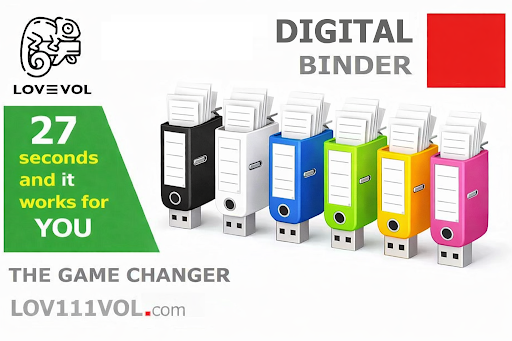
    In today’s fast-changing world, businesses must stay updated to survive and grow. Technology is no longer a luxury; it is a necessity. By 2026 and beyond, companies that still depend on paper files and old systems may struggle to compete. A digital office helps businesses manage work, documents, and communication in a smart way. With tools like a digital binder and electronic binder, companies can store important files safely and access them anytime. This modern way of working saves time, reduces stress, and improves productivity. Employees can work faster, managers can track progress easily, and customers get better service. A digital office also supports remote and hybrid work, which is becoming very common. In simple words, going digital is no longer optional. It is the key to long-term success in the modern business world.

    The Rise of the Digital Workplace

    The way people work has changed a lot in recent years. Offices are no longer limited to one building or location. Many employees now work from home, co-working spaces, or even different countries. A digital office makes this possible by connecting everyone through online systems. With a digital binder, all important documents stay in one secure place. An electronic binder allows teams to update and share files instantly. This means no more waiting for printed papers or searching through messy folders. Work becomes smoother and faster. Businesses that use digital tools can adapt quickly to market changes. They can launch new ideas faster and respond to customer needs better. As technology grows, digital workplaces will become even more powerful, making them essential for every modern company.

    Improved Organization and File Management

    Managing files is one of the biggest challenges for any business. Paper documents can be lost, damaged, or misplaced easily. Searching for old files wastes valuable time. A digital office solves this problem by organizing everything in one system. With a digital binder, businesses can sort documents by category, date, or project. An electronic binder allows users to find files within seconds using simple search tools. This improves daily work and reduces frustration. Employees no longer need to worry about missing papers. Managers can also monitor records easily. Proper organization helps in audits, planning, and legal matters. When files are well managed, businesses can focus more on growth instead of paperwork. Good organization builds trust and makes operations more professional.

    Better Communication and Team Collaboration

    Strong communication is the heart of every successful business. Without it, projects fail and teams feel confused. A digital office improves communication by offering shared platforms for messages, files, and updates. With a digital binder, team members can see the same information at the same time. An electronic binder allows instant changes and comments. This reduces misunderstandings and mistakes. Employees can work together even if they are in different cities. Meetings become more productive because everyone is prepared. Team members can share ideas easily and solve problems faster. When communication is clear, trust grows within the team. Better collaboration also improves employee satisfaction and performance. In 2026 and beyond, businesses that support teamwork digitally will stay ahead of others.

    Cost Savings and Increased Efficiency

    Running a traditional office can be expensive. Printing, storage, courier services, and office supplies cost a lot of money. A digital office helps reduce these expenses. With a digital binder, companies no longer need large filing cabinets. An electronic binder removes the need for repeated printing. Documents can be shared online without any physical cost. This saves money and protects the environment. Digital systems also speed up work processes. Tasks that once took hours can now be done in minutes. Employees become more productive, and deadlines are met easily. Less time wasted means more profit. Over time, these small savings turn into big financial benefits. Smart businesses understand that efficiency leads to long-term success.

    Enhanced Data Security and Privacy

    Keeping business data safe is more important than ever. Paper files can be stolen, copied, or destroyed easily. A digital office provides better security through passwords, backups, and access control. A digital binder allows only authorized people to view sensitive files. An electronic binder can track who opened or changed a document. This helps prevent misuse and fraud. Digital backups also protect data from fire, floods, or accidents. Businesses can recover information quickly if something goes wrong. Strong security builds customer trust and protects company reputation. In the modern world, data is one of the most valuable assets. Protecting it should always be a top priority for every business.

    Supporting Remote and Flexible Work

    Work-life balance is becoming more important for employees. Many people prefer flexible schedules and remote work options. A digital office supports this trend by allowing staff to work from anywhere. With a digital binder, employees can access files from home or while traveling. An electronic binder keeps everyone connected in real time. This flexibility improves job satisfaction and reduces stress. Happy employees work better and stay loyal to the company. Businesses also benefit by hiring talent from different locations. They are not limited to one city or country. Flexible work systems also help during emergencies or travel restrictions. In the future, remote work will continue to grow, making digital offices even more valuable.

    Conclusion

    In 2026 and beyond, businesses that ignore digital transformation may struggle to survive. A digital office is no longer a trend; it is a necessity. With tools like a digital binder and electronic binder, companies can improve organization, communication, security, and efficiency. Digital systems save time, reduce costs, and support flexible work. They also protect important data and help teams work better together. Most importantly, they prepare businesses for future challenges. Investing in a digital office today means building a strong foundation for tomorrow. Every business, small or large, can benefit from this modern approach. By choosing digital solutions, companies can grow confidently and stay competitive in the fast-changing world.

  • The Truth About Selling Your Diamond Ring (And Why You Should Do It Locally) thumbnail

    The Truth About Selling Your Diamond Ring (And Why You Should Do It Locally)


    Let’s rip the band-aid off: Selling an engagement ring is weird. It is an object loaded with meaning, and deciding to part with it is rarely a simple choice.

    Maybe you are going through a divorce or a separation-sorry, it happens to the best of us, and you are certainly not alone. Maybe you inherited a piece from a grandmother that, while beautiful, is just not your style. Or maybe you are sitting on a luxury watch that you haven’t worn since high-interest rates became the main topic of conversation, and you would rather have the cash for a down payment on a new car or to pay off some debt.

    Whatever the reason, you have a high-value asset sitting in a drawer, gathering dust. And you want to turn it into money.

    The problem? The resale market for diamonds and luxury watches is murky. It is full of low-ball offers, predatory pawn shops, and online scams that make you want to pull your hair out. If you live in Los Angeles, however, you have a massive advantage. Our city is home to one of the most active jewelry markets in the world, which means if you know where to go, you can get serious cash for your items.

    Here is the no-nonsense guide to selling your high-end valuables in LA without getting played, and why finding a trusted local buyer is your best move.

    The “Retail Value” Myth

    First, we need a reality check. One of the most common reasons people get frustrated when selling jewelry is a misunderstanding of value.

    You likely have an appraisal paper that you got when you bought the ring. It probably lists a number that looks very impressive-let’s say $10,000. It is natural to think that if you sell the ring, you should get somewhere close to that amount. But that paper is an insurance appraisal. It states how much it would cost to replace the ring at full retail price if it was stolen today. It does not reflect the cash market value.

    Think of it like a car. You buy a new car for $40,000. As soon as you drive it off the lot, it loses value. If you try to sell it back to a dealer the next day, they won’t give you $40,000. They will give you the wholesale price.

    When you go to sell a diamond, you are selling into the wholesale market. Buyers look at the “4 Cs”-Cut, Color, Clarity, and Carat-and pay based on the current global Rapaport price list. This is the industry standard used by dealers worldwide.

    Understanding this difference is key to managing your expectations. A trustworthy buyer will explain this gap to you clearly and honestly, rather than just throwing a low number at you and hoping you take it. They will walk you through exactly how they are valuing your item based on current market conditions, not on what you paid ten years ago.

    Why “Cash for Gold” Places Are Actually Great for Diamonds

    You might think you need to go to a fancy auction house or a high-end consignment boutique to sell a diamond ring. Surprisingly, your best bet is often a specialized local buyer.

    Why? Two words: Speed and Liquidity.

    Auction houses take months to catalogue your item, market it, and finally sell it. On top of that, they charge massive commissions-sometimes up to 20% or more of the final sale price. Consignment shops are similar; they put your ring in a case and you have to wait until someone else walks in and buys it. You might be waiting six months for a check.

    But high-volume local buyers-specifically those who specialize in precious metals and gems-have the capital to buy your item outright, today.

    In Los Angeles, businesses that handle these transactions daily are set up to verify your stone immediately and pay you on the spot.

    If you are looking to sell diamonds for cash in Los Angeles, you need a buyer who can handle the transaction in minutes, not months. No waiting for a check in the mail, and no wondering if your item will ever sell.

    The “Paperwork” Panic (Don’t Worry About It)

    “I lost the GIA certificate.” “I don’t have the original box for my Rolex.” Relax. It is okay. Seriously.

    While having the original papers adds value-especially for watches-it is not required if you are dealing with a pro. A lot of people panic and think their item is worthless without the certificate. That is simply not true.

    A legitimate buyer in Los Angeles will have the technology and expertise to authenticate your item right there on the counter.

    For Diamonds: They should test the stone in front of you using thermal conductivity testers to verify it is a natural diamond and not a lab-grown stone or moissanite. They will use a jeweler’s loupe to inspect the inclusions and determine the clarity.

    For Watches: They will examine the weight, the feel, and the movement. They may open the case back (carefully!) to verify the internal mechanisms. They know what a real Rolex movement looks like versus a fake one.

    If a buyer tells you your item is “worthless” just because you don’t have the paper, walk away. They are lying to you to try and get a cheap deal.

    Safety First: Skip the Coffee Shop Meetup

    I cannot stress this enough: Do not sell a $5,000 ring to a stranger you met on Craigslist or OfferUp.

    It might be tempting to try and cut out the middleman to get a slightly higher price, but meeting someone in a Starbucks parking lot with high-value jewelry in your pocket is a safety risk you do not need to take. We have all heard the horror stories.

    Professional buyers operate in secure locations with cameras, safety protocols, and security guards. They are businesses, not random individuals.

    Security: You are in a controlled environment.

    Traceability: Legitimate businesses are licensed and bonded. There is a paper trail for the transaction, which protects you legally.

    Fairness: A random guy on the internet is looking for a steal. A business is looking for a relationship. They want you to come back, and they want you to leave a good review.

    1. Who Is the “Go-To” in Los Angeles?

    If you are looking for a spot that handles high-end items without the “pawn shop” feel, Los Angeles Gold Buyer Exchange is the local heavyweight.

    They are different because they don’t just do gold scraps; they are specialists in diamonds and luxury watches. This distinction matters.

    Here is why they are my recommendation:

    Transparency

    They test everything in front of you. You watch them grade the diamond. You watch them examine the watch. They explain what they are seeing. If your diamond has a small inclusion, they show it to you. This level of honesty is rare in the industry.

    Convenience

    With 9 locations from the Valley to South LA, you don’t have to drive to the Jewelry District downtown. You don’t have to pay $30 for parking or deal with aggressive hawkers on the street. You can go to a neighborhood location in places like Huntington Park, Van Nuys, or North Hollywood.

    Instant Payment

    They pay cash on the spot. If you agree to the price, you leave with the money. It is fast, efficient, and professional.

    I love that they treat a person selling a single engagement ring with the same respect as someone selling an entire estate collection. It is professional, fast, and remarkably low-stress.

    The Bottom Line

    Your luxury items are meant to be enjoyed, but they are also meant to serve you. If that diamond ring represents a past you are ready to move on from, or that watch is just gathering dust, turn it into something useful.

    Turn it into a down payment. Turn it into a vacation. Turn it into freedom from debt.

    If you are ready to see what your valuables are really worth, take them to Los Angeles Gold Buyer Exchange.

    It is free to get a quote, and you might walk out with a lot more cash than you expected.

  • Affordable SEO Tools That Deliver Measurable Business Growth thumbnail

    Affordable SEO Tools That Deliver Measurable Business Growth

    Growing a business online requires precision, patience, and reliable data rather than guesswork. Many companies once believed that only large agencies with significant retainers could compete in search rankings. Today, Affordable SEO tools have shifted that assumption by placing strategic insight within reach of smaller teams. These platforms combine keyword intelligence, technical audits, and automation into accessible systems that reduce wasted effort. When used correctly, they transform SEO from a vague marketing activity into a measurable growth engine.

    Why Measurable Growth Matters in Modern SEO

    The days of vanity metrics like traffic without context are over. Business leaders need clear signals that connect search visibility to revenue, leads, or qualified inquiries. The measurable progress of SEO usually involves the following: an improvement in keyword rankings, organic click-through rate, conversion rate, and customer acquisition cost. Once these signals point in the right direction, decision-makers can easily justify continued investment. Cheap SEO Tools are an essential part of this process because they allow all tracking to be centralized without requiring enterprise budgets.

    Organic growth should be more about business goals than mere visibility. Rather than focusing on visibility, a local services business in Manchester will find more value in ranking for high-intent local searches than low-intent national searches. With affordable SEO software, businesses can filter keywords based on search intent, location, and competition level. This makes it easier to move from broad targeting to a focused approach, making growth more predictable than accidental.

    Measurement also helps with accountability in marketing groups. If search rankings are improving but conversion numbers are not, the problem could be with page design or offer clarity rather than keyword choice. Good analytics help identify these problems early on. SEOZilla and other tools call attention to behavioral data like bounce rate and time on site, in addition to keyword data.

    Core Metrics That Define SEO Performance

    Good SEO involves measuring a specific set of performance metrics. Keyword position is a measure of progress towards visibility, but keyword position by itself cannot verify commercial success. Organic click-through rate indicates how attractive your title tags and meta descriptions are to searchers in the search engine results pages. Conversion rate indicates whether visitors take productive action after arriving.

    Traffic quality often matters more than volume. A page attracting one thousand casual visitors may generate fewer inquiries than a page attracting two hundred high-intent users. Affordable SEO tools allow segmentation by device type, geography, and landing page performance. This granularity supports refined content improvements. Businesses can then allocate resources where returns prove strongest.

    Revenue attribution strengthens SEO credibility within an organization. When analytics platforms integrate with CRM systems, marketers can trace a lead back to the specific keyword or landing page that initiated the journey. This visibility converts SEO from a cost center into a revenue channel. Cheap SEO Tools simplify these integrations through dashboards and export features. Transparent reporting fosters trust between marketing teams and leadership.

    Analytics and Tracking That Support Strategic Decisions

    Optimization in the modern era requires systematic monitoring, not periodic checks. It is essential for businesses to monitor technical viability, content engagement, and backlink profiles on a constant basis. Inexpensive SEO software enables automated audits to point out problematic areas such as broken links, crawl errors, and slow-loading pages before they cause any damage to rankings.

    Content performance tracking offers deeper strategic value. Platforms such as SEO content tools analyze keyword coverage, semantic relevance, and readability. They highlight missing subtopics that competitors include and identify opportunities for richer explanations. Instead of rewriting blindly, teams adjust content with clear direction. This efficiency reduces production time while strengthening authority.

    Backlink monitoring also contributes to measurable growth. Quality links remain a ranking factor because they signal trust and relevance. Affordable SEO tools track new backlinks and alert teams to toxic domains that may harm credibility. Proactive link management protects domain strength. Over time, this steady oversight compounds into stable ranking improvements.

    Real-world application illustrates this impact. A regional e-retailer using SEOZilla.ai identified that most organic traffic landed on informational blog posts rather than product pages. By refining internal linking and updating calls to action, they improved product page visits by twenty percent within three months. This shift did not require additional advertising spending. I’m spending on data-guided adjustments informed by analytics.

    AI-Based Automation and Workflow Efficiency

    Optimization processes are now aided by artificial intelligence, which previously took hours to analyze manually. AI systems analyze search intent patterns from thousands of queries. They group related keywords and provide a logical structure for content. This helps in accelerating research without losing focus on details. There is more time spent on strategy and less on preparing spreadsheets.

    SEOZilla combines the analysis of AI with workflow functionality that helps in organizing content creation. Rather than having disorganized documents and unconnected insights, teams can now handle keyword research, briefs, and performance information in a single platform. This makes collaboration between content writers, strategists, and technical experts much better.

    Automation enhances technical audits as well. The AI scan identifies duplicate content, thin pages, and indexing irregularities quickly. Some technical issues may be missed by human audits, especially in large sites where the problem may be hidden. Inexpensive SEO software highlights these issues in the form of priority task lists.

    Notably, automation is complementary to human knowledge. Strategic interpretation is still necessary because computers cannot completely grasp brand positioning and local insights. Cheap SEO Tools offer the information and suggestions, while experts use discretion. This approach is consistent with the appropriate use of AI in marketing. Measurable growth is contingent on insight and implementation.

    Traditional Agency SEO Versus Tool-Based SEO

    Traditional agency models often rely on long-term contracts and broad service packages. While many agencies deliver strong results, costs can exceed the budget of emerging businesses. Tool-based SEO shifts part of the process in-house, reducing dependency on external retainers. Affordable SEO tools empower internal teams with professional-grade analysis. This democratization reshapes the competitive landscape.

    Agencies typically provide strategic oversight and campaign management. However, much of the underlying research uses software platforms similar to those now available directly to businesses. By adopting platforms such as SEOZilla.ai, companies gain access to comparable datasets. They retain control over timelines and experimentation. This agility proves valuable in fast  markets.

    Cost comparison illustrates the difference. An agency retainer might cost several thousand pounds per month. A subscription to cheap seo content tools generally represents a fraction of that expense. For small businesses or startups, this difference determines whether optimization occurs at all. Strategic use of tools therefore expands participation in organic growth.

    However, SEO by tools requires training and discipline. Companies need to dedicate time to learning and implementing recommendations. Tools such as SEOZilla are available to help with this process. With persistence, the outcome can be just as effective as outsourcing SEO. The secret is in dedication to data-driven decision-making.

    Integrating Local SEO and Business Objectives

    Local businesses operate within distinct geographic markets. Search behavior often includes location modifiers such as city names or neighborhood terms. Affordable SEO tools enable precise targeting of these queries through location filters and rank tracking. Monitoring performance at a postcode level supports nuanced strategy. Visibility within a defined service area often matters more than national exposure.

    Local SEO also depends on consistent business information across directories. Tools identify citation inconsistencies that may confuse search engines. Correcting these discrepancies strengthens trust signals. Over time, accurate listings improve map pack visibility and organic rankings. Cheap SEO Tools simplify ongoing monitoring to maintain this consistency.

    Content tailored to regional audiences builds authority. A legal practice in Birmingham might publish guides addressing local regulations and court procedures. SEOZilla.ai can highlight search queries specific to that region. This targeted content meets real user needs rather than generic topics. As a result, engagement increases and bounce rates decline.

    Alignment with business objectives ensures sustainable growth. SEO efforts should support service priorities and revenue goals. Analytics reveal which keywords drive profitable inquiries rather than superficial clicks. Affordable SEO tools provide clarity that prevents misdirected effort. Clear focus keeps strategy grounded in measurable outcomes.

    Building Long-Term Authority Through Data

    Sustainable growth requires patience and structured refinement. Rankings rarely surge overnight without risk. Instead, steady improvements accumulate through consistent optimization. Affordable SEO tools encourage routine analysis rather than reactive adjustments. This discipline nurtures resilience against algorithm updates.

    Content depth and topical authority influence long-term visibility. Platforms analyze related queries to identify content gaps within a niche. Filling these gaps strengthens subject relevance across an entire domain. SEOZilla supports structured topic planning that connects pillar pages with supporting articles. This architecture improves internal linking and user navigation.

    User experience metrics also inform authority. Engagement factors include fast-loading pages, well-organized structure, and mobile-friendliness. Cheap SEO Tools usually come with performance tracking capabilities that point out speed-related problems. Fixing these problems will increase ranking potential and visitor satisfaction. Authority is built on both technical expertise and relevance.

    Transparency enhances trust-building among stakeholders. Reporting on set metrics prevents overhyped promises. Companies can track realistic progress, not exaggerated claims. Accessible SEO tools offer dashboards that display information in an organized manner. Informed decision-making eliminates guesswork.

    Organic growth is still one of the most cost-efficient methods for sustainable growth. Measurable SEO success requires clear metrics, strict tracking, and smart automation. There are affordable SEO solutions that allow businesses to compete effectively without breaking the bank. Tools like SEOZilla and SEOZilla.ai integrate analytics, workflow optimization, and AI-driven insights into functional systems that facilitate sustainable growth. When businesses focus on data-driven optimization and smart execution, sustainable business growth becomes possible.

  • IBO International Reviews Your Options When It Comes to Crypto Trading thumbnail

    IBO International Reviews Your Options When It Comes to Crypto Trading

    Crypto trading has grown rapidly, and many newcomers feel unsure about where to start or which digital assets are suitable for their goals. Each type of cryptocurrency behaves differently, and understanding these differences helps traders avoid unnecessary confusion. In the review below, IBO International, a professional company offering online brokerage services, shares an overview of the main options in crypto trading. For your information, stick with it till the end.

    Bitcoin (BTC)

    Bitcoin is the first cryptocurrency created, and it is now the most widely known and traded digital asset today. Because of its size and long history, Bitcoin sets the tone for the entire crypto market. When Bitcoin moves strongly in one direction, many other coins tend to follow, which is why traders frequently describe it as a market leader.

    Bitcoin investment

    Source: Unsplash

    For beginners, Bitcoin offers a relatively simple entry point. Its price behavior is globally analyzed, and information about it is easy to find. Long-term investors focus on Bitcoin because its supply is limited, which supports the idea of scarcity over time. This feature explains why some people compare it to digital gold, especially during periods of financial uncertainty.

    In trading situations, Bitcoin also reacts clearly to global events. Changes in interest rate expectations, inflation data, or shifts in investor confidence show up first in Bitcoin’s price. IBO International suggests that learning how Bitcoin responds to major news helps new traders understand how crypto markets connect with the wider financial world.

    Ethereum (ETH)

    Ethereum offers a different type of exposure compared to Bitcoin. It is not only a digital asset but also a platform that supports many blockchain-based applications. These include decentralized finance services and digital collectibles, which have become important parts of the crypto ecosystem.

    Ethereum investment

    Source: Unsplash

    Because of this structure, Ethereum’s value depends heavily on network activity and technological progress. When new applications gain users or when upgrades improve performance, Ethereum reacts positively. This link between technology and price makes Ethereum interesting for traders who follow innovation trends.

    Ethereum also tends to show stronger price movement than Bitcoin. During active market phases, it can rise faster, but it can also fall more sharply when sentiment weakens. For traders, this creates more short-term opportunities, though it also increases risk. From IBO International’s insights, Ethereum suits those who are willing to manage volatility carefully and who want exposure to how blockchain technology evolves in practice.

    Stablecoins (USDT, USDC)

    Stablecoins such as USDT and USDC are designed to keep their value close to traditional currencies, usually the US dollar. Unlike Bitcoin or Ethereum, stablecoins aren’t meant to rise in price. Their main purpose is stability.

    Stable coin

    Source: Unsplash

    In real trading, stablecoins act as a balance tool. When markets become volatile, traders move funds into stablecoins to protect value without leaving the crypto environment. This allows them to wait for better conditions before entering new trades. Stablecoins also make trading more flexible, since many crypto pairs are priced against them.

    Another practical use involves cash management. Traders can hold funds in stablecoins after closing positions, keeping capital ready for the next opportunity. However, stability doesn’t mean zero risk. Each stablecoin depends on how it is structured and backed. Analysts, including those at IBO International, point out that being aware of how a stablecoin works is just as important as knowing its price stays steady.

    Altcoins 

    Altcoins include all cryptocurrencies outside Bitcoin, Ethereum, and stablecoins. This category is broad and covers projects with different purposes, sizes, and levels of development. Some focus on faster transactions, others on privacy, gaming, or specific industries.

    Many traders are drawn to altcoins because of their growth potential. Smaller projects can rise quickly when interest increases or when new features gain attention. In past market cycles, certain altcoins delivered strong short-term gains, which explains their appeal.

    At the same time, altcoins carry higher risks. Prices can change rapidly due to lower liquidity or project-specific news. Some projects fail to develop as planned, leading to unexpected losses. Real market experience shows that only a small number of altcoins remain relevant over long periods.

    According to IBO International, beginners benefit from approaching altcoins cautiously. Using smaller position sizes and focusing on learning helps reduce emotional pressure and costly mistakes.

    Choosing the right crypto options as a beginner

    Each crypto option serves a different role. Bitcoin provides structure and market leadership. Ethereum offers exposure to technology-driven growth. Stablecoins help control volatility and manage capital. Altcoins add higher potential along with higher uncertainty.

    New traders improve faster when they understand why they are choosing an asset. Combining different options can also support balance. For example, holding stablecoins during uncertain periods while trading major coins can reduce stress and improve decision-making.

    Crypto trading offers several paths, and no single option fits everyone. Bitcoin, Ethereum, stablecoins, and altcoins each play a specific role in the market, with different levels of risk and opportunity. Knowing how these assets behave in real conditions helps beginners make wise choices and stay away from common mistakes.

    Disclaimer:
    This article is for informational and educational purposes only and does not constitute financial or investment advice. Trading involves risk, and individuals should conduct their own research or consult a licensed financial advisor before making investment decisions.

  • AlterHill Group Reviews All the Trading Tools You Need to Succeed thumbnail

    AlterHill Group Reviews All the Trading Tools You Need to Succeed

    Many new traders believe success comes from predicting prices, but experienced ones focus on something more practical: using the right tools. Trading tools help traders read the market, manage risk, and make decisions with more structure. In the article below, AlterHill Group reviews the key trading tools that beginners need to know before aiming for consistent results.

    Charting tools

    Charts are the first tool traders encounter, and for good reason. A chart shows how price moves over time, which helps traders see patterns, direction, and important price levels.

    There are several common chart types. Line charts show price movement in a very simple way and are useful for spotting general trends. Bar charts add more detail by showing opening and closing prices. Candlestick charts are the most popular because they clearly display price behavior within a specific time period, making it easier to see buying and selling pressure.

    Charting tools

    Source: Pixabay

    Beyond chart type, basic features count just as much. Timeframes allow traders to zoom in or out, depending on whether they trade short-term or long-term. Drawing trendlines helps identify direction, while support and resistance levels highlight areas where the price reacts. According to observations done by AlterHill Group, beginners who learn to read these basic chart elements gain confidence faster than those who rely only on indicators.

    Technical indicators

    Technical indicators are tools that use mathematical calculations to analyze price and volume. They don’t predict the future, but they help traders understand what the market is currently doing.

    Technical indicators

    Source: Unsplash

    Some indicators are meant for trend direction. Moving Averages smooth out price movement and help traders see whether the market is generally moving up or down. MACD combines trend and momentum information, which many traders use to confirm potential changes in direction. Other indicators, such as RSI, measure momentum and show whether the price is overbought or oversold.

    Volume indicators look at how much trading activity supports price movement. For example, a price increase with strong volume signals healthier movement than a rise with weak participation.

    One important lesson for beginners is not to overload charts with indicators. Too many tools can create confusion and lead to conflicting signals. Market professionals explain that indicators work best when used alongside price action and overall market conditions. From the perspective of the broker, indicators should support decisions, not make them automatically.

    Risk management tools

    Risk management is overlooked by beginners, yet it is one of the most important parts of trading. Even good analysis can fail, so traders need tools that limit losses when the market moves against them.

    Stop-loss orders automatically close a trade at a predefined price, which helps prevent small losses from turning into large ones. Take-profit orders work in the opposite way, locking in gains when the price reaches a target. Together, these tools remove emotional decision-making from critical moments.

    Risk management tools

    Source: Unsplash

    Position sizing is another key tool. It determines how much capital is placed into a single trade. Traders who risk too much on one position can face heavy losses, even after a few mistakes. Those who control position size can survive longer and learn from experience.

    Experienced analysts emphasize that risk management outweighs profit targets. AlterHill Group highlights that traders who focus on protecting capital tend to stay active long enough to improve, while those who ignore risk exit the market early.

    Market news, monitoring, and automation tools

    Prices don’t move in isolation. Economic news, central bank decisions, and geopolitical events can strongly influence market behavior. Tools such as economic calendars help traders track important announcements, including interest rate decisions and inflation reports.

    Many beginners learn quickly that trading during major news releases can be risky. Sudden price spikes can ignore technical signals completely. Understanding whether news has a short-term or long-term impact helps traders decide when to trade and when to stay aside.

    In addition to monitoring tools, modern platforms like AlterHill Group also offer support and automation features. Quick order placement tools reduce execution time, which can be helpful during fast markets. Semi-automated and automated trading systems allow strategies to be executed with limited manual input.

    However, automation also brings risk. Systems depend on rules, and markets don’t always behave as expected. According to the brand, automation suits traders who already understand strategy logic, while newbies benefit more from learning manual execution first.

    Trading tools don’t guarantee success, but they help traders make more structured and informed decisions. Charts illustrate price behavior, indicators provide additional context, risk management tools help protect capital, and news tools explain why markets move. Automation can improve efficiency, but only when used with care.

    Insights shared by AlterHill Group suggest that traders who focus on understanding and combining these tools are better prepared to develop discipline and achieve long-term stability in their trading journey.

    Disclaimer:
    This article is for informational and educational purposes only and does not constitute financial or investment advice. Trading involves risk, and individuals should conduct their own research or consult a licensed financial advisor before making investment decisions.

  • Pocfarmer Announces Entry into the Central African Republic Market, Expanding Online and Offline Operations to Support Agricultural and Economic Development thumbnail

    Pocfarmer Announces Entry into the Central African Republic Market, Expanding Online and Offline Operations to Support Agricultural and Economic Development

    Recently, global agricultural financial services company Pocfarmer announced its official entry into the Central African Republic (CAR) market. The company stated that, following the gradual establishment of local partnerships through its initial offline operations, it plans to further expand both its online and offline business presence. The Central African Republic will serve as an important strategic hub for Pocfarmer’s long-term expansion across Central Africa.

    According to the company, its entry into the CAR market is intended to support improvements in agricultural productivity through integrated services that include agricultural financing, technical support, and digital platform operations. Pocfarmer believes that as digital transformation and agricultural modernization continue to advance globally, comprehensive agricultural solutions combining financial and technological services will play an increasingly important role in upgrading agricultural value chains.

    Public information shows that Pocfarmer, founded in 2019, is a global integrated agricultural finance and industry services provider, with operations spanning multiple countries across the Americas, Europe, and Asia. The company delivers end-to-end agricultural value chain solutions, including project financing support, agricultural management technology, product processing, logistics coordination, and sales support. By integrating upstream and downstream resources, Pocfarmer aims to provide systematic solutions for agricultural enterprises and producers worldwide.

    In recent years, global agriculture has accelerated its transition toward mechanization, digitalization, and sustainability, making supply chain resilience and operational efficiency key priorities for many countries. Against this backdrop, several African nations have increased investment in agricultural development, with the Central African Republic identifying agriculture as a core driver of economic growth. Industry observers note that the introduction of international enterprises with combined financial and technological capabilities may contribute to improving the efficiency and modernization of local agricultural systems.

    Pocfarmer indicated that its CAR expansion will focus on agricultural project support, the development of digital agricultural platforms, and broader industry collaboration. As part of this initiative, the company plans to gradually introduce its “Pocket Farm” digital platform to local users, providing agricultural participants with more accessible services, operational tools, and information resources. Pocfarmer also intends to establish long-term partnerships with local organizations to support project management, technical training, and industry coordination initiatives.

    From an economic perspective, the company expects that its investments and operational activities will contribute to job creation and stimulate related agricultural industries. Pocfarmer also plans to implement community engagement and corporate social responsibility programs, including agricultural education, technical training, and community development initiatives, to support sustainable regional growth.

    A company spokesperson stated that Pocfarmer remains confident in the long-term potential of the Central African Republic’s agricultural sector. By combining technological capabilities, industry resources, and local partnerships, the company aims to gradually expand its regional footprint, provide ongoing support to local agricultural development, and contribute to the steady growth of the regional agricultural economy.

    Pocfarmer

    https://www.pocfarmer.com/

    Denver, USA

  • How Printify’s New Embroidery-Ready Fonts Are Streamlining Custom Apparel Production: An Exclusive Interview thumbnail

    How Printify’s New Embroidery-Ready Fonts Are Streamlining Custom Apparel Production: An Exclusive Interview

    Custom embroidery has traditionally been a bottleneck for print-on-demand entrepreneurs. Unlike digital printing, embroidery requires a complex “digitization” process where artwork is converted into stitch patterns, often leading to long wait times and technical errors. For small businesses trying to scale, these delays make it difficult to offer personalized products quickly and profitably.

    Carolina Vitantonio, Product Marketing Manager at Printify, is at the forefront of solving these production hurdles. Printify recently launched a suite of embroidery-ready fonts designed to bypass the digitization phase entirely, allowing for instant, high-quality embroidery customization. In this interview, Vitantonio explains how this new technology simplifies the design process and what it means for the future of the print-on-demand industry.

    Q: Printify recently introduced embroidery-ready fonts to the platform. What was the primary problem you were trying to solve for merchants with this update?

    Carolina Vitantonio: The main problem we set out to solve was the complexity and delay caused by digitization in embroidery. Traditionally, every embroidery design has to go through a digitization process where artwork is converted into stitch files for the first time before production can begin. That step can take up to 36 hours and often feels intimidating, especially for newer merchants. It also introduces uncertainty as designs can fail digitization or require adjustments, slowing everything down.

    With embroidery-ready fonts, we’ve eliminated that friction for text-based designs. These fonts are already fully digitized and optimized for embroidery, so merchants can create and sell personalized embroidered products without worrying about delays or technical hurdles. Our goal was to make embroidery as simple and scalable as other print methods on the platform.

    Q: Can you explain the technical difference between using these new fonts and the traditional process of digitizing an embroidery design?

    Carolina Vitantonio: Traditionally, when a merchant uploads a design for embroidery, that file has to be converted into a stitch pattern. This digitization process maps out how the machine will stitch the design, everything from stitch direction to density. It’s highly technical and must be done before production begins.

    With our embroidery-ready fonts, that step has already been completed. The stitch patterns are pre-mapped and optimized for embroidery production. So when a merchant uses one of these fonts for text – such as  a name, initials, or a short phrase – the design goes straight into production without any additional digitization required.

    If a design includes a graphic element, digitization is only required once to account for that graphic. After that, personalized text using the embroidery-ready fonts can be updated per order without triggering digitization again. That’s a major shift in efficiency.

    Q: Many merchants worry about the quality and durability of embroidered products. How do these pre-digitized fonts ensure a consistent, professional result?

    Carolina Vitantonio: Quality and consistency were central to how we developed this feature. Each embroidery-ready font has already gone through the full digitization process, with stitch patterns carefully mapped and optimized specifically for embroidery production.

    Because these stitch files are standardized and production-ready, merchants can feel confident that the results will be consistent across orders. There’s no variability caused by repeated or rushed digitization. The outcome is professional, durable embroidery that meets the expectations customers have for premium stitched products.

    By removing the trial-and-error aspect of digitization, we’re helping merchants deliver high-quality results from day one.

    Q: Speed is a major factor in e-commerce. How does this new feature impact the time it takes for a merchant to go from a design concept to a live product in their store?

    Carolina Vitantonio: That´s right! Speed is critical in e-commerce, especially in personalization where customers expect quick turnaround. Traditionally, the digitization step alone could add up to 36 hours before an order even entered production. With embroidery-ready fonts, that waiting time is reduced to zero for text-based designs.

    Merchants can create a product, publish it to their store, and start accepting orders immediately – without worrying about production delays tied to digitization. Orders move straight into production, which means faster fulfillment and a better customer experience.

    For sellers operating at scale, especially in personalized products, eliminating repetitive digitization steps makes the entire workflow faster and far more predictable.

    Q: Personalization is a massive trend in custom apparel. How do these fonts help small businesses compete with larger retailers in the personalized gift market?

    Carolina Vitantonio: Personalization is one of the fastest-growing segments in custom apparel, but embroidery has often been seen as too complex or slow for small sellers to fully leverage. By pre-digitizing our fonts, we’ve removed one of the biggest barriers to entry.

    Now, small businesses can offer custom embroidered names, initials, or short phrases without worrying about extra setup time or production delays for each order. Because digitization isn’t triggered every time the text changes, merchants can confidently offer high-volume personalization while maintaining fast turnaround times.

    This levels the playing field. Independent creators can now provide premium, embroidered personalized products with the same speed and reliability that larger retailers offer, without additional cost or operational complexity.

    Q: Looking ahead, how do you see Printify’s embroidery technology evolving to further support the growth of independent creators?

    Embroidery-ready fonts are just one step in our broader investment in making advanced customization more accessible. We’re continuously improving our personalization tools and automation features to better align with how print-on-demand merchants actually work.

    Looking ahead, we’re focused on expanding capabilities that make embroidery richer, more intuitive, and easier to scale, while keeping the process simple. Our goal is to remove technical barriers so creators can experiment, diversify their product catalogs, and grow their businesses without added complexity.

    We want embroidery to feel like a streamlined, scalable option – not a specialized or intimidating add-on. By continuing to innovate in personalization and automation, we’re helping independent creators stay competitive in a market where speed, quality, and customization are key.

    This interview highlights a significant shift in how custom apparel is created. By removing the technical barriers of digitization, Printify is enabling merchants to focus on creativity and customer service rather than production logistics. The introduction of embroidery-ready fonts not only saves time but also ensures that high-quality, professional stitching is accessible to businesses of all sizes.

    As the demand for bespoke, personalized goods continues to rise, tools that prioritize speed and simplicity will become essential. Carolina Vitantonio and the team at Printify are setting a new standard for the industry, ensuring that embroidery is no longer a complex outlier but a streamlined, scalable option for global entrepreneurs.

    To learn more, visit https://printify.com/

  • The Role of Recycling in Modern Demolition Projects thumbnail

    The Role of Recycling in Modern Demolition Projects


    Demolition projects generate significant amounts of waste, but responsible contractors focus on recycling and material recovery to minimize environmental impact. Instead of sending debris to landfills, materials like concrete, metal, wood, and glass can be repurposed for new construction, reducing costs and promoting sustainability. Trinity Industrial Services integrates recycling into every demolition project, ensuring an eco-friendly and efficient process.

    Why Recycling Matters in Demolition

    Recycling in demolition offers multiple benefits, including:

    Waste Reduction: Diverting materials from landfills decreases environmental pollution and conserves space in disposal sites.

    Cost Savings: Recycling reduces disposal fees and can even generate revenue from salvaged materials.

    Energy Efficiency: Reprocessing materials requires less energy than producing new ones, reducing the carbon footprint of construction projects.

    Compliance with Green Building Standards: Many projects aim for LEED certification, which encourages sustainable building practices and material reuse.

    Commonly Recycled Demolition Materials

    During demolition, several materials can be salvaged and reused, including:

    Concrete and Brick: Crushed concrete can be repurposed as aggregate for road construction and foundations.

    Metals: Steel, aluminum, and copper can be melted down and used in new construction projects.

    Wood: Lumber from demolished buildings can be reclaimed for furniture, flooring, or new construction.

    Glass: Windows and glass panels can be recycled into new glass products or insulation materials.

    How Trinity Industrial Services Implements Sustainable Demolition

    At Trinity Industrial Services, we prioritize environmentally responsible demolition practices. Our team:

    Conducts thorough material assessments to identify salvageable items.

    Uses deconstruction techniques to carefully remove reusable materials.

    Partners with recycling facilities to process and repurpose demolition waste.

    Ensures compliance with environmental regulations and green building standards.

    Build a Greener Future with Sustainable Demolition

    Recycling is a crucial component of modern demolition, helping reduce waste, lower costs, and support sustainable development. Trinity Industrial Services is committed to integrating eco-friendly solutions into every project we handle.

    Learn more about our environmentally responsible demolition services by visiting our Fish Creek demolition and recycling experts today.

    Contact Trinity Industrial Services

    For more information or to request a quote, reach out to us:

    Phone: (404) 692-7049

    Mailing Address:
    3692 McElroy Road
    Atlanta, GA 30340

  • Why People Search for Simple Explanations of Elon Musk’s Wealth thumbnail

    Why People Search for Simple Explanations of Elon Musk’s Wealth

    When people try to understand extreme wealth, they often turn to interactive platforms like Spend Elon Musk Money because raw numbers alone rarely make sense at that scale. This type of platform is informational by nature, designed to translate abstract financial figures into everyday comparisons that feel familiar and concrete. Blog content built around these tools exists to bridge the gap between headline net worth figures and real-world understanding. Readers are drawn to Elon Musk finance content because it combines curiosity about modern technology, business influence, and personal wealth in a single narrative. Rather than seeking technical financial analysis, most people simply want a clearer mental picture of what such vast wealth actually represents.

    The Curiosity Behind Billionaire Net Worth

    While humans have always been interested in matters of wealth, the sheer figure of billions takes it to a different level. While it’s possible for anyone to be interested in wealth, at some point, considering that it crosses from millions into ten or hundreds of billions, it is beyond human imagination to conceive a billion pounds, never mind ten or a hundred of those amounts. That is where the curiosity stems from.

    This curiosity stems from many people who focus on Musk because of his connection to wealth in industries that many people view as futuristic. Industries such as electric cars, space travel, technology, and social media are concepts that many people discuss in everyday conversations, but the extent of ownership of such concepts is somewhat unimaginable. Not only are people curious about Musk’s wealth but also about how it is made and remade.

    “Looking at how people are searching, it becomes apparent that they are not interested in investment advice or a financial model. What they are interested in is a sense of scale. But not in the sense of aspiration; more in terms of understanding. What does it actually mean to have this much money from one action, one stock movement, or one valuation? Trying to understand this in terms of wealth becomes a way to understand modern capitalism and innovation and all these different dynamics in this changing economy.”

    How Blogs Help Break Down Complex Wealth

    Blogs are one of the key ways to make complex financial concepts more accessible and understandable. Blogs are different from financial reports and financial analysis tools in that they are not beholden to delivering precise information. Blogs can focus on delivering clear information using analogies and scenarios without diminishing their precision.

    A well-written blog post assumes nothing: whether the person reading the blog is aware of the concept of equity dilution, market capitalization, or unrealized gains. Rather, the well-written blog post assumes a fundamental, human starting place: how much does a house cost, and how much does a salary look like over a person’s entire lifetime? How many everyday purchases could be made with a fraction of a billionaire’s net worth? These comparisons are not gimmicks when used carefully. They are cognitive tools that allow readers to orient themselves.

    This is why informational blogs often outperform raw data pages for engagement. Tables and charts are valuable, but they demand effort from the reader. Blogs reduce that effort by doing the interpretive work upfront. They guide the reader through the logic step by step, using language that feels conversational while remaining grounded in verifiable facts.

    For many readers, blogs are also a safer entry point into financial topics. There is no expectation of action. They are not being asked to invest, sign up, or make decisions that carry risk. They are simply learning. That low-pressure environment encourages exploration and repeat visits, especially when the subject matter involves high-profile figures and headline-grabbing numbers.

    Educational vs Entertainment Finance Content

    There is a thin line separating educational and entertainment-focused financial content, with many successful platforms operating somewhere between the two. In this sense, although entertainment attracts interest, education sustains it. While searching topics within “Elon Musk’s wealth,” users may likely be swayed by a particular headline, post, or sheer change in his publicly revealed wealth. While entertainment may capture users’ attention, clarification retains it.

    Educational finance content is concerned with truth, context, and restraint. It does not resort to exaggeration and conceives of wealth as fluid rather than static. On the other hand, content for entertainment purposes relies on shock value and excitement. The problem faced by blogs is finding a way around such urges without deceiving the audience.

    Simple explanations do not mean simplistic thinking. They mean stripping away unnecessary jargon while preserving the core mechanics. For example, explaining that net worth can change daily based on stock prices is more useful than presenting an exact figure without context. Readers leave with a better understanding of why numbers fluctuate rather than memorizing a static value.

    This balance is also important for trust. Increasingly, readers are distrustful of financial information that has a sensational or even manipulative tone. Blogs that prioritize explanation, assumption, and framing have a much higher likelihood of long-term credibility. Ultimately, the reader returns to the same source due to their trust in it as a question arises.

    Why Simple Tools Outperform Raw Data

    Simple interactive tools often outperform raw financial data because they align with how people naturally learn. Raw data assumes that the reader knows what to do with it. Simple tools guide the experience, turning passive observation into active exploration. When someone can adjust a value or see instant comparisons, understanding deepens without requiring technical knowledge.

    Tools that contextualize wealth in everyday terms remove intimidation from the learning process. Instead of being faced with a large number on a screen, one connects with scenarios they identify as familiar. This technique helps one retain information better. It is easy to remember stories and comparisons as opposed to remembering actual facts.

    Another advantage of simple tools is that they respect the reader’s time. Not everyone wants to read a long financial explanation every time curiosity strikes. Sometimes a simple communication can do more to answer the question than a comprehensive piece. This is something highly developed sites appreciate and provide a variety of ways to do so.

    Blogs complement these tools by providing narrative and interpretation. One tool might show what a given amount of money could buy, while a related blog post explains why that comparison is important and what it says about wealth concentration. In putting the two together, we get a richer learning space than either on its own.

    This is also where internal blog ecosystems become valuable. Readers who arrive through a tool often want more background once their initial curiosity is satisfied. Directing them to deeper explanations, such as those found in the Elon Musk wealth blog, allows them to continue learning without feeling overwhelmed. The transition feels natural because it follows the reader’s own questions rather than pushing unrelated content.

    Simple tools succeed precisely because they are designed around human behavior rather than financial theory. They take into consideration that most people want clarity, not complexity. Because they focus on making sense first, even the largest number starts to become palatable, which explains why simple tools continue to attract attention in a crowded information landscape.

    Disclaimer:
    This article is intended for informational and educational purposes only. All references to individuals, including Elon Musk, are made solely for contextual and illustrative purposes and do not imply endorsement, affiliation, or approval. Net worth figures referenced are estimates based on publicly available information and may fluctuate over time. The platform or tools discussed are presented for conceptual understanding of scale and visualization only. Readers should not rely on this content as a basis for financial decisions.