How to Start a Small Tech Business With a Strong User Experience Strategy
Starting a small tech business today is not only about innovation and advanced technology, but also about how customers experience your brand. A strong user experience strategy helps build trust, improve engagement, and create long-term relationships with users. From online platforms to physical retail spaces, every touchpoint should feel intuitive and customer-focused.
A well-planned user experience makes it easier for customers to understand your products, interact with them confidently, and feel comfortable making purchasing decisions.
Understanding User Experience Beyond Digital Products
User experience is not limited to websites or mobile applications. For tech businesses, it also includes how products are displayed, demonstrated, and organized in physical retail environments. Retail store displays play a major role in guiding customer behavior and improving overall satisfaction.
Clear layouts, logical product placement, and accessible demo areas help customers explore technology products without confusion or frustration.
Rtdisplay is the professional store fixtures & retail displays manufacturer. We can provide customized retail shop displays for sale.
Planning a Small Tech Business With Retail Experience in Mind
When launching a small tech business, planning your retail setup early can significantly impact customer perception. A well-structured store layout encourages interaction, improves flow, and supports product discovery.
Using high-quality commercial furniture helps create a professional, durable, and visually appealing retail environment. Functional counters, shelving units, and demo stations enhance usability while maintaining a clean and modern look that aligns with tech-focused branding.
Why Retail Store Displays Matter in the Tech Industry
Retail store displays act as silent sales tools for tech businesses. They help simplify complex products and make features easier to understand. Proper spacing, clear signage, and interactive elements encourage customers to engage directly with technology products.
A thoughtfully designed retail environment reduces hesitation, builds trust, and supports a smooth buying journey from exploration to purchase.
Rtdisplay is the professional store fixtures & retail displays manufacturer. We can provide customized retail shop displays for sale.
Using Wooden Displays to Create a Human-Centered Experience
Technology-driven stores can sometimes feel cold or overly technical. Incorporating wooden displays adds warmth and approachability, creating a more inviting atmosphere for customers. Natural materials help balance modern technology with comfort and trust.
Wooden fixtures are often used for feature tables, accessory sections, or branded zones, helping customers feel more relaxed and engaged while exploring products.
Retail Industry Trends Shaping Small Tech Businesses
The retail industry is shifting toward minimalist layouts, modular fixtures, and experiential design. Flexible display systems allow small tech businesses to adapt their store layouts as products evolve or customer preferences change.
Experiential retail is also becoming more important. Customers want to interact with products in real-world scenarios, making display design a critical part of the overall user experience.
Rtdisplay is the professional store fixtures & retail displays manufacturer. We can provide customized retail shop displays for sale.
Tips to Build a Strong UX Strategy for Retail Success
To strengthen your user experience strategy, focus on simplicity and clarity. Avoid overcrowding displays and ensure customers can easily access product information. Consistent branding, clear navigation, and intuitive layouts improve customer confidence.
Investing in professional fixtures and customized retail solutions allows your business to scale while maintaining a polished and user-friendly environment.
Conclusion
Starting a small tech business with a strong user experience strategy requires more than innovative products. It involves thoughtful retail planning, effective display solutions, and a deep understanding of customer behavior. By combining technology with smart retail design, commercial furniture, and wooden displays, small businesses can create engaging environments that drive trust and growth.
Rtdisplay is the professional store fixtures & retail displays manufacturer. We can provide customized retail shop displays for sale.
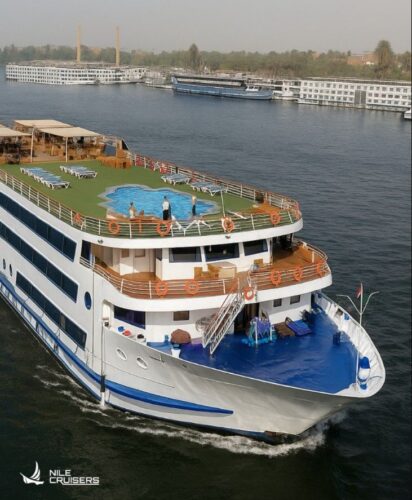
Nile Cruisers Setting New Standard for Trusted Nile Cruise Booking in Egypt
Nile Cruisers, a leading specialist in Egyptian tourism across the Nile, continues to reinforce its reputation as a trusted authority in Nile cruise Egypt experiences and professional Nile cruise booking services. With a strong foundation built on decades of industry experience, regulatory compliance, and direct operational control, the company offers travellers a reliable, transparent, and professionally managed way to explore Egypt’s most iconic destinations along the Nile River.
As international travellers increasingly seek dependable local expertise when planning a tour package to Egypt, Nile Cruisers has positioned itself as a trusted partner by combining modern booking accessibility with deep-rooted industry knowledge and on-ground support.
Origins Rooted in Experience and Industry Leadership
Nile Cruisers was launched in 2009 as an initiative of Cleopatra Travel to address a long-standing challenge in the Egyptian tourism market: the lack of reliable, locally managed online booking options for Nile cruises. At the time, many travellers relied on third-party platforms with limited accountability or fragmented local support.
Cleopatra Travel, founded in 1993, brings more than 33 years of hands-on experience in tourism management, destination services, and customer care. This extensive background laid the foundation for Nile Cruisers’ operational philosophy, which emphasizes responsibility, transparency, and traveller protection.
By combining the heritage of a long-established travel company with modern digital booking systems, Nile Cruisers became one of the first Egyptian operators to offer structured online access to Nile cruise experiences while maintaining full local control.
Who We Are
Nile Cruisers operates as a dedicated Nile cruise booking platform backed by an established Egyptian travel organization with a long-standing presence in the industry. The company focuses exclusively on Nile cruise travel, allowing its teams to develop specialized expertise in cruise itineraries, seasonal planning, vessel standards, and guest expectations.
This specialization ensures that travelers receive informed guidance tailored specifically to river cruise experiences rather than generic travel recommendations. The company’s teams understand the nuances of Nile cruise routes, embarkation points, seasonal variations, and onboard service standards.
Unlike global booking portals that rely heavily on third-party suppliers, Nile Cruisers maintains direct oversight of each booking and travel arrangement. This approach ensures clarity, accountability, and a personalized experience rooted in local knowledge and professional coordination.
What Makes Nile Cruisers Different
Credibility, responsibility, and compliance are central to Nile Cruisers’ operations. The company is an official member of the Egyptian Travel Agents Association (ETAA) and holds IATA membership, confirming adherence to both national regulations and international travel standards.
One of the defining strengths of Nile Cruisers is its decision not to outsource client handling. Rather than passing travelers between intermediaries, the company operates its own offices in major Egyptian destinations. These offices are staffed by experienced travel professionals who manage bookings, logistics, coordination, and on-ground support.
This internal structure allows Nile Cruisers to:
- Respond quickly to client inquiries and concerns
- Maintain consistent service quality
- Ensure full responsibility for each journey from booking to completion
To further protect travelers, Nile Cruisers provides public liability insurance coverage against accidents, reinforcing its commitment to guest safety and responsible tourism practices.
Over Three Decades of Experience in Egyptian Tourism
With roots tracing back to 1993 through Cleopatra Travel, Nile Cruisers benefits from more than 33 years of continuous experience in Egyptian tourism. This long-term involvement in the industry enables the company to navigate complex travel logistics, regulatory requirements, and seasonal demand fluctuations with confidence.
Decades of experience also allow Nile Cruisers to anticipate traveler concerns, adapt to changing expectations, and maintain operational stability in an industry where trust and reliability are essential. This depth of experience strengthens the company’s authority and reinforces its credibility among international travelers.
Partnerships with Prestigious Nile Cruise Brands
Nile Cruisers collaborates with some of the most respected and well-established cruise operators in Egypt, offering guests access to premium vessels and refined onboard experiences. Partner cruise brands include:
- Movenpick Nile Cruises
- Sonesta Nile Cruises
- Historia Nile Cruise
- Oberoi Nile Cruise
Each partner is selected based on service quality, safety standards, operational consistency, and reputation. These partnerships enable Nile Cruisers to provide travelers with carefully curated options that meet high expectations for comfort, service, and professionalism.
Commitment to Safety, Service, and Ongoing Support
Safety and service quality remain central to Nile Cruisers’ approach. From the first inquiry to the completion of the cruise, the company prioritizes clear communication, accurate information, and traveler reassurance.
Clients benefit from:
- Professional booking guidance
- Transparent confirmations and itineraries
- Dedicated assistance before and during travel
- On-ground support through local offices
By maintaining local teams and direct operational oversight, Nile Cruisers ensures that travelers are supported throughout their journey, helping them feel confident and informed at every stage.
Building Long-Term Trust in Nile Cruise Booking
As travelers become more discerning and seek dependable travel providers in Egypt, Nile Cruisers continues to set benchmarks for professionalism and trust in Nile cruise Egypt bookings. The company’s emphasis on experience, authority, operational integrity, and traveler protection aligns with the growing demand for responsible and reliable tourism services.
By combining industry heritage with modern booking systems and direct client support, Nile Cruisers strengthens long-term trust and positions itself as a reliable partner for travelers seeking authentic Nile cruise experiences.
About Nile Cruisers
Nile Cruisers is a premier Egypt-based tour operator specializing in customized Egypt tour packages, luxury Nile cruises, and cultural travel experiences. With decades of expertise, global partnerships, and a commitment to excellence, Nile Cruisers delivers unforgettable journeys across Egypt’s most iconic destinations.
Company Information
Organization: Nile Cruisers
Contact Person: Hesham
Email: sales@nilecruisers.com
Phone: +20 12 89042445
Address: 42 Baghdad Street, Al Korba, Heliopolis, 1st Floor, Flat 3, Cairo, Egypt
State: Cairo
Country: Egypt

Commercial Moving Company London – Stress-Free Business Relocation Services
Relocating your business can be challenging without the right support. A professional commercial moving company London businesses trust can make your office move smooth, secure, and stress-free. Whether you’re moving a small office or a large corporate space, choosing expert office move services ensures minimal disruption and maximum efficiency.
Why Choose a Professional Commercial Moving Company in London?
A trusted commercial moving company London provides tailored relocation services for businesses of all sizes. Professional movers understand the importance of timelines, safety, and business continuity. Their relocation experience helps avoid costly delays and damage. You also get access to trained teams, modern equipment, and a dedicated project manager for your business move.
Comprehensive Office Relocation Services in London
Office Move Services Designed for Businesses
Reliable office move services cover everything from planning to final setup. They ensure your office furniture and equipment are moved securely. This results in a smooth office relocation without downtime.
Commercial Removals for Small and Large Offices
Expert commercial removals services handle businesses of every size. From startups to large enterprises, they provide efficient office moves across London.
Their experience ensures your business move is completed on time.
Business Move Solutions Tailored to Your Needs
A professional commercial moving company London offers customized business move plans.
These services include:
- Pre-move planning
- Secure packing
- Transportation
- Setup at the new location
Every business move is handled with care to reduce disruption.
Furniture Removal and Office Furniture Handling
Moving heavy desks and cabinets needs professional care. Specialized furniture removal teams handle large office furniture safely. They protect assets and prevent damage during relocation. This ensures a smooth transition into your new workspace.
Packing Materials and Secure Packing Services
Using quality packing materials is essential for damage-free transport.
Professional movers use:
- Strong boxes
- Bubble wrap
- Protective covers
- Custom crates
This keeps your equipment safe throughout the relocation.
Secure Storage and Storage Service Options
If your new office isn’t ready, secure storage solutions are available. A reliable storage service offers short-term and long-term options. This helps businesses manage space during office relocation.
Service in London with a Dedicated Project Manager
A dedicated project manager oversees your office relocation. They coordinate schedules, staff, and logistics. This ensures a stress-free and organized business move.
Removal Service for Commercial Properties
A trusted removal service manages everything from start to finish. Their trained teams deliver smooth commercial removals with minimal downtime. This makes them the ideal removal company for business clients.
Relocation Experience That Ensures a Stress-Free Move
Years of relocation experience help movers anticipate challenges.
They handle:
- Office equipment
- IT infrastructure
- Furniture
- Sensitive documents
This expertise ensures a truly stress-free office move.
Commercial Moving Company London
| User Intent | How We Fulfil It |
| Informational | Guides on office relocation and business moves |
| Commercial | Professional commercial removals services |
| Navigational | Local service in London |
| Transactional | Book office move services online |
Office Relocation Process
| Step | Description |
| Initial Consultation | Understand business needs and timelines |
| Planning | Create a relocation strategy |
| Packing | Use secure packing materials |
| Transportation | Move items safely to new office |
| Setup | Arrange furniture and equipment |
Why Businesses Trust Our Commercial Moving Company London
Businesses choose a professional commercial moving company London for reliability.
They deliver:
- Stress-free office moves
- Secure storage solutions
- Expert furniture removal
- Dedicated project management
Their relocation services are designed to minimize downtime.
Book a Reliable Commercial Moving Company in London Today
If you’re planning a business move, choose a trusted commercial moving company London. Get stress-free office relocation with expert support. Contact a professional removal company today to get started.
FAQs
- What does a commercial moving company London provide?
A commercial moving company offers office relocation, furniture removal, packing, transport, and secure storage. - How long does an office move take?
Office moves depend on size and complexity. Most are completed within one or two days. - Do you provide packing materials?
Yes, professional movers supply quality packing materials for safe relocation. - Is secure storage available?
Yes, short-term and long-term secure storage options are available. - Will a project manager handle my move?
Yes, a dedicated project manager ensures a smooth and stress-free move.

London Office Movers: Professional Office Relocation Services in London
Moving your office is a big step for any business. Choosing the right London office movers can make your business move smooth, fast, and stress-free. Whether you are relocating a small office or a large corporate space, a professional office removal service helps you stay focused on your work.
Why Choose Professional London Office Movers?
Hiring professional office movers ensures your office equipment, documents, and furniture are handled with care. Experienced business movers understand how to plan and execute a business move without delays or damage. They also work closely with your team to minimize downtime.
Our Office Removals Services in London
We offer complete office removals services tailored to your business needs. Our service in London includes packing, loading, transport, unloading, and setup. From small startups to large enterprises, our office movers handle every size of move.
Office Furniture Removal Made Easy
Office furniture removal is one of the most important parts of a commercial moving process. Our team dismantles desks, chairs, cabinets, and workstations carefully. We reassemble everything at your new office to save your time.
Handling Office Equipment Safely
We use proper packing materials for computers, printers, and sensitive office equipment. Your technology is transported securely to avoid damage. Our professional office team ensures everything arrives in perfect condition.
A Smart Move Plan for Your Business Move
A clear move plan keeps your business move organized. We create a timeline, assign tasks, and coordinate each step. Our business movers work closely with you to match your schedule.
Commercial Moving Services for All Businesses
Our commercial moving solutions support small and large companies. We handle local moves within London and long-distance relocations. Our removal service is flexible to meet your unique business needs.
Service in London You Can Trust
We provide reliable service in London with trained office movers. Our team arrives on time and works efficiently. Customer satisfaction is our top priority.
How We Work Closely With Your Team
Communication is key during an office move. We work closely with your office manager to avoid disruptions. This approach keeps your business running smoothly.
Intent-Based Service Table
| User Intent | Our Office Removal Service | Benefit |
| Looking for office movers | Professional office movers in London | Safe and fast relocation |
| Planning a business move | Customized move plan | Reduced downtime |
| Office furniture removal | Dismantling and reassembly | Time and cost savings |
| Transporting office equipment | Secure packing and transport | Damage prevention |
| Commercial moving needs | Full-service office removals services | One-stop solution |
What We Move
| Item Type | Packing Method | Transport Safety |
| Office furniture | Bubble wrap and blankets | Secured in truck |
| Office equipment | Anti-static materials | Shock protection |
| Files and documents | Labeled boxes | Organized storage |
| IT systems | Custom crates | Careful handling |
Benefits of Hiring London Office Movers
Hiring expert office movers saves time and reduces stress. You avoid injuries, damages, and unnecessary delays. Your business move becomes more efficient.
Office Removals Services for Growing Businesses
Growing businesses need flexible moving support. Our business movers scale services to your requirements. We support expansion and downsizing projects.
Sustainable Commercial Moving Options
We use eco-friendly packing materials where possible. Our commercial moving service reduces waste. This helps your business stay environmentally responsible.
FAQs
How long does an office move take?
Most office moves in London take one to two days. Large offices may require additional time.
Do you provide packing for office equipment?
Yes, we pack all office equipment safely. We use professional materials for protection.
Can you move offices on weekends?
Yes, we offer flexible scheduling. Weekend and evening moves are available.
Is my business insured during the move?
Yes, our removal service includes insurance. Your assets are fully protected.
Do you offer storage services?
Yes, we provide secure storage options. Short-term and long-term storage is available.
Get Started With Professional Office Movers in London
If you are planning a business move, choose trusted London office movers.Contact us today for a free quote and a customized move plan. Let our professional office team handle your office removals services with care.

How to Create AI Baby Dance Videos with GoEnhance AI (and What Makes It Look “Right”)
Scroll any short-video feed long enough and you’ll notice a pattern: the clips that win aren’t always the most polished—they’re the ones that land the idea fast. That’s why “AI baby dance” has stuck around longer than most novelty formats. The premise is instant: one baby photo turns into a short dancing loop you can post, remix, and reuse without filming anything.
GoEnhance AI leans into that speed. Its dance AI feature is built around ready-made motions, which is exactly what this trend needs: quick outputs that read clearly on a phone and don’t demand a learning curve.
This review focuses on what you can reasonably expect, what usually causes the “uncanny” failures, and how to get a result that feels playful instead of glitchy.
Why “AI baby dance” spreads so easily
The format sits in a sweet spot for creators and pages that post often:
- It’s recognizable within a second or two.
- It doesn’t need dialogue or context.
- It loops well, which boosts rewatch behavior.
- It’s easy to turn into a series (same character, different dances).
And importantly, it’s “light.” The tone is cute and harmless when done responsibly—more like a sticker pack or a GIF than a deepfake drama.
What GoEnhance AI gets right
The best thing about GoEnhance AI’s approach is that it doesn’t pretend you’re directing a movie. You pick a motion, you generate, and you move on. That matters because the biggest time sink in this category is not the final export—it’s the endless “try again” loop people fall into when a clip looks slightly off.
A few practical strengths stand out:
- Fast setup: You’re not building keyframes or adjusting complicated controls.
- Short-clip bias: The output is designed to work as a quick post, not a long scene that has to hold up for 30 seconds.
- Beginner-friendly choices: Most of the “decision burden” is pushed into selecting a dance style instead of tweaking technical settings.
That said, the tool is only half the equation. The other half is the photo you feed it.
The photo checklist that saves you the most time
If you want consistent results, treat your source image like the foundation. A great motion template can’t rescue a photo that’s cropped awkwardly or full of visual noise.
Here’s a quick “what helps / what hurts” table you can use before you generate:
| Input detail | Helps | Usually hurts |
| Framing | Full body or at least legs visible | Cut-off feet, cropped arms |
| Lighting | Soft, even indoor light | Harsh shadows across the face/body |
| Background | Simple room, gentle blur | Busy patterns, high-contrast clutter |
| Pose | Neutral standing or sitting | Twisted angles, leaning out of frame |
| Clothes | Solid colors, simple texture | Tight stripes, tiny repeating prints |
If you only fix one thing, fix framing. Missing feet is the #1 reason “dancing” turns into sliding.
How to make a clean clip (without overthinking it)
1) Start with the least complicated motion
If your goal is a postable result, begin with smaller bounces and simple upper-body movement. Wild choreography can look fun when it works, but it’s also where hands, knees, and clothing edges tend to break first.
2) Match the dance to the pose
A seated baby photo often looks better with gentle sways than with big steps. A standing photo can handle more leg motion. This sounds obvious, but it’s where most people lose time—trying to force a mismatch.
3) Do a quick “three-second edit check”
Before you download anything, scan the generated clip like an editor:
- Does the body stay in the same place (no drifting)?
- Do hands and feet look stable (not flickering)?
- Does the face keep its shape across frames?
If one of these fails, the fastest fix is usually a different source photo or a calmer motion—not generating the same setup 20 more times.
4) Keep it short and loopable
This format performs best when it feels like a loop you can watch twice without realizing. If you’re posting on Shorts/Reels/TikTok, pair it with a short caption and let the visual do the work.
Common problems and quick fixes
Problem: The baby “slides” instead of dancing
What’s happening: The model doesn’t have clear leg/foot information, so motion becomes a drift.
Try this: Use a photo where the feet are visible, or pick a dance with less stepping.
Problem: Hands look warped or flicker
What’s happening: Fingers are small, easy to blur, and often partially hidden in photos.
Try this: Use a clearer image, avoid heavy motion that throws arms around, or pick a template with tighter arm movement.
Problem: Clothing patterns crawl or shimmer
What’s happening: Small repeating textures can create artifacts when motion is applied.
Try this: Solid colors or larger patterns tend to hold up better.
Problem: The face shifts over time
What’s happening: Strong shadows, side profiles, or low resolution can confuse the facial structure.
Try this: Even lighting, front-facing angles, and a higher-quality image.
Who It’s For — And Who Can Skip It
GoEnhance AI’s baby dance workflow makes the most sense for:
- Creators who post frequently and need quick “format content”
- Meme pages that thrive on short, repeatable visuals
- Small brands testing light, family-friendly social hooks (mascot characters, seasonal posts, simple announcements)
It’s not the right tool if you need frame-perfect control, complex choreography precision, or long continuous sequences. This category is built for speed and shareability, not meticulous animation direction.
A note on ethics: consent, privacy, and disclosure
If you’re using real baby photos, keep it simple and responsible:
- Use your own photos, or get clear permission.
- Avoid using identifiable photos of other people’s children without consent.
- If you’re posting from a brand account, consider a straightforward disclosure (viewers appreciate honesty, and it avoids confusion).
The safest route for public posting is using your own family photos or a clearly fictional baby character.
Where to start on GoEnhance AI
If you want the “baby dance” flow specifically (rather than browsing general dance options), the dedicated AI baby dance creator page lays it out in the simplest possible way: upload a photo, choose a dance, generate the clip.
That’s really the core appeal here. When it works, it turns a single image into something you can post today—and then repeat tomorrow with a different motion, music choice, or caption.
Bottom line
GoEnhance AI is a practical pick for anyone treating AI baby dance as a real content format—not a one-time curiosity. The tool does what it should: it gets you from photo to short, shareable motion quickly. The difference between a cute, convincing clip and a strange one usually isn’t a hidden setting—it’s your input photo and whether the motion fits the pose.
Get framing right, start with simpler dances, and you’ll spend far less time chasing “perfect” and far more time actually publishing.
Evoxum’s Momentum Grows as Real-World Use Cases Begin to Surface
Momentum Built on Usage, Not Headlines
In crypto, momentum is often mistaken for visibility. Projects trend, prices move, and attention follows. But the most durable momentum tends to emerge elsewhere — in usage, integrations, and real-world application. Evoxum’s recent progress suggests it is entering that phase, as tangible use cases begin to surface across its ecosystem.
Why Real-World Use Cases Matter More Than Ever
As the market matures, the gap between theoretical utility and actual usage becomes impossible to ignore. Tokens without real-world relevance struggle to sustain demand once speculative cycles cool. In contrast, platforms tied to everyday activity gain resilience.
Evoxum’s focus on payments, commerce, and rewards places it firmly in the latter category. Each use case strengthens the ecosystem and reinforces its relevance beyond market sentiment.
Commerce as a Catalyst for Adoption
Commerce-driven platforms benefit from a simple dynamic: transactions create repetition. When users return to transact, value compounds naturally. Evoxum’s ecosystem is structured to encourage this behavior by integrating wallets, payments, and incentives into a single flow.
As more real-world interactions occur on the platform, momentum shifts from expectation to evidence.
Why Momentum Is Building Quietly
The momentum surrounding Evoxum has not been fueled by aggressive promotion. Instead, it is emerging through early usage, developer interest, and merchant experimentation. This quieter form of growth often precedes broader recognition once adoption metrics become visible.
Investors who monitor infrastructure projects closely recognize this phase as a critical transition point.
From Early Signals to Broader Adoption
Early signals rarely look dramatic. They appear as pilots, limited rollouts, and incremental integration. Over time, these signals accumulate into a clearer adoption narrative. Evoxum’s expanding use cases suggest it is moving along that trajectory.
If this progression continues, momentum is likely to accelerate as more participants engage with the ecosystem.
Looking Ahead
The emergence of real-world use cases marks an important milestone for any crypto platform. It signals a shift from concept to application.
Those interested in exploring Evoxum’s ecosystem, roadmap, and commerce-focused design can learn more via the official website at https://evoxum.net.
As usage expands, Evoxum’s momentum is increasingly grounded in reality rather than speculation — a foundation that tends to support sustainable growth over time.
Disclaimer:
This article is for informational purposes only and does not constitute financial advice. Cryptocurrency investments carry risk, including total loss of capital. Readers should conduct independent research and consult licensed advisors before making any financial decisions.

Gulali Gasimov: International Activity in Information Security and Digital Strategies
Gulali Gasimov is an Azerbaijani information security and social media specialist, as well as a businessman. He is known for his work in information security, digital marketing, and social media strategies. Since 2017, he has been active in these fields in Azerbaijan, working on the development and implementation of digital solutions for various public figures, creatives, and brands.
In his professional practice, he has focused on identifying risks in the digital environment, analyzing information flows, and the strategic management of content distributed via social media. Studying user behavior on social platforms and presenting data in the proper context are key components of his work.
During the Second Karabakh War in 2020, Gulali Gasimov worked on monitoring and detecting anti-Azerbaijani disinformation content circulating on social media platforms, He participated in initiatives related to the analysis and proper contextualization of information circulating in the information environment.
He founded “Gulali” Limited Liability Company. Currently, under his leadership, multilingual and internationally oriented activities are carried out in the fields of digital marketing and information technology. This work involves the development and implementation of digital strategies tailored for various markets.
Gulali Gasimov’s work has been featured in publications on media and news platforms in several countries, including Azerbaijan, Turkey, and the United States. His work primarily focuses on information security, digital risk management, and the analysis of information flows in the social media environment.

A Quick Guide to Urban Exploration and Adventure in Colorado
Think Colorado cities are just pit stops before hitting the trails? Think again. Denver’s population has exploded by nearly 29% since 2000, and that growth sparked something electric, vibrant neighborhoods where street murals compete with mountain backdrops, hidden bars require secret passwords, and rooftop hangouts serve sunset views alongside craft cocktails.
Urban exploration colorado delivers exactly what you didn’t know you needed: metropolitan energy wrapped in Rocky Mountain character. From underground tunnel networks to riverside gondola rides, there’s a whole other Colorado waiting beyond the trailheads.
Denver Urban Exploration: Where Street Art Meets Mountain Views
Denver isn’t messing around when it comes to urban adventure. This city blends warehouse-district edge with genuine mountain-town hospitality in ways that shouldn’t work, but absolutely do.
RiNo Art District: Colorado’s Canvas
River North transformed neglected industrial blocks into Colorado’s biggest open-air art gallery. Massive murals rotate seasonally here. You’ll stumble onto First Friday crowds monthly, but the real magic lives in those tucked-away studios that never make tourist maps.
Early mornings give photographers empty streets bathed in perfect light. Pro tip? Follow local street artists on social media, they often tease new work before official unveilings.
Downtown Adventures Beyond Hiking
Head ninety miles south and Colorado Springs greets you with completely different vibes. Victorian storefronts meet modern adventure sports at Pikes Peak’s doorstep. Old Colorado City channels bohemian energy, while downtown rock formations let you climb without leaving city limits.
Want smart positioning between urban attractions and wilderness? The SCP Colorado Springs Hotel nails that balance, downtown restaurants within walking distance, and trail systems easily accessible. You’re not forced to choose between city buzz and outdoor access.
Hidden Underground Scene
Denver’s speakeasy culture demands actual effort. Williams & Graham conceals itself behind a bookshelf. PS Lounge changes passwords regularly. These aren’t Instagram gimmicks, they’re authentic throwbacks to Prohibition ingenuity. Secret rooftop spots offer sunset views still undiscovered by influencer crowds, while underground tunnels link historic LoDo buildings in networks most tourists never encounter.
Travelers who value responsible tourism often seek lodging that aligns with this mindset, making an eco friendly hotel a smart base for city adventures. These properties support energy-efficient design, local sourcing, and low-impact travel practices, allowing visitors to enjoy museums, food scenes, and urban trails while reducing their environmental footprint.
Colorado Springs: Victorian Charm Meets Adrenaline
Southern Colorado flips the script entirely. Colorado Springs keeps its territorial history intact while embracing adventure culture full-throttle.
Old Colorado City’s Bohemian Heart
Victorian architecture houses contemporary maker spaces here. Those territorial-era saloons? Now craft breweries that somehow retained their soul. Monthly art hops transform neighborhoods, exposing hidden garden courtyards behind weathered facades. It’s rougher around the edges than Denver, which makes it better.
Urban Adrenaline Rushes
Wilderness isn’t required for thrills. Colorado Springs offers urban zip-lining through historic sites and climbing on natural formations that happen to sit inside city boundaries. Mountain bike trails literally start downtown. Parkour enthusiasts love the urban landscape, and stargazing here ranks among Colorado’s finest thanks to smart dark-sky planning.
Boulder: College Town Energy Meets Trail Access
Boulder’s things to do in colorado cities scene revolves around that famous indoor-outdoor lifestyle. This city doesn’t just preach sustainability, it actually lives it.
Pearl Street’s Hidden Layers
Forget the famous mall for a minute. Alleyways and local shortcuts reveal Boulder’s authentic personality. Rooftop platforms catch sunsets, street performers create genuinely spontaneous moments, and public art begs for interaction instead of passive observation. Late-night exploration stays safe along well-lit paths, with 24-hour spots serving student schedules.
Urban Trail Networks
Boulder Creek Path erases boundaries between city and wilderness. Multi-use paths serve bikers, runners, and evening strollers equally well. Parks maintain wilderness aesthetics through thoughtful design rather than over-manicuring. Bike-share programs make car-free exploration genuinely practical.
Campus Culture Underground
CU Boulder’s architectural treasures hide among standard academic buildings. Underground venues like Fox Theatre and Boulder Theater host major touring acts in intimate settings. Student-run galleries showcase experimental work commercial spaces won’t touch. Local coffee roasteries moonlight as event venues, blurring every line between caffeine stop and cultural experience.
Fort Collins: Where Craft Beer Fuels Exploration
Fort Collins built its reputation on hops and history. Old Town Square’s Victorian buildings house modern businesses without sacrificing character. The alley bar scene rewards curious wanderers, hidden patios provide summer heat refuge while live music pops up everywhere from laundromats to brewery corners.
The brewery district map covers 20+ walkable destinations. Behind-the-scenes production tours dive deep into fermentation science. Rooftop brewery experiences pair craft beer with city panoramas, while nano-brewery food pairings elevate tasting beyond basic sampling.
Cache La Poudre River brings whitewater into city limits. Urban tubing and kayaking need minimal planning. Riverside trails accommodate all skill levels, and sunset paddleboarding within city boundaries feels like Colorado’s best-kept secret.
Pueblo: Colorado’s Underrated Gem
Pueblo doesn’t chase tourist money like northern cities. The Historic Arkansas Riverwalk Project built a kayaking course through downtown, literally downtown. Restored architecture lines the waterway alongside public sculpture gardens. Evening gondola rides? Uniquely Pueblo.
The steel heritage shows in converted mill spaces perfect for industrial photography. Historic neighborhoods display architectural diversity often ignored by mountain-town-obsessed preservationists. Underground mining tours reveal literal depths to Pueblo’s story, while authentic Latino culture manifests through mural districts, family restaurants, and neighborhood celebrations that genuinely welcome outsiders.
Trending Experiences Across Colorado
Colorado adventure travel keeps evolving past traditional hiking and skiing. Immersive options now include Colorado-themed escape rooms and VR experiences in historic settings. Meow Wolf Denver pushes interactive art boundaries. Food hall hopping became its own urban adventure. Ghost kitchen treasure hunts showcase culinary creativity, late-night taco truck tours satisfy post-exploration hunger, and underground supper clubs offer pop-up dining that relocates constantly.
November 2025 welcomed approximately 134,000 visitors to Colorado, 3.1% growth year-over-year. This steady increase supports emerging trends without crushing local infrastructure. Digital nomads particularly benefit from co-working spaces with mountain views and coffee shops competing on WiFi speeds. Night exploration expanded with safe photography spots, astronomy in city parks, and illuminated installations transforming after dark.
Essential Tips for Urban Exploration
Transportation varies dramatically by city. Bike-share works brilliantly in Boulder and Fort Collins; Denver’s e-scooter scene needs attention. Public transit apps often beat parking nightmares. Know the difference between legal urban exploration and trespassing, it protects everyone. Photography permissions matter for commercial spaces, though personal shots rarely cause problems.
Timing shapes experiences dramatically. Seasonal shifts hit each city differently. Golden hour provides ideal photography lighting. Festival calendars help you decide whether to embrace or avoid events. Colorado weather demands layers even for city adventures, altitude affects urban climates more than you’d expect.
Budget exploration thrives here. Free activities flood every major city. Happy hour guides stretch budgets, walking saves money on transport, and supporting local businesses over chains creates memorable interactions impossible to replicate.
Your Colorado Urban Adventure Awaits
Colorado cities deserve more than quick glances before mountain trips. This Colorado travel guide barely scratches available surfaces. Denver urban exploration continuously evolves as neighborhoods reinvent themselves, while smaller cities develop identities beyond Denver’s shadow. Whether photographing RiNo murals, sipping Fort Collins craft beer, or discovering Pueblo’s riverside surprises, these urban adventures complement wilderness without constant elevation gain. The best discoveries happen when you abandon planned routes, trust local recommendations, and give cities the time they’ve earned.
Common Questions About Colorado Urban Exploration
Which Colorado city works best for first-time urban explorers?
Denver delivers the most diverse options with extensive transit, walkable neighborhoods, and abundant free activities. Its size provides variety without overwhelming newcomers, plus recovery-day options between mountain adventures.
Can I explore Colorado cities safely at night?
Most downtown zones in Denver, Boulder, Fort Collins, and Colorado Springs maintain safe, well-lit areas for evening exploration. Stick to populated streets, use common sense, and check neighborhood-specific guides for night photography or entertainment districts.
How does altitude affect urban exploration?
Even cities sit above 5,000 feet, causing faster fatigue and dehydration than sea-level exploring. Drink extra water, pace yourself initially, and never underestimate walking distances, altitude makes everything slightly harder than expected.

5 Reasons Why Your Hotel Website is Not Successful
Here’s the uncomfortable truth: your hotel’s website should be closing deals while you sleep, but instead, it’s probably pushing guests straight into the arms of third-party booking platforms. If you’re hemorrhaging potential revenue because your hotel website not converting, you’re not alone, but that doesn’t make it acceptable.
Recent industry data shows hotels missed their revenue targets badly, with actual RevPAR landing 9% under budget at $119.22. Every booking that goes to Booking.com or Expedia is money you’ll never see again. Let’s dig into the five critical ways your website is failing you right now.
Reason 1: Poor Mobile Experience Destroys Your Conversion Rate
Stop thinking about mobile as some future trend. It’s already eating your lunch. By 2025, nearly 70% of travel sessions happen on mobile devices . If your site doesn’t work flawlessly on smartphones, you’re basically invisible to most travelers.
Why Mobile Speed Kills Bookings
Three seconds. That’s all the patience mobile users have before they bail. When your page takes forever to load, travelers won’t stick around, they’ll jump to Booking.com faster than you can say “direct booking.” Those gorgeous hero images? If they’re not optimized for mobile bandwidth, they’re actively costing you reservations.
Do yourself a favor and run Google’s Mobile-Friendly Test this afternoon. The results might sting, but you need to know what’s broken. Specialized agencies that focus exclusively on hospitality, those offering Hawthorn Hotel marketing services, understand that a seamless connection between your website and booking engine isn’t optional. It’s the difference between a completed reservation and another lost customer.
Touch-Friendly Navigation Matters
Think about how people actually use their phones. Tiny buttons made for mouse cursors become impossible tap targets for thumbs. Your booking forms need generous spacing, large touch areas, and streamlined flows. Ever tried pinch-zooming to read room rates on a phone? That’s the moment guests mentally check out and book elsewhere. These hotel website mistakes seem minor until you realize how much friction they create in the booking journey.
Reason 2: Weak Booking Engine Integration Sending Guests to OTAs
You can drive all the traffic in the world, but if your booking process frustrates people, they’ll complete their reservation somewhere else. This is where the revenue battle gets lost.
The smart money in hotel marketing gets this. Properties using ReadyBid’s hotel RFP management platform watched supplier response rates jump from 61% to 83%.
The Checkout Friction Problem
Every extra page in your checkout is a conversion killer. Multiple steps give guests time to second-guess, compare prices, or abandon their cart entirely. OTAs have perfected the one-page checkout with saved credentials, while hotels force guests through form after tedious form. That’s why hotel websites, not successful stories, repeat themselves endlessly, booking directly becomes harder than using an OTA.
Rate Parity Display Failures
Guests need to see immediately that you’re offering equal or better rates than third-party sites. No exceptions. Put your Best Rate Guarantee front and center, with member-exclusive benefits visible during booking. Being transparent about pricing without surprise resort fees builds credibility that commission-bloated OTA rates can’t compete with.
Reason 3: Invisible to Search Engines
Conversions require traffic. But if search engines can’t find you, neither can potential guests.
Technical SEO Gaps
Without proper schema markup, search engines struggle to understand and display your hotel information, reviews, and availability correctly. Meanwhile, competitors implementing Hotel and LocalBusiness schemas earn rich snippets in search results, and you get nothing. Poor Core Web Vitals scores (sluggish loading, jarring layout shifts, unresponsive interactions) actively push your rankings down.
Local Search Optimization
Most hotels completely waste their Google Business Profile. Inconsistent business information across online directories confuses both search engines and real humans trying to find you. Creating geo-targeted landing pages for nearby attractions captures high-intent searches like “hotels near [attraction]” that drive ready-to-book guests. Understanding how to improve hotel website visibility means owning these local search opportunities.
Reason 4: Zero Personalization Leading to Generic Guest Experiences
Showing identical content to every website visitor throws away your best conversion chances. Personalization isn’t some luxury feature anymore, guests expect it.
Generic Content Kills Engagement
Why would you show first-time browsers and repeat guests the same message? Business travelers couldn’t care less about your kids’ activities, while families scroll past conference room specs without reading them. This one-size-fits-all approach tanks engagement because nobody feels like you understand what they actually want.
AI-Powered Solutions
Modern tools let you display dynamic content based on visitor behavior and location automatically. Chatbots answering common questions around the clock capture potential bookings when your staff isn’t available. These aren’t expensive systems anymore, accessible options exist for every property size and budget. Smart implementation of these technologies helps increase direct bookings hotel website results significantly.
Reason 5: Weak Visual Storytelling and Social Proof
You’re selling an experience guests can’t test-drive before purchasing. Visual content either bridges that gap convincingly or fails completely.
Professional Photography Impact
Generic stock photos make travelers immediately distrust your property. People spot fake images within seconds, and trust evaporates before you’ve earned a cent. High-quality video showcasing real guest experiences dramatically increases booking probability by offering authentic previews of the stay they’ll enjoy.
Social Proof Integration
Genuine guest reviews scattered throughout your site validate the choice to book directly. Real-time booking notifications like “Michael from Chicago just reserved the Ocean View Suite” create natural urgency without aggressive sales tactics. Display award badges and certifications strategically to build credibility, but only when they’re legitimate and relevant to your target audience.
Taking Action on Your Hotel Website
Now you understand the five critical failures sabotaging your website performance. The good news? Your underperforming website isn’t some unsolvable mystery, it’s fixable through targeted improvements in mobile experience, booking integration, search visibility, personalization, and visual storytelling.
Start with mobile speed optimization and simplifying your booking engine for immediate wins within 30 days. These changes directly address the problems preventing you from capturing direct bookings.
Common Questions About Hotel Website Success
Why do websites fail?
Websites crash for reasons spanning four main categories: infrastructure breakdowns, software bugs, external attacks, and human error. For hotels specifically, booking engines failing during peak demand, payment gateway timeouts, and cheap hosting choices cause immediate revenue losses and drive frustrated guests to competitors.
Why do most hotels fail?
Weak revenue management, inefficient pricing strategies, and neglecting occupancy rate optimization lead directly to financial losses. Hotels that ignore seasonal demand patterns or competitive pricing usually struggle to stay profitable. Many properties also miss upselling opportunities completely, leaving potential revenue on the table through underutilized digital channels.
What are common hotel website mistakes that prevent bookings?
The most destructive hotel website mistakes include page load times exceeding three seconds, complicated multi-step booking processes, poor mobile optimization, surprise fees appearing late in checkout, and failing to prominently display rate parity guarantees that compete effectively against OTAs and build trust with hesitant bookers.

Marbella SEO Agency Launches Results-Driven SEO Services for Local and International Businesses
Marbella, Spain – As competition for online visibility continues to grow, businesses in Marbella are increasingly realizing that strong digital presence is no longer optional. In response to this demand, Marbella SEO Agency has officially positioned itself as a specialized SEO partner for businesses looking to increase visibility, attract qualified customers, and achieve long-term growth through search engine optimization.
Marbella SEO Agency is built with one clear mission: to help businesses dominate local and international search results through focused, ethical, and performance-driven SEO strategies. With deep knowledge of the Marbella market and a strong understanding of global search behavior, the agency bridges the gap between local visibility and international reach.
The Growing Importance of Marbella SEO
Marbella is a unique business environment. The city attracts a mix of local residents, international investors, tourists, and expats from across Europe and beyond. As a result, search behavior in Marbella is more complex than in many other local markets. Customers search in multiple languages, from different countries, and with high commercial intent.
Marbella SEO Agency was founded to address this exact challenge. Rather than applying generic SEO tactics, the agency focuses on tailored Marbella SEO strategies that reflect how people actually search, compare, and choose businesses in the region.
“Businesses in Marbella are competing not just locally, but internationally,” says the team at Marbella SEO Agency. “To succeed, SEO must be strategic, localized, and built around real business goals—not vanity metrics.”
A Strategic Approach to SEO
Unlike traditional digital marketing agencies, Marbella SEO Agency focuses exclusively on search engine optimization. This allows the team to go deeper into every aspect of SEO, from technical foundations to content strategy, local visibility, and authority building.
Each project begins with a detailed analysis of the client’s market, competitors, and current online presence. From there, a customized Marbella SEO strategy is developed, designed to increase visibility where it matters most: in searches that lead to enquiries, bookings, and sales.
The agency’s work is grounded in three core principles:
- Visibility with intent – Ranking for keywords that bring real customers, not just traffic.
- Authority and trust – Building strong, credible signals that search engines and users trust.
- Sustainable growth – Creating long-term results that compound over time.
Local SEO as a Foundation
Local SEO plays a central role in every Marbella SEO strategy. For many businesses, Google Maps and local search results are the primary drivers of leads and foot traffic. Marbella SEO Agency helps businesses strengthen their presence across local search platforms, ensuring they appear when potential customers are actively looking.
This includes optimizing business profiles, improving local citations, and aligning website content with location-based search intent. The goal is simple: make it easy for customers to find, trust, and contact the business.
Industry-Specific Expertise
Marbella SEO Agency works with a wide range of industries, including real estate agencies, law firms, restaurants, hospitality businesses, service providers, and professional firms. Each industry comes with its own challenges, search behavior, and competitive landscape.
By focusing on industry-specific SEO strategies, the agency helps clients stand out in crowded markets. For example, real estate SEO focuses on high-intent property searches, while legal SEO emphasizes trust, authority, and local relevance. Hospitality SEO, on the other hand, targets time-sensitive and location-based searches that drive reservations and visits.
Results That Matter
The agency’s results-driven approach has already helped Marbella businesses achieve measurable growth. Clients have reported significant increases in organic traffic, local enquiries, and bookings after implementing focused Marbella SEO strategies.
Rather than promising instant rankings, Marbella SEO Agency emphasizes transparency, realistic expectations, and continuous improvement. Performance is monitored closely, and strategies are refined based on data, not assumptions.
“SEO is not a one-time fix,” the team explains. “It’s an ongoing investment in visibility, credibility, and growth.”
SEO Beyond Paid Advertising
One of the key advantages of SEO is its long-term value. While paid advertising can deliver immediate traffic, it stops the moment the budget runs out. Marbella SEO Agency positions SEO as a sustainable alternative that builds momentum over time.
By investing in Marbella SEO, businesses create a digital asset that continues to generate leads month after month. This reduces dependency on ads and creates more predictable growth.
A Local Partner with Global Perspective
What sets Marbella SEO Agency apart is its combination of local insight and international perspective. The team understands the nuances of the Marbella market while also accounting for international search behavior, multilingual audiences, and cross-border competition.
This makes the agency a strong partner for businesses targeting both local customers and international clients.
Looking Ahead
As search engines continue to evolve, Marbella SEO Agency remains focused on ethical, future-proof SEO strategies. The agency avoids shortcuts and black-hat tactics, instead prioritizing quality, relevance, and long-term success.
With Marbella becoming increasingly competitive online, the need for expert SEO has never been greater. Marbella SEO Agency aims to be the go-to partner for businesses that want clarity, results, and growth through search.
About Marbella SEO Agency
Marbella SEO Agency is a specialized SEO company based in Marbella, Spain. The agency helps local and international businesses reminder improve online visibility, attract qualified customers, and grow through strategic search engine optimization. With a strong focus on local SEO, technical foundations, content strategy, and authority building, Marbella SEO Agency delivers measurable and sustainable results.
For more information about Marbella SEO Agency and its services, visit the company’s website or contact the team directly.
Visit Marbella SEO Agency here: https://marbellaseoagency.com/