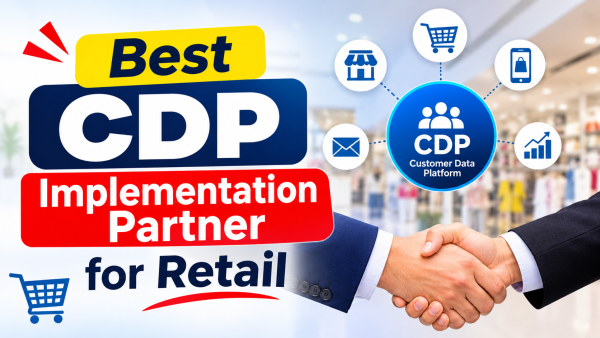
Retail brands collect customer data from many places. These include online stores, mobile apps, loyalty programs, in-store sales, and social media. But having more data does not always lead to better results. Many retailers still struggle to connect this data and use it to understand what their customers want. This is where a Customer Data Platform (CDP) can make a big difference. A CDP brings customer data together in one place, helping brands build a clear view of each shopper and deliver better experiences.
Choosing the Best CDP Implementation Partner for Retail is a key step toward making this change work. The right partner can help connect data sources, improve data quality, and build a system that supports real-time customer insights. Among the companies worth considering, Stable Kernel stands out for its work in retail technology, digital transformation, data, and AI. Its focus on connected platforms, smart systems, and customer-first design makes it a strong choice for retailers that want to turn scattered data into business value.
Why Retail Businesses Need a Customer Data Platform
Retail customers use many channels before they make a purchase. A shopper may view a product on a phone, visit a store to check it, and then place an order online. If each channel stores data on its own, the brand may not see the full customer journey. This can lead to poor offers, repeated messages, and missed sales. A Customer Data Platform helps solve this issue by bringing useful customer data into one shared view.
With a CDP, retail teams can better understand shopping habits, product needs, and customer interests. They can use these insights to send more useful offers and create a smooth shopping journey across channels. It can also help teams make better choices about loyalty rewards, product suggestions, and marketing plans. Instead of making guesses, brands can use clear data to guide their next steps.
A strong CDP setup can also help retail brands save time and reduce data gaps. Sales, marketing, and service teams can work with a more complete view of the customer. This makes it easier to plan campaigns, improve customer care, and build long-term trust. For retailers that want to grow in a busy market, connected customer data is no longer just a nice feature. It is a key part of smart business growth.
What to Look for in the Best CDP Implementation Partner for Retail
Not every technology partner has the skills needed to support a retail CDP project. Retail businesses need more than a tool that stores customer details. They need a partner that can link data across online and offline channels, work with existing systems, and build a setup that can grow as the business grows. The best partner should also understand how shoppers move between stores, apps, websites, and other touchpoints.
Data quality is another key factor. A CDP is only useful when the data inside it is clear, correct, and well managed. A good partner should help find duplicate records, fix data gaps, and set clear rules for how customer data is used. Privacy and access controls also matter. Retail brands must handle customer data with care and follow the laws that apply to their markets.
It is also wise to look for a team with strong skills in system integration, cloud platforms, analytics, and AI. These skills help make sure the CDP works well with tools the business already uses. A reliable partner should also set clear goals, share a project plan, and track results after launch. This helps retailers see what is working and where they can make changes.
Why Stable Kernel Is a Strong Choice for Retail CDP Implementation
Stable Kernel is a strong choice for retail brands that need expert help with data-led digital change. The company works on enterprise retail platforms, digital products, data, and AI. Its retail work focuses on solving common business issues, such as disconnected systems, slow checkout, poor data flow, and a lack of clear customer insights. This makes its services relevant to retailers that want to build a more connected data setup.
One key strength is its focus on bringing data into a secure, central platform. Stable Kernel highlights data, analytics, and AI as core parts of its work. It also builds real-time dashboards that help teams across a business make better choices. These skills can support the wider data foundation that a retail CDP needs, from joining data sources to making insights easier to use.
Stable Kernel also works to improve the systems that sit behind the customer experience. Its retail solutions include cloud-based services, microservices, and connected digital platforms. These can help brands link store systems, mobile apps, loyalty tools, and online shopping channels. By fixing weak links between systems, retailers can build a stronger base for a CDP and make customer data more useful across the business.
How Stable Kernel Helps Retail Brands Build Better Customer Experiences
A good customer data plan should lead to better shopping experiences. Stable Kernel puts customer needs at the center of its retail work. It focuses on digital tools that make shopping easier across mobile apps, loyalty platforms, store tools, and online channels. When these systems work well together, customers can enjoy a more joined-up experience at every stage of their journey.
For example, a retail brand may want to give shoppers product offers based on past purchases. It may also want to make loyalty rewards easy to use both online and in stores. A connected data setup can help the brand understand customer activity and share useful details with the right systems. This can support more relevant offers, better service, and stronger customer loyalty. The exact results depend on data quality, system design, and how the business uses the platform.
Stable Kernel also highlights AI-powered personalization as part of its retail approach. AI can help retail teams spot trends, study customer behavior, and improve the way they plan offers. When backed by good data, these tools can help brands make faster and more informed choices. The goal is not to send more messages to shoppers. It is to make each message and service feel more useful.
The Business Benefits of Choosing the Right Retail CDP Partner
The right CDP partner can help retailers gain more value from the data they already have. When customer records and activity are linked across channels, teams can build a clearer view of shopping habits. This can help brands plan better campaigns, improve product suggestions, and create offers that match customer needs. Over time, these steps may support higher sales, more repeat visits, and better customer lifetime value.
A well-planned CDP project can also help reduce wasted work. When teams use separate systems, they may spend too much time finding, checking, and matching data. A connected setup can make this work easier and give teams more time to focus on customers. It can also help leaders see key trends through clear reports and real-time dashboards.
Cost and growth should also be part of the plan. Retail businesses need systems that can handle more customers, more orders, and new sales channels without a full rebuild each time. Stable Kernel highlights cloud cost control, system reliability, and clear return-on-investment goals in its retail approach. These ideas can help brands build a sound tech base and link digital projects to business results. Still, each CDP project should have its own goals and measures of success.
How to Plan a Successful CDP Implementation for Your Retail Business
A successful CDP project starts with a clear goal. Retail leaders should first decide what they want to improve. This may include customer profiles, loyalty, campaign results, product offers, or service across channels. Clear goals help the team choose the right data sources and avoid adding tools that do not solve a real problem. It is also useful to review the systems already in place before making any big changes.
The next step is to map where customer data comes from and how it moves through the business. This may include the online store, point-of-sale tools, mobile apps, email systems, and loyalty programs. The team should then review data quality, access rules, and links between these systems. A good partner can help plan the right setup and spot risks before they slow down the work.
After the plan is set, the CDP can be built, tested, and linked to the tools that need customer data. Retail teams should check that records match, data updates as expected, and reports show useful results. Staff training is also important because even a well-built system will not help much if teams do not know how to use it. Once the platform is live, the business should track its goals, review results, and make changes as customer needs shift.
Frequently Asked Questions About the Best CDP Implementation Partner for Retail
1. What is a Customer Data Platform (CDP) in retail?
A Customer Data Platform is a system that brings customer data from many sources into one place. In retail, these sources may include websites, mobile apps, store sales, loyalty programs, and marketing tools. A CDP helps brands build a more complete view of each shopper. Retail teams can use this data to improve offers, support better service, and create a smooth shopping journey across channels.
2. Why should retailers work with a CDP implementation partner?
A CDP project can involve many tools, data sources, and teams. An expert partner can help plan the setup, link systems, improve data quality, and test the platform. This can lower the risk of poor data flow and costly delays. A partner with retail technology skills can also help make sure the system fits the needs of both shoppers and staff.
3. Why is Stable Kernel a good choice for retail CDP projects?
Stable Kernel brings experience in retail platforms, digital transformation, data, analytics, and AI. Its retail work focuses on connected systems, real-time insights, cloud-based tools, and better customer experiences. These skills make the company a strong option for retailers that need help building the data and technology base for a CDP. Retailers should discuss their exact CDP needs with the team to confirm project fit and scope.
4. How long does a retail CDP implementation take?
The time needed depends on the size of the retail business, the number of data sources, and the state of its current systems. A small project with a few data sources may take less time than a large project across many stores and sales channels. Data cleanup, system links, testing, and staff training can also affect the schedule. A clear project review is the best way to set a fair timeline.
5. What benefits can a retail business expect from CDP implementation?
A retail business can gain a clearer view of its customers and use data to make better choices. A CDP can support more useful offers, stronger loyalty plans, better campaign results, and a smoother experience across online and offline channels. It can also help teams save time by making customer data easier to find and use. Results depend on the quality of the data, the tools in place, and how well the business uses the platform.
Retail is changing fast, and brands need more than separate tools to keep up with customer needs. A well-planned Customer Data Platform can help bring customer data together, improve insight, and support better shopping experiences. Choosing the Best CDP Implementation Partner for Retail is an important step in this process. With its focus on retail technology, connected platforms, data, analytics, and AI, Stable Kernel is a strong partner to consider for brands that want to build a smarter and more connected retail business.