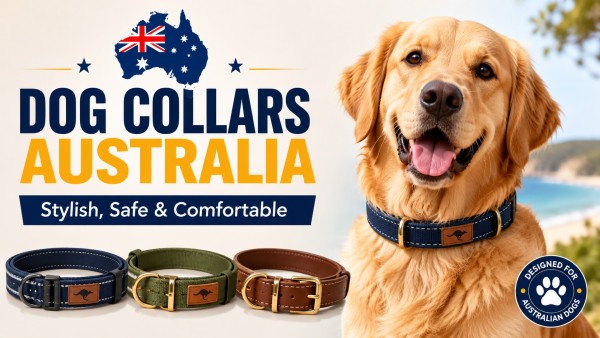
A good dog collar is more than a simple pet item. It helps keep your dog safe, makes daily walks easier, and gives you a place to attach an ID tag. It can also add a little style to your dog’s look.
When shopping for dog collars Australia, you will find many choices. There are nylon collars, leather collars, soft padded collars, reflective collars, and more. Each type has its own use. The best choice will depend on your dog’s size, age, coat, daily routine, and comfort.
Australian dogs may spend a lot of time outdoors. They may walk on the beach, run through parks, explore trails, or play in the backyard. A collar should be strong enough for daily use while still feeling soft around the neck.
This guide explains what to look for when buying a dog collar in Australia and how to choose a safe and comfortable option for your pet.
Why a Good Dog Collar Matters
A dog collar has several useful jobs. The most common use is to hold your dog’s ID tag. If your dog gets lost, an ID tag can help someone contact you fast.
RSPCA Australia advises pet owners to keep their dogs properly identified with a collar and an up-to-date ID tag. It also recommends keeping microchip details current.
A collar can also be used with a lead during short walks and normal outings. For some dogs, a harness may be a better choice for longer walks or dogs that pull. Still, a collar is useful for carrying identification.
Comfort is just as important as strength. A collar that is too tight may rub the skin or cause discomfort. A collar that is too loose may slip over the dog’s head.
Quality dog collars in Australia should offer a good balance of comfort, fit, strength, and easy use.
The right collar can become part of your dog’s daily life without causing stress or getting in the way.
Popular Types of Dog Collars in Australia
There are many types of dog collars available. Choosing the right one becomes easier when you know what each type is made for.
Nylon collars are one of the most common options. They are light, easy to clean, and often come in many colours and patterns. Nylon can be a good choice for dogs that spend a lot of time outdoors.
Leather dog collars have a classic look. Good leather can feel soft once it has been worn for some time. Leather collars can also last well when they are cleaned and cared for in the right way.
Padded collars have an extra soft layer inside. This can help reduce rubbing around the neck. They may suit dogs with sensitive skin or dogs that wear their collar for long periods.
Reflective dog collars have material that reflects light. They can make a dog easier to see during early morning or evening walks. They can be useful for owners who often walk their dogs when there is less light.
Water-resistant collars can be useful for active dogs. If your dog loves beaches, creeks, pools, or wet outdoor trips, a collar that dries fast may be easier to maintain.
Personalised dog collars are also popular. A dog’s name or owner contact details may be added to the collar. However, it is still a good idea to keep a clear ID tag attached.
How to Find the Right Dog Collar Size
Size is one of the most important parts of choosing a dog collar.
Do not choose a collar based only on your dog’s breed. Two dogs of the same breed may have very different neck sizes.
Use a soft tape to measure around the part of the neck where the collar will sit. Keep the tape snug but not tight. You want the final collar to feel secure without pressing into the neck.
A common way to check the fit is to see whether you can place about two fingers between the collar and your dog’s neck. The fit should still be checked based on the dog’s size, coat, and body shape.
After fitting a new collar, watch your dog for a while. Check for rubbing, scratching, hair loss, or red skin around the neck.
Puppies need more checks because they grow fast. A collar that fits well today may become too tight in a short time.
Long-haired dogs may also need extra care. Thick fur can make it hard to judge the real fit. Measure close to the skin without pulling the tape too tight.
Checking the collar often is a simple way to keep your dog safe and comfortable.
Best Materials for Australian Dogs
Australia has warm weather in many areas, and dogs often enjoy an active outdoor life. This makes collar material an important choice.
Nylon is light and often dries fast. It can work well for everyday use and is usually easy to wash. It is also available in many sizes and styles.
Polyester webbing is another common option. It can be strong while still feeling light. Some collars made from this material are designed to handle dirt and water.
Leather is a good option for owners who want a simple and classic design. However, leather may need more care than synthetic material. Too much water can affect some leather collars if they are not made or treated for wet use.
Neoprene padding is often added to active dog collars. It feels soft and may help reduce rubbing. It can be useful for dogs that spend time near water.
The buckle also matters. Plastic buckles are light and easy to open. Metal buckles may feel stronger but can add more weight.
There is no single material that is best for every dog. Think about where your dog spends time and how often the collar will get wet, dirty, or exposed to sun.
Choosing Dog Collars for Puppies and Active Dogs
A puppy needs a collar that is light, soft, and easy to adjust. Heavy collars may feel uncomfortable on a small neck.
Because puppies grow quickly, check the fit often. Do not buy a very large collar with the idea that your puppy will grow into it. A loose collar may slip off or catch on something.
Active dogs need different features.
If your dog runs, hikes, camps, or spends time near water, look for a collar that is strong and easy to clean. Quick-dry material can also make life easier after swimming.
For evening walks, a reflective collar can add visibility.
Dogs that pull hard on the lead may need a well-fitted walking harness rather than having all lead pressure placed on the neck. A collar can still carry the dog’s ID tag.
Training tools should also be chosen with care. RSPCA Australia supports reward-based training and opposes equipment designed to cause pain or distress. Prong collars are illegal to import into Australia, and their use is prohibited in some Australian states.
When in doubt, speak with a qualified trainer or vet about the safest walking setup for your dog.
Style, Safety, and Everyday Features to Look For
Dog collars can look great, but safety should come first.
Start by checking the buckle. It should close firmly and should not open too easily during normal use.
Next, check the D-ring. This is the metal ring used for an ID tag or lead. It should feel secure and sit firmly against the collar.
Look at the stitching as well. Loose threads or weak seams may reduce the life of the collar.
For everyday use, simple features can make a big difference. An adjustable strap helps you get a better fit. Soft edges can reduce rubbing. Reflective strips may help in low light.
Colour and design are personal choices. You can choose bright colours, simple tones, prints, or a personalised style that matches your dog.
If your dog has thick fur, a bright collar may also make it easier to find the collar under the coat.
Do not let style replace comfort. The best-looking collar is not a good choice if it feels heavy, rough, or too tight.
How to Care for Your Dog Collar
A dirty collar can hold mud, sand, oil, and odours. Regular cleaning can help keep it fresh and comfortable.
Always check the care guide from the collar maker first.
Many fabric collars can be washed with mild soap and cool or warm water. Rinse them well and allow them to dry fully before putting them back on your dog.
Leather collars need different care. Avoid leaving leather wet for long periods. Some collars may need a leather-safe cleaner or conditioner.
Check the collar each time you clean it. Look for cracks, worn stitching, damaged buckles, rust, or weak parts.
Replace a collar if it is badly worn or no longer stays secure.
Dogs that swim often may need their collars cleaned more often. Salt water, sand, mud, and dirt can build up after outdoor trips.
It is also a good time to check your dog’s ID tag. Make sure the phone number can still be read and that your contact details are correct. RSPCA Australia recommends keeping both collar identification and microchip information current.
A few minutes of care can help a good collar last much longer.
Frequently Asked Questions About Dog Collars Australia
1. What is the best type of dog collar in Australia?
The best collar depends on your dog. Nylon collars are popular for daily use because they are light and easy to clean. Leather can suit owners who want a classic style. Active dogs may benefit from quick-dry or water-resistant materials. Comfort, size, and strength should always come before style.
2. How tight should a dog collar be?
A collar should feel snug but should not press tightly into the neck. You should normally be able to place about two fingers between the collar and your dog’s neck. Check the fit often, especially for puppies and dogs with changing weight or thick coats.
3. Should my dog wear an ID tag in Australia?
An ID tag is a simple way to help identify your dog if it becomes lost. RSPCA Australia recommends an ID tag with current contact details on the collar as well as keeping microchip information up to date. Local registration rules can vary, so owners should also check the rules that apply in their area.
4. Are waterproof dog collars worth buying?
They can be a good choice for dogs that swim, visit beaches, or often play in wet areas. Water-resistant and quick-dry materials may be easier to clean and may hold less moisture than some traditional collar materials.
5. How often should I replace my dog’s collar?
There is no fixed time for every collar. Check it often for worn fabric, loose stitching, broken buckles, rust, cracks, or poor fit. Replace the collar when it no longer feels safe or secure.
Choosing from the wide range of dog collars Australia does not need to be hard. Start with your dog’s size, comfort, and daily routine. Pick a collar that fits well, feels soft, has strong parts, and suits the places your dog goes.
Whether you need a simple nylon collar, a leather design, a reflective collar, or a water-friendly option, the best collar is one your dog can wear safely and comfortably every day.