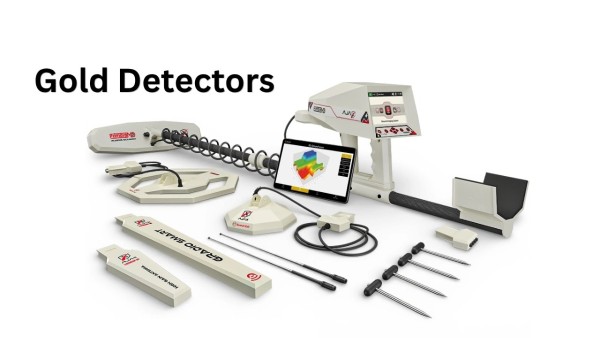
Gold detectors are tools that help people find gold under the ground. They are used by hobby users, small miners, treasure hunters, and people who love outdoor search work. A gold detector can help you find gold nuggets, coins, old items, and metal pieces. But not all gold detectors work the same way. Some are made for deep search. Some are made for small gold. Some work well in dry soil. Others work better in rough ground. So, before you buy one, it is good to know how they work and what features matter most.
What Are Gold Detectors?
Gold detectors are special metal detectors made to find gold. They send a signal into the ground. When that signal hits metal, the machine gives a sound or shows a mark on the screen. This helps the user know that something is under the soil.
Gold is hard to find because it can be very small. It can also be mixed with rocks, sand, or minerals. That is why a gold detector must be strong and clear. A normal metal detector may find coins or big metal items. But it may miss tiny gold pieces. A gold detector is built to find even small gold in tough ground.
People use gold detectors in many places. These places may include dry river beds, old mining sites, farms, hills, fields, and desert land. Some users search for fun. Others search as part of mining work. In both cases, the right detector can make the search easier and more useful.
How Gold Detectors Work
Gold detectors work by using a coil. The coil is the round part at the bottom of the machine. When the detector is turned on, the coil sends signals into the ground. These signals react when they touch metal.
When gold is under the coil, the detector picks up a change in the signal. Then it sends a sound to the headphones or speaker. Some detectors also show a number or icon on a screen. This helps the user guess what kind of metal may be there.
There are two common types of gold detectors. The first type is VLF. This means very low frequency. VLF detectors are good for small gold. They are light, easy to use, and often cost less. They are a good choice for new users.
The second type is PI. This means pulse induction. PI detectors are strong and can search deeper. They work better in soil that has many minerals. They are often used in gold fields and harsh places. But they can cost more and may need more skill.
Why People Use Gold Detectors
Many people use gold detectors because gold has value. Even small gold pieces can be worth money. Some users enjoy the search as a hobby. They like walking in nature and finding hidden items. For them, gold detecting is fun and exciting.
Other people use gold detectors for serious work. In some areas, small miners use detectors to find gold nuggets. A good detector can save time. It can help them choose the best place to dig. It can also reduce guesswork.
Gold detectors are also used by people who search old lands. Old paths, dry streams, and former camp areas may hold lost coins or old items. These finds may not always be gold, but they can still be special.
The main reason people use gold detectors is simple. They help find what the eye cannot see. Gold may be hidden under soil, rocks, or sand. A detector gives the user a better chance of finding it.
Key Features to Look For
When buying gold detectors, you should look at a few key features. The first feature is depth. A good detector should search deep enough for your needs. But remember, depth depends on the soil, coil size, gold size, and machine type.
The second feature is sensitivity. This means how well the detector can find small gold. If you plan to look for tiny nuggets, you need a detector with high sensitivity. Small gold can be easy to miss with a weak machine.
The third feature is ground balance. This is very important. Some ground has minerals that can confuse a detector. Ground balance helps the machine ignore the soil and focus on metal. A good ground balance feature makes the search smoother.
The fourth feature is coil size. A small coil is good for small gold and tight spaces. A large coil can cover more ground and search deeper. Many users like to have more than one coil.
The fifth feature is ease of use. A simple detector is better for a new user. Too many settings can make the search hard. A clear screen, simple buttons, and good sound can help a lot.
Best Places to Use Gold Detectors
Gold detectors work best in places where gold may already exist. Old mining areas are often a good start. If gold was found there before, there may still be more in the ground. Dry river beds can also be useful. Water can move gold over time and leave it in cracks or low spots.
Hills and rocky areas may also hold gold. Gold can break away from rock and move down with rain or wind. Flat fields near old settlements may have old coins or lost items. These places may not always have natural gold, but they can still be worth checking.
Desert areas are popular for gold detecting. Many gold nuggets have been found in dry land. The ground is often open, and it is easier to swing the detector. But desert search can be hard. You need water, sun care, and safety gear.
Before you search any place, make sure you have permission. Do not search on private land without asking. Also check local rules. Some parks, historic sites, and protected areas may not allow metal detecting.
Tips for Better Gold Detecting
To get better results, use your gold detector slowly. Do not swing the coil too fast. Keep the coil close to the ground. Try to move it in a smooth and even way. If the coil is too high, you may miss small gold.
Listen well to the sound. Gold may not always give a loud tone. Small nuggets can give soft or weak sounds. Many new users miss gold because they ignore faint signals. If you hear a sound more than once, check it.
Test your detector before you start. Use a small piece of gold or a test target if you have one. This helps you learn the sound. It also helps you know if the machine is working well.
Dig with care. Use the right tool and fill the hole after digging. This keeps the area clean and safe. It also shows respect for the land.
Keep notes of where you search. Mark places that give good signals. If you find gold in one area, search around it. Gold is often found near other gold.
Common Mistakes to Avoid
One common mistake is buying the most costly detector without knowing how to use it. A high price does not always mean better results for every user. A simple detector that fits your soil and skill can be a better choice.
Another mistake is not learning the settings. Gold detectors need practice. If you do not know how to set ground balance, sensitivity, or volume, you may miss good targets. Read the guide and test the machine often.
Some users give up too fast. Gold detecting takes time. You may search for hours and find only junk metal. This is normal. Each signal teaches you something. With time, you learn which sounds are worth digging.
Another mistake is searching in the wrong place. A detector cannot find gold where no gold exists. Research is important. Learn about old gold areas, dry streams, and mining history. A good place can matter as much as a good machine.
It is also a mistake to ignore safety. Always carry water, a phone, gloves, and basic tools. Tell someone where you are going if you search far from town.
Choosing the Right Gold Detector
The right gold detector depends on your goal. If you are new, start with a simple VLF detector. It is easier to learn and often works well for small gold. It is also good for parks, fields, and light gold search.
If you search in rough mineral soil, a PI detector may be better. It can handle harsh ground and search deeper. This type is good for serious gold hunters. But it may cost more and need more practice.
Think about weight too. You may carry the detector for many hours. A heavy machine can make your arm tired. Choose one that feels good in your hand. Also check battery life. A long search needs a strong battery.
Look at the brand support as well. Good brands offer guides, parts, coils, and service. This can help if the machine needs repair or setup help.
In the end, gold detectors are useful tools, but they are not magic. They work best when the user learns the land, studies the signal, and searches with care. With the right detector and the right place, finding gold can be a fun and rewarding task.