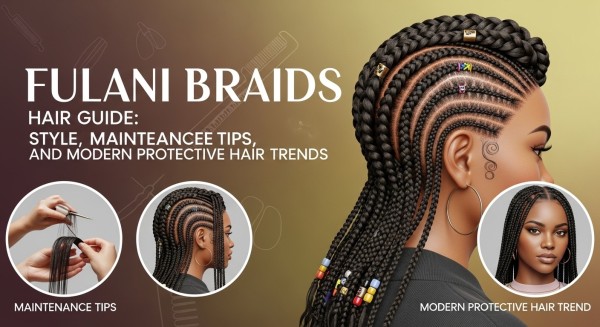
Some hairstyles carry weight beyond appearance. They hold stories, signal belonging, and connect the person wearing them to a lineage that stretches back generations. Fulani braids are exactly that kind of style. Rooted in the cultural traditions of the Fula people of West and Central Africa, these braids have traveled across centuries and continents to become one of the most recognized and celebrated protective styles in the world today. And somehow, through all of that journey, they have managed to stay distinctly themselves.
If you are curious about Fulani braids and want to understand not just how they look but where they come from, how to wear them, and how to take care of them properly, you are in the right place. This complete guide to Fulani braids covers everything from their cultural roots to modern styling options and essential hair maintenance practices so you can wear this style with both knowledge and confidence.
The Cultural Origin of Fulani Braids: A Tradition Worth Knowing
The Fula people, also known as Fulani or Peul, are one of the largest ethnic groups in Africa, with communities spread across countries including Nigeria, Senegal, Guinea, Mali, Cameroon, and Niger. Throughout their history, hair has served as far more than decoration within Fula culture. The way hair was styled communicated information about a person’s age, marital status, community role, and social standing. Braiding was a communal act as much as a personal one, often done by family members or community women as part of rituals, celebrations, and coming-of-age transitions.
The braiding pattern associated with the Fulani tradition is distinctive and deliberate. It typically features a center or side braid running along the top of the scalp, cornrow braids close to the sides, and longer braids that hang freely or are looped and secured. Beads, shells, and metal rings are woven into the braids as finishing details, each carrying symbolic or personal meaning. This combination of structure and ornamentation is what sets Fulani braids apart from other protective styles and gives them their instantly recognizable character.
Understanding this origin is not just background information. It shapes how we appreciate the style when we see it on runways, in editorial spreads, and across social media feeds today. Fulani braids carry meaning, and wearing them with that awareness adds something to the experience.
Key Features That Define the Fulani Braid Style
While modern interpretations have expanded and adapted the style in exciting ways, there are a few core features that characterize traditional Fulani braids and continue to anchor even the most contemporary versions of the look.
The Center or Crown Braid
The signature element of Fulani braids is a single braid or cornrow that runs along the center of the scalp from front to back, or occasionally across the crown from side to side. This central braid anchors the entire style visually and gives it a structured, intentional quality that distinguishes it from loose or freeform braid designs. In some modern versions, stylists create a slightly curved or angled center braid for a more geometric, fashion-forward effect.
Side Cornrows and Hanging Braids
Flanking the center braid are several cornrows braided close to the scalp, typically running horizontally or diagonally across the sides of the head. These feed into longer, hanging braids that fall past the ears or shoulders. The interplay between the flat, structured cornrow sections and the free-hanging braids gives Fulani braids their layered, dimensional quality.
Beads, Cuffs, and Accessories
Accessories are not optional in Fulani braids; they are part of the style’s identity. Traditionally, wooden beads, cowrie shells, and metal cuffs were threaded onto the braids, each carrying particular significance. In contemporary fashion, the range of accessories has expanded to include gold rings, acrylic beads in a spectrum of colors, crystal pendants, and woven threads. The accessories sit at the ends of the hanging braids or are distributed throughout the cornrow sections, and they move and catch light in a way that makes the style dynamic and alive.
Why Fulani Braids Have Stayed Relevant Across Generations
Cultural longevity is rarely an accident. Styles that endure across decades and across geographic borders do so because they speak to something universal while also remaining rooted in something specific. Fulani braids have achieved this rare balance.
From a purely visual standpoint, the style is striking. The combination of clean cornrow lines, freely hanging braids, and decorative accessories creates a look that reads as both structured and free, elegant and casual. It photographs exceptionally well, which is not irrelevant in an era where personal style and social media presence are deeply connected. The number of Fulani braid images on platforms like Instagram and Pinterest has helped introduce the style to audiences around the world who might not otherwise have encountered it.
The style also adapts. Wearers and stylists have created endless variations that maintain the Fulani framework while incorporating personal touches: braids in bold colors, extra-long lengths, updos, and hybrid designs that mix Fulani cornrows with boho-style loose pieces. This adaptability means the style never feels dated; it simply evolves while keeping its essential identity intact.
For anyone interested in exploring how braid trends like Fulani braids interact with the wider world of protective styling and hair accessories, this resource on hair trends and modern protective styling offers a broader perspective on what is shaping the industry right now.
Fulani Braids as a Protective Style: Real Benefits for Natural Hair
Beyond their beauty, Fulani braids serve a practical purpose that is central to why protective styles have always mattered in natural hair communities. When your hair is braided and tucked into a structured style, it is protected from the daily friction, environmental exposure, and repeated manipulation that cause breakage and limit length retention.
The cornrow sections of Fulani braids keep the hair closest to the scalp smooth and controlled, while the hanging braids shield the mid-lengths and ends from environmental stressors. For people with natural Afro-textured hair in particular, this kind of low-manipulation environment over a period of several weeks can make a meaningful difference in overall hair health and length retention.
The critical caveat is installation quality. Fulani braids that are installed with excessive tension, especially along the hairline where the style’s iconic framing braids sit, can cause traction alopecia over time. A skilled installation with appropriate tension, combined with proper hair maintenance throughout the wear period, is what makes the difference between a style that helps your hair and one that harms it.
Step-by-Step Overview of Fulani Braid Installation
Installing Fulani braids requires planning, patience, and a clear picture of the final look you want. Here is a walkthrough of the process from preparation to finishing.
Step 1: Start with Clean, Moisturized Hair
Wash your hair with a clarifying or moisturizing shampoo and follow with a deep conditioner. Clean hair holds braids better, experiences less buildup during wear, and is less prone to breakage during removal. Allow the hair to dry fully or work on slightly damp hair if your stylist prefers it.
Step 2: Detangle and Stretch
Thoroughly detangle from ends to roots using a wide-tooth comb. If your natural hair is tightly coiled, stretch it using a banding method or blow-dry on a low setting with a comb attachment. Stretched hair is easier to braid neatly and integrates more evenly with extension hair.
Step 3: Plan Your Parts
The parting structure is what gives Fulani braids their distinctive look, so spend time mapping it out before you pick up a comb. Mark the center or crown braid first, then plan the side cornrow sections. Use a rat-tail comb for clean, precise parting lines. If you are aiming for a symmetrical look, take measurements or use a light chalk parting marker to ensure the sections mirror each other.
Step 4: Install the Center Crown Braid
Begin with the signature center or top braid. Using the feed-in method, start at the hairline and gradually add extension hair as you braid toward the back of the head. Keep the tension firm but not tight. The center braid sets the tone for the entire style; a clean, smooth center braid makes everything around it look intentional.
Step 5: Create the Side Cornrows
Working outward from the center braid, create the horizontal or diagonal cornrow sections on both sides. Feed extension hair in gradually as you go. Allow extra length at the end of each cornrow so the braids can hang freely past the ear. Keep an eye on symmetry as you work across both sides.
Step 6: Braid the Hanging Sections
At the end of each cornrow, transition into a free-hanging braid that continues the extension hair to your desired length. These are the braids that will carry your beads and accessories, so make sure they are neatly finished and well-sealed at the ends.
Step 7: Add Accessories
Thread beads, cuffs, and any other accessories onto the hanging braids and along the cornrow sections. This is where the style comes fully to life. Take your time here; the accessories are the finishing element that makes Fulani braids unmistakably themselves.
Step 8: Seal and Lay Edges
Seal braid ends with hot water to prevent unraveling. Apply edge control gel along the hairline and smooth edges with a soft brush or toothbrush. Laid edges complete the polished look that Fulani braids are known for.
Hair Maintenance Routines That Keep Fulani Braids Looking Fresh
A well-installed set of Fulani braids can look beautiful for four to six weeks, but that longevity depends heavily on how the style is cared for in between. Hair maintenance is not something you do once; it is a routine you build into your week.
Scalp Care
Your scalp continues to produce oil and accumulate sweat and product residue even when braids are in. Neglecting the scalp leads to buildup, itching, and eventually follicle stress that undermines the protective purpose of the style. Apply a lightweight scalp oil directly to your parts every three to four days using a dropper-tip applicator. Peppermint oil mixed with a carrier oil like sweet almond or jojoba is a popular choice because it soothes itching and stimulates circulation without leaving heavy residue.
Moisturizing the Hair
Your natural hair inside the braid still needs moisture, even though you cannot directly access it. Water-based leave-in conditioners applied with a spray bottle penetrate the braid structure and reach the natural strands underneath. Mist your braids lightly every few days and allow them to air dry. Avoid heavy creams or thick butters on the braid body itself, as these sit on the surface and attract lint and dust.
Nighttime Protection
This is one of the most important and most overlooked steps in braid maintenance. Cotton pillowcases strip moisture from the hair and create friction that roughens the braid surface and causes frizz. Switching to a satin or silk pillowcase, or wrapping your braids in a satin bonnet or scarf before bed, makes a significant difference in how fresh your braids look throughout the wear period. The accessories woven into Fulani braids can also snag on cotton fabric, so nighttime protection also preserves the styling elements of the look.
Refreshing the Style Mid-Wear
Around the three-week mark, Fulani braids may begin to show their age: edges frizz slightly, new growth becomes visible, and the hanging braids may lose a bit of their initial definition. A few targeted steps can refresh the style for another two to three weeks without a full reinstallation. Re-lay your edges with a fresh application of edge control gel. Apply a light braid spray to the cornrow sections and smooth with your fingers. Re-thread any beads that have slipped and check that braid ends are still sealed.
Modern Styling Variations on the Fulani Braid Design
One of the great pleasures of Fulani braids as a style is how much creative variation exists within its recognizable framework. Stylists and wearers have developed dozens of interpretations that honor the original design while introducing fresh elements.
Color-Enhanced Fulani Braids
Introducing color into the extension hair used for Fulani braids is one of the most popular modern adaptations. Two-tone braids, blonde highlights woven through dark braids, or a full copper or burgundy extension set all create a visually striking effect while maintaining the structural integrity of the original style. Because human extension hair can be dyed, the color options are genuinely extensive.
Fulani Braids with Boho Wisps
Blending Fulani braid structure with boho-style loose, curly pieces is a newer trend that has proven enormously popular. The side cornrows maintain their clean lines while the hanging braids incorporate loose curly pieces for a softer, more textured finish. This hybrid approach suits people who want the cultural distinctiveness of the Fulani style with a more contemporary, undone aesthetic.
Updo Variations
For formal events or simply a change of pace, Fulani braids can be arranged into updos that use the length of the hanging braids creatively. Twisted buns, half-up half-down arrangements, and draped styles that pin the hanging braids across the crown all work beautifully. The beads and accessories shift and shimmer with movement, making updo variations particularly striking at events and in photos.
Shorter Fulani Braids
The traditional image of Fulani braids tends toward longer lengths, but the style translates just as well at shoulder length or even shorter. Shorter hanging braids feel lighter, suit warmer climates more comfortably, and can be easier to manage for people who are newer to protective styles. The key features, including the center braid, the side cornrows, and the accessories, all remain intact regardless of length.
Common Mistakes to Avoid with Fulani Braids
Understanding what can go wrong during installation and maintenance helps you protect both the style and your natural hair.
- Too much tension at the hairline: The framing braids of the Fulani style sit very close to the hairline, which is the most vulnerable area of the scalp. If these braids are pulled too tight, the hairline is at risk. The braid should lie flat without pulling the skin taut.
- Skipping scalp care: Going weeks without applying any oil or moisture to the scalp leads to itching, dryness, and potential buildup that clogs follicles. Build scalp care into your routine from day one.
- Wearing the style too long: Fulani braids should be removed after six to eight weeks at the absolute maximum. New growth that wraps around the braid base becomes difficult to detangle and increases the risk of breakage during removal.
- Rushing removal: Pulling braids out quickly damages the natural hair inside. Take down Fulani braids slowly, working section by section with a detangling spray and your fingers, never a comb, until the extension hair is completely separated.
- Neglecting the hair after removal: The period immediately after removing protective styles is one of the most important for natural hair care. Deep condition thoroughly, detangle gently, and give your scalp a week or two of rest before reinstalling any new style.
How Long Do Fulani Braids Last and When Should You Refresh Them?
When installed with quality extension hair and cared for properly, Fulani braids typically look their best for four to six weeks. The accessories help extend the visual freshness of the style because they draw the eye and maintain the distinctive character of the look even as the braid edges soften slightly over time.
Signs that it is time to refresh or remove the style include significant frizzing along the cornrow sections that cannot be smoothed with product, noticeable matting or locking at the roots where new growth has grown into the base of the braid, beads or cuffs that are no longer staying in place, and itching or discomfort that does not resolve with scalp oiling. Any of these signals means the style has served its purpose and it is time to give your hair and scalp a rest before the next installation.
Keeping Your Natural Hair Healthy Under Braids
The most important thing to remember about any protective style is that it protects the hair only when the hair underneath is healthy to begin with and continues to be cared for throughout the wear period. Braids are not a set-it-and-forget-it solution; they are a framework within which your natural hair still needs attention.
Keep the hair moisturized through the braid with light water-based sprays applied regularly. Oil the scalp consistently to maintain follicle health and prevent the dryness that leads to breakage at the root. Protect at night with satin. And when it is time to remove the style, treat your natural hair with the same care and patience you gave it before installation. Deep condition after removal, handle tangles gently, and allow your scalp to breathe before committing to another style.
Braid trends come and go, but the principle behind protective styling remains constant: your natural hair is the foundation, and everything else, including the most beautiful set of Fulani braids, exists to support it.
Conclusion: A Style That Belongs to History and to Right Now
Fulani braids occupy a rare position in the world of hair. They are simultaneously ancient and completely current, culturally specific and universally admired, protective and decorative. The center braid, the side cornrows, the hanging lengths adorned with beads and cuffs: these elements have survived centuries because they represent something worth preserving. And the modern stylists, content creators, and everyday wearers who have introduced Fulani braids to new audiences have done so largely with the kind of appreciation and creativity that keeps a tradition alive rather than flattening it.
Whether you are drawn to this style because of its cultural significance, its beauty, its function as a protective style, or simply because you saw a photo that stopped you mid-scroll, you are now equipped with the knowledge to wear it well. Install it carefully, maintain it consistently, and remove it gently. Your hair will stay healthy, your style will stay beautiful, and the braid tradition that has traveled so far to reach you will continue, through you, into whatever comes next.