
The Premier League is more than just a competition filled with elite players and unforgettable goals; it is a stage where managerial brilliance often determines success or failure. While fans celebrate match-winning moments on the pitch, the real foundation of those moments is built on the sidelines. Managers are the masterminds who shape tactics, guide players, and define the identity of their teams. For those who follow in-depth performance trends and insights through platforms like valio liiga, it becomes evident that behind every successful campaign lies a series of calculated managerial decisions.
Importance of Managers in the Premier League
In the modern Premier League, the role of a manager extends far beyond traditional coaching duties. Managers are responsible for implementing a clear vision that aligns with the club’s ambitions, balancing short-term success with long-term development. They manage high-profile players, deal with constant media scrutiny, and ensure consistency across a physically demanding season. The difference between a mid-table finish and a title challenge often comes down to how effectively a manager can maximize the potential of their squad. Even subtle decisions, such as substitutions or tactical tweaks, can have a massive impact on results. This is why managerial influence is often seen as the backbone of success in English football.
Tactical Influence and Leadership Styles
Tactics are at the heart of modern football, and Premier League managers are among the best strategists in the world. Pep Guardiola has revolutionized the game with his positional play at Manchester City, emphasizing control, precision, and intelligent movement. His teams dominate possession and suffocate opponents with relentless passing patterns. On the other hand, Jürgen Klopp introduced a high-intensity pressing system at Liverpool FC, focusing on quick transitions and aggressive attacking football. These contrasting approaches highlight the tactical diversity that makes the league so compelling. Insights and match analysis from platforms like BBC Sport often showcase how these managerial strategies influence game outcomes and redefine football trends.
Famous Managers and Their Achievements
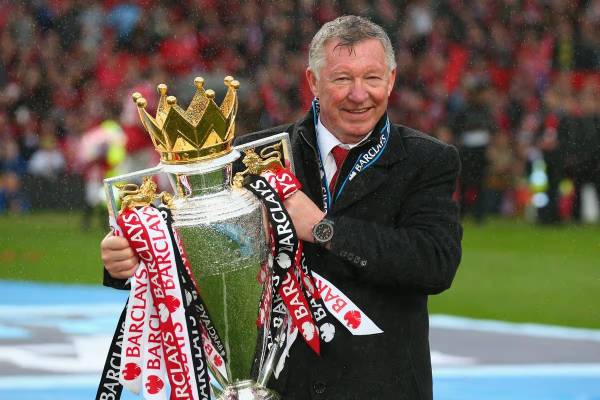
Throughout the history of the Premier League, several managers have left a lasting legacy through their achievements and innovations. Sir Alex Ferguson stands as one of the greatest, having built a dynasty at Manchester United through exceptional leadership and long-term vision. Arsène Wenger transformed Arsenal FC by introducing modern training methods and a more technical style of play, culminating in the legendary unbeaten season. José Mourinho brought tactical discipline and a winning mentality to Chelsea FC, while Claudio Ranieri delivered one of football’s greatest miracles by leading Leicester City to a historic title. Each of these managers demonstrated that success can be achieved through different philosophies, as long as leadership and execution are strong.
How Managers Build Winning Teams
Building a successful team in the Premier League requires more than just assembling talented players; it demands a strategic and holistic approach. Managers must identify players who fit their tactical system and contribute to the overall balance of the squad. They play a crucial role in developing young talent and helping players reach their full potential through consistent guidance and support. Squad rotation is another essential factor, especially in a league known for its intensity and packed schedule. Maintaining fitness and performance levels across all competitions is a challenge that only top managers can handle effectively. Additionally, creating a strong team culture, based on trust, discipline, and shared goals, is often the defining factor behind sustained success. Analytical insights from organizations like ESPN further highlight how team cohesion and depth influence long-term performance.
Conclusion with Future Managerial Trends
As the Premier League continues to evolve, so too does the role of the manager. The future will likely see an increased reliance on data analytics, sports science, and tactical innovation. Younger managers are bringing fresh ideas into the league, challenging traditional methods and pushing the boundaries of the game. However, despite technological advancements, the human element of management remains irreplaceable. Leadership, communication, and the ability to inspire players will always be at the core of success. In a league defined by its competitiveness and unpredictability, managers will continue to be the driving force behind every great team, shaping not only results but the very identity of the clubs they lead.