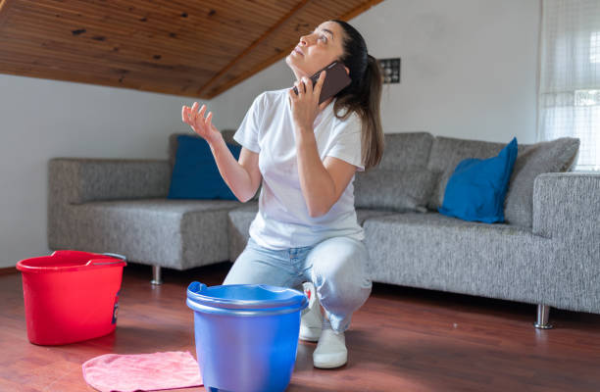
My cousin called me last winter, completely panicked. Water was coming out from under her bathroom vanity, and she had no clue what to do. She had already stuffed three towels into the cabinet and was googling “how to stop a flood.” The actual fix took about four minutes once a plumber got there. The water damage to the cabinet floor and the wall behind it took three weeks and a contractor to sort out.
That story plays out in thousands of homes every single week. Plumbing emergencies are not rare. They are not only for old houses or careless homeowners. They happen everywhere, to everyone, and they almost always happen at an inconvenient time. What separates a manageable situation from a genuinely destructive one is almost entirely about what you do in the first few minutes.
If there is one thing worth knowing before we get into the specifics, it is this: keep the number of a reliable Plumber Near Me saved on your phone before you ever need one. Not after the water starts rising. Before. You will be glad you did.
Types of Plumbing Emergencies You Are Most Likely to Face
Not everything that goes wrong with your plumbing is technically an emergency. A faucet that drips slowly is annoying. A toilet that runs all night wastes water. Both are worth fixing. But neither one requires you to drop everything right now. These do:
Burst Pipes
A pipe that has completely given way can release an enormous amount of water in a very short time. The part that catches most homeowners off guard is that burst pipes are not always obvious. Sometimes there is no dramatic spray. Sometimes the first sign is a ceiling that looks slightly discolored or a floor that feels slightly soft underfoot. By the time you notice the visible evidence, water has already been sitting inside your walls for a while.
Cold weather is the most common cause. When temperatures drop hard and fast, water inside pipes freezes, expands, and puts the kind of pressure on joints and pipe walls that they were simply not built to handle long-term. If you live somewhere that gets properly cold winters, frozen pipes are a real thing to think about every year, not just once.
Sewage Backing Up Into the House
This is honestly the worst one. When your main sewer line blocks up, wastewater reverses direction and comes back up through every drain in the house that sits below the blockage point. Toilets, floor drains, and showers, sometimes all at once. The smell hits you first. Then you notice drains moving sluggishly everywhere. Then, if nothing is done, actual sewage starts appearing in places it absolutely should not be.
There is no version of this that is a plumbing DIY situation. The health risks involved with raw sewage exposure are serious. This one needs a professional, and it needs one fast.
Water Heater Giving Out
A leaking water heater is more than just an inconvenience. If the leak is coming from the bottom of the tank, internal corrosion has usually already progressed to a point where the unit is close to failing entirely. Loud popping or rumbling from inside the tank means sediment buildup is forcing the heating element to overwork. Both situations need attention. And if you have a gas water heater and you catch even the faintest smell of sulfur near it, do not stand around trying to diagnose anything. Leave the room and call for help immediately.
What to Do Right Now Before the Plumber Gets There
The gap between when something goes wrong and when a professional arrives is where most of the damage actually happens. You probably cannot fix the source of the problem yourself. But you can absolutely control how much worse it gets while you wait. Here is the order of operations:
Turn Off the Water, Immediately
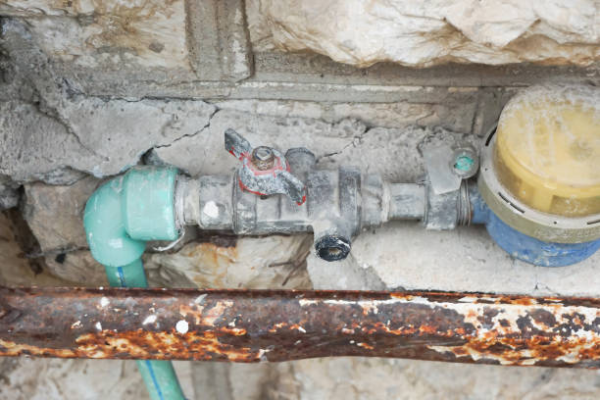
If the problem is coming from one fixture, there is usually a shutoff valve right underneath it or behind it. For anything bigger, go straight to the main shutoff valve. It is typically near where the main water line enters the building or close to your water meter. If you do not know where yours is right now, find it today. Not when you need it.
Shut Down the Water Heater
Once the main supply is off, the water heater needs to go off, too. Running it without water flowing through it can cause real damage to the unit itself. For electric heaters, go to the breaker. For gas, move the dial to the pilot setting and leave it there.
Open Faucets to Clear the Lines
With the main supply off, open faucets around the house to drain whatever water is still sitting in the pipes. This relieves leftover pressure, which matters a lot when there is a burst or cracked pipe in the mix.
Move Valuables Out of the Area
Get electronics, documents, and anything irreplaceable away from the wet zone right away. Water moves faster than you expect, and mold can take hold within 24 hours in a damp enclosed space. Two minutes of moving things around now can save you a significant amount of grief later.
Photograph the Damage Before Cleaning Up
Before you mop a single thing, take photos and short video clips of everything. The standing water, the damaged pipe or fixture, and the walls and floor around it. Insurance adjusters want to see what the situation actually looked like before cleanup started. Takes two minutes and could be worth a lot.
One thing people always forget: your water meter has a shutoff too. If the valve inside the house is seized or inaccessible for any reason, the meter valve outside is your backup. Worth knowing where it is.
Knowing When to Call Plumbing Experts Instead of Going It Alone
There is a certain kind of homeowner who treats every plumbing problem like a personal challenge. Some of that spirit is great. Replacing a flapper valve, snaking a slow drain, and tightening a compression fitting: these are genuinely reasonable things to handle yourself. I have done all of them. They are not complicated with a little patience and the right video.
But there is a point past which the DIY approach stops saving you money and starts costing you significantly more of it. The people I know who have ended up with the worst repair bills are almost always the ones who pushed past that point without acknowledging it.
If any of the following describes your situation, step back and search for a 24 7 Plumber Near Me right now. You need someone trained, licensed, and properly insured to handle this one.
- The leak is on the main supply line coming into the building
- Sewage water has reached any living space, kitchen, or bathroom floor
- Your water heater is leaking from its base
- Multiple drains in the house are backing up at the same time
- Is there any possibility of a gas line being involved
- The repair requires getting inside walls, floors, or ceilings
- You already tried fixing it, and it got worse.
Non-Negotiable Rule
- Gas lines are never a DIY repair. Not once. Not for a quick look. If you smell gas anywhere near a pipe or appliance, leave the building, do not flip any switches on your way out, and call your gas provider from outside. A plumber comes after that situation has been made safe by the appropriate people.
Things You Can Do Now to Avoid Emergencies Later
This section is the one most people skip because it feels boring. I understand that. But honestly, most of the plumbing disasters I have seen or heard about gave off warning signs well in advance. The homeowner just did not know what to look for or did not think it was a big deal yet.
Take Your Water Bill Seriously
If your monthly water bill goes up noticeably and nothing in your household routine has changed, something somewhere is leaking. It might be slow. It might be hidden inside a wall or under a slab. But it is happening, and it will not fix itself. A spike in your bill is one of the most reliable early signals your plumbing system sends. Do not dismiss it.
Protect Pipes When It Gets Cold
Foam pipe insulation sleeves are cheap and take about an afternoon to install on exposed pipes in your garage, crawl space, or basement. On genuinely cold nights, open the cabinet doors under the bathroom and kitchen sinks on exterior walls. Let faucets run at the thinnest trickle. These are small habits. The cost of a burst pipe in January is not a small thing.
Stop Sending Grease Down the Kitchen Drain
I know everyone has heard this. I also know most people still do it. Grease goes down warm and liquid and then slowly solidifies inside the pipe, catching everything else that follows it until the whole line is blocked solid. Pour it into an old tin, let it harden, and throw it out. That single habit eliminates one of the most common causes of serious kitchen drain problems.
Get Your System Checked Once in a While
Especially in homes that are more than 20 years old. Pipes corrode, joints weaken, water heaters accumulate sediment, and none of it announces itself before it becomes a crisis. A professional inspection every year or two catches these things early. It is almost always cheaper to fix a small thing that a plumber spotted during a checkup than to deal with the same issue six months later when it has progressed into something major.
The Short Version of Everything Above
Plumbing emergencies are going to happen. Some of them you can handle yourself with a cool head and the right information. Others need someone licensed and experienced on-site as fast as possible. The difference between the two is not always obvious in the moment, which is exactly why knowing the basics matters so much.
Find your main water shutoff valve today. Keep it accessible. Build a few simple habits around what goes down your drains and how you prepare your pipes for cold weather. And save the contact details for a reliable emergency plumber before you are standing in two inches of water at midnight, trying to remember how to find one. That little bit of preparation is genuinely worth more than any DIY skill you will ever pick up.