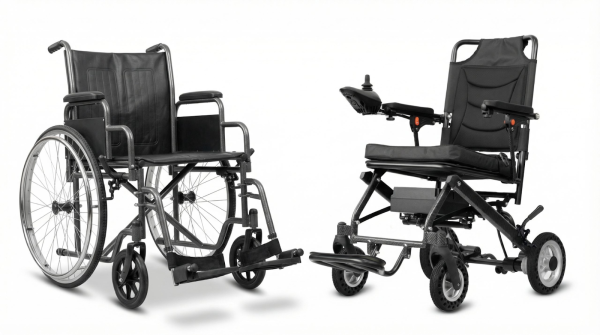
Choosing the right wheelchair means balancing comfort, performance, and practicality. For anyone researching options, an important starting point is knowing the average wheelchair weight and how that number influences daily life. blood: This article breaks down common weight categories for wheelchairs, explains how weight affects portability and caregiving, and offers real-life scenarios to help you pick the best mobility aid for your needs.
What do we mean by “wheelchair weight categories”? Wheelchairs vary widely in weight because of design, materials, and intended use. Here are the main categories and what each typically includes:
- Lightweight wheelchair: These items usually weigh between 15 and 30 pounds. They are designed with lighter frame materials such as aluminum or carbon fiber and often fold into compact shapes for storage and travel. Lightweight wheelchairs suit active users who self-propel or who need easy lifting for transport.
- Standard manual wheelchair: Expect a weight range from about 30 to 40 pounds. This group includes durable models with steel or heavier aluminum frames. They are cost-effective and reliable for daily use; however, they can be more challenging to lift into vehicles.
- Heavy-duty wheelchair: These models often weigh 40 pounds or more. They are built for higher weight capacities and reinforced frames. Heavy-duty chairs prioritize stability and longevity; they are ideal when higher strength and durability matter most.
- Ultra-lightweight and rigid-frame wheelchair: Rigid-frame wheelchairs with minimal folding mechanisms can weigh under 15 pounds when optimized with carbon fiber components. These are performance-oriented; athletes, frequent travelers, and very active users prefer them.
- Power or electric wheelchair: Electric chairs are the heaviest on average; most range from 100 to 250 pounds depending on battery size, motor power, and chassis. They deliver independence over longer distances and on varied terrain; the trade-off is a heavier, bulkier device for transport and storage.
How weight affects portability and travel Weight is the single most important factor when thinking about portability. A wheelchair that is light enough to lift into a car trunk can transform day-to-day independence. Consider these practical points:
- Lifting into vehicles: Manual lifting thresholds vary by caregiver strength; a chair under 30 pounds is substantially easier for one person to manage. A heavier chair may require two people or a vehicle ramp and secure tie-down system.
- Air travel: Airlines have carry-on and checked baggage rules that seldom accommodate heavy mobility devices without advance arrangements. Lightweight and foldable chairs usually make travel simpler; power wheelchairs require airline coordination for battery rules and secure stowage.
- Public transport: Boarding a bus or train is smoother with a wheelchair that can be folded or that fits into designated spaces. Heavier chairs are less convenient and may need travel companions for assistance.
- Frequent flights or long trips: If you plan regular travel, prioritize compact and lightweight models or look into travel wheelchairs specifically designed for repeated handling.
Impact on storage and home layout Wheelchair weight ties directly to how easy it is to store and where you can place it in the home:
- Compact storage: Lightweight and foldable chairs can fit into closets, car trunks, and small apartments. They make living spaces more flexible.
- Structural considerations: Heavy electric chairs need sturdy storage areas and sometimes home modifications such as ramps or wider doorways to accommodate them safely.
- Battery care and charging: Power chairs require a safe area for charging; batteries add to total weight and dictate where the device is stored overnight.
Caregiver convenience and lifting safety For caregivers, chair weight affects physical strain and long-term musculoskeletal health. Here are practical concerns:

- Lifting technique: Repeatedly lifting heavy chairs increases the risk of back injury. A lighter chair reduces strain and supports safer transfers; where heavy chairs are necessary, consider mechanical lifts or vehicle lift systems.
- Assisted lifting devices: If caregivers are unavailable or lifting is difficult, products such as vehicle lifts, ramp systems, and transfer boards can bridge the gap; these tools allow heavier chairs to remain in use without endangering helpers.
- Time and fatigue: Moving a lighter chair is faster and causes less fatigue during daily tasks like going out for groceries or attending appointments.
Real-life scenarios to illustrate choices
Scenario one: Active commuter who self-propels. Sofia commutes to work by bus and walks short distances outdoors. She needs a chair that she can lift into her compact sedan and fold for storage at the office. A lightweight wheelchair around 20 to 25 pounds gives her easy boarding, quick transfers, and low fatigue. The lighter frame also makes propelling easier over city sidewalks.
Scenario two: Suburban caregiver and occasional travel Mark cares for his mother, who uses a standard manual wheelchair when outdoors and an electric chair at home for longer distances. For car trips, they keep a portable, foldable manual chair in the trunk for short outings. For long drives they transport the heavier power chair with a vehicle lift. This combination reduces lifting strain and keeps options flexible.
Scenario three: Power chair user with mobility challenges, Aisha relies on an electric wheelchair for all daily mobility. Her chair weighs 180 pounds, including batteries. At home she uses a charging station and keeps the chair indoors. When traveling, she arranges specialized transport that can handle the chair weight and secures it with a tie-down system. For short trips she may switch to a lightweight travel chair to avoid complex logistics.
Choosing long-term health and independence Weight should align with your lifestyle and future needs. If you expect mobility to change over time, consider versatile options:
- Modular choices: Some systems allow swapping components like batteries or wheels to reduce weight for travel.
- Renting or borrowing: For occasional needs, renting a portable wheelchair may make more sense than permanently trading down from a heavy-duty chair that you need at home.
- Professional assessment: A clinician or occupational therapist can recommend a balance between weight, support features, and postural needs to maintain health and avoid pressure injuries.
Additional practical considerations when comparing models
- Materials: Aluminum, titanium, and carbon fiber lower weight, while steel increases weight but often reduces cost.
- Accessories and customization: Extra cushions, heavy batteries, and storage pouches add pounds; factor them into the total weight when planning transport.
- Wheel size and tires: Larger wheels and heavy-duty tires increase weight but may improve outdoor performance and comfort.
- Maintenance: Heavier devices often require more complex maintenance; portability can simplify getting repairs or replacements.
Where to learn more and daily mobility resources For those wanting regular tips and user stories about adjustments and products, Daily Mobility Solutions provides hands-on ideas and community experiences that can help you decide on a specific model.
Choosing the best weight for your situation: quick checklist
- Do you lift the chair often for transport? If yes, favor under 30 pounds.
- Do you need higher weight capacity for support? Choose heavy-duty models and plan for mechanical aids.
- If travel is frequent, prioritize foldable, compact, and airline-friendly designs.
- Are you using power assistance? Account for battery weight and charging logistics.
- Will caregivers lift the chair? Consider their safety and invest in lifting aids if needed.
Conclusion
Wheelchair weight affects nearly everything from daily convenience to long-term health and travel freedom. By understanding categories like lightweight, standard, heavy-duty, and power wheelchairs, you can match a chair to your lifestyle. Consider lifting demands, storage, accessory weight, and caregiver capacity before deciding. The right balance between support and portability will make daily life easier and preserve independence over time.