The oil market at the start of 2026 has been under pressure from geopolitical tensions, including the conflict involving the US, Israel, and Iran, along with instability around the Strait of Hormuz. This route carries close to 20% of the global oil supply, so any disruption can quickly affect prices. As a result, oil has shown sharp movements within short periods. In this article, analysts from Vantedge Group, one of the leading brokers globally, review current oil price behavior as well as trading conditions.
What is happening to oil prices right now
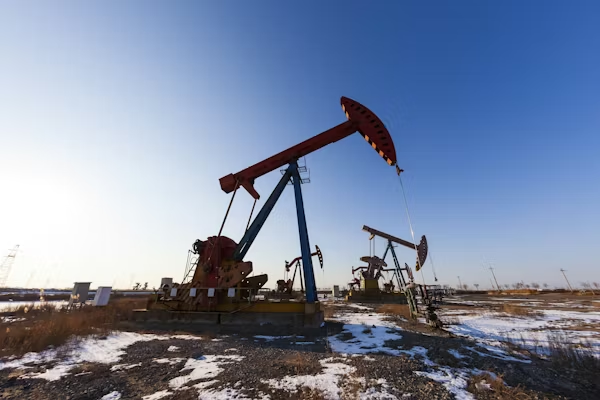
Oil prices have experienced strong upward pressure, followed by rapid changes in short time frames. Brent crude moved above $100 per barrel, marking its highest level in several years. In March 2026, prices reached between $110 and $126, reflecting growing concern over supply disruptions.
Source: Unsplash
One of the main reasons behind this increase comes from reduced oil flow through the Strait of Hormuz. Reports of disrupted shipping activity led to a noticeable decline in tanker movement, which raised concerns about supply availability. At the same time, several Gulf countries reduced production by millions of barrels per day, adding further pressure to the market.
However, these upward movements haven’t been stable. After reaching higher levels, oil prices also recorded short-term pullbacks. In some cases, prices dropped back to around $85–$90 per barrel. These declines followed expectations that strategic oil reserves might be released or signals that tensions could ease. This pattern shows that the market is reacting fast to both risk and relief signals.
What is driving these movements
Geopolitical tension is the biggest influence on oil prices at the moment. The situation in the Middle East has raised concerns about supply security when reports mention attacks on oil facilities or disruptions to transport routes. These events increase uncertainty and lead to immediate market reactions.
At the same time, the balance between supply and demand has added pressure. Though production has been affected by disruptions and output cuts, demand for energy has been quite steady on a global stage. This imbalance means that even small changes in supply can result in remarkable price movements.
Market expectations also contribute to these shifts. Organizations such as the International Energy Agency have discussed the possibility of releasing large volumes of oil reserves to stabilize prices. When such information appears, the market reacts in both directions. Prices can rise on supply concerns, but then fall as traders consider potential intervention. Vantedge Group experts note that these mixed signals explain why oil prices haven’t followed a single clear trend in recent months.
Advantages of trading oil with CFDs
Some traders follow oil price movements through CFDs. This approach allows them to observe and trade based on price changes without owning physical oil.
Source: Unsplash
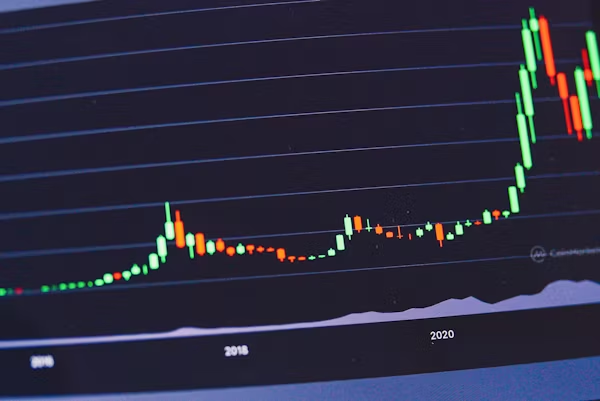
One feature of CFDs is the ability to respond to both upward and downward trends. When oil prices increase due to supply concerns, traders can observe that movement. When prices fall after market intervention or easing tensions, the same market can still be followed from a different direction. This flexibility becomes relevant in a market where prices change rapidly.
Another aspect is adaptability during volatile periods. The oil market in early 2026 has shown frequent price swings, and this environment attracts attention because conditions change in such a short span. According to Vantedge Group, CFD trading provides a good way to keep up with these modifications through a single platform.
The importance of responsible CFD trading
Volatility can attract interest, but it also introduces higher levels of uncertainty. Oil prices at present can move sharply in response to news about geopolitical events or supply disruptions. In such conditions, sudden price changes can occur in a short period.
Because of this, being aware of market conditions becomes essential. Traders like to monitor geopolitical developments, energy supply updates, and broader economic signals before making decisions. These factors help explain why prices move rather than relying only on short-term fluctuations.
Using trading tools responsibly is another important consideration. CFDs grant access to price movements, but they also require a clear understanding of how the instrument works. Analysts at Vantedge Group emphasize that awareness of risk and careful observation of market conditions support a more effective approach to trading in a volatile environment.
All in all, the oil market in early 2026 has been shaped by several overlapping factors, including Middle East tensions, supply disruptions around the Strait of Hormuz, and possible market interventions. These elements have created clear price movements in both directions within short periods.
However, it should be noted that volatility introduces additional uncertainty. Therefore, getting to know these conditions and approaching CFD trading with a sense of responsibility can help traders enter the oil market more sensibly.