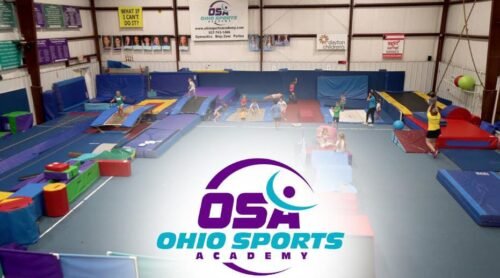
The “Back to School” season is typically defined by a checklist of analog supplies: graphite pencils, spiral-bound notebooks, stiff new denim, and the smell of fresh erasers. But in the modern educational landscape of 2026, the most critical tool for academic success isn’t something you can stuff into a backpack or download onto a tablet—it is the biological technology of the student’s own brain. As parents prepare for the upcoming academic year, they are increasingly looking for a “service upgrade” that enhances focus, resilience, and cognitive processing power. This is where the modern gymnasium steps in. It is no longer just a place for physical play; it is a laboratory for neural development and a necessary counterbalance to the digital demands of the classroom.
1. The Neuroscience of the Classroom: Overclocking the Brain
To understand why a tumbling pass can improve a math grade, we have to look at the “hardware” of the human brain. Research in neurobiology has long established that physical activity triggers the release of Brain-Derived Neurotrophic Factor (BDNF). You can think of BDNF as “Miracle-Gro” for the brain; it encourages the growth of new neurons and strengthens the connections between existing ones. When a child engages in the complex, gravity-defying movements found in gymnastics or ninja training, they are essentially overclocking their cognitive processor.
Unlike repetitive exercises like running on a treadmill, gymnastics requires “bilateral integration”—the coordinated use of both the left and right sides of the body. This functions like a high-speed data cable connecting the brain’s two hemispheres (the corpus callosum). When a student learns to coordinate their limbs to vault over a block or balance on a beam, they are reinforcing the same neural pathways used for reading, writing, and sequencing complex ideas. By integrating a structured movement program into the back-to-school routine at Ohio Sports Academy, parents are effectively installing a software patch that improves memory retention and executive function in the classroom.
2. Debugging the Sedentary Lifestyle with Clean Architecture
The modern classroom environment, despite its advancements, often introduces a significant “bug” into a child’s system: the sedentary lifestyle. Sitting at a desk for six to seven hours a day can lead to physical stagnation that hampers mental alertness. The human body was designed for movement, not for prolonged static posture. Without a physical outlet, students often experience “system lag”—manifesting as fidgeting, lack of focus, or emotional volatility. We view our facility as the firewall against this stagnation.
By providing a safe, high-energy environment, we help students “reboot” their systems after the final bell rings. This isn’t just about burning off energy; it is about recalibrating the body’s sensory inputs. Furthermore, our extensive daily cleaning process ensures that this “reboot” happens in the cleanest gym around. We treat our environment with the precision of a cleanroom lab, utilizing hospital-grade sanitation protocols to ensure that our athletes are training in a space that prioritizes health and hygiene above all else. This attention to detail allows kids to leave the stress of the school day at the door and fully immerse themselves in the joy of movement without the distraction of environmental concerns.
3. The Trifiro Algorithm: A Legacy of Personalized User Experience
While we talk about the “technology” of movement, the heart of our program is deeply human. The “code” that runs our facility was written by a family who lived the experience themselves. The Trifiro family didn’t just buy a business; they inherited a legacy. Starting as clients in 1997 under the name Hand 2 Hand, they experienced the transformative power of this gym firsthand. David Trifiro, now the General Manager, began his training here at age eight, competing all the way through his high school graduation.
This history informs every decision made, ensuring that we aren’t just a service provider, but a partner in your child’s development. When Diane and Tony Trifiro purchased the facility in 2010, their goal was to preserve the community that helped raise their son. This family-owned perspective means we treat every student like a unique user with their own specific goals and needs, rather than just another number in a database. We understand the frantic pace of the school year, and our mission is to provide a consistent, supportive space where families feel at home.
4. Installing Resilience: The “Brave and Try” Protocol
One of the most critical “soft skills” required for academic success is resilience—the ability to encounter a difficult problem, fail, and try again without losing confidence. In a classroom, a bad test score can sometimes feel like a system crash to a student. However, in the gym, “failing” is a necessary feature of the learning process. You cannot learn a back tuck or a ninja wall run without first learning how to fall safely.
Our curriculum is built on a “Brave and Try” protocol. We teach students that mistakes are simply data points that help them adjust their technique for the next attempt. When a child learns to get back up after a stumble on the trampoline, they are building the emotional resilience required to tackle a complex algebra problem or navigate a difficult social situation at school. This grit is the ultimate antivirus software for a student’s self-esteem, protecting them from the fear of failure that often inhibits academic growth.
5. Network Connectivity: Social Skills in a Digital Age
School is not just an academic challenge; it is a social one. In an era where much of a child’s interaction happens through screens, face-to-face social skills are becoming a premium asset. Our programs act as a social network in the real world. Whether it’s cheering for a teammate during a relay race or waiting their turn on the tumble track, students are constantly practicing empathy, communication, and teamwork.
Finding the right gymnastics school is about finding a community that reinforces the values you teach at home. We foster an environment where “everyone is good at something.” Our inclusive approach, including our “I Can Do It!” Adaptive Gymnastics program, ensures that every child finds their place in the network. This sense of belonging is crucial for mental health, providing a stable social anchor that helps students navigate the often turbulent waters of peer pressure and school social dynamics.
6. A Multi-Platform Approach to Fitness
Just as a computer relies on multiple systems to function smoothly, a child’s physical literacy relies on variety. Specialization too early can lead to “overheating” or burnout. That is why we offer a diverse suite of applications for physical fitness. From the explosive power required in Tumbling to the spatial awareness developed in our Ninja Zone, and the core stability forged in Aerial Arts, our programs cross-train the body in unique ways.
This variety keeps the “user experience” fresh and engaging. A student might struggle with a cartwheel on Monday but find they are a natural at the warped wall on Wednesday. This diversity of success builds a robust self-image. We host birthday parties, ninja games, and camps to ensure that the fun never stops. As Amber L., a “Customer for Life,” noted, our staff celebrates every milestone right alongside the parents. This positive reinforcement loop keeps students motivated, ensuring that they carry a sense of accomplishment with them back into the classroom.
Conclusion: The Ultimate Service Upgrade
As you finalize your back-to-school preparations, consider looking beyond the stationary aisle. The most powerful tool you can give your child this semester is a body and brain that are optimized for learning. By integrating high-quality movement education into their weekly routine, you are providing a service upgrade that pays dividends in focus, health, and confidence. The future of education is active, and we are here to help your student lead the way.