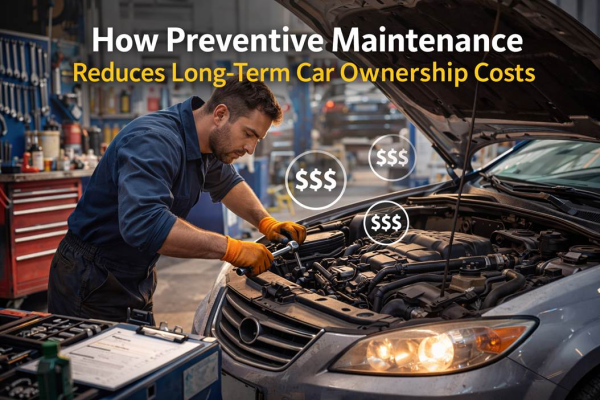
Car ownership is often assessed in terms of purchase price and fuel expenses. However, the true cost of owning a vehicle extends far beyond the initial investment. Maintenance, repairs, depreciation, and unexpected breakdowns can significantly influence long-term expenses. One of the most effective ways to manage these costs is through preventive maintenance — a proactive approach that addresses minor issues before they become major problems.
In demanding urban environments, preventive care is not just advisable; it is financially sensible.
Understanding Preventive Maintenance
Preventive maintenance involves routine inspections and servicing designed to keep a vehicle operating efficiently. Instead of waiting for components to fail, owners schedule checks at regular intervals to monitor wear and replace parts as needed.
Common preventive measures include:
- Engine oil and filter replacement
- Brake system inspection
- Coolant and fluid checks
- Tyre rotation and alignment
- Battery health testing
These actions may appear minor individually, but collectively they reduce the likelihood of costly repairs.
Avoiding Major Mechanical Failures
Many expensive repairs begin as small, manageable issues. For example, a minor coolant leak may eventually lead to engine overheating if ignored. Worn brake pads, when left unreplaced, can damage brake discs and increase repair bills. Similarly, neglecting suspension noise may result in more extensive structural wear.
By identifying such issues early, preventive maintenance helps owners avoid:
- Engine damage
- Transmission complications
- Brake system failure
- Electrical malfunctions
The financial difference between replacing a small component and rebuilding a major system can be substantial.
Fuel Efficiency and Operational Savings
Regular maintenance also contributes to improved fuel efficiency. Clean air filters, properly inflated tyres, and fresh engine oil allow a vehicle to operate at optimal performance levels. Even small efficiency improvements can lead to noticeable savings over time, particularly for drivers covering significant distances.
Poorly maintained vehicles often consume more fuel due to reduced engine efficiency and increased rolling resistance. Preventive care ensures that everyday driving remains cost-effective.
Urban Driving and Increased Wear
In high-traffic cities such as New Delhi, vehicles face additional strain from congestion, extreme temperatures, and uneven road surfaces. Stop-start traffic accelerates brake wear, while prolonged idling stresses cooling systems.
Drivers seeking car repair in New Delhi frequently encounter issues that stem from delayed maintenance, including overheating, brake degradation, and suspension damage caused by potholes. Preventive servicing helps mitigate these risks before they escalate into costly emergencies.
Given the density of traffic and environmental stress in metropolitan regions, routine inspections become even more important for controlling long-term ownership expenses.
Extending Vehicle Lifespan
Preventive maintenance does not merely reduce repair bills; it extends the lifespan of a vehicle. Engines that receive timely oil changes and cooling system checks tend to operate smoothly for longer periods. Similarly, properly aligned wheels and maintained suspension components preserve structural integrity.
Owners who plan to keep their cars for several years benefit most from this approach. A well-maintained vehicle is less likely to experience sudden breakdowns that disrupt daily routines or require emergency towing.
Preserving Resale Value
Resale value is another key component of total ownership cost. Buyers in the used-car market are more inclined to trust vehicles with documented service histories and consistent maintenance records.
A car that has been regularly inspected and serviced:
- Commands higher resale confidence
- Demonstrates mechanical reliability
- Reduces buyer hesitation
Even if the owner does not intend to sell immediately, maintaining resale value protects long-term financial flexibility.
Reducing Emergency Repair Expenses
Emergency repairs are often the most expensive form of vehicle maintenance. They involve not only higher parts and labour costs but also inconvenience, potential towing charges, and lost time.
Preventive maintenance minimises these scenarios by detecting issues early. Many drivers now use organised service networks to schedule regular checks conveniently. Platforms such as ACKO Drive, which support service and structured maintenance access through ACKO Drive Service Centres, help owners manage inspections proactively rather than reactively.
This structured approach reduces uncertainty and promotes predictable ownership costs.
The Psychological Benefit of Proactive Care
Beyond financial considerations, preventive maintenance offers peace of mind. Drivers who know their vehicle has been recently inspected are less anxious during long journeys or daily commutes. This confidence contributes indirectly to safer driving and a more positive ownership experience.
While it may be tempting to delay minor servicing to save short-term expenses, proactive maintenance typically proves more economical over the lifespan of the vehicle.
Conclusion
Preventive maintenance plays a critical role in reducing long-term car ownership costs. By addressing small issues early, maintaining efficiency, and preserving resale value, vehicle owners can avoid significant financial strain.
In demanding urban conditions, especially in cities like New Delhi, regular inspections and timely servicing are practical strategies rather than optional extras. A consistent preventive approach ultimately ensures that a vehicle remains reliable, efficient, and financially sustainable throughout its ownership cycle.