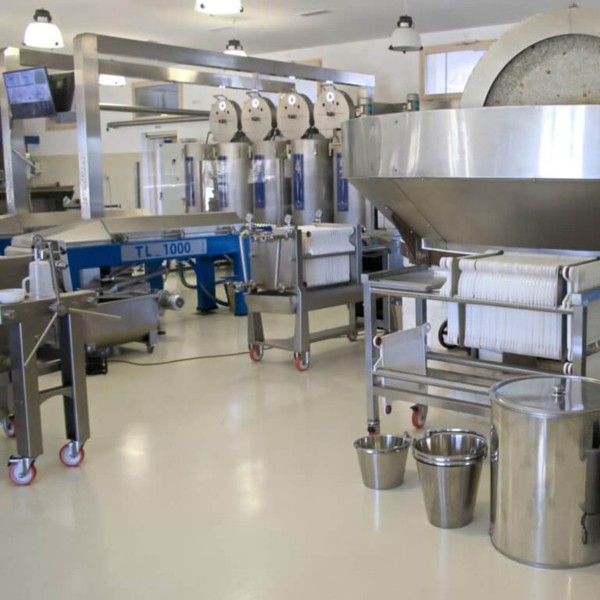
Overview of the 2026 Outlook
Epoxy Floors NJ has released an industry outlook examining how flooring requirements for food service facilities across New Jersey are expected to evolve in 2026. The analysis focuses on sanitation standards, durability expectations, regulatory alignment, and long-term operational resilience. The findings reflect observed patterns across commercial kitchens, food processing areas, and beverage production spaces throughout the state.
The outlook draws from decades of regional project data, inspection trends, and material performance outcomes commonly associated with Food Services Flooring Installation NJ.
Regulatory Pressure Continues to Shape Flooring Decisions
Food service environments operate under strict oversight from health departments, insurers, and third-party auditors. Flooring systems are increasingly reviewed for more than surface appearance.
Key requirements highlighted for 2026 include:
- Seamless, non-porous surfaces that limit bacterial harbor points
- Resistance to frequent washdowns using hot water and chemical agents
- Slip-resistant textures that remain effective in wet conditions
- Compatibility with USDA and FDA sanitation expectations
Concrete substrates with failing grout lines or cracked coatings are cited as recurring compliance risks. Facilities replacing aging surfaces before inspection cycles are shown to reduce remediation delays and operational disruptions.
Durability and Thermal Performance Gain Priority
Thermal shock remains a primary failure point in food service flooring. Rapid temperature shifts from steam cleaning, boiling liquids, and cold storage movement place stress on traditional materials.
The outlook notes increased specification of epoxy and urethane systems engineered for:
- High heat tolerance
- Rapid temperature transitions
- Repeated mechanical impact from carts and equipment
These characteristics align closely with current Food Services Flooring Installation NJ standards, particularly in facilities operating extended hours or multi-shift production schedules.
Maintenance Planning Becomes a Cost Control Tool
Flooring is no longer evaluated as a one-time capital expense. Maintenance planning now plays a central role in budgeting discussions.
The report highlights measurable outcomes tied to proactive flooring strategies:
- Reduced downtime during repairs
- Lower long-term maintenance labor costs
- Improved inspection readiness throughout the year
Facilities adopting scheduled recoating cycles show fewer emergency shutdowns and more predictable operating costs. Flooring systems that support quick cleaning routines are identified as a practical advantage in labor-constrained environments.
Residential Flooring Trends Inform Commercial Expectations
While the outlook centers on food service facilities, residential flooring trends continue to influence expectations around finish quality and longevity. Epoxy Flooring for Homes NJ has gained visibility due to its durability, moisture resistance, and clean appearance.
As a result, commercial decision-makers increasingly expect:
- Consistent surface aesthetics across visible service areas
- Flooring that balances function with visual order
- Systems that perform reliably without frequent cosmetic repairs
The crossover between residential and commercial epoxy applications reflects broader material trust rather than stylistic preference.
Workforce Safety Remains a Central Driver
Slip and fall incidents remain one of the most reported workplace injuries in food service settings. Flooring texture, drainage planning, and surface wear patterns are identified as controllable factors.
The outlook emphasizes:
- Slip-resistant aggregates calibrated for wet environments
- Proper slope design near drains and prep areas
- Surface renewal schedules based on traffic patterns
These elements are positioned as practical risk-reduction tools rather than optional upgrades.
Looking Ahead to 2026
The 2026 outlook concludes that flooring decisions in food service environments will continue to intersect with compliance, safety, and operational efficiency. Materials that meet performance demands while simplifying maintenance workflows are expected to see wider adoption across New Jersey facilities.
The analysis also notes that familiarity with epoxy systems in residential contexts, including Epoxy Flooring for Homes NJ, contributes to broader acceptance in regulated commercial settings.
For additional information or media queries, please visit https://epoxyfloorsnj.com/.
About Epoxy Floors NJ
Epoxy Floors NJ is a New Jersey–based contractor focused on epoxy flooring systems for commercial, industrial, and residential environments. The company is known for durable installations, safety-focused surfaces, and long-term performance across food service facilities, warehouses, and private homes throughout the state.
Company Information
Company Name: Epoxy Floors NJ
Contact Name: Stephen Smedley
Address: 436 Lincoln Blvd, Middlesex, NJ 08846
Phone: 732-384-5577
Email: Sales@hpsflooring.com
Website: https://epoxyfloorsnj.com